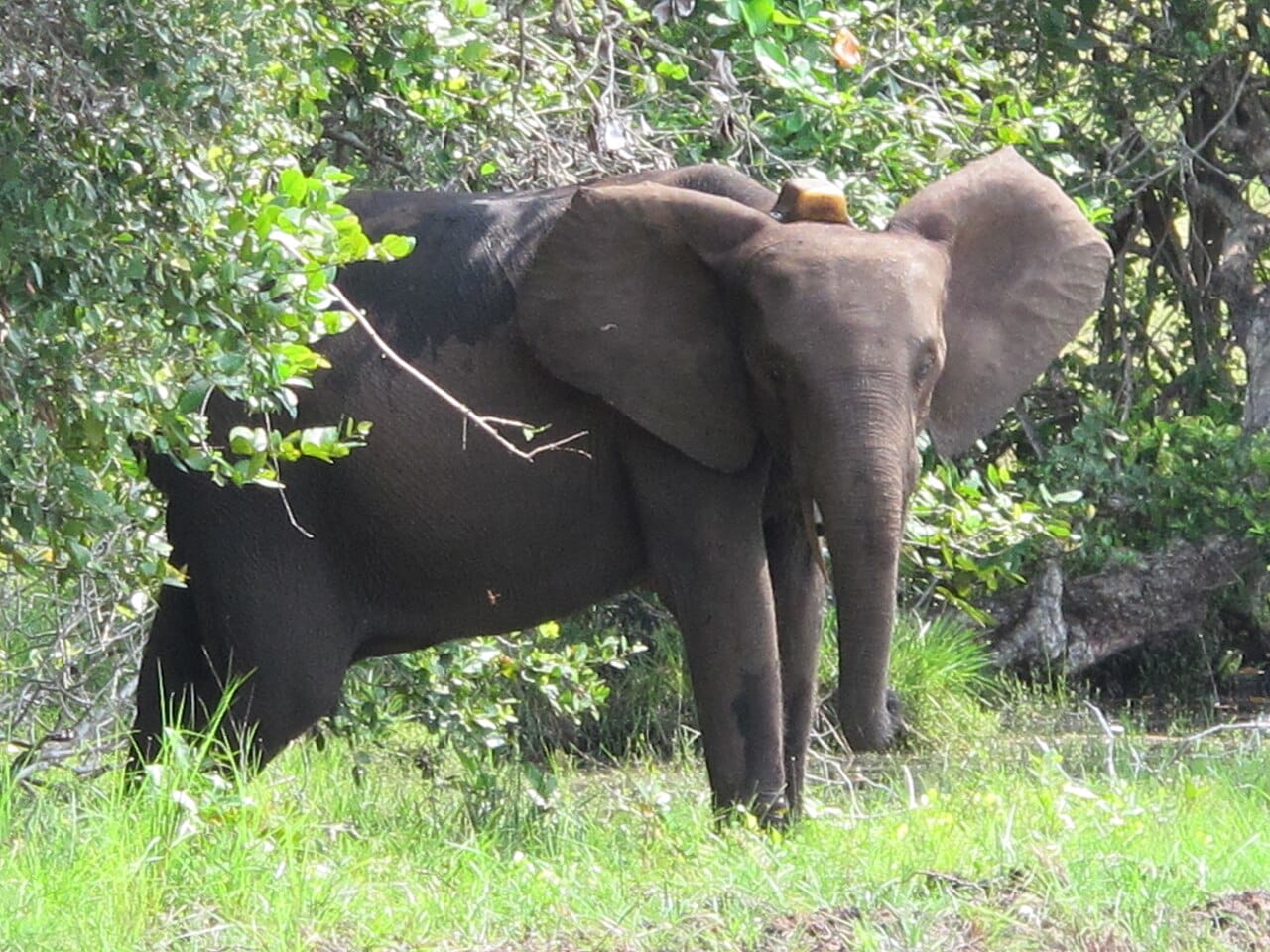
Gabon is a country on the Atlantic coast of Central Africa, straddling the equator, and one of the most heavily forested nations on Earth. Dense tropical rainforest covers the great majority of its land, sheltering an extraordinary abundance of wildlife, including forest elephants and gorillas, which has earned the country a reputation as one of Africa's last great natural sanctuaries. Sparsely populated and rich in oil, Gabon is, by the standards of the region, a relatively prosperous nation.
Gabon's history runs from Bantu forest peoples, through French rule and a haven for freed slaves, to a single family's half-century grip on an oil-rich state, ended at last by a coup.
The forests of Gabon were settled over the centuries by Bantu peoples, among them the Fang, organised into clans and small communities rather than large kingdoms. From the fifteenth century Portuguese and then other European traders reached the coast, whose cloak-shaped estuary gave the country its name, and drew the region into Atlantic commerce, including the slave trade. In 1849 the French founded Libreville, meaning free town, as a settlement for slaves freed from an intercepted ship, echoing the founding of Freetown and Monrovia elsewhere on the coast.
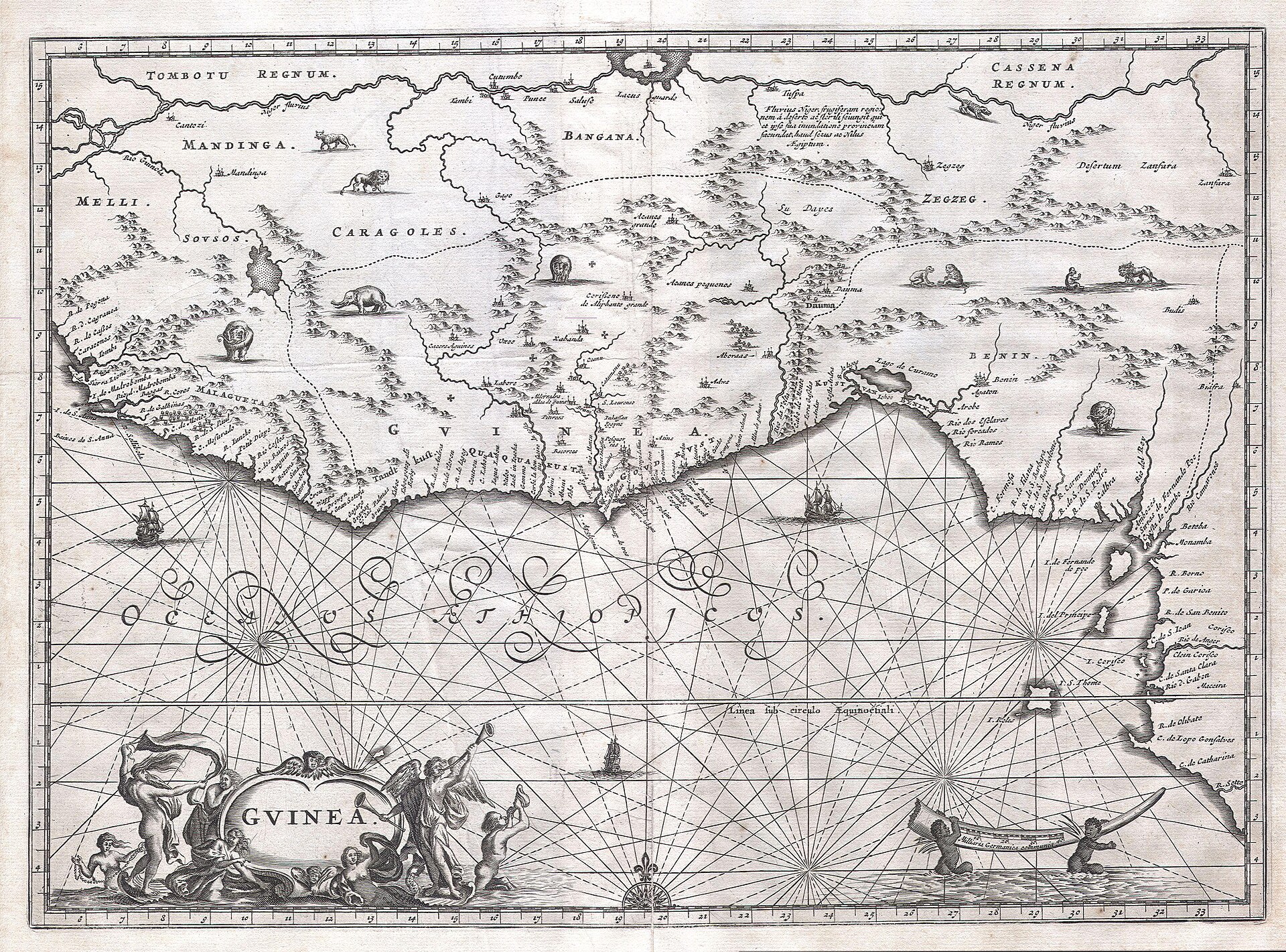
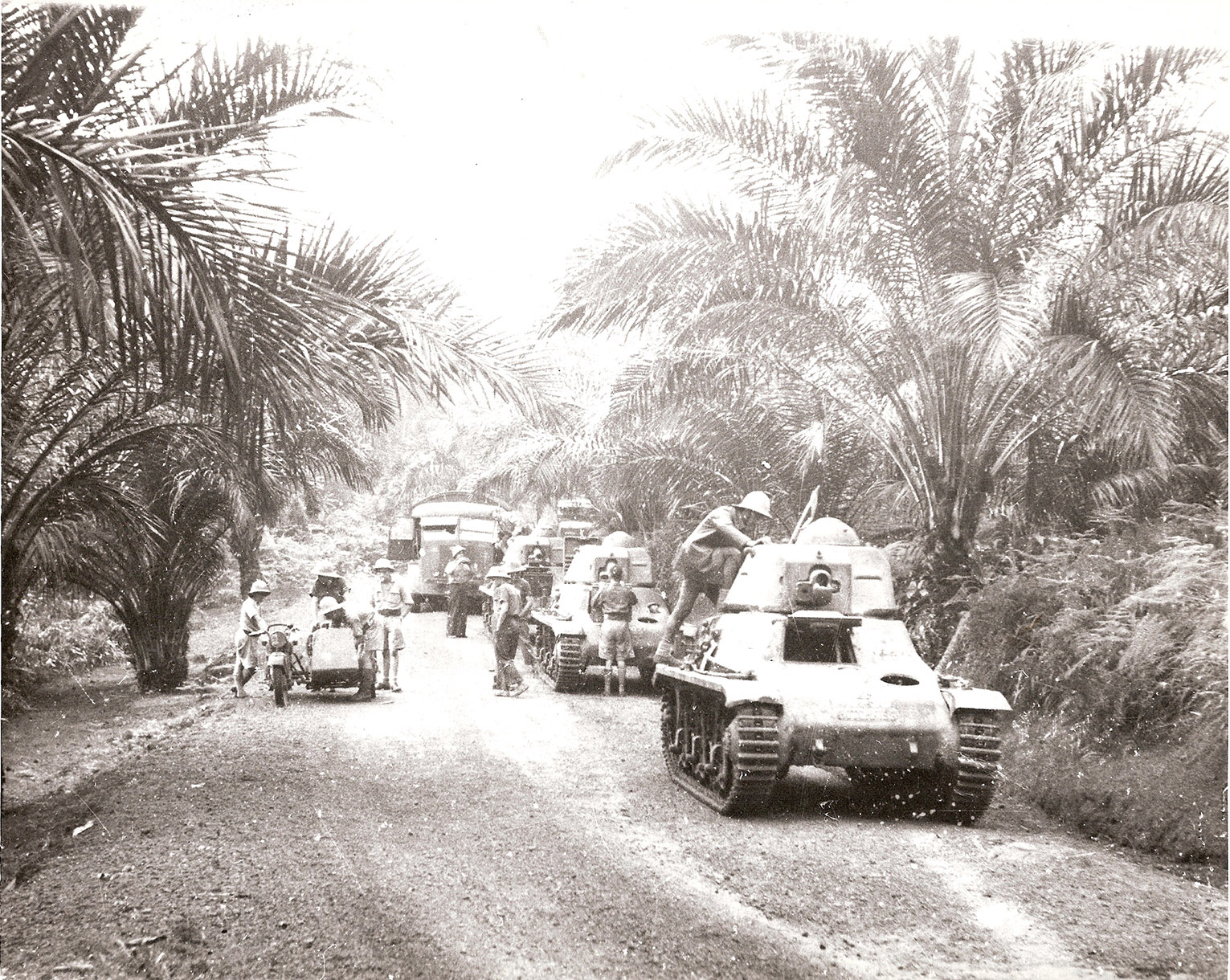
France gradually extended its control over the interior through the nineteenth century, ruling Gabon as part of French Equatorial Africa. The territory played a notable part in the Second World War: in 1940 it was the scene of the Battle of Gabon, in which Free French forces loyal to General de Gaulle wrested the colony from the Vichy regime, an early victory for the Free French cause. Independence came peacefully in 1960.
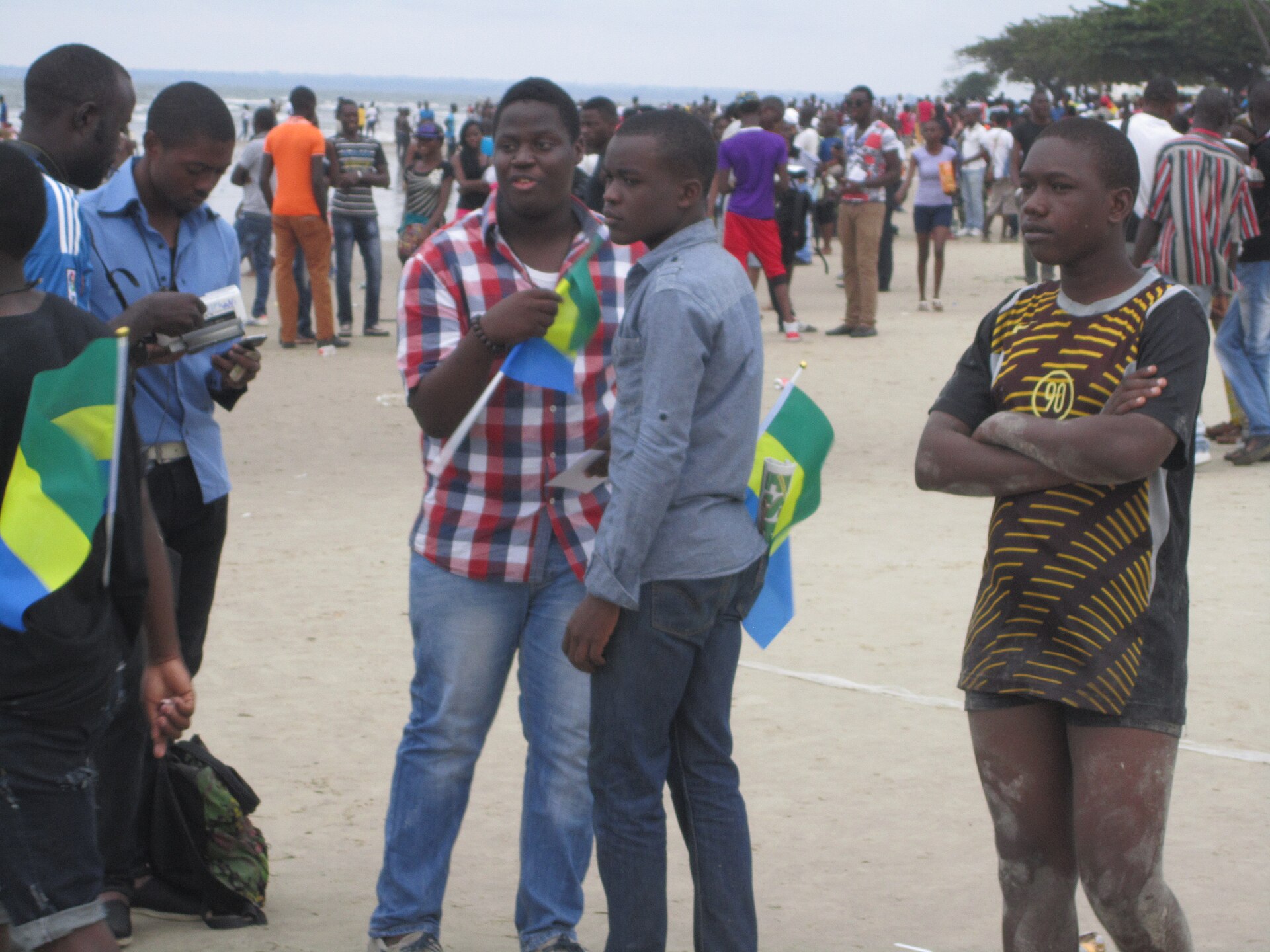
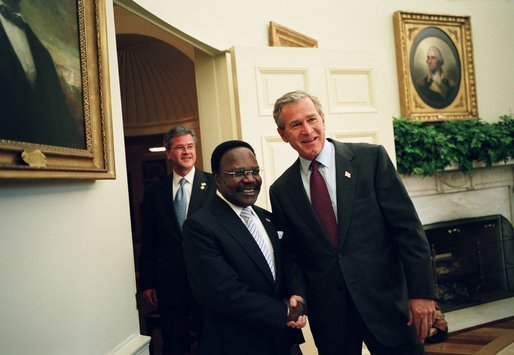
For more than fifty years after independence, Gabon was dominated by one family. Omar Bongo took power in 1967 and ruled until his death in 2009, one of the longest-serving leaders in the world, sustained by the country's oil and by close ties to France; his son Ali Bongo then succeeded him. In 2023, moments after Ali Bongo was declared the winner of a disputed election, the military seized power, ending 56 years of Bongo rule to widespread public rejoicing, and installed General Brice Oligui Nguema, himself a relative of the deposed president.
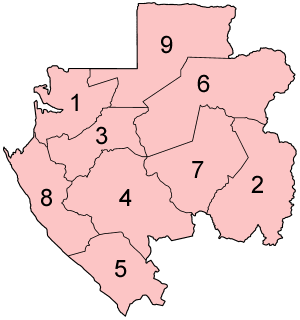
Gabon is dominated by tropical rainforest, which covers an estimated nine-tenths of the country, making it one of the most forested nations in the world. The land rises from a narrow Atlantic coastal plain of lagoons and estuaries to interior plateaus and hills, all cloaked in dense jungle and crossed by the wide Ogooue River and its tributaries. This vast, well-watered forest, sitting on the equator, is a haven of biodiversity, and Gabon has set aside a large share of its territory as national parks.
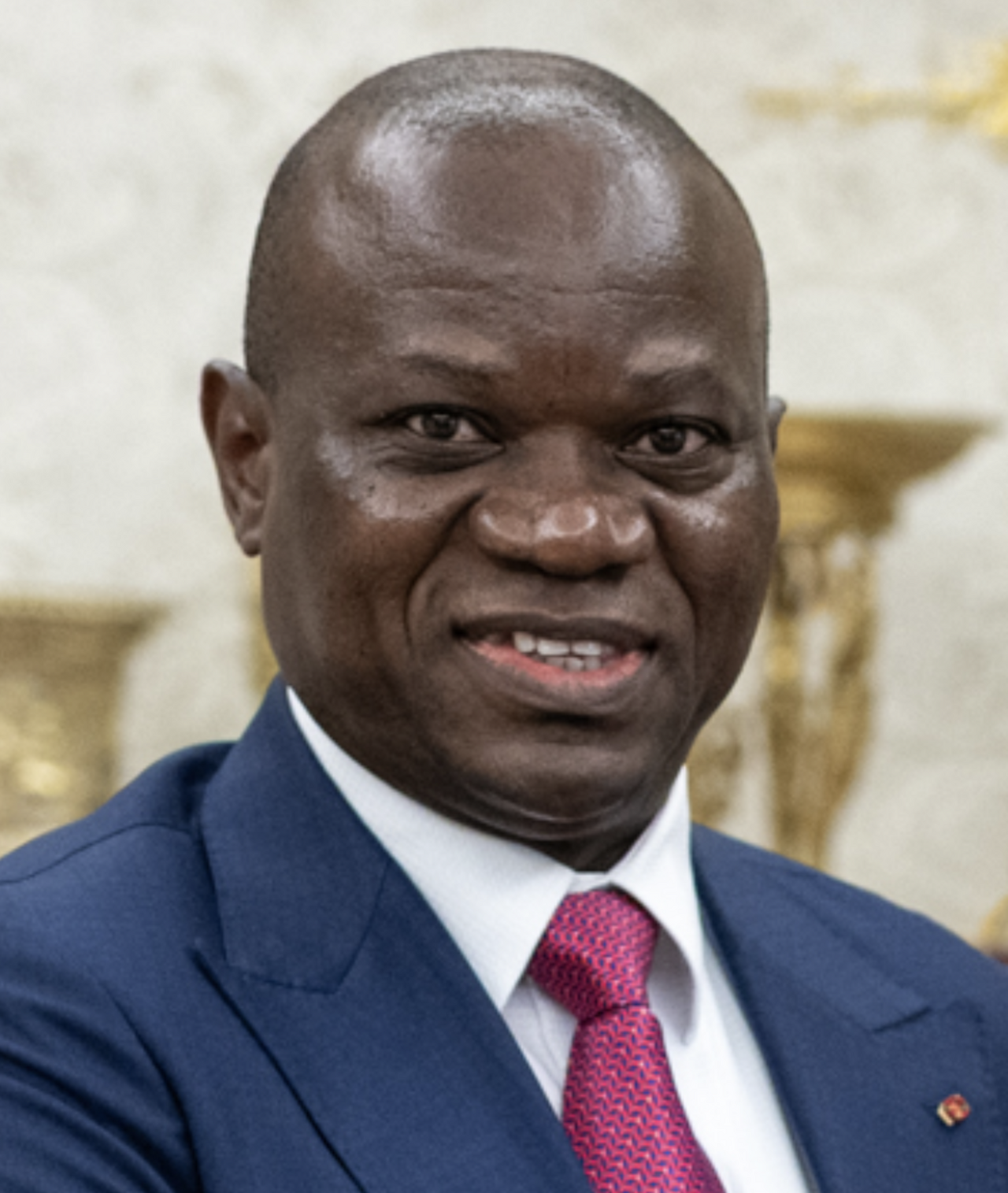
Gabon is a presidential republic newly emerged from a half-century of dynastic rule. The 2023 coup that ended the Bongo dynasty was led by General Brice Oligui Nguema, the head of the elite Republican Guard and a relative of the deposed president, who governed as transitional leader before resigning from the army and winning a presidential election in 2025 with around 90 percent of the vote. He now leads the country as an elected civilian president, promising to clean up governance, diversify the oil-dependent economy, and invest in the population. Whether this amounts to a genuine break with the past or a continuation of the old order under a new face is the central question of Gabonese politics.
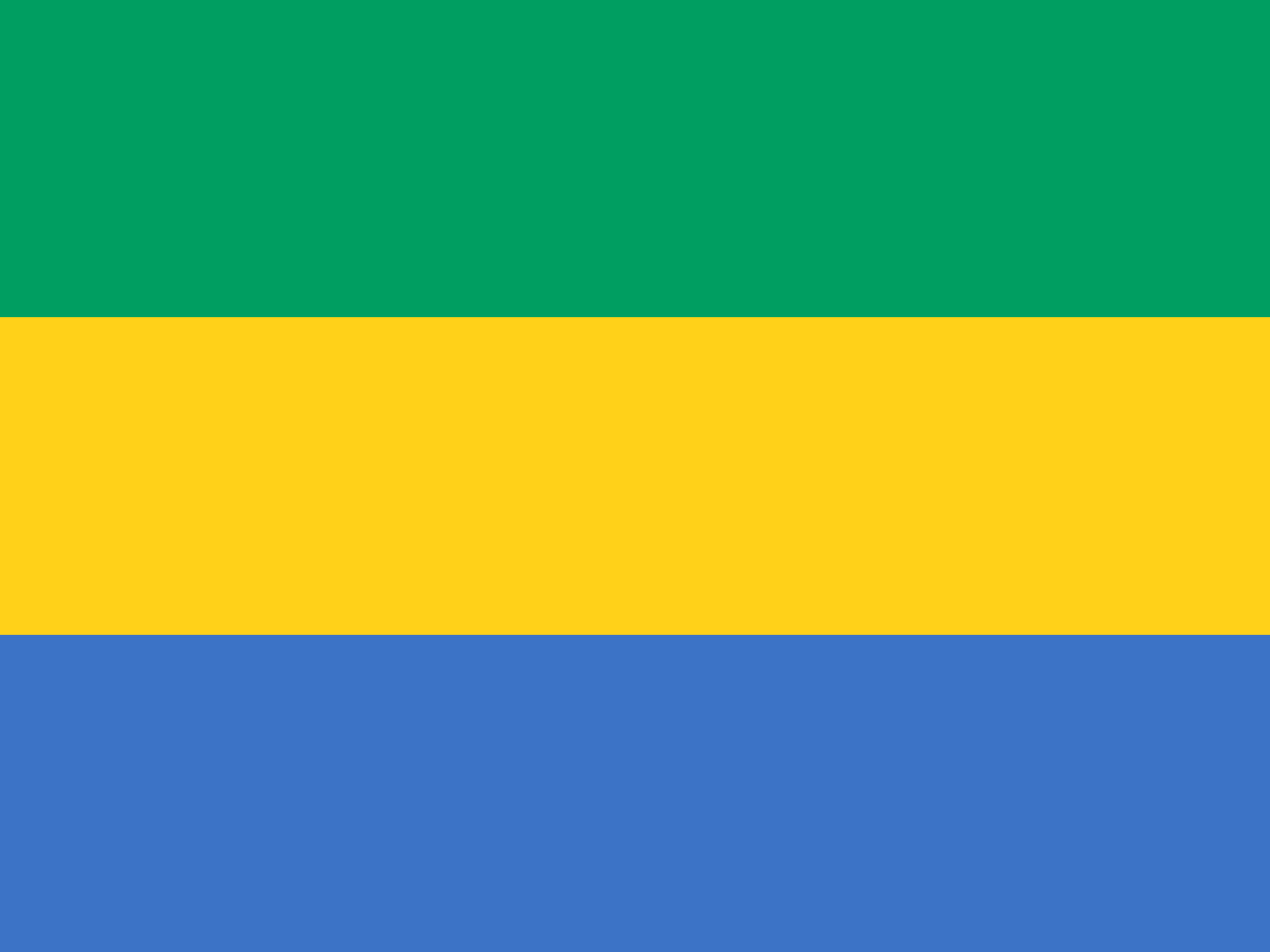
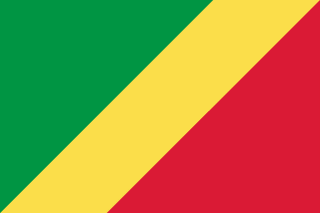
The flag of Gabon has three horizontal bands of green, yellow, and blue. The green at the top represents the country's vast forests, the central yellow band the equator that runs through the country and the sun, and the blue at the bottom the Atlantic Ocean along its coast. The clean, simple design, with its natural symbolism, reflects the defining features of a country shaped by its forests, its position on the equator, and the sea.
Gabon is a predominantly Christian country, the result of French and missionary influence, with the majority belonging to the Roman Catholic Church and various Protestant churches. There is a Muslim minority, and traditional African religions remain influential, often practised alongside Christianity. Among the most distinctive elements of Gabonese spiritual life is the Bwiti tradition, a religion centred on the use of a psychoactive plant in initiation rites, which blends ancestral belief with elements of Christianity.
Gabonese cuisine makes the most of the produce of the forest, the rivers, and the sea. Cassava, plantains, and yams are staples, often pounded or boiled and served with rich sauces, while fish from the rivers and the Atlantic, and bushmeat from the forest, provide protein. A characteristic dish is nyembwe, chicken or fish cooked in a sauce made from the pulp of the palm nut. Spicy stews, leafy greens, and tropical fruits round out a food culture rooted in a lush, green land.
Agriculture plays a smaller role in Gabon than in most African countries, because the dense forest limits farmland and because oil has dominated the economy. Most farming is small-scale subsistence growing of cassava, plantains, and other food crops, while cocoa, coffee, and palm oil are produced commercially. The country's great natural resource has long been its oil, which made it relatively wealthy, and its vast forests yield valuable timber, increasingly managed with an eye to conservation.
Gabon's central paradox is that of a country rich on paper and poor in practice. Its oil, discovered around independence, gave it one of the highest average incomes in Africa, yet roughly a third of the population lives in poverty, the wealth having flowed overwhelmingly to the ruling family and a narrow elite while public services languished. That gap, together with a widely rigged political system and close, secretive ties to France in the arrangement often called Francafrique, made the Bongo dynasty a byword for the resource curse and for the capture of an African state by its own rulers.
The 2023 coup was greeted with celebration precisely because so many Gabonese hoped it would break this pattern. Yet the new leader is himself a member of the old ruling family, brought to power by the same praetorian guard that long protected it, and he has since won an election with an implausibly large margin. His supporters see a reformer freeing the country from a corrupt dynasty; sceptics see the same system rearranging itself to survive. Whether Gabon's oil wealth will at last be turned to the benefit of its people, or continue to enrich a few, is the unresolved question on which the country's future turns.
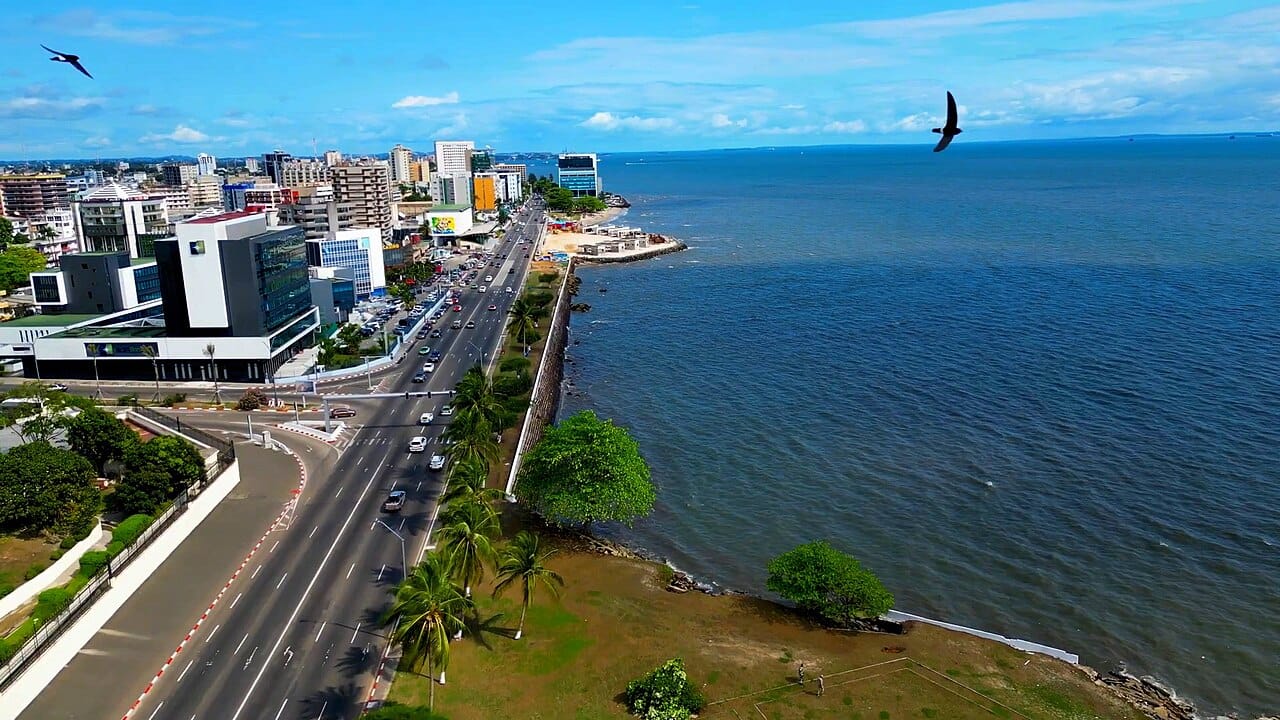
Gabon has a population of around 2.4 million people, small for the size of the country, made up of various Bantu ethnic groups, the largest being the Fang, speaking many languages with French as the official tongue. The population is unusually urban for the region, with the great majority living in towns, above all the capital and main port, Libreville, on the Atlantic coast. Gabon's oil wealth has given it a higher average income than most of its neighbours, though that wealth is unevenly shared.