The Republic of the Congo, often called Congo-Brazzaville to distinguish it from its larger neighbour across the river, is a country in Central Africa straddling the equator on the Atlantic coast. A land of dense rainforest, savanna, and the great Congo River, it shares much of its history and culture with the wider Congo region. Heavily reliant on oil, with much of its small population gathered in two cities, it is among the more urbanised countries on the continent.
The history of Congo-Brazzaville runs from the old kingdoms of the Congo, through its role as the capital of French Africa, to a long era of revolution, civil war, and the rule of one man.
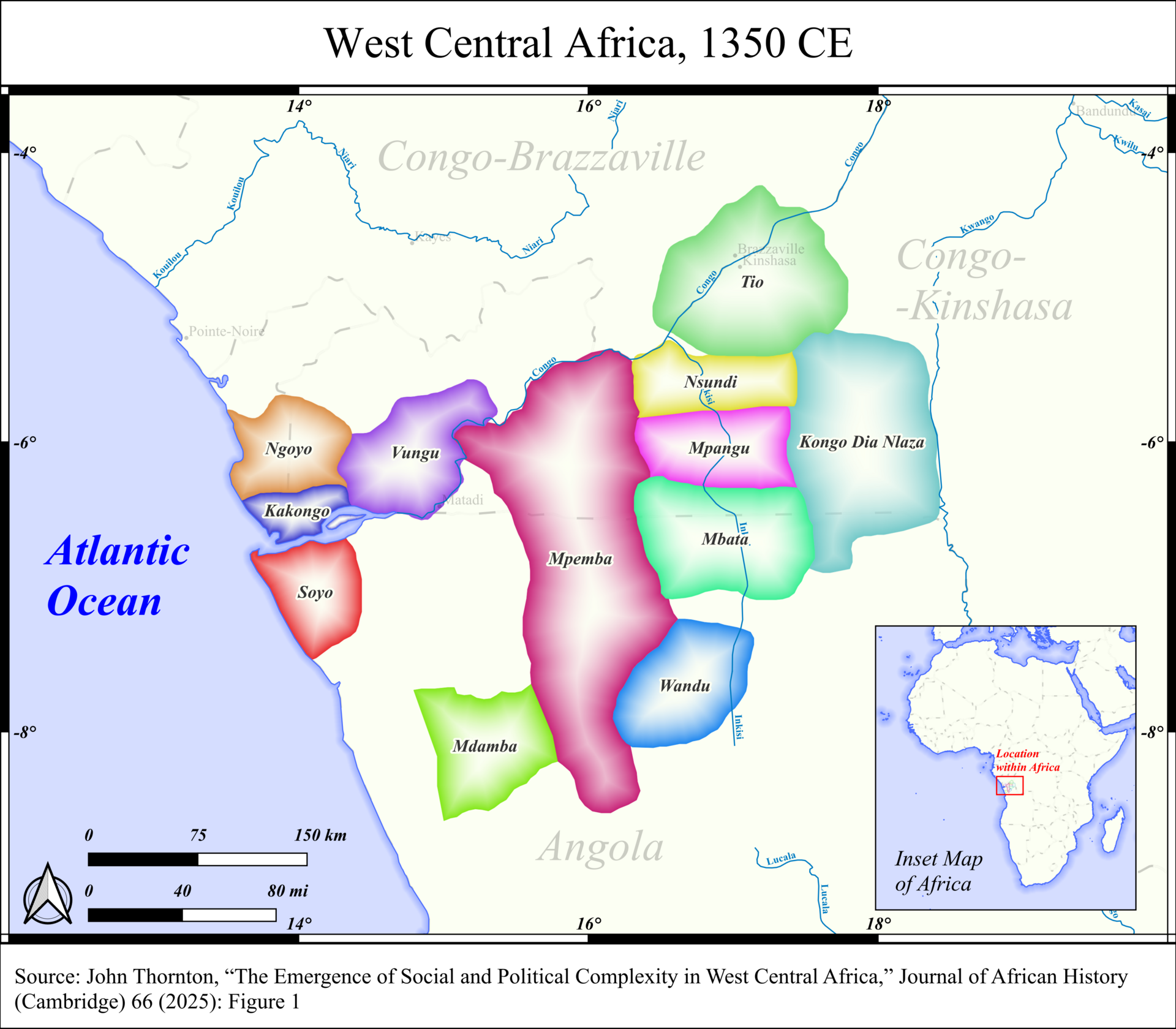
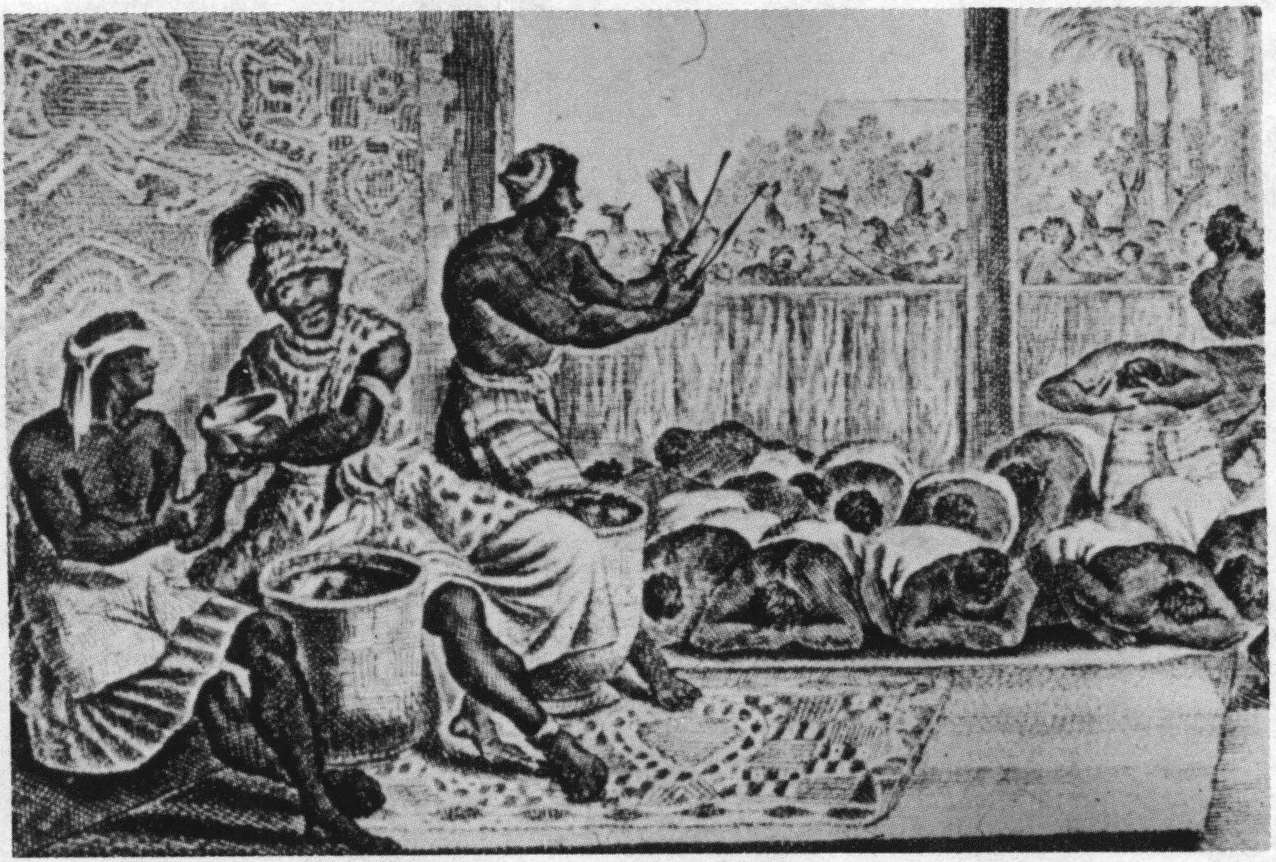
The region was long home to Bantu peoples and to organised African states, above all the Kongo and Loango kingdoms near the coast and the Teke realm inland, which traded ivory, copper, and cloth along the rivers and, from the fifteenth century, with arriving European merchants. As elsewhere on this coast, that contact drew the region into the Atlantic slave trade, which carried away many of its people.
France colonised the territory in the late nineteenth century, and Brazzaville, founded by the explorer Pierre de Brazza, became the capital of the vast federation of French Equatorial Africa. The city had a moment of world importance during the Second World War, when it served as the symbolic capital of Free France in Africa and hosted the 1944 conference at which General de Gaulle set out a new vision for France's colonies. Congo gained independence in 1960.
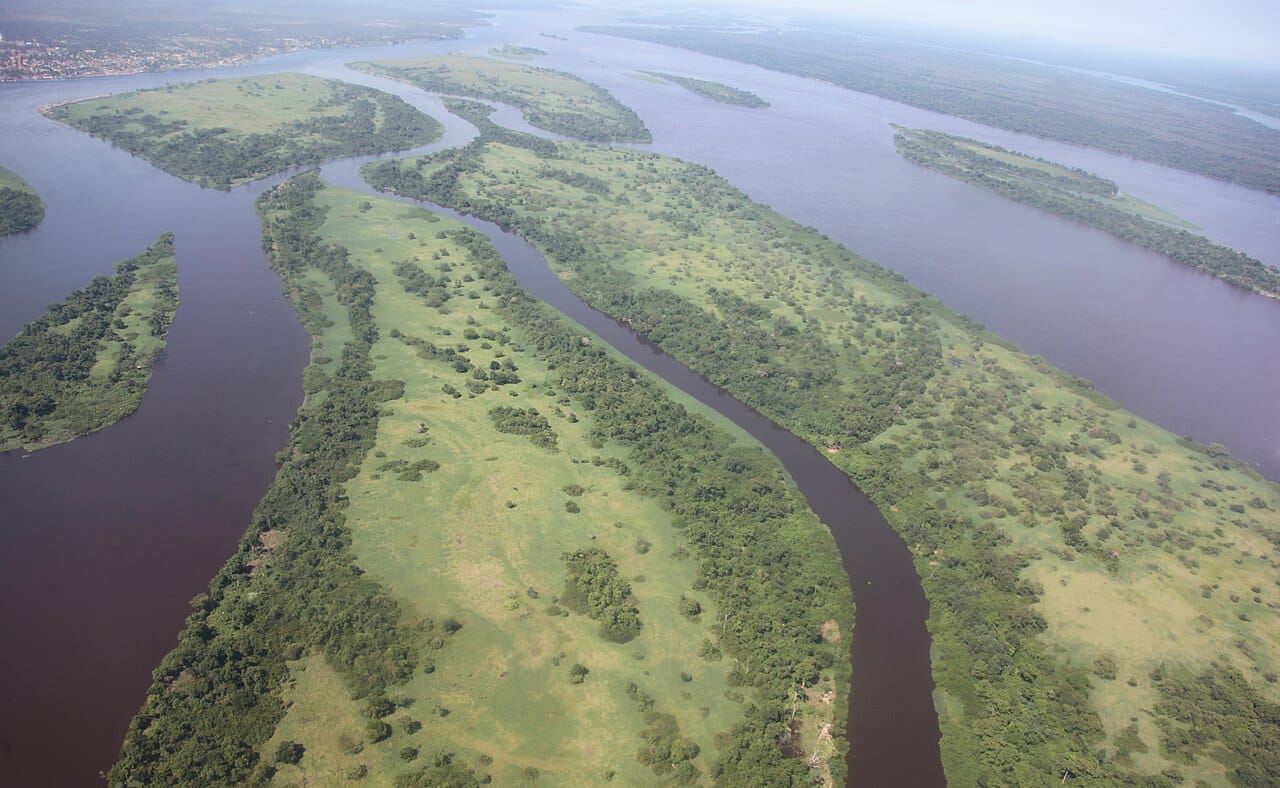
The Republic of the Congo straddles the equator and is largely covered by dense tropical rainforest, part of the vast forests of the Congo Basin, the second largest in the world, interspersed with areas of savanna. The mighty Congo River and its tributary the Oubangui form much of the eastern border, separating the country from its larger namesake, while a short Atlantic coastline lies to the southwest. The hot, humid, forested land is rich in wildlife, including forest elephants and gorillas.
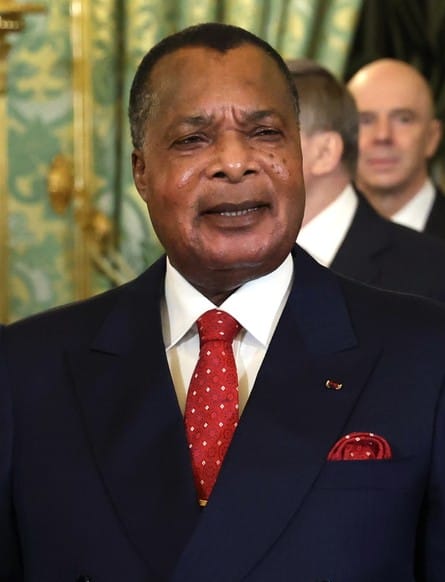
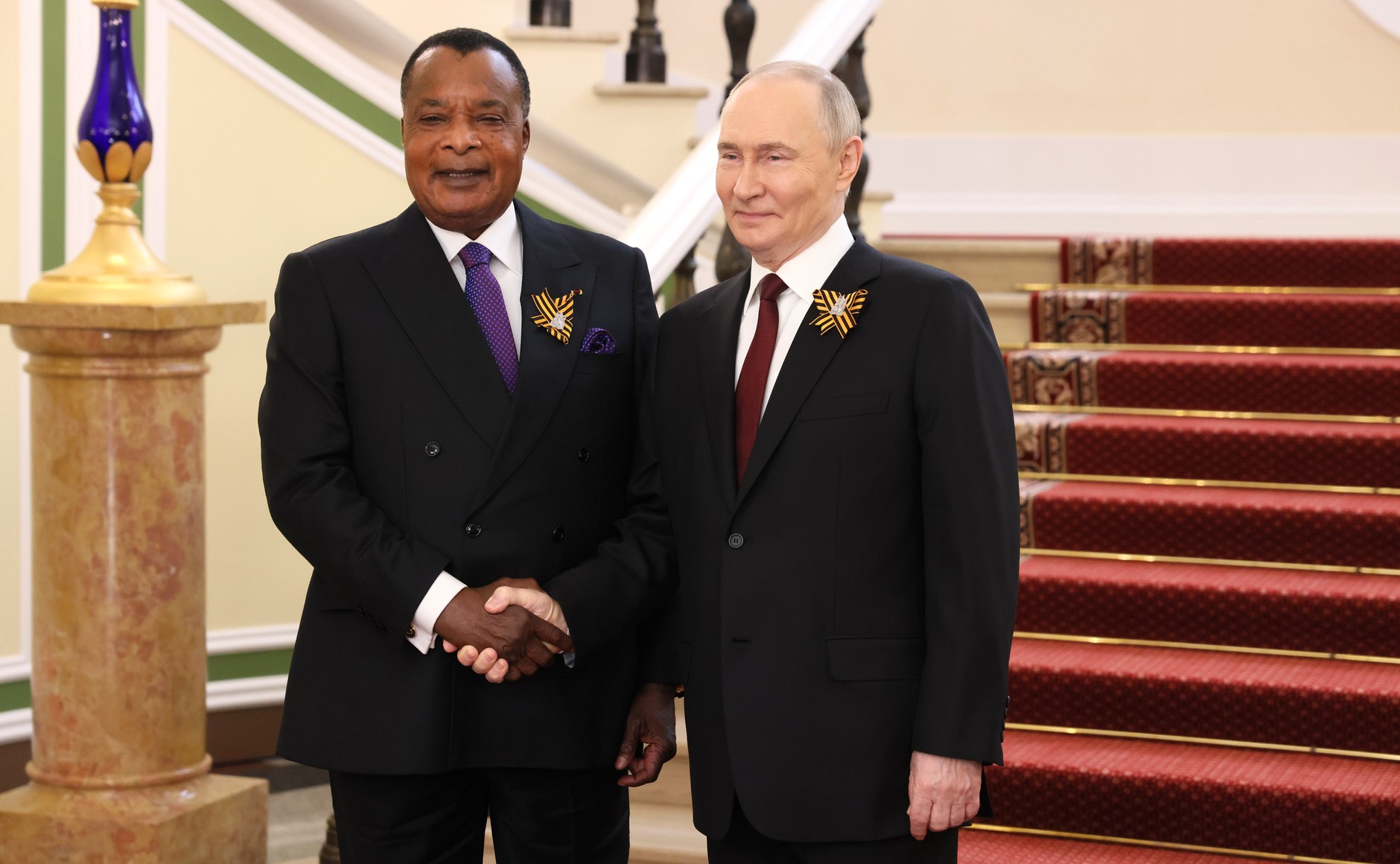
The Republic of the Congo has been dominated for decades by one man: Denis Sassou Nguesso, who first took power in 1979, ruled through the country's Marxist-Leninist period, lost a brief democratic election in 1992, and then seized power again in the civil war of 1997, holding it ever since. That makes him one of the longest-serving leaders in the world. In 2015 the constitution was changed to remove the term and age limits that would have barred him from running again, a move that triggered deadly protests, and he has since won further terms, including a fifth in 2026, in elections his opponents and outside observers dismiss as neither free nor fair.
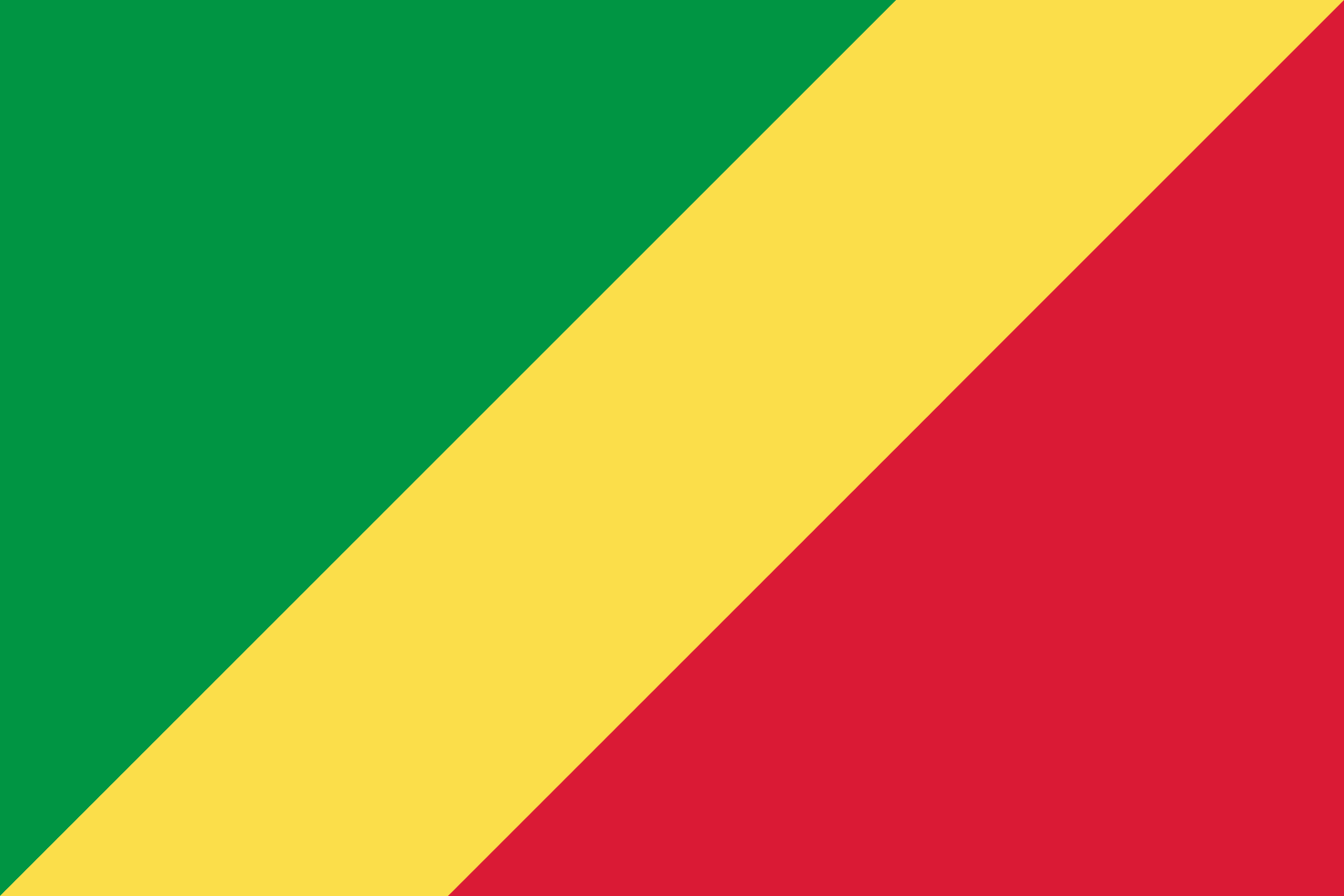
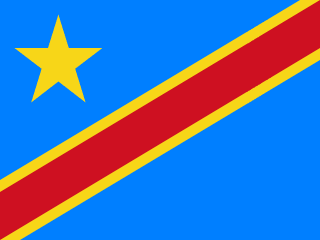
The flag of the Republic of the Congo is divided by a yellow diagonal band running from the lower hoist to the upper fly, separating a green triangle from a red one. These are the pan-African colours: the green is said to represent the country's forests and agriculture, the yellow its friendship and the nobility of its people, and the red, by some accounts, the blood shed in the struggle for independence. The flag was used at independence, set aside during the Marxist era, and later restored.
The Republic of the Congo is a predominantly Christian country, the legacy of French and missionary influence, with the majority belonging to the Roman Catholic Church and various Protestant and independent African churches, the last often blending Christian worship with local tradition. Traditional African religions, honouring ancestors and spirits, remain influential and are frequently practised alongside Christianity. There is a small Muslim minority, and religion plays a significant role in the community life of the country.
The cuisine of the Republic of the Congo is based on the produce of its forests and rivers. Cassava is the great staple, made into fufu or fermented into a dish wrapped and steamed in leaves, and cassava leaves themselves, known as saka-saka, are cooked into a popular dish. Plantains, rice, and beans are common, along with freshwater fish from the rivers and bushmeat from the forest. Peanut sauces, leafy greens, and palm oil characterise a food culture shaped by a lush, green land.
Agriculture plays a relatively limited role in the economy of the Republic of the Congo, which depends heavily on oil, and much of it is small-scale subsistence farming of cassava, plantains, and other food crops in the forest and savanna. Sugar, cocoa, coffee, and oil palm are grown commercially, and the vast rainforests yield valuable timber. The country's economy, however, rests above all on petroleum, which it produces from fields off its Atlantic coast and which dominates its exports and government revenue.
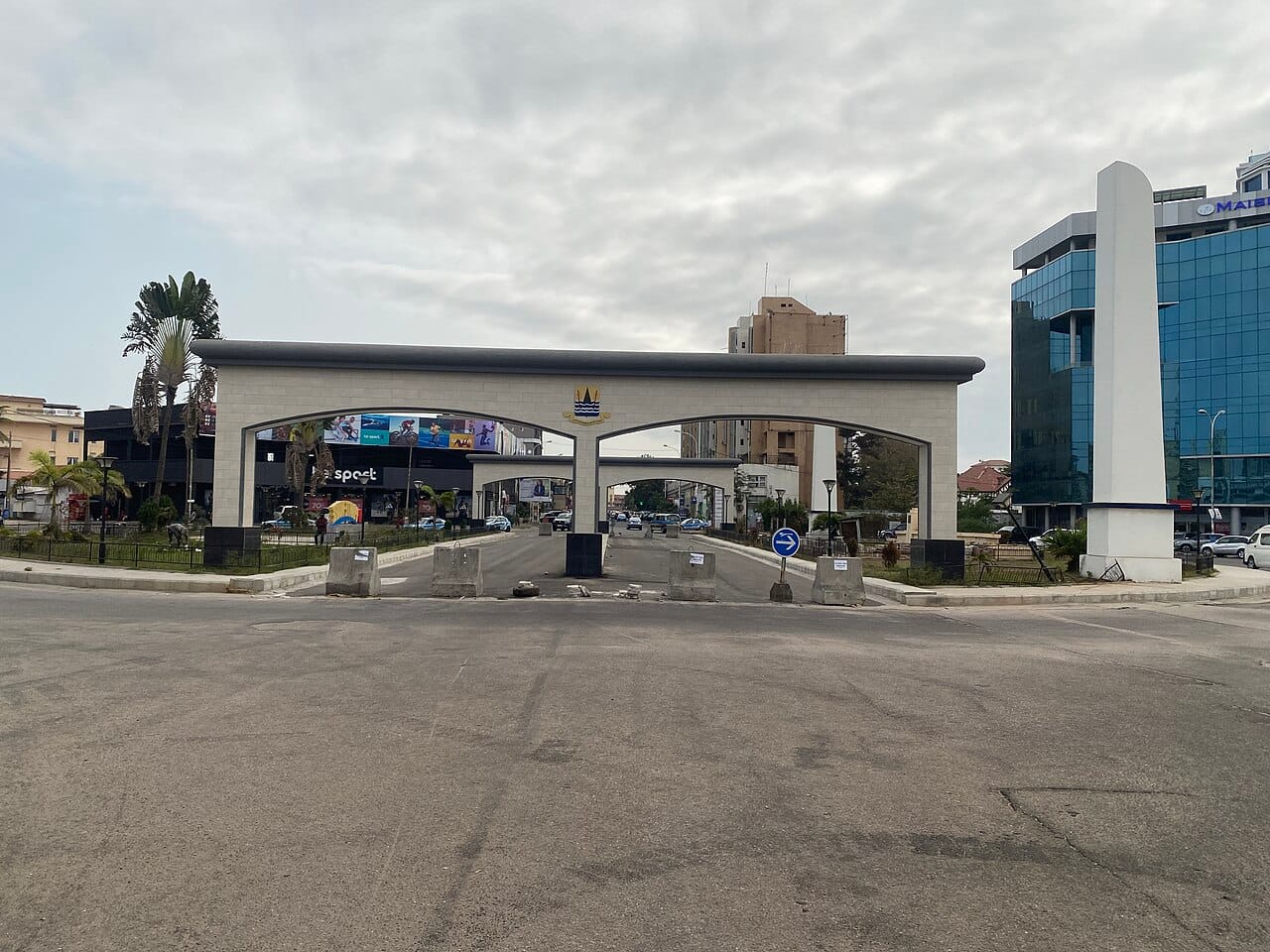
The Republic of the Congo gathers together the afflictions common to the region's petro-states. It is a significant oil producer, and that oil has made a small elite wealthy, yet a large share of the population lives in poverty, and the country has swung between boom and debt crisis as prices rise and fall, its finances clouded by opacity and by long-running corruption cases abroad over assets said to have been bought with looted public money. Power has rested for decades in the hands of Denis Sassou Nguesso and his party, and elections and constitutional changes have been arranged to keep it there.
The stakes of that politics were laid bare in the 1990s, when a promising democratic opening collapsed into civil wars, fought between the private militias of rival politicians, that devastated Brazzaville and killed tens of thousands before Sassou Nguesso returned to power by force in 1997. The memory of that violence, and the fear of its return, hangs over the country's political life and is invoked by the government as the price of the stability it claims to provide. Whether that stability is worth the absence of real democratic choice, and where the country's oil wealth has gone, are the questions its people are least free to ask aloud. This account sets out the documented record.
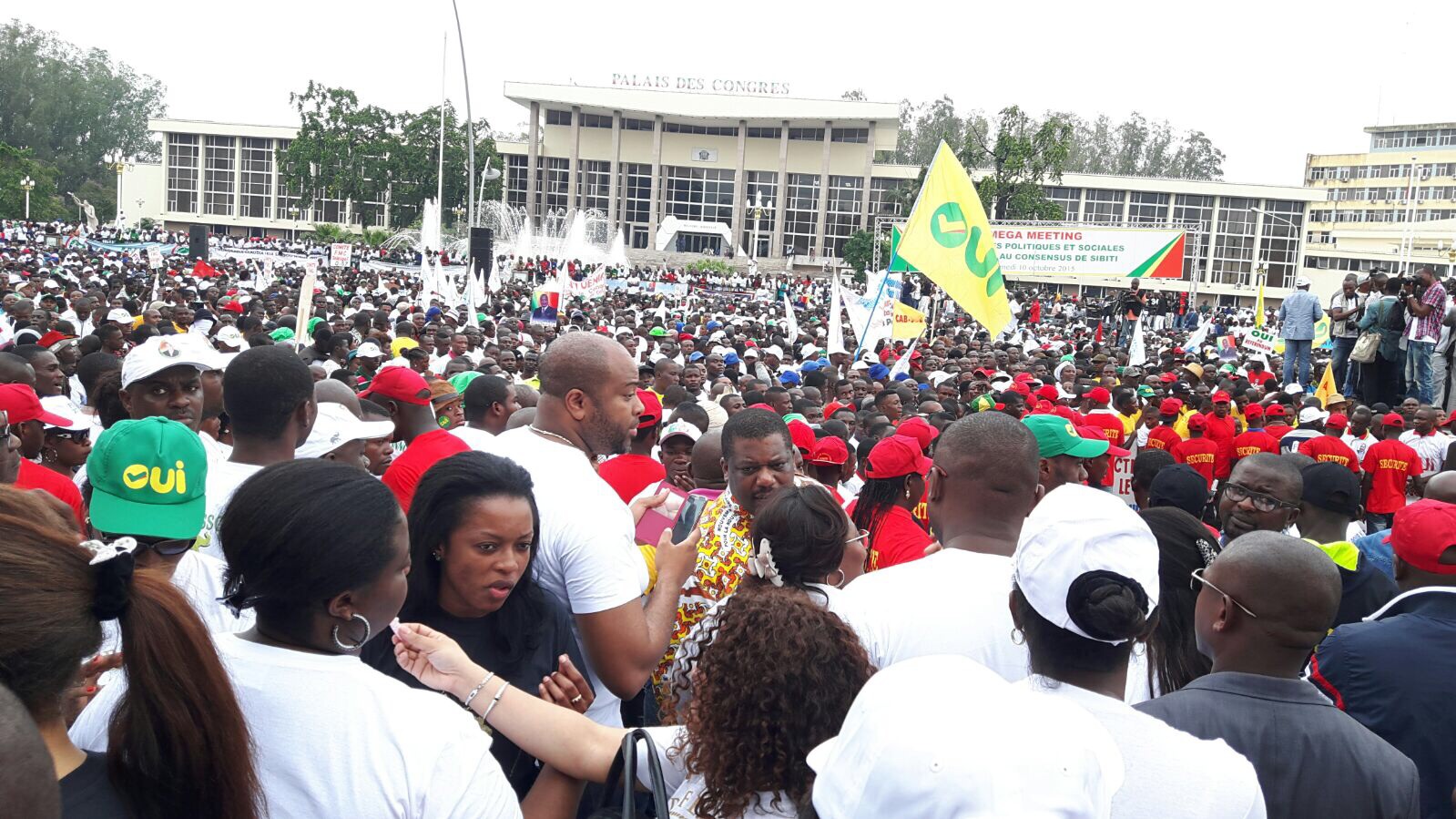
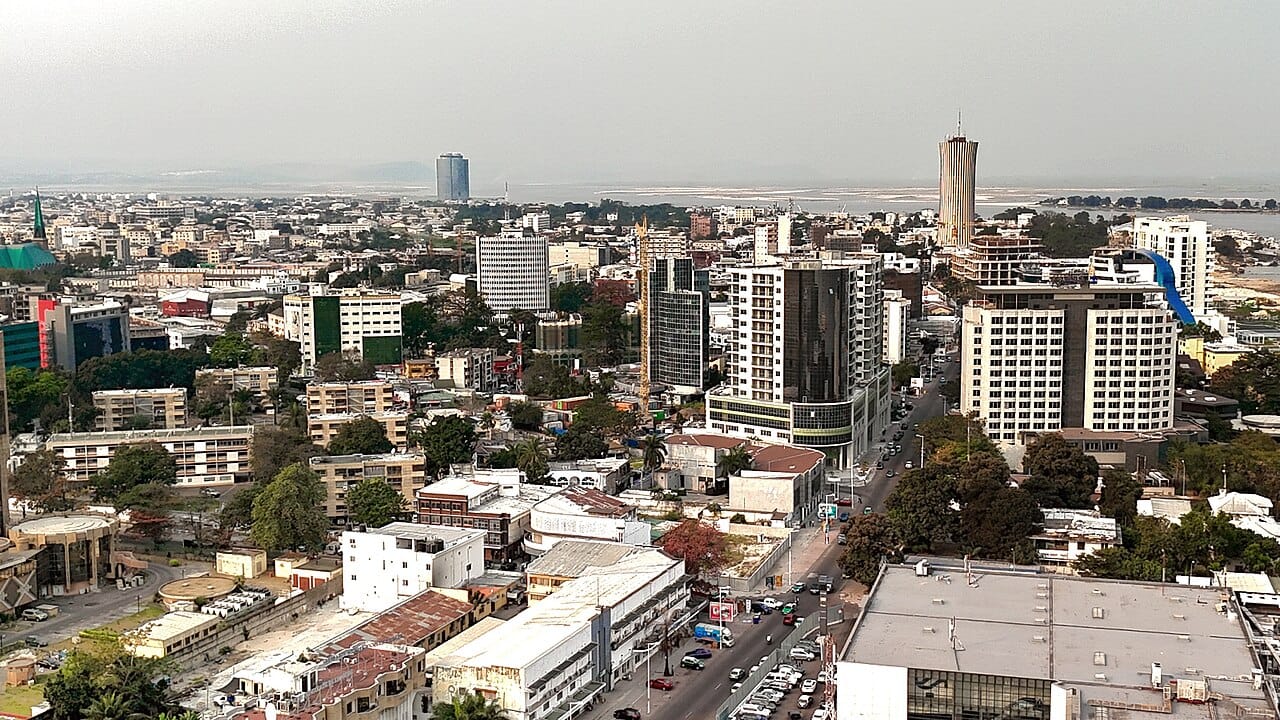
The Republic of the Congo has a population of around 6 million people, made up of various Bantu ethnic groups, the largest including the Kongo and the Teke, speaking many languages with French as the official tongue. The country is among the most urbanised in Africa, with the great majority of its people living in just two cities, the capital, Brazzaville, which sits on the Congo River directly across from Kinshasa in the larger Congo, and the Atlantic port of Pointe-Noire.