The Democratic Republic of the Congo is a vast country in Central Africa, the second largest on the continent by area, straddling the equator and dominated by the immense Congo River and the world's second largest rainforest. A land of extraordinary natural and mineral wealth, holding much of the metals that power modern technology, it has nonetheless been one of the world's most troubled nations, scarred by a brutal colonial past and by some of the deadliest conflicts since the Second World War.
The history of the Congo is a tragedy of riches: a land of great kingdoms and immense natural wealth, exploited first by a European king as private property, then by a homegrown dictator, and torn by wars that have drawn in half a continent.
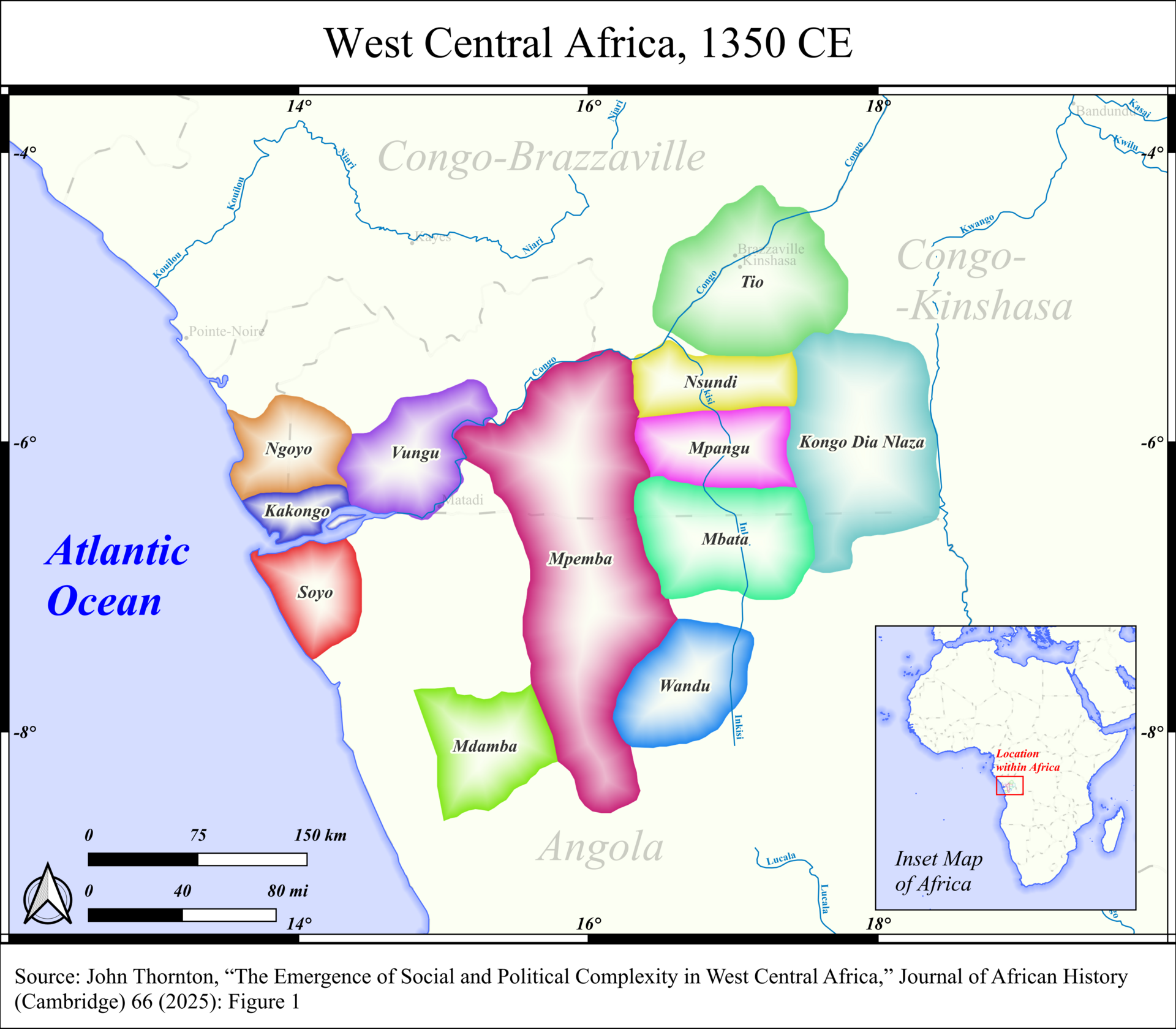
Long before Europeans came, the Congo Basin was home to organised African states, above all the powerful Kingdom of Kongo near the river's mouth, which by the fifteenth century traded with Portugal as a recognised realm, along with the Luba and Lunda empires of the savanna to the south. These were sophisticated societies with their own art, currencies, and political systems, whose heritage endures in the region's cultures.
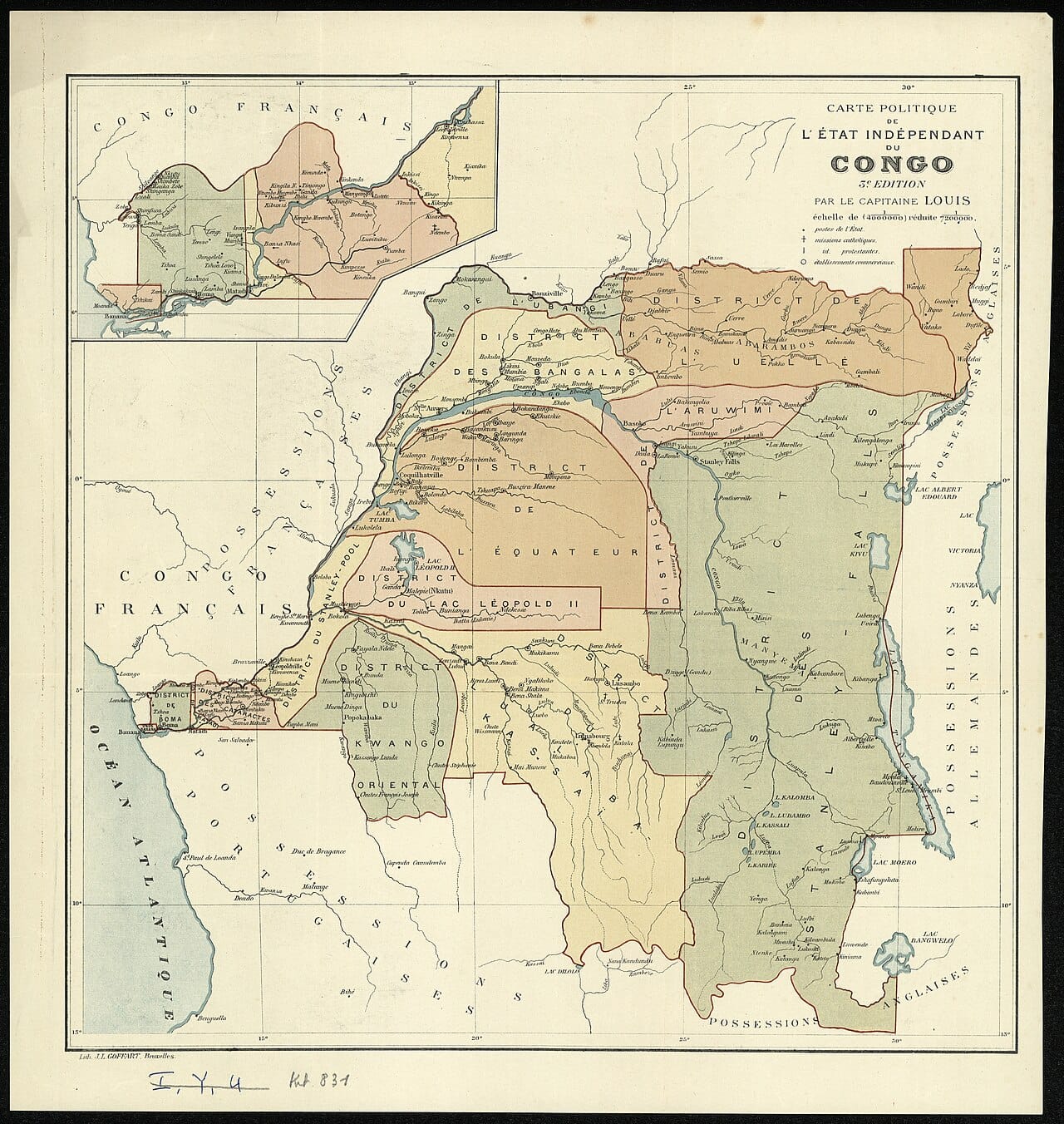
In one of the darkest episodes of the colonial era, the entire vast territory became, from 1885, not a colony of Belgium but the personal property of its king, Leopold the Second, who ran it as the Congo Free State for private profit. To extract rubber and ivory, his agents imposed a regime of forced labour, hostage-taking, mutilation, and killing so brutal that it caused the deaths of millions and provoked one of the first international human-rights campaigns, which finally forced Leopold to hand the territory to the Belgian state in 1908.
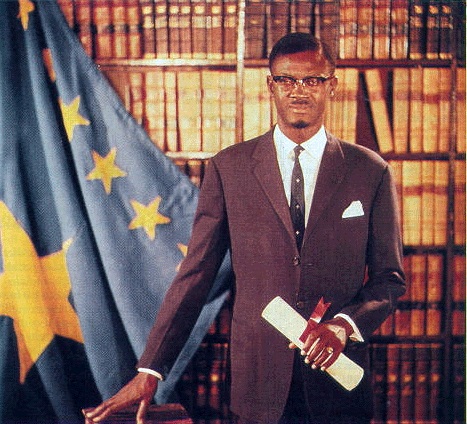
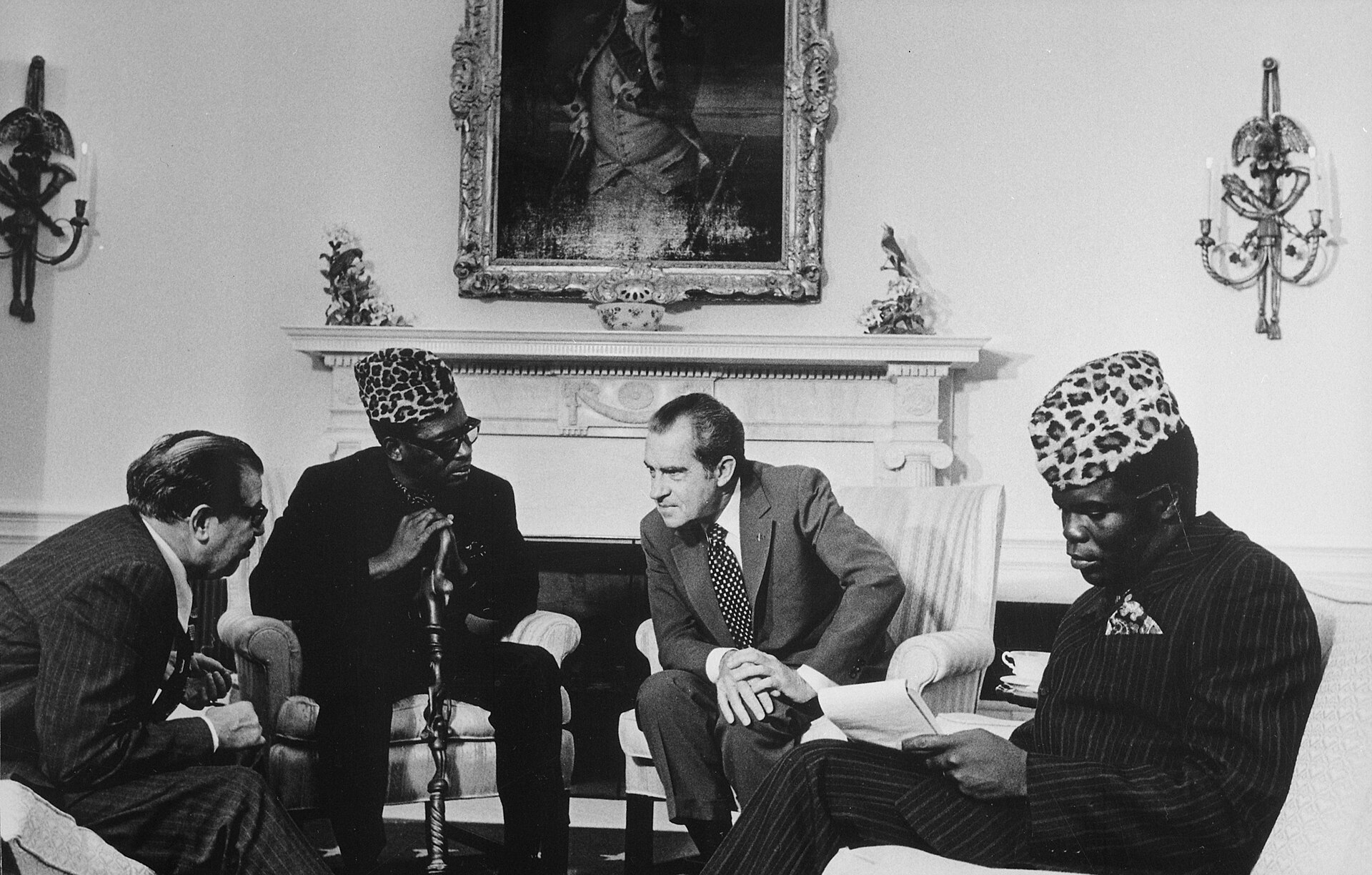
Independence came suddenly in 1960 and almost at once dissolved into crisis. The charismatic first prime minister, Patrice Lumumba, was deposed and murdered within months, with Belgian and American complicity, in the tense atmosphere of the Cold War. Out of the chaos rose Colonel Joseph Mobutu, who seized full power in 1965, renamed the country Zaire, and ruled for over three decades as a flamboyant, ferociously corrupt dictator, propped up by the West as an anti-communist ally while he looted the state.
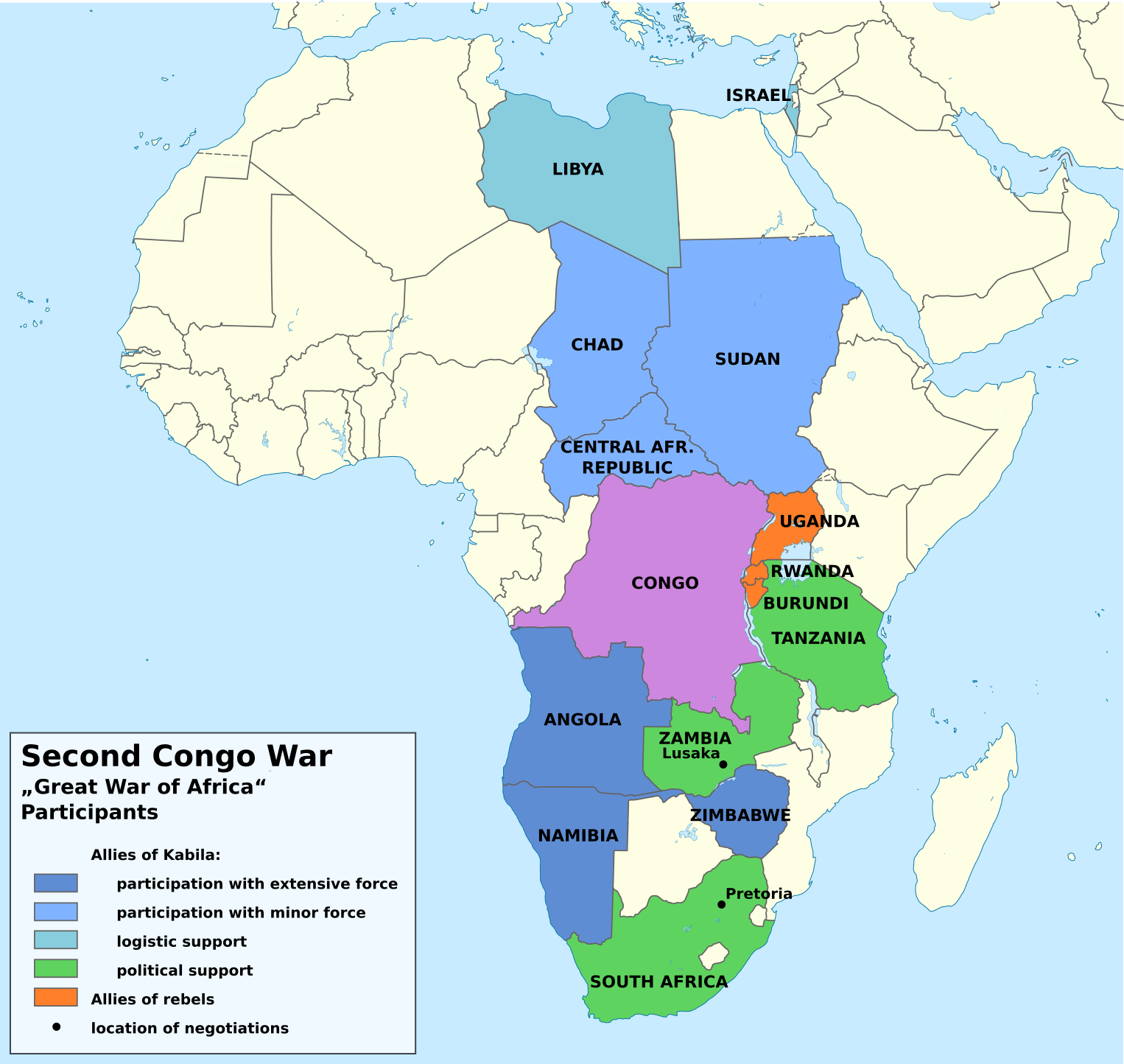
Mobutu's fall in 1997, in the aftermath of the Rwandan genocide next door, ushered in an even greater catastrophe. Two overlapping conflicts, the second sometimes called Africa's world war, drew in the armies of nine nations and countless militias, fighting over territory and the country's minerals. By the time the main wars formally ended, an estimated five million people had died, most from the disease and starvation the fighting caused, making it the deadliest conflict anywhere since the Second World War.
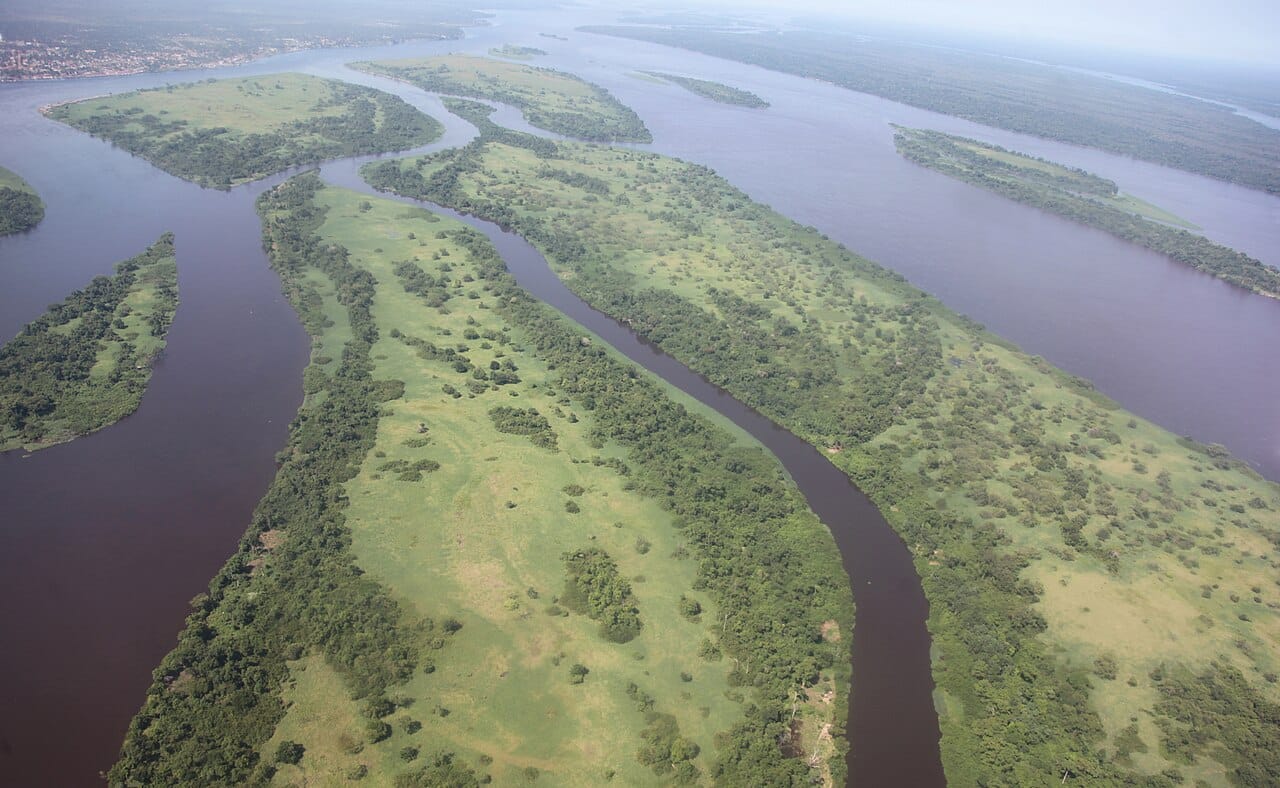
The country is built around the Congo River, the second longest in Africa and one of the most powerful rivers in the world, which sweeps in a great arc through dense equatorial rainforest, the second largest on Earth after the Amazon. This vast jungle, home to gorillas, bonobos, and okapi, gives way to savanna in the south and to volcanic mountains and great lakes along the eastern border. The river and its tributaries are the country's lifelines through an immense and often roadless interior.
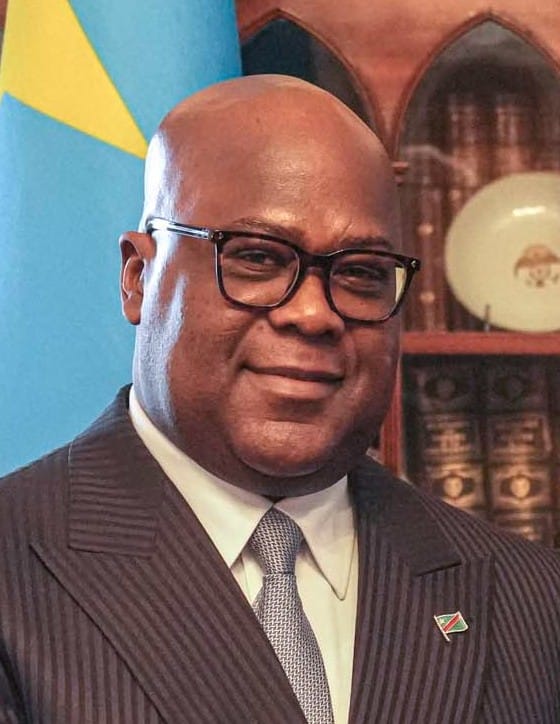
The Democratic Republic of the Congo is a nominal democracy whose vast size, weak institutions, and endemic conflict make it one of the hardest countries on Earth to govern. Power passed peacefully by election for the first time in 2019, when Felix Tshisekedi became president, and he was re-elected in a disputed vote in 2023. His government exercises only limited control over much of the country, especially the mineral-rich east, where dozens of armed groups operate and where a major war with the Rwanda-backed M23 rebels reignited in the 2020s. Corruption, the plunder of natural resources, and the struggle to build a functioning state across so immense a territory remain the country's defining challenges.

The flag of the Democratic Republic of the Congo is sky blue, crossed diagonally by a red stripe bordered in yellow, with a single yellow star in the upper hoist. The blue is said to represent peace, the red the blood of the country's martyrs, the yellow its wealth, and the star a bright future and the unity of the nation. The design revives an earlier flag from around the time of independence.
The great majority of Congolese are Christians, the legacy of European missionary activity, divided mainly between Roman Catholics and a variety of Protestant churches, including large independent African churches that blend Christian worship with local tradition. Traditional African religions, honouring ancestors and spirits, remain widely practised, often alongside Christianity, and there is a small Muslim minority. Faith and church institutions play a major role in community life across the country.
Congolese cuisine is based on starchy staples and rich sauces. A national staple is fufu, a dough made from cassava, eaten with stews and sauces, and cassava leaves, known as pondu or saka-saka, are cooked into a popular dish. Plantains, rice, beans, and freshwater fish from the great rivers feature widely, along with grilled and stewed meat where it can be had. The cooking makes the most of the produce of the forests, rivers, and farms of a vast and fertile land.
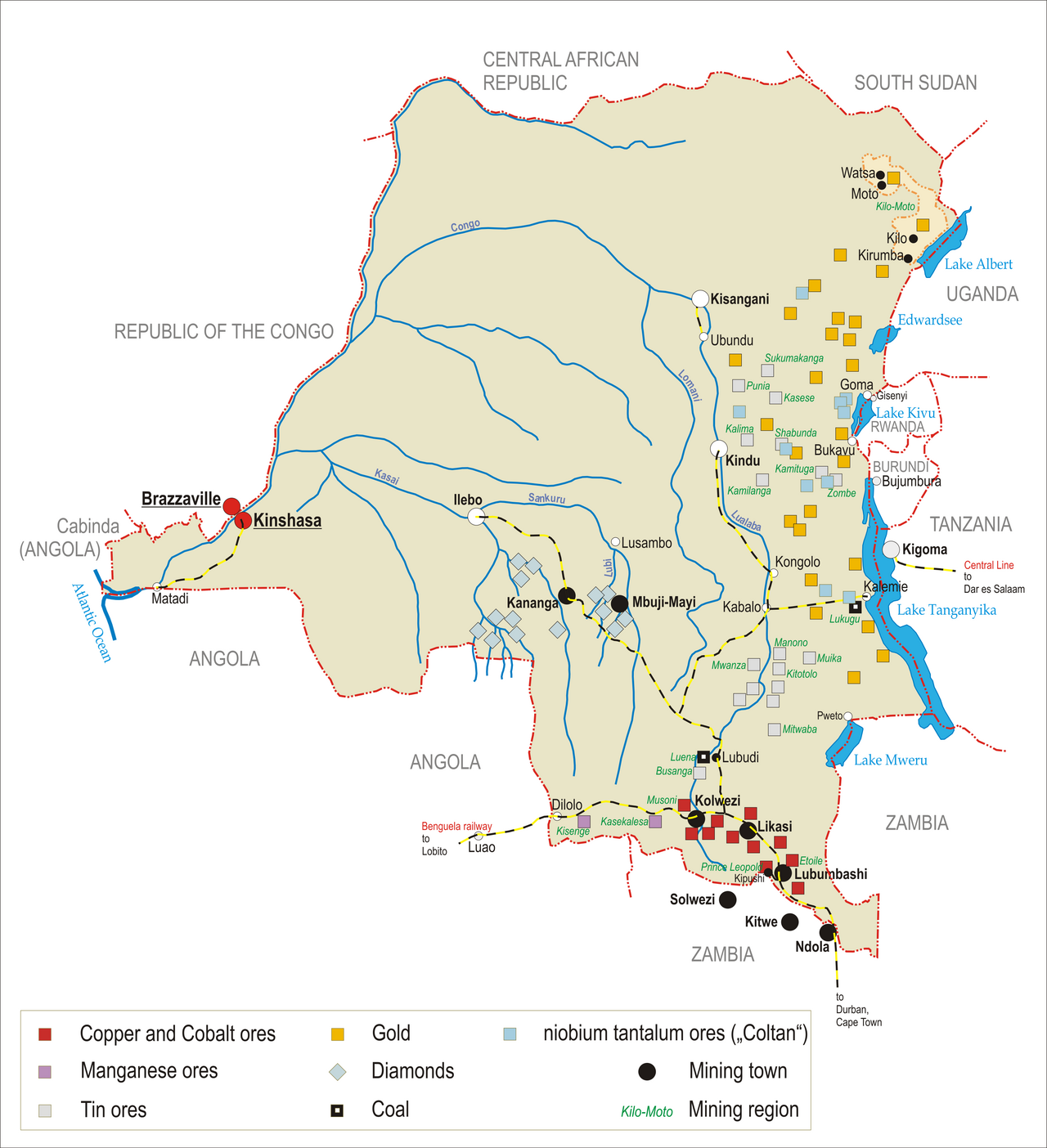
Despite immense agricultural potential in its fertile land and abundant water, the Democratic Republic of the Congo struggles to feed itself after decades of conflict and poor infrastructure. Cassava is the most important food crop, alongside maize, plantains, rice, and beans grown largely by smallholder farmers, and coffee, palm oil, and cocoa are produced for export. The country's true riches, however, lie underground: it holds vast reserves of copper, cobalt, diamonds, gold, and the coltan vital to electronics.
For all its suffering, the Congo is a cultural giant, above all in music. Congolese rumba, and the dance styles that grew from it such as soukous, spread out of Kinshasa to become the most influential popular music on the African continent, and the country's artists, painters, and writers are celebrated across the French-speaking world. Sapeurs, elegant dandies who spend lavishly on designer suits as a point of pride and defiance amid poverty, are a famous expression of Kinshasa's exuberant spirit. Across hundreds of peoples, a heritage of masks, sculpture, and oral tradition gives the Congo one of the richest cultural inheritances in Africa.
While much of the country is at peace, its eastern provinces along the borders with Rwanda, Uganda, and Burundi have suffered nearly thirty years of conflict, and the causes remain bitterly disputed. The wars have their roots in the aftermath of the 1994 Rwandan genocide, when perpetrators and refugees fled into the Congo, and in the struggle to control the region's enormous mineral wealth. Dozens of armed groups operate there, and violence has driven millions from their homes and been marked by massacres and mass sexual violence on a horrific scale.
At the centre of the latest phase is the M23 rebel group, which the Democratic Republic of the Congo, the United Nations, and Western governments say is armed and directed by neighbouring Rwanda, a charge Rwanda denies while citing threats from Hutu militias based on Congolese soil. In 2025 M23 seized the major cities of Goma and Bukavu, a dramatic escalation, and although a United States and Qatar-brokered peace deal was signed between the Congo and Rwanda late that year, fighting and mutual accusations of violations continued. Underlying the diplomacy is the world's appetite for the cobalt, coltan, and gold of the eastern hills. The competing narratives are set out here as they stand; the suffering of the region's people is not in dispute.
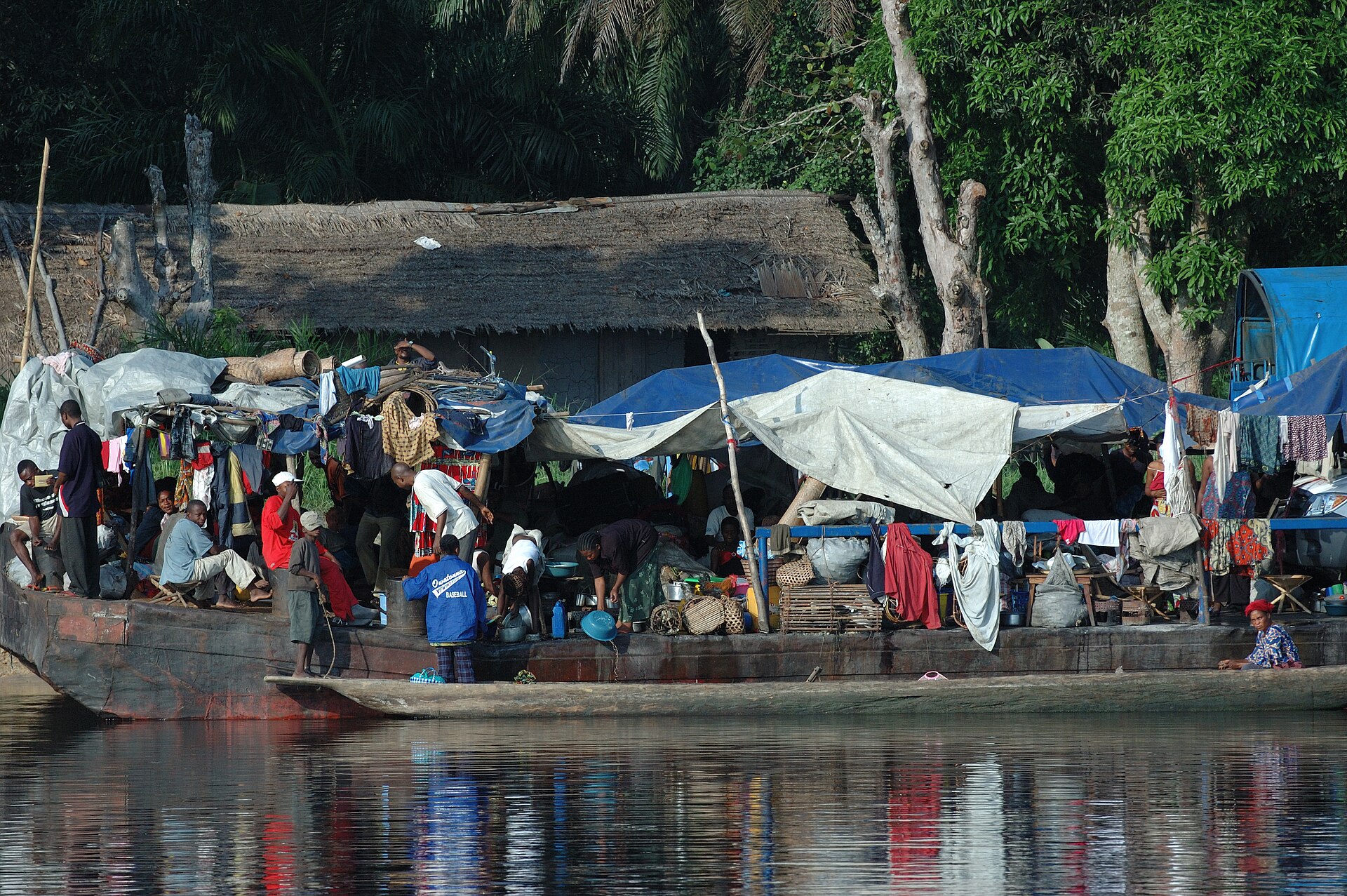
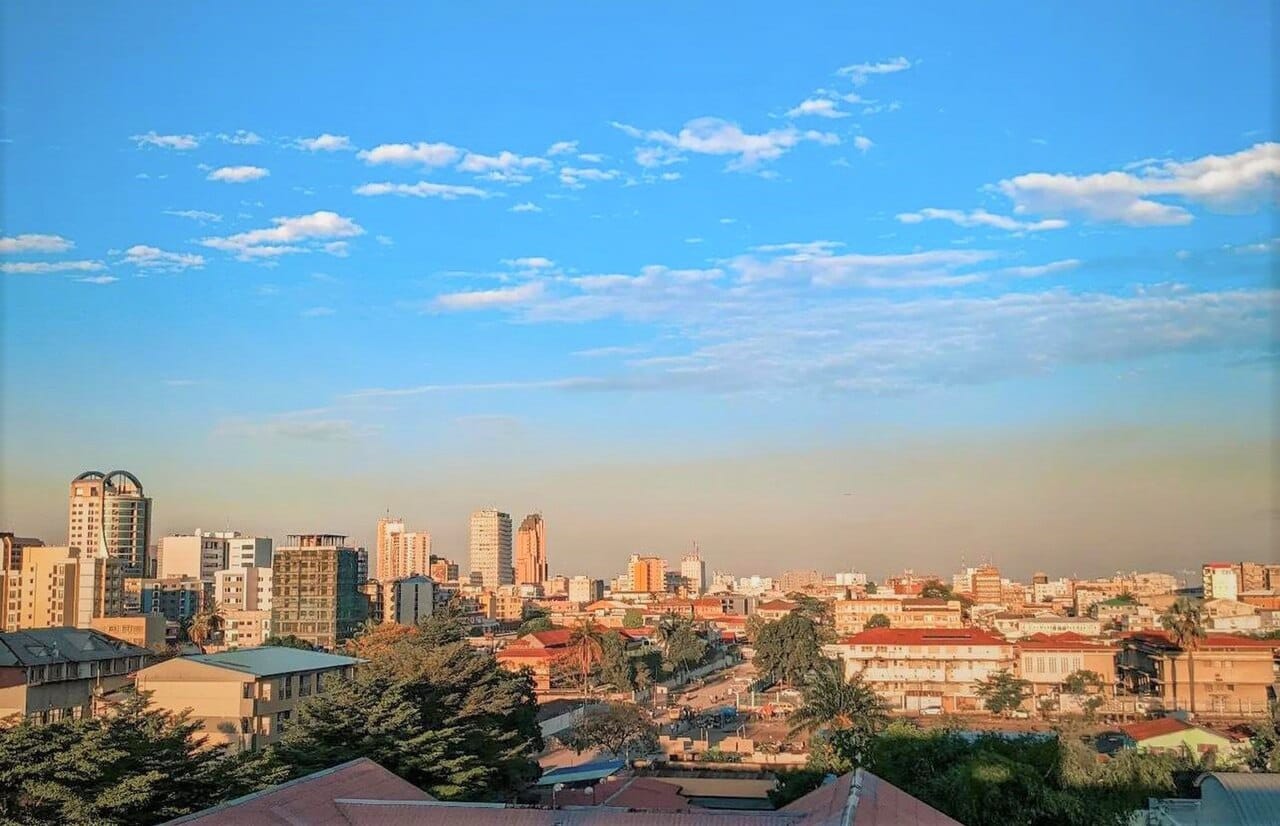
The Democratic Republic of the Congo has a population of well over 100 million people, one of the largest in Africa, made up of hundreds of ethnic groups speaking many languages, with French serving as the official tongue alongside several widely spoken African languages. The population is young and fast-growing. Most people live by farming across the vast interior, while the sprawling capital, Kinshasa, on the Congo River, has become one of the largest cities in Africa and one of the largest French-speaking cities in the world.