Chad is a large, landlocked country in north-central Africa, named after the great lake on its western edge that it shares with its neighbours. Stretching from the Sahara in the north through the Sahel to wetter savanna in the south, it is a land of striking contrasts and ancient history, where some of the oldest traces of human ancestors have been found. One of the poorest and least developed countries in the world, Chad has been troubled by drought, conflict, and the shrinking of its namesake lake.
Chad's history runs from a thousand-year-old empire of the Sahara's edge, through French conquest, to a modern nation racked by civil war and dominated for a generation by a single family.
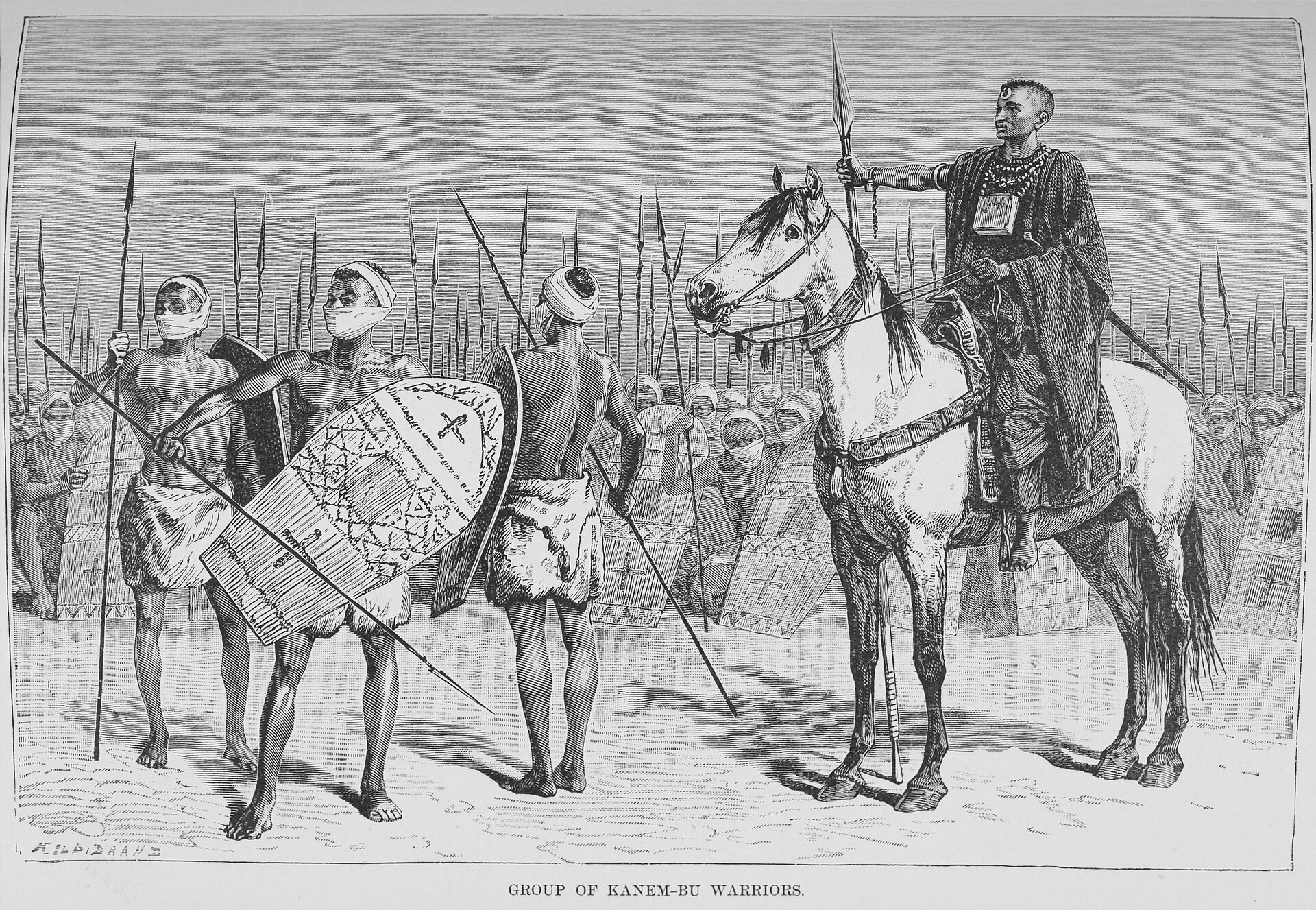
For around a thousand years the region around Lake Chad was the seat of the Kanem-Bornu Empire, one of the longest-lived states in African history, which grew rich by controlling the trans-Saharan trade routes that carried salt, copper, and slaves between Central Africa and the Mediterranean. Its rulers embraced Islam early, and the empire was a major power of the Sahel until the nineteenth century.
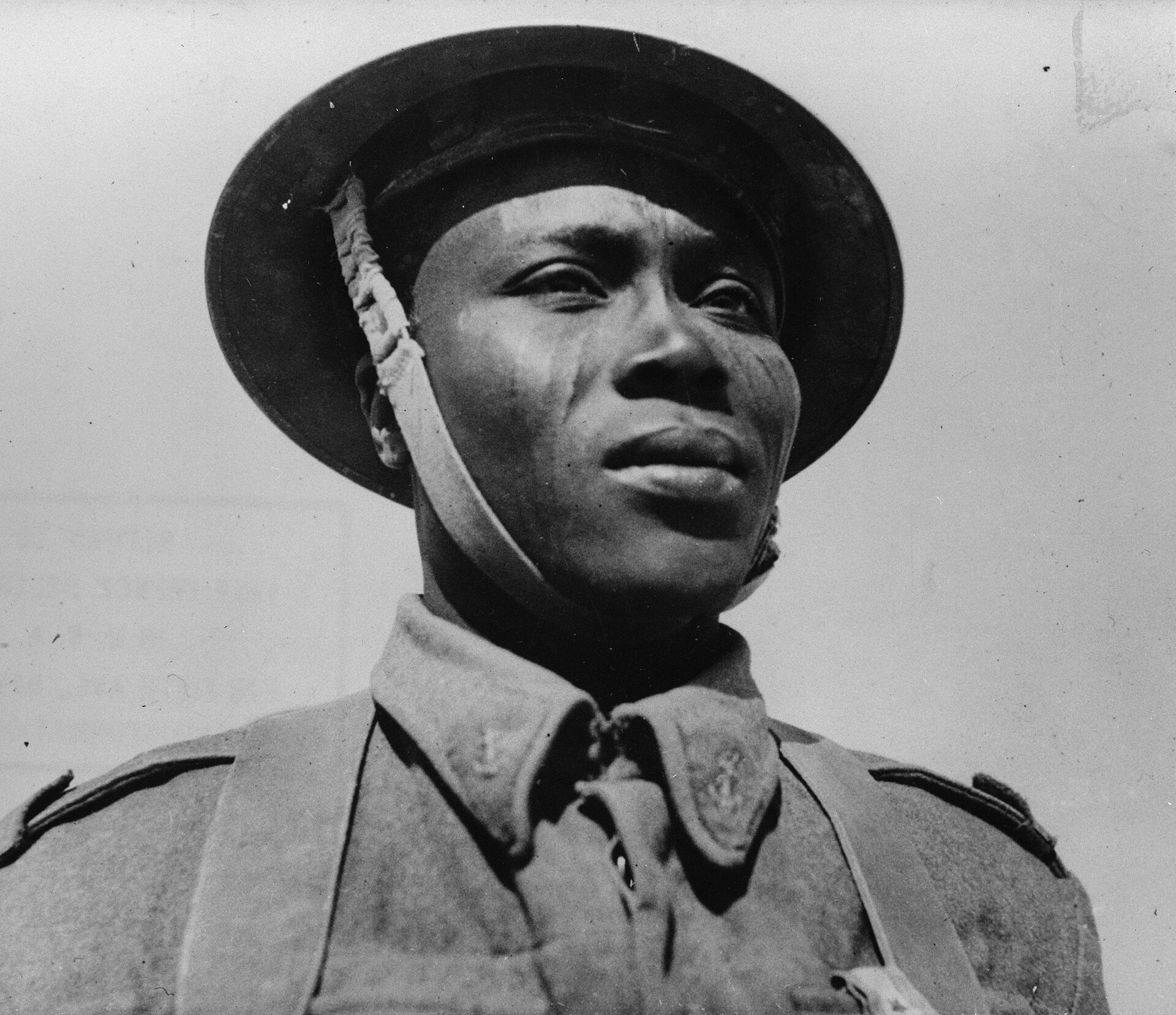
France conquered the region at the start of the twentieth century after hard fighting, ruling it as a neglected part of French Equatorial Africa valued mainly for its cotton. Chadians were later drawn into France's wars, and it was from Chad that the Free French forces of General de Gaulle launched some of their first campaigns against the Axis in the Second World War. Independence came in 1960.
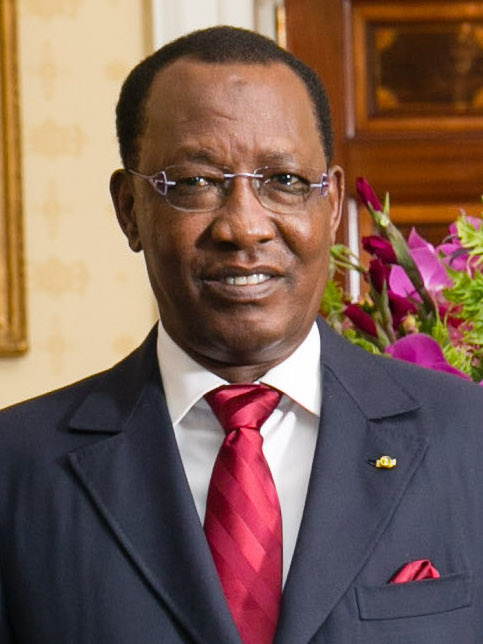
Independence quickly gave way to decades of instability, coups, and civil war, much of it driven by rivalry between the largely Muslim north and the more Christian south, and by interference from neighbouring Libya. Out of this turmoil the northern general Idriss Deby seized power in 1990 and then held it for over thirty years, surviving rebellions and building a security state, until he was killed on the battlefield fighting rebels in 2021.
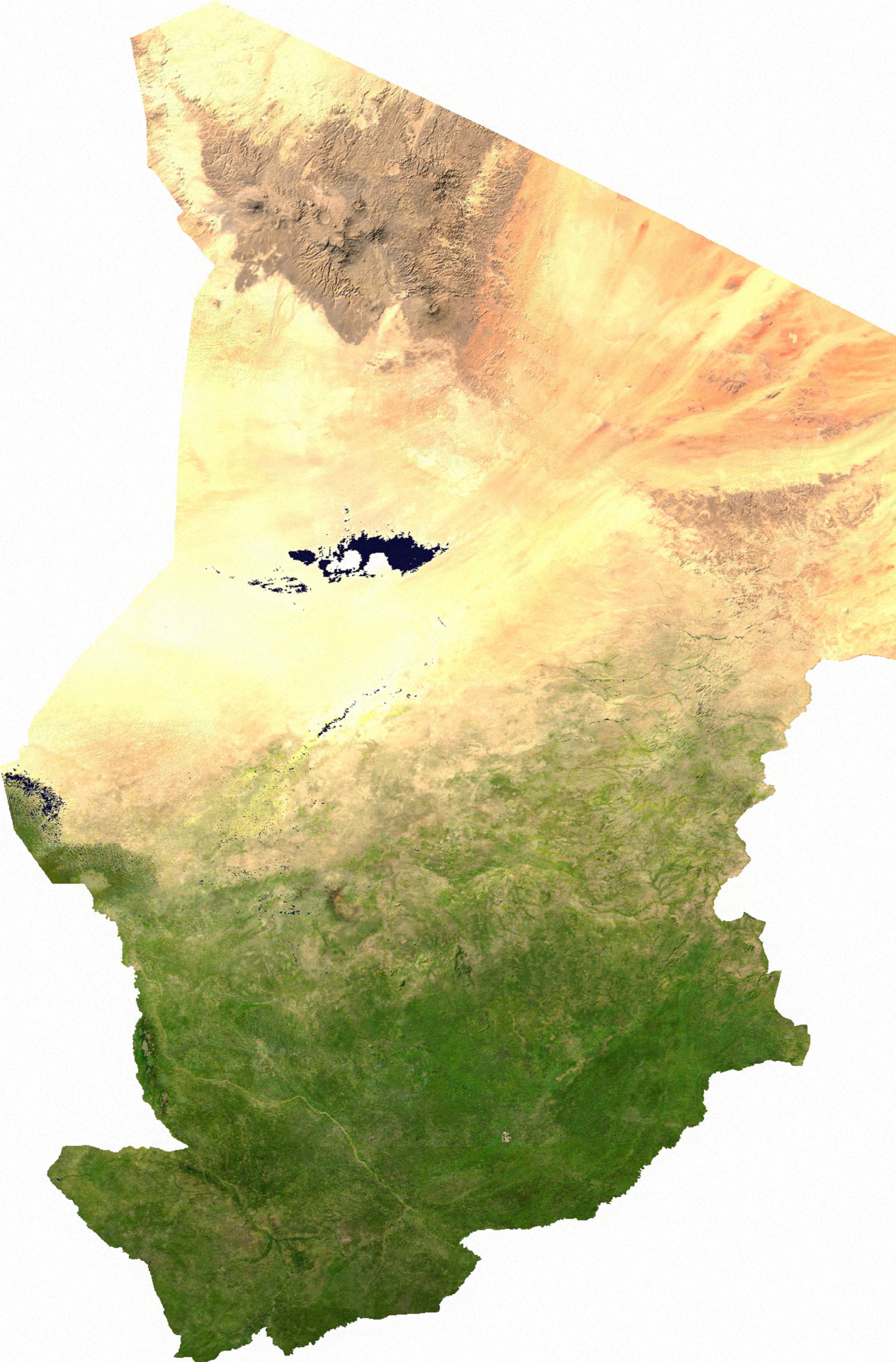
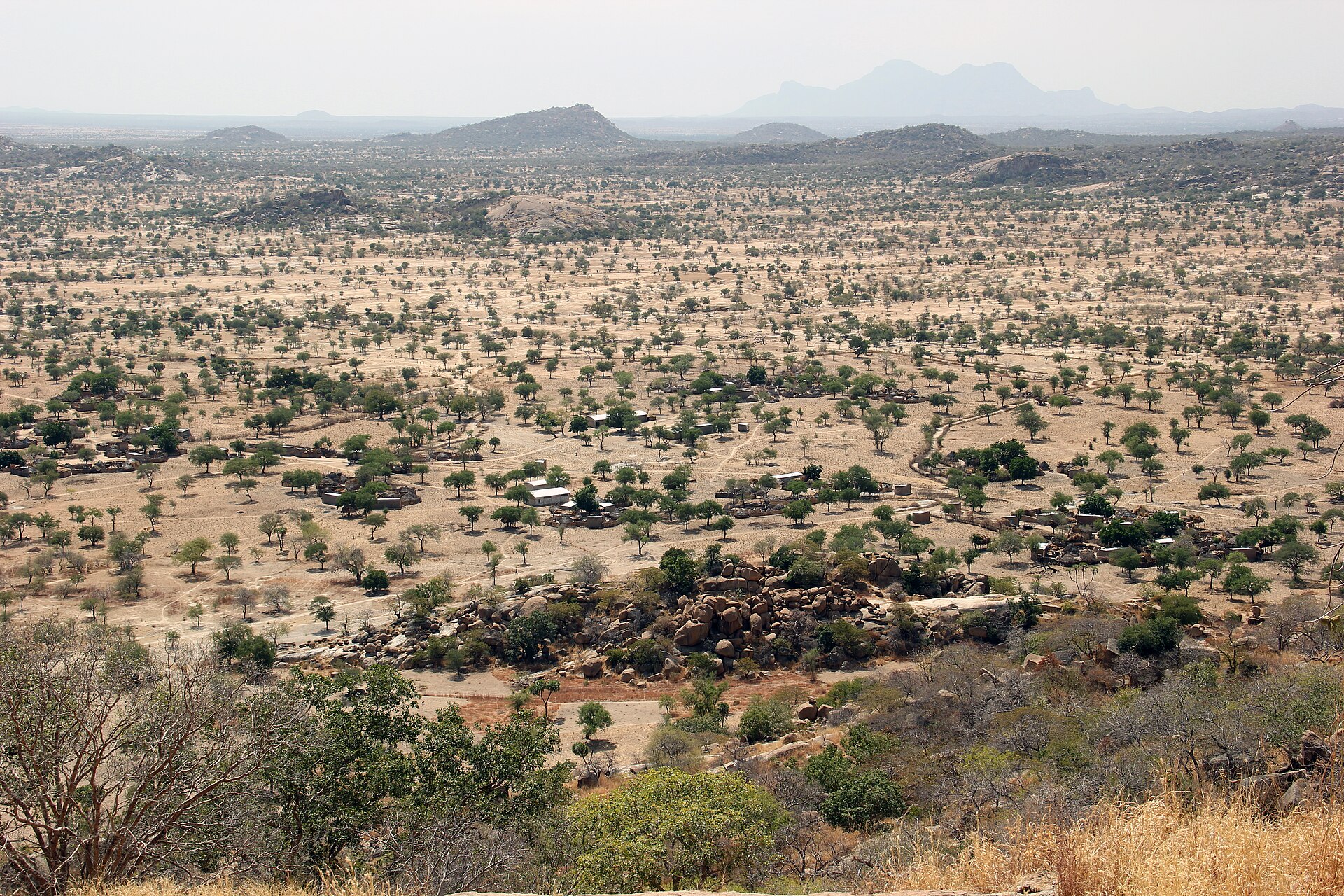
Chad spans three sharply different zones. The vast Saharan north is true desert, including the volcanic Tibesti Mountains, the highest in the Sahara. The central belt is the semi-arid Sahel, and the south is wetter savanna with the country's best farmland. The defining feature, on the western border, is Lake Chad, once one of the largest lakes in Africa but now drastically shrunken through drought and water use, a striking example of environmental change in the region.
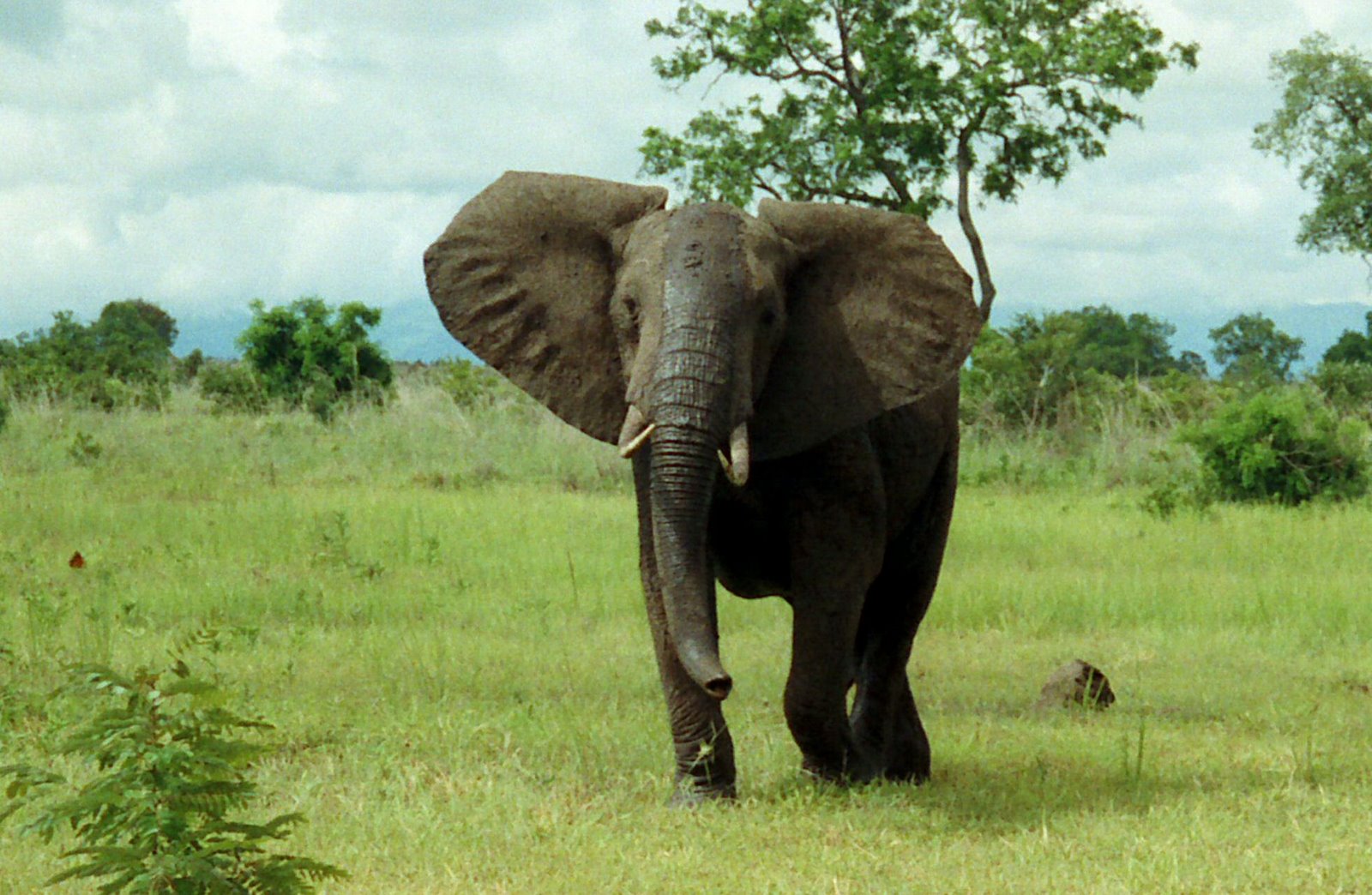
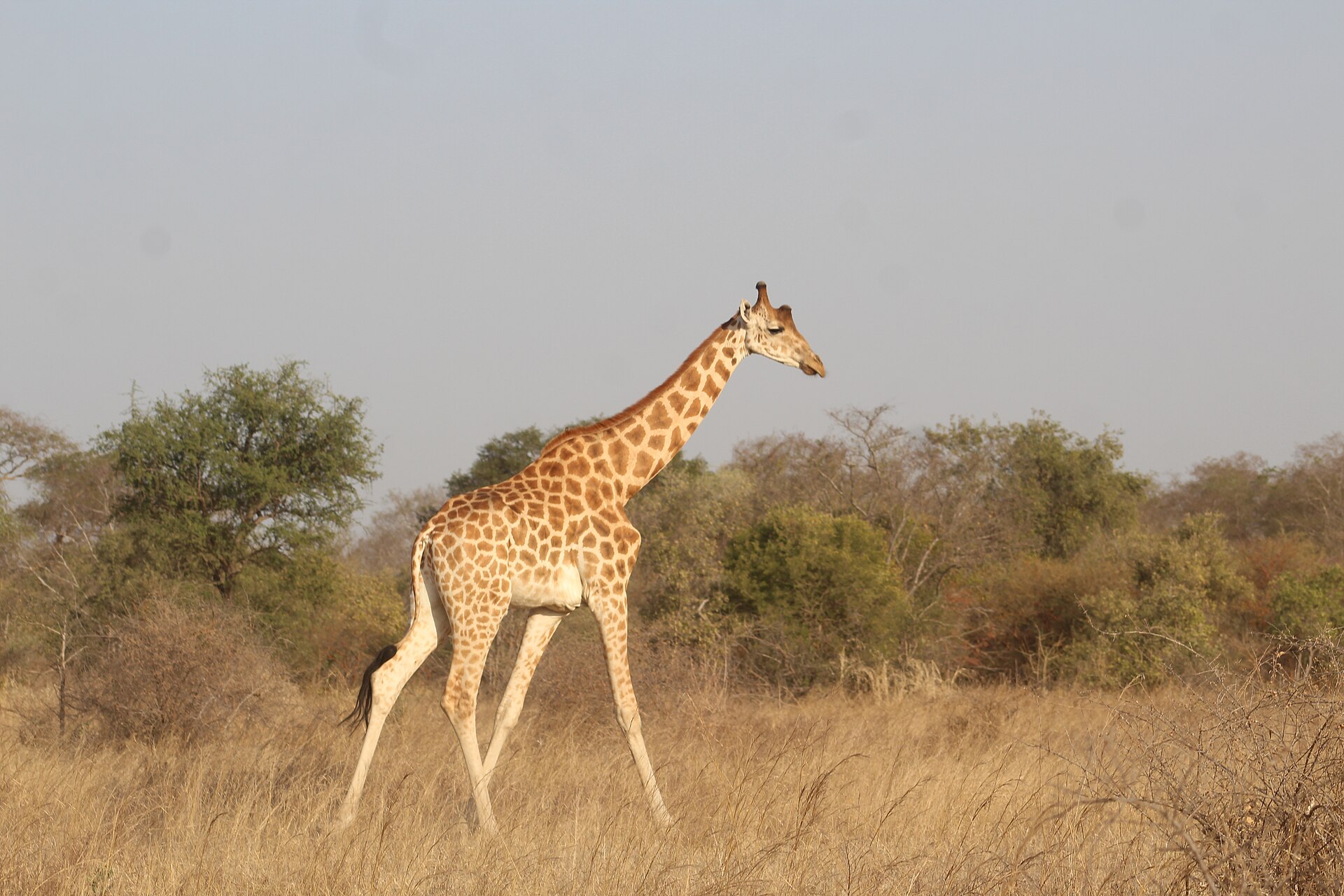
Chad's remoter regions still shelter remarkable wildlife, protected in national parks such as Zakouma in the south, which has become a rare conservation success in a troubled region.
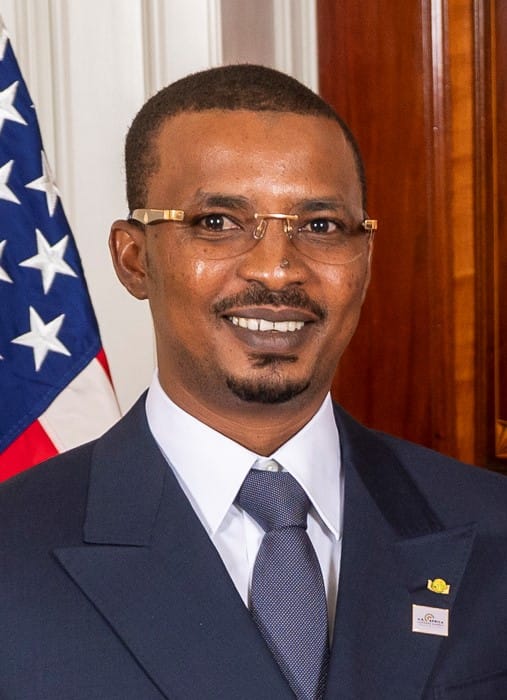
Chad is a republic that has, in practice, been ruled by one family for a generation. When President Idriss Deby was killed in 2021, the constitution was set aside and power passed not to the parliament but to his son, General Mahamat Idriss Deby, who took charge at the head of a military council. He went on to win a presidential election in 2024 that observers criticised as neither free nor fair, formalising the succession. His government has broken with France, expelling French troops in a wider Sahel trend, even as Chad remains a crucial partner of the West against jihadist groups and struggles under the weight of one of the world's largest refugee populations, driven across the border by the war in neighbouring Sudan.
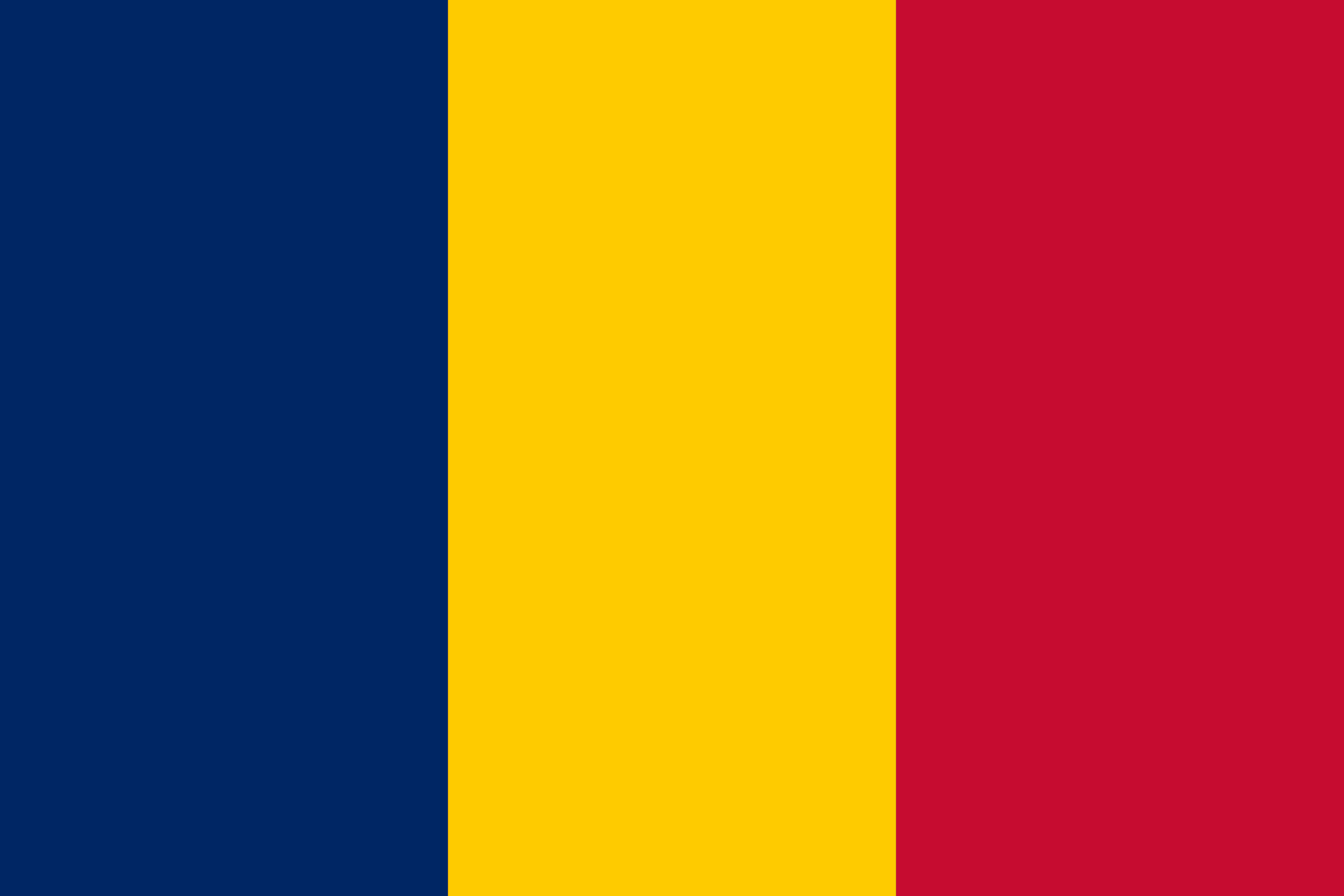
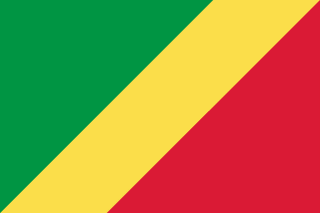
The flag of Chad has three vertical bands of blue, gold, and red. It combines the colours of the French tricolour, recalling the colonial past, with the pan-African colours: the blue is taken to represent the sky, hope, and the waters of the south, the gold the sun and the deserts of the north, and the red progress, unity, and the blood shed for the nation. The flag is nearly identical to that of Romania, a coincidence of similar colour choices.
Chad is religiously divided in a way that broadly follows its geography. The northern and central regions are predominantly Muslim, a faith that came across the Sahara long ago and is followed by a slight majority of the population, while the south is largely Christian, both Catholic and Protestant, the result of missionary activity, along with people who follow traditional African religions. This north-south religious and cultural divide has been a significant factor in the country's troubled politics and conflicts.
Chadian cuisine is based on grains and is adapted to a dry climate. A staple is a thick porridge of millet, sorghum, or maize, known as boule, eaten with sauces made from vegetables, leaves, okra, or peanuts and sometimes meat or dried fish. Rice and beans are also common, and along the rivers and Lake Chad, freshwater fish are an important food. Dairy from the herds of the pastoral peoples and grilled meat round out a diet shaped by the Sahel.
Agriculture and herding are the mainstay of life for most people in Chad, despite the harsh environment. In the wetter south, farmers grow cotton, the main cash crop and a major export, along with sorghum, millet, peanuts, and other foods, while in the drier centre and north, pastoralists herd cattle, camels, sheep, and goats. The discovery and export of oil in the south has become economically important, though much of the population still depends directly on the land.
Chad's culture reflects its position at the crossroads of the Arab and Muslim world of the Sahara and the Black African societies of the south, a diversity of more than a hundred peoples that is both a richness and a source of tension. Music and dance, storytelling, and craft such as leatherwork and weaving are woven through daily life, and the country is proud of its place in the science of human origins: it was in the Chadian desert that researchers unearthed Toumai, a skull dating back some seven million years, among the oldest known fossils in the human family. Endurance, faith, and family are the deep values of a people who live in one of the harshest environments on Earth.
Chad's modern predicament gathers several disputed threads. At home, the transfer of power from Idriss Deby to his son in 2021, cementing a family hold on the state, is defended by the government as the only way to preserve stability in a country long torn by civil war, and condemned by the opposition as the theft of a republic; a 2022 crackdown on protests against the succession left many dead. Abroad, Chad sits at the centre of a ring of crises, and its choices are watched closely.
The country is a frontline in the fight against the jihadists of the Lake Chad basin, even as that lake, once among Africa's largest, has shrunk drastically through drought and heavy use, destroying the livelihoods of millions and feeding the very instability the militants exploit. To the east, the civil war in Sudan has driven over a million refugees across the border into some of the poorest land in Chad, an immense humanitarian burden for which its government has won international recognition. And like its Sahel neighbours, Chad has cooled toward its former colonial ruler France, expelling French forces, though it has not embraced Russia as fully as some. Oil, discovered in the south, was meant to transform the country but has done little for most of its people. These pressures, and how to judge the Deby government's response to them, remain deeply contested.
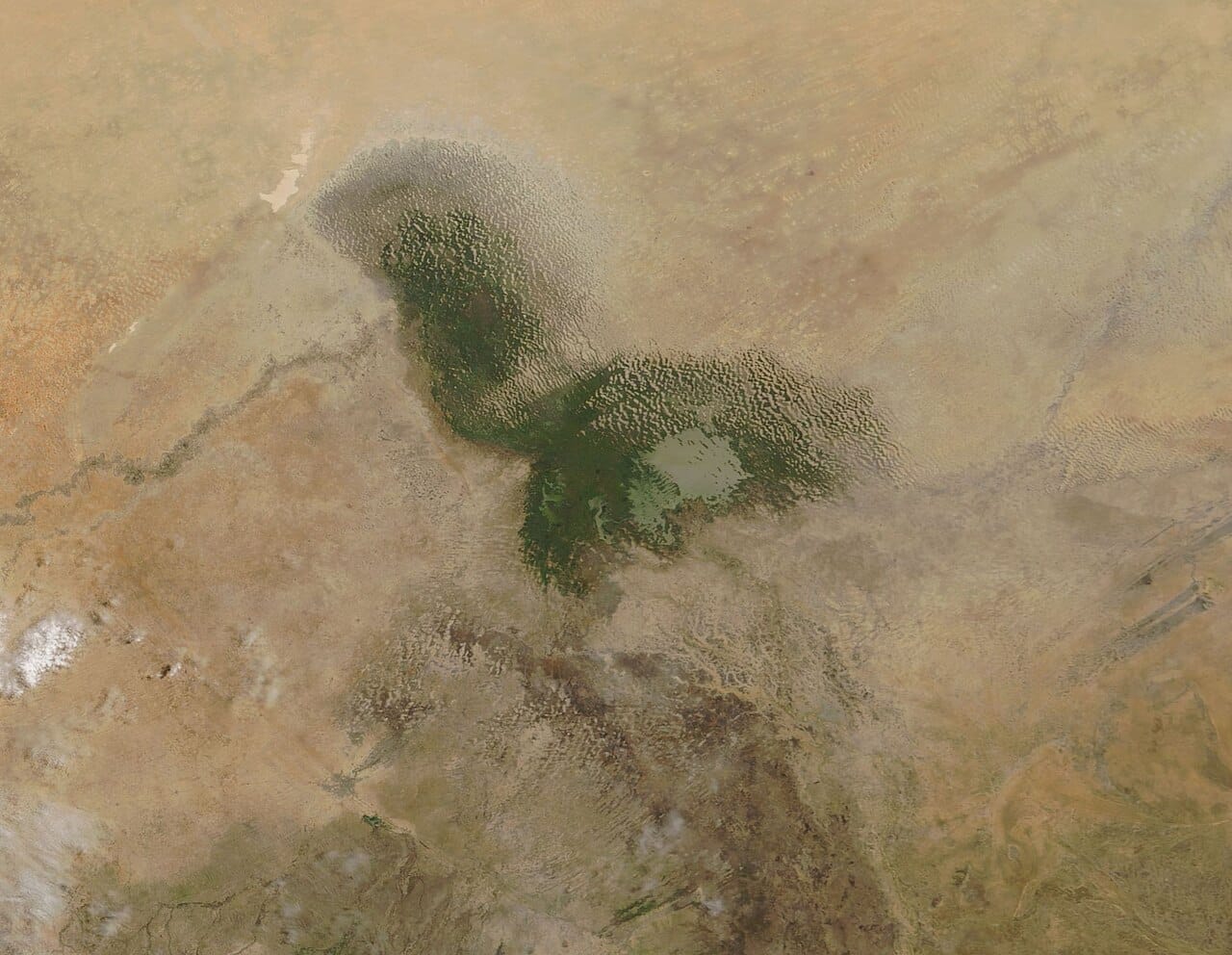
Chad has a population of around 18 million people, made up of some 200 ethnic groups speaking a great many languages, with French and Arabic serving as official languages. The population is broadly divided between the Muslim peoples of the north and centre and the more Christian and traditional-religion peoples of the south, a divide central to the country's history. Most Chadians are farmers or herders living in the southern half of the country, and the capital and largest city is N'Djamena, near Lake Chad.