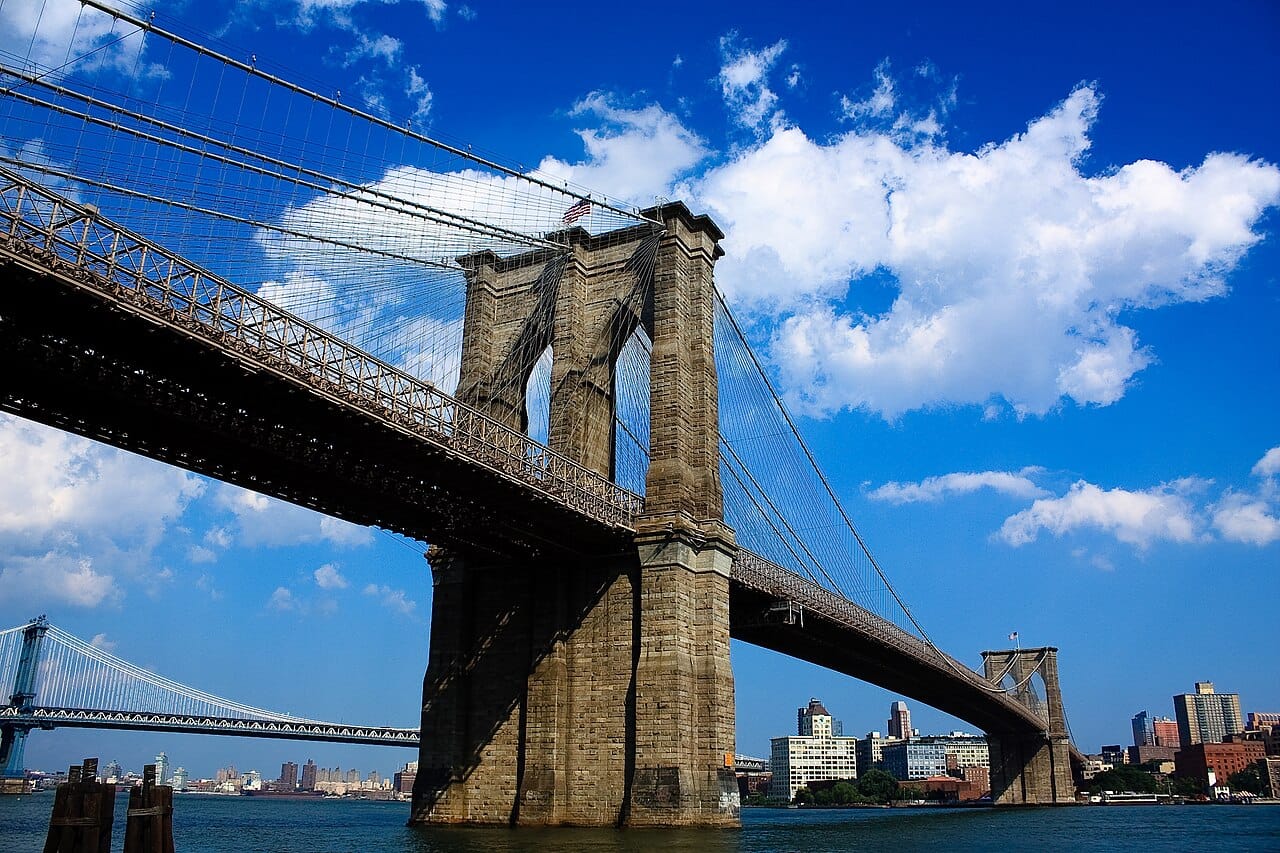
Artificial waterways for navigation. Water carries heavy loads at a fraction of the effort land transport requires, and for a period of roughly a century canals were the cheapest way to move bulk goods overland anywhere.
A floating load is supported by buoyancy rather than by wheels, so no energy is spent holding it up and the only resistance is the drag of moving through water.
The effect is large. One horse could pull a wagon carrying perhaps two tonnes on a good road, and could pull a barge carrying thirty tonnes or more on a canal. Water transport is still the cheapest mode per tonne over distance.
The cost is speed and route. A barge is slow, and a canal must be built where gradients permit and must have a reliable water supply.
Water supply is the constraint most often overlooked. Every time a lock operates it discharges a lockful of water downhill, so a canal summit needs a reservoir or a pumping arrangement, and the water supply frequently determined whether a route was possible at all.
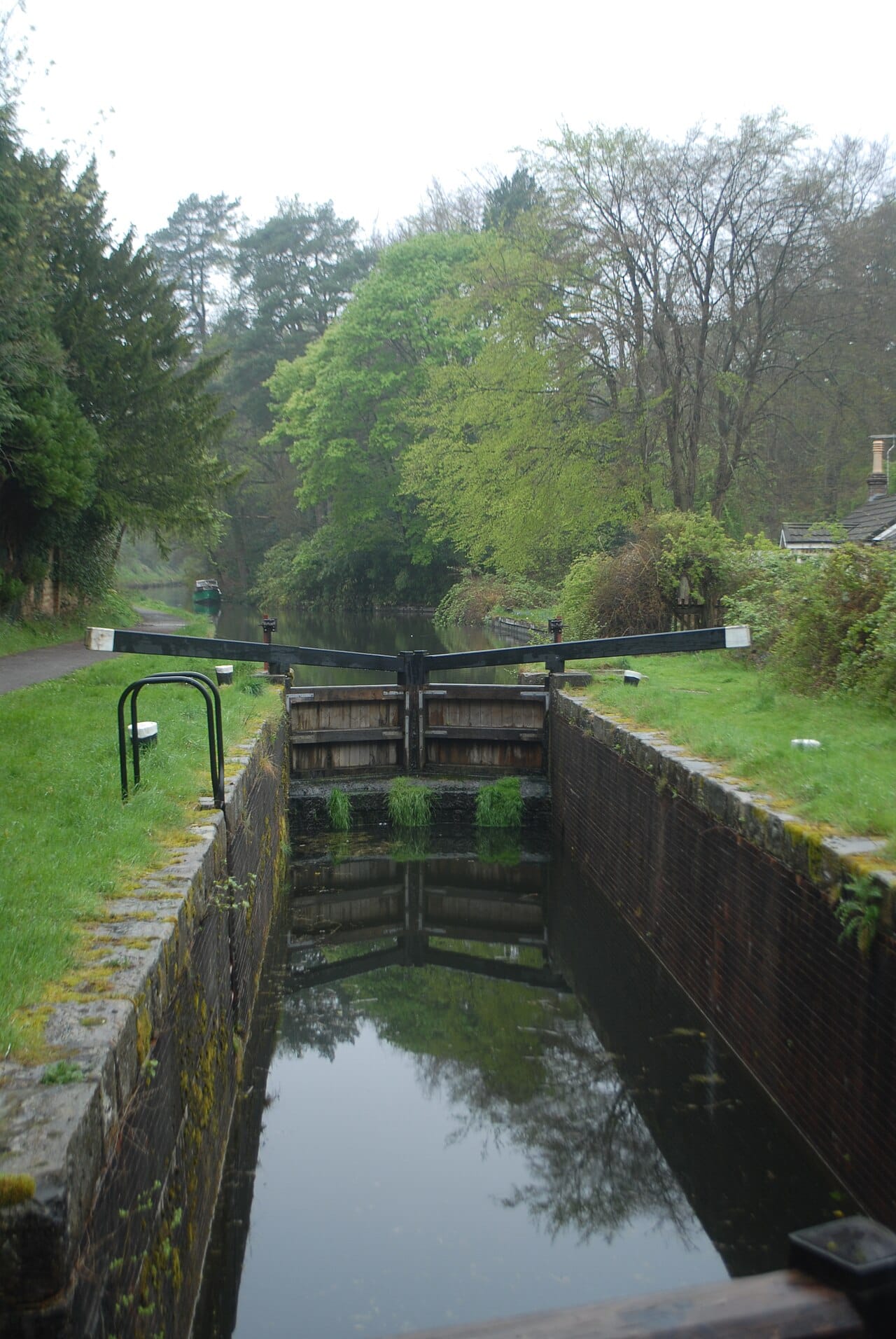
The pound lock is the enabling invention. A chamber with gates at each end is filled or emptied to raise or lower a boat between two levels, which allows a canal to climb.
Its origins are Chinese, with a lock on the Grand Canal described in the tenth century, and the pound lock appears in Europe from the fifteenth century, with the mitre gate design generally attributed to Leonardo da Vinci's period in Milan.
Alternatives exist where locks are impractical. Inclined planes and boat lifts carry vessels bodily between levels, and a few remarkable examples remain in operation.
Aqueducts carry canals over valleys and rivers, which reverses the usual arrangement and produces the striking sight of a boat crossing above a river.
Tunnels carry them through high ground, and several early canal tunnels had no towpath, so boats were moved by leggers who lay on their backs and walked along the tunnel walls.
Irrigation and drainage canals are far older than navigation canals and are treated in the irrigation capsule.
China's Grand Canal, extended over many centuries and reaching its full length in the seventh century, connected the Yangtze and Yellow river systems over roughly 1800 kilometres and moved grain to the capital. It is the largest and longest pre-industrial canal by a wide margin.
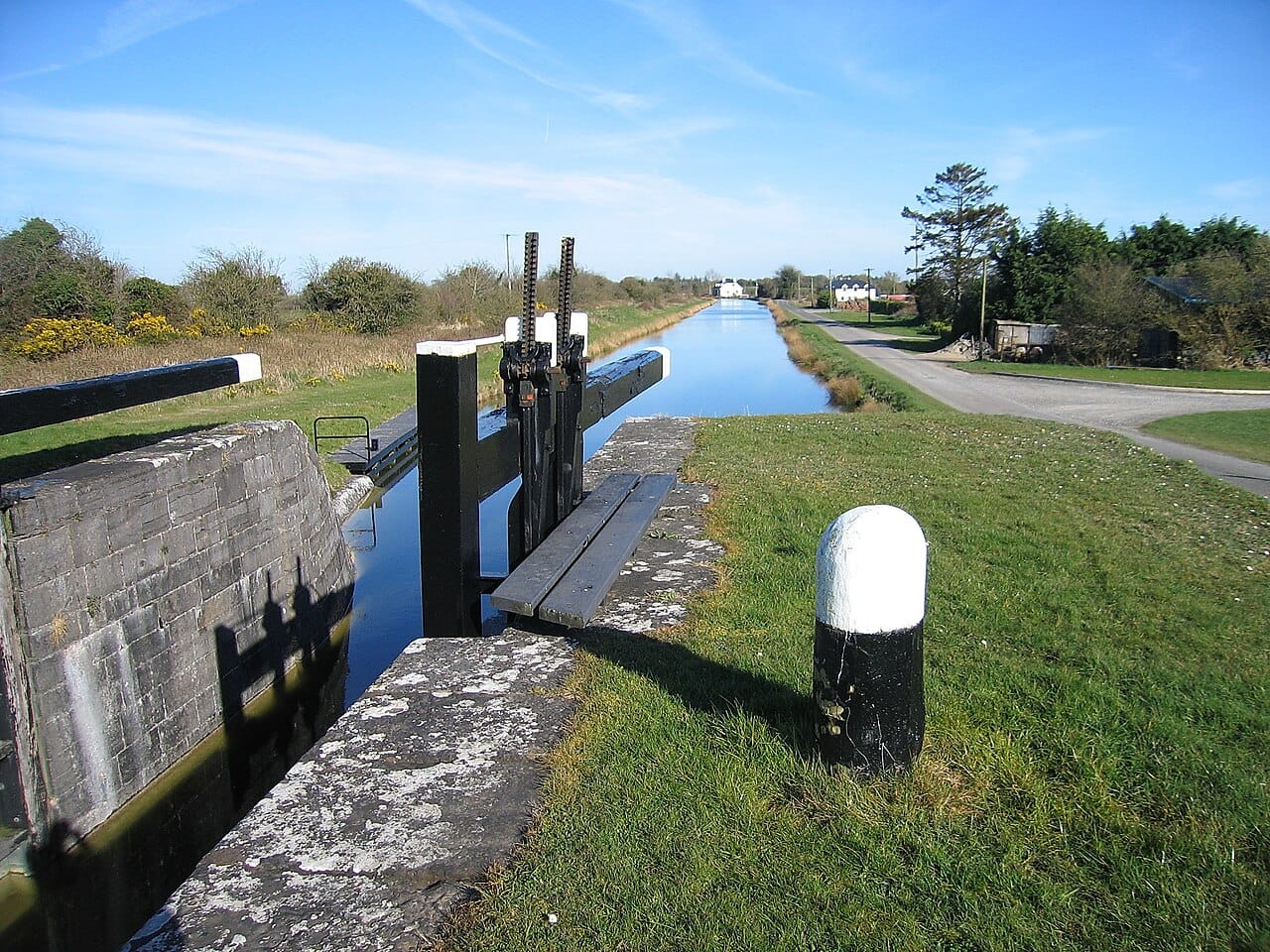
The European canal age ran from the seventeenth to the early nineteenth century. The Canal du Midi, completed in 1681, connected the Atlantic to the Mediterranean and was an engineering undertaking of a scale not previously attempted in Europe.
Britain's network was built largely between 1760 and 1830 and was the transport basis of early industrialisation, moving coal, iron and pottery at a cost that made inland manufacturing viable.
The Erie Canal, opened in 1825, connected the Great Lakes to the Atlantic, cut freight costs to a fraction of the overland rate, and made New York the dominant American port.
Railways ended the canal age within a generation. They were faster, worked in winter, and were not limited by water supply, and canal companies were frequently bought by railway companies and allowed to decline.
A separate category cuts through isthmuses to shorten sea routes, and these remain economically central.
The Suez Canal, opened in 1869, connects the Mediterranean to the Red Sea and removes the voyage around Africa. It is at sea level with no locks, because the two seas are close enough in level.
The Panama Canal, completed in 1914 after a French attempt collapsed, uses locks to lift ships over the isthmus. The French failure was principally disease, with tens of thousands of deaths from malaria and yellow fever, and the American success depended on controlling the mosquitoes that carried them as much as on the excavation.
Both remain chokepoints. A single grounded vessel blocked Suez in 2021 and disrupted global supply chains within days, and drought has repeatedly constrained Panama transits because each lock operation consumes fresh water from a reservoir.
Canals made bulk overland freight cheap for the first time, and the industrial concentration of the late eighteenth century happened along them.
They are also the clearest surviving demonstration of how much cheaper water transport is. The reason a container ship can move goods across an ocean for less than a lorry moves them across a country is the same physics that let one horse pull thirty tonnes, and it has not changed.