Powered flight through the atmosphere. It went from first sustained flight to routine intercontinental travel within sixty years, and its safety record is now the strongest of any transport mode by distance travelled.
A wing generates lift because air passing over it is deflected downward, and the reaction pushes the wing up. The explanation frequently offered, that air travelling over the longer upper surface must arrive at the same time as air beneath, is wrong and does not survive measurement.
Lift depends on airspeed, wing area, air density and angle of attack. Increasing angle of attack increases lift up to a point beyond which the airflow separates and lift collapses, which is a stall, and it is a function of angle rather than of speed.
Drag opposes motion and must be overcome by thrust. Induced drag is the penalty for generating lift and falls with speed; parasitic drag rises with speed, so there is a speed of minimum total drag where range is greatest.
Density falls with altitude, which reduces both lift and drag. Airliners cruise high because the reduction in drag outweighs the reduction in engine performance, and jet engines work well in thin cold air.
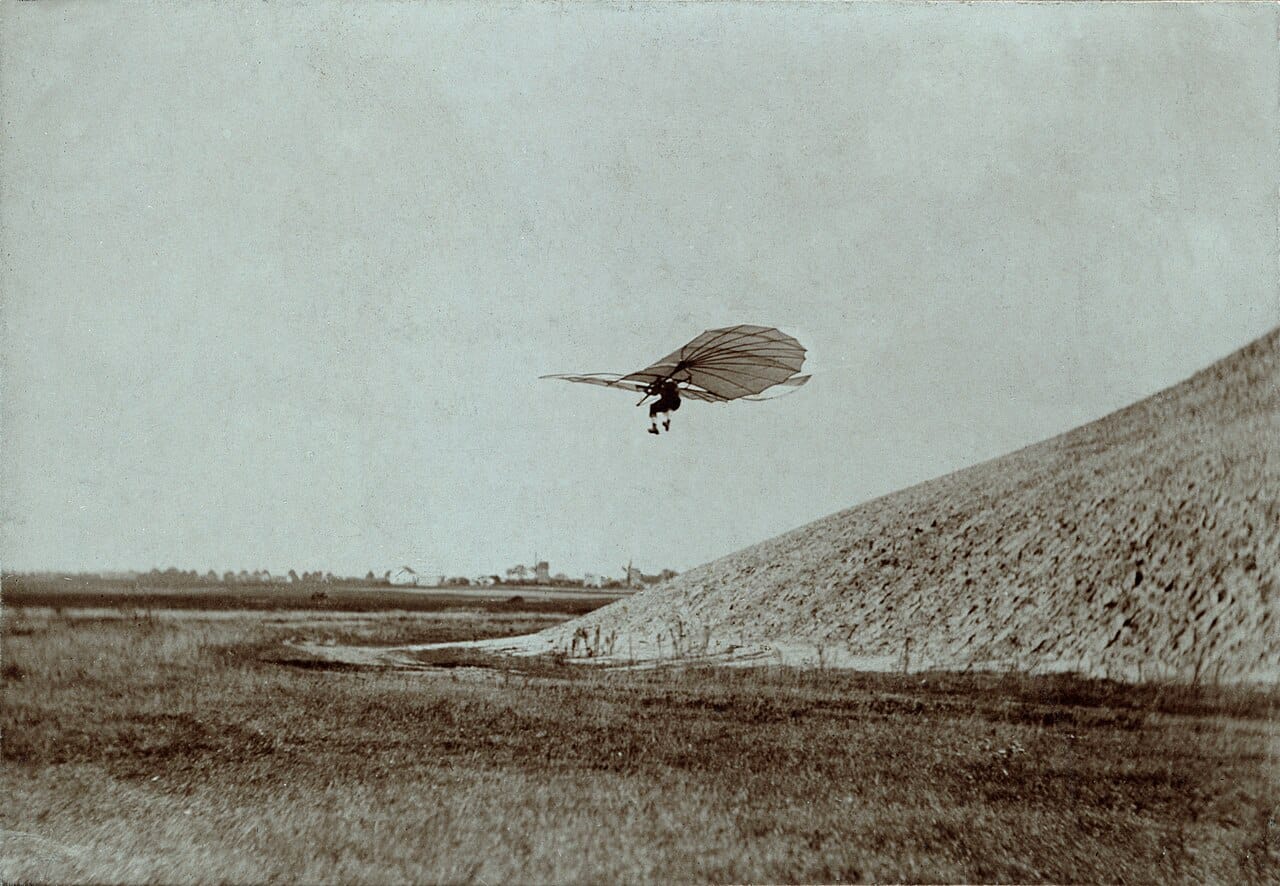
Unpowered flight came first. George Cayley identified lift, drag and thrust as separate forces in the early nineteenth century and built working gliders. Otto Lilienthal made around two thousand glider flights in the 1890s and published measurements that later builders relied on. He died in a crash in 1896.
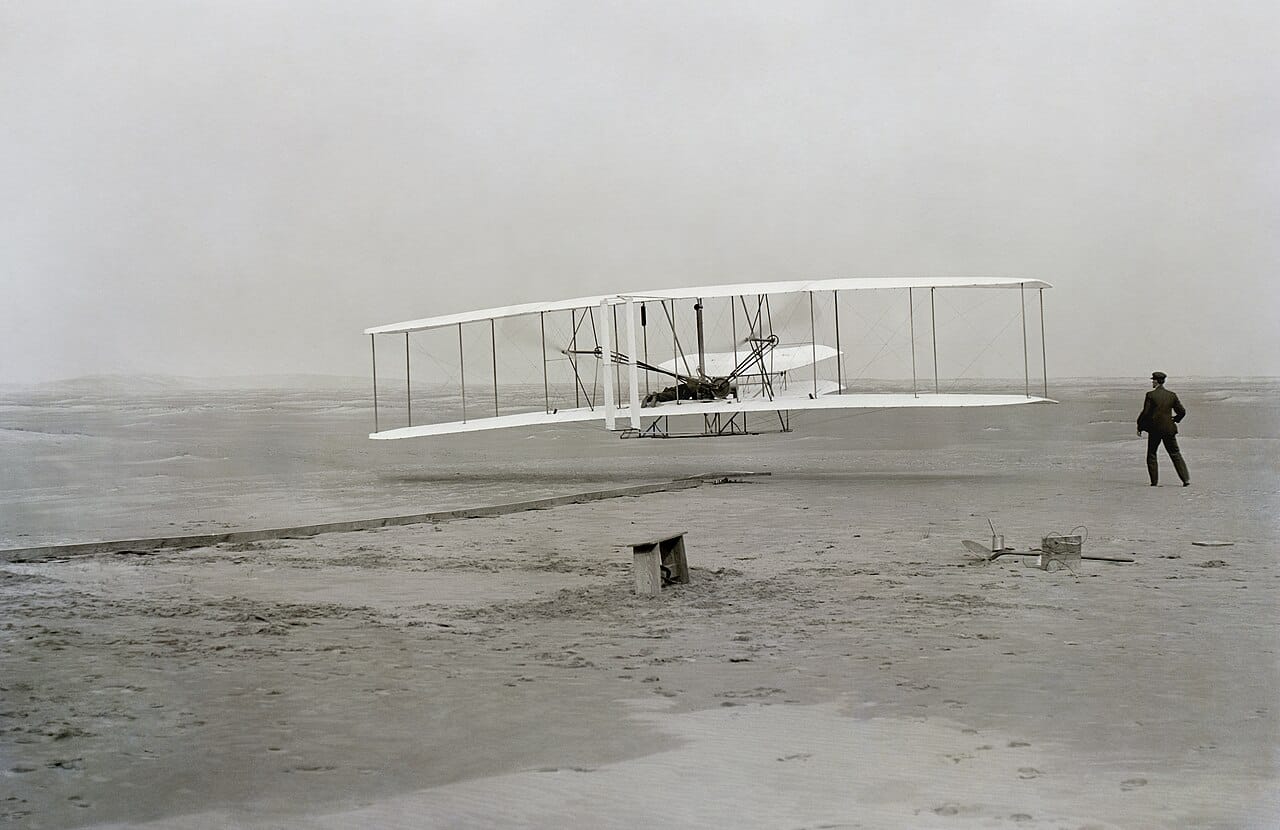
The Wright brothers succeeded in 1903 where others had failed, and their key insight was control rather than power. They developed three-axis control, allowing the aircraft to be steered in roll, pitch and yaw, and treated flying as a skill to be learned rather than a problem of building a machine that would fly itself. They also built a wind tunnel after finding published lift data unreliable.
Military demand in two world wars drove rapid development, and metal construction, enclosed cockpits, retractable undercarriage and far more powerful engines followed within decades.
The jet engine, developed independently by Frank Whittle and Hans von Ohain in the 1930s, made high-altitude high-speed flight practical and transformed both military and civil aviation after 1945.
Wide-body jets from the late 1960s cut the cost per seat sufficiently that air travel ceased to be a luxury, which did more to change who flies than any increase in speed.
Balloons preceded powered flight by more than a century, with the first manned flights in 1783.
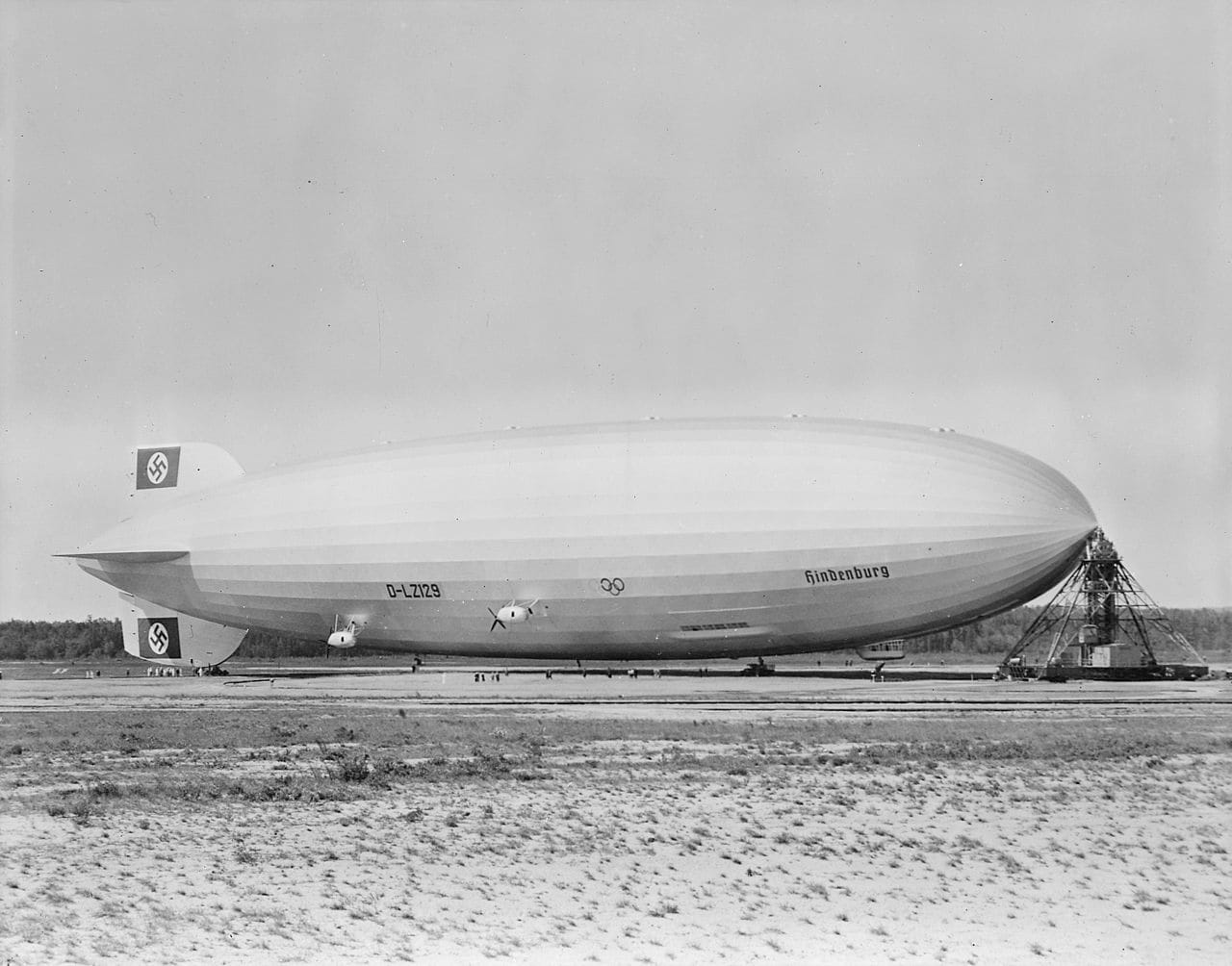
Airships offered controllable lighter-than-air flight and carried passengers across oceans in the 1920s and 1930s. The Hindenburg fire in 1937, filmed and broadcast, ended public confidence, though the mode was already being overtaken by aeroplanes on speed and cost.
Commercial aviation is the safest form of transport measured per distance travelled, and the improvement is the result of deliberate system design rather than of any single technology.
Accident investigation is independent of regulators and operators in most jurisdictions, and its purpose is establishing cause rather than assigning blame, which is what makes candid evidence obtainable.
Findings are acted on across the industry rather than by one operator, so a lesson learned from one accident changes practice everywhere.
Crew resource management was introduced after investigations found that accidents frequently involved junior crew failing to challenge a captain's error. Training in explicit challenge procedures followed, and the approach has since been adopted in surgery and other high-risk fields.
Reporting systems allow crews to report errors and near-misses without punishment, which surfaces problems before they cause accidents.
The result is that the accident rate has fallen by orders of magnitude over decades while traffic has grown enormously.
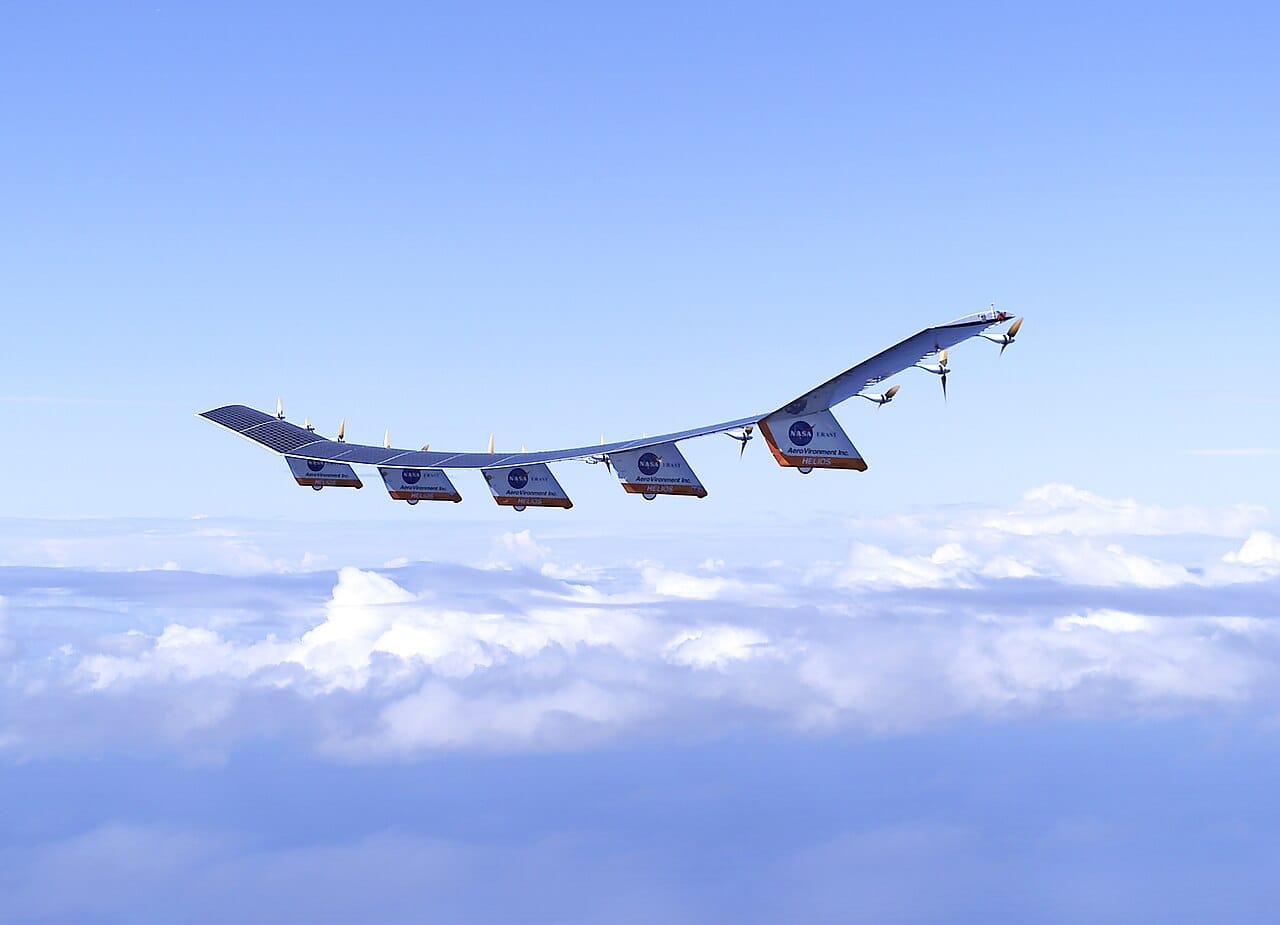
Aviation accounts for roughly two to three per cent of global carbon dioxide emissions, and its total warming effect is larger than that figure because contrails and high-altitude nitrogen oxides contribute additionally, with the magnitude genuinely uncertain.
It is among the harder sectors to decarbonise. Batteries are far too heavy for anything beyond short flights, given that jet fuel carries roughly fifty times more energy per kilogram than current cells.
Sustainable aviation fuels, made from waste or synthesised, work in existing engines and are currently produced in quantities that are a small fraction of demand and cost substantially more.
Hydrogen and electric propulsion are under development for short-haul and require new airframes and ground infrastructure.
The honest position is that long-haul aviation has no near-term substitute, which is why demand management appears in policy discussion in a way it does not for sectors with available alternatives.
Aviation compressed the world within a single lifetime, making journeys that took weeks take hours, and the economic and social consequences of that are difficult to overstate.
Its safety system is also the clearest working example of how an industry can become reliable: independent investigation, findings shared rather than concealed, and reporting without blame. Those three features, rather than any engineering advance, account for most of the improvement.