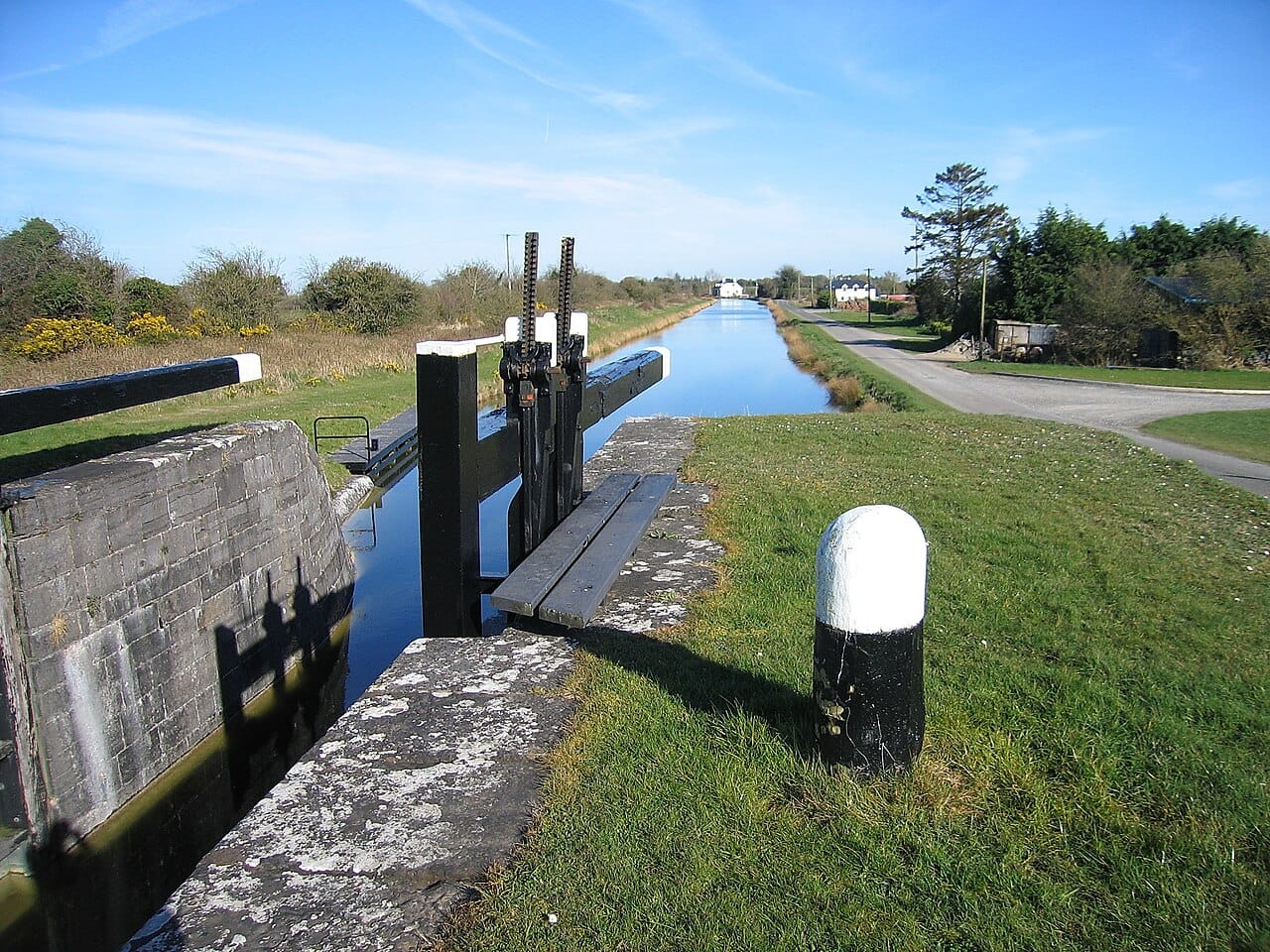
Structures that carry a route across an obstacle. There are a small number of structural types, each resolving loads differently, and which is chosen depends chiefly on the span required and on what the ground will support.
A bridge must carry its own weight, which for long spans is the dominant load, plus traffic, wind, temperature movement and in some places earthquakes and ice.
Every type solves the same problem: get the load to the supports without the material failing in tension, compression or bending. The types differ in which of those they rely on, and the choice matters because materials differ. Stone and concrete are strong in compression and weak in tension. Steel and iron are strong in both. Which materials were available therefore determined which bridges could be built in any period.
The beam is the simplest, a horizontal member resting on supports. It bends under load, with the top in compression and the bottom in tension, and its span is limited because the bending increases sharply with length.
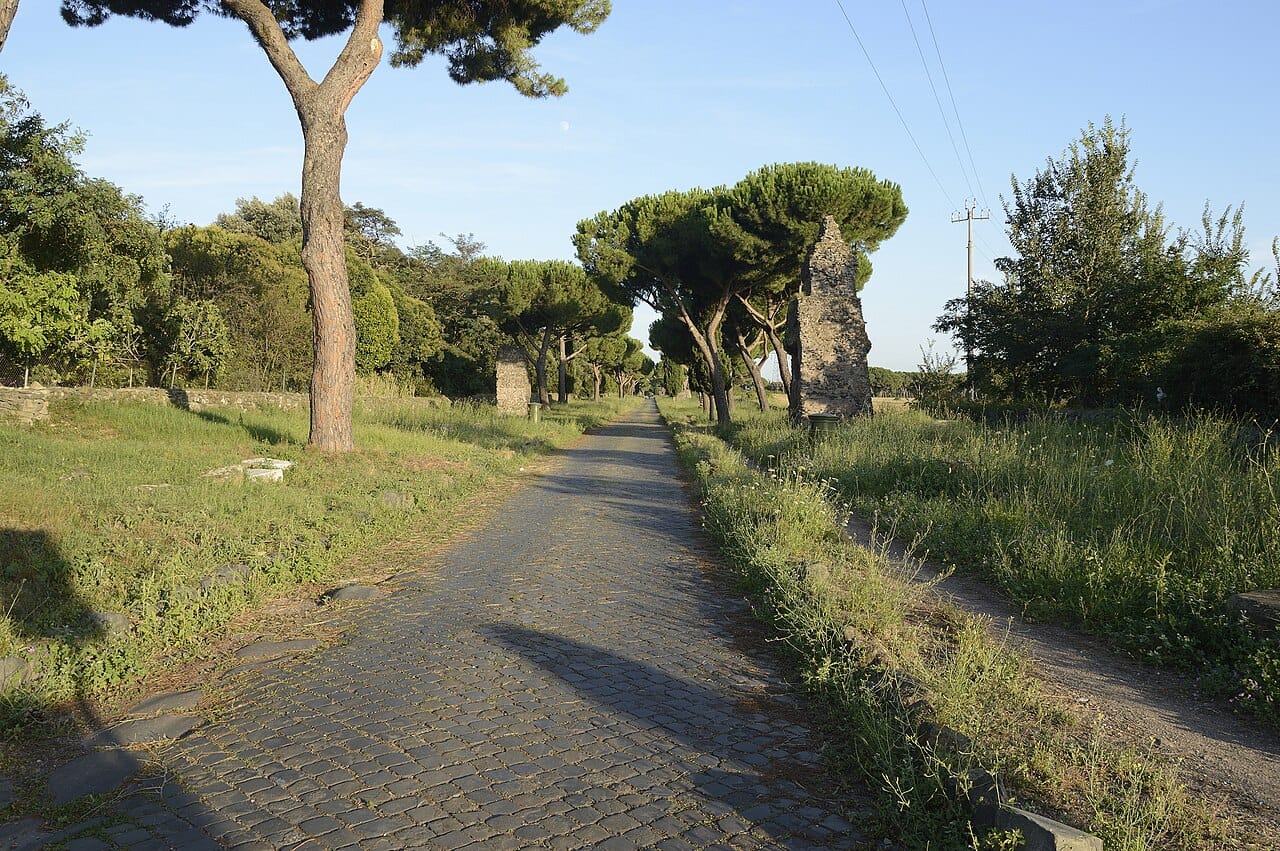
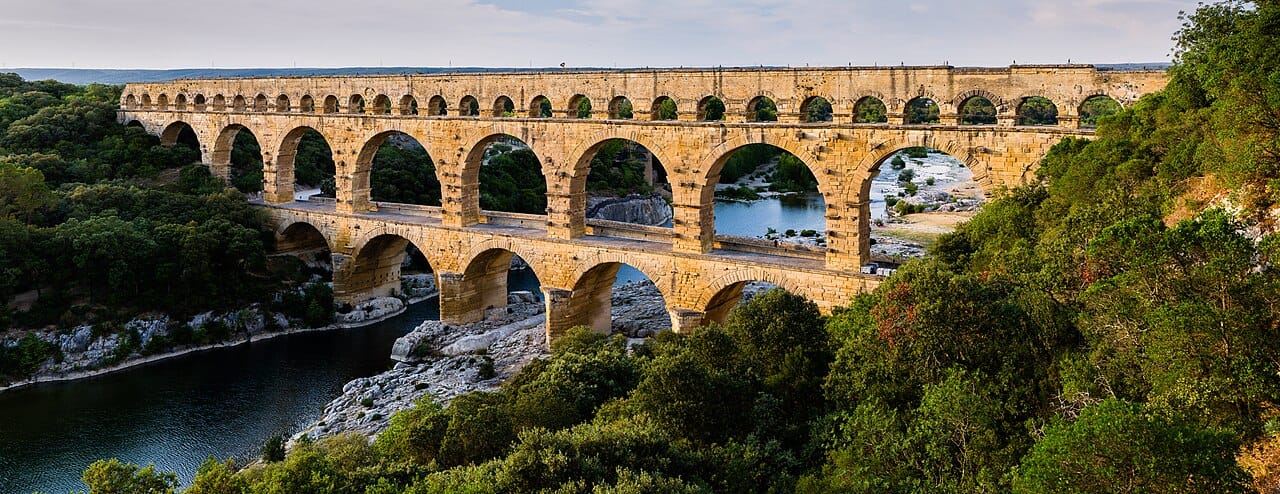
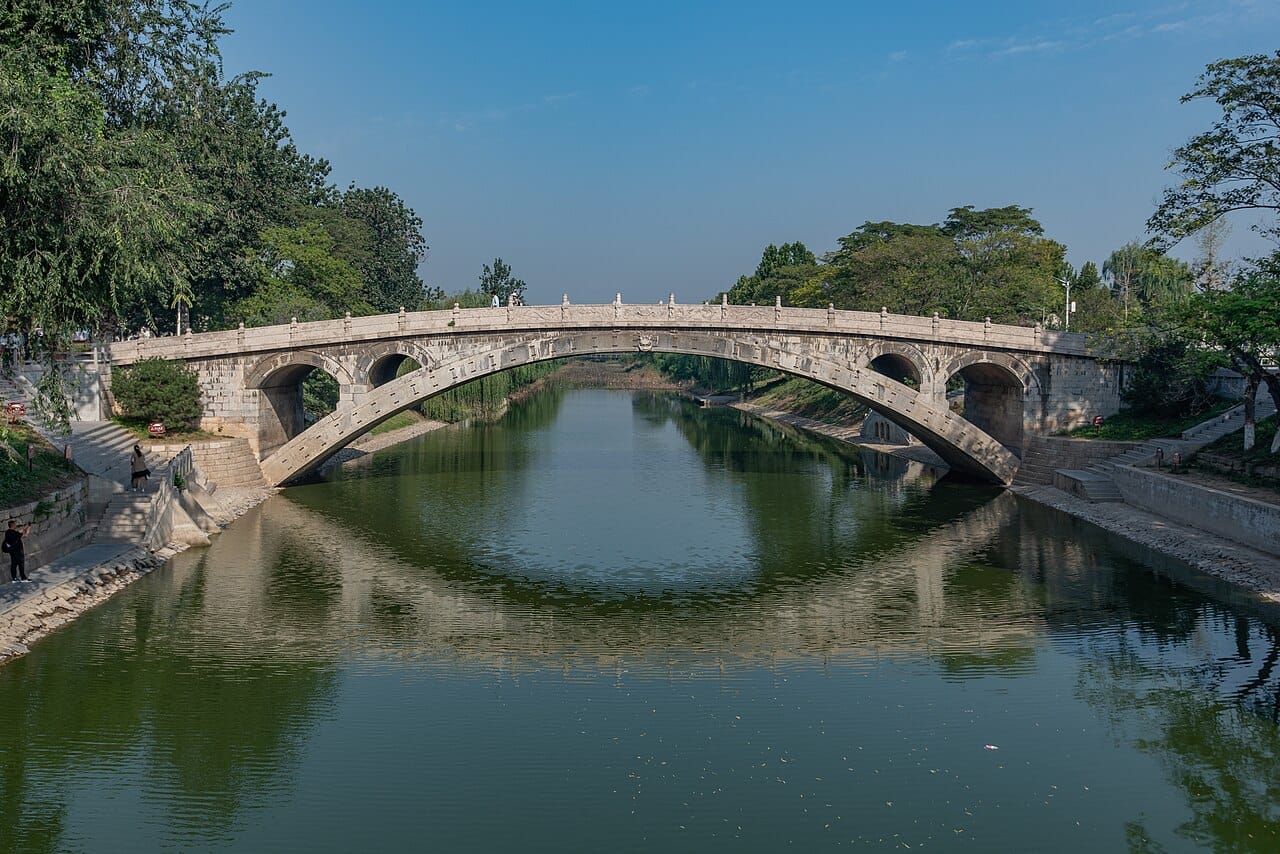
The arch carries load along a curve as compression, pushing outward at its base. That outward thrust must be resisted by heavy abutments or by the ground. Because it avoids tension, it can be built in stone, which is why almost all long-lived ancient bridges are arches. The Romans used the form extensively.
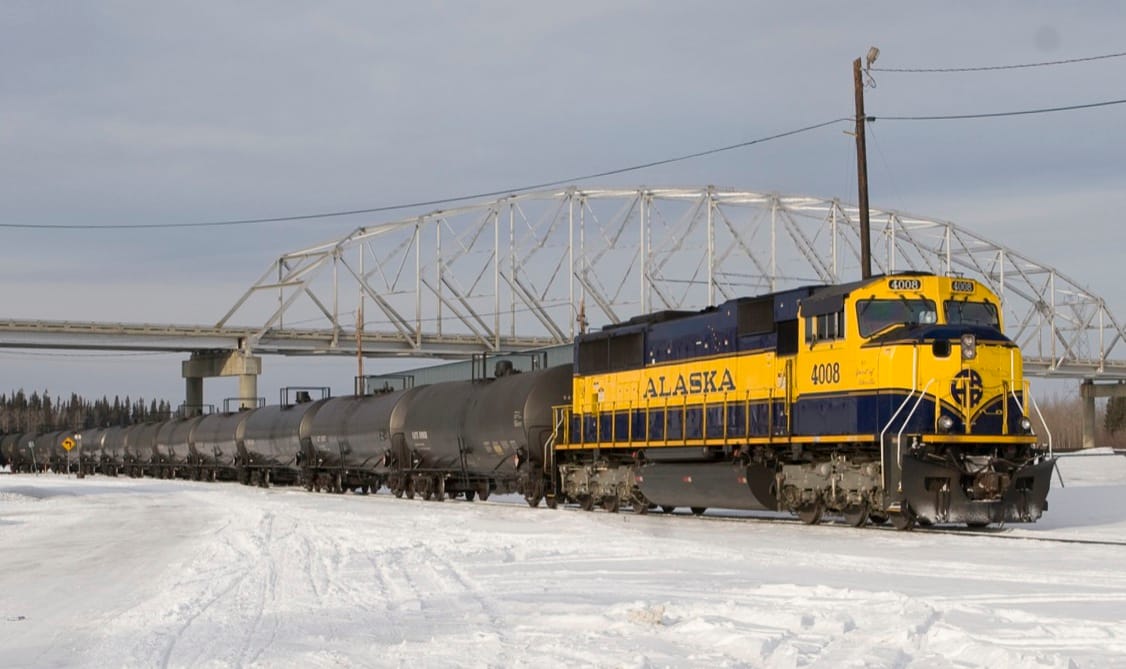
The truss uses a framework of triangles, each member carrying only tension or compression rather than bending. Triangles are used because a triangle cannot change shape without changing the length of a side. Trusses became dominant in the nineteenth century for railway bridges, since they are efficient in iron and steel and can be assembled from standard parts.
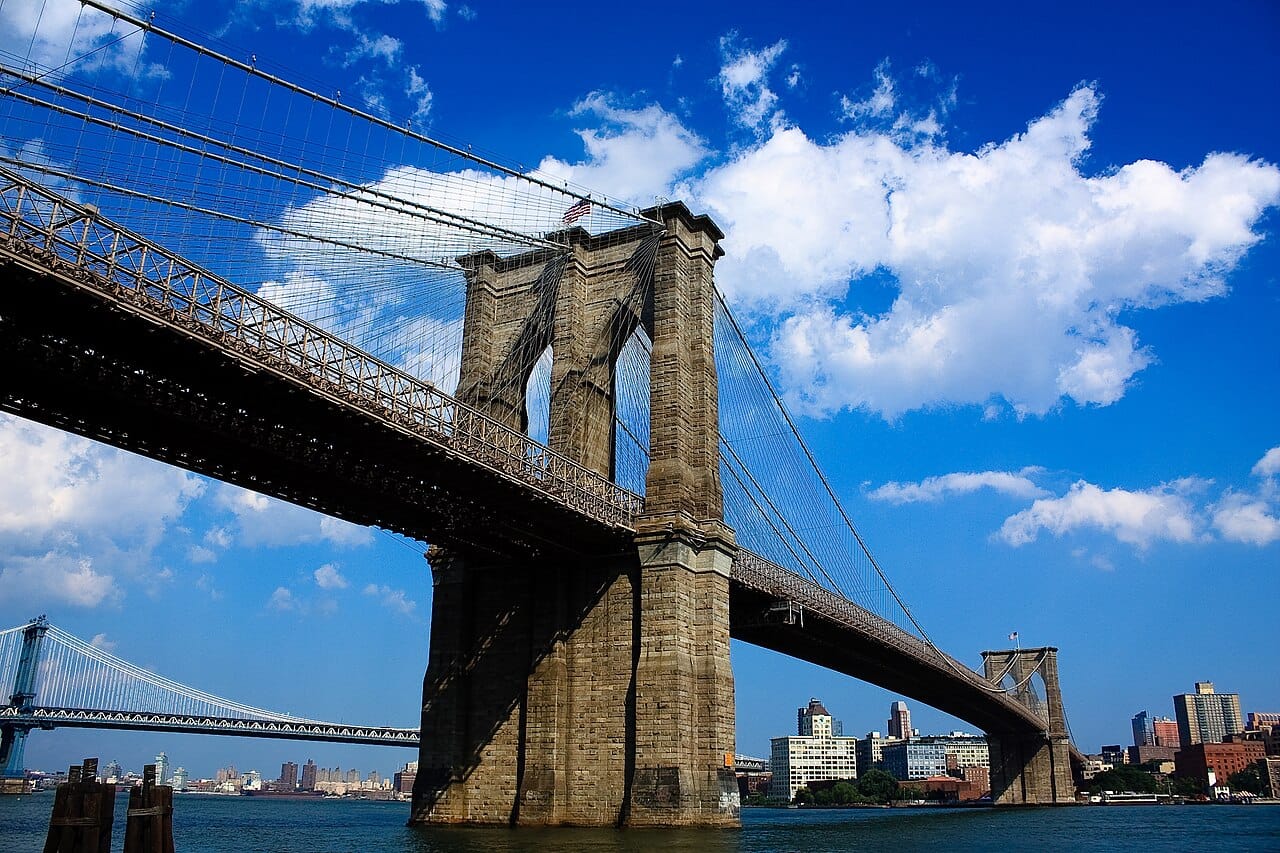
The suspension bridge hangs the deck from cables passing over towers and anchored at each end. The cables work purely in tension, which is what steel does best, so this type achieves the longest spans. The main span of the longest exceeds two kilometres.
The cable-stayed bridge runs cables directly from tower to deck rather than over the tower to anchorages. It needs no massive anchor blocks and is efficient in the range between truss and suspension spans, which is why most large bridges built since the 1970s are of this type.
Bridge engineering has been driven by its failures more visibly than most fields.
The Tay Bridge collapsed in a storm in 1879 while carrying a train, killing everyone aboard. The inquiry found wind loading had been badly underestimated, and wind became a formal design case thereafter.
The Tacoma Narrows Bridge tore itself apart in a moderate wind in 1940 after oscillating violently. The failure was aerodynamic rather than a simple matter of wind force, and it established aeroelastic analysis and wind tunnel testing of deck sections as standard practice for long spans.
The Millennium Bridge in London swayed alarmingly on opening in 2000 as pedestrians unconsciously synchronised their steps with its motion. It was closed and fitted with dampers, and pedestrian-induced lateral excitation became a recognised design consideration.
In each case the failure revealed a load case that existing practice did not include, which is why bridge codes read as an accumulated record of things that went wrong.
Stone and brick arches dominated until iron became available. Cast iron, strong in compression and brittle in tension, was used early and caused failures where it was loaded in tension. Wrought iron and then steel removed that limitation.
Reinforced concrete combines concrete's compressive strength with steel bars carrying tension. Prestressed concrete goes further, compressing the concrete in advance so that it remains in compression under load.
The dominant durability problem in modern bridges is corrosion of reinforcement, accelerated by de-icing salt and by seawater. Rust occupies more volume than the steel it replaces, so it cracks the surrounding concrete from within. A large share of bridge maintenance spending addresses this.
Bridges are the most visible form of structural engineering, and the constraint on them is unusually clean: span, material and load determine the form, and the range of viable solutions is narrow. They are also durable evidence of engineering knowledge, with Roman arches and a Chinese bridge from around 605 still standing and in some cases still carrying traffic.