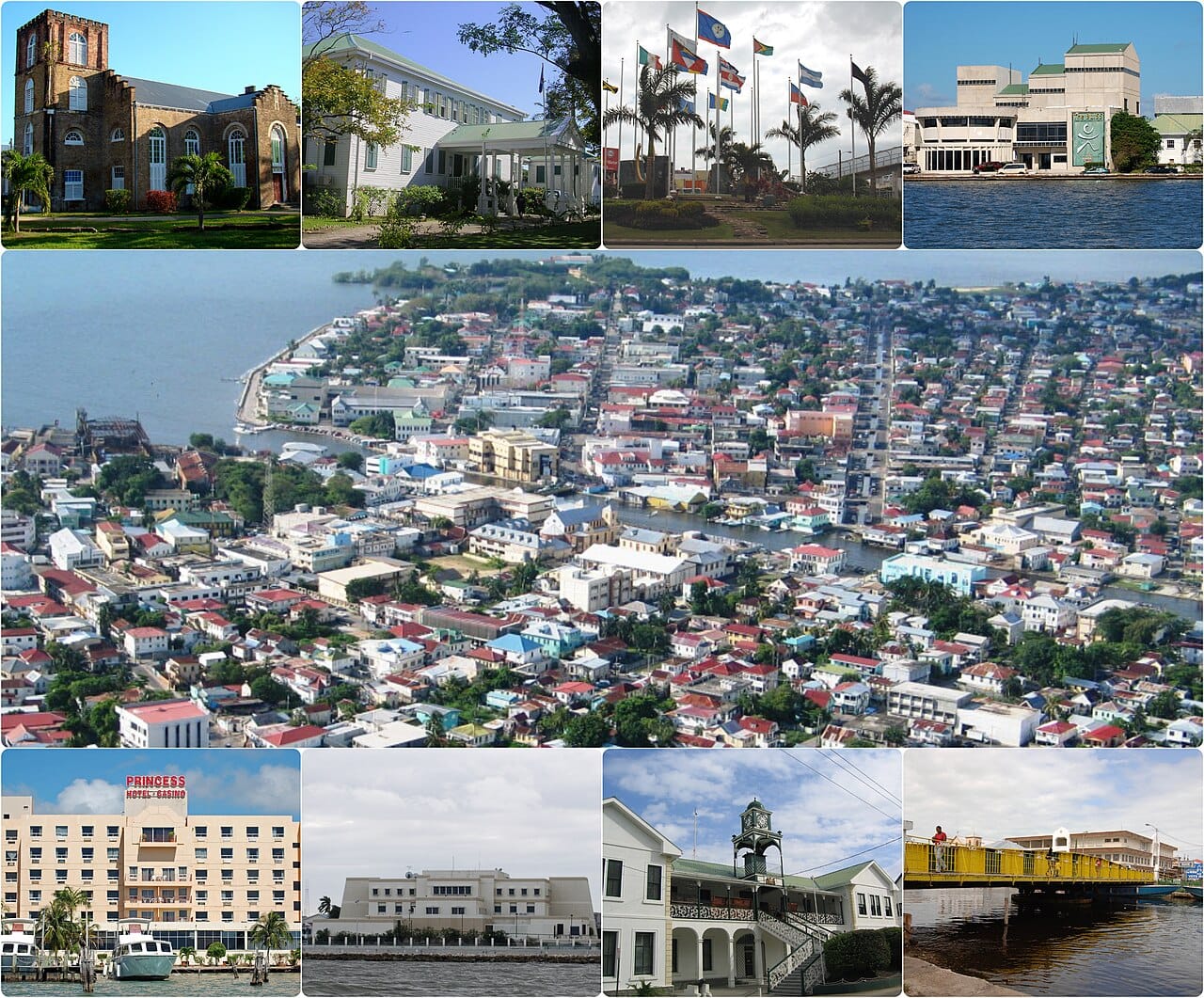
Belize is a small country on the Caribbean coast of Central America, bordered by Mexico and Guatemala. Unique in the region, it is the only Central American nation whose official language is English, a legacy of its time as the British colony of British Honduras, and its culture is as much Caribbean as Latin American. A land of tropical forests, ancient Maya ruins, and the longest barrier reef in the Western Hemisphere, sparsely populated and richly diverse, Belize is a small nation of outsized natural and cultural treasures.
Belize's history sets it apart from its neighbours: a Maya heartland that became the only British colony in Central America, a haven of loggers and buccaneers, and, at last, an independent nation still claimed by the country next door.
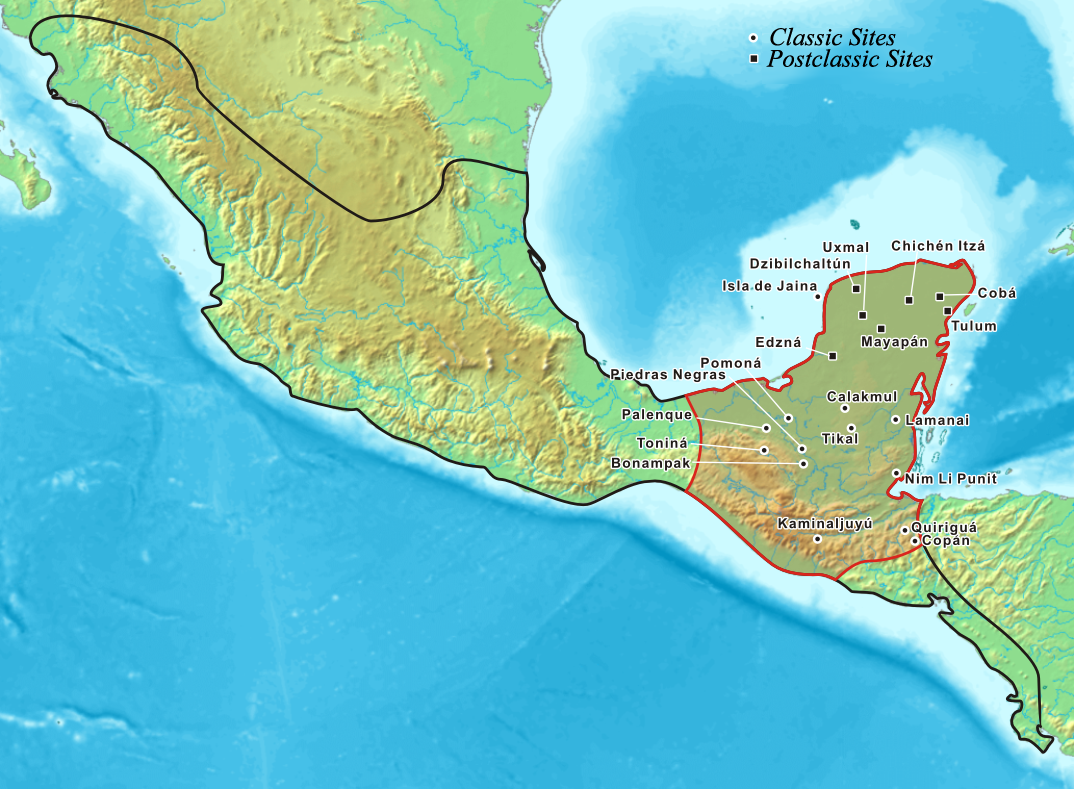
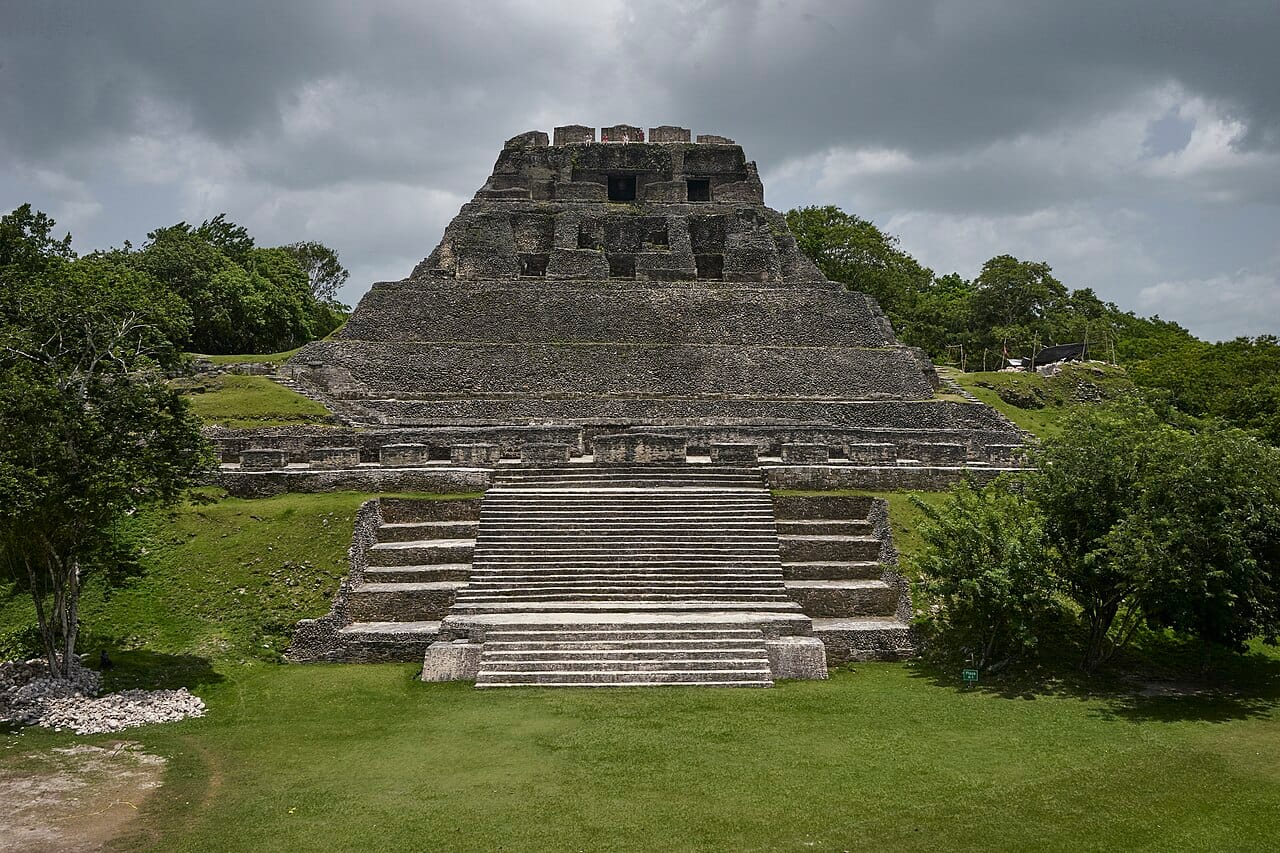
Long before Europeans came, the land was a heartland of the ancient Maya civilisation, densely settled and dotted with cities whose stone temples still rise from the forest. At the height of the Maya world, more than a thousand years ago, the population of what is now Belize may have been many times larger than it is today, and great sites such as Caracol and Xunantunich remain among the treasures of the region.
From the seventeenth century, British settlers and pirates, the Baymen, established themselves on this stretch of coast that Spain claimed but never effectively settled, harvesting valuable logwood and then mahogany with enslaved African labour. The settlement they built, the only British foothold in Central America, became the colony of British Honduras, defended against Spanish attempts to dislodge it. Its economy and society were shaped by the timber trade, a heritage still pictured on the national flag.
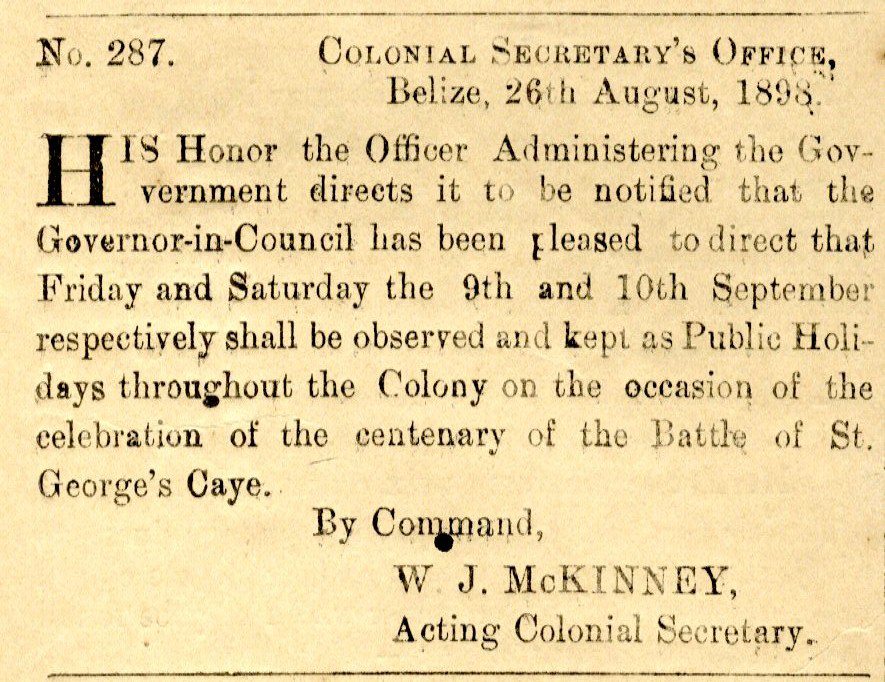
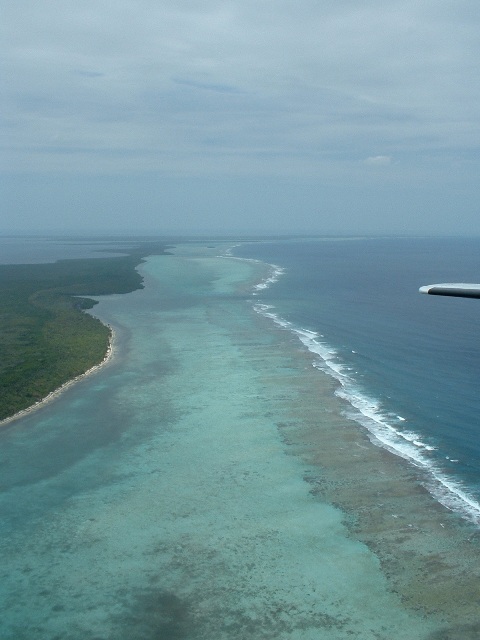
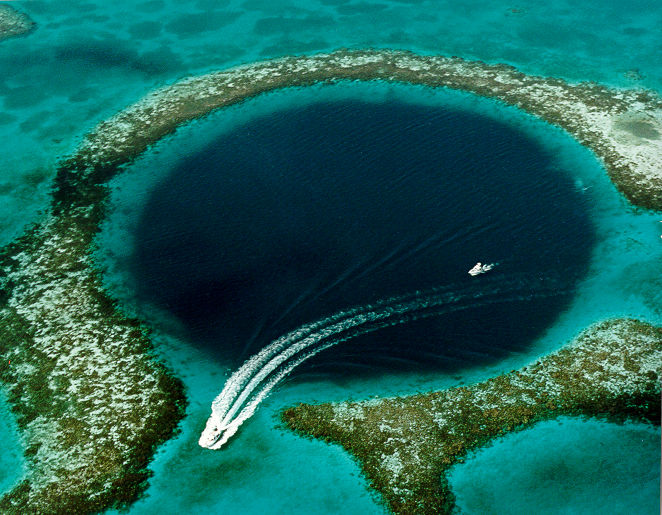
Belize is a small, low-lying country with a swampy, island-fringed Caribbean coast in the north and rising to the forested Maya Mountains in the south. Much of the land is covered in dense tropical forest, rich in wildlife, and threaded by rivers and lagoons. Offshore lies the country's greatest natural glory: the Belize Barrier Reef, the longest in the Western Hemisphere and part of the great Mesoamerican reef system, studded with cayes and atolls and famous for the Great Blue Hole, a vast circular marine sinkhole prized by divers worldwide.
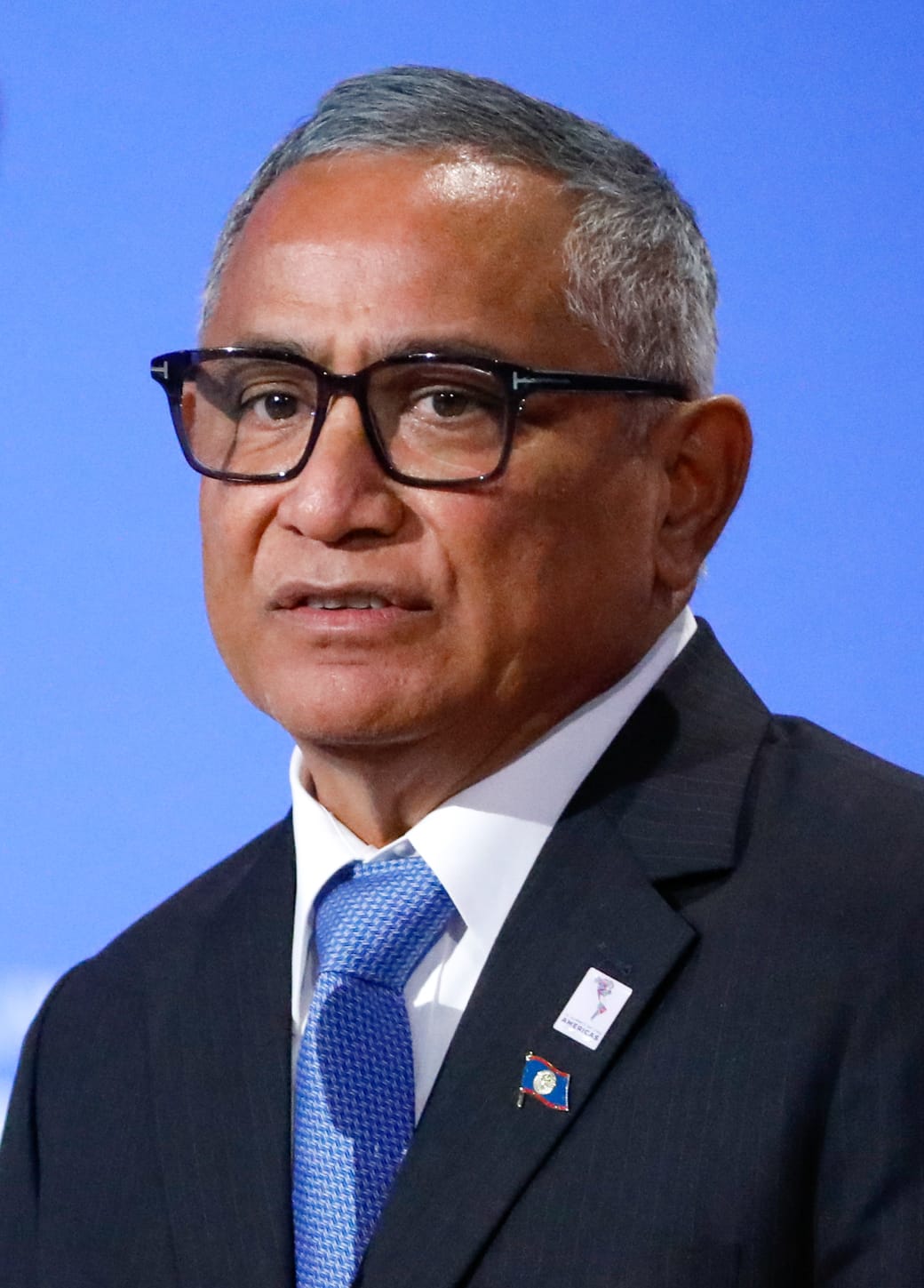
Belize is a parliamentary democracy and a Commonwealth realm, retaining the British monarch, King Charles the Third, as its head of state, represented by a governor-general, a legacy of its history as a British colony. Its politics is a stable two-party contest between the People's United Party and the United Democratic Party, which alternate in power through free elections. The prime minister since 2020, re-elected in 2025, is Johnny Briceno of the People's United Party. As across the Commonwealth Caribbean, there is a live and growing debate about whether Belize should eventually become a republic with its own head of state.
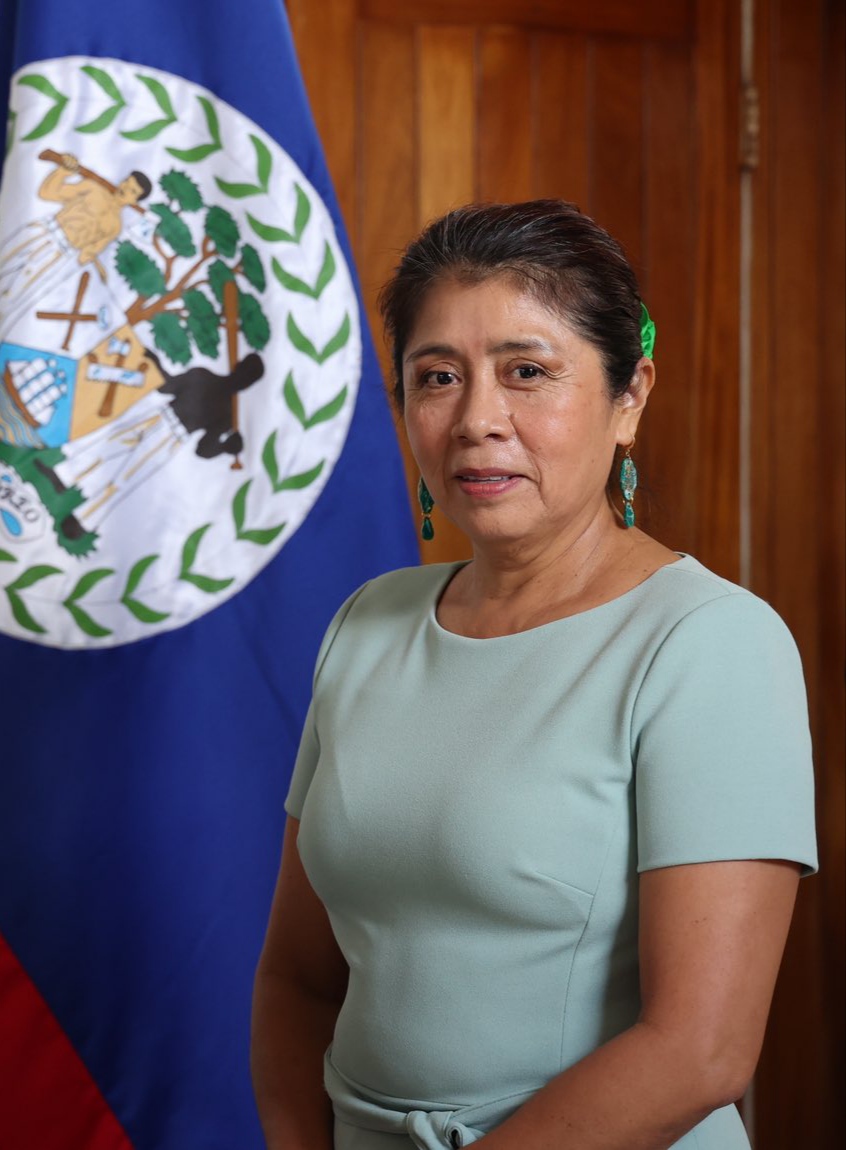
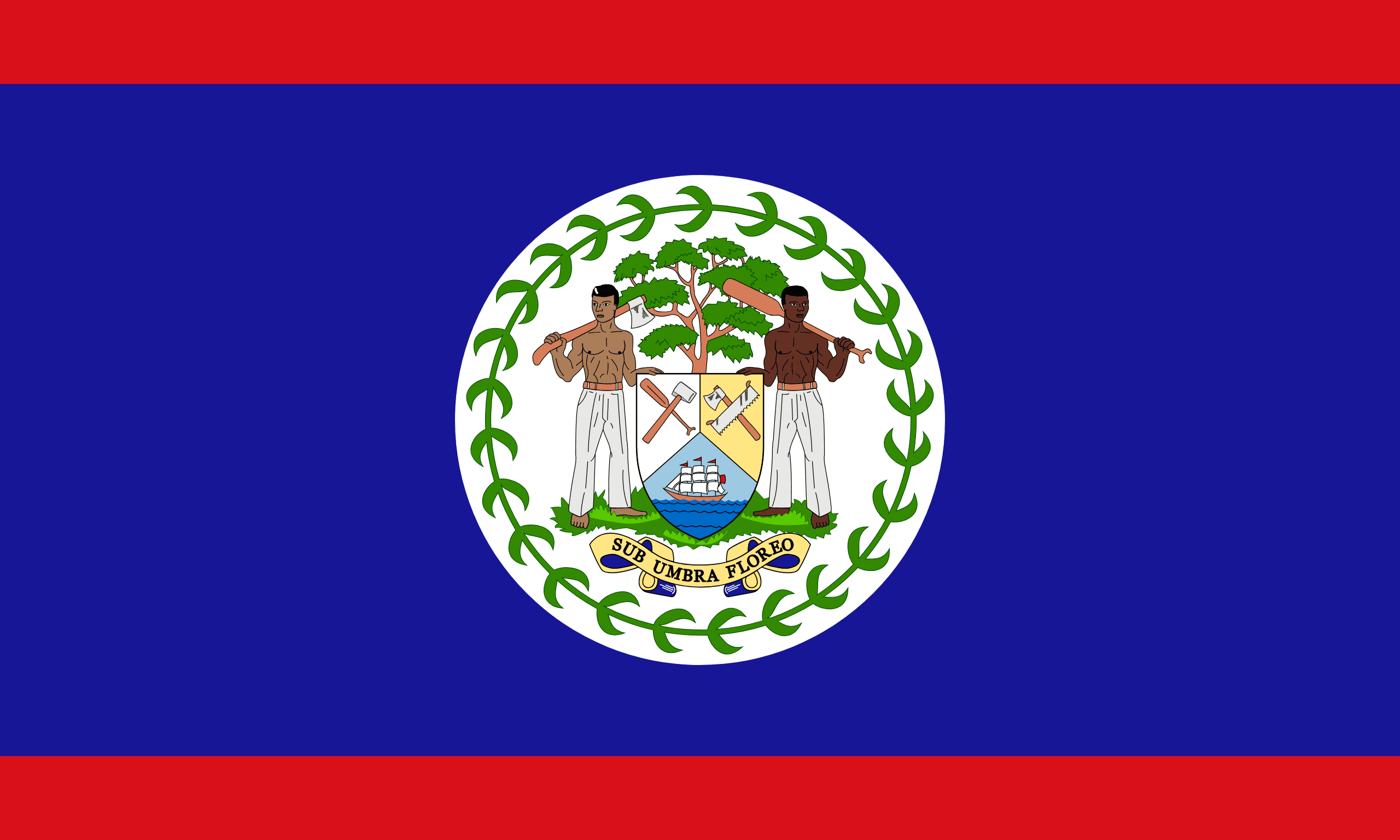
The flag of Belize is royal blue with a narrow red stripe along the top and bottom and a large white circle in the centre bearing the national coat of arms. The coat of arms shows two woodcutters, one of African and one of mixed descent, flanking a shield with the tools of the logging trade and a mahogany tree, all framed by a wreath of leaves, recalling the timber industry on which the colony was built. The flag is notable for containing more colours than almost any other national flag.
Belize is a predominantly Christian country, but with a religious makeup that reflects its British and Caribbean heritage as much as its Spanish-speaking neighbours. Roman Catholicism is the largest single faith, strong among the Mestizo and Maya populations, while a wide range of Protestant denominations, including Anglican, Methodist, and Pentecostal churches, are also prominent, a legacy of British rule. The country's diversity brings other faiths as well, and the various communities, from Maya to Creole to Garifuna, each contribute their own traditions to a notably tolerant society.
Belizean cuisine reflects the country's diverse peoples, blending Caribbean, Maya, Mestizo, and Garifuna influences. Rice and beans, often cooked with coconut milk, is a national staple, typically served with stewed chicken, fish, or other meat and fried plantains. Maya and Mestizo dishes bring tamales, tortillas, and the rich marinade called recado, while the Garifuna contribute dishes such as hudut, fish in coconut broth with mashed plantain. Fresh seafood from the reef and abundant tropical fruit complete a varied and flavourful national table.
Agriculture is an important part of the Belizean economy, with the warm climate and fertile land supporting a range of crops. Sugar, grown in the north, has long been a leading export, along with citrus, especially oranges processed into juice, and bananas grown in the south. The country also produces papayas and other tropical fruit, and fishing, including for lobster and conch on the reef, is significant. With its small population, Belize has retained much of its forest, and farming coexists with extensive protected wild areas.
Belize lives with a shadow over its very existence: its larger neighbour, Guatemala, claims all or part of its territory. The dispute is old, inherited from Spanish claims to the coast and sharpened by a nineteenth-century treaty between Britain and Guatemala whose terms, Guatemala argues, Britain never fulfilled. For that reason Guatemala long refused to recognise Belize at all, delaying its independence and keeping the young nation, after 1981, reliant on a British military garrison that stayed for years to deter an invasion.
The two countries have, encouragingly, agreed to settle the matter peacefully. In referendums, first Guatemala and then Belize voted to refer the claim to the International Court of Justice in The Hague, and the case is now before the court, which will rule on where the border lawfully lies. Belize regards the claim as a threat to the sovereignty and survival of a small nation whose borders are long settled; Guatemala regards it as the reclaiming of territory it never justly lost. Both have committed to accept the court's judgement, whatever it may be. This account sets out the dispute as it stands.
For so small a country, Belize is extraordinarily diverse, and its people live together with a famous ease. Its communities include the Spanish-speaking Mestizo majority, the Kriol descendants of African and British settlers whose English-based creole is the national lingua franca, the Maya of the forests and south, and the Garifuna of the coast, a people of mixed African and indigenous Caribbean descent, exiled by the British from the island of St Vincent, whose language, drumming, and dance are recognised as a treasure of world heritage. Add to these Mennonite farmers, East Indians, Chinese, and others, and Belize becomes a Caribbean rather than a Latin American nation in feeling, laid-back, English-speaking, and proudly multicultural.
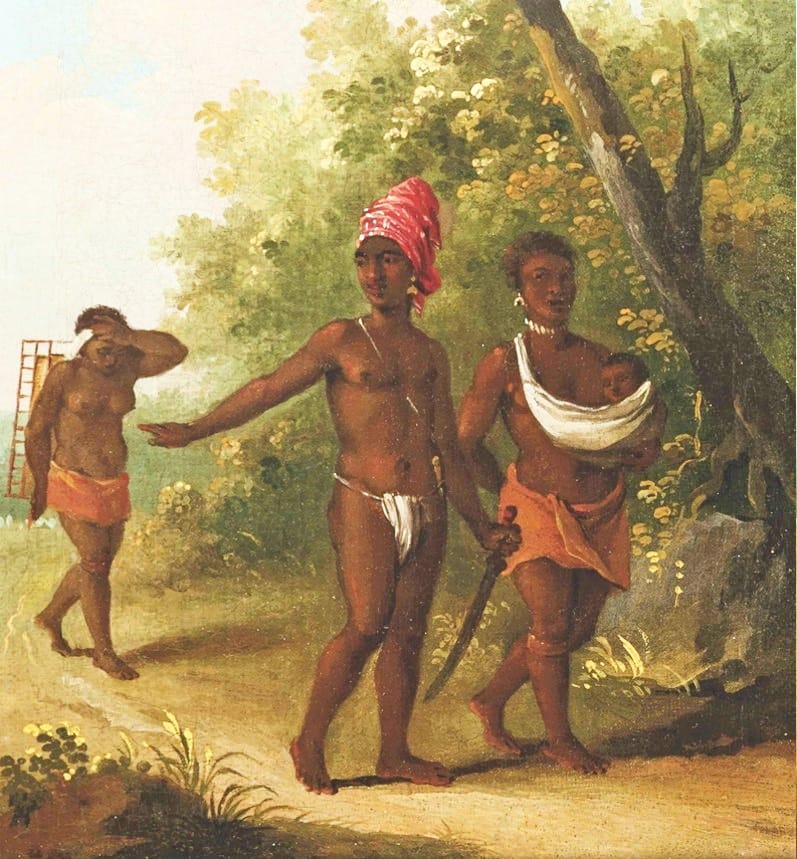
Belize has a population of around 400,000 people, one of the smallest and least densely populated in the Americas, and among the most diverse. Its peoples include the Mestizo majority, Creoles of African and mixed descent, the Maya, the Afro-indigenous Garifuna, and communities of Mennonites, East Indians, and others. English is the official language, but Spanish, Belizean Creole, Maya languages, and Garifuna are all widely spoken. The population is spread across small towns and the largest city, Belize City, while the capital, Belmopan, is a small planned inland city.