Barbados is an island nation in the Caribbean, the easternmost of the West Indian islands, lying out in the Atlantic apart from the main island chain. Long a British colony so closely tied to the mother country that it was nicknamed Little England, it built its early wealth on sugar and enslaved labour and has become one of the most prosperous and stable democracies in the Caribbean. In 2021 Barbados made history by removing the British monarch as head of state and becoming a republic, the birthplace of national hero and global star Rihanna.
Barbados's history is that of a sugar island so profitable, and so British, that it became both a model for the plantation slavery of the Americas and, at the last, a nation that cut its final ties to the crown.
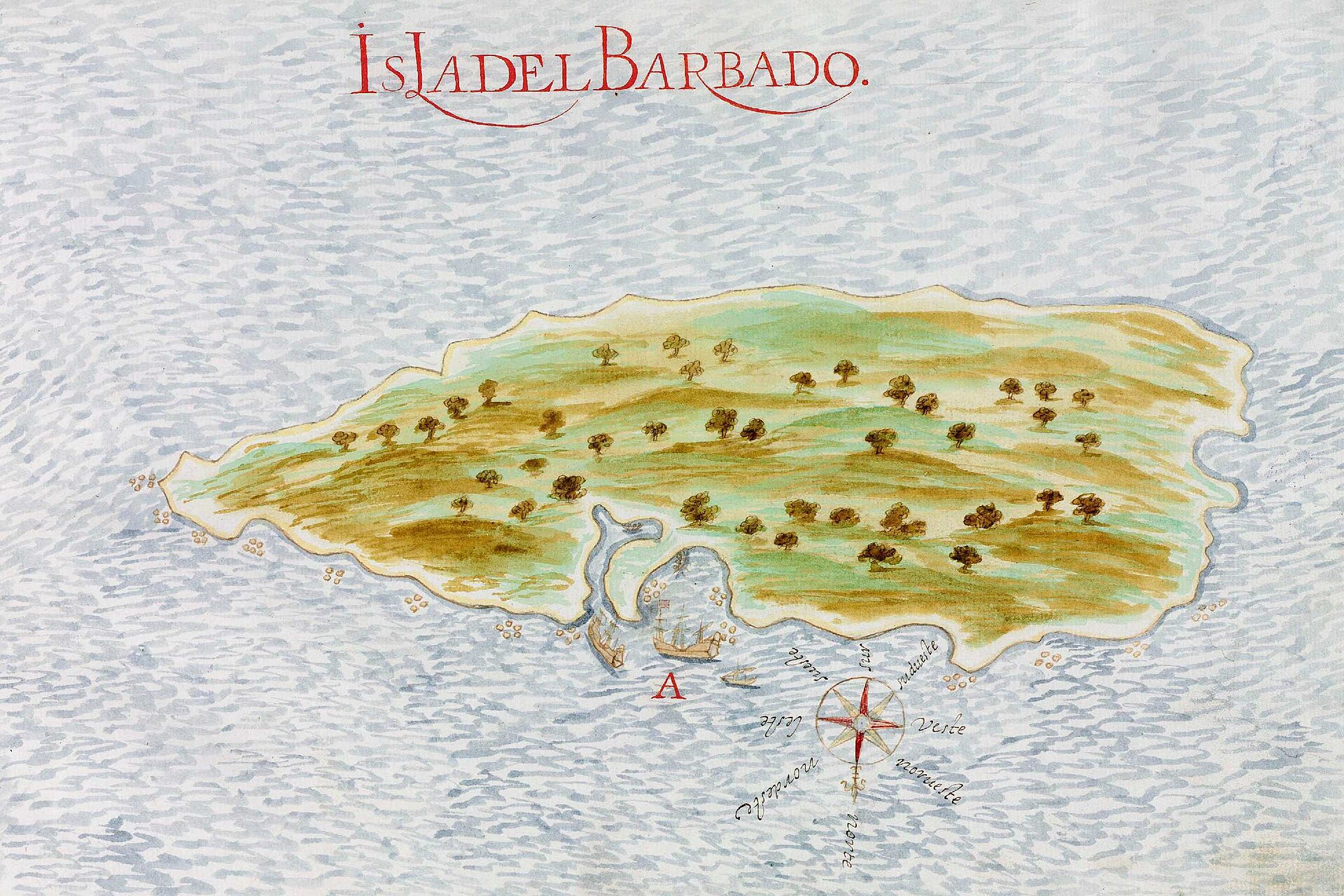
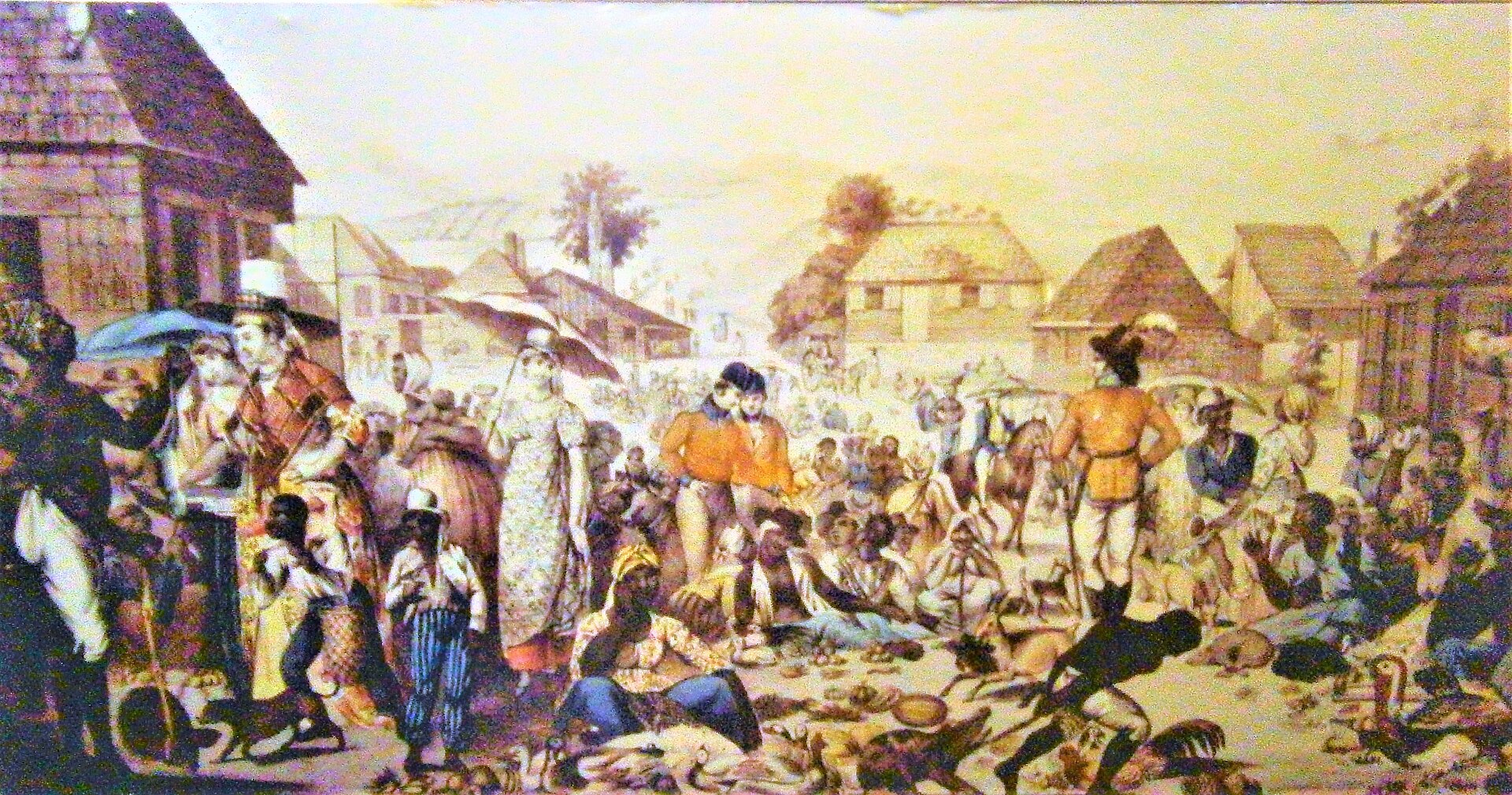
The island was home to indigenous peoples but had become uninhabited by the time English settlers arrived in 1627. Within a few decades they had wrought a transformation, the sugar revolution, that turned Barbados into one of the first and most profitable plantation colonies in the world, worked by enslaved Africans in ever greater numbers. So central was Barbados to the rise of Caribbean slavery that its harsh 1661 slave code became the model copied across Britain's other colonies, including on the American mainland.
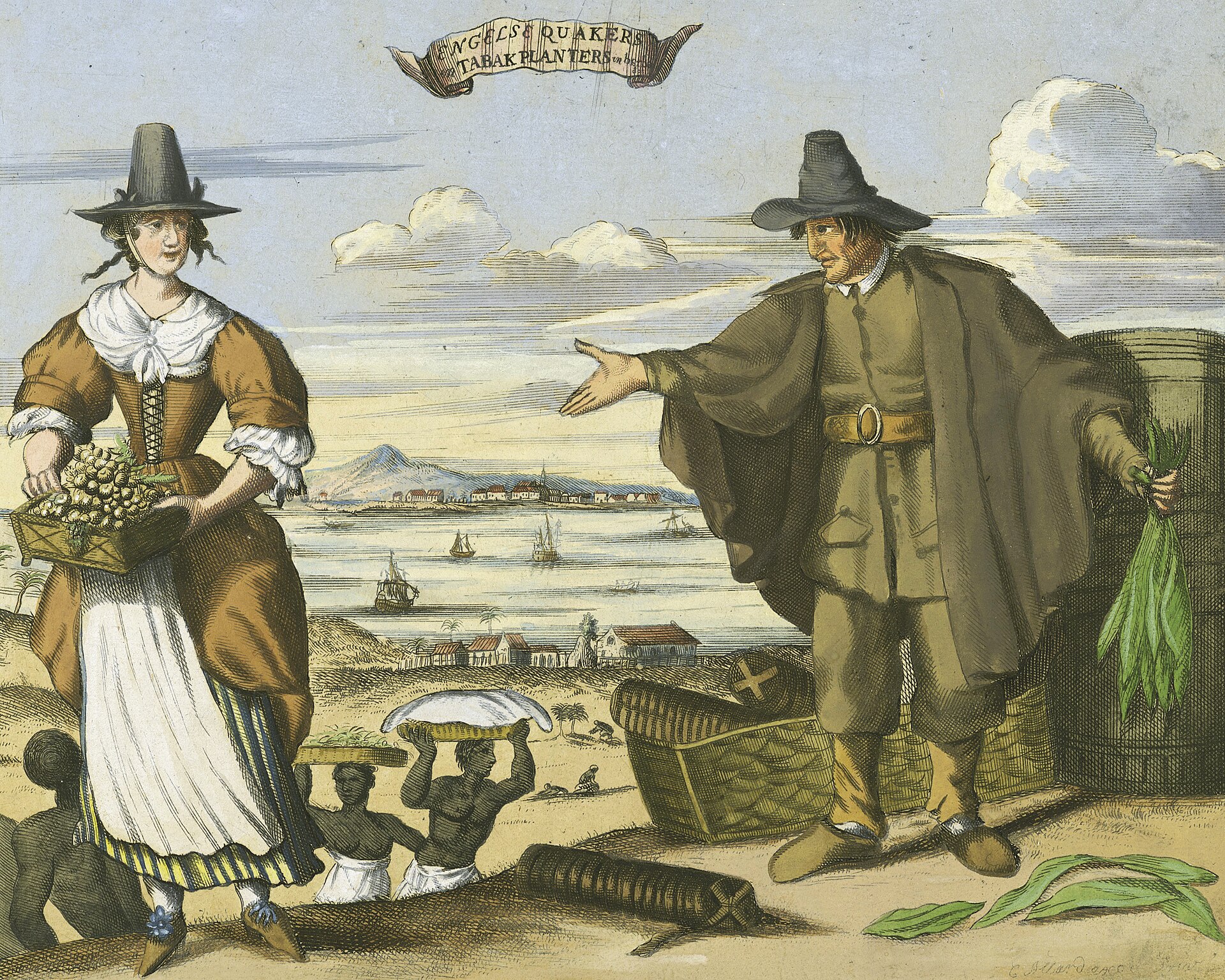
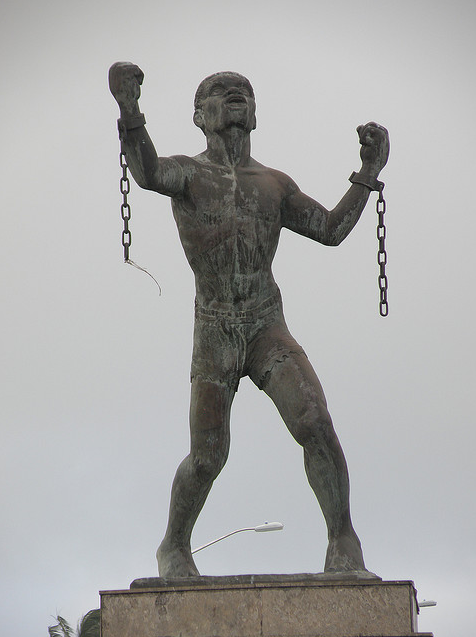
For nearly two centuries the wealth of the planters rested on the labour of the enslaved, who resisted where they could, most dramatically in the great rebellion of 1816 led by the man remembered as Bussa, the largest slave revolt in the island's history. Even after slavery was abolished in the 1830s, Barbados remained a rigidly hierarchical society and, uniquely in the region, continuously British throughout the colonial era, so tied to the mother country in its institutions and manners that it earned the nickname Little England.
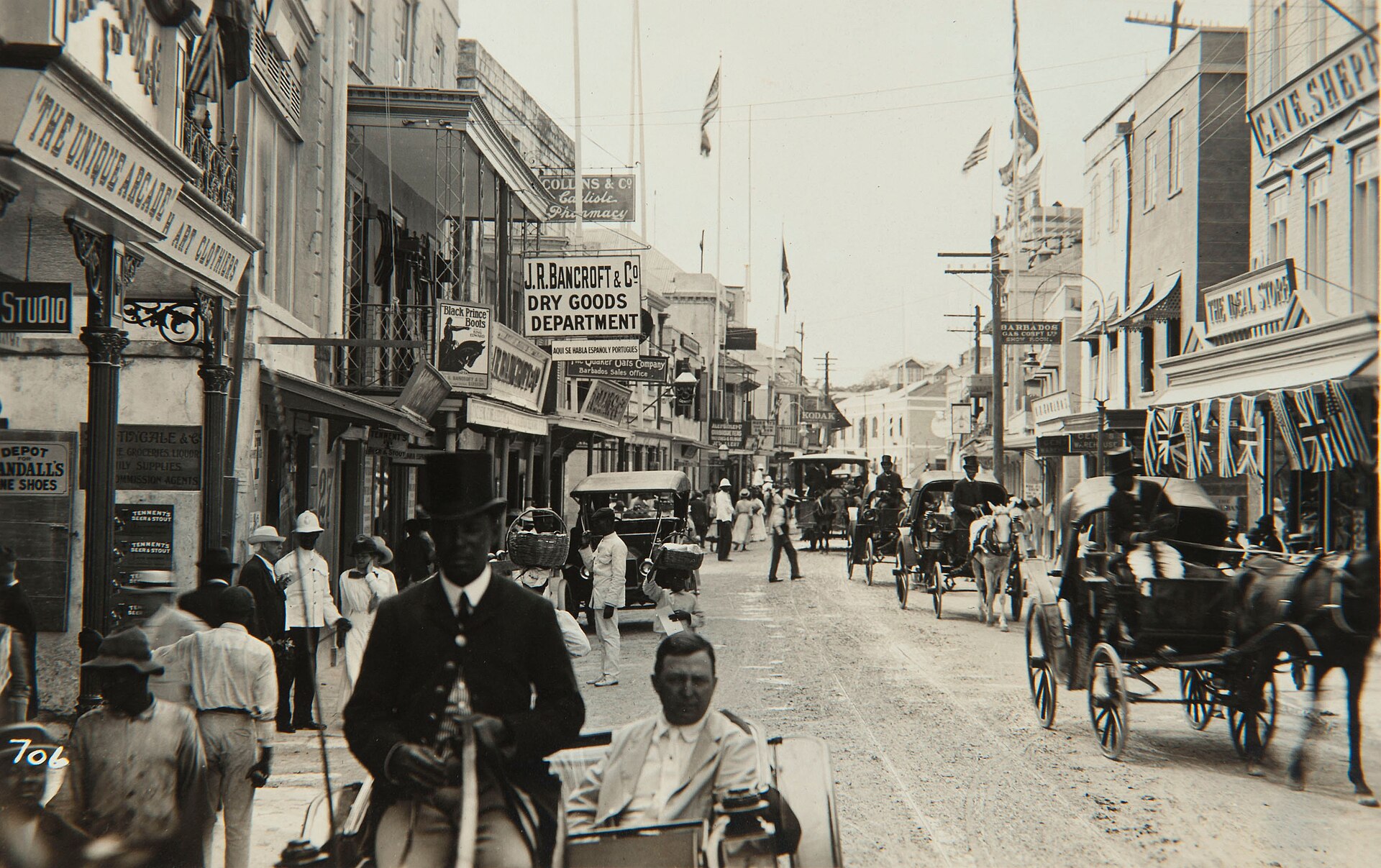
Barbados advanced steadily toward self-rule, winning universal suffrage in 1951 under leaders such as the national hero Errol Barrow, and gained its independence from Britain in 1966. It became one of the most stable and prosperous democracies in the Caribbean, its long tradition of parliamentary government resting on one of the oldest legislatures in the world. In 2021 it took the final step, removing the British monarch as head of state to become a republic.
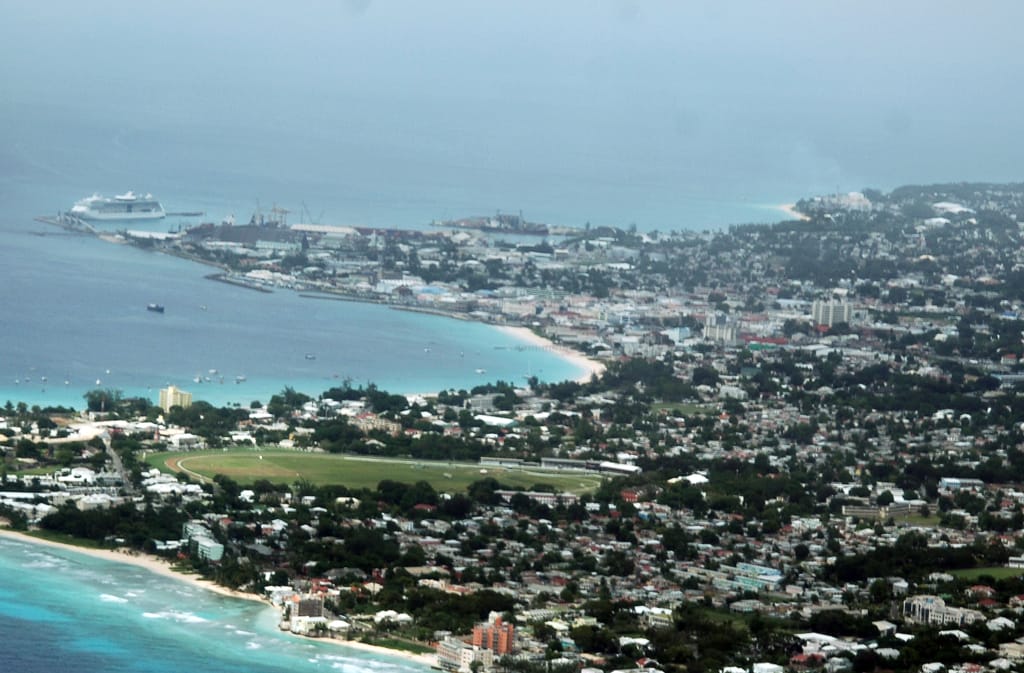
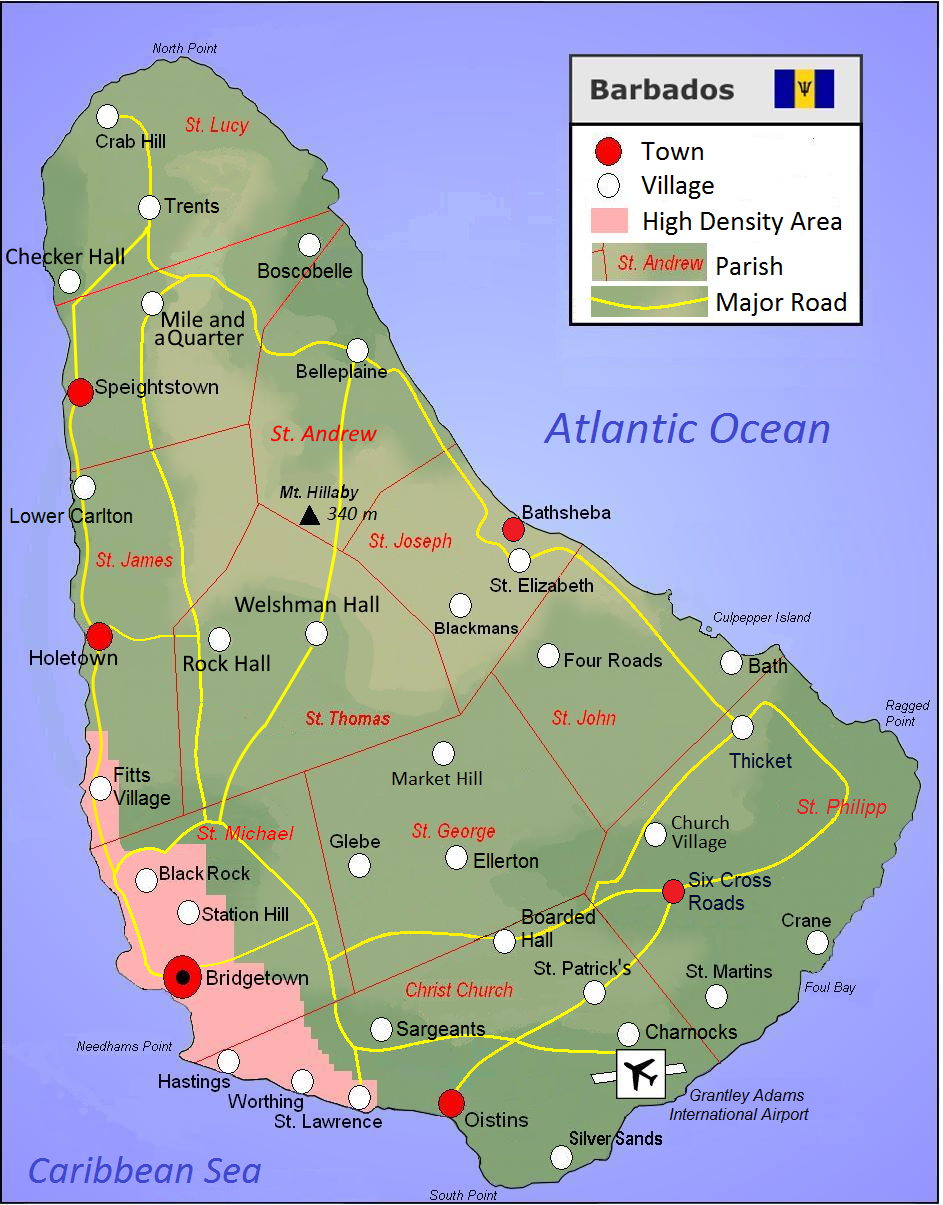
Barbados is a relatively small, low-lying island, set apart to the east of the main arc of the Caribbean islands, out in the Atlantic. Unlike its volcanic neighbours, it is largely composed of coral limestone, which gives it gentler terrain, rising to modest highlands in the centre, and a landscape historically covered by the sugarcane fields that shaped it. The island is ringed by beaches, with calmer Caribbean waters on its west coast and the rougher Atlantic on its east. Its coral foundation also gives rise to underground caves and a generally fertile, well-watered land.
Barbados is a parliamentary republic and one of the oldest continuous democracies in the world, its parliament tracing its origins to 1639. Power alternates through free elections between two long-established parties. Since 2018 the country has been led by Prime Minister Mia Mottley of the Barbados Labour Party, a forceful figure who has won landslide victories, sweeping every seat in parliament, and who has become a prominent voice on the world stage, especially in pressing wealthy nations to help small island states cope with climate change. It was under Mottley that Barbados became a republic in 2021, installing Sandra Mason as its first president in place of the British monarch.
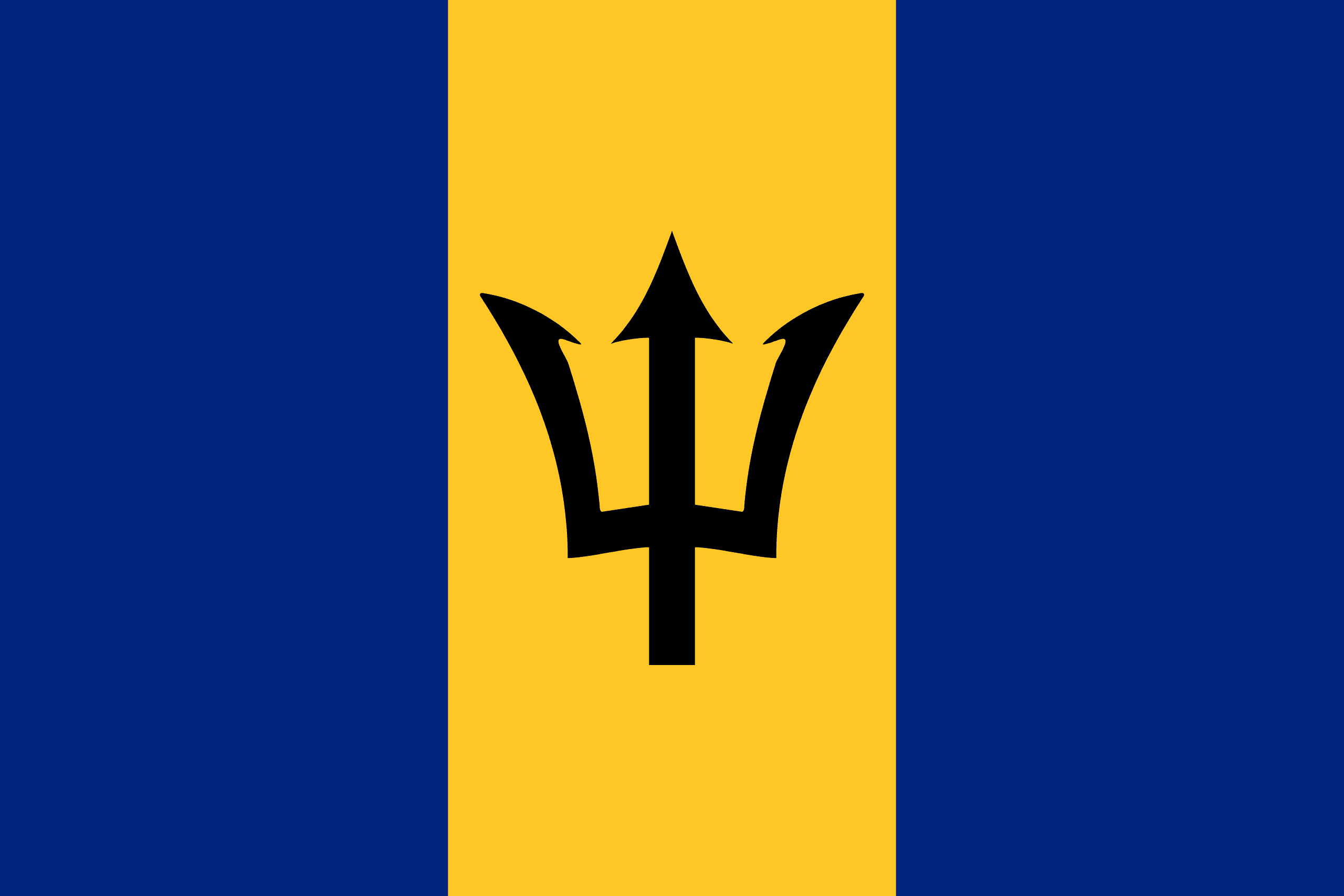
The flag of Barbados has three vertical bands of blue, gold, and blue, with a black trident head in the centre. The blue bands represent the sea and the sky, and the gold the sand of the island's beaches. The trident, the weapon of the sea god, is a broken one, its shaft severed to symbolise the island's break from its colonial past, the head alone retained from an earlier colonial emblem. Adopted at independence in 1966, the flag thus marks both the island's natural beauty and its new sovereignty.
Barbados is a strongly Christian country, reflecting its long British heritage. The Anglican Church was historically the established church and remains prominent, alongside a wide range of other Protestant denominations, including Methodist, Pentecostal, and others, as well as a Roman Catholic minority. Churches are a familiar feature of the landscape and an important part of community life. Smaller communities of other faiths exist, and as elsewhere in the Caribbean, elements of African-derived spiritual tradition have woven into the island's culture over the centuries.
Barbadian, or Bajan, cuisine is flavourful and distinctive, and its national dish is cou-cou and flying fish, a cornmeal-and-okra dish served with the small fish so associated with the island that it is a national emblem. Fish, especially flying fish, and other seafood are central, along with rice and peas, sweet potato, and the spicy Bajan seasoning that flavours much of the cooking. Street food such as fish cakes and the lively Friday-night fish fry at Oistins are beloved traditions, and the island is also famous as a home of rum.
Agriculture in Barbados was historically dominated by sugarcane, the crop that built the island's wealth and shaped its society under slavery, and which once covered much of the land. Sugar, along with its by-products molasses and rum, remained the mainstay of the economy for centuries, though it has declined greatly in modern times. The island also grows vegetables, root crops, and cotton, and fishing, especially for flying fish, is important. As the economy has shifted to tourism and services, agriculture's role has shrunk, but cane fields remain part of the landscape.
Barbados has a strong and confident culture, a blend of its African and British inheritances that Bajans wear with notable pride. Its calendar is crowned by Crop Over, a summer festival with roots in the celebration of the sugar harvest that has grown into a Caribbean carnival of music and costume, and the island pulses with calypso and its home-grown spin-off, the up-tempo genre it has exported to the world. Cricket is close to a religion, and Barbados has produced some of the greatest players ever to grace the game. Above all, the island claims one of the most famous entertainers alive: the singer Rihanna, born and raised in Barbados and made a national hero, whose global stardom has carried the name of the small nation everywhere.

Barbados has a population of around 280,000 people, the great majority of African descent, descendants of those brought to the island in slavery, with minorities of mixed, European, and other origin. English is the official language, spoken alongside the Bajan dialect. The island is one of the most densely populated in the Americas, with people spread across the parishes and concentrated around the capital, Bridgetown. Barbadians, known as Bajans, are noted for their strong national identity and pride, and the island has produced figures of global fame.