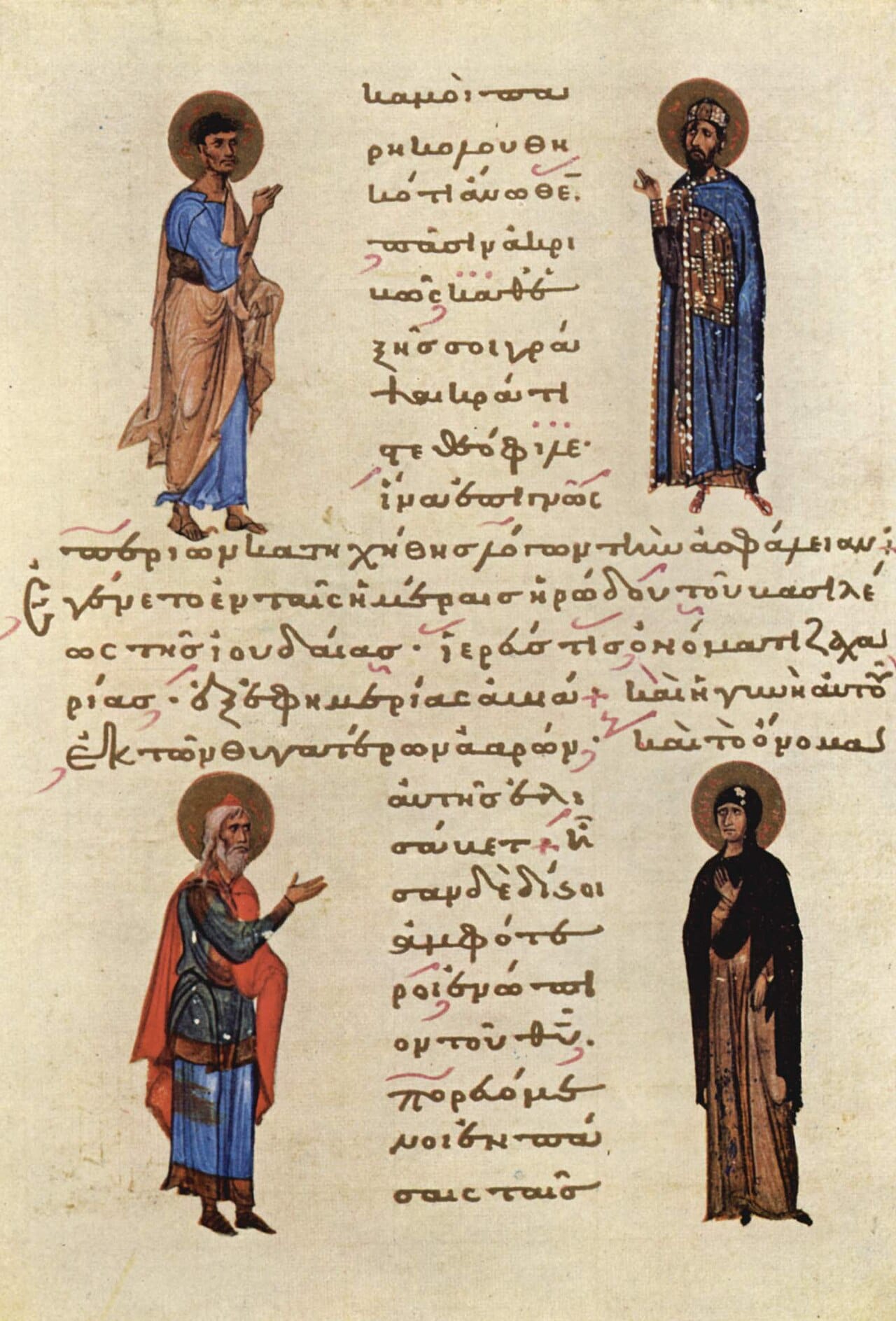
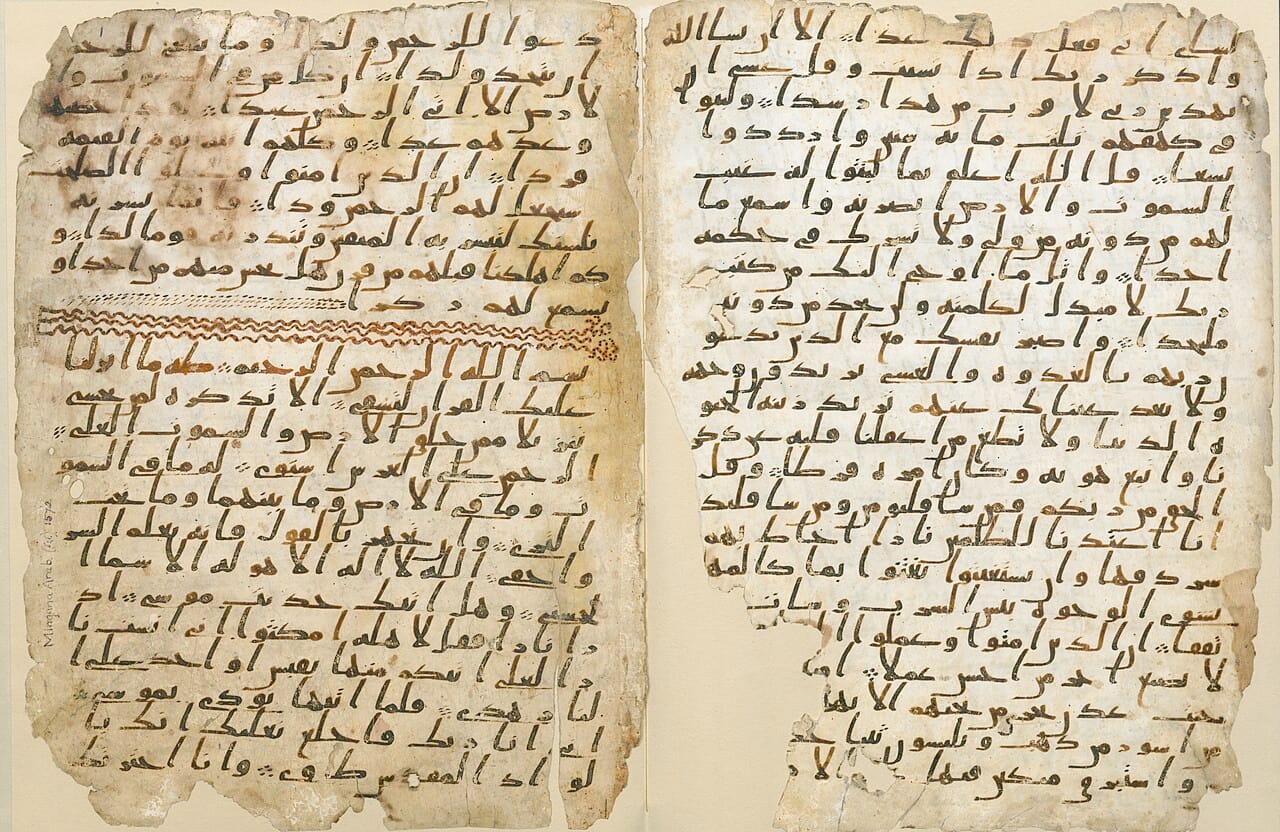
The claim that between roughly 800 and 200 BC, several unconnected civilisations independently produced a similar transformation in religious and philosophical thought. It is one of the most influential ideas in comparative religion and one of the least well supported.
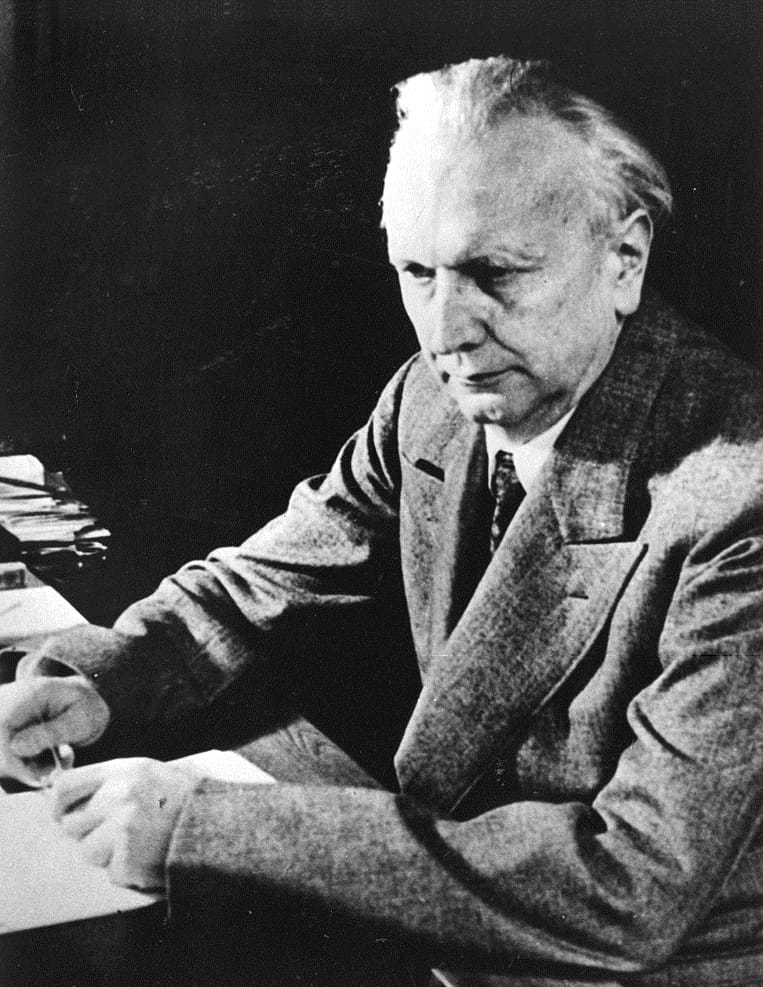
Karl Jaspers named the period in 1949, arguing that within a few centuries and with no contact between them, four regions produced foundational thinkers whose work still shapes them.
In China, Confucius and Laozi. In India, the Buddha, Mahavira, and the composition of the Upanishads. In Persia, Zoroaster, though his dating is disputed by a wide margin. In Greece, the pre-Socratics, Socrates and Plato. In Israel, the prophets from Amos and Hosea through Jeremiah and Isaiah.

The claimed common shift was from ritual toward reflection. Religion had been about correct performance of rites securing the world's order; in the axial period, several traditions began asking instead about the individual's conduct, the nature of the good, and the relation of the self to something transcendent.

With it came, on this account, the appearance of the individual as a moral agent, a critical stance toward existing authority, and ethical demands framed as universal rather than tribal.
The dating is elastic. Six hundred years is a long window, and the figures do not cluster within it. The Upanishads and the earliest Hebrew prophets are separated by centuries, and Zoroaster's dates range across a thousand years depending on which scholar is consulted. Widen the window enough and any set of developments will fall inside it.
The selection is circular. The regions chosen are those Jaspers regarded as producing lasting traditions, and the figures chosen are those whose work survived. Nothing much is said about Egypt, Mesopotamia or the Americas, and the omission is not explained by the evidence.
The similarity may be an artefact of abstraction. Confucian ethics, Buddhist liberation, Greek metaphysics and Hebrew prophecy are described as one movement only at a level of generality where they lose most of their content. Read closely they have very little in common, and several of the claimed features are present earlier in the same cultures.
And there is no mechanism. Independent parallel development on that scale demands an explanation. Proposals involving iron age economics, the growth of cities, literacy and the emergence of competing states have been offered, and none is well supported. Some scholars argue the parallels are real but the causes are ordinary and gradual rather than a single age.
The idea has been extended by Robert Bellah, Charles Taylor and others, and it retains real usefulness as a way of grouping material for comparison across traditions that are rarely read together.
Its critics do not usually deny that important things happened in those centuries. They argue that the Axial Age names a coincidence and then treats the name as an explanation, which is a common failure in comparative history and a hard one to notice from inside.