The first five books of the Hebrew Bible read as though several documents were combined by an editor, and the documentary hypothesis is the attempt to identify those sources. It has been the organising framework of critical biblical scholarship for over a century, and it is currently in more trouble than at any point since it was formulated.
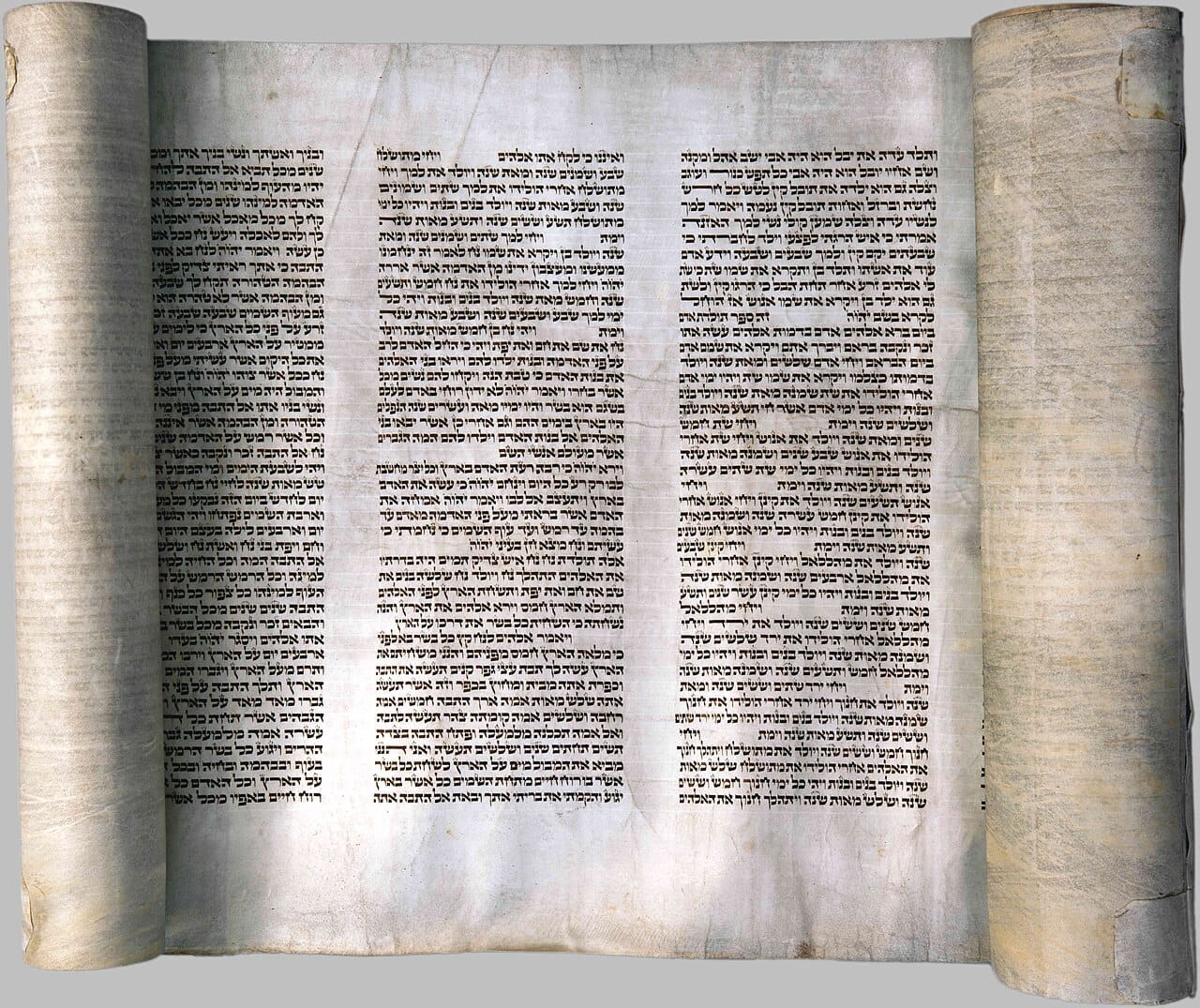
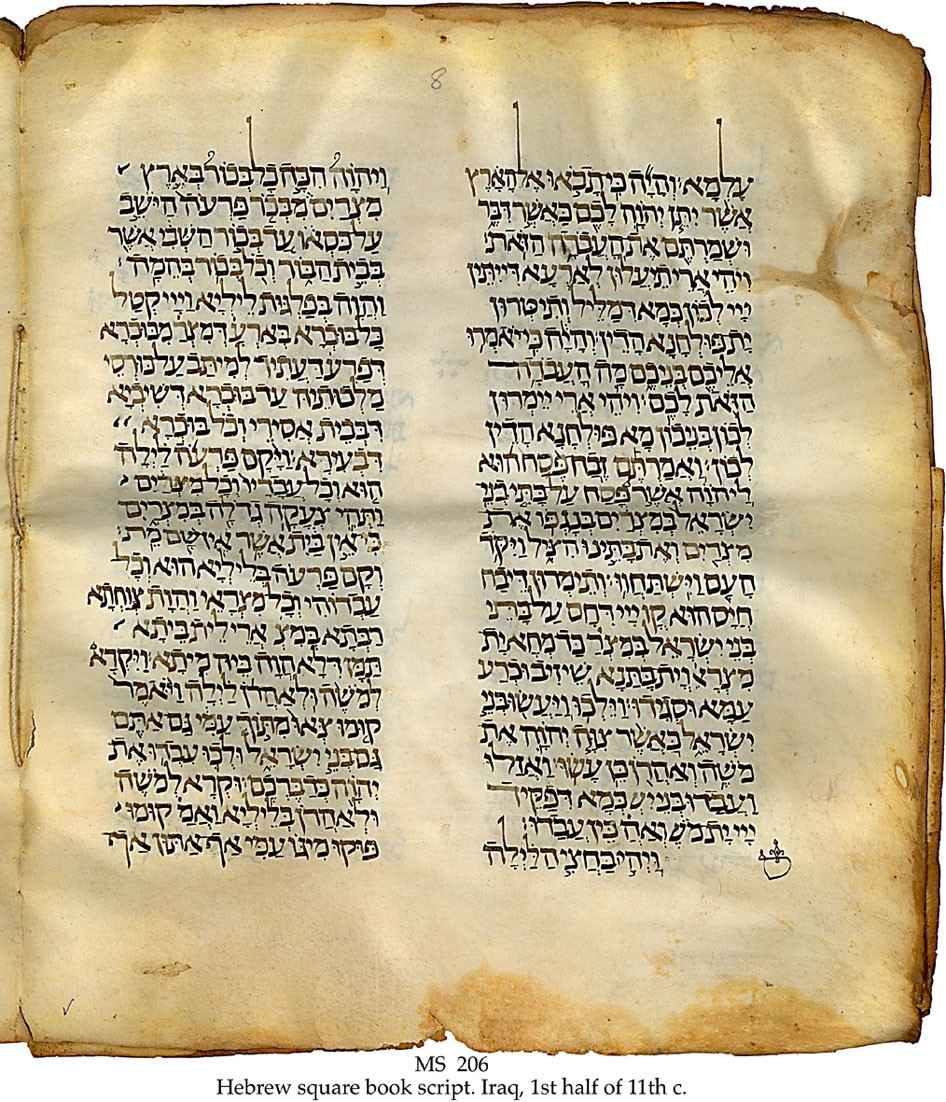
The Torah contains material that does not sit easily as a single composition.
There are two creation accounts in Genesis 1 and 2, differing in order and in emphasis. The flood narrative alternates between pairs of animals and seven pairs, and between forty days and a hundred and fifty. Abraham passes his wife off as his sister twice, and Isaac does it a third time. The Ten Commandments appear twice with differences.
Most strikingly, the text uses two different names for God, and the switching correlates with other features: vocabulary, theological emphasis, and interest in cultic detail. That correlation is the observation the whole enterprise rests on, and it is not seriously disputed.
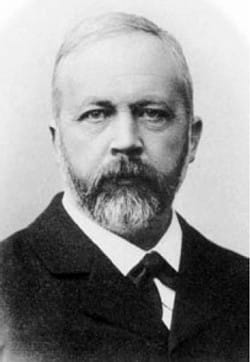
Julius Wellhausen synthesised earlier work into the classical formulation in 1878, proposing four documents combined over centuries.
J, the Yahwist, uses the divine name from the beginning and presents an anthropomorphic God who walks in the garden. E, the Elohist, uses the generic term until the burning bush and prefers dreams and intermediaries. D, the Deuteronomist, is essentially Deuteronomy, written in a distinct sermonic style and insisting on a single sanctuary. P, the Priestly source, supplies genealogies, dates, measurements and ritual law, and writes in a formal repetitive register.
Wellhausen ordered them J, E, D, P and dated P last, which was the provocative part: it made the elaborate priestly system a late development rather than the foundation of Israelite religion.
The hypothesis is no longer a consensus, and the objections come from several directions.
E is the weakest link. Many scholars now doubt it ever existed as a continuous document, since the material assigned to it is fragmentary and rarely coherent on its own.
The dating of P has been reversed by a substantial body of work. Israeli scholars in particular, following Yehezkel Kaufmann, argue on linguistic grounds that P's Hebrew is earlier than Deuteronomy's, which inverts Wellhausen's sequence and removes the evolutionary story he built on it.
The whole documentary model has competitors. Fragmentary theories hold that the text was assembled from many short units rather than four long documents. Supplementary theories hold that a core narrative was expanded by successive editors, which explains the doublets without requiring parallel complete sources.
Almost no scholar working critically holds that Moses wrote the Torah, which is the traditional attribution and the position the hypothesis was formed against. The text refers to Moses in the third person, records his death and burial, and notes that no one knows his grave to this day.
That the Torah is composite, that its sources differ in date and outlook, and that it reached its final form long after the events it describes are the settled points. How many sources, of what kind, and in what order is the live question, and the field is less unified now than it was in 1900.