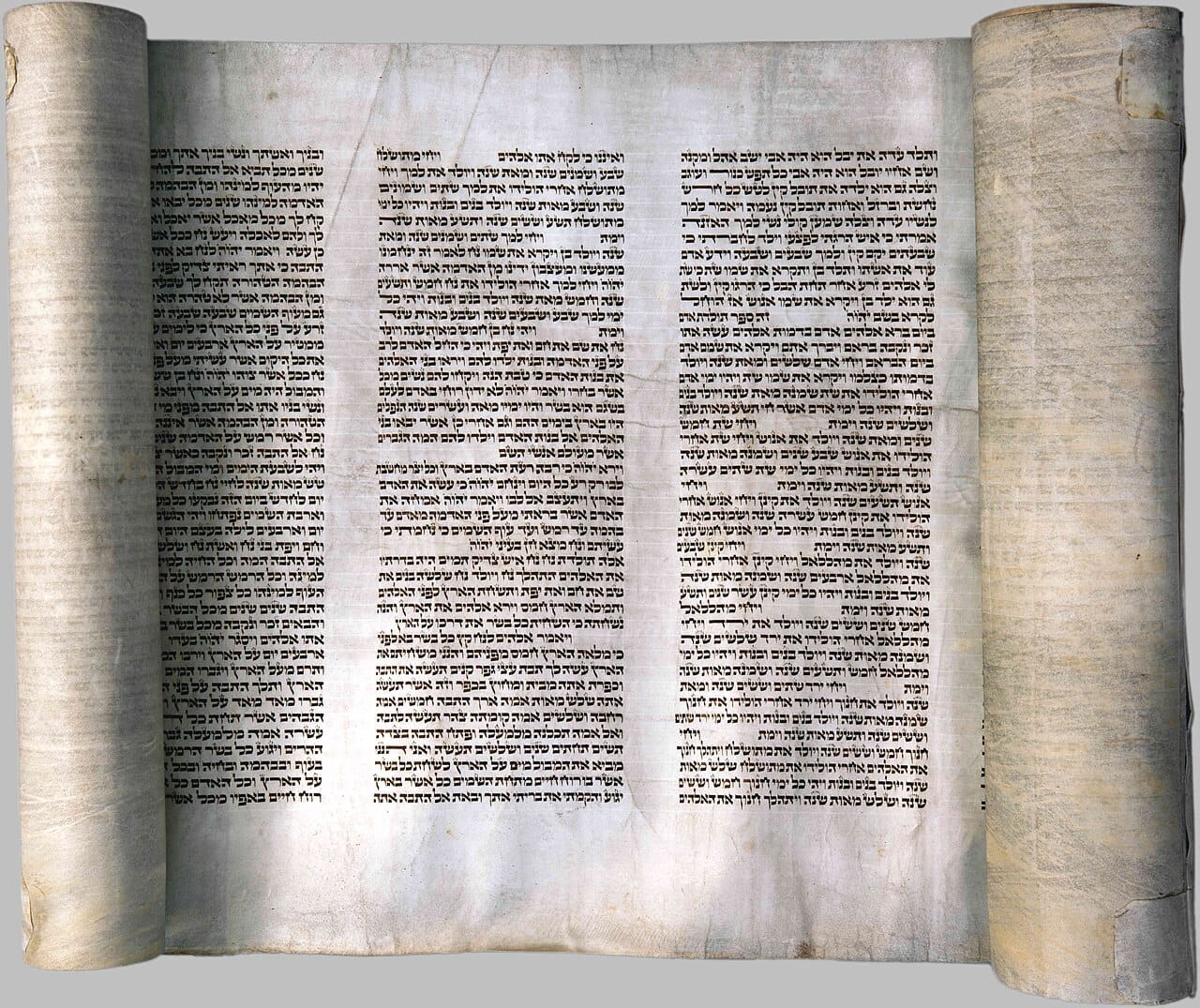
Writings a religious tradition treats as authoritative. What that authority consists of, how the text was fixed, and how it may be interpreted differ substantially between traditions, and those differences shape the religions more than the contents alone.
The status is conferred by a community rather than being a property of the writing.
Traditions differ in what they claim about origin. Some hold the text to be directly revealed and unaltered. Some hold it to be divinely inspired but humanly composed. Some treat it as an authoritative record of teaching without claiming divine authorship.
They differ in what the physical object means. Some traditions treat the material text as sacred, requiring ritual handling, and some treat only the content as such.
They differ in language. Some hold that the text exists properly only in its original language, making translation a commentary rather than a substitute; others translate freely and treat translations as fully usable.
Canon formation, meaning the process by which some writings were included and others excluded, is a historical process in every tradition where records survive, and it generally took centuries and involved disagreement.
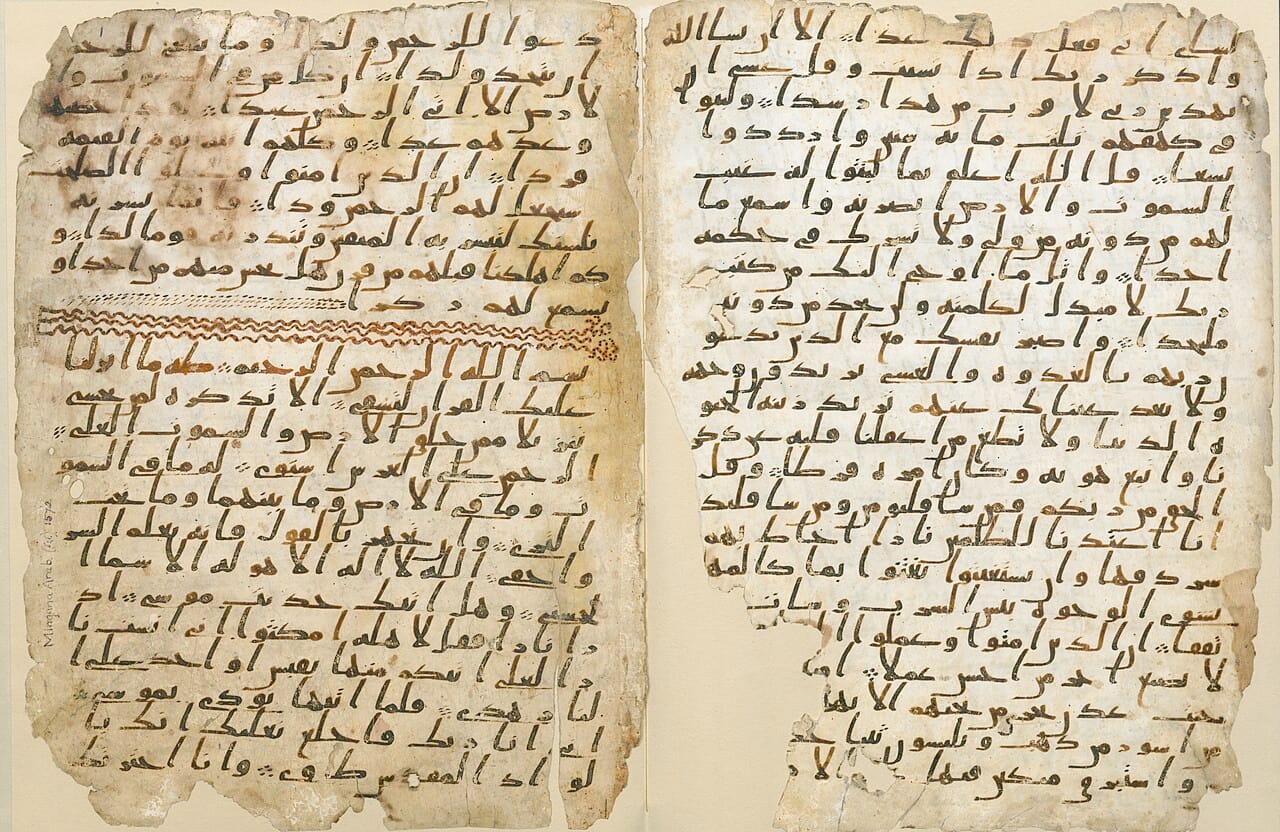
The Quran is held in Islam to be the direct and unaltered word of God revealed to Muhammad in Arabic. Its Arabic text is regarded as inimitable, and translations are treated as interpretations rather than as the Quran itself. It was compiled into a standard written form within a few decades of Muhammad's death.
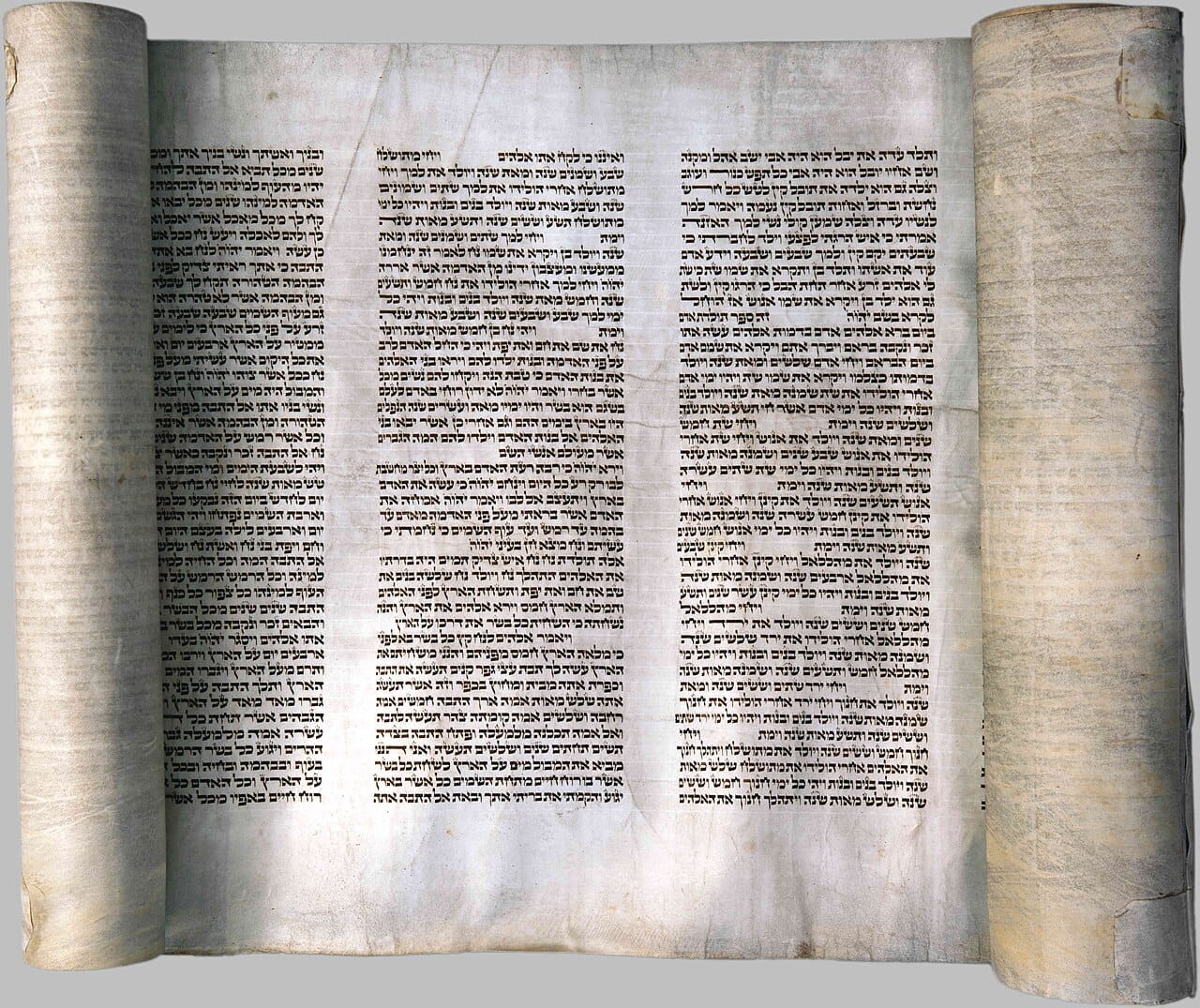
The Torah, the first five books of the Hebrew Bible, is central to Judaism. Scrolls for synagogue use are copied by hand under exacting rules. Rabbinic Judaism holds that a body of oral teaching accompanies the written text, and that oral tradition, later written as the Mishnah and Talmud, is authoritative alongside it, which makes interpretation part of the tradition rather than external to it.
The Christian Bible comprises the Hebrew scriptures and the New Testament, with canons differing between Catholic, Orthodox and Protestant traditions. The Reformation principle that scripture alone is authoritative, against the authority of church tradition, was among the central disputes of the period.
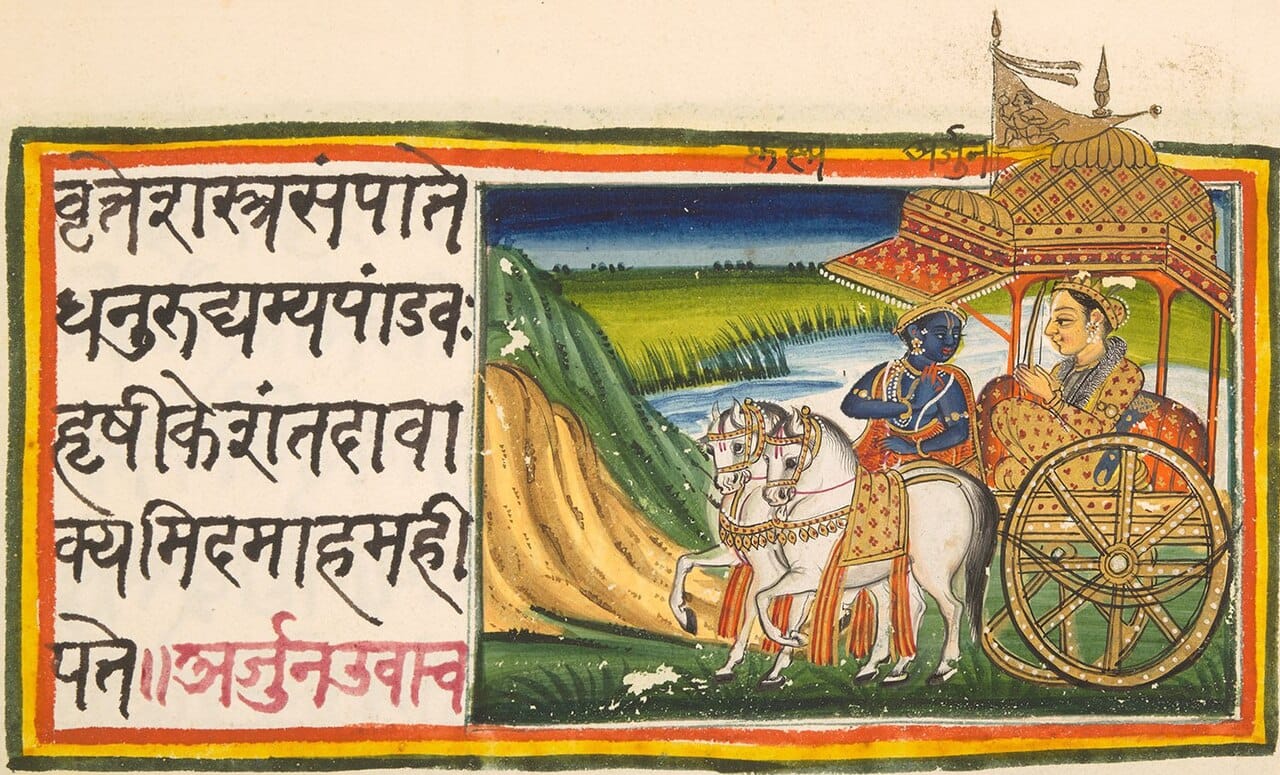
Hindu texts distinguish shruti, meaning what was heard or revealed, comprising the Vedas, from smriti, meaning what was remembered, comprising the epics and the Bhagavad Gita. The Vedas were transmitted orally with extraordinary precision for centuries before being written, using the techniques described in the oral tradition capsule.
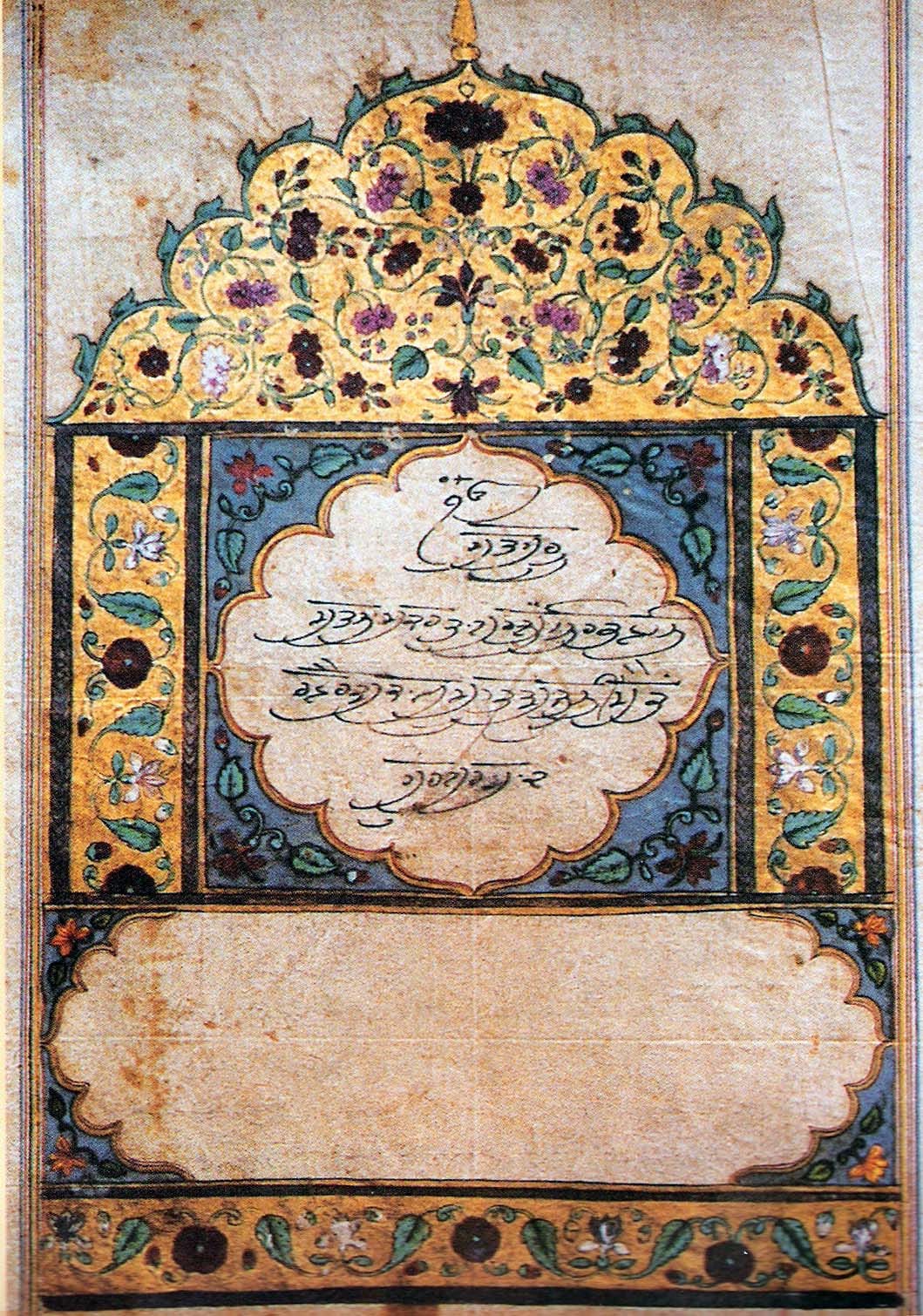
The Guru Granth Sahib holds a distinctive position in Sikhism: it is treated as the living Guru rather than as a record of teaching, and is accorded the respect due to a person, including being installed and rested daily.
Buddhist canons vary between traditions, with the Pali Canon in Theravada and much larger collections in Mahayana traditions, and Buddhism generally lacks a single closed canon of the kind found in the Abrahamic religions.
Every tradition with an authoritative text has developed methods for reading it, and those methods are frequently as important as the text.
Literal, allegorical, legal and mystical readings coexist within most traditions, and formal systems distinguish them.
Commentary traditions are substantial bodies of work in their own right, and in several traditions the commentary is more read than the text.
The relationship between text and tradition is a recurring source of division. Disputes over whether interpretation requires institutional authority, and over whether an individual may read the text directly, have produced major schisms in several religions.
Textual criticism, applying historical and philological methods to determine how a text developed, is accepted within some traditions and rejected in others, and the documentary hypothesis capsule treats one instance.
Sacred texts have shaped the languages they were written or translated into. Luther's German Bible and the King James Version both influenced their languages substantially, and Quranic Arabic set the standard for literary Arabic.
They drove literacy. The requirement or encouragement to read scripture directly is associated with higher literacy in several historical settings, as the literacy capsule notes.
They drove textual technology. Demand for copies was a major driver of manuscript production, of printing, and of the codex replacing the scroll.
Legal systems in several traditions derive substantially from sacred texts, and religious law remains a source of law in a number of states.
Sacred texts are among the most widely read and most carefully preserved writings in existence, and several have been transmitted with an accuracy that ordinary literature does not approach.
The differences between traditions in what authority means are also more consequential than the differences in content. Whether a text may be translated, who may interpret it, and whether it is closed or open determines how a religion changes, which is why the same question about a text can divide a tradition permanently.