The attempt to describe Jesus of Nazareth using the methods historians apply to any other figure of antiquity, setting aside theological claims. That he existed is close to unanimous among historians. Almost everything else about him is argued.
The sources are limited and none is neutral.
Paul's letters are the earliest, written roughly twenty to thirty years after the crucifixion by someone who did not know Jesus during his lifetime and who says very little about it. The gospels date from roughly forty to seventy years after, are anonymous in their original form, and were written to persuade.
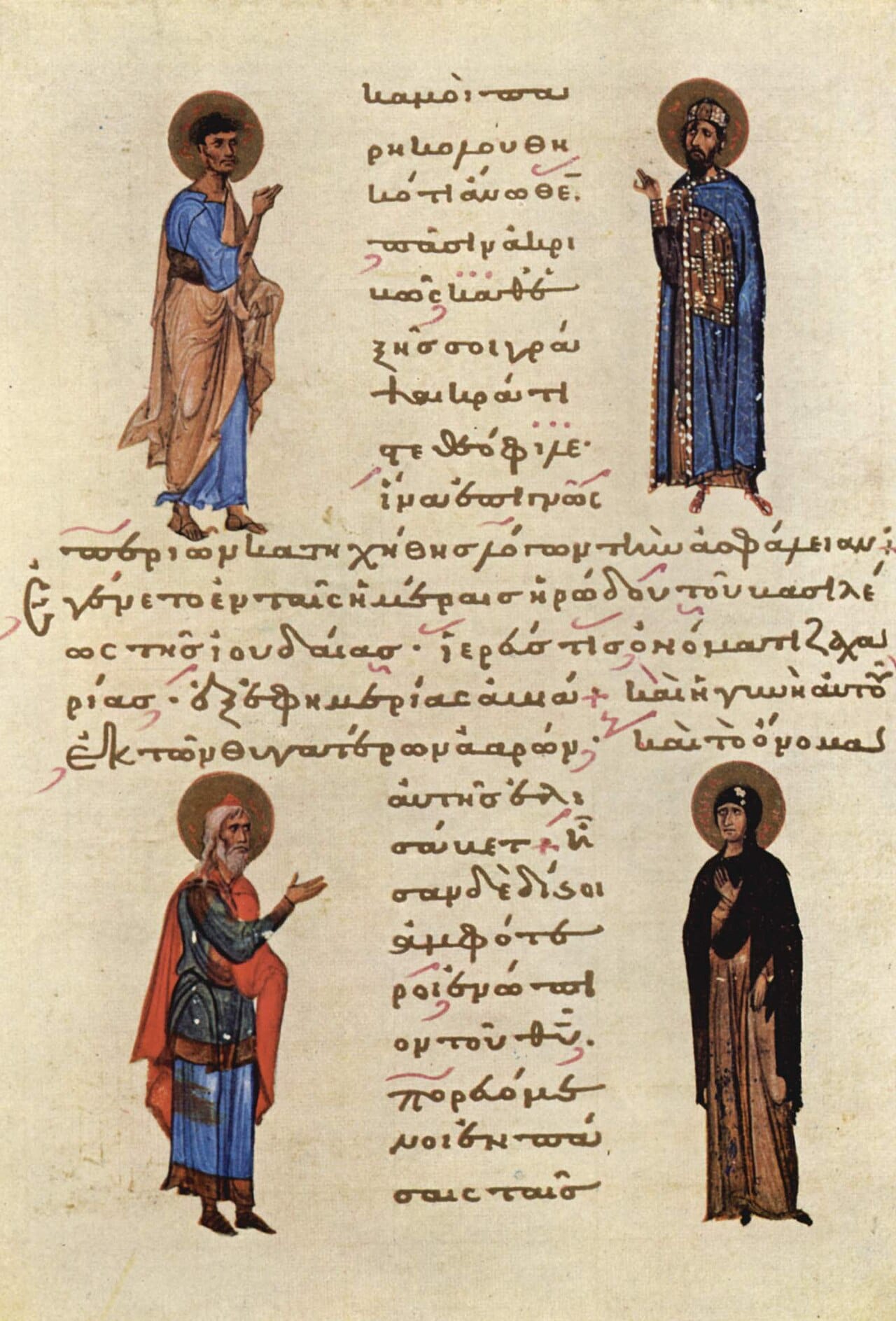
Outside Christian writing there is little. Tacitus records the execution under Pontius Pilate. Josephus mentions Jesus twice, though one passage has clearly been altered by a later Christian hand and the extent of the alteration is disputed. That is essentially the whole non-Christian record for the first century.
Two events are treated as close to certain, on a criterion that is worth stating because it does a great deal of work: a detail the early church would have found embarrassing is unlikely to have been invented.
He was baptised by John the Baptist. This subordinates Jesus to another preacher, and the gospels visibly grow uncomfortable with it over time, with the later accounts adding explanations. It is very hard to explain as invention.
He was crucified under Pontius Pilate. Crucifixion was a punishment for slaves and rebels, and a movement fabricating a founder would not choose it.
Beyond those, most historians accept that he was a Galilean Jew, that he taught in parables about the kingdom of God, that he attracted a following, and that he was regarded by his followers as a healer.
The disagreement is about the frame, and it has produced several incompatible reconstructions from the same evidence.
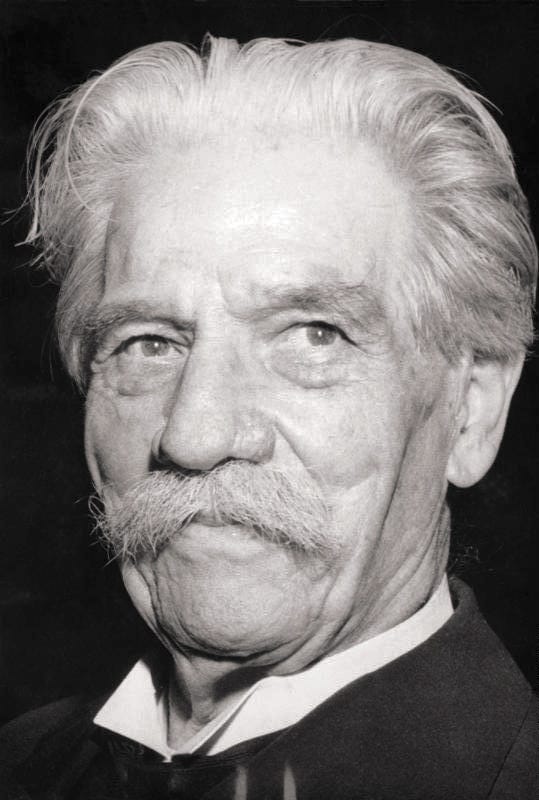
Albert Schweitzer argued in 1906 that Jesus was an apocalyptic prophet who expected the imminent end of the age and was mistaken about it. Schweitzer's other contribution was destructive and still stands: he showed that the nineteenth century lives of Jesus each described a figure suspiciously like their authors, and that the method was producing reflections rather than results.
Other reconstructions present a social reformer, a Cynic-style wandering sage, a Jewish restorationist, and a political revolutionary. Each can be supported by selecting among the sayings, which is the central methodological difficulty.
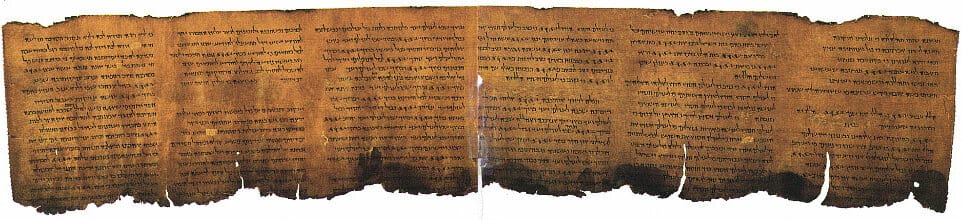
The scrolls, found from 1947 onward, contain no reference to Jesus. Their importance is indirect and large: they showed first century Judaism to be far more diverse than previously understood, with apocalyptic expectation, messianic speculation and sectarian withdrawal all well attested. A great deal that had been read as distinctively Christian turned out to be recognisably Jewish.
The position that no historical figure lies behind the accounts has almost no support among historians of the period, including those with no religious commitment.
The main reasons are that Paul reports meeting Jesus's brother James, which is an awkward thing to fabricate about a living person known to the recipients; that the traditions contain the embarrassing details noted above; and that inventing a crucified messiah, a contradiction in terms within first century Judaism, would be a strange way to found a movement.
That the evidence supports a person, an execution and a following says nothing about the theological claims made about him, which is the boundary the historical method cannot cross in either direction.