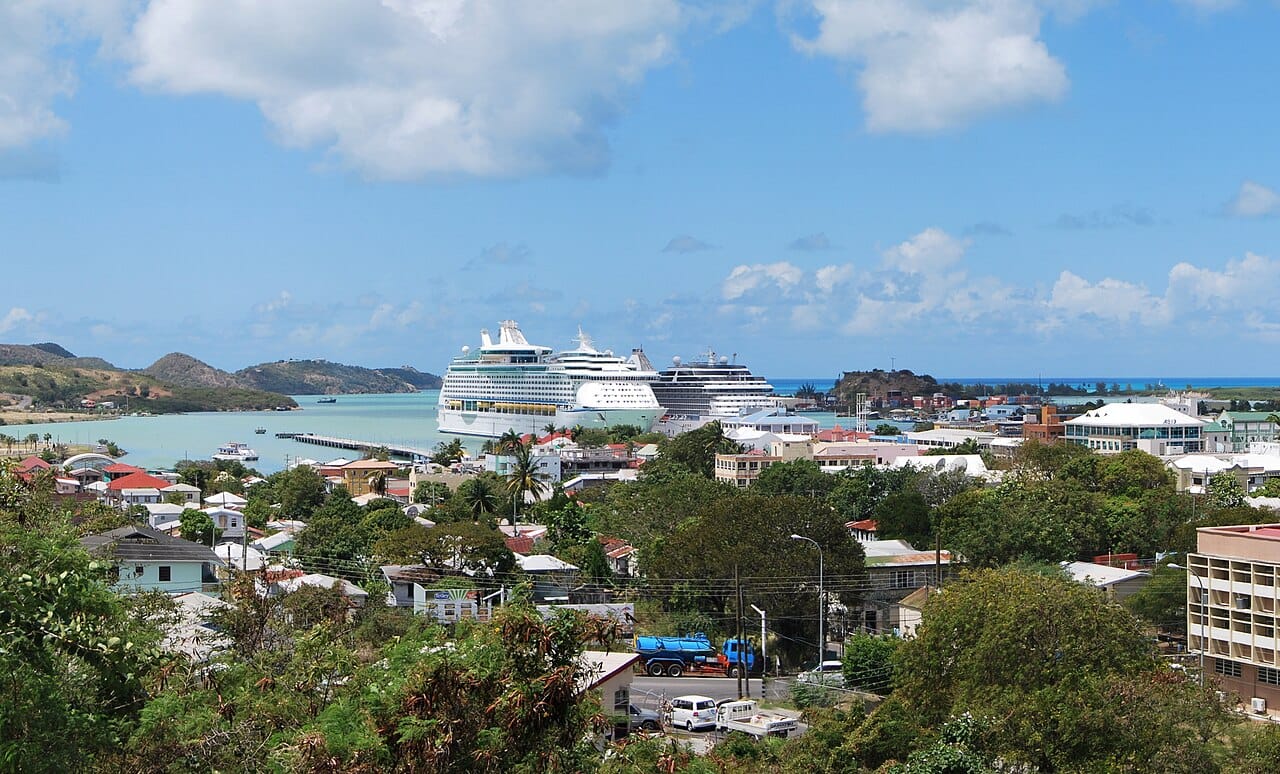
Antigua and Barbuda is a twin-island nation in the eastern Caribbean, lying where the Atlantic meets the Caribbean Sea among the Leeward Islands. Made up of two main inhabited islands and several smaller ones, it is famous for its beaches, said to number 365, one for every day of the year, and for its deep sailing heritage centred on the historic harbour where the British navy once based its fleet. A former British sugar colony built on enslaved labour, it is today a stable parliamentary democracy whose economy rests above all on tourism.
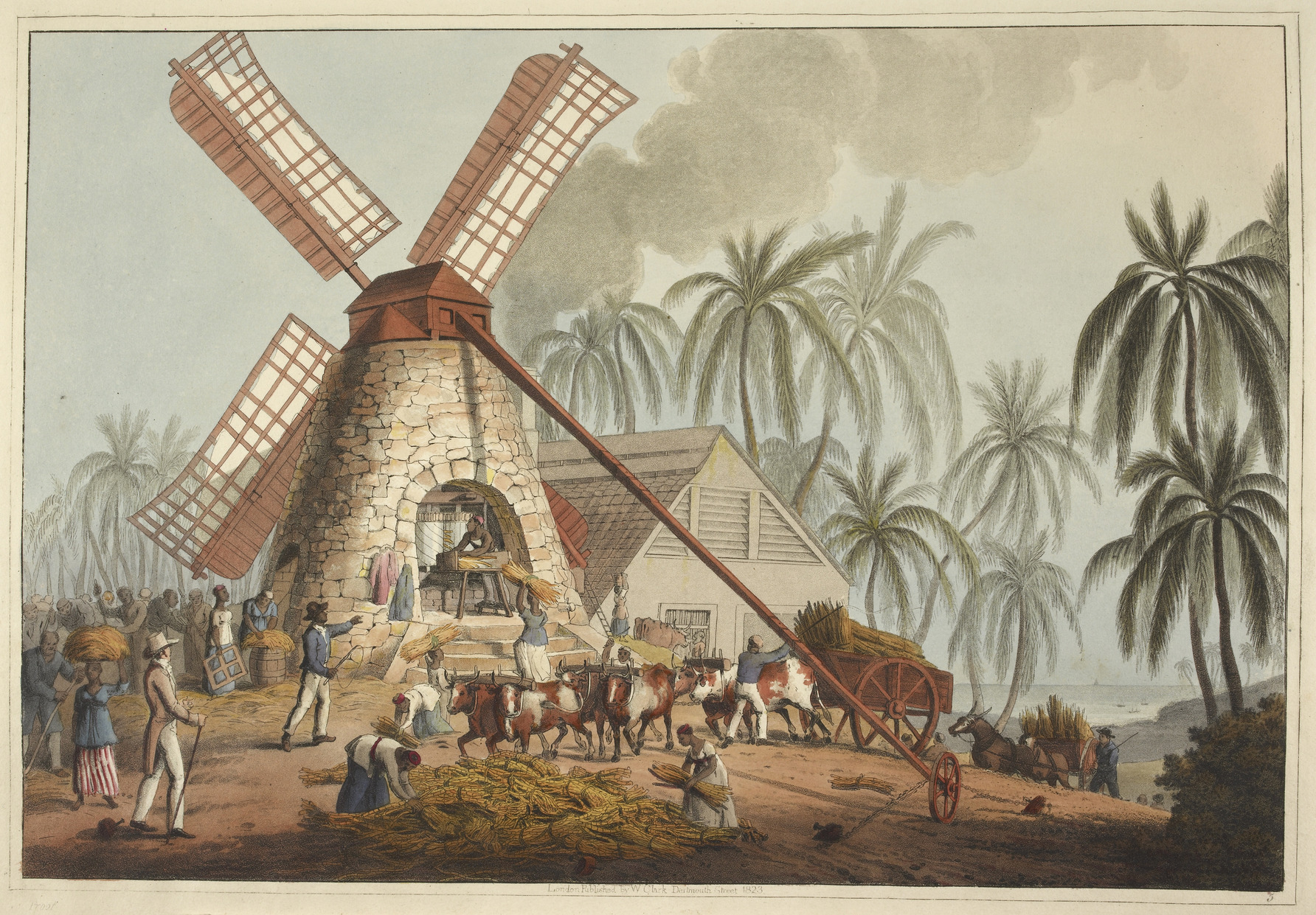
The islands were settled by Arawak and later Kalinago peoples before Columbus sighted Antigua in 1493 and named it for a church in Seville. The English settled from 1632, and Sir Christopher Codrington established the first large sugar estate in the 1670s, after which the island filled with plantations worked by enslaved Africans imported in large numbers; by the eighteenth century the enslaved population greatly outnumbered the free. Barbuda was leased to the Codrington family for a nominal rent and used to supply the Antiguan estates. A planned rising in 1736, led by an enslaved man known as Prince Klaas, was discovered before it began and put down with executions.
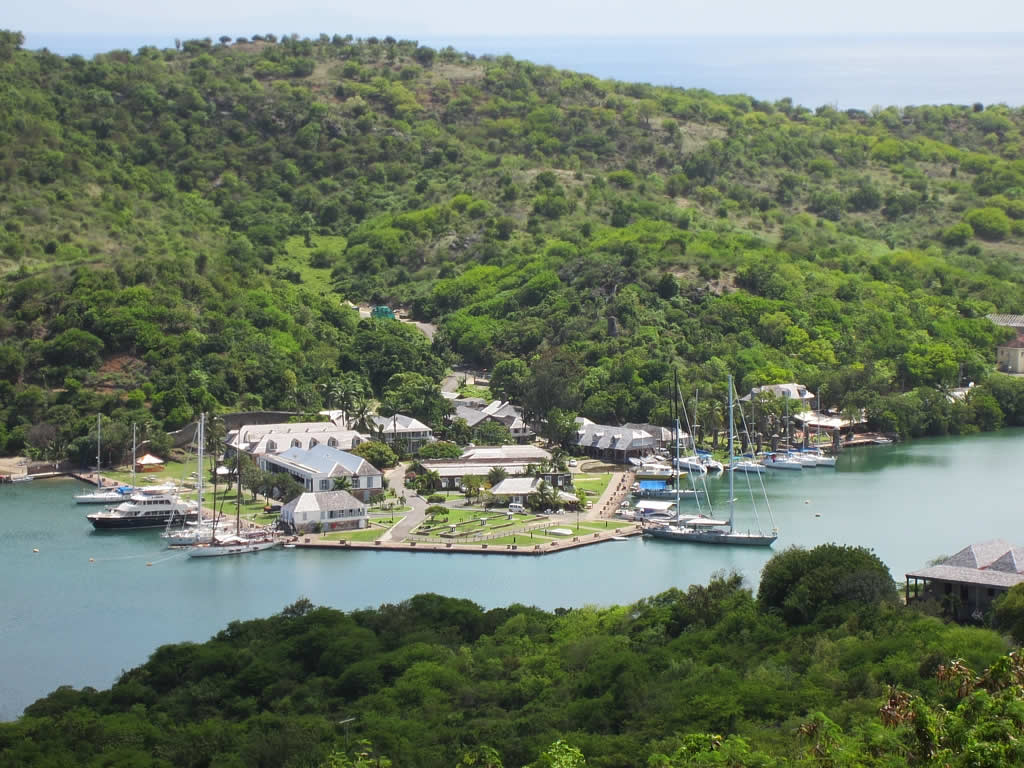
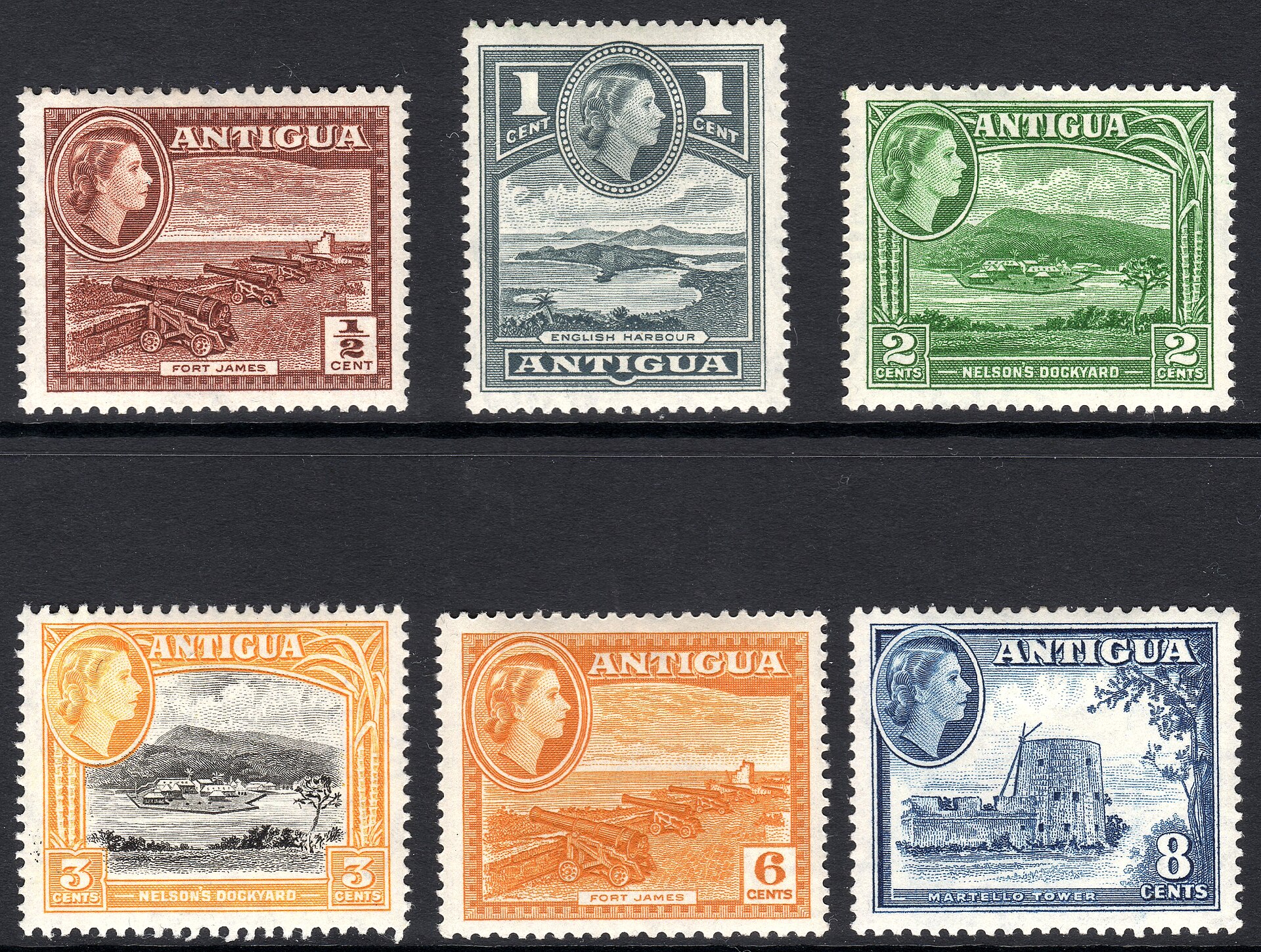
Antigua's deep, sheltered, hurricane-proof harbour made it strategically valuable out of proportion to its size, and the Royal Navy built a dockyard there in the eighteenth century from which it controlled the eastern Caribbean; Horatio Nelson commanded the station as a young captain in the 1780s and disliked it thoroughly. The dockyard survives complete and is now a World Heritage site.
Antigua took an unusual course at abolition. Where most British colonies imposed a four-year apprenticeship on the formerly enslaved, Antigua's planters granted full emancipation immediately in 1834, calculating that on an island with no spare land nobody could leave the estates anyway. Wages were minimal and conditions barely changed, and the labour movement that eventually broke that arrangement, led from the 1930s by Vere Bird and the Antigua Trades and Labour Union, became the vehicle of self-government. Bird dominated politics for half a century, serving as first prime minister from independence on 1 November 1981 until 1994, when he was succeeded by his son Lester, an unusually long family run for a democracy of this size.
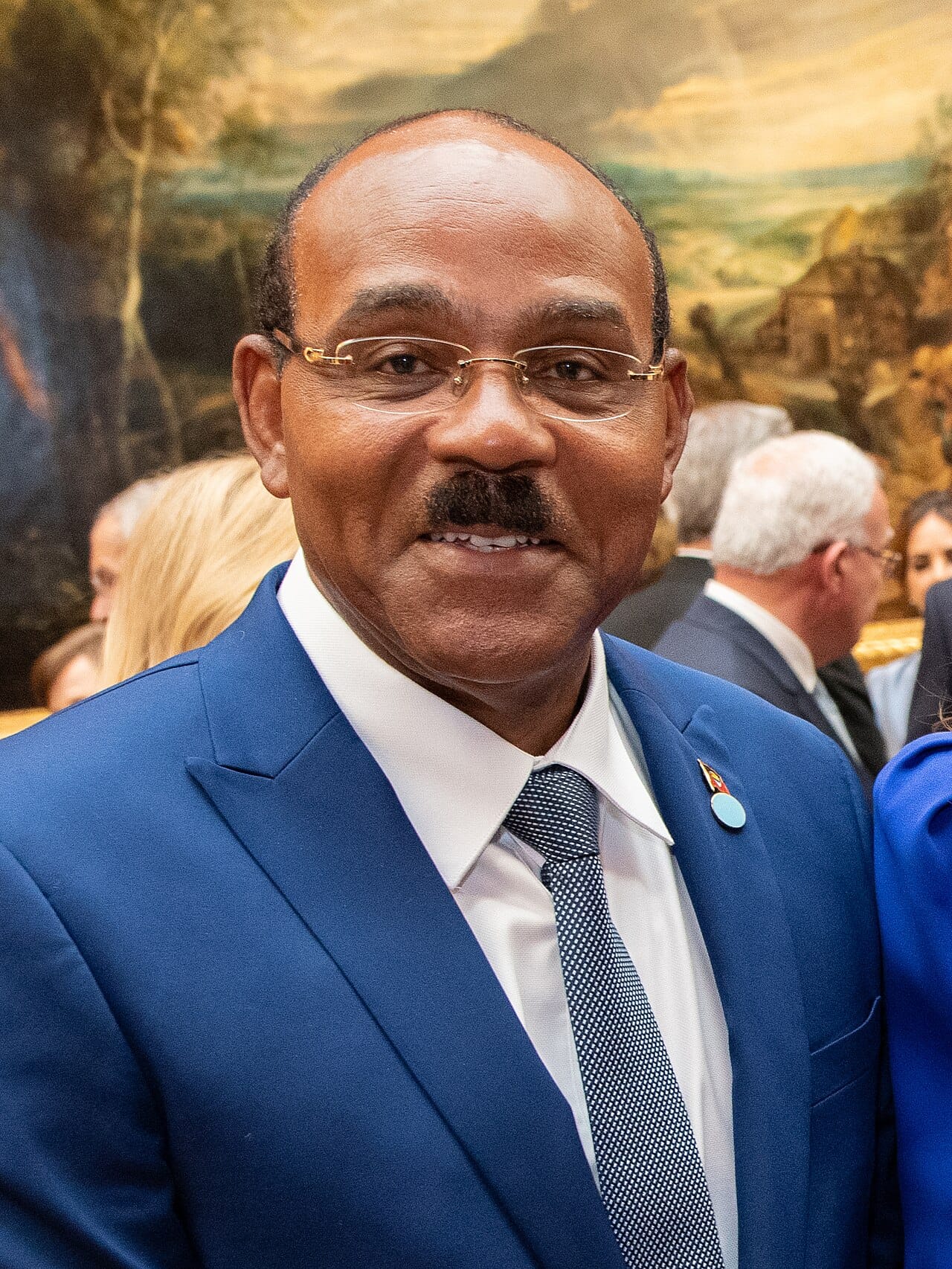
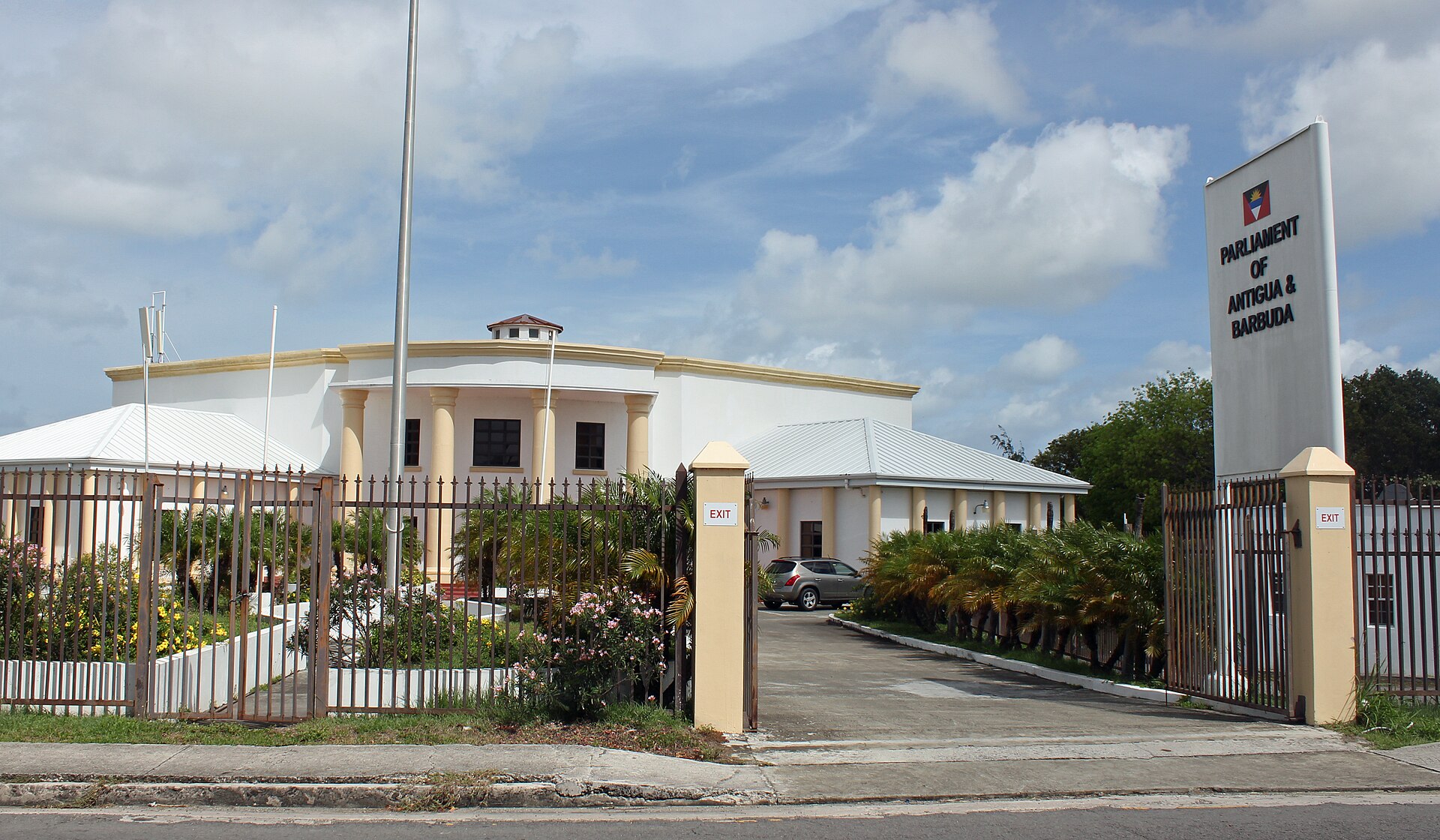
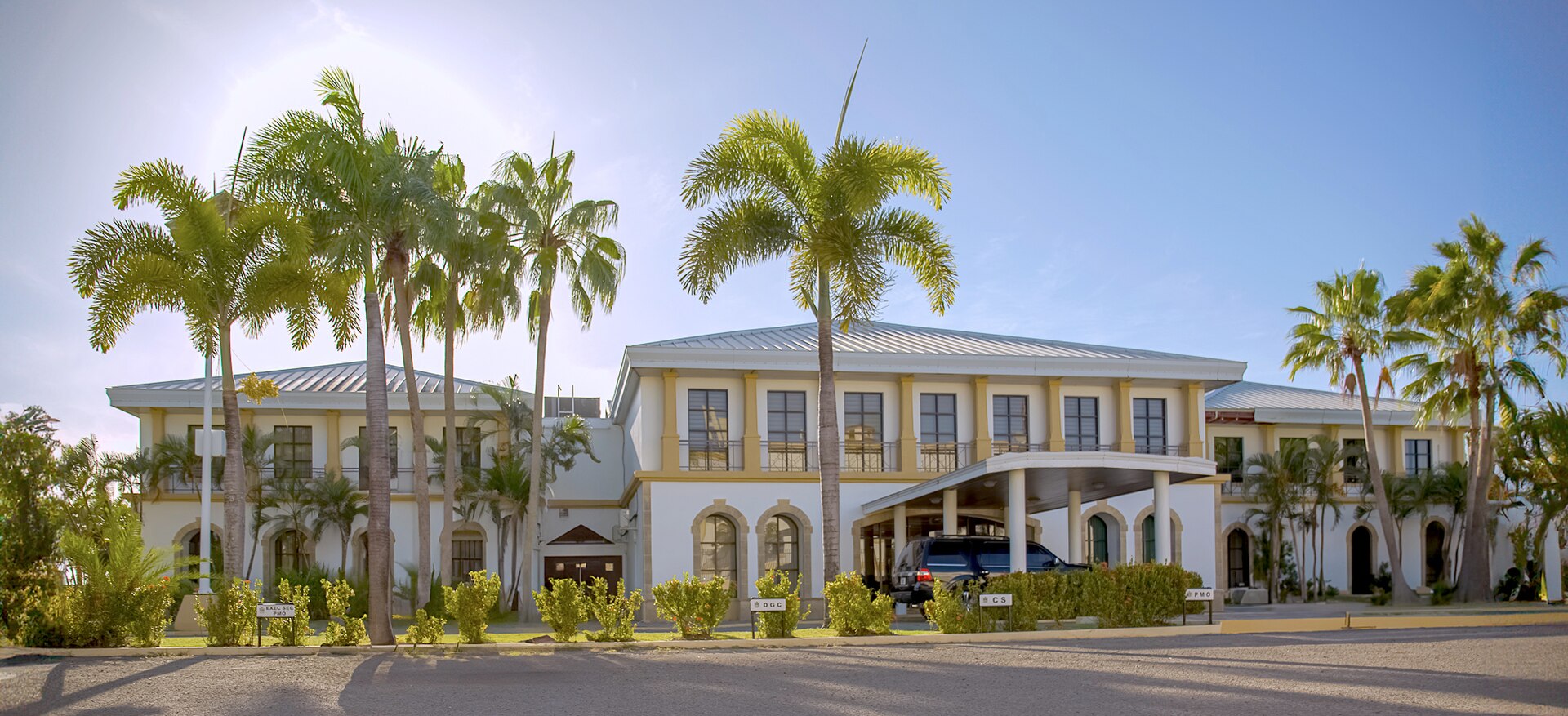
Antigua and Barbuda is a parliamentary democracy and a Commonwealth realm, with King Charles the Third as head of state represented by a governor-general, a bicameral parliament, and a prime minister drawn from the House of Representatives. Politics has been dominated by the Antigua and Barbuda Labour Party, in power for most of the period since universal suffrage, with the United Progressive Party its principal opponent.
Gaston Browne has been prime minister since 2014 and won a fourth consecutive term on 30 April 2026, when the ABLP took 15 of the 17 seats in the House against the UPP under Jamale Pringle. A referendum in 2018 on replacing the Judicial Committee of the Privy Council with the Caribbean Court of Justice as the final court of appeal was defeated, as similar votes have been elsewhere in the region. Antigua and Barbuda has been prominent internationally well beyond its size on climate: it chairs the Alliance of Small Island States and, with Tuvalu, initiated the request that produced the International Tribunal for the Law of the Sea's 2024 opinion on states' obligations over greenhouse gas emissions.
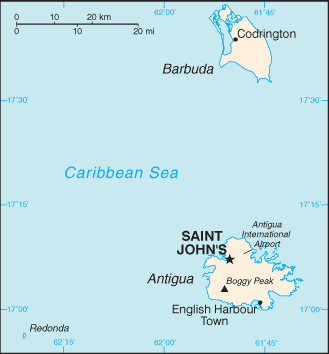
Antigua is mostly low and gently rolling, a mixture of limestone and older volcanic rock rising to Mount Obama at 402 metres, renamed in 2009, with a coastline so deeply indented by bays and coves that the island claims 365 beaches, one for each day of the year. Those natural harbours are the reason for its history. Barbuda, some 40 kilometres north, is different again: flat coral limestone, ringed by reef, with a vast enclosed lagoon holding one of the largest colonies of magnificent frigatebirds in the world. The country also includes Redonda, an uninhabited rock with a long-running comic tradition of self-declared kings, and a serious recent history as a successful seabird and lizard restoration project after invasive rats and goats were removed.
The islands are drier than most of the eastern Caribbean, lacking the high mountains that wring rain from the trade winds, so fresh water is scarce and desalination supplies much of it. They sit squarely in the hurricane belt. In September 2017 Hurricane Irma passed directly over Barbuda as a category five storm, destroying or damaging almost every structure on the island and forcing the evacuation of the entire population to Antigua, the first time in centuries that Barbuda was uninhabited. Return and rebuilding have been slow and contested, tangled up with a dispute over Barbuda's traditional system of communal land ownership, which the government has sought to change and many Barbudans have resisted.
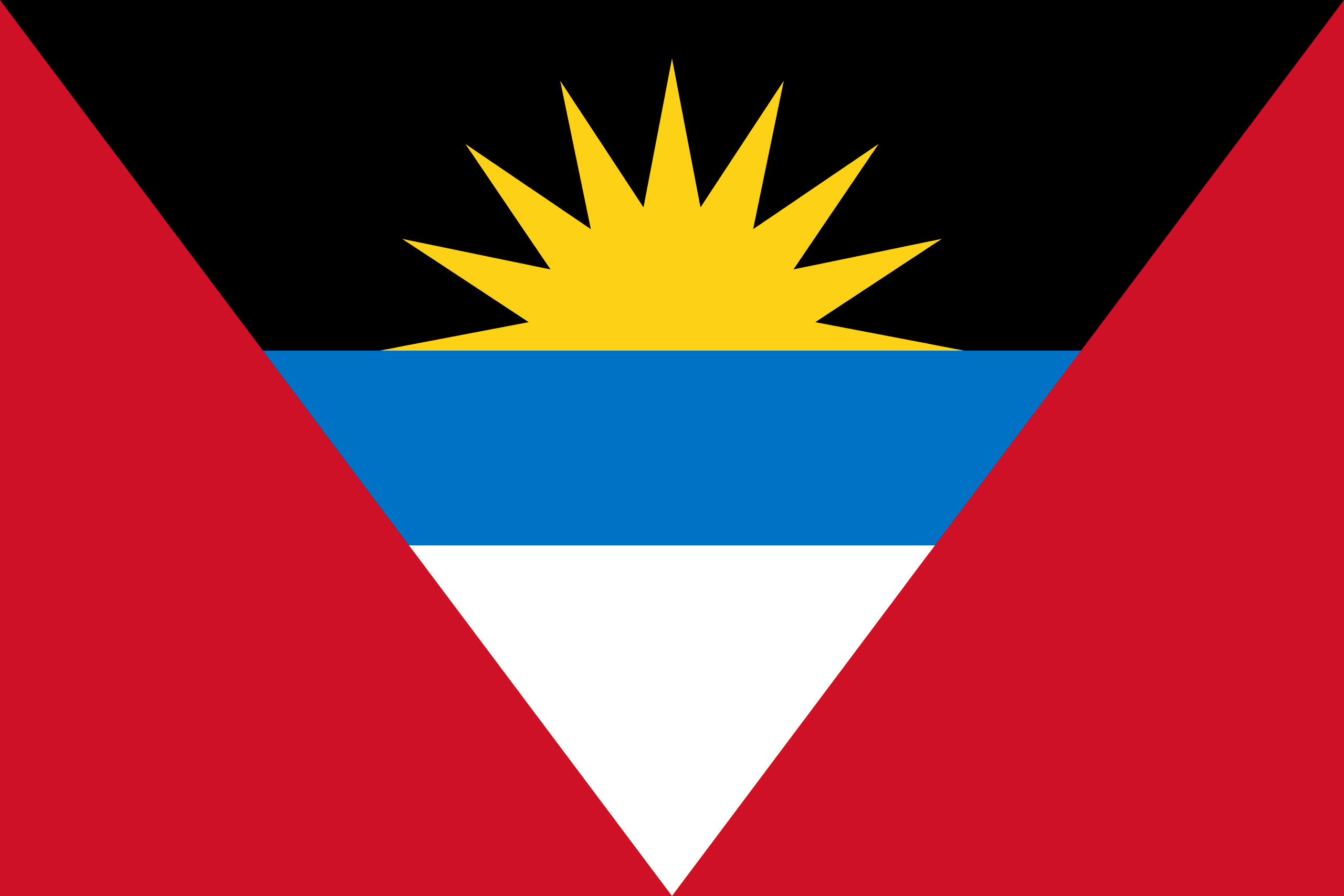
The flag of Antigua and Barbuda has a distinctive design with a red field framing a central inverted triangle containing bands of black, light blue, and white, with a golden rising sun on the black. The rising sun symbolises the dawn of a new era, the black the African heritage of the people, the blue the sea and hope, and the white the beaches, while the red represents the energy of the people. The V-shape of the design stands for victory. The flag was adopted when the islands gained internal self-government in 1967.
Antigua and Barbuda is a strongly Christian country, reflecting its British colonial heritage, with the population belonging mainly to a range of Protestant denominations, the Anglican Church historically prominent, alongside Moravian, Methodist, Pentecostal, and other churches, as well as a Roman Catholic minority. Churches are a familiar feature of community life and the faith is woven into the island's culture and traditions. As across the Caribbean, the religious landscape reflects both the legacy of European missionaries and the African heritage of the majority of the population.
The cuisine of Antigua and Barbuda is Caribbean, blending African, British, and regional influences. The national dish is fungie and pepperpot, fungie being a cornmeal-and-okra dish similar to polenta, served with a hearty stew of meat and vegetables. Seafood is central, including lobster, conch, and the local saltfish, and rice, beans, plantains, and tropical fruit feature throughout. Local specialities such as ducana, a sweet potato dumpling, and the islands' own black pineapple, prized for its sweetness, add to a flavourful and distinctive island food culture.
Agriculture, once the foundation of the islands' economy in the form of vast sugar plantations, now plays only a small role. The relatively dry climate and limited water have always constrained farming, and the country imports much of its food. What agriculture remains produces fruit and vegetables, including the famous Antigua black pineapple, along with some livestock, while fishing supplies the local market and the prized lobster. The modern economy depends overwhelmingly on tourism, drawn by the beaches and the sailing, supplemented by financial services, leaving farming a minor activity.
Antiguan and Barbudan culture is Afro-Caribbean, expressed most visibly in Carnival, held in late July and early August to mark emancipation rather than Lent as elsewhere, with calypso and soca competitions, steel pan, and the costumed troupes that parade through St John's. Barbuda holds its own Caribana in June.
Two things give the country a profile out of proportion to its size. The first is sailing: Antigua Sailing Week, run from Nelson's Dockyard since 1967, is one of the major regattas of the world calendar, and the harbour fills each winter with yachts crossing the Atlantic. The second is cricket, at which Antigua has produced players of the very first rank, above all Sir Vivian Richards, one of the greatest batsmen the game has seen and captain of the West Indies side of the 1980s, and Sir Andy Roberts and Sir Curtly Ambrose among the fast bowlers; the national stadium carries Richards's name. In literature, Jamaica Kincaid, born in St John's, has written about the island and about the tourism it lives on with a directness that is not always comfortable at home.
Antigua and Barbuda has a population of around 95,000, the great majority of African descent, alongside minorities of mixed, British, Portuguese, Syrian and Lebanese, and other origin, and a substantial number of immigrants from Dominica, Guyana, Jamaica, and the Dominican Republic drawn by the tourism economy. English is official, spoken alongside Antiguan and Barbudan Creole.
Around ninety-seven per cent of the population lives on Antigua, most of it in and around St John's. Barbuda's community numbers well under two thousand and has not recovered its pre-2017 size, and the argument over whether Barbudan land should remain communally held or be made available for individual title and resort development is the sharpest domestic political question in the country. A citizenship-by-investment programme, common across the eastern Caribbean, contributes meaningfully to government revenue and has drawn periodic international scrutiny.