Absolute pitch, commonly called perfect pitch, is the ability to identify or produce a musical note without a reference tone. It is rare, it is real, and almost everything about its origin is disputed.
A person with absolute pitch hears a note and names it, the way most people name a colour. No comparison is needed. The counterpart ability, relative pitch, identifies the interval between two notes and is what most trained musicians rely on and what conventional ear training develops.
Estimates of prevalence in Western populations cluster around one in ten thousand, though the figure depends heavily on the threshold used, since the ability is not all or nothing. Many possessors are more accurate on white keys, on their own instrument's timbre, and in the range they practise most.
Absolute pitch is strongly associated with musical training that began before roughly age six or seven, and almost never appears in people who started later. This is the main evidence for a critical period: a window in which the auditory system can attach labels to pitches, closing afterwards.
The association is not disputed. What it means is. Early training also correlates with family musical involvement, with the kind of instruction given to small children, and with genetic factors shared across a family, and no study has separated these cleanly.
Absolute pitch runs in families, and studies of musicians find rates among siblings far above the population baseline. Twin work suggests a substantial heritable component.
No specific gene has been identified. Large genome-wide studies have not produced a replicated hit, and the most defensible reading is that what may be inherited is a predisposition that requires early training to become the ability.
Diana Deutsch's research found rates of absolute pitch among music students who speak Mandarin or Vietnamese several times higher than among speakers of non-tonal languages, in some samples by a large margin. In a tonal language, pitch carries lexical meaning, so speakers attend to absolute pitch from infancy as a matter of understanding speech.
Deutsch also found that speakers of tonal languages reproduce a familiar word at nearly the same pitch on different days, an accuracy that non-tonal speakers do not show.
This is the strongest available evidence that the ability is learnable, and it is disputed too. The samples were music students, and cultural differences in when and how children begin lessons are not fully controlled.
The conventional view is that adults cannot. Training studies through the twentieth century produced improvement on trained notes that failed to generalise or persist.
More recent work has softened this. Some adults reach reliable identification after extended training, and a 2019 study reported gains that survived a follow-up. Whether this is genuine absolute pitch or a well-developed memory for a reference tone is a question the participants' own reports do not settle.
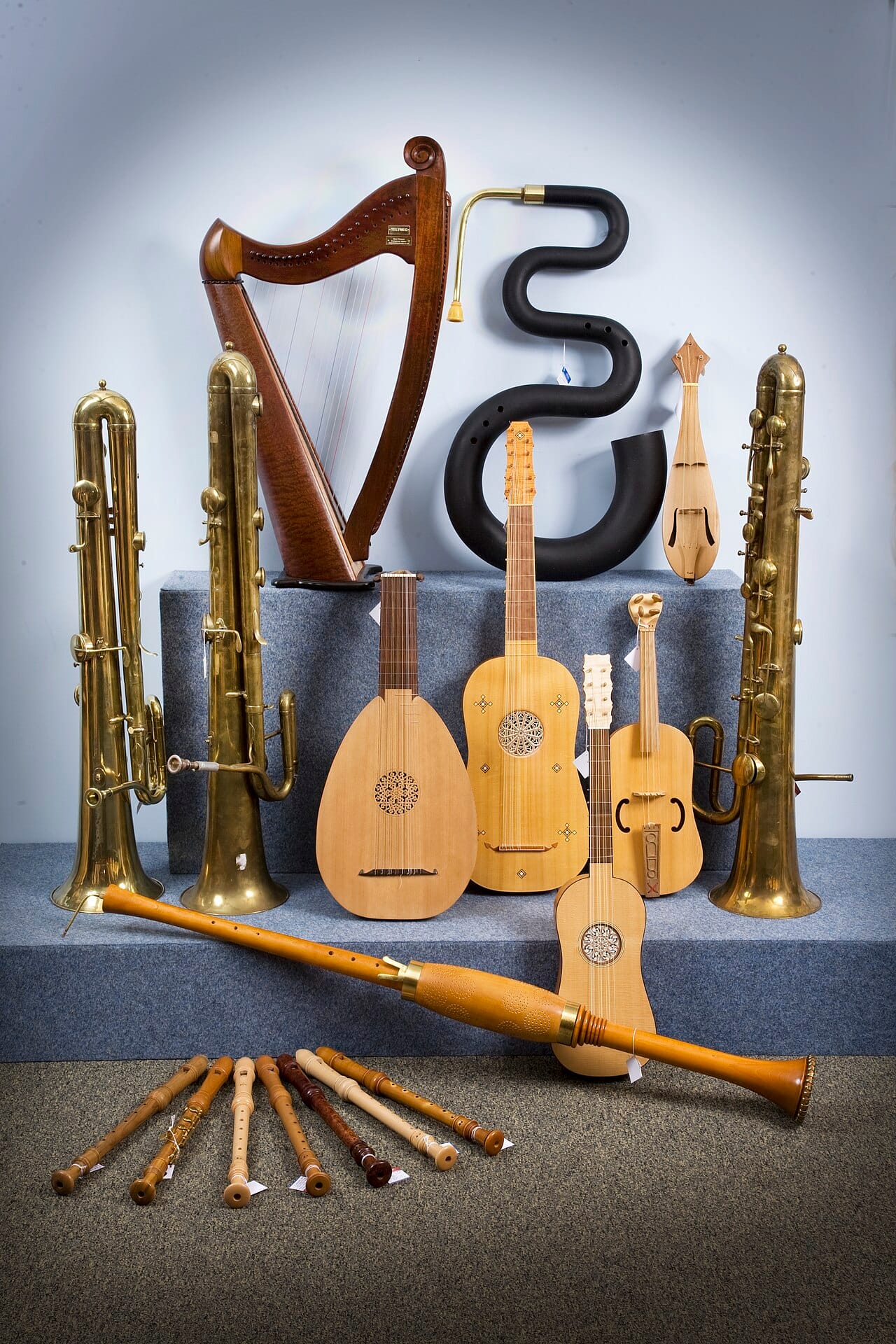
Absolute pitch is treated as a mark of musical gift, and its possessors frequently describe drawbacks. Music transposed to a different key can be actively unpleasant, since the notes heard conflict with the notes named. Performing with an ensemble tuned to a different reference pitch, common in early music, can be disorienting. Some possessors report difficulty with relative pitch tasks, having never needed to develop them.
Concert pitch has itself drifted over centuries, so a Baroque work performed at period pitch sounds roughly a semitone flat to someone with absolute pitch trained on the modern standard.