Universal grammar is the proposal that human beings are born with an innate, language-specific capacity that constrains the form any human language can take. Advanced by Noam Chomsky from the late 1950s, it dominated linguistics for decades and remains one of the most consequential and most disputed ideas in the study of the mind.
Children acquire their first language quickly, in a regular order, and without instruction. They produce sentences they have never heard, make errors of a systematic rather than random kind, and arrive at a working grammar despite hearing speech that is fragmentary and full of mistakes. No one teaches a three year old the rule governing question formation, yet they apply it.
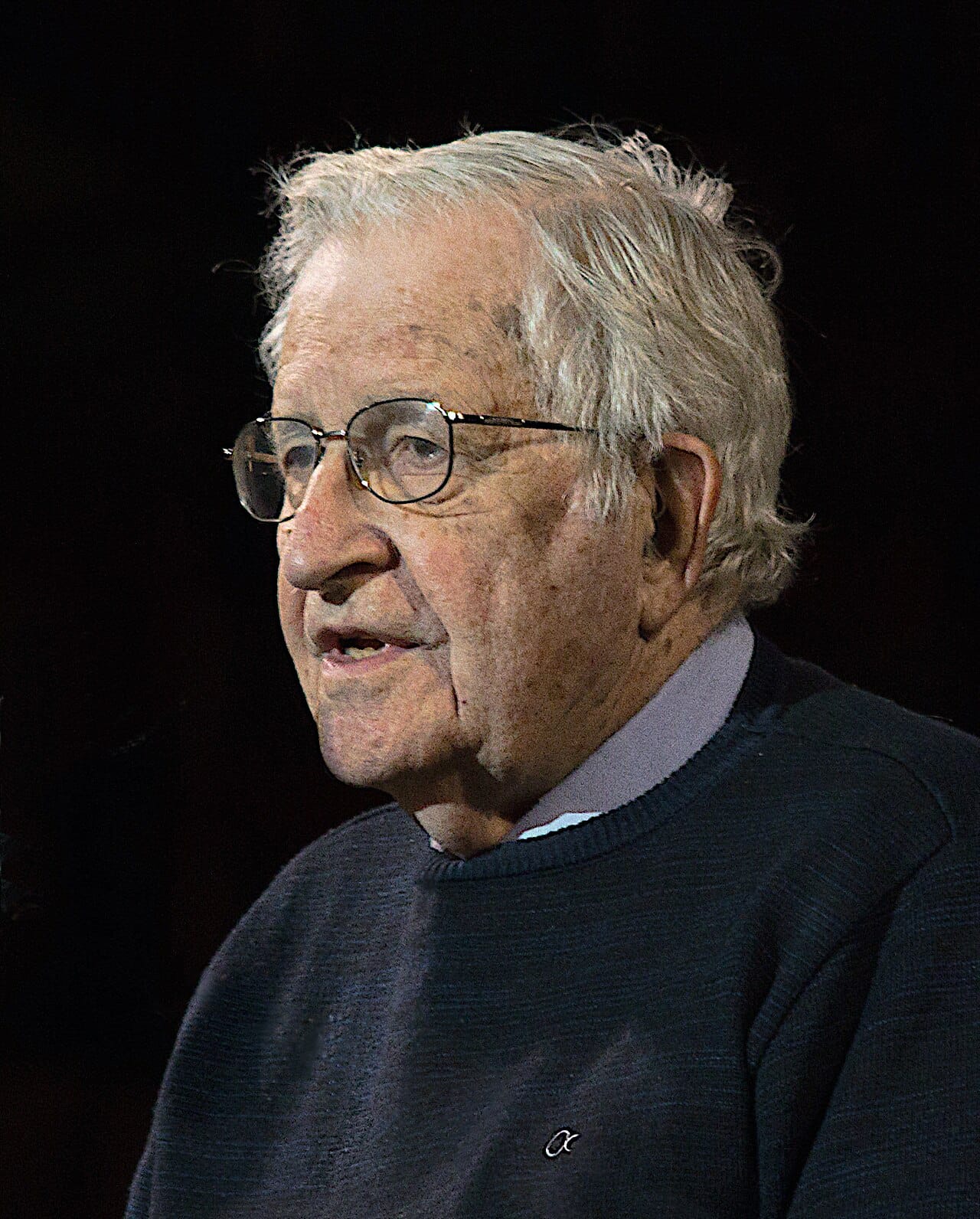
Chomsky called the central problem the poverty of the stimulus: the language a child hears seems too sparse and too degraded to account for the grammar the child ends up with. His conclusion was that much of the structure must already be present. On this account the brain contains a language faculty specifying the space of possible human grammars, and acquisition is a matter of setting parameters within it rather than learning from scratch.
The programme was enormously productive. It transformed linguistics into a formal, generative discipline concerned with the rules that produce sentences rather than with cataloguing utterances, and it fed directly into cognitive science, psychology, and philosophy of mind.
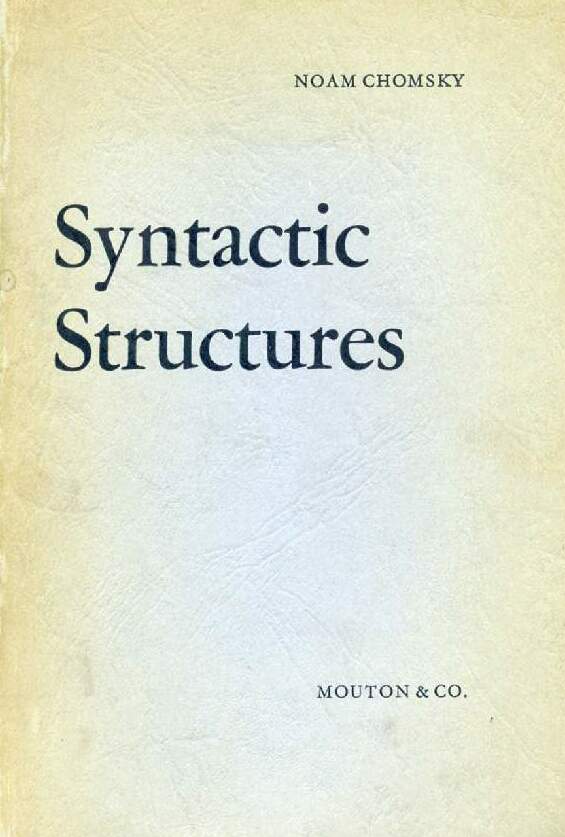
Several lines of criticism have gained ground since the 1990s.
The stimulus may not be so poor. Corpus studies of speech directed at children find it more structured and more informative than the original argument assumed, and computational models have learned substantial grammatical structure from realistic input without innate grammatical knowledge.
Usage-based accounts. Michael Tomasello and others argue that children build grammar out of general cognitive abilities: pattern-finding, analogy, memory for chunks, and a strong drive to read others' intentions. On this view nothing language-specific is innate, and the regularities come from what all humans are like plus what languages are used for.
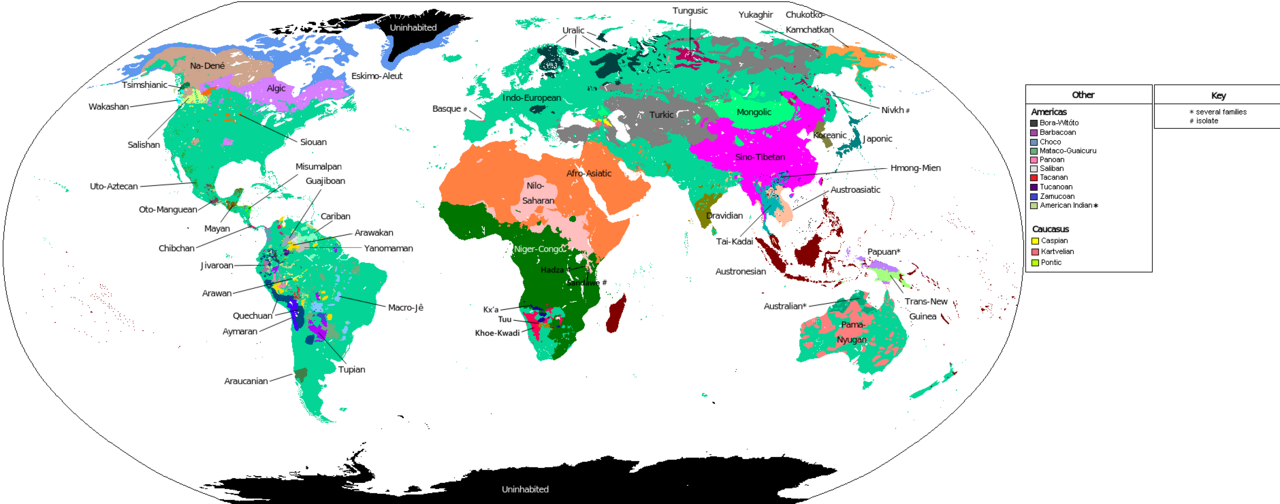
The diversity problem. Nicholas Evans and Stephen Levinson argued that the proposed universals dissolve on inspection, because languages vary far more than the theory allows. The best known challenge concerns Piraha, which Daniel Everett reported lacks recursion, a feature Chomsky had by then identified as the core of the language faculty. The empirical claim about Piraha is itself disputed.
The theory keeps moving. Critics note that universal grammar has been substantially reformulated more than once, from an elaborate set of rules to principles and parameters to the minimalist programme with recursion at its centre, and argue that a hypothesis revised this heavily is hard to test. Defenders reply that theoretical refinement under evidence is what a research programme is supposed to do.
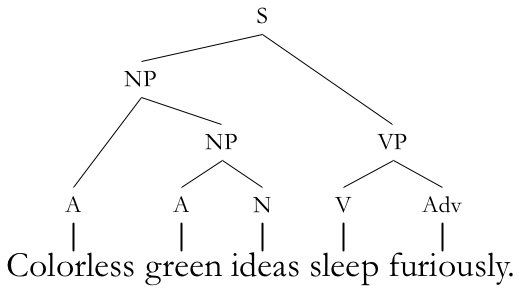
Almost nobody disputes that humans have some biological endowment for language, since no other species acquires one. The live question is whether that endowment is specific to language or is general cognitive machinery put to a particular use. That question is unresolved, and the field is genuinely divided.