A group of people related by descent, marriage or adoption, and the primary unit through which children are raised and property transmitted in most societies. Its forms vary far more than the version familiar in any one place suggests.
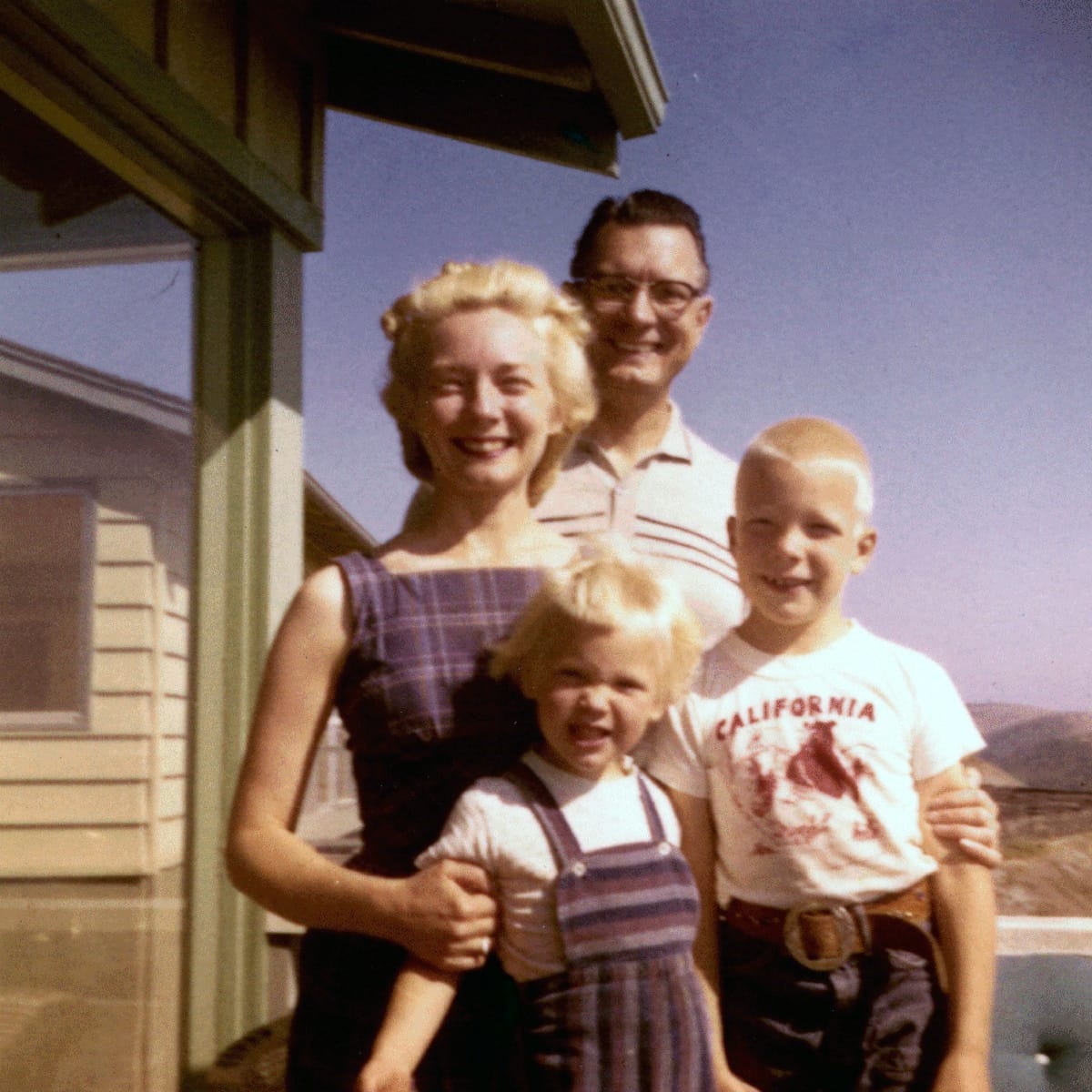
The nuclear family comprises a couple and their dependent children living together.
The extended family includes additional relatives in the same household or in close cooperation, most commonly grandparents, and it is the more common arrangement worldwide.
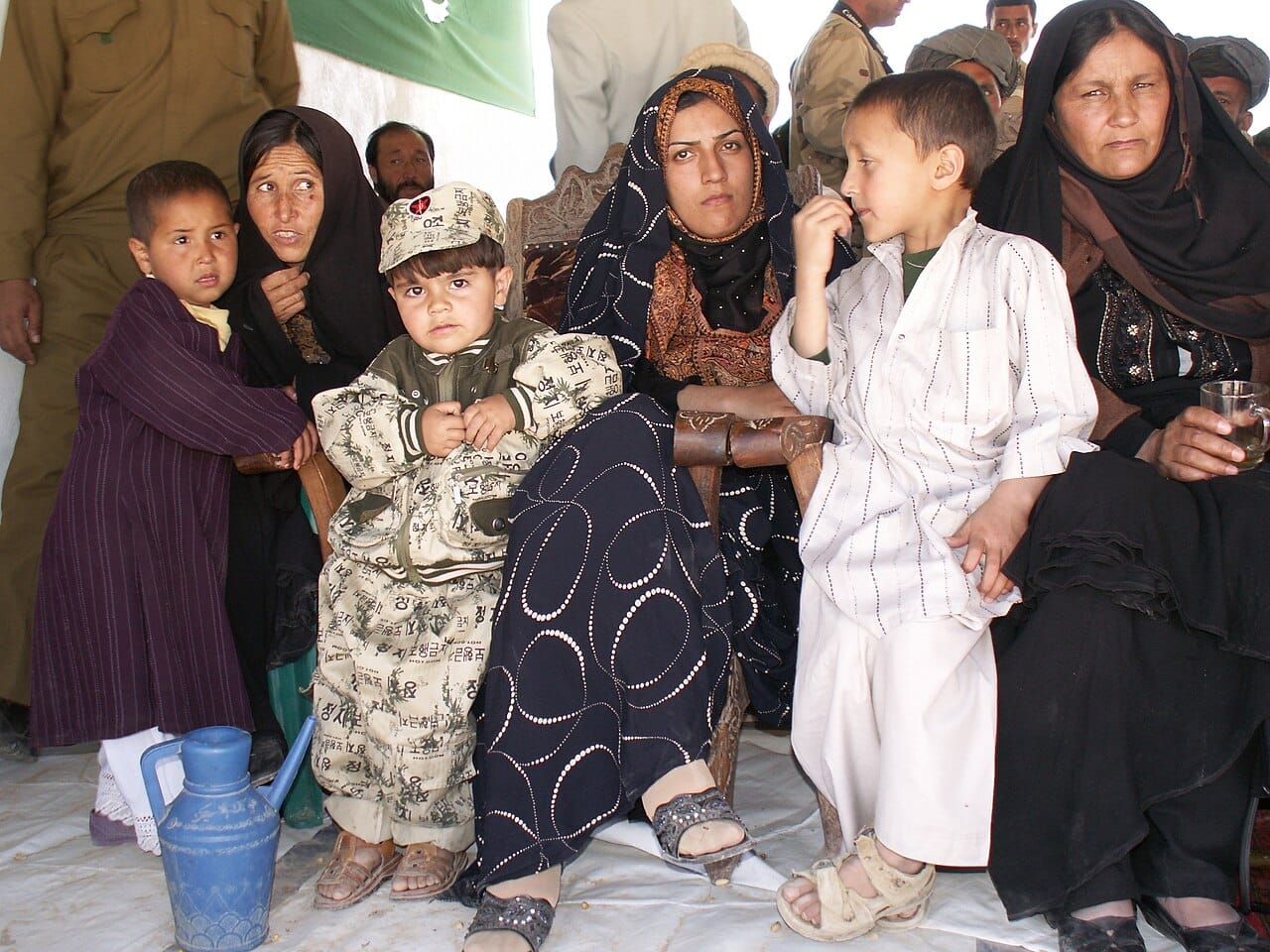
Joint families, in which several married siblings and their families share a household, are found in South Asia and elsewhere.
Single-parent households, blended families formed after separation, childless couples and households of unrelated adults are all common in contemporary societies.
The assumption that the nuclear family is the natural or original form does not survive comparison. Household composition has varied enormously across societies and periods, and the mid twentieth century Western nuclear household was in several respects historically unusual.
Anthropology distinguishes several dimensions that vary independently.
Descent determines group membership. Patrilineal systems trace through the father, matrilineal through the mother, and bilateral through both, which is the arrangement in most Western societies.
Matrilineal descent is not matriarchy. In several matrilineal societies authority is exercised by a woman's brother rather than her husband, and the two questions of how descent is traced and who holds authority are separate.
Residence determines where a couple lives after marriage. Patrilocal residence places them with the husband's family, matrilocal with the wife's, and neolocal in a new household, which is the Western norm and is comparatively rare historically.
Marriage forms include monogamy, polygyny in which a man has several wives, and polyandry in which a woman has several husbands, which is rare and occurs in particular ecological circumstances including parts of the Himalaya.
Most societies permit some form of plural marriage in principle; most marriages in those societies are nonetheless monogamous, because plural marriage generally requires resources few possess.
Reproduction and child-rearing is the function most associated with them, and the raising of children is distributed differently across societies. Alloparenting, in which people other than the biological parents provide substantial care, is widespread and has been argued to be characteristic of human child-rearing generally.
Economic cooperation, historically as a unit of production. Before industrialisation most households produced goods as well as consuming them, and the separation of workplace from home is a comparatively recent change with substantial consequences for family structure.
Property transmission, which is where inheritance rules interact with descent rules, and which explains much of the legal apparatus around marriage historically.
Socialisation, meaning the transmission of language, norms and skills.
Care for the old and the ill, which in the absence of state provision falls almost entirely on families and still does in much of the world.
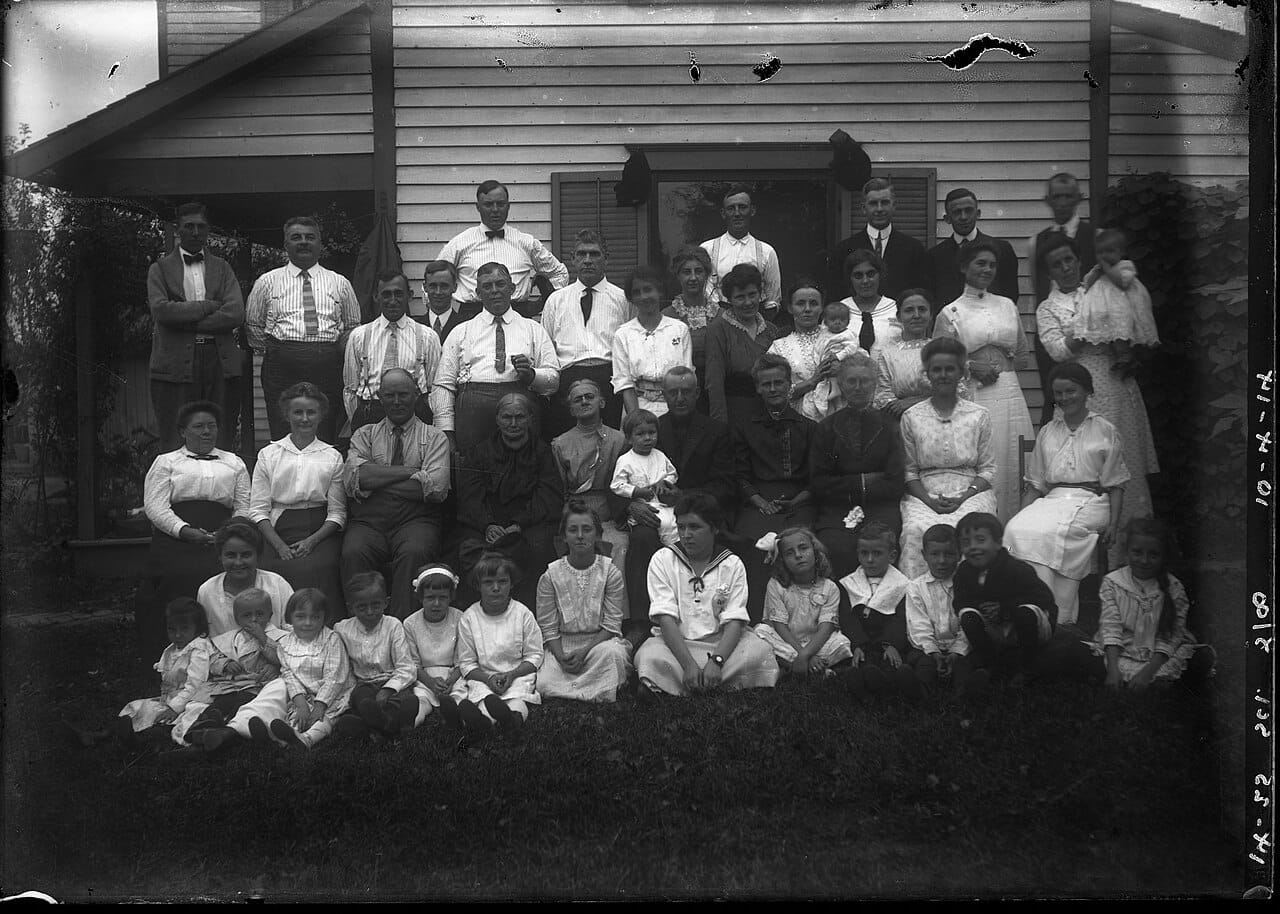
Household size has fallen substantially in industrialised countries, driven by falling fertility as described in the demographic transition capsule, and by the ability of individuals to live alone.
Marriage rates have fallen and average age at marriage has risen across most developed countries. Cohabitation before or instead of marriage has become common, and a large and rising share of children in several countries are born to unmarried parents.
Divorce became legally available and socially acceptable in most Western countries during the twentieth century, and rates rose sharply before stabilising or declining in several.
Women's participation in paid employment rose substantially, which changed the economic basis of the household and the division of domestic labour, though time-use studies consistently find the latter changed less than the former.
Same-sex marriage has been legally recognised in a growing number of countries since 2001.
Single-person households have increased dramatically and are now the largest household type in several countries, which is a genuinely new demographic situation.
Whether these changes represent decline or adaptation is argued, and the disagreement is partly empirical and partly about values.
Research on child outcomes generally finds that family structure correlates with outcomes and that much of the association is explained by resources, conflict and stability rather than by structure itself, which is why the policy conclusions drawn from the same data differ so widely.
Ageing populations create a care problem that families historically absorbed and that smaller families cannot, which is among the more concrete consequences and is treated in the demographic transition capsule.
The family is the institution through which most people experience economic support, care and socialisation, and it performs functions that no society has managed to relocate entirely.
Its variability is also the useful corrective. Almost every arrangement that appears natural to someone raised in one system, including who lives together, who inherits, and who cares for children, is one option among several that human societies have adopted.