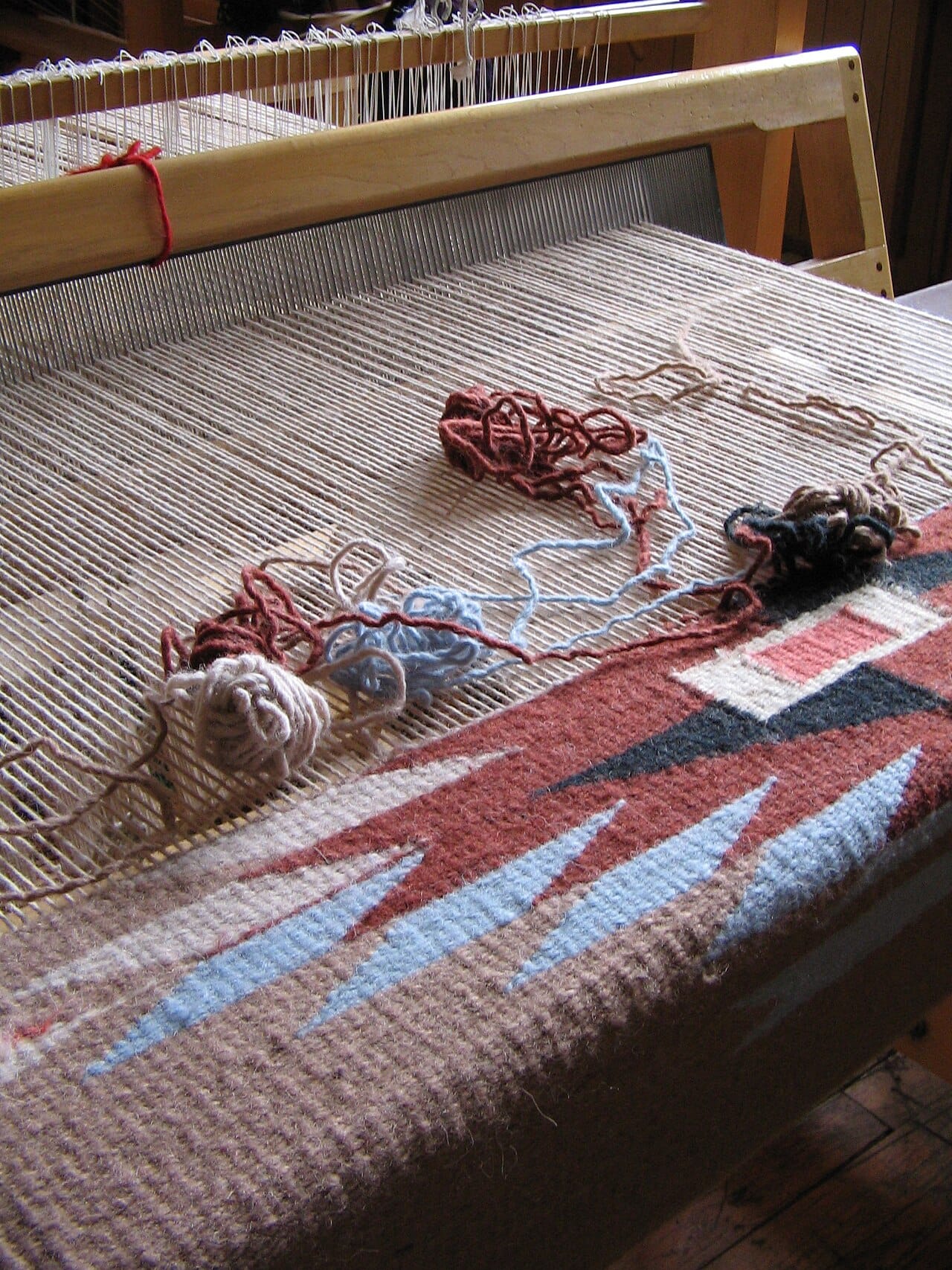
Three-dimensional art, made by removing material, adding it, or casting it. The method used constrains what can be made, and much of what distinguishes sculptural traditions follows from the materials available.
Subtractive sculpture removes material from a block. Carving stone or wood is subtractive, and it is unforgiving: material removed cannot be replaced, so the work proceeds from rough shaping to fine detail and a mistake at a late stage can destroy the piece.
Additive sculpture builds up material. Modelling in clay or wax allows continuous revision, which is why it is used for study and for the original from which a cast is made.
Casting combines them. A model is made in a workable material, a mould is taken, and the final piece is cast in metal, which allows the durability of bronze with the freedom of modelling.
Construction and assembly, joining prefabricated elements, became a major approach in the twentieth century and has no traditional equivalent at scale.
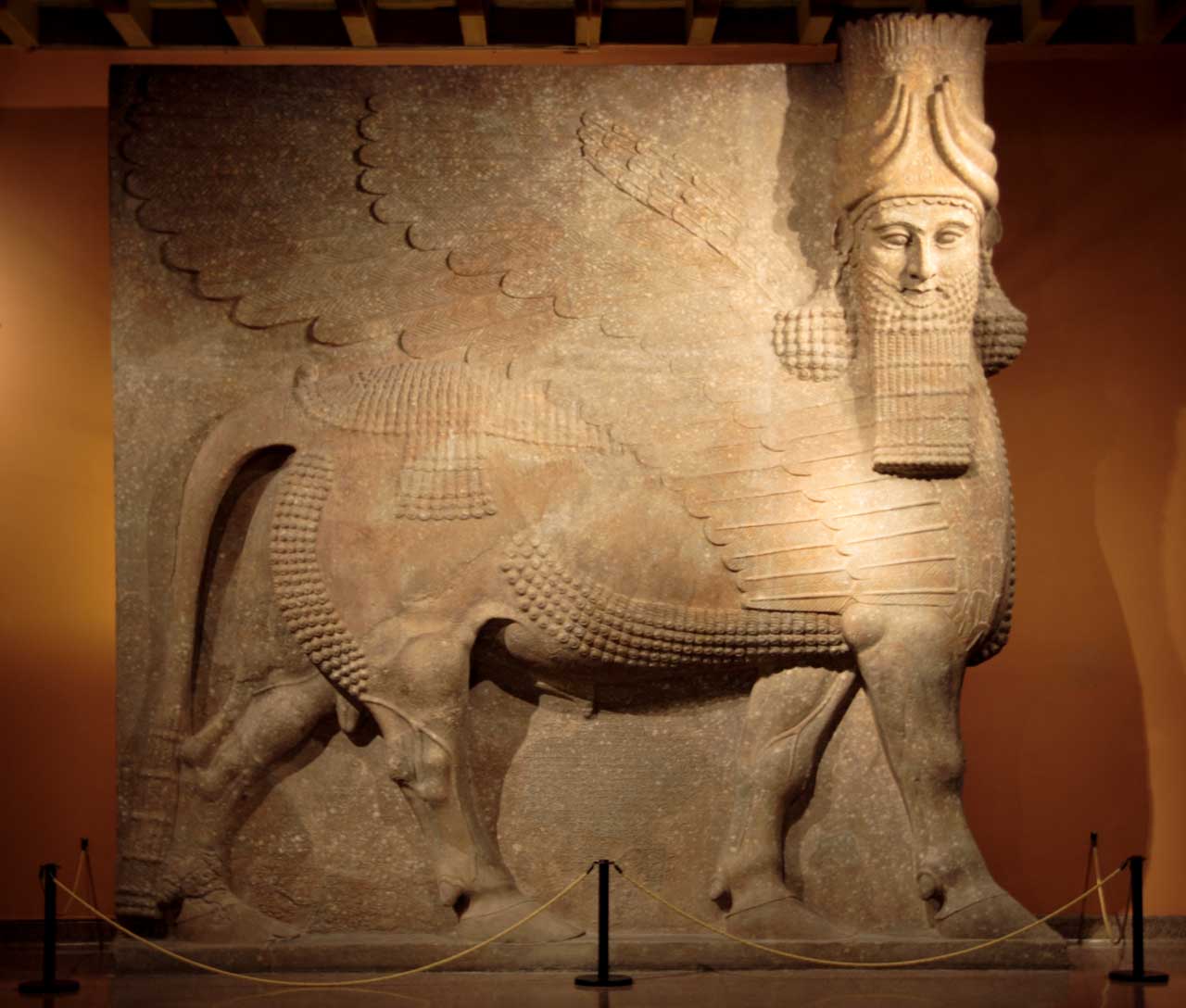
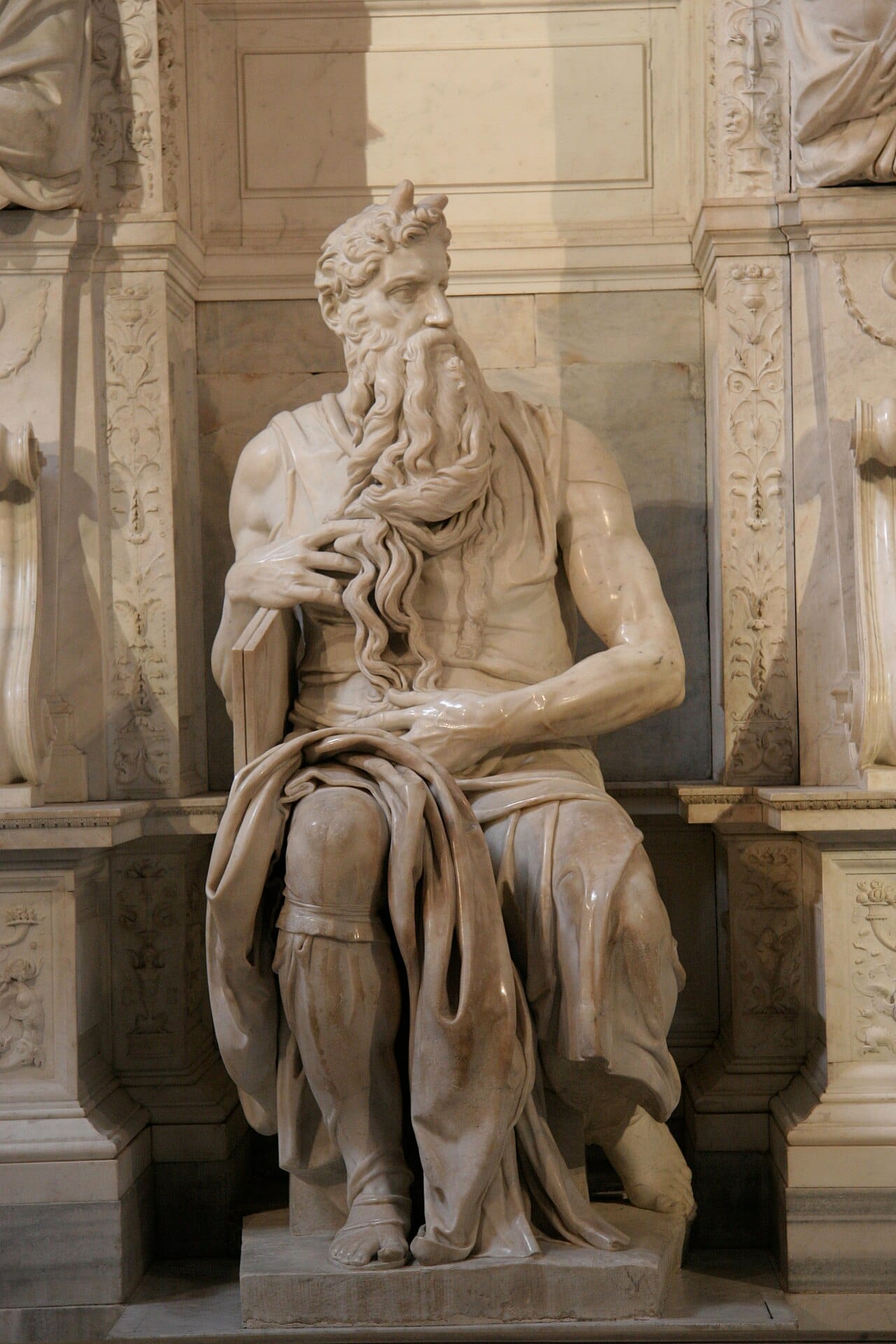
Stone is durable and heavy, and it is strong in compression and weak in tension. A stone figure cannot have thin unsupported limbs, which is why classical marble figures have struts, drapery or tree trunks supporting extended arms and legs.
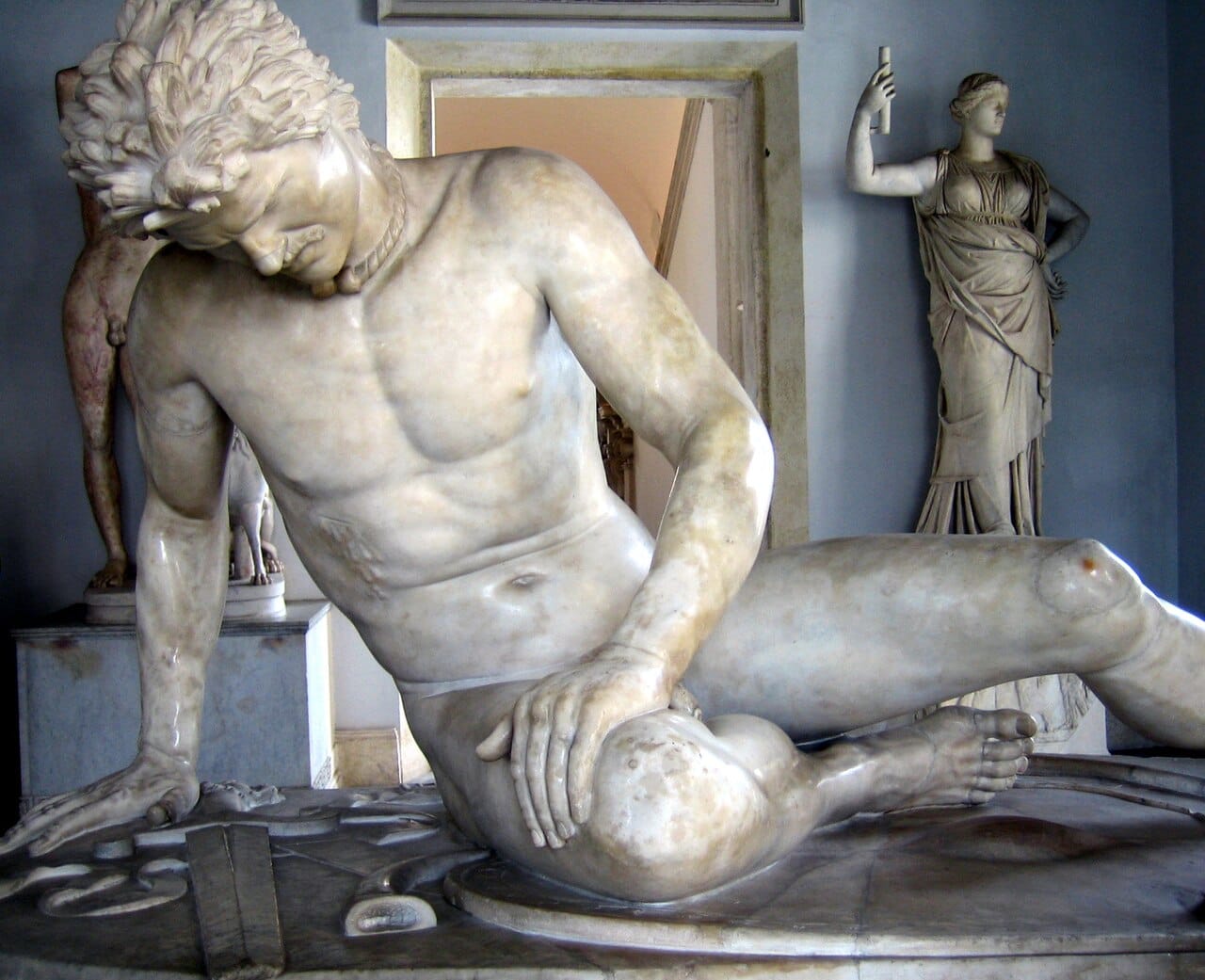
Bronze is strong in tension, so it permits extended limbs and dynamic poses without support. Much of what survives as Roman marble is a copy of a Greek bronze, and the added supports are one of the ways copies are recognised.
Bronze is also hollow-cast by the lost wax method, which uses far less metal and reduces weight. A wax model is coated in clay, the wax is melted out, and molten bronze fills the cavity.
Wood is workable and directional, splitting along the grain, and it decays. Substantial sculptural traditions in wood exist across Africa, the Pacific and Asia, and their early history is largely lost because the material does not survive.
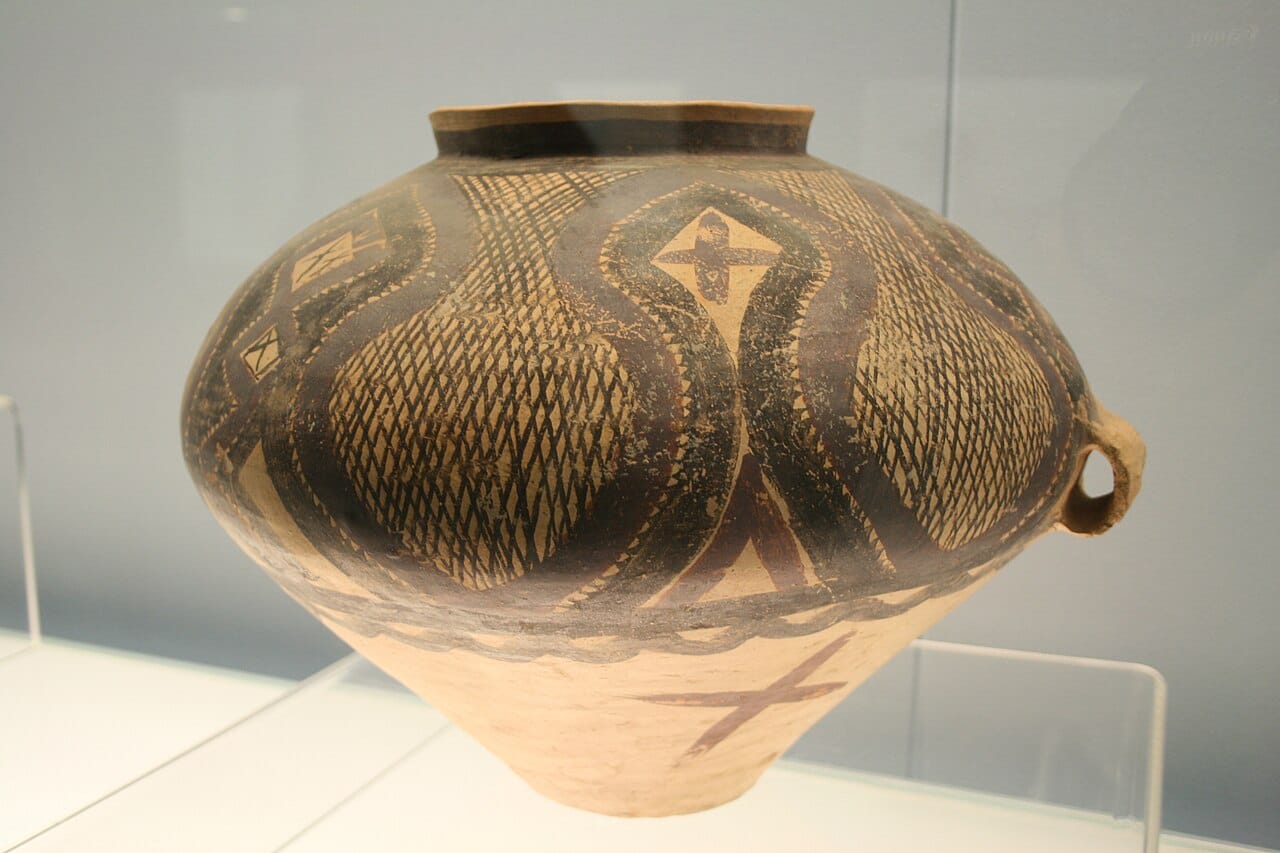
Clay and terracotta are cheap and workable and fire to a durable ceramic, which is why they are used at scale, including the Chinese terracotta army.
Ivory, jade and precious materials permit fine detail and small scale, and their value has always been part of the work's meaning.
Egyptian sculpture is characterised by frontality and by conventions maintained with little change for millennia, which reflects a deliberate stability rather than an inability to do otherwise.
Greek sculpture moved from rigid archaic forms to naturalism within about two centuries, and the classical treatment of the human body became the reference for European sculpture for two thousand years.
Roman work included portraiture of unusual realism and enormous quantities of copying of Greek originals, through which much Greek sculpture is known.
Buddhist sculptural traditions spread across Asia with the religion, adapting to local materials and conventions, and Gandharan work shows direct Hellenistic influence.
African sculptural traditions, particularly in wood and in bronze, include the Benin bronzes, cast by the lost wax method at a technical level that startled European observers and that led directly to their looting in 1897 and to the current restitution disputes.
Mesoamerican, Pacific and Indigenous American traditions each developed distinct approaches, frequently in materials with poor survival.
Sculpture broke from representation over the twentieth century, and the changes were substantial rather than stylistic.
Abstraction removed the requirement that a work depict something.
Materials expanded to include steel, plastics, found objects and industrial components, which the construction method made possible.
Scale changed in both directions, with monumental public works and with small objects.
Time and movement entered, through kinetic work and through installation and performance, which removed the assumption that sculpture is a static object.
Site-specific work is made for a particular place and loses its meaning if moved, which raises practical questions about conservation and ownership that portable objects do not.
Public monuments are the form of sculpture most people encounter and the most politically contested.
The removal of monuments, particularly those commemorating figures associated with slavery and colonialism, has produced sustained argument in several countries. The positions are about what a public monument does: whether it honours, records, or asserts a claim about whose history is public, and reasonable arguments are made on each side.
Restitution of objects removed during colonial rule is a related and separate question, and several museums have returned works or agreed transfers in recent years.
Sculpture is among the oldest surviving art forms, and figurines tens of thousands of years old are some of the earliest evidence of representation.
It is also the art form in which material constraints are most visible in the result. Why a marble figure has a strut, why a bronze can reach out into space, and why so little early wooden sculpture survives are all consequences of physical properties rather than of intention.