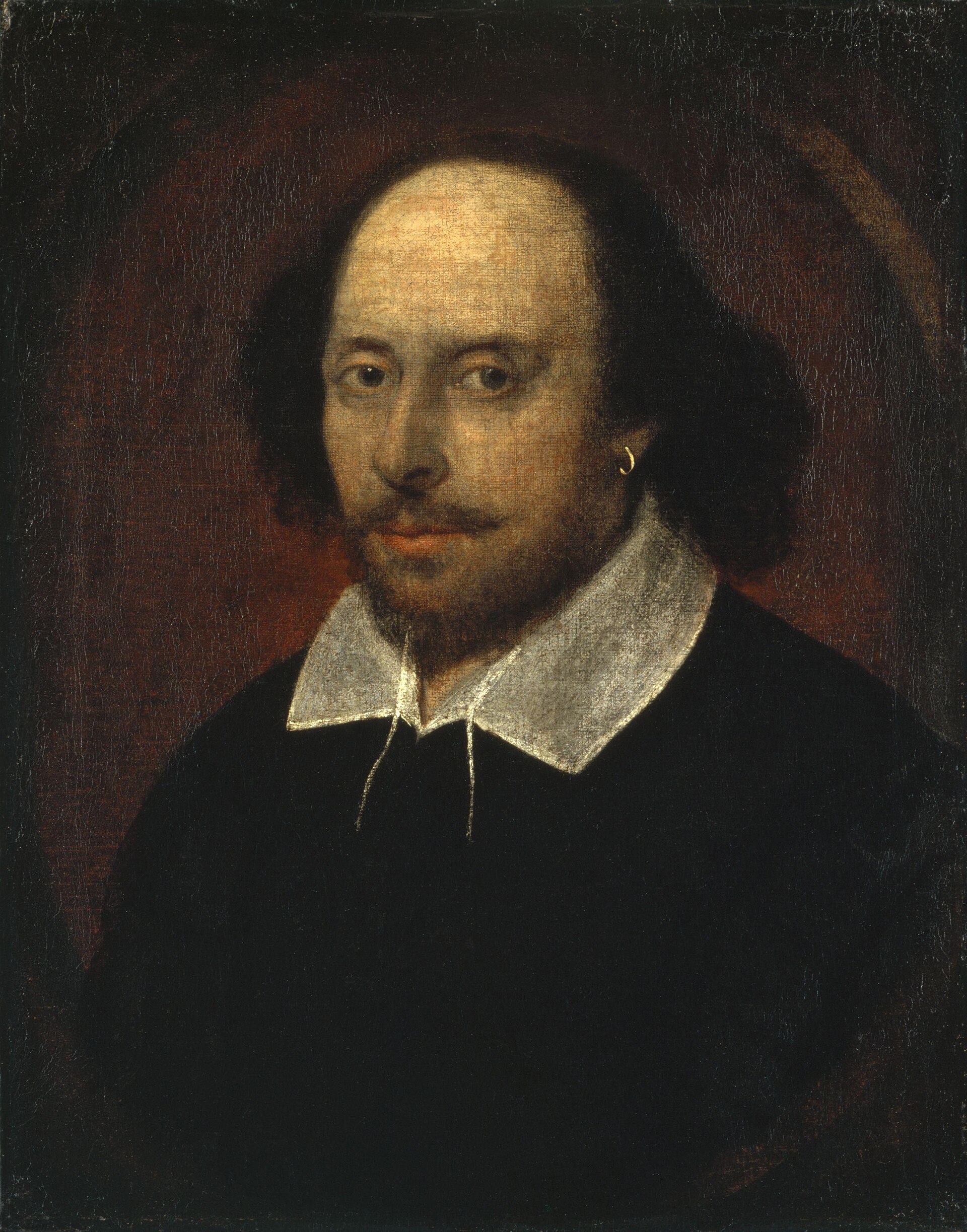
Recording images by the action of light on a light-sensitive surface. It required two separate discoveries, projecting an image and fixing it permanently, which were understood centuries apart.
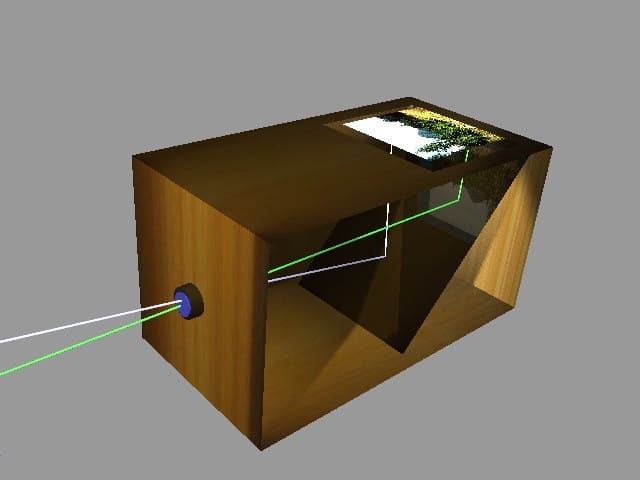
Projecting an image was solved long before recording it. Light passing through a small aperture into a dark space projects an inverted image of what is outside, an effect described by Ibn al-Haytham in the eleventh century and used by artists as a drawing aid from the Renaissance.
The camera obscura gave a perfect image that vanished when the light changed. What was missing was a way to keep it.
Fixing was the harder problem. Certain silver compounds were known by the eighteenth century to darken in light, and images made with them continued to darken until they were entirely black, because the unexposed compound remained sensitive.
Solving photography therefore required a chemical that would remove the remaining light-sensitive material without destroying the image, which is what fixing means.
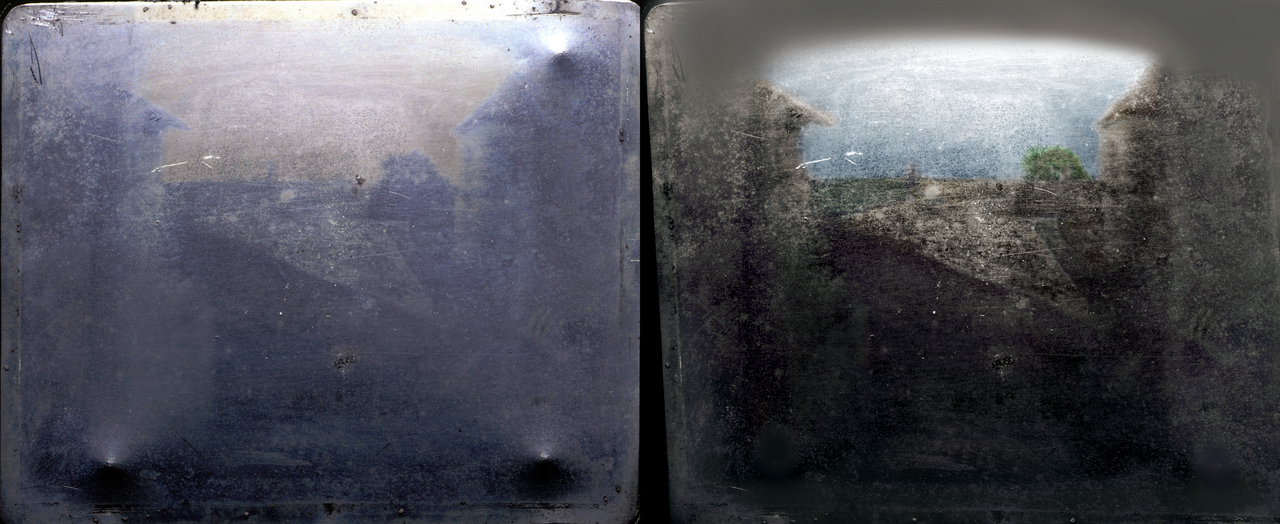
Nicéphore Niépce produced the earliest surviving photograph from nature around 1826, using bitumen on a pewter plate. The exposure took many hours, which is why the buildings in it are lit from both sides: the sun moved across the sky during the exposure.
Louis Daguerre, who had worked with Niépce, announced the daguerreotype in 1839. It produced a sharp image on a silvered plate, was a unique object that could not be copied, and reduced exposure to minutes.
William Henry Fox Talbot developed the calotype at the same period, producing a negative from which multiple positives could be printed. The daguerreotype gave better quality; the negative-positive principle gave reproducibility, and it is Talbot's approach that photography followed.
Wet collodion from the 1850s improved quality and required the plate to be coated, exposed and developed within minutes, which is why field photographers of the period travelled with darkroom wagons.
Dry gelatin plates from the 1870s removed that constraint, and roll film and the Kodak camera from 1888 put photography in the hands of people with no technical knowledge, which changed who took photographs and of what.
Photography changed evidence. An image made by light rather than by hand carried a claim to accuracy that drawing did not, and it entered law, journalism, science and record-keeping on that basis.
It changed painting. Portraiture and topographical accuracy had been substantial parts of a painter's work, and photography did both cheaply, which is among the reasons painting moved toward what photography could not do.
It changed science directly. Astronomical photography accumulated faint light over long exposures, revealing objects no eye could see. Muybridge's sequential photographs settled the question of whether a galloping horse leaves the ground entirely, as the scientific method capsule notes. Medical, microscopic and X-ray imaging all follow.
It changed memory and identity. Ordinary people could possess images of their families and of themselves, which had previously required commissioning a painting.
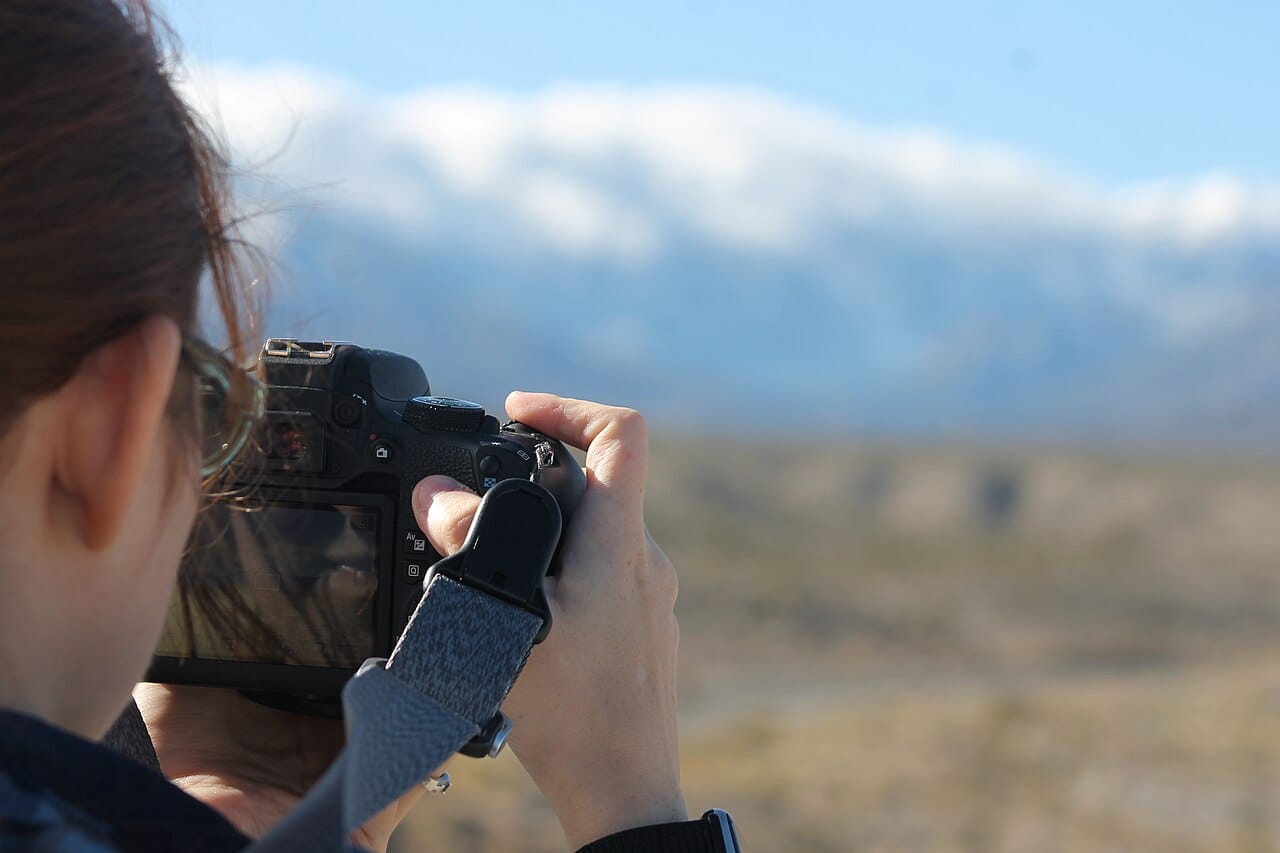
Digital sensors replace film with an array of light-sensitive elements that convert photons to charge, which is read out and stored as data.
The change was rapid and total in consumer use. Film manufacture contracted enormously within about a decade, and the dominant camera is now a telephone.
Several consequences followed from the marginal cost of an image falling to nothing. The number of photographs made annually rose by orders of magnitude. Immediate review removed the delay between taking and seeing. And the discipline imposed by a finite roll of film disappeared.
Manipulation became easier, and it is worth noting that it was never absent. Photographs were retouched, staged and composited from the earliest period, and the assumption that a photograph is a reliable record was always weaker than it appeared. Generative image synthesis has made the question sharper rather than new.
Photography was the first medium to record an image of the world without a person drawing it, and the authority that attached to that fact reshaped evidence, journalism, science and art within a few decades.
It also illustrates how a technology can wait on a single missing step. The camera obscura was understood for eight centuries before anyone could fix what it projected, and the whole of photography follows from solving a chemistry problem rather than an optical one.