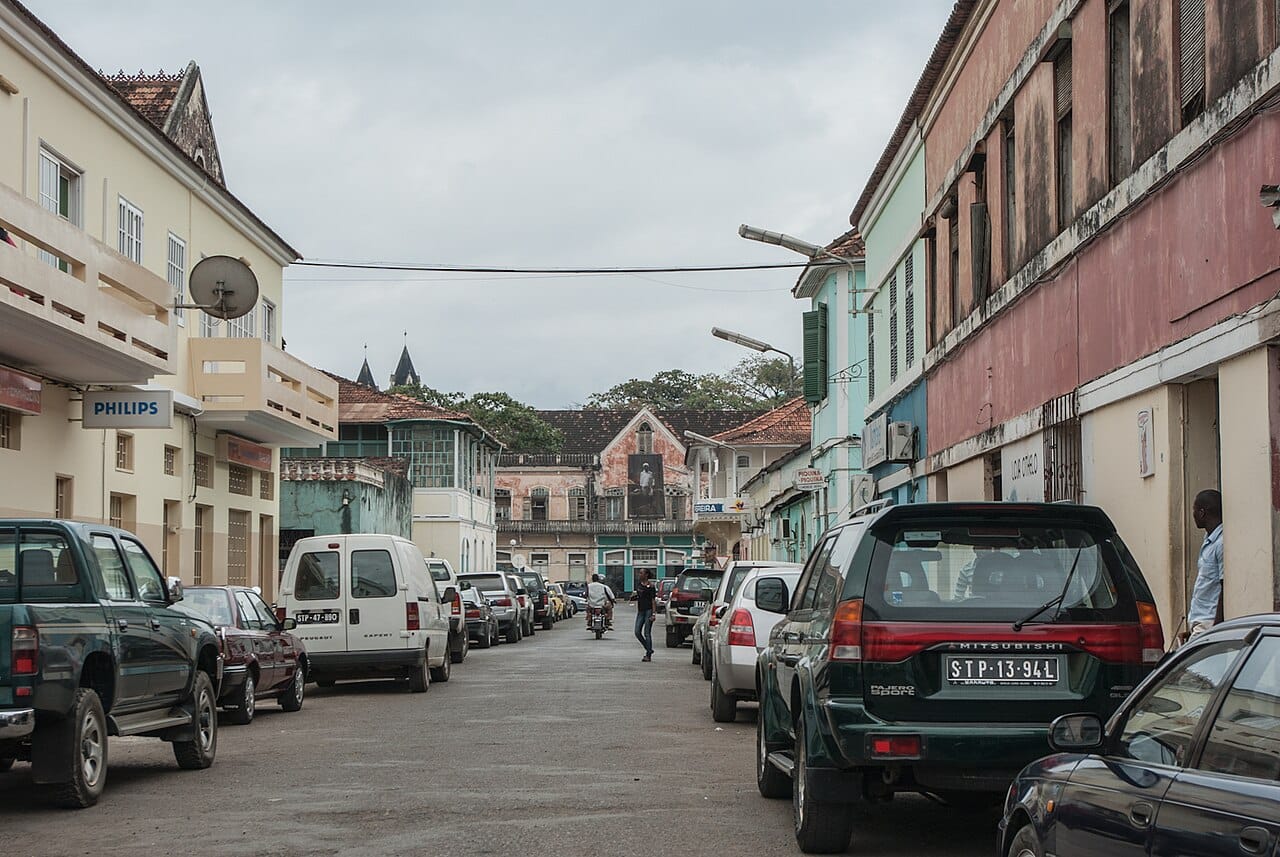
São Tomé and Príncipe is a tiny island nation in the Gulf of Guinea, off the western coast of Central Africa, made up of two main volcanic islands straddling the equator. The second smallest country in Africa, it was uninhabited until Portuguese settlers arrived in the late fifteenth century and built an economy first on sugar and then on cocoa, worked by enslaved and forced labour. Lush, green, and remote, it is a peaceful Creole nation of dramatic volcanic scenery and rich biodiversity.
The story of São Tomé and Príncipe is the story of the plantation: empty islands turned into one of the world's first slave-worked estates, and later its greatest producer of chocolate, at a terrible human cost.
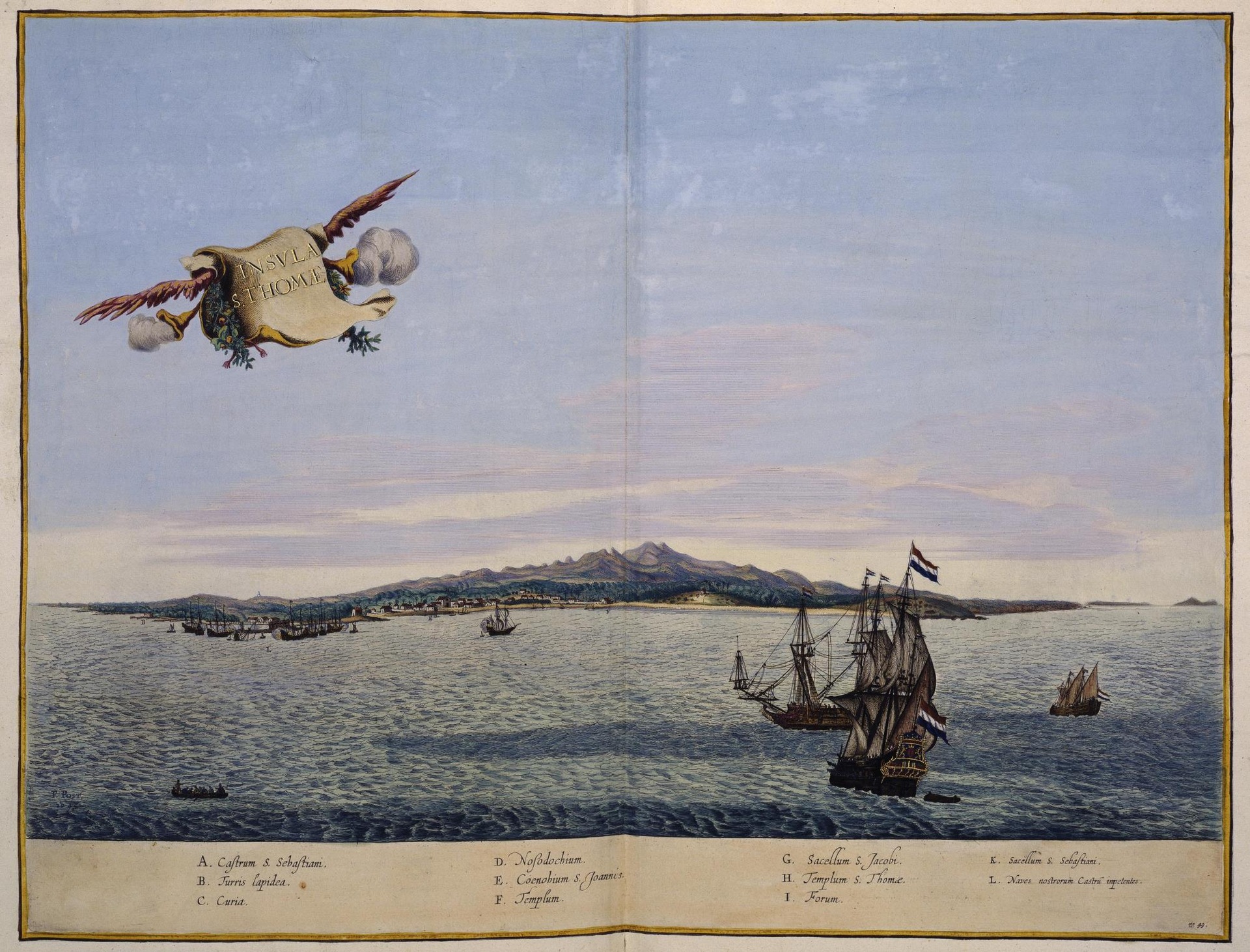
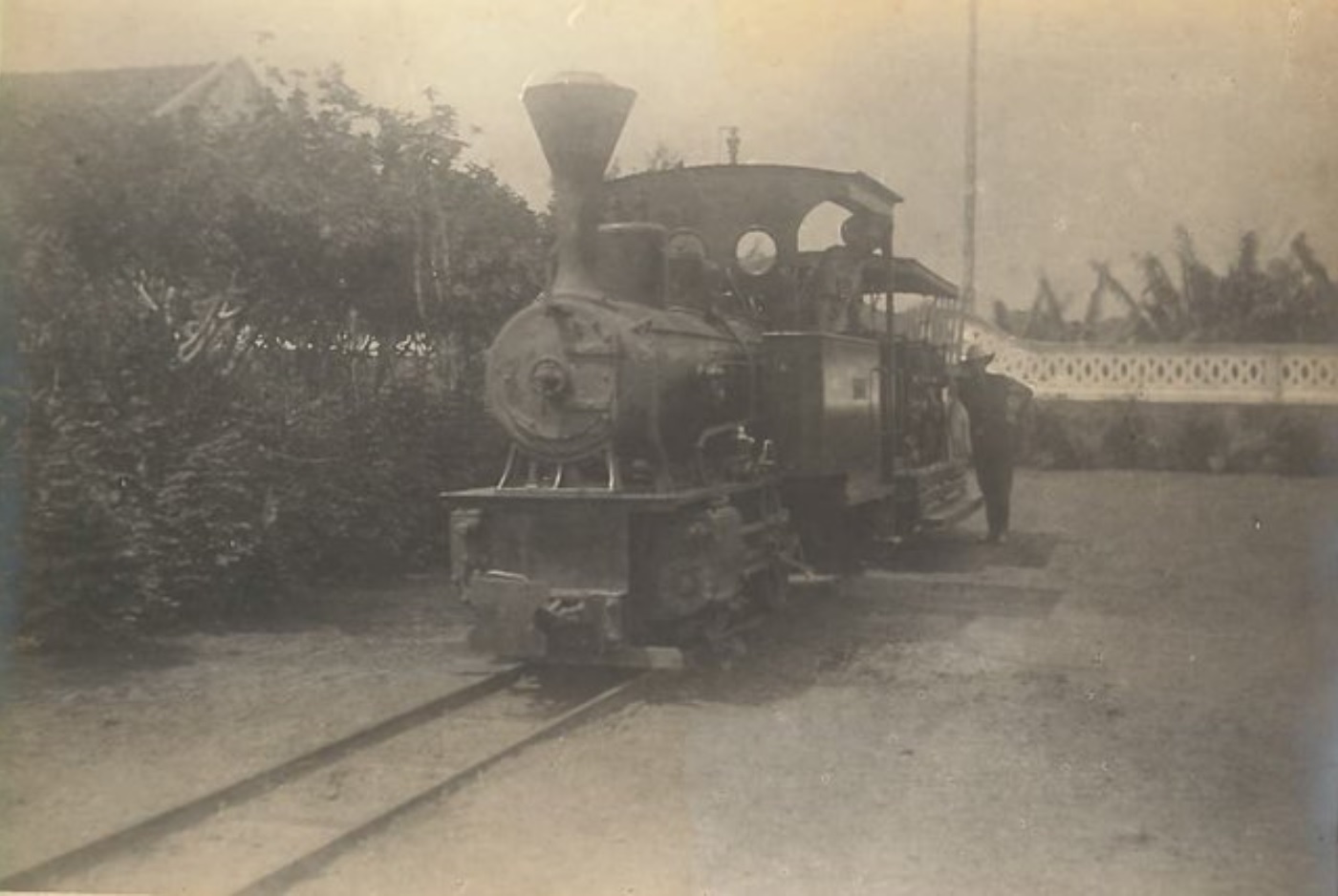
The islands were uninhabited when Portuguese navigators reached them around 1470, and they were soon turned into one of the world's very first plantation economies, growing sugar with the labour of enslaved Africans, a brutal model that Portugal would carry across the Atlantic to Brazil. A Creole society emerged from the mixing of Portuguese settlers, enslaved Africans, and their descendants, and the islands became a fortified way-station of empire, contested at times by other European powers.
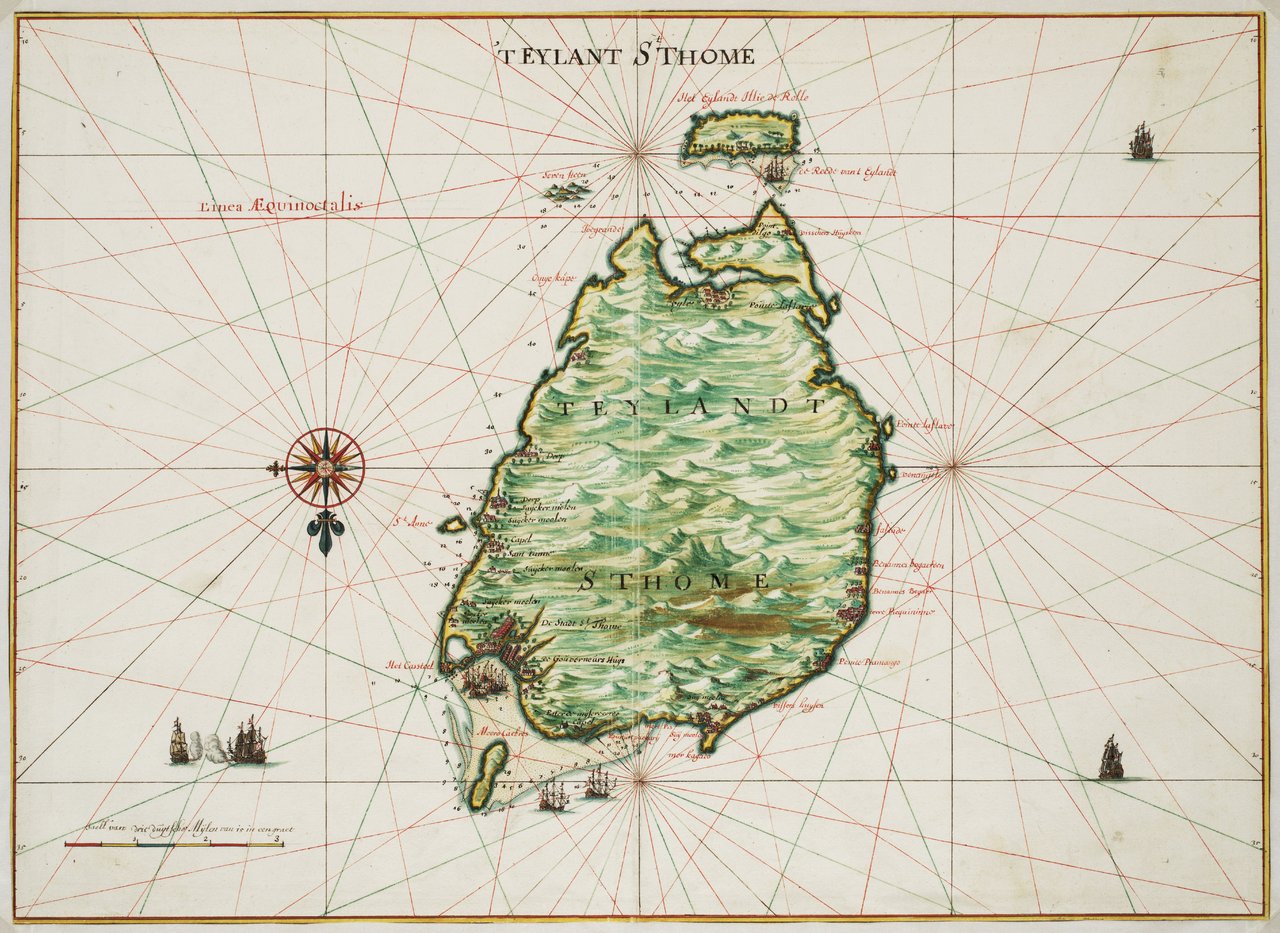
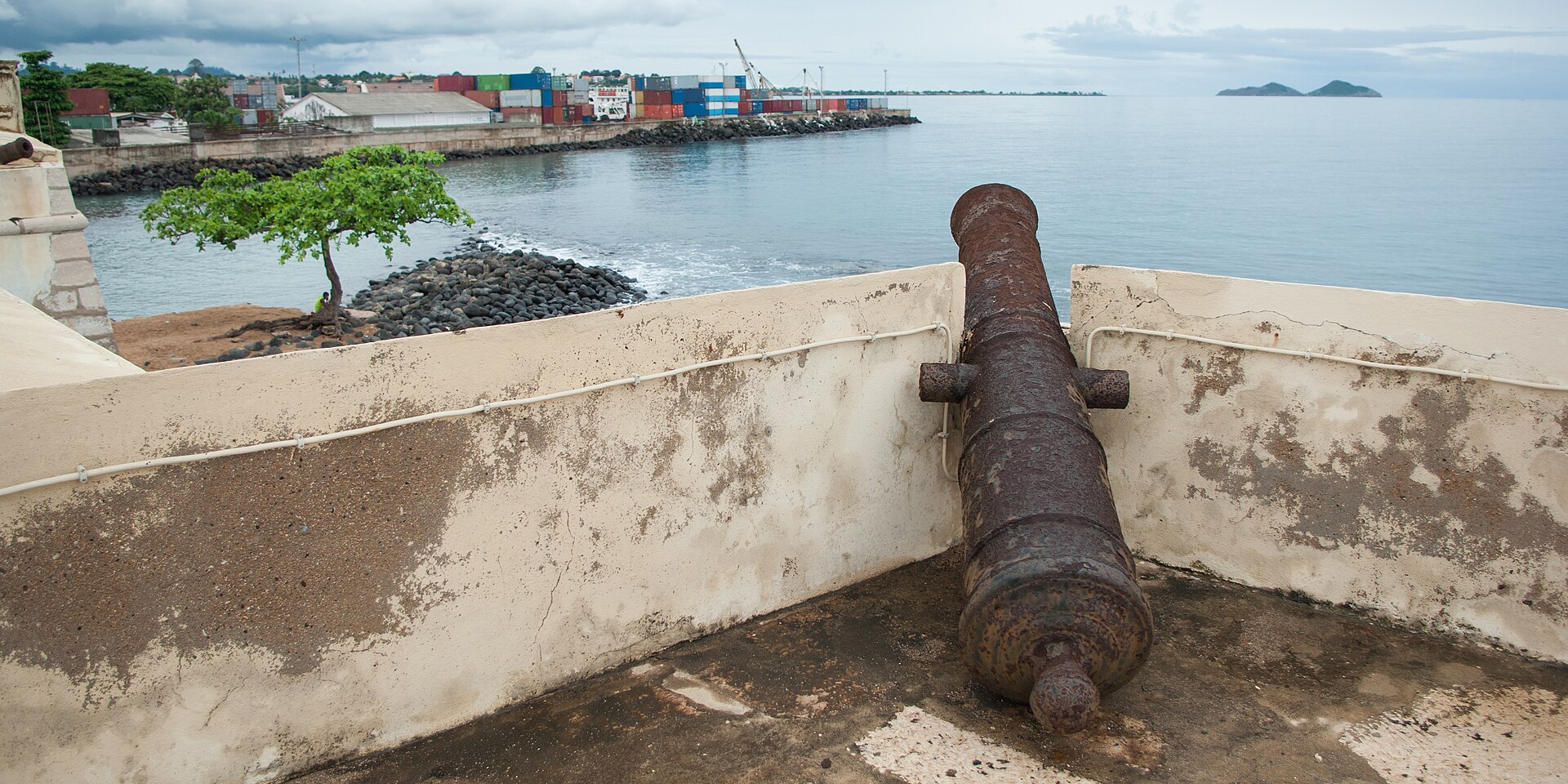
In the nineteenth century the islands were reborn on a new crop, cocoa, and for a time São Tomé was the largest producer in the world, the original chocolate islands. But the great roças, or plantation estates, were worked by labourers brought from Angola, Cape Verde, and Mozambique under a system of contract labour so coercive that it amounted to slavery in all but name, provoking an international scandal. Resentment of colonial rule culminated in the 1953 Batepá massacre, in which Portuguese authorities killed hundreds of islanders, an event seared into the national memory. Independence came peacefully in 1975.
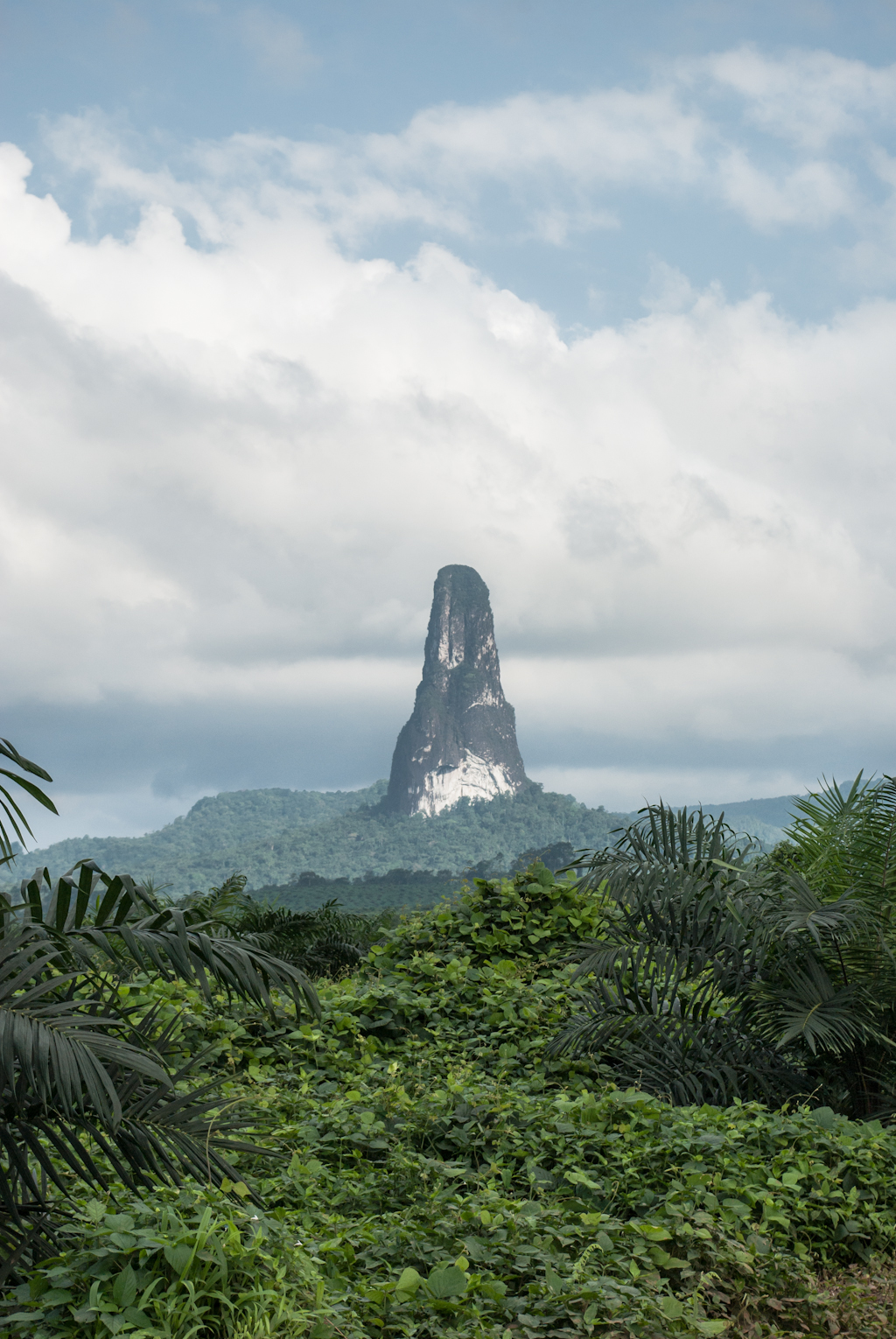
São Tomé and Príncipe consists of two main mountainous, volcanic islands and several islets, sitting almost on the equator in the Gulf of Guinea. The islands are lush and green, with a hot, humid climate, dense rainforest, and dramatic volcanic peaks, the most striking being the Pico Cão Grande, a towering needle of solidified lava rising sheer from the forest. This rich tropical environment, isolated in the ocean, has produced a remarkable variety of plants and birds found nowhere else, making the islands a treasure of biodiversity.

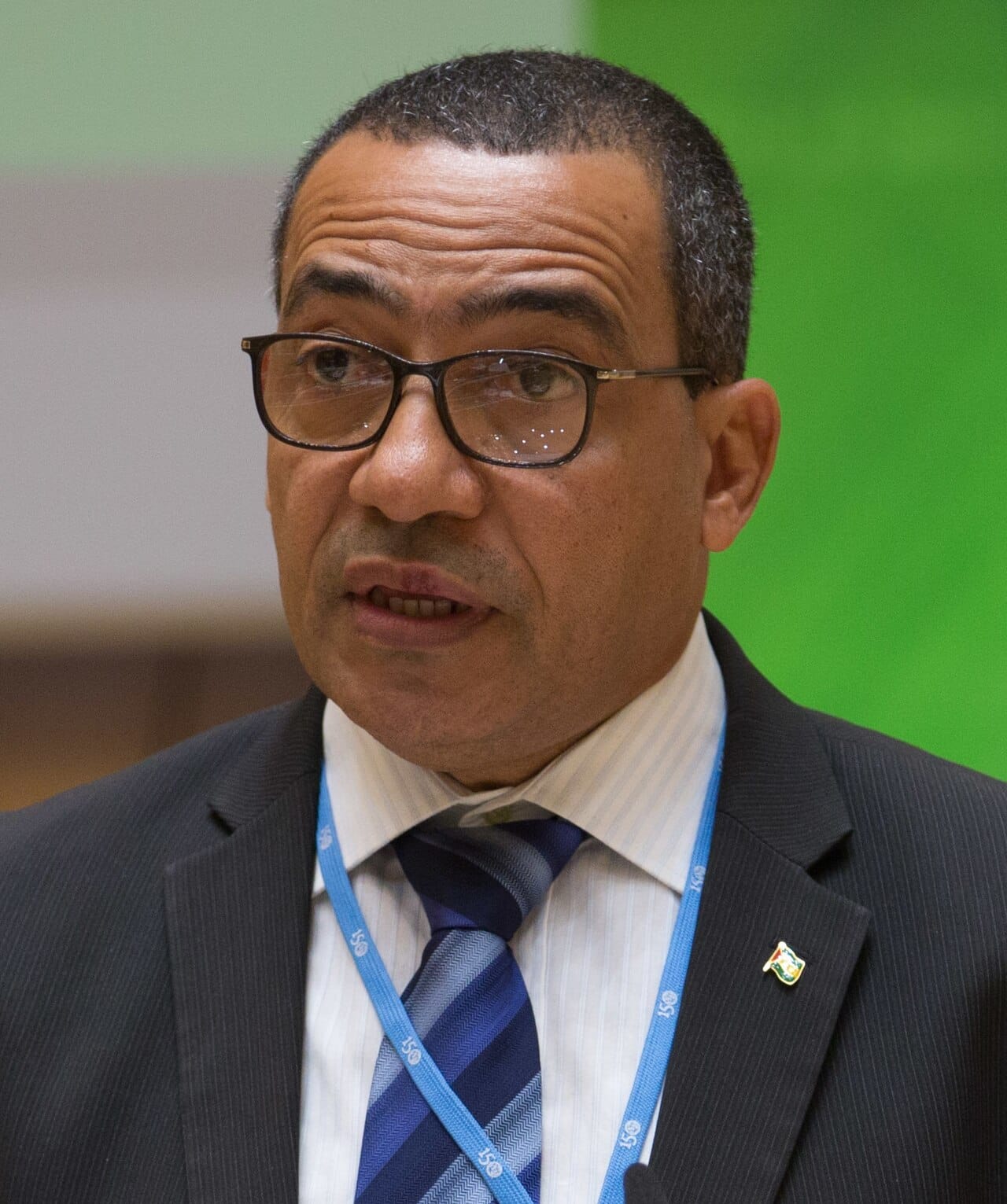
São Tomé and Príncipe is a small semi-presidential democracy that, despite its poverty and a few moments of turbulence, has maintained multiparty rule since 1990, with power passing between parties through elections. The president since 2021 is Carlos Vila Nova. The country's politics can be unstable for so small a state, marked by frequent changes of government, tension between the president and prime minister, and, in 2022, a foiled coup attempt, and it remains heavily dependent on foreign aid, with recurring hopes that oil discovered in its surrounding waters might one day transform its fortunes.
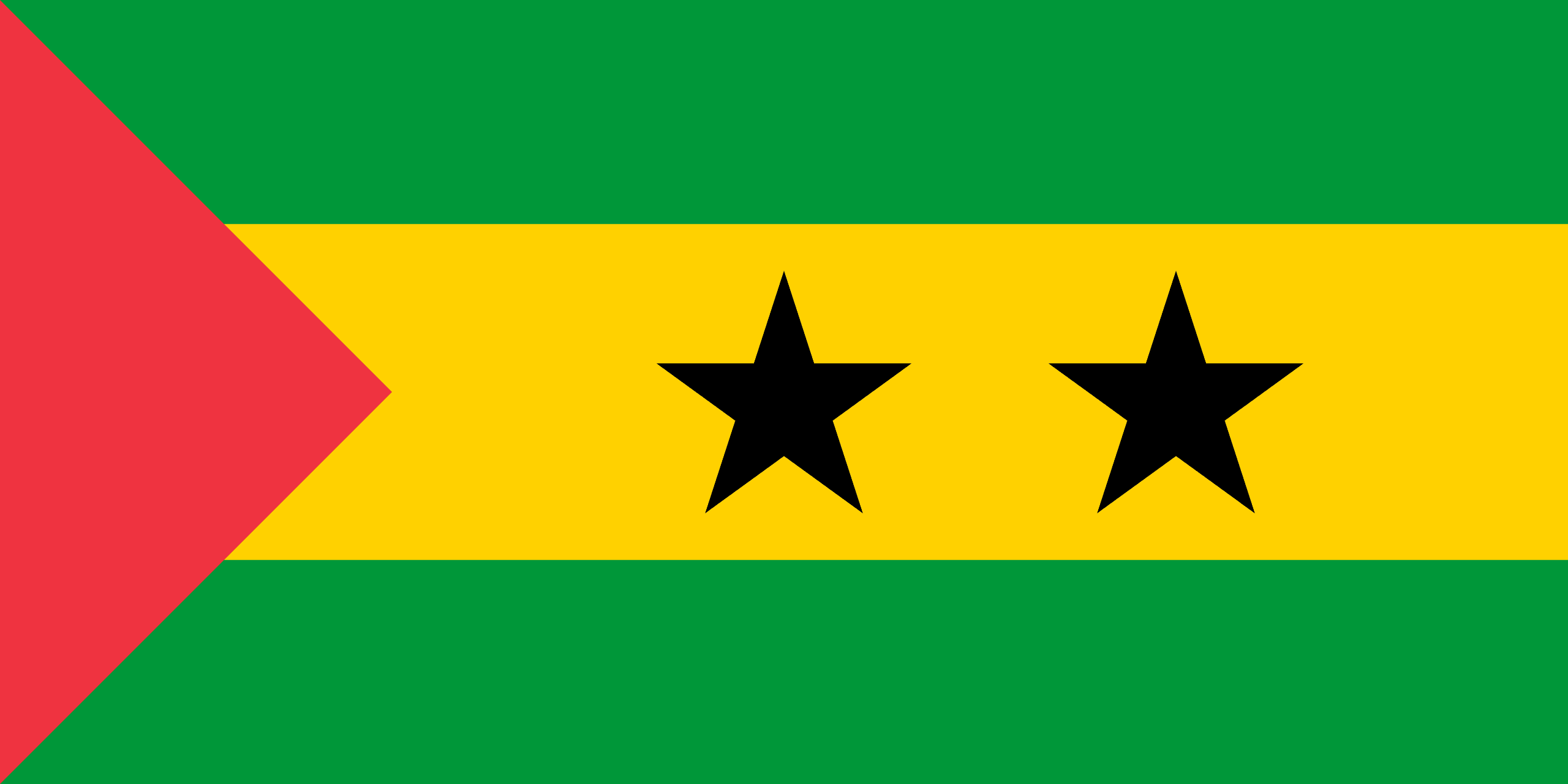
The flag of São Tomé and Príncipe has three horizontal bands of green, yellow, and green, with a red triangle at the hoist and two black stars on the yellow band. These are the pan-African colours: the green represents the islands' lush vegetation, the yellow the cocoa and the sun, and the red the struggle for independence, while the two black stars stand for the two main islands and the African people. The design reflects both the African heritage and the liberation movement.
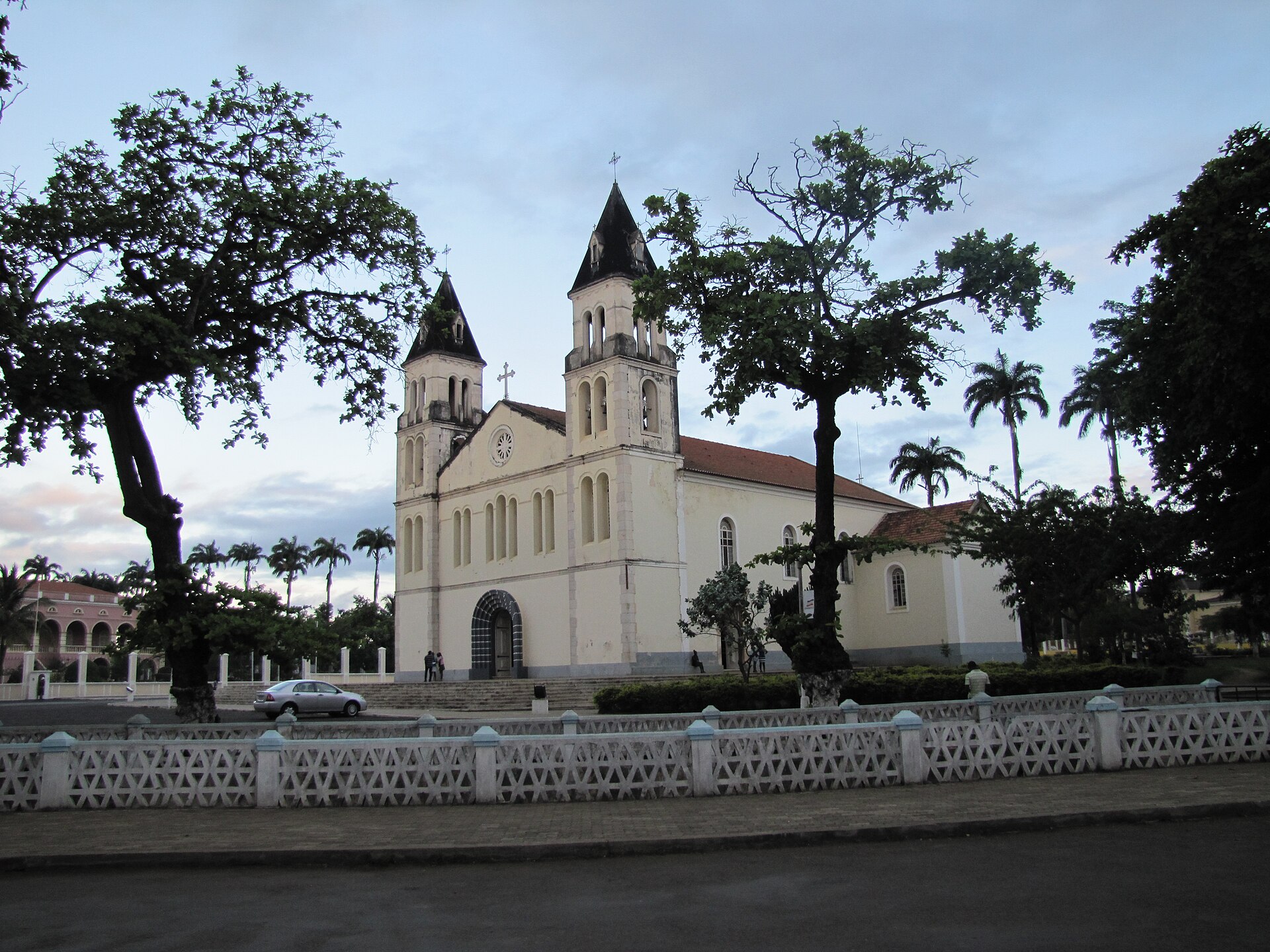
São Tomé and Príncipe is overwhelmingly Christian, the legacy of Portuguese colonisation, with the great majority belonging to the Roman Catholic Church, whose churches and festivals are central to island life, alongside smaller Protestant and evangelical communities. As in other Creole societies of the region, Catholic practice has sometimes blended with elements of African tradition. The islands are strongly Catholic in character, a clear inheritance of their centuries as a Portuguese colony.
The cuisine of São Tomé and Príncipe is tropical and Creole, drawing on the produce of the islands and the surrounding sea. Fish and seafood are central, often grilled or stewed, served with staples such as breadfruit, banana, and root vegetables. A characteristic dish is calulu, a stew of fish or meat with vegetables and palm oil. Tropical fruits abound, and the islands' famous cocoa appears in chocolate, in a food culture that blends African ingredients with Portuguese influence.
Agriculture has long been the heart of the economy of São Tomé and Príncipe, and above all it has meant cocoa: in colonial times the islands were among the world's leading producers, and cocoa, now often grown organically for premium markets, remains the principal export crop, grown on the rich volcanic soils. Coffee, coconut, and palm oil are also produced, along with food crops and fishing in the surrounding waters. The economy, however, is small and the country relies heavily on aid.
São Tomé and Príncipe has a population of around 230,000 people, almost all of mixed African and Portuguese, or Creole, descent, descendants of enslaved Africans, plantation labourers, and settlers, sharing the official Portuguese language along with local Creole tongues. The great majority live on the larger island of São Tomé, especially in and around the capital city of the same name, while the smaller island of Príncipe, which enjoys its own autonomy, holds a tiny fraction of the population. The islands are peaceful and close-knit.