Kenya is a country in East Africa, sitting astride the equator on the Indian Ocean coast. Its landscapes are dramatically varied, from tropical beaches and coral reefs to the savanna plains famous for their wildlife, the Great Rift Valley, and the snow-capped heights of Mount Kenya, the country's namesake and the second highest peak in Africa. It is a regional hub for trade, technology, and conservation.
Kenya's history stretches from the very origins of humanity, through the Indian Ocean world of the Swahili coast, to a hard colonial century and a proud independence.
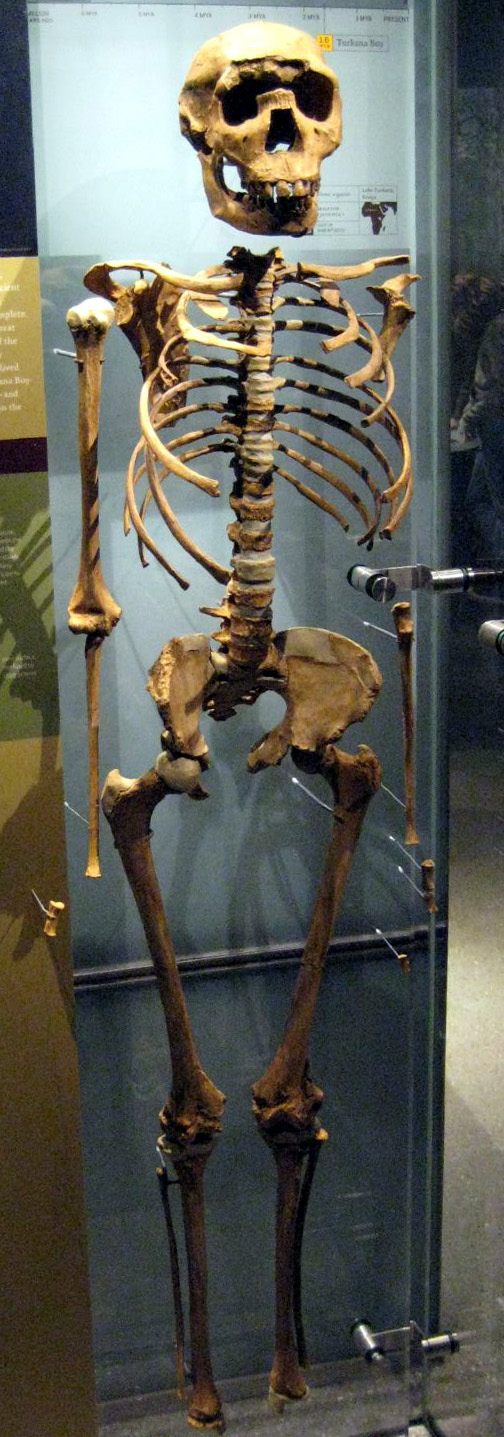
The lands around Lake Turkana and the Rift Valley hold some of the oldest and richest evidence of human origins anywhere on Earth, earning Kenya a place among the cradles of humankind. Fossils found here, of early humans and their ancestors going back millions of years, have helped write the story of how our species came to be.
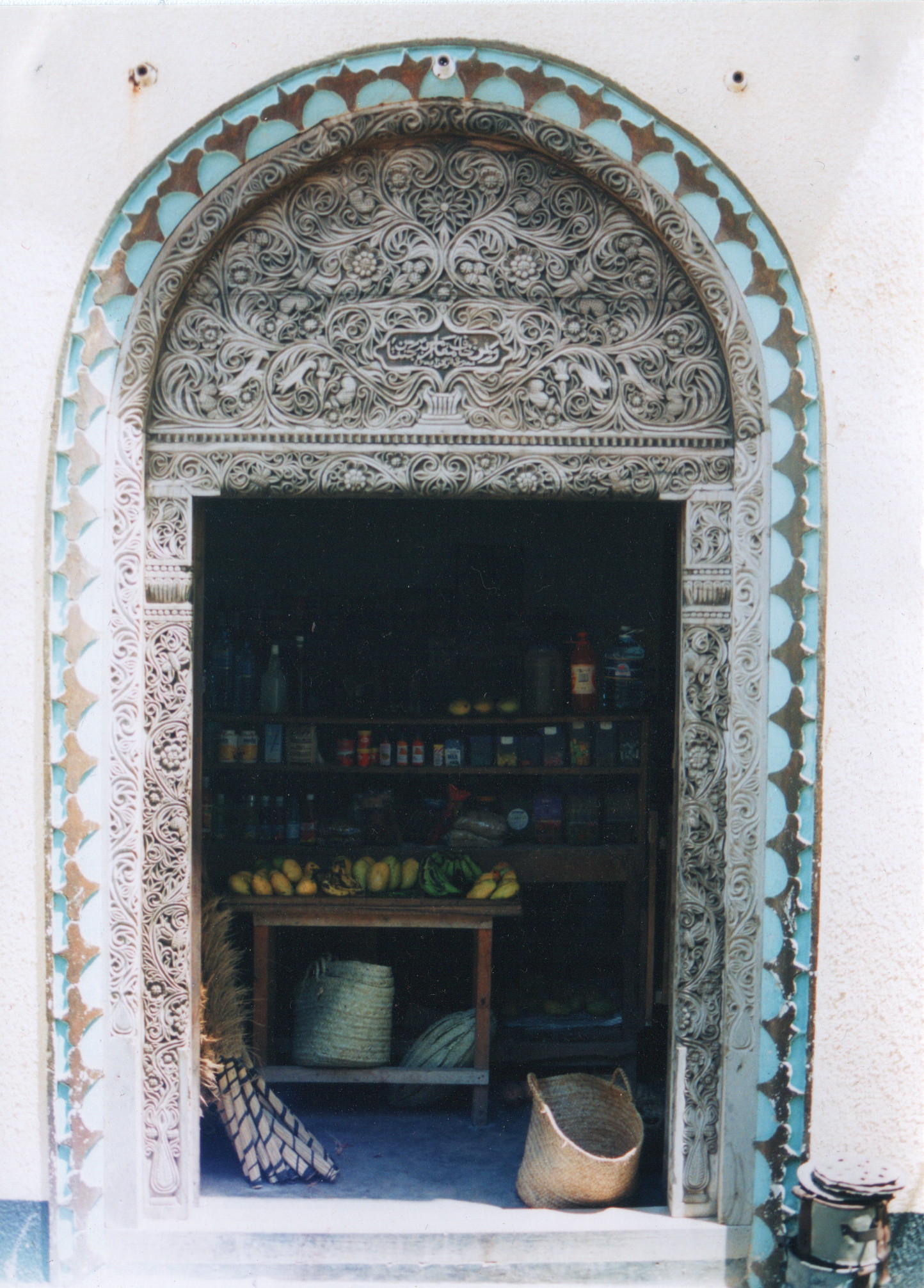
For more than a thousand years the Indian Ocean shore was part of a thriving Swahili trading world, where African, Arab, Persian, and Indian merchants exchanged gold, ivory, and spices, and where a distinctive Swahili language and culture, and the Islamic faith, took root in coastal city-states such as Mombasa and Lamu. The Portuguese, and later the sultans of Oman, contended for this rich coast.
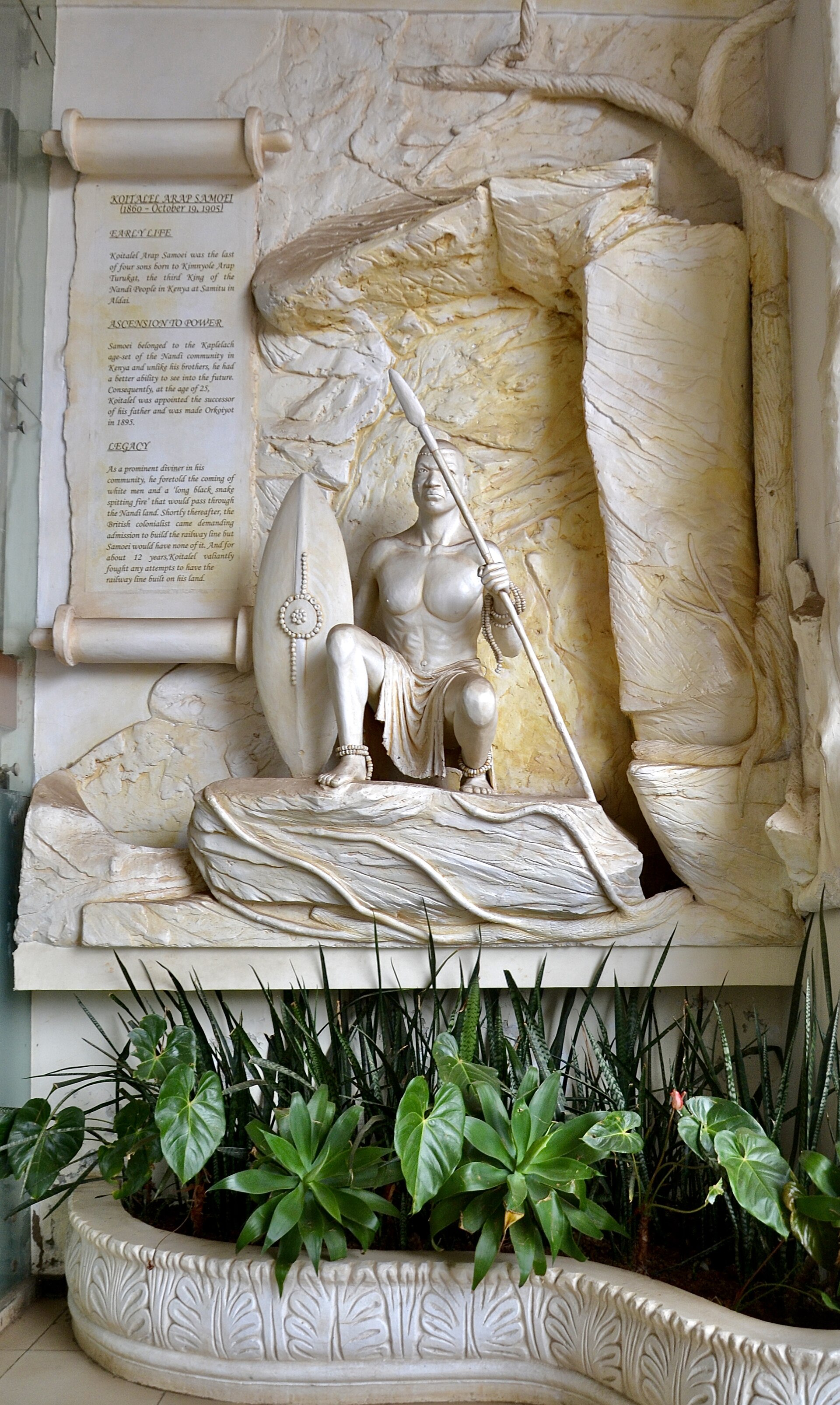
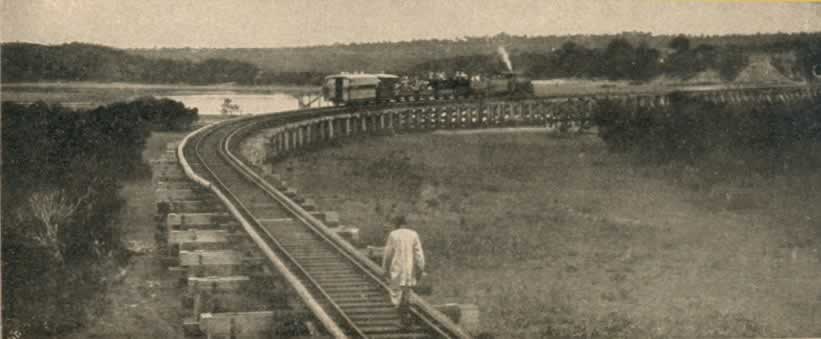
In the late nineteenth century Britain took control of the interior, building a railway from Mombasa to Lake Victoria and encouraging European settlers to seize fertile highland farmland, displacing communities such as the Kikuyu and Maasai. Kenyan peoples resisted from the start, among them the Nandi under Koitalel Arap Samoei, before the colony was fully imposed.
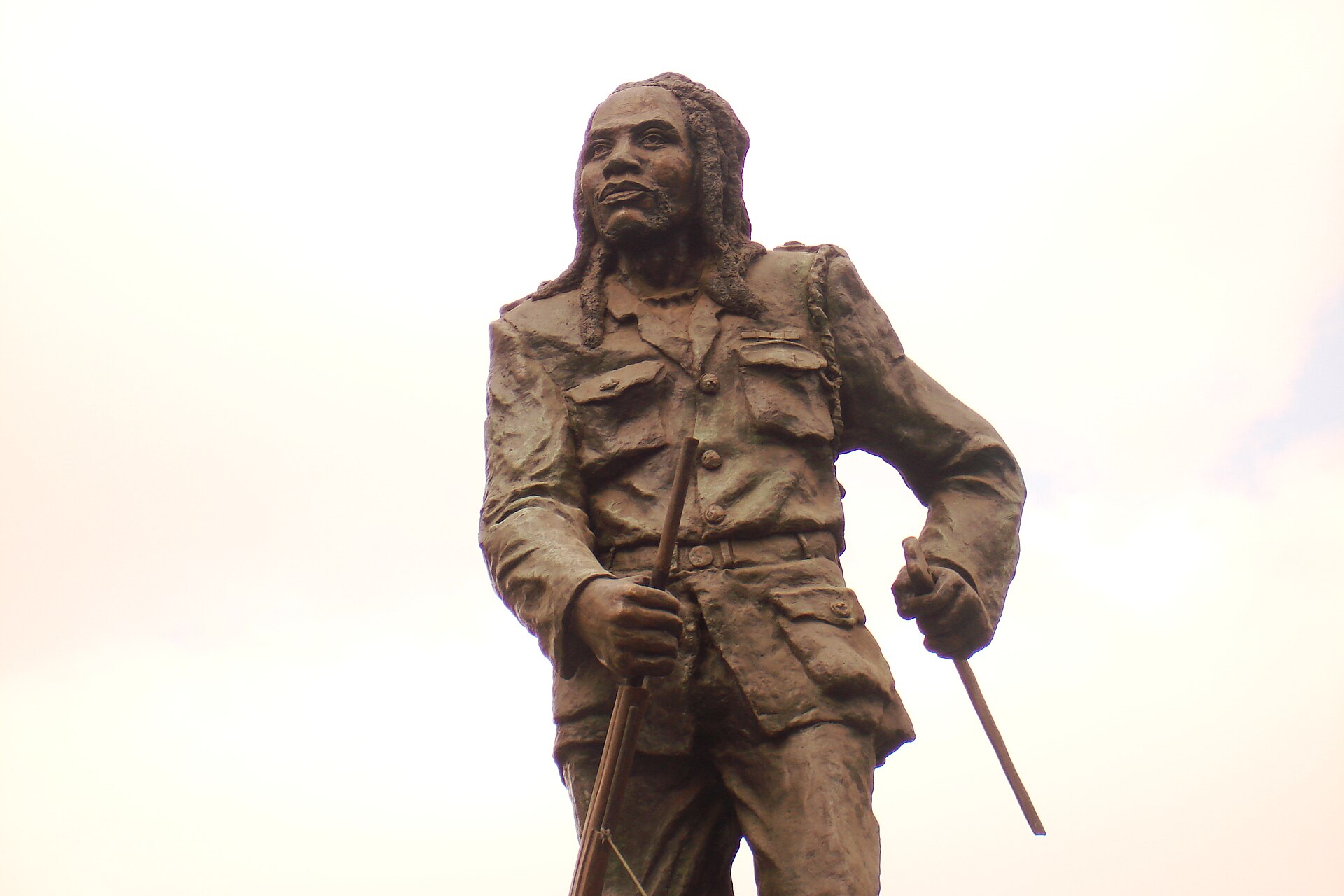
Resentment at land loss and colonial rule erupted in the 1950s in the Mau Mau uprising, a rebellion centred among the Kikuyu that Britain crushed with harsh repression, mass detention, and violence, but which helped break the colonial hold. Independence came in 1963 under Jomo Kenyatta, the country's founding leader.
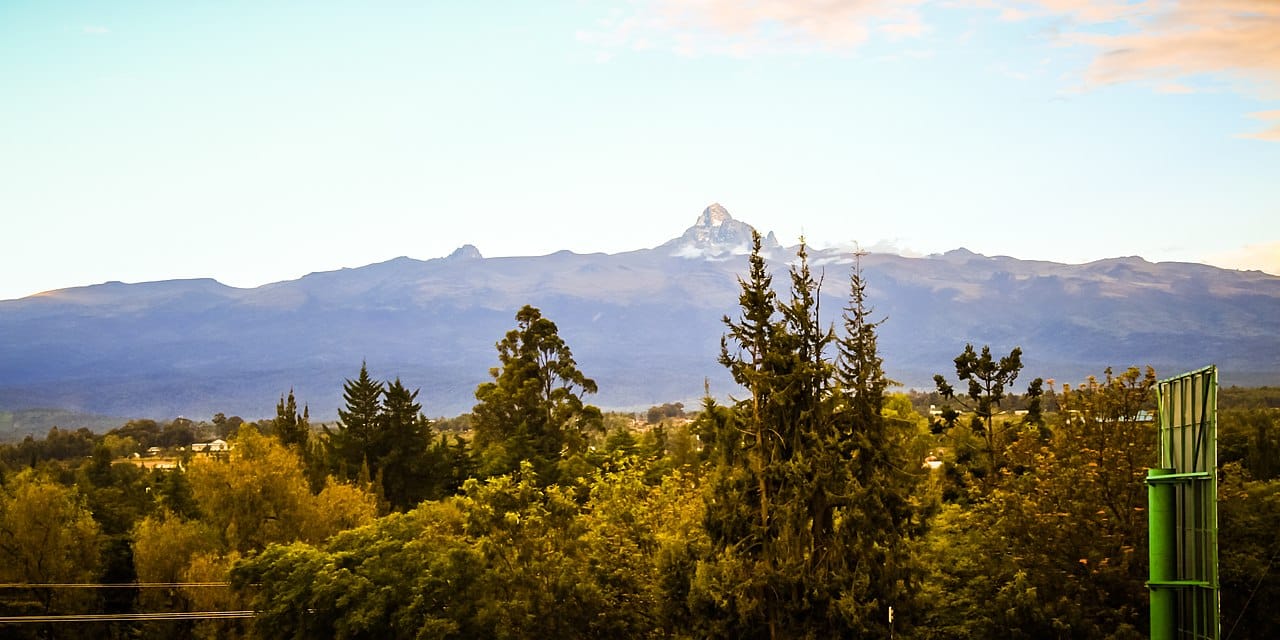
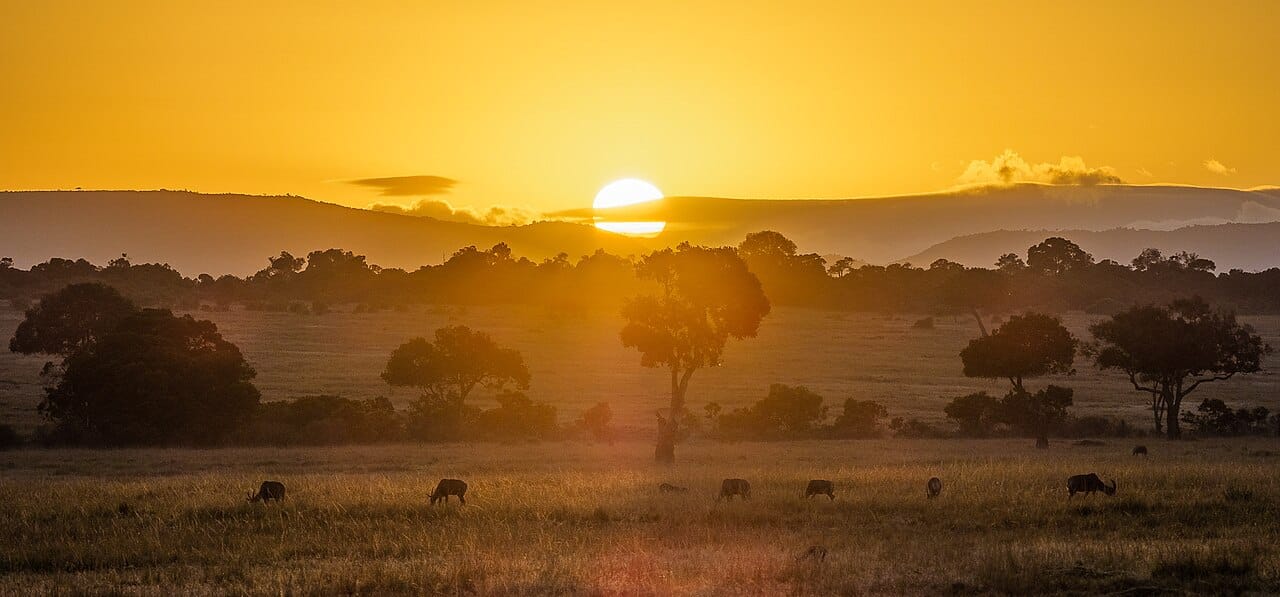
Kenya's terrain is among the most varied in Africa. The Great Rift Valley, a vast geological trench, cuts north to south through the country, dotted with lakes and volcanoes. To the west lies a share of Lake Victoria, the largest lake in Africa; to the east, a tropical coastline on the Indian Ocean. Between them rise cool, fertile highlands and Mount Kenya itself. The famous savannas, home to lions, elephants, and the great wildebeest migration, draw visitors from around the world.
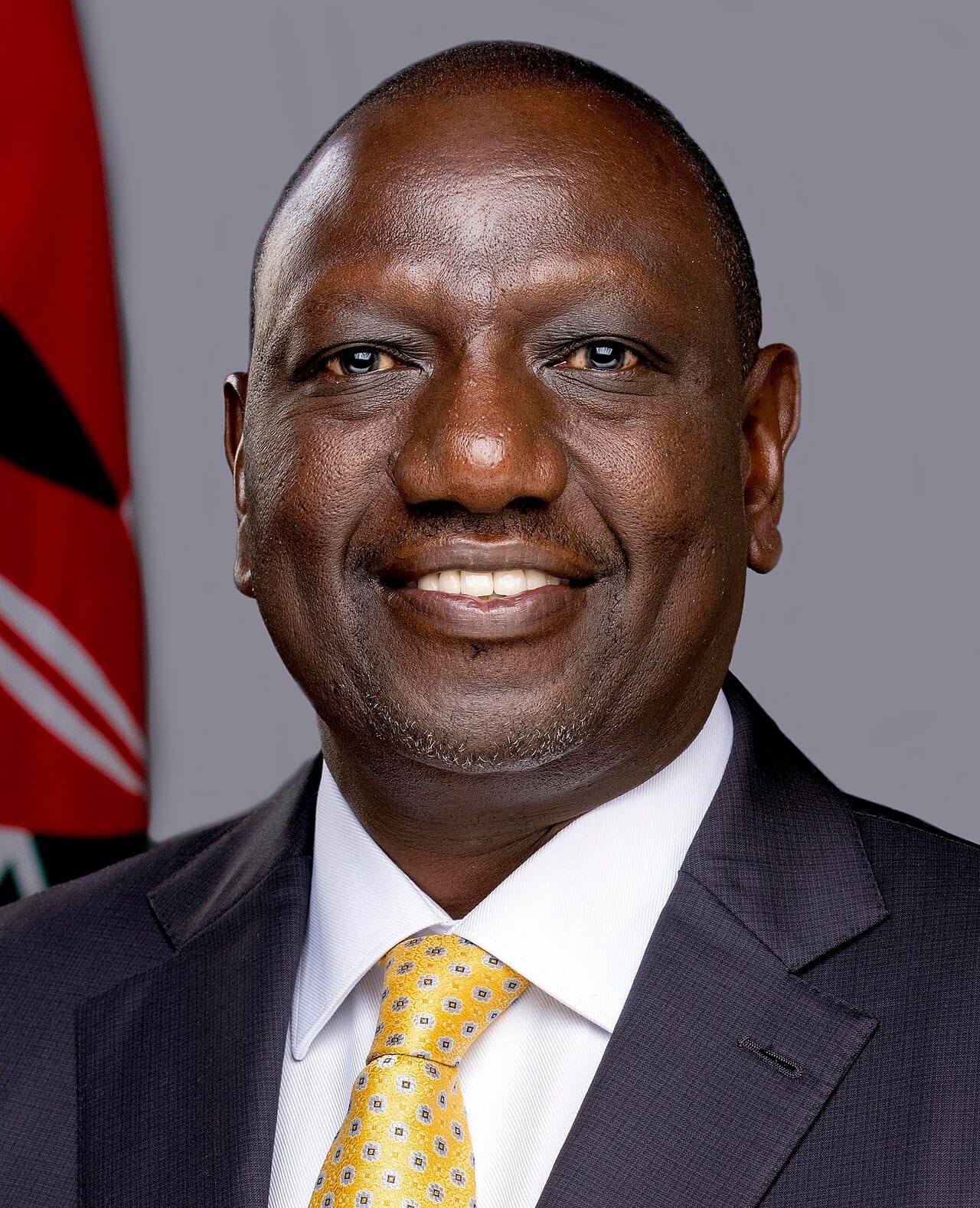
Kenya is a presidential republic with a vigorous, competitive democracy and a free and outspoken press, though its politics is strongly shaped by ethnic loyalties and has at times turned violent around disputed elections. A constitution adopted in 2010 devolved considerable power to 47 county governments, bringing administration closer to the people. The president since 2022 is William Ruto, who won a hard-fought election having risen from humble beginnings. Kenyan public life is energetic and often turbulent, and the country is a leading voice in the affairs of East Africa and the wider continent.
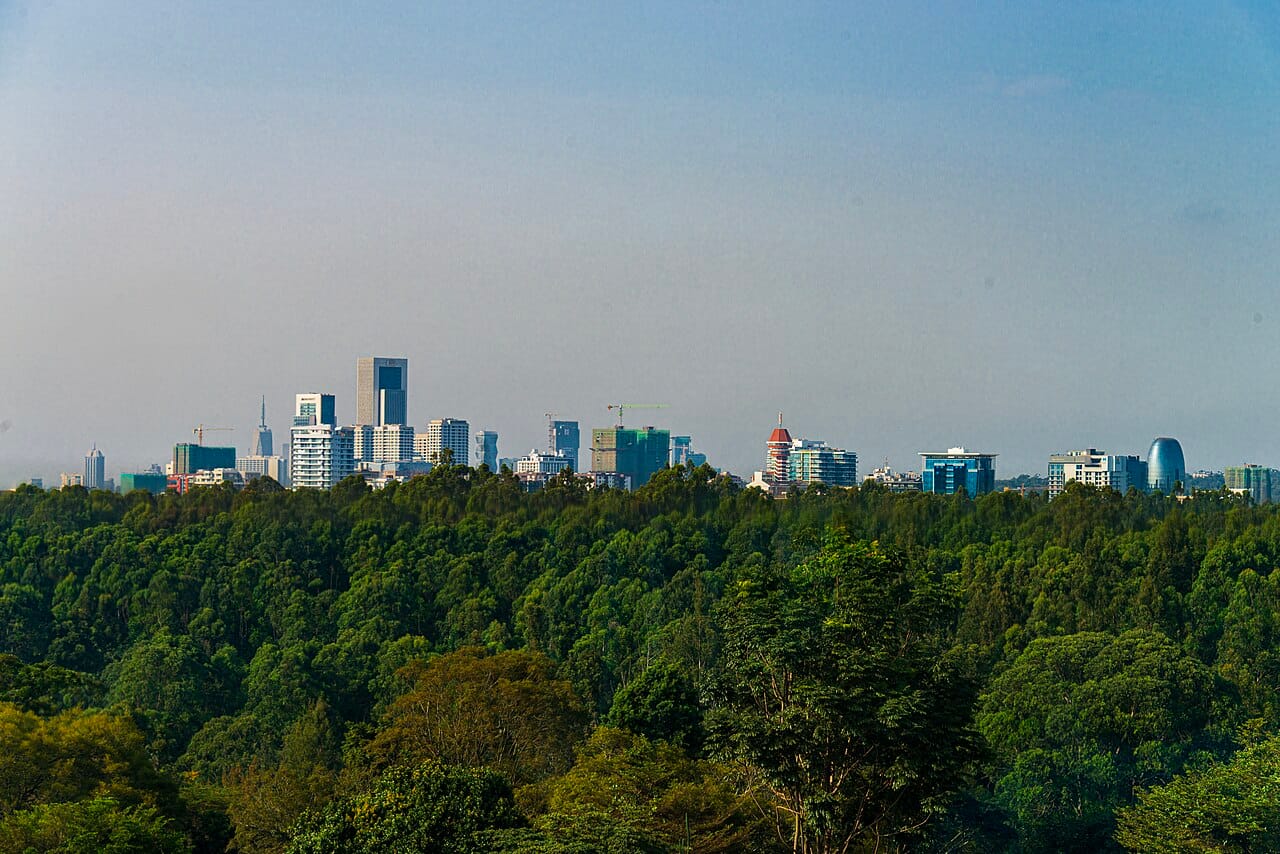
Kenya has the largest and most dynamic economy in East Africa, resting on several pillars. Agriculture remains fundamental: Kenya is one of the world's leading exporters of tea, a major producer of coffee, and a global supplier of cut flowers flown fresh to Europe. Tourism, drawn by the wildlife of the savanna and the beaches of the coast, is a vital earner. Above all, Nairobi has grown into a regional hub for finance, business, and technology, a place sometimes called the Silicon Savannah, where the pioneering mobile-money service M-Pesa transformed everyday finance for millions and made Kenya a world leader in digital payments.
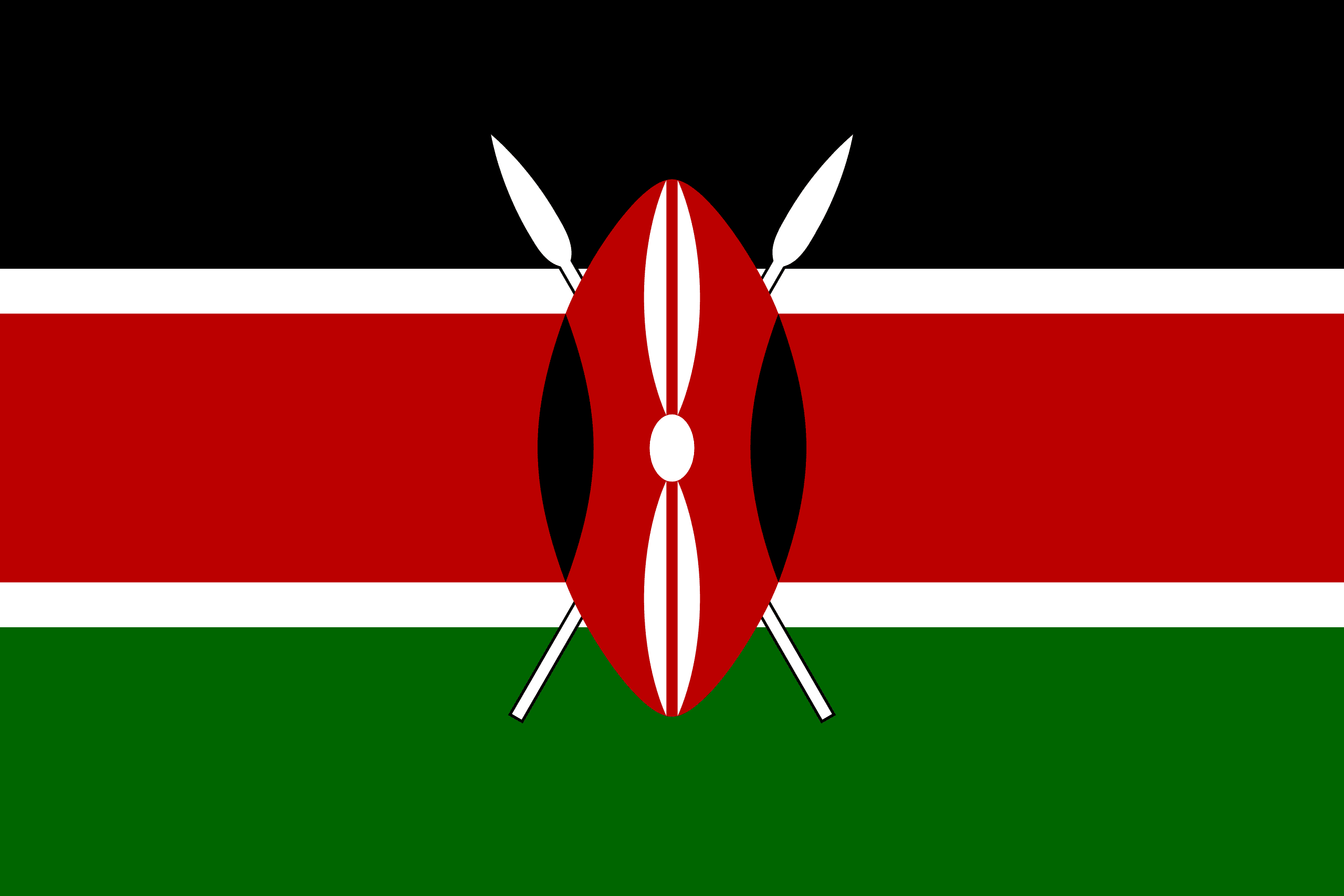
The Kenyan flag has three horizontal bands of black, red, and green, separated by thin white stripes, with a traditional Maasai shield and two crossed spears at its centre. The black represents the people of Kenya, red the blood shed in the struggle for independence, green the land and its natural wealth, and the white peace and honesty. The shield and spears stand for the defence of all these things, of freedom and of the country itself.
The great majority of Kenyans are Christian, the result of missionary work during the colonial era, split between Protestant and Catholic churches that play a large role in community and public life. A significant Muslim minority is concentrated along the historically Swahili coast, where Islam has been present for many centuries. Traditional African beliefs also endure, often alongside Christianity or Islam, shaping customs around community, ancestors, and the land.
Kenyan food is hearty and centred on staple starches, fresh vegetables, and grilled meats. The everyday staple is ugali, a stiff porridge made from maize flour, usually eaten with stews or leafy greens such as sukuma wiki. Beans, rice, and chapati flatbread, a legacy of South Asian influence, are also common. A national favourite is nyama choma, meat roasted over charcoal and shared among friends and family. Along the coast, Swahili cooking brings coconut, spices, and seafood, and tea is the customary drink.
Agriculture is the foundation of Kenya's economy and the livelihood of much of its population. The country is one of the world's leading exporters of tea and a major producer of coffee, both grown in the cool, fertile highlands. It has also become a global supplier of fresh horticulture, especially cut flowers flown to European markets, along with fruits and vegetables. Maize is the dominant food crop, while in the drier regions herding cattle, goats, and camels supports pastoralist communities.
Kenya is a mosaic of more than forty peoples, from the Kikuyu, Luo, Luhya, and Kalenjin to the famous Maasai pastoralists, each with its own language and traditions, held together by Swahili and English as shared national tongues. It is a young country, its energy visible in a vibrant music, film, and fashion scene and in the ubiquity of the mobile phone. Kenya is also a sporting superpower: its highland runners, above all from the Kalenjin community, have long dominated the world's distance events, and Olympic and marathon glory is a deep source of national pride. Along the coast, the older Swahili culture of poetry, music, and Islam gives the country yet another distinct texture.
Kenya is one of Africa's most open and dynamic societies, yet its democracy carries deep strains. Politics has long run along ethnic lines, and elections have repeatedly been flashpoints: a disputed vote in 2007 touched off violence that killed more than a thousand people, and the 2017 result was annulled by the courts and re-run, a rare event anywhere. Corruption is a persistent grievance, and the gap between a wealthy elite and a struggling majority is wide. In 2024 that frustration erupted in a wave of largely leaderless, youth-led protests against new taxes, in which demonstrators even breached parliament and the security forces responded with deadly force. The tensions between Kenya's genuine democratic vitality and its problems of ethnicity, inequality, and accountability remain unresolved and openly contested.
Kenya has a population of around 55 million people and is one of the fastest-growing nations in Africa, with a young and rapidly expanding population. It is home to more than forty ethnic groups, each with its own language and traditions, among them the Kikuyu, Luo, Kalenjin, and the well-known Maasai pastoralists. Swahili and English serve as common national languages. The largest city and capital is Nairobi, a major business and technology centre for the wider region.