Egypt is a country linking northeast Africa with the Middle East, defined above all by the River Nile, whose green valley cuts through vast deserts. One of the oldest nation-states in the world, it was home to a civilisation of pharaohs, pyramids, and hieroglyphs that endured for thousands of years. Today it is the most populous country in the Arab world and a cultural and political heavyweight in the region.
Egypt's history is one of the longest unbroken records of civilisation anywhere, running from the age of the pharaohs through Greek, Roman, and Islamic rule to the modern Arab republic.
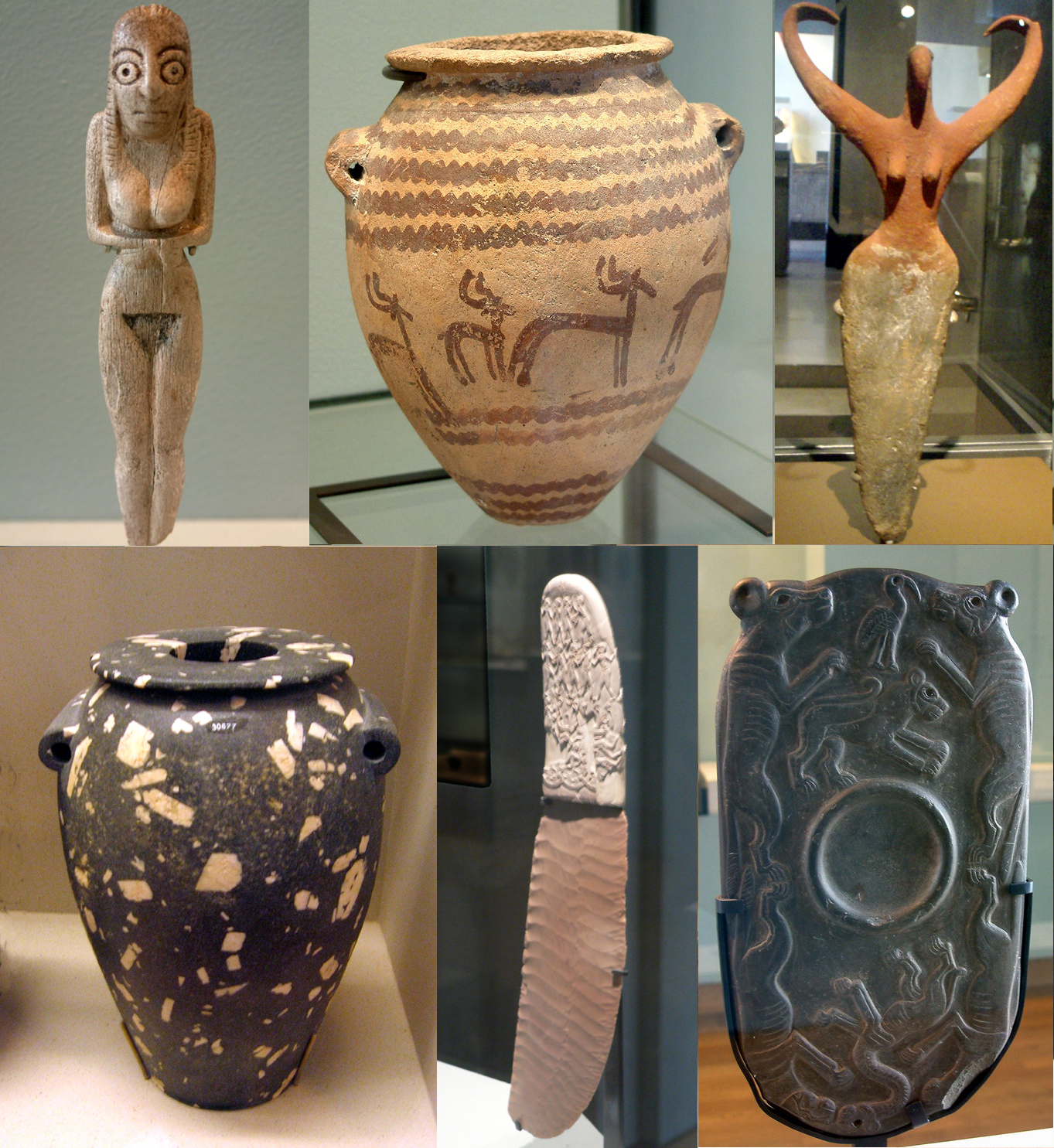
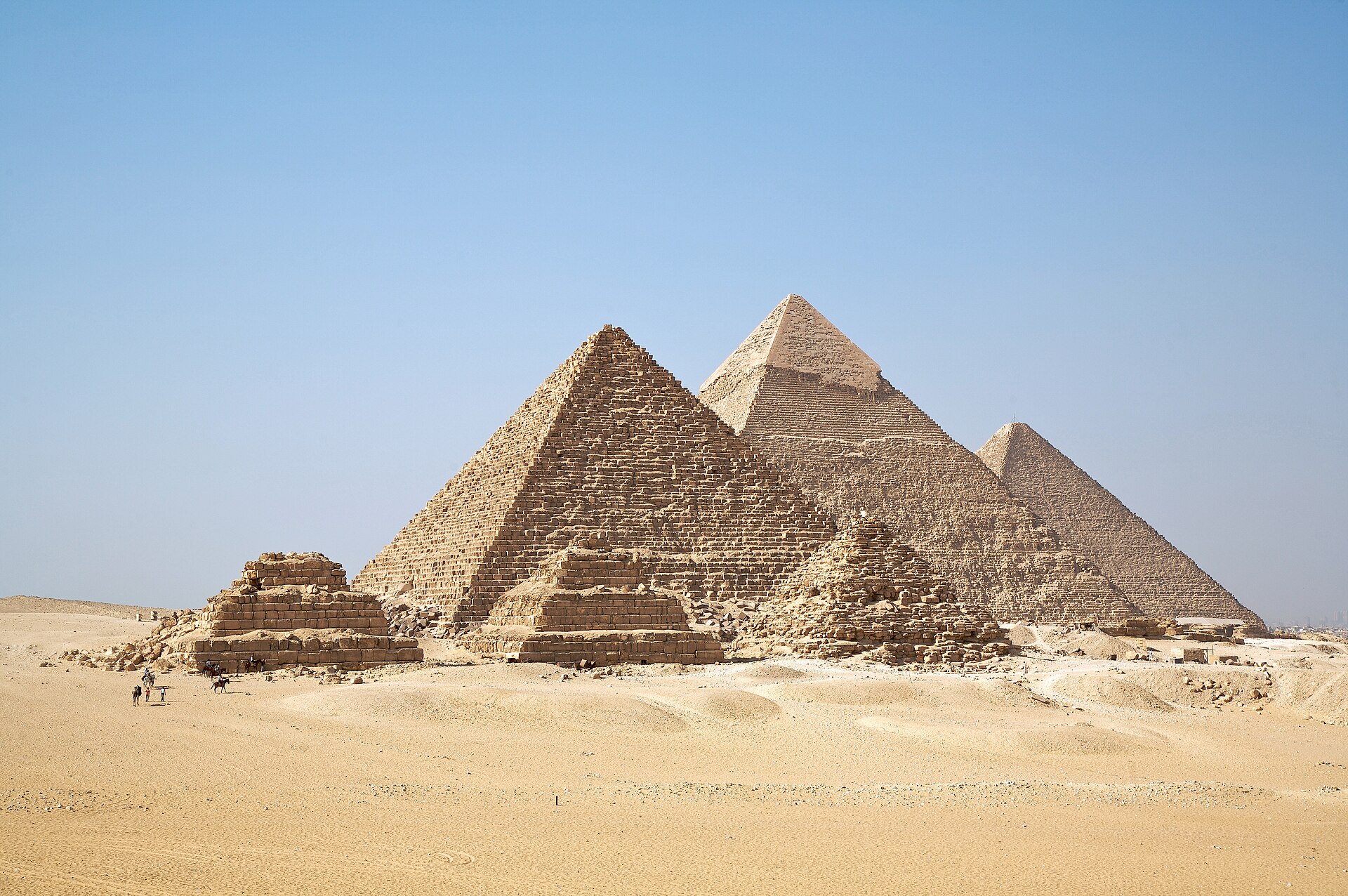
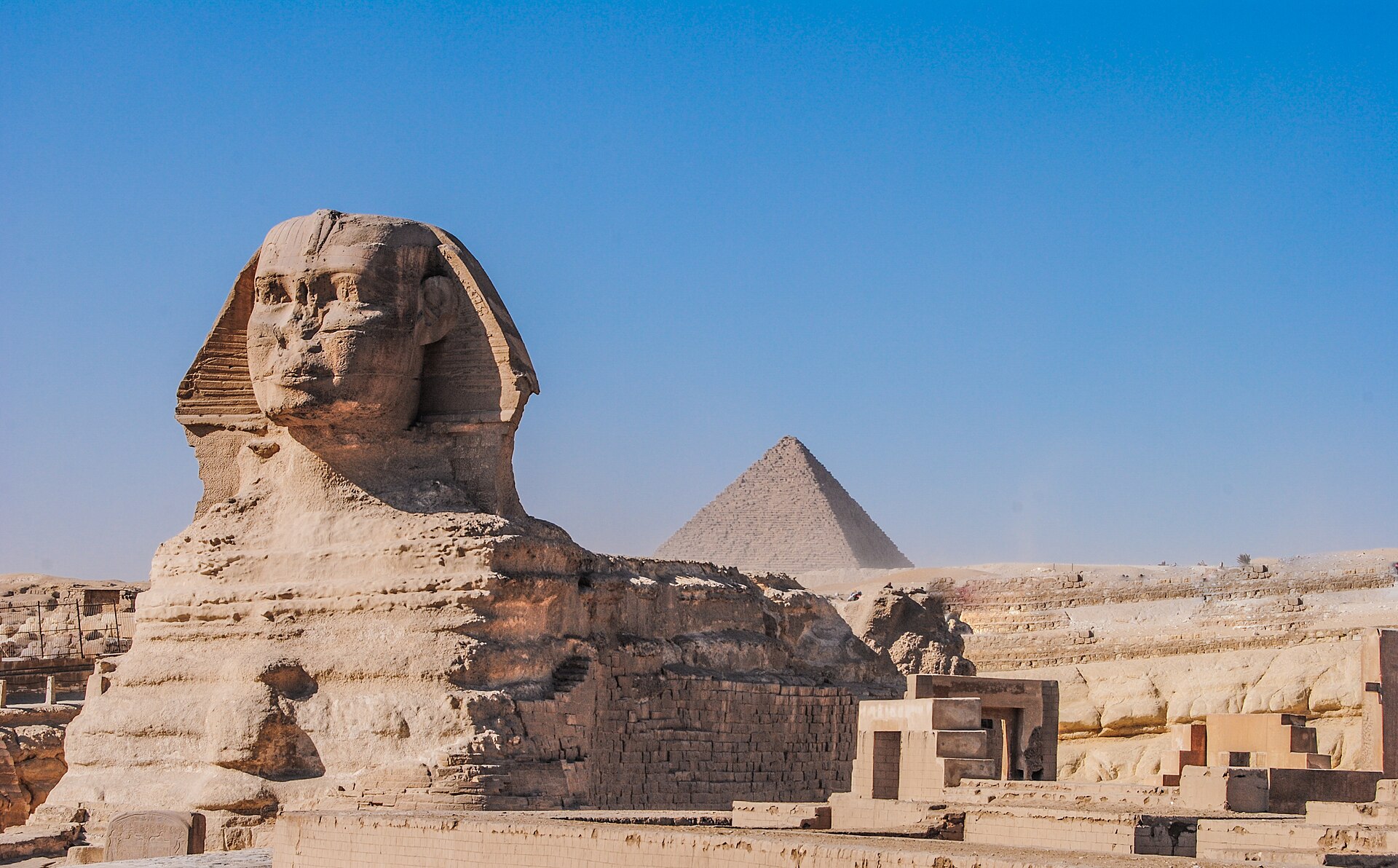
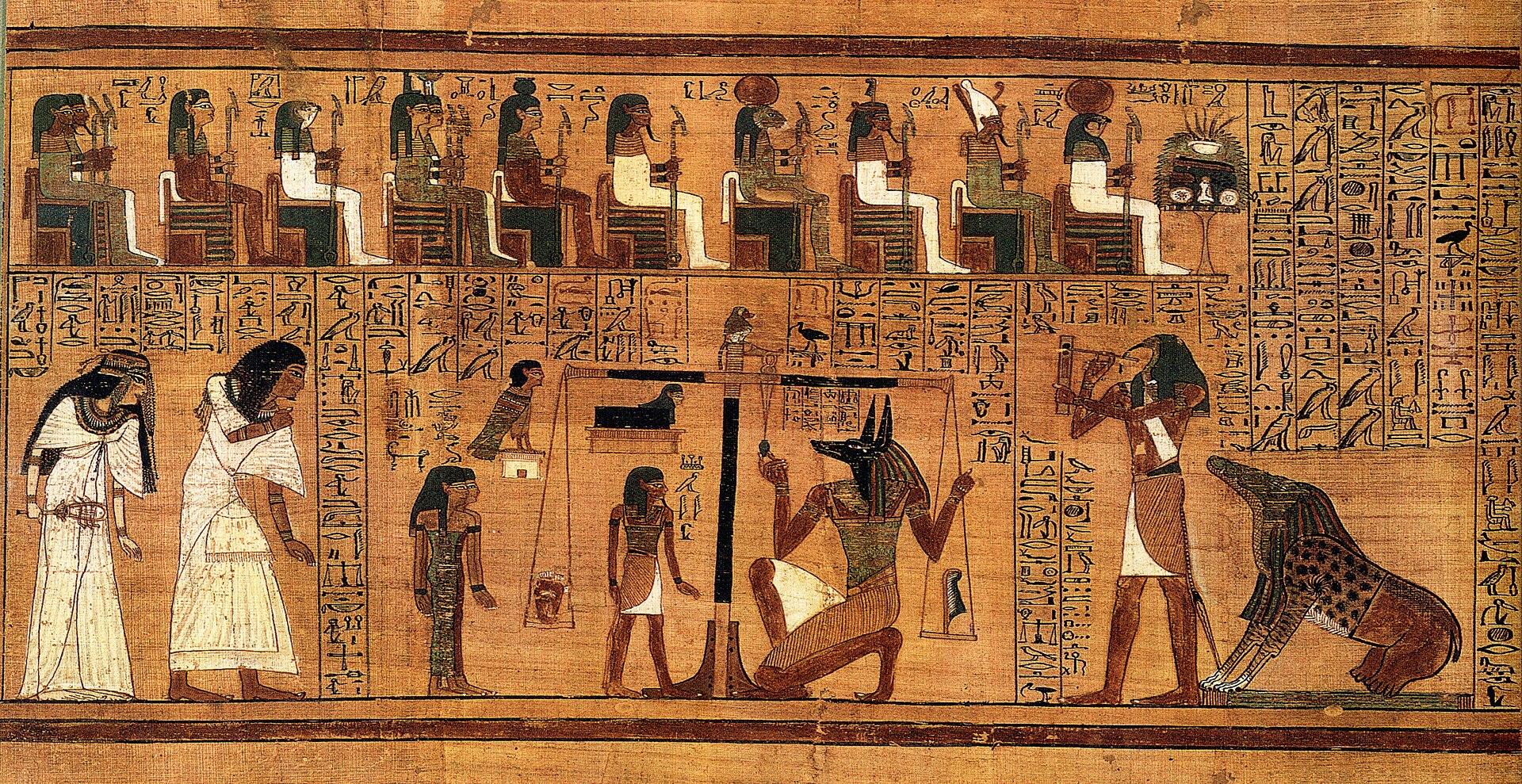
Ancient Egypt was unified more than five thousand years ago into one of humanity's first great states, ruled by pharaohs regarded as living gods. Along the Nile its people raised the pyramids and the Sphinx, developed hieroglyphic writing, and made lasting advances in medicine, astronomy, and engineering. This civilisation endured, through rise and decline, for some three thousand years.
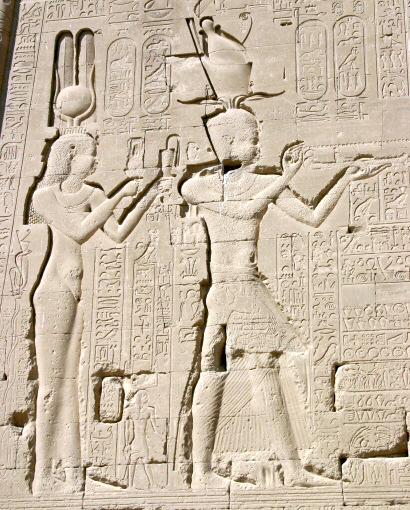
After conquest by Alexander the Great, Egypt was ruled by the Greek Ptolemies, a line that ended with Cleopatra, before the country was absorbed into the Roman Empire as one of its richest provinces. The Arab conquest of the seventh century brought Islam and the Arabic language, which reshaped Egyptian identity for good.
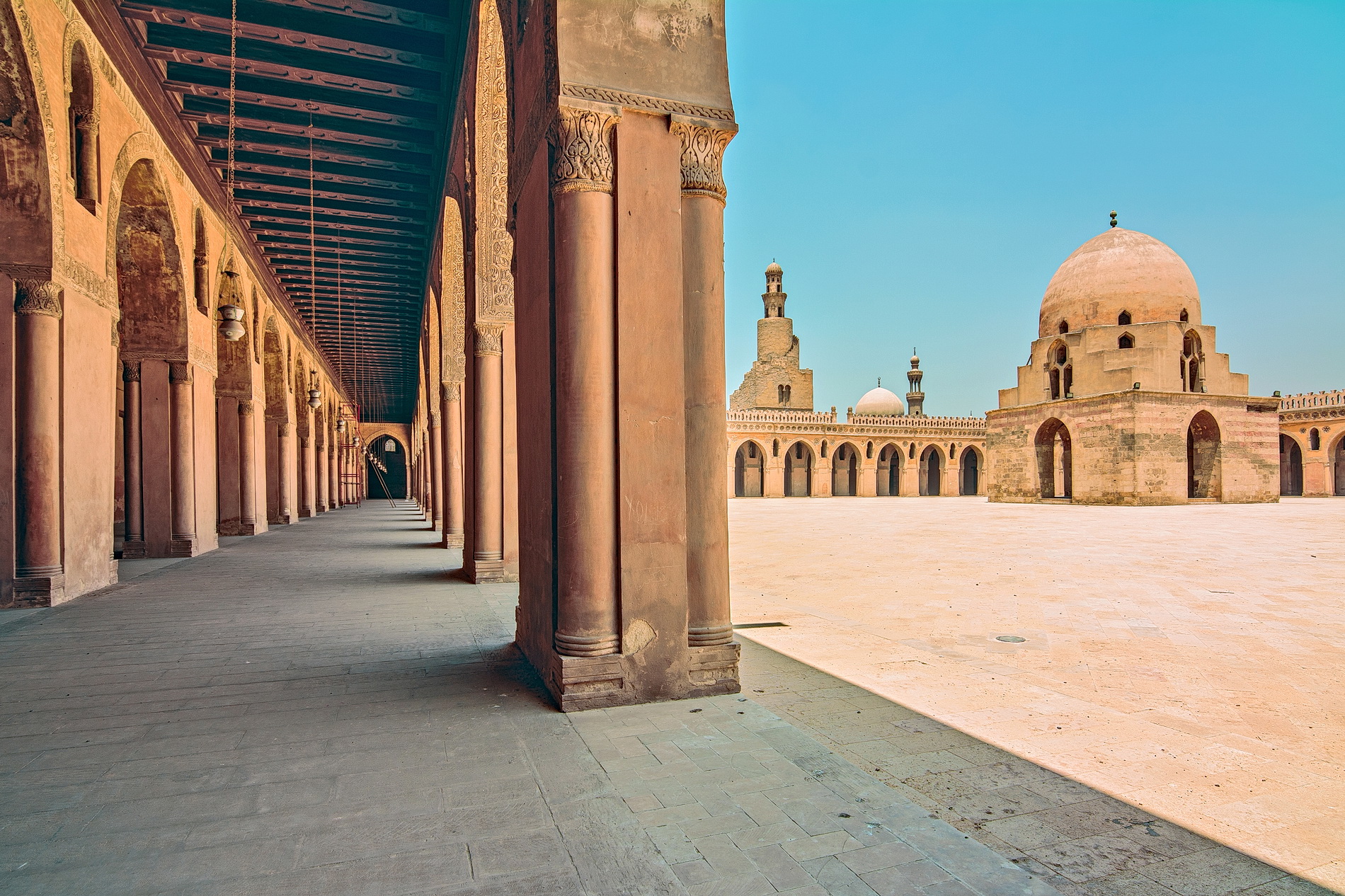
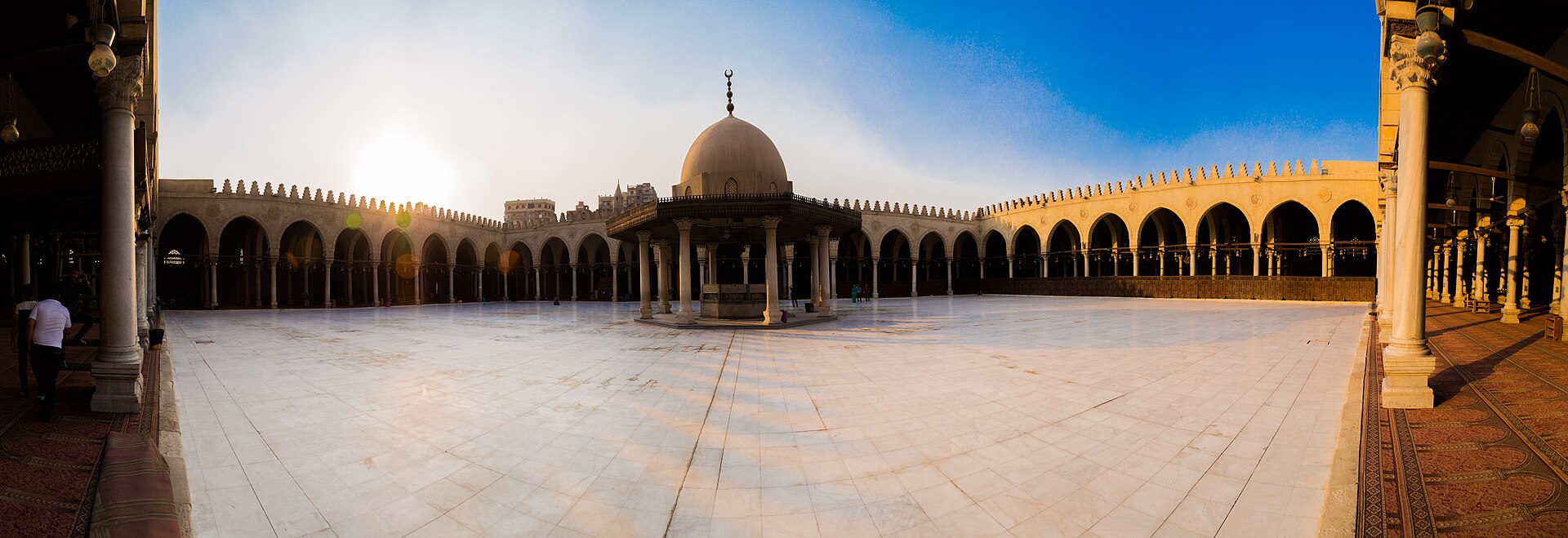
Under a succession of Islamic dynasties, Cairo grew into one of the great cities of the medieval world and a centre of learning, its skyline filling with mosques. Egypt later became part of the Ottoman Empire, then fell under British domination in the nineteenth century, before winning full independence in the twentieth.
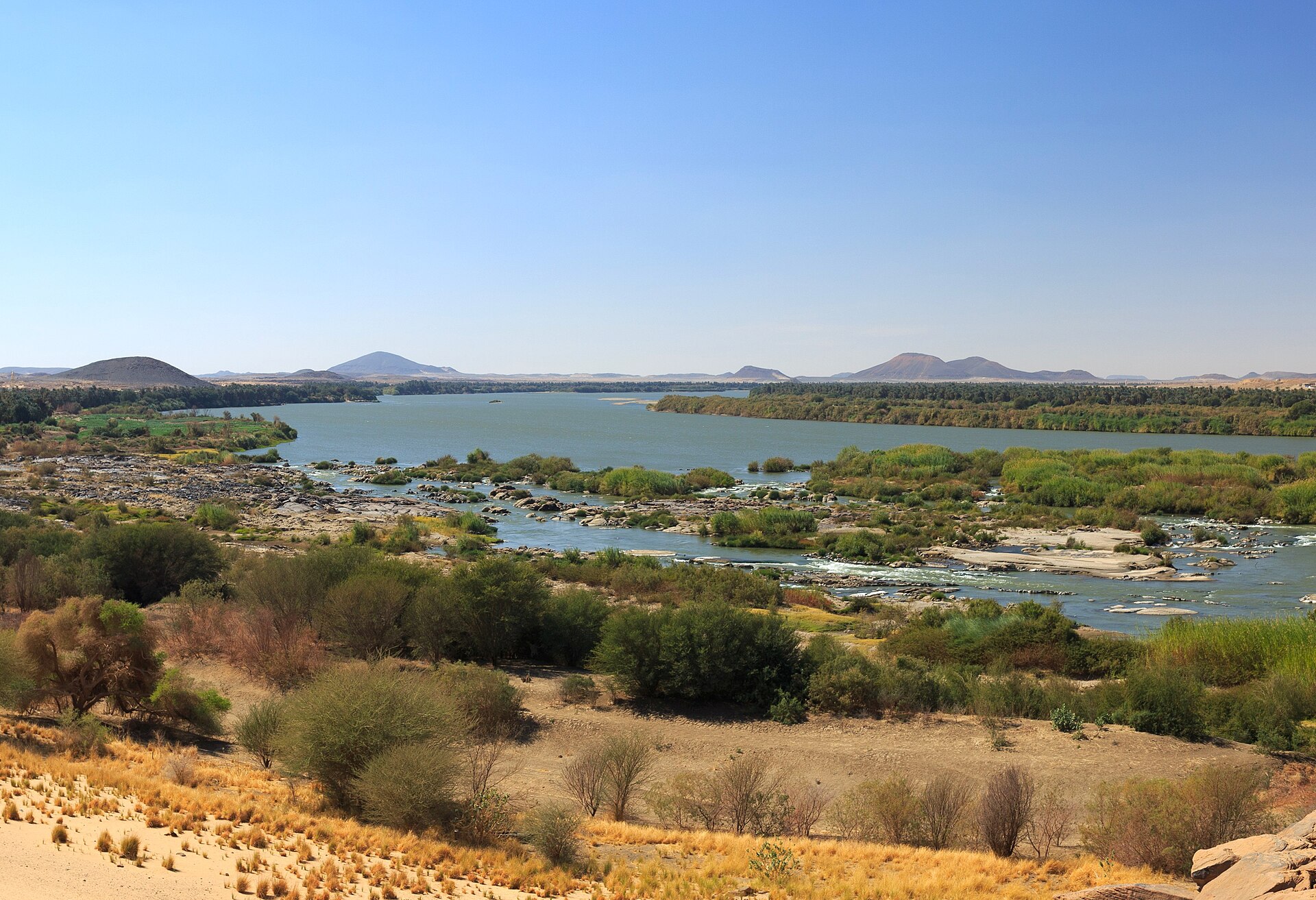
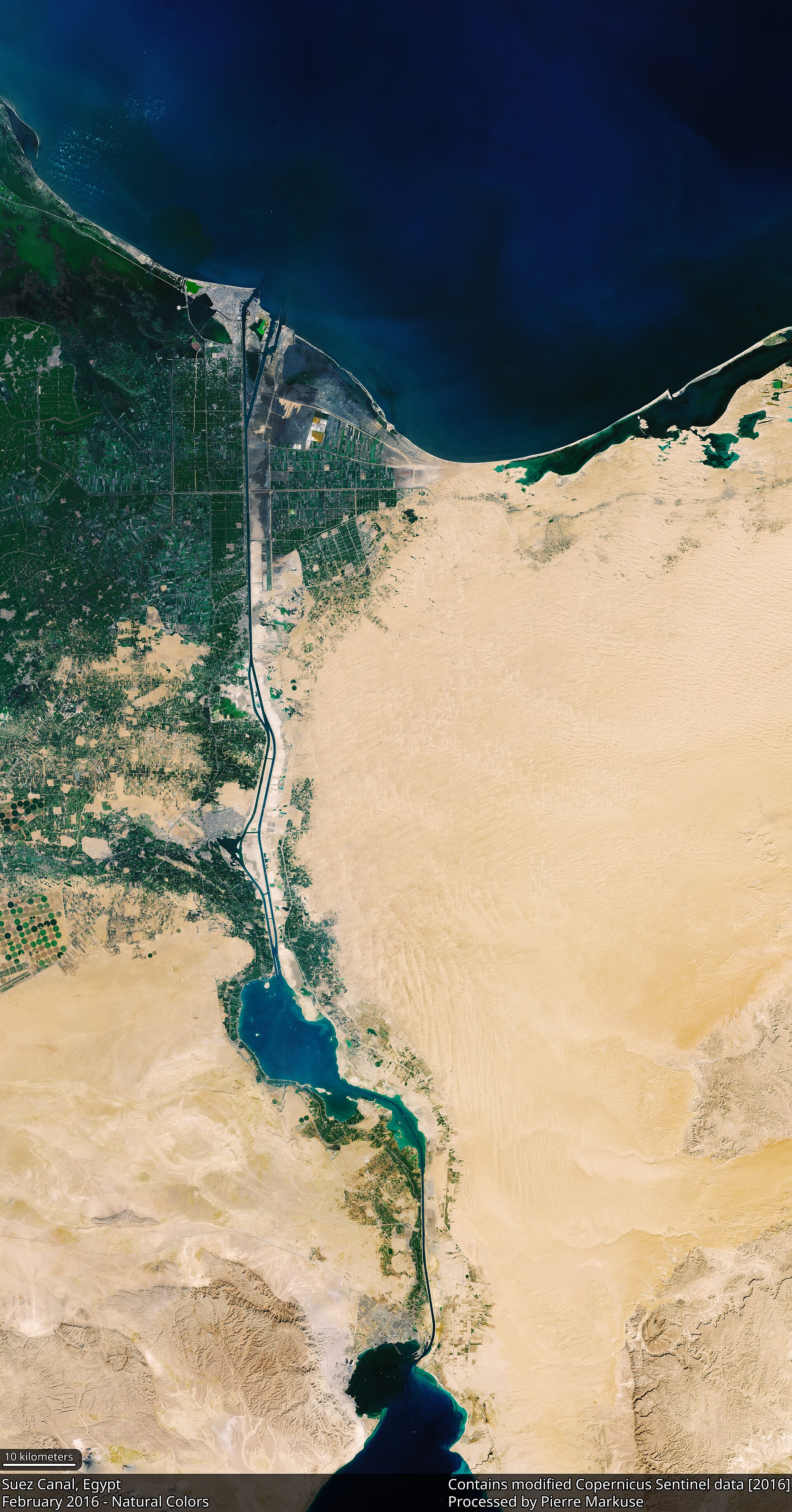
Egypt is overwhelmingly desert, and almost the entire population lives on the narrow ribbon of fertile land along the Nile and its broad delta on the Mediterranean. The ancient Greek historian Herodotus called the country the gift of the Nile, for without the river's water and silt this would be uninhabitable sand. The Suez Canal, cutting through Egyptian territory to join the Mediterranean and Red Seas, is one of the world's most vital waterways.
Egypt is a republic with a powerful presidency that dominates its politics. After the 1952 revolution ended the monarchy, a series of military-backed leaders governed the country. The 2011 Arab Spring uprising toppled a long-ruling president, but the brief democratic opening that followed gave way, after 2013, to renewed rule by the military establishment. Egypt remains the most populous Arab state and a heavyweight in regional diplomacy.
Egypt's economy draws on several pillars: the Suez Canal, whose tolls from the world's shipping are a vital source of revenue; tourism to its ancient monuments and Red Sea coast; remittances from Egyptians working abroad; and a growing industrial and energy sector. Rapid population growth and the need to create jobs and feed a vast, youthful population are among its central economic pressures.
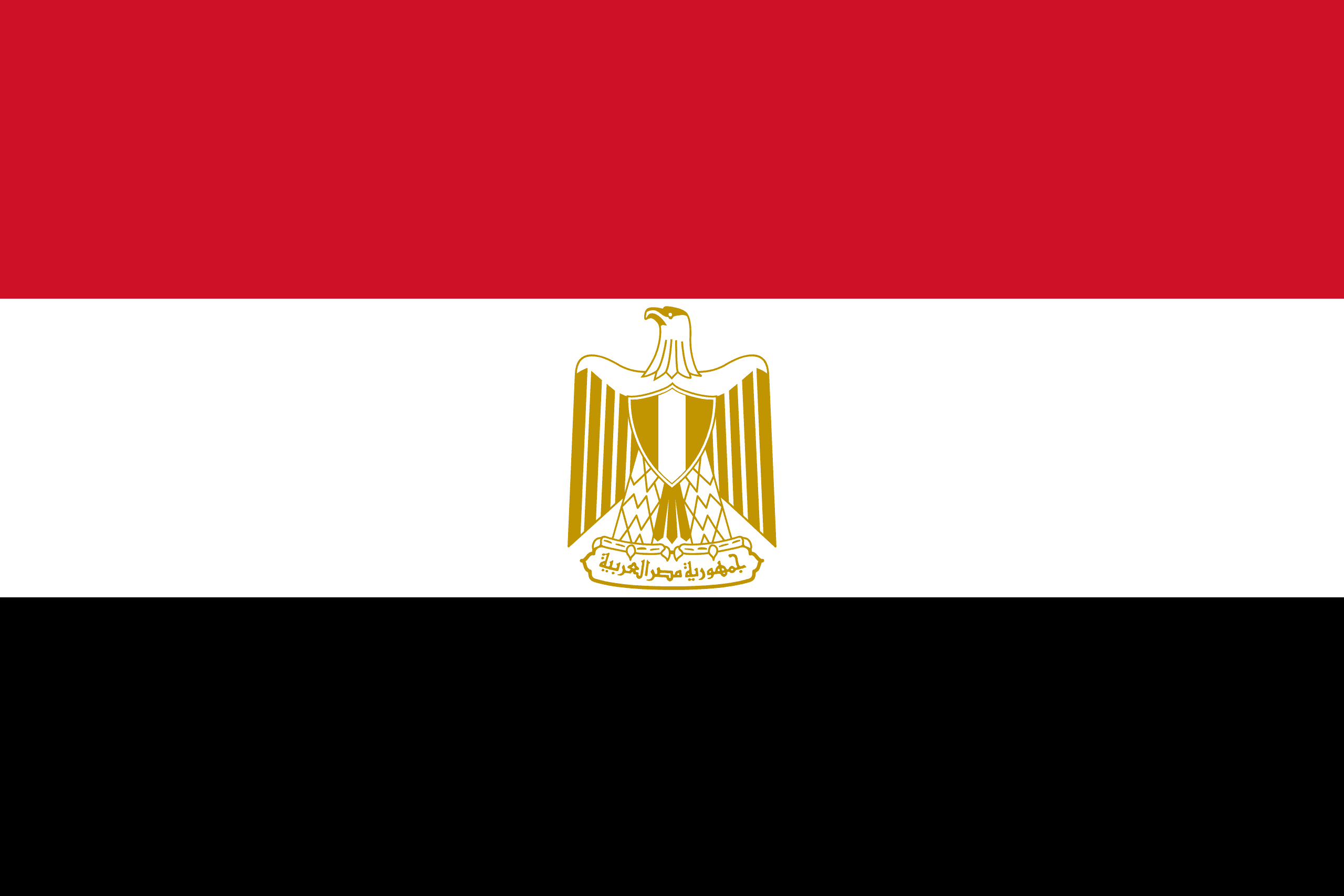
The Egyptian flag has three horizontal bands of red, white, and black, with a golden emblem, the Eagle of Saladin, at its centre. The colours are shared with several Arab nations and broadly represent the struggle against oppression, a bright future, and the dark days of the past. The eagle, a medieval symbol associated with the sultan Saladin, stands for strength and Arab identity.
The great majority of Egyptians are Sunni Muslims, and Islam is central to public and private life, with Cairo a historic centre of Islamic learning. Egypt is also home to one of the oldest Christian communities in the world, the Coptic Orthodox Church, which traces its founding to the first century and still forms a significant minority. This long religious heritage, ancient, Christian, and Islamic in turn, runs deep through the country's culture.
Egyptian food is hearty, plant-rich, and ancient in its roots. The national dish, koshari, piles rice, pasta, and lentils together with a spiced tomato sauce and fried onions. Ful medames, slow-cooked fava beans, is the classic breakfast, and ta'meya, the Egyptian falafel made from fava beans, is eaten everywhere. Flatbread accompanies most meals, and dishes like molokhia, a green leafy stew, reach back to the time of the pharaohs.
Egyptian agriculture is squeezed onto the fertile land of the Nile valley and delta, some of the most intensively farmed soil on Earth. The country has long been famous for its cotton, the prized long-fibre Egyptian cotton, and it grows rice, wheat, maize, sugarcane, and an abundance of fruit and vegetables. Because rain is almost nonexistent, farming depends entirely on irrigation from the Nile, which makes the river's water a matter of national survival.
Egypt is the cultural heart of the Arab world. Cairo, one of the largest cities in Africa and the Middle East, has long been the centre of Arabic cinema, music, and publishing, and the Egyptian dialect is understood across the region thanks to its films and songs. Ancient heritage and Islamic tradition sit side by side with a lively modern culture, and the country's monuments draw visitors from around the globe.
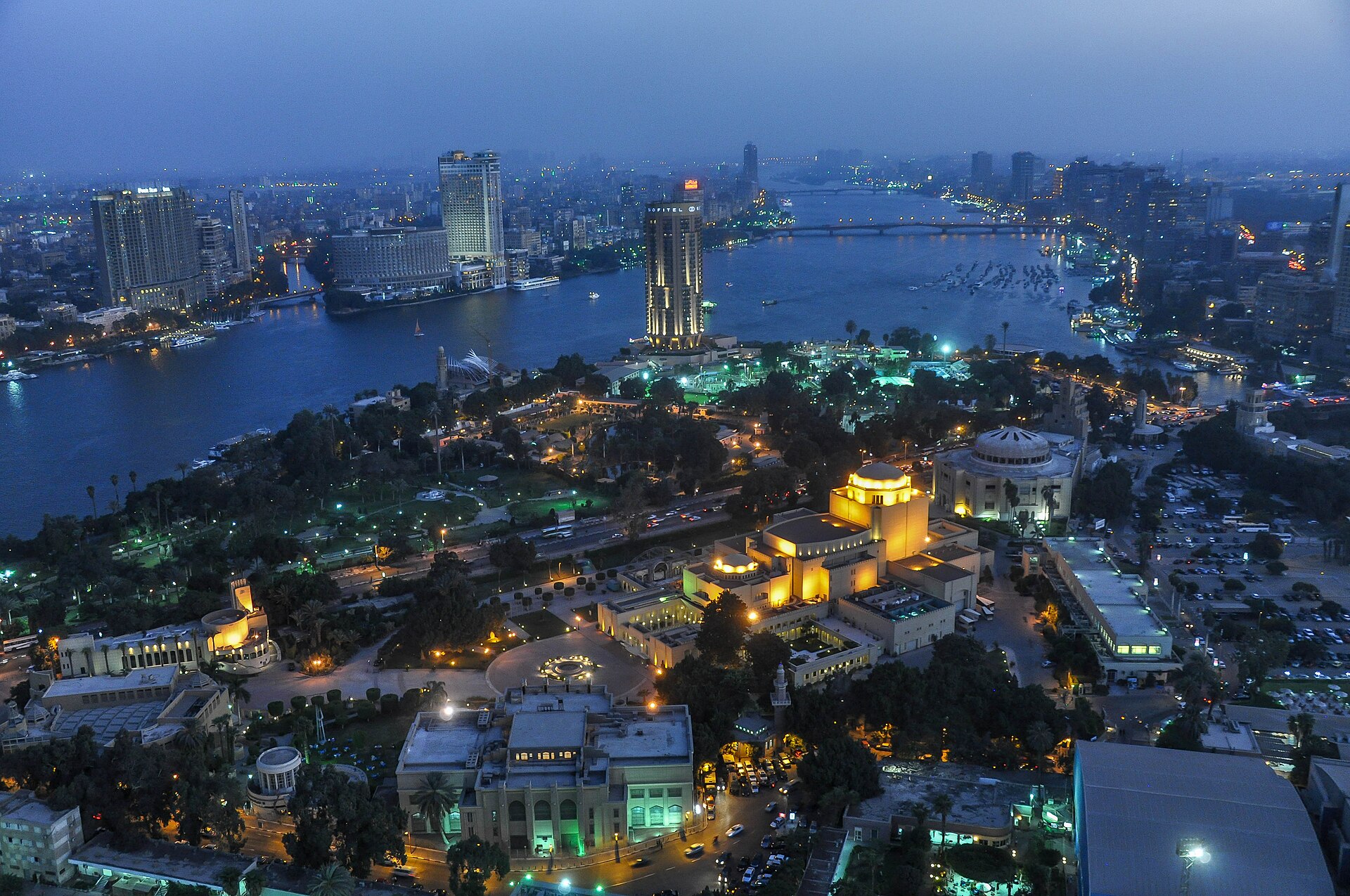
Egypt's future turns on a few pressing questions. The construction of a giant dam upstream on the Nile in Ethiopia has alarmed Egypt, which depends almost entirely on the river's water, making the sharing of the Nile a tense and unresolved dispute. At home, rapid population growth strains resources, jobs, and housing, while the return of firm military-backed rule after 2013 has drawn criticism over human rights and the space for dissent, set against the government's emphasis on stability.
Egypt's ancient achievements, from the pyramids to a writing system and advances in medicine and astronomy, shaped the wider ancient world. In modern times the opening of the Suez Canal in 1869 reordered global trade, and the revolution of 1952 ended the monarchy and brought the nationalist leader Gamal Abdel Nasser to power. In 2011 mass protests centred on Cairo's Tahrir Square, part of the wider Arab Spring, toppled a long-ruling president.
Egypt has a population of more than 110 million people, the most populous country in the Arab world and among the largest in Africa. Almost everyone is crowded onto the small fraction of land watered by the Nile, making the inhabited strip one of the most densely populated places on the planet, while the surrounding desert lies nearly empty. Cairo, the capital, is one of the largest cities in Africa and the Middle East.