Cabo Verde, also known as Cape Verde, is an island nation in the Atlantic Ocean, an archipelago of ten volcanic islands lying off the coast of West Africa. Uninhabited until Portuguese settlers arrived in the fifteenth century, it developed a distinctive Creole culture born of the meeting of Africa and Europe, expressed above all in its soulful music. A small, dry, and resource-poor country long shaped by drought and emigration, it stands out today as one of the most stable and well-governed democracies in Africa.
Cabo Verde's history is that of empty islands filled by the meeting of Africa and Europe, marked by the slave trade and by drought, that became, against the odds, a model of democracy.
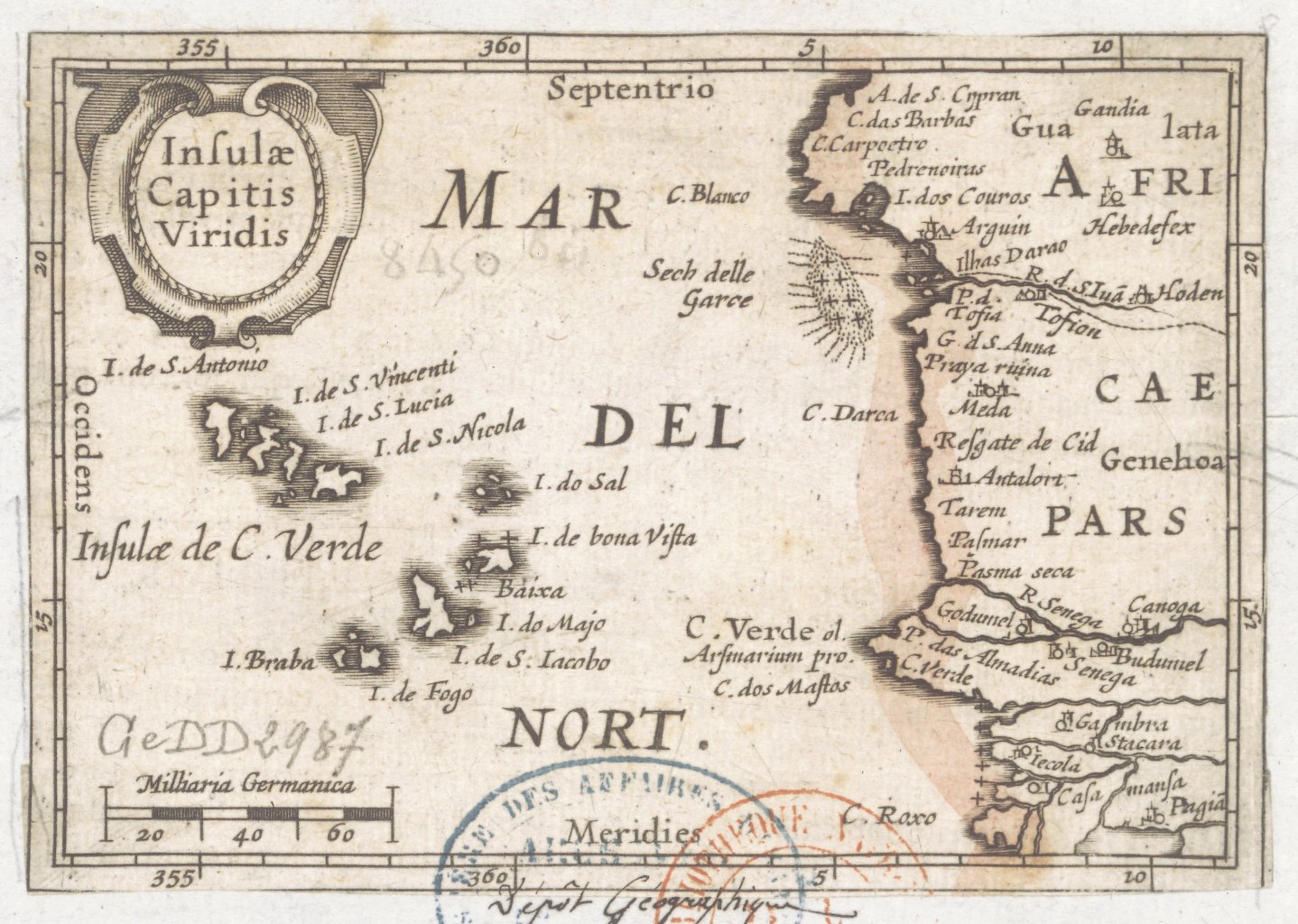
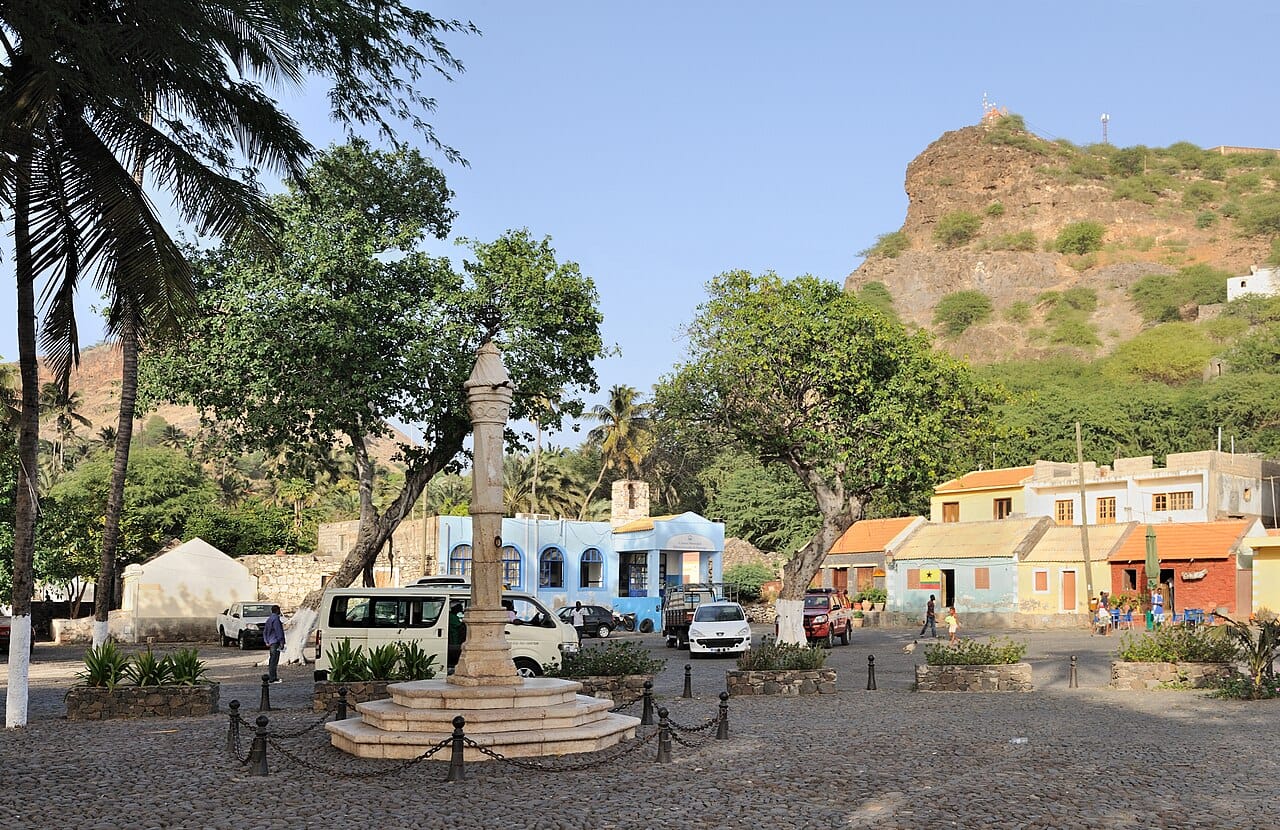
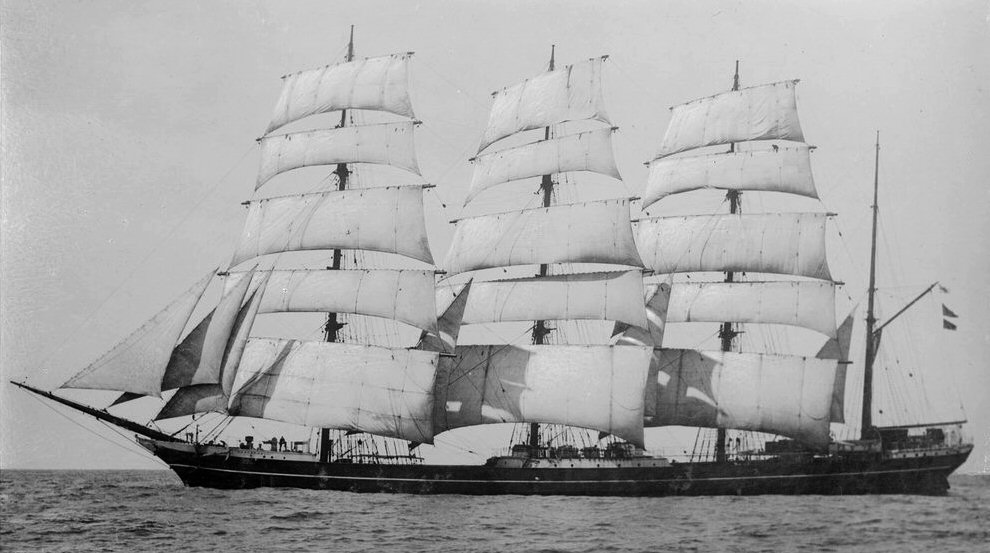
The islands were uninhabited when the Portuguese discovered and settled them from 1462, making Cabo Verde one of the first European colonies in the tropics and its first town, Ribeira Grande, now Cidade Velha, the oldest European settlement in the tropics anywhere. Its position off the African coast made it a hub of the Atlantic slave trade, a place where enslaved Africans were gathered and traded before the ocean crossing, and from the mixing of African and Portuguese peoples emerged the Creole society, with its own language and culture, that defines the nation.
For all its strategic value, Cabo Verde was a poor and barren colony, repeatedly struck by droughts that brought devastating famines and drove waves of its people to emigrate. In the twentieth century Cabo Verdeans joined the movement, led by Amilcar Cabral, that fought Portuguese rule alongside Guinea-Bissau, and the islands gained independence in 1975. After a period of one-party rule, the country embraced multiparty democracy in 1991 and has since become one of the most stable, peaceful, and well-governed nations in Africa.
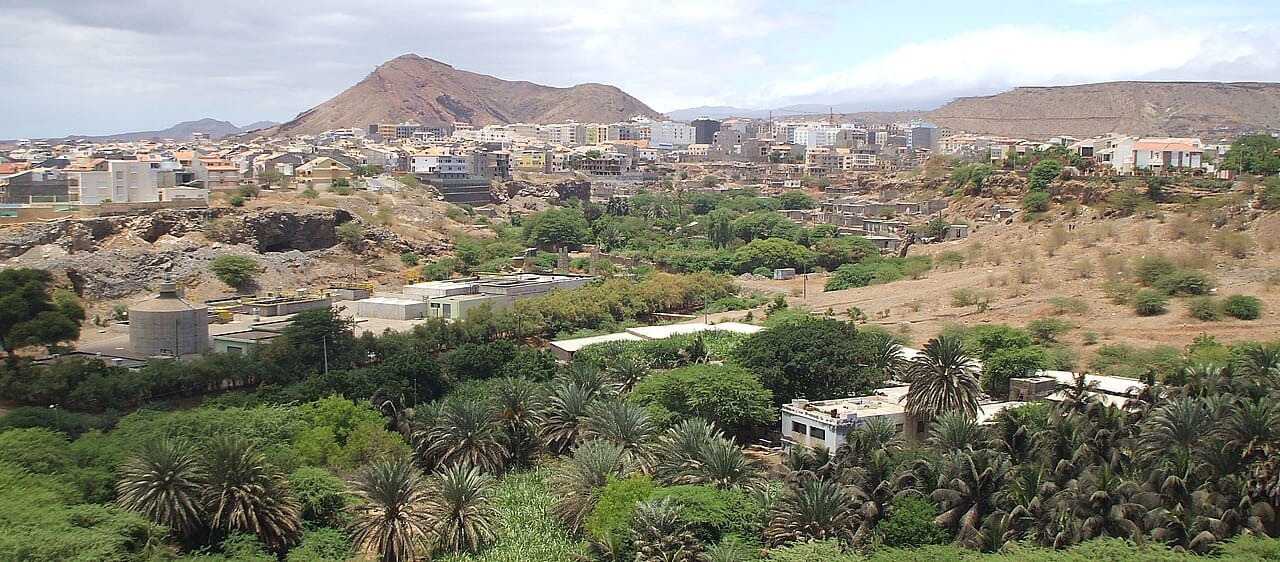
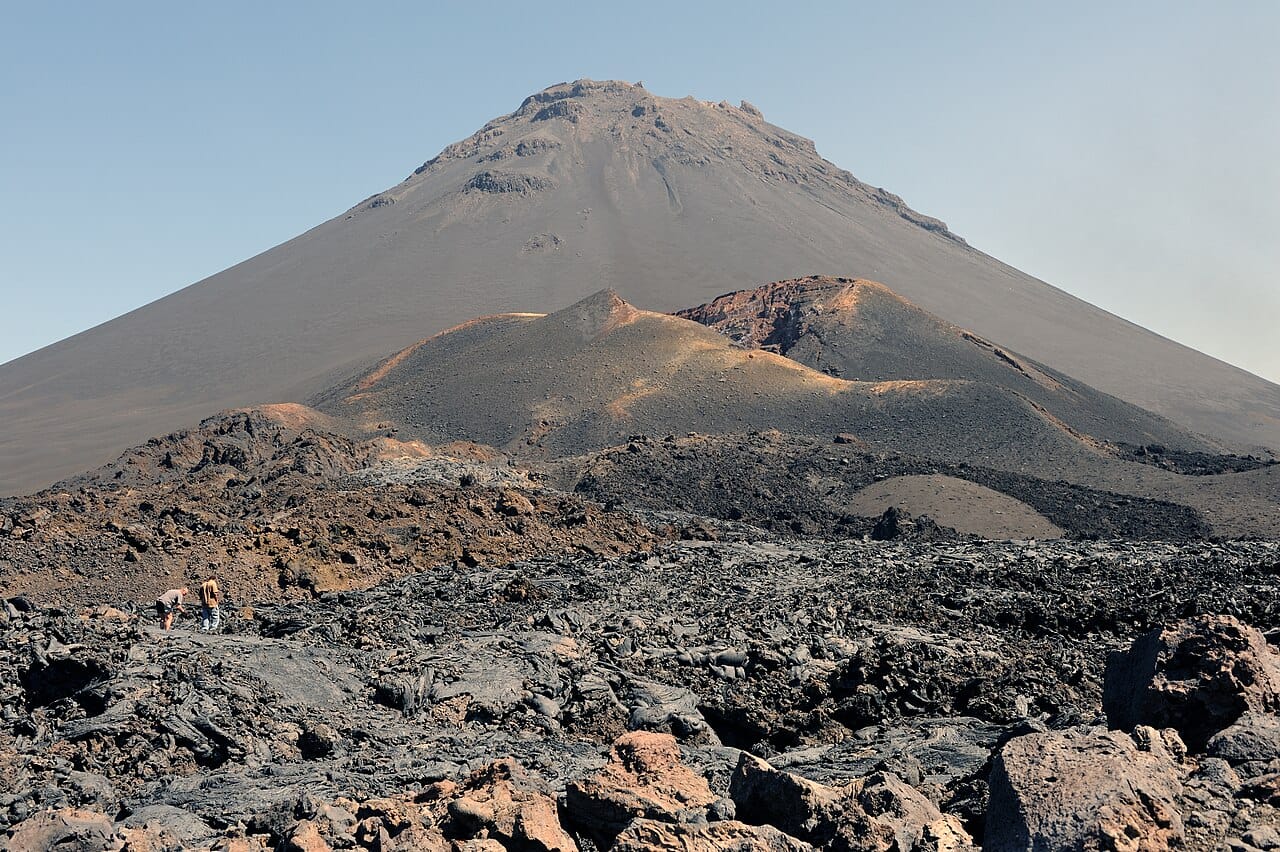
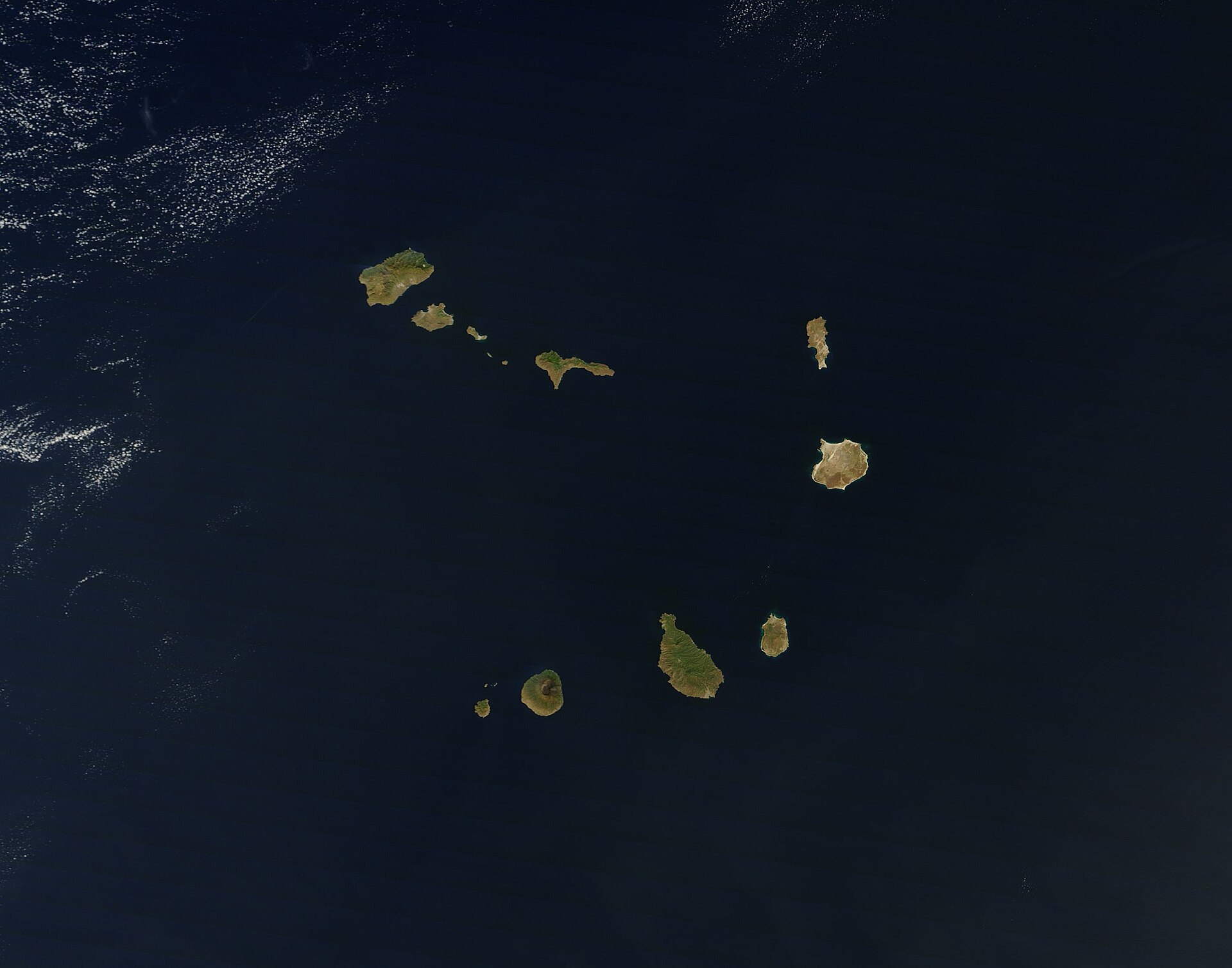
Cabo Verde is a group of ten volcanic islands and several islets, scattered across the Atlantic some 600 kilometres west of the African mainland. The islands are mostly mountainous and dry, swept by the same winds that cross the Sahara, and prone to drought, with the volcanic island of Fogo holding an active volcano that is the highest point of the country. Despite the arid climate, the islands have dramatic scenery of peaks, craters, and coastline, and their position in the Atlantic has long made them a crossroads.
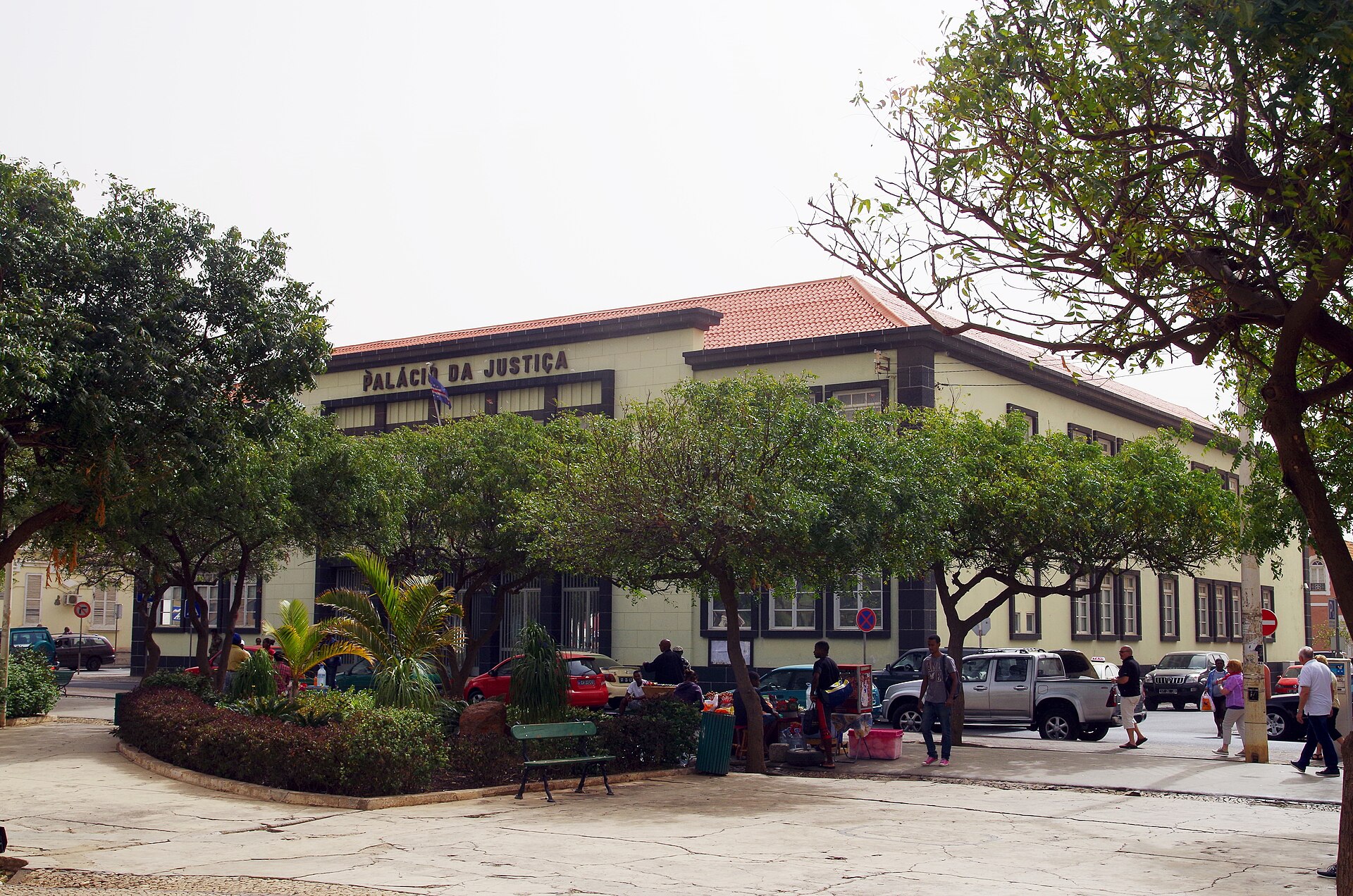
Cabo Verde is widely regarded as one of the best-governed and most stable democracies in Africa, a small country that consistently ranks near the top of the continent for political freedom, rule of law, and low corruption. Power alternates peacefully between its two main parties, the PAICV and the MpD, through free and fair elections, and the presidency, a largely ceremonial post held since 2021 by Jose Maria Neves of the PAICV, sits above a parliamentary government. In the 2026 legislative election the PAICV returned to power, another orderly handover of the kind that has made the islands a rare African success story despite their poverty and few resources.

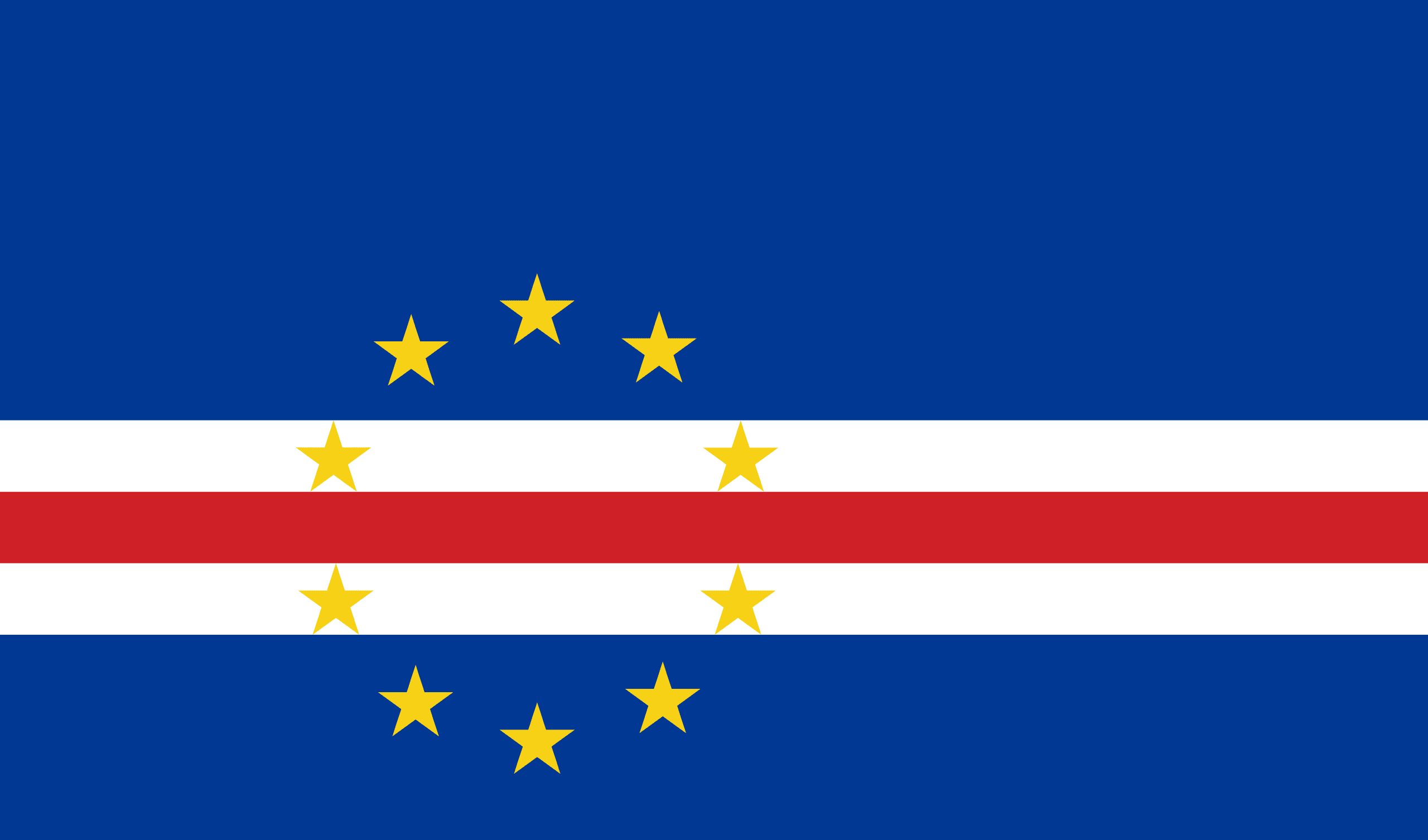
The flag of Cabo Verde has a blue field with a band of white, red, and white stripes across the lower half, and a circle of ten yellow stars in the centre. The blue represents the Atlantic Ocean and the sky that surround the islands, the white peace, and the red effort and determination. The ten yellow stars stand for the ten islands of the nation, arranged in a circle to symbolise their unity. The flag, adopted in the 1990s, reflects the country's Atlantic identity.
Cabo Verde is overwhelmingly Christian, the result of Portuguese colonisation, with the great majority belonging to the Roman Catholic Church, whose festivals and traditions are woven into the culture and calendar of the islands. There are smaller Protestant communities. As in the wider Creole world, Catholic practice has at times blended with elements of African belief, but the country is strongly Catholic in character, reflecting its deep and long-standing Portuguese heritage.
Cabo Verdean cuisine reflects the islands' Creole heritage and their reliance on the sea. The national dish is cachupa, a hearty slow-cooked stew of maize and beans with fish or meat, considered the soul food of the islands and eaten in countless variations. Fresh fish and seafood, abundant in the surrounding Atlantic, are central, along with rice, cassava, and tropical fruit. The food, like the culture, blends African and Portuguese influences into something distinctly Cabo Verdean.
Agriculture in Cabo Verde is severely limited by the dry, volcanic terrain and recurring drought, and the islands have never been able to feed themselves, importing most of their food. What farming exists grows maize, beans, sugarcane, and fruit, often on irrigated terraces, while raising livestock and, above all, fishing in the rich Atlantic waters, provide important resources. The scarcity of water and arable land has been a defining hardship throughout the country's history, and a major driver of emigration.
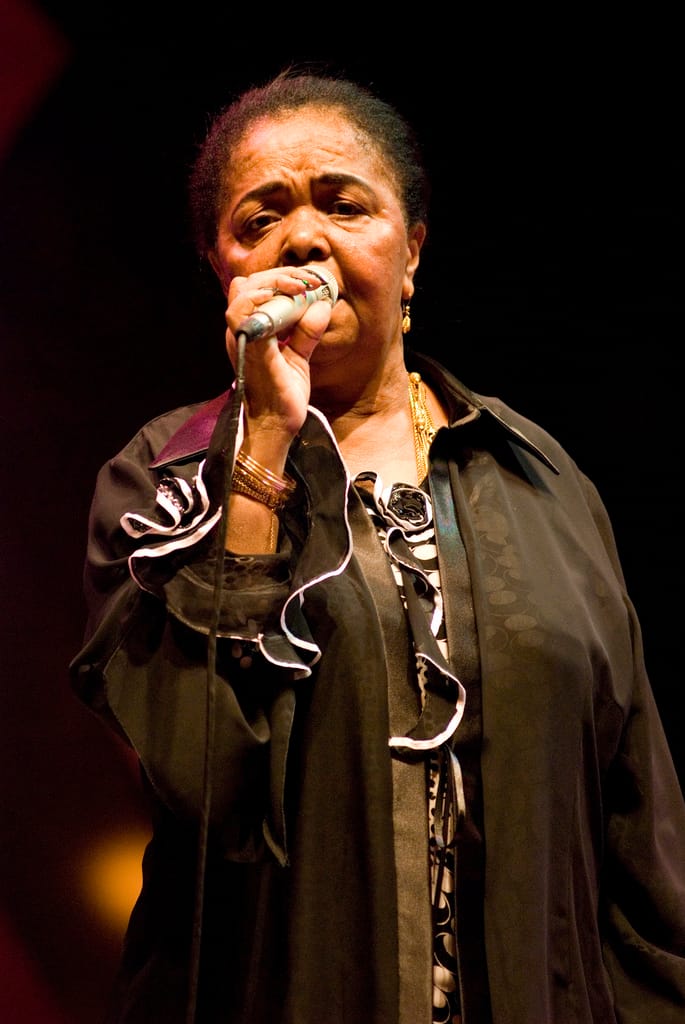
Cabo Verde's greatest gift to the world is its music. The islands gave rise to the morna, a slow, melancholy genre often compared to the Portuguese fado or the blues, whose reigning voice, Cesaria Evora, the barefoot diva, carried the sound of the islands to concert halls around the world and became one of Africa's most beloved singers. Threaded through the music is the Creole idea of sodade, a deep longing for what is absent, and no wonder, for the defining fact of Cabo Verdean life is emigration. Driven for generations by drought and poverty, so many islanders have left, above all for the United States and Europe, that far more Cabo Verdeans now live abroad than on the islands themselves, and the money and ties of that vast diaspora are woven into the life of the nation.
Cabo Verde has a population of around 600,000 people on the islands, the great majority of mixed African and European, or Creole, descent, sharing a Cabo Verdean Creole language alongside the official Portuguese. A defining feature of the nation is its enormous diaspora: driven by drought and poverty, so many islanders have emigrated, especially to the United States and Europe, that those abroad outnumber those at home. The population is spread across the inhabited islands, with the largest city the capital, Praia.