South Africa occupies the southern tip of the African continent, where the Atlantic and Indian Oceans meet. Its geography ranges from coastal plains and the vineyards of the Cape to a high interior plateau and dramatic mountain ranges. Often called the Rainbow Nation for its diversity, it is one of the most developed economies in Africa and is unusual in having three capital cities, splitting the seats of government, parliament, and the judiciary.
South Africa's past runs from some of the earliest human ancestors through African kingdoms, colonial conquest, the upheaval of diamonds and gold, and the long struggle against apartheid.
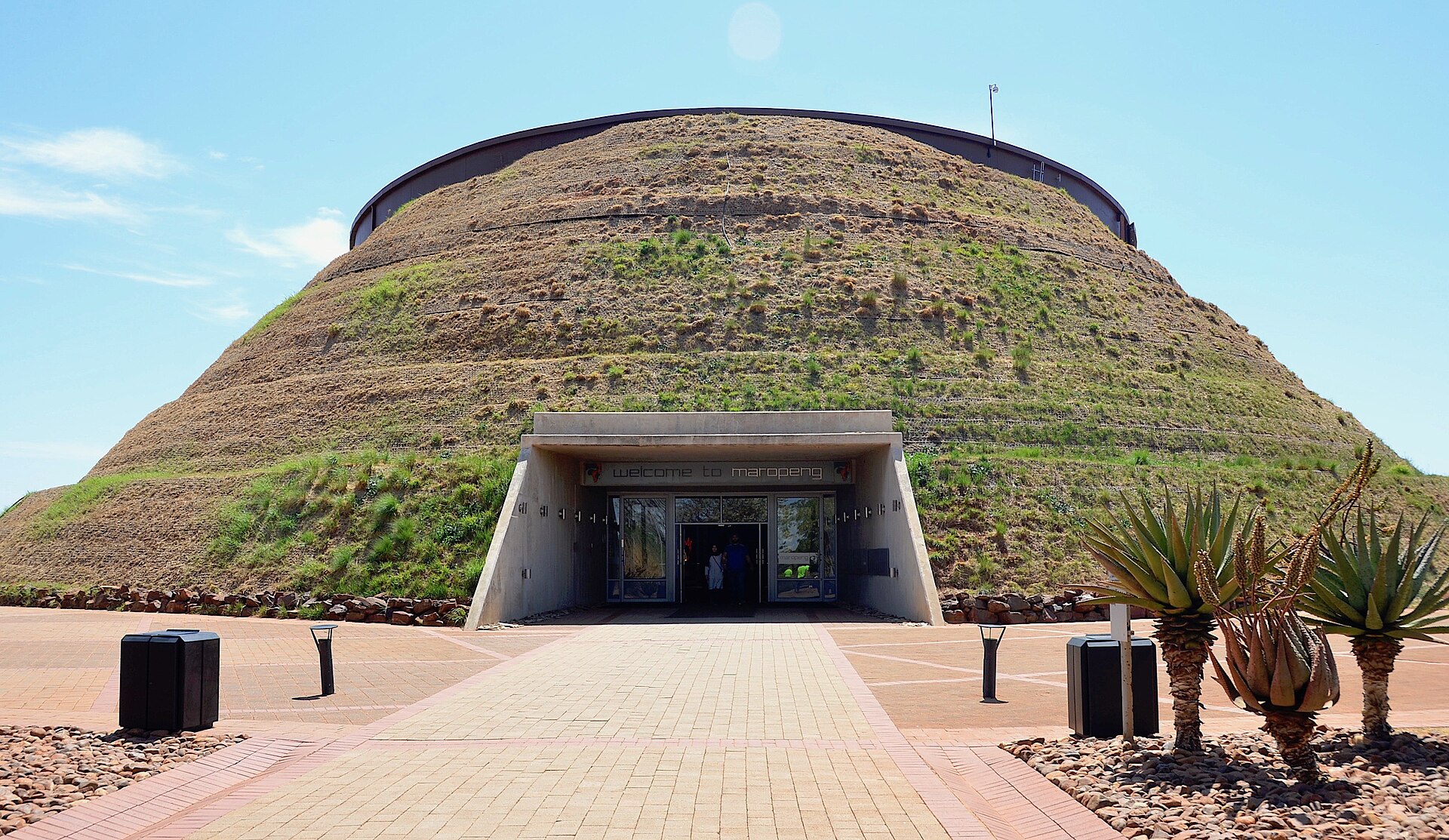
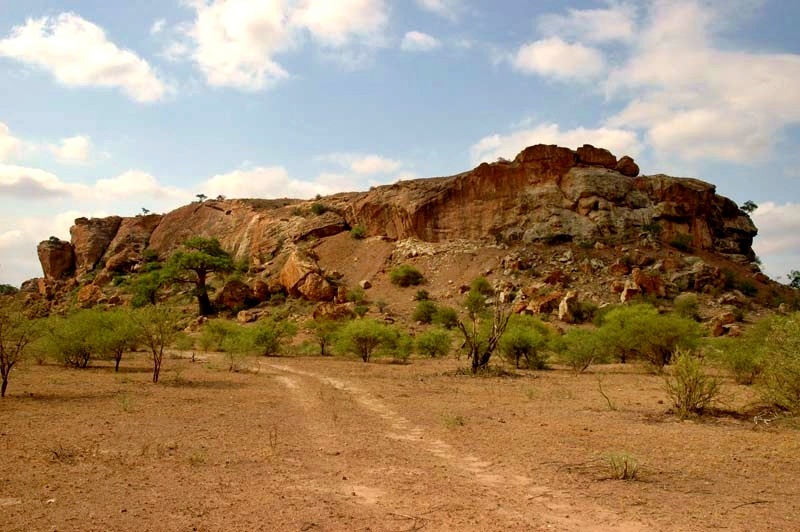
The region was first home to the San and Khoikhoi, hunter-gatherers and herders, and it holds some of the richest early-human fossil sites on Earth. From around two thousand years ago Bantu-speaking communities settled the interior, farming and herding, and built states such as the Kingdom of Mapungubwe, a centre of the gold and ivory trade.
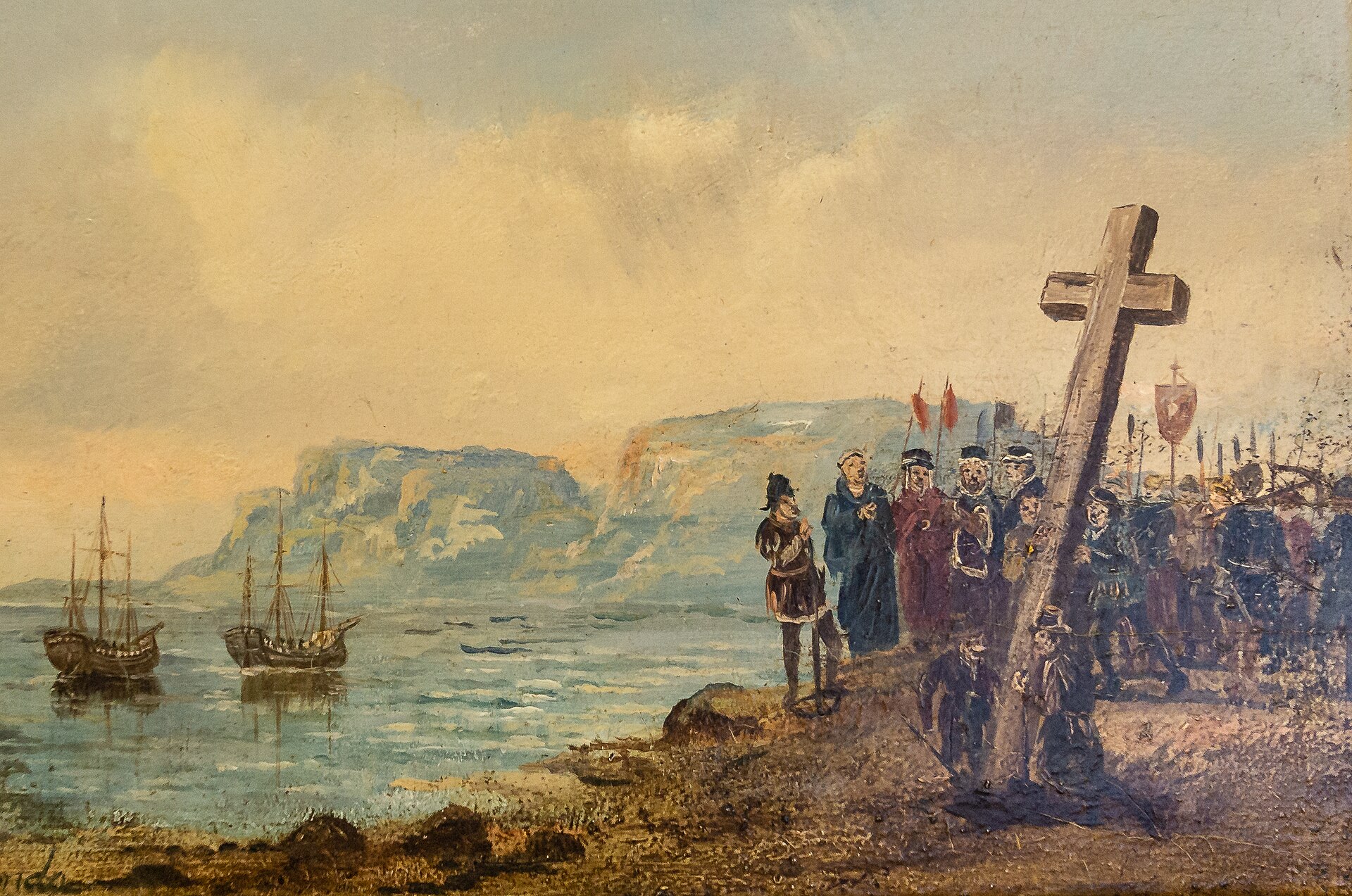
Portuguese navigators rounded the Cape in the 1480s, but it was the Dutch who founded a permanent colony there in 1652. The British took it in the early 1800s, and the Dutch-descended Boers trekked inland, colliding with powerful African kingdoms, above all the Zulu under Shaka and his successors, in a long and violent contest for land.
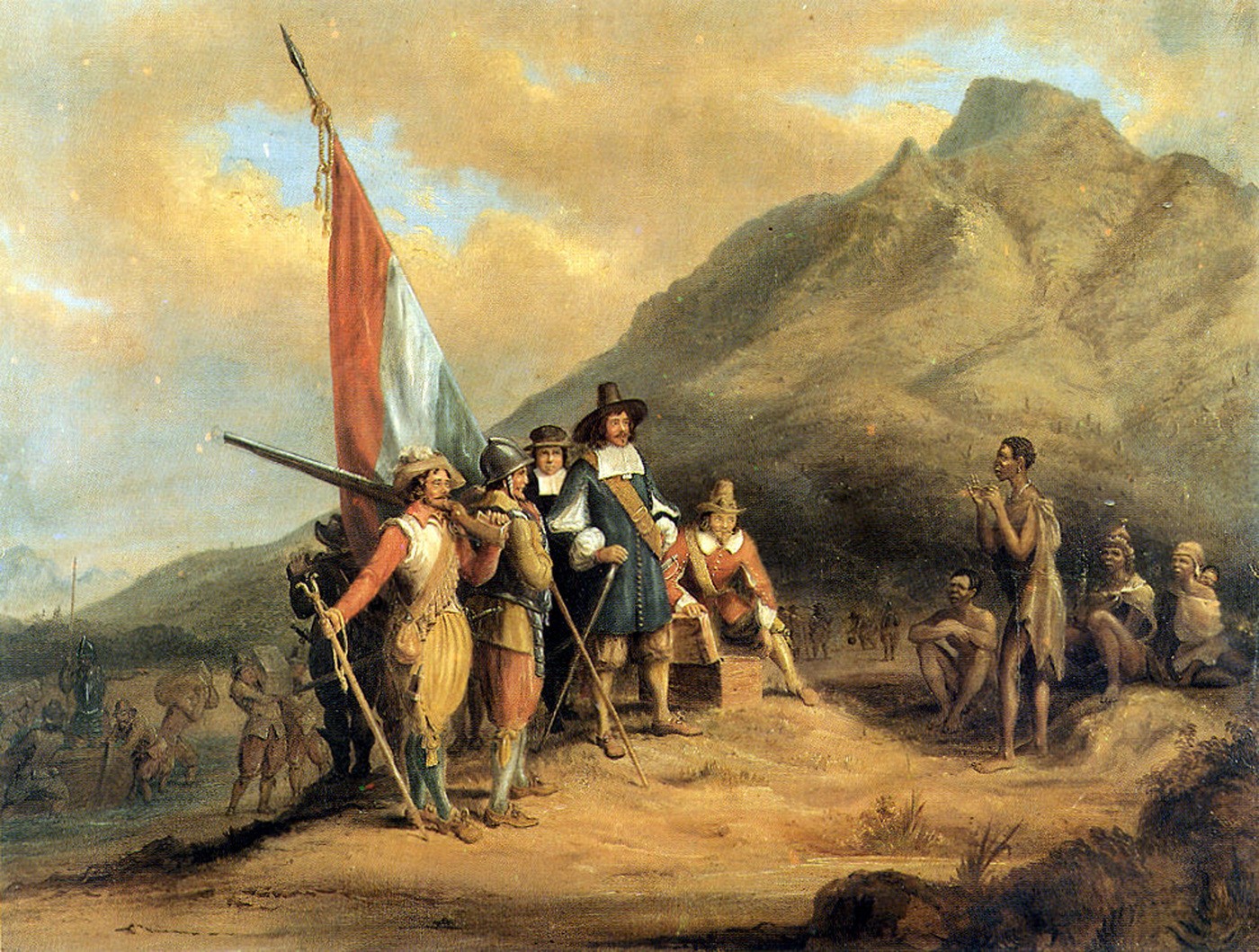
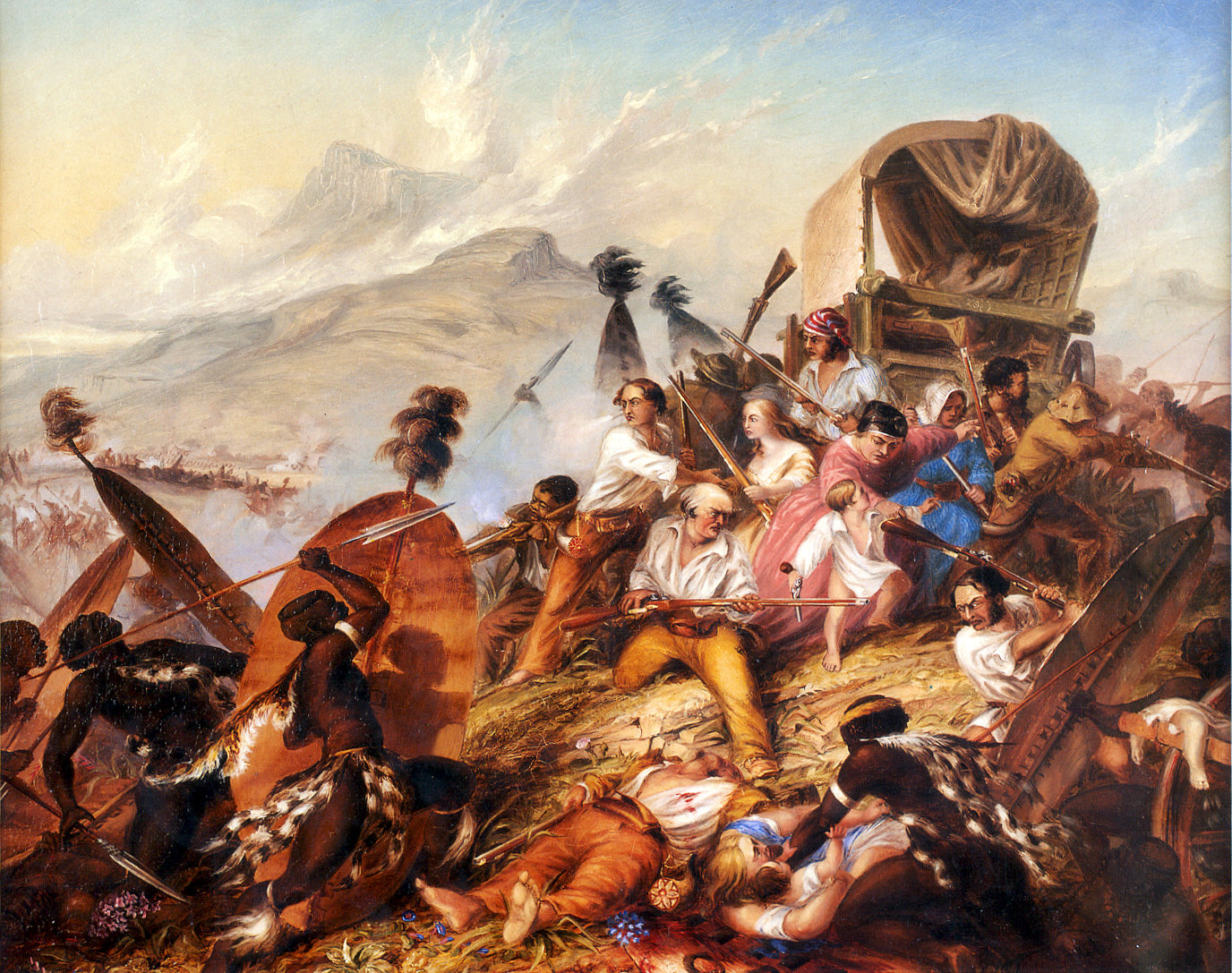
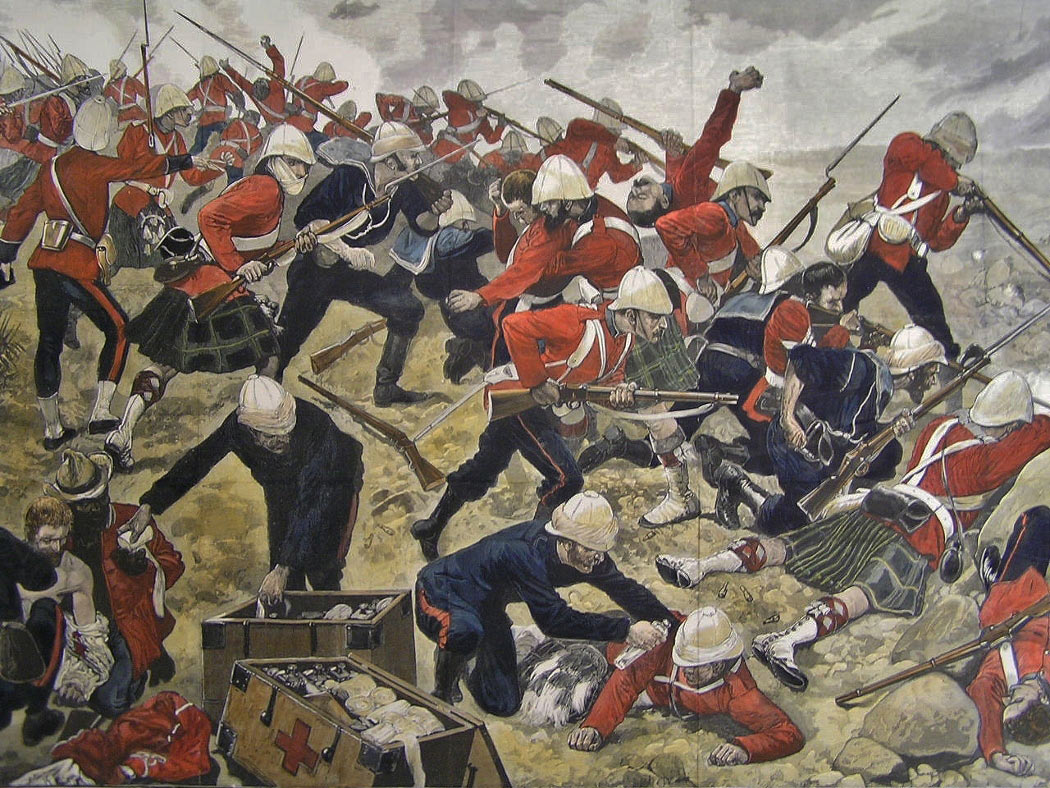
The discovery of diamonds in the 1860s and vast gold reefs in the 1880s transformed the country, drawing fortune-seekers and deepening the struggle for control of land and labour. It also brought Britain and the Boer republics to war. Out of this turbulent era grew the rigid racial order that the white-minority state formalised, in 1948, as apartheid.
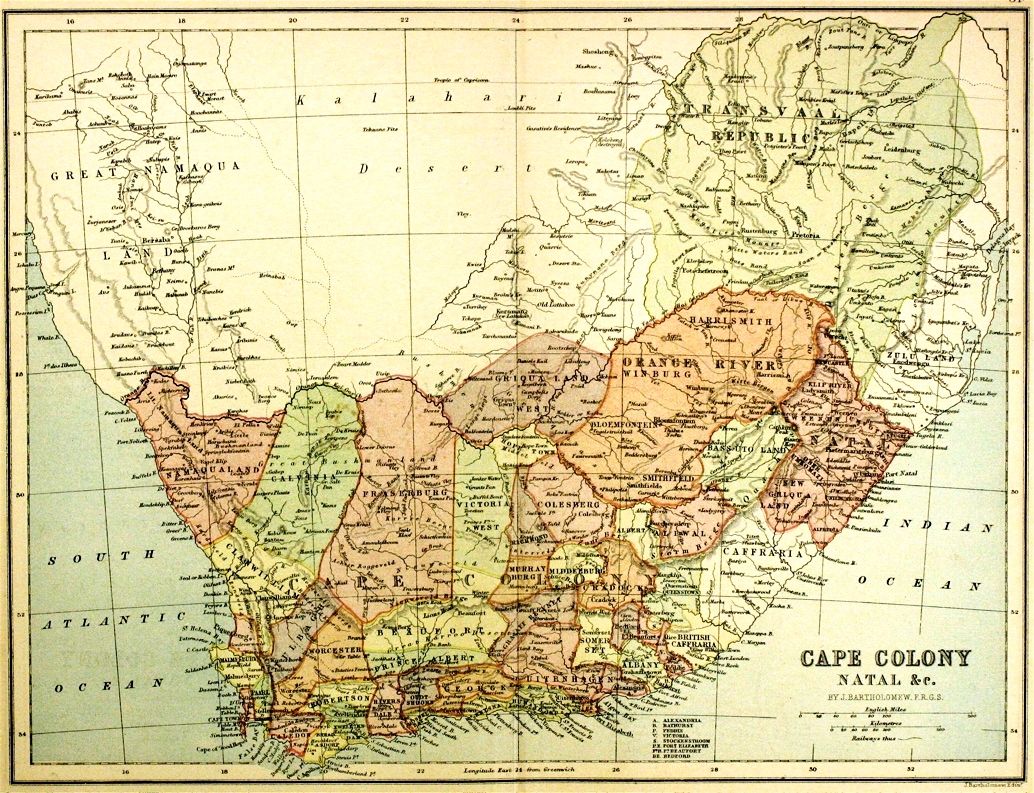
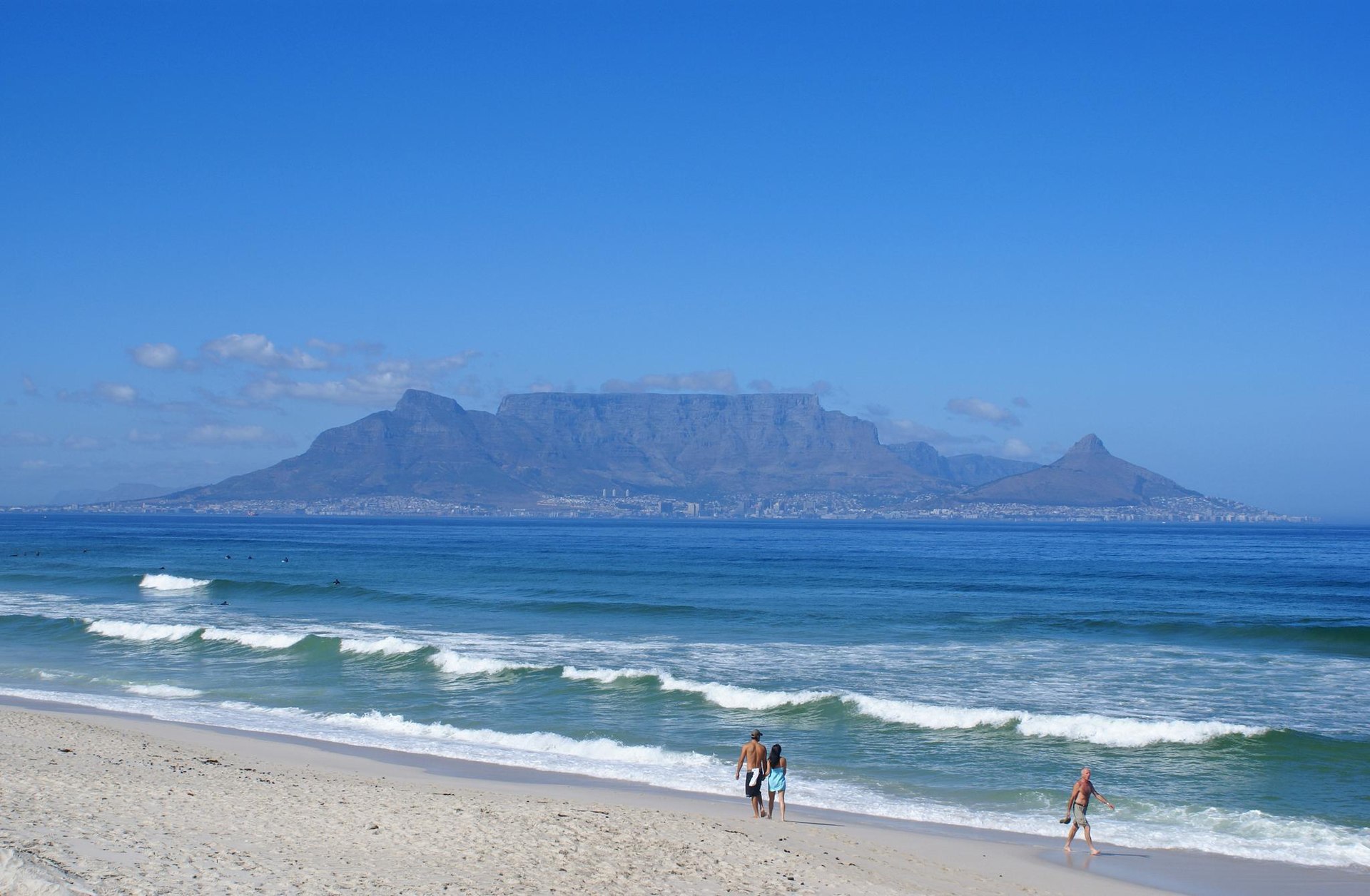
South Africa wraps around the southern end of the continent, with a long coastline meeting two oceans and the famous Cape of Good Hope at its tip. Inland rises a vast, dry central plateau called the highveld, edged by the Drakensberg mountains. The country is known for its wildlife, protected in great reserves such as Kruger National Park, and for the striking setting of Cape Town beneath the flat summit of Table Mountain. Its mineral wealth, especially gold and platinum, lies beneath this varied land.
South Africa is a parliamentary republic and, unusually, has three capitals: Pretoria (executive), Cape Town (parliament), and Bloemfontein (judiciary). Since the end of apartheid in 1994 it has been a constitutional democracy with one of the world's most progressive constitutions and a Bill of Rights. The African National Congress, the party of Nelson Mandela that led the liberation struggle, governed continuously from 1994, though its dominance has recently waned amid frustration over corruption and public services.
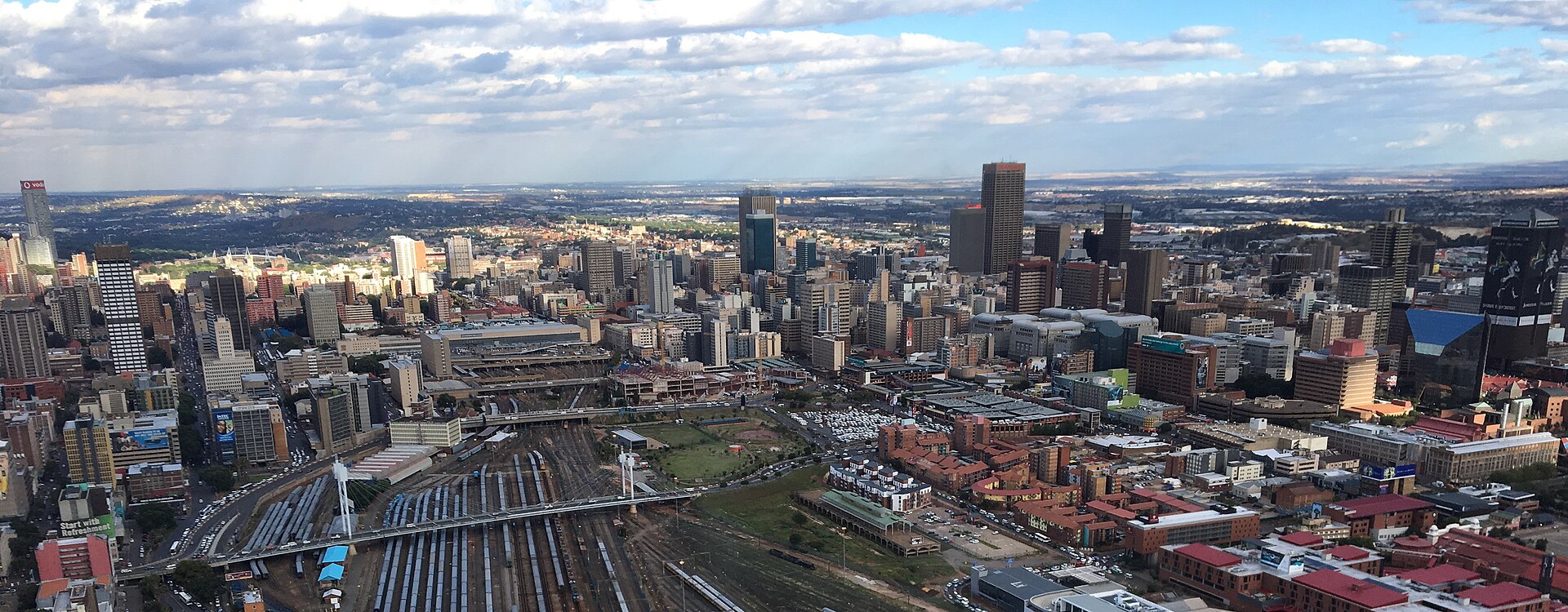
South Africa has one of the most developed and diversified economies in Africa, built historically on mining: it is a leading producer of gold, platinum, and other minerals, and Johannesburg grew from a gold-rush camp into the continent's financial hub. Manufacturing, finance, and tourism are also major. Yet the economy carries deep scars from apartheid, with some of the highest inequality and unemployment in the world, and a persistent electricity crisis has held back growth.
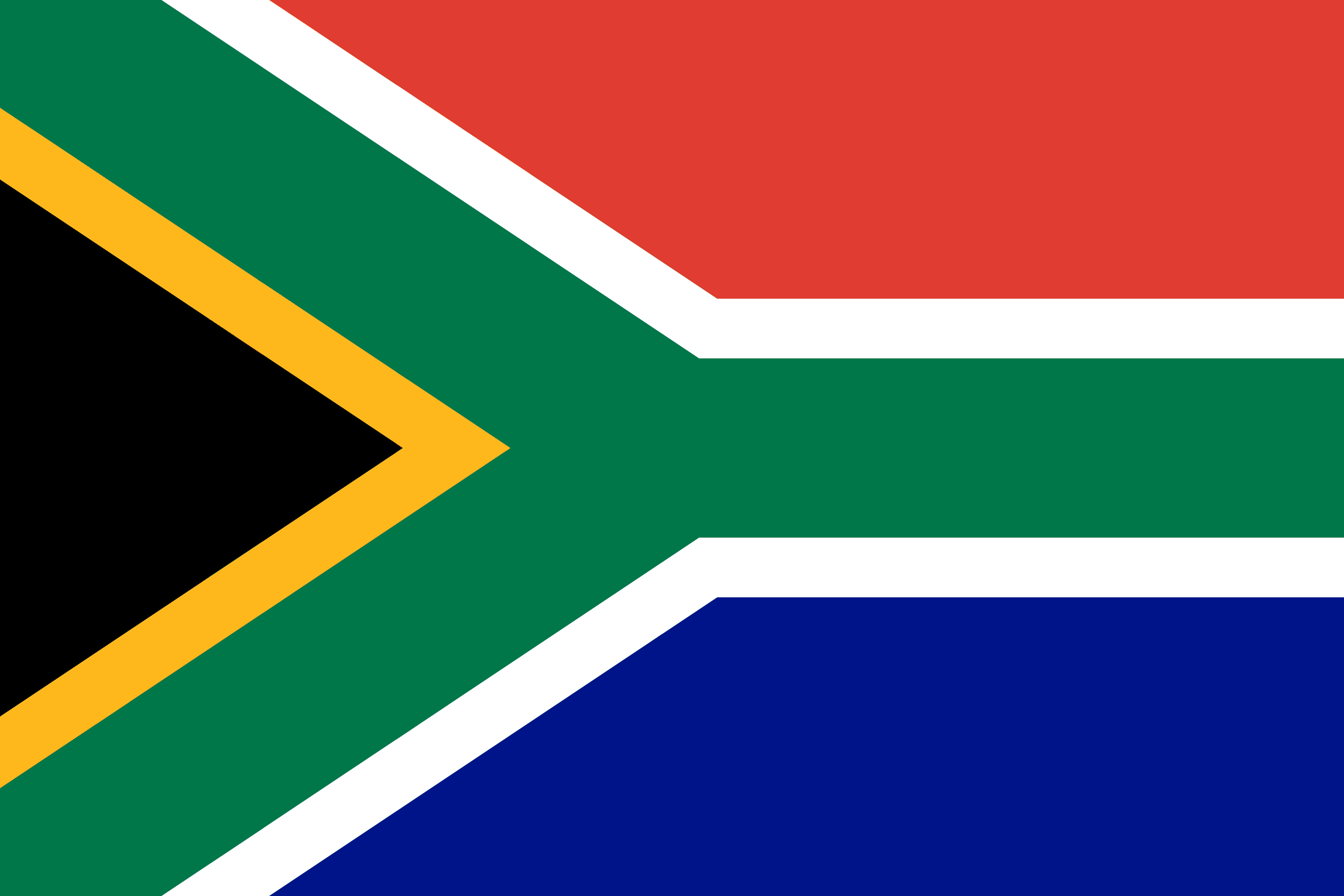
Adopted in 1994 as the country emerged from apartheid, the South African flag is one of the most distinctive in the world, using six colours in a horizontal Y shape. The design features green, black, gold, white, red, and blue, and the central Y is widely understood to symbolise the convergence of the nation's diverse peoples and histories into a single, shared road ahead. Deliberately, no single official meaning was assigned to each colour, so that the flag could belong to everyone.
The great majority of South Africans are Christian, spanning many denominations, including large independent African churches that blend Christian worship with local tradition. Significant communities of Muslims, Hindus, and Jews reflect the country's history of migration and trade, and traditional African beliefs about ancestors and community remain influential, often held alongside Christianity. This mix of faiths is part of what gives the Rainbow Nation its name.
South African food reflects its many cultures, blending African, European, and Asian influences. The braai, a barbecue of grilled meats and sausage, is a beloved national tradition and social occasion. Biltong, air-dried and cured strips of meat, is a popular snack, while dishes like bobotie, a spiced minced-meat bake with an egg topping, show the influence of Cape Malay cooking. Maize meal, known as pap, is a widespread staple eaten with stews and relishes.
South Africa has a sophisticated and varied agricultural sector that makes the country largely self-sufficient in food and a notable exporter. Maize is the most important field crop and a dietary staple, grown across the interior. The Western Cape, with its Mediterranean climate, is celebrated for wine, and its vineyards are among the oldest outside Europe, alongside extensive orchards of deciduous fruit. The country also exports citrus, grapes, sugarcane, and wool. As across the region, water scarcity and drought are major challenges.
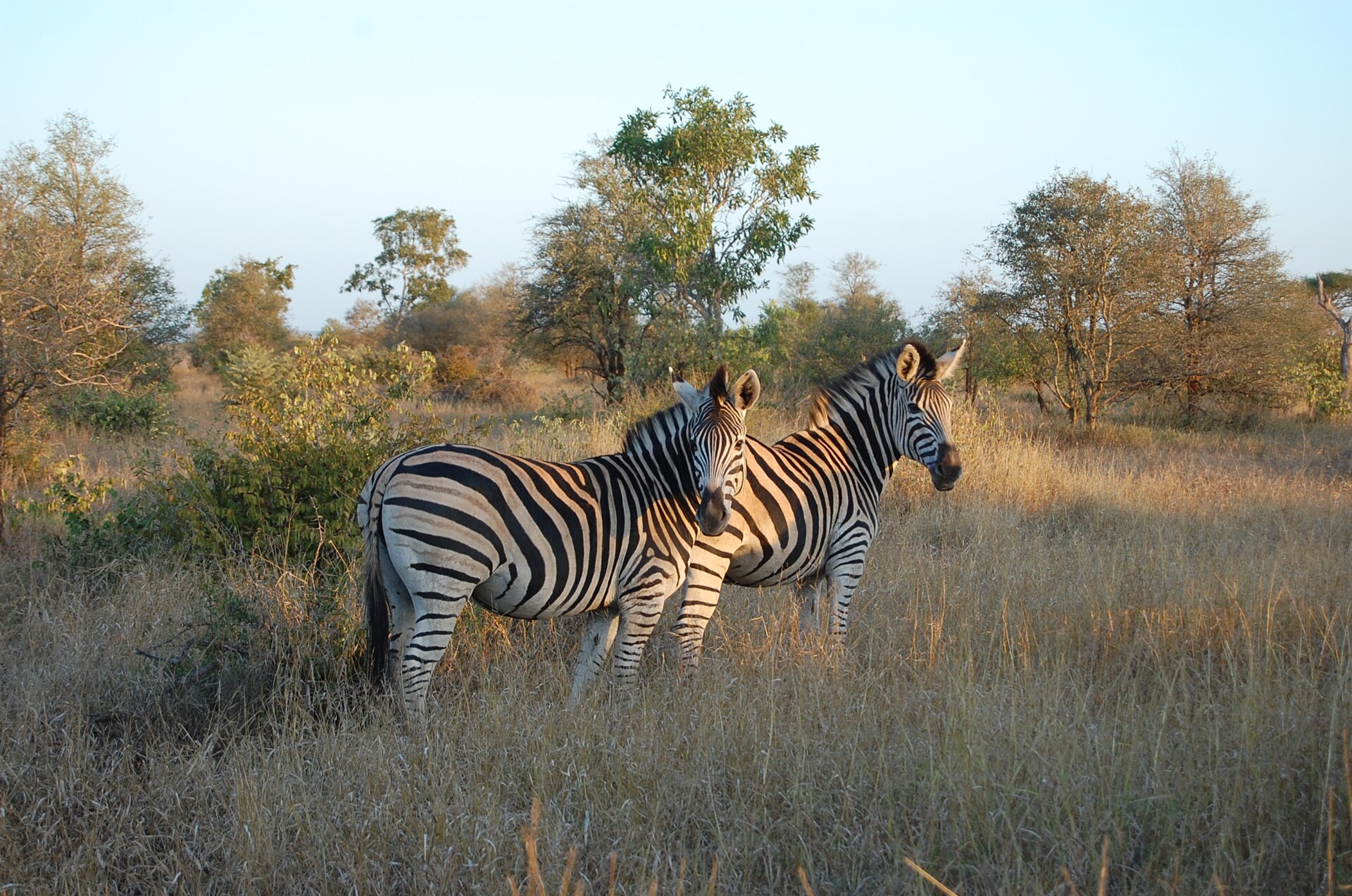
South Africa is one of the most biodiverse countries on Earth and a premier destination for safari. Its great reserves, above all Kruger National Park, protect the famous Big Five (lion, leopard, rhinoceros, elephant, and buffalo) and a wealth of other species. The Cape is its own botanical kingdom, the fynbos, found nowhere else, and the coastline teems with marine life. This natural heritage is central to the country's tourism and identity.
South Africa wrestles with the unfinished business of its transition. Despite political freedom, wealth and land remain deeply unequal along lines drawn by apartheid, and how to redistribute land, including the debate over expropriation, is fiercely contested. Persistent corruption, high crime, and unemployment, together with a crippling energy crisis of rolling blackouts, have eroded trust in the governing party and dominate national politics.
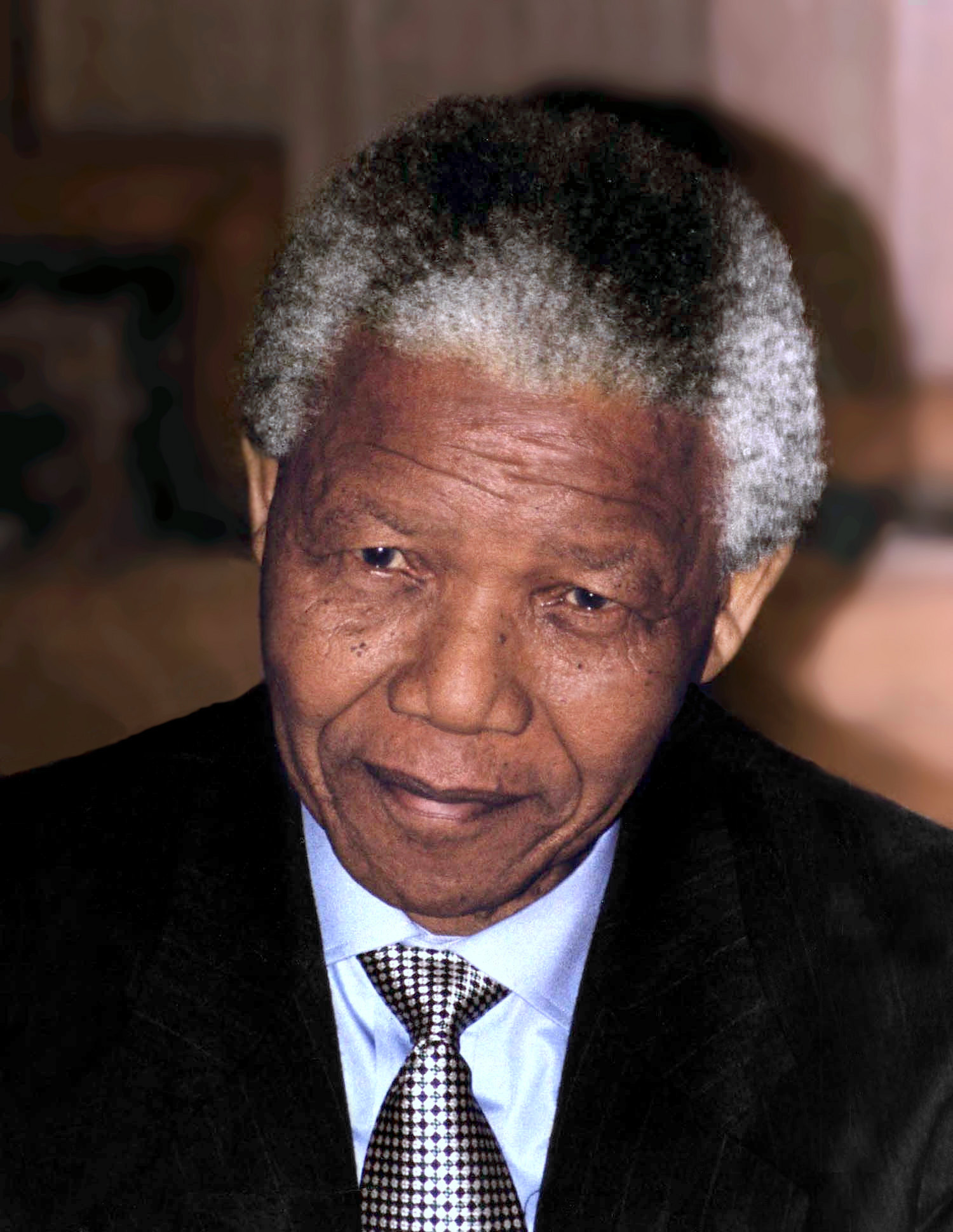
In 1948 the government imposed apartheid, a brutal system of enforced racial segregation that stripped the Black majority of rights and land. Decades of resistance, led by figures such as Nelson Mandela and the African National Congress, met fierce repression but drew growing condemnation around the world. Apartheid finally fell, and in 1994 South Africa held its first fully democratic election, choosing Mandela, who had spent twenty-seven years in prison, as its first Black president.
South Africa has a population of around 60 million people and is one of the most diverse societies in the world, which is why it is so often called the Rainbow Nation. It recognises twelve official languages (South African Sign Language was added in 2023), among them Zulu, Xhosa, Afrikaans, and English. The legacy of apartheid still shapes deep inequalities in wealth and opportunity, which the democratic state has worked to address. Most South Africans live in urban areas, with major centres at Johannesburg, Cape Town, and Durban.