Traditional accounts of how the world and its inhabitants came to exist. Every documented culture has one, they fall into a small number of recurring types, and their function is generally to explain the present order rather than to report the past.
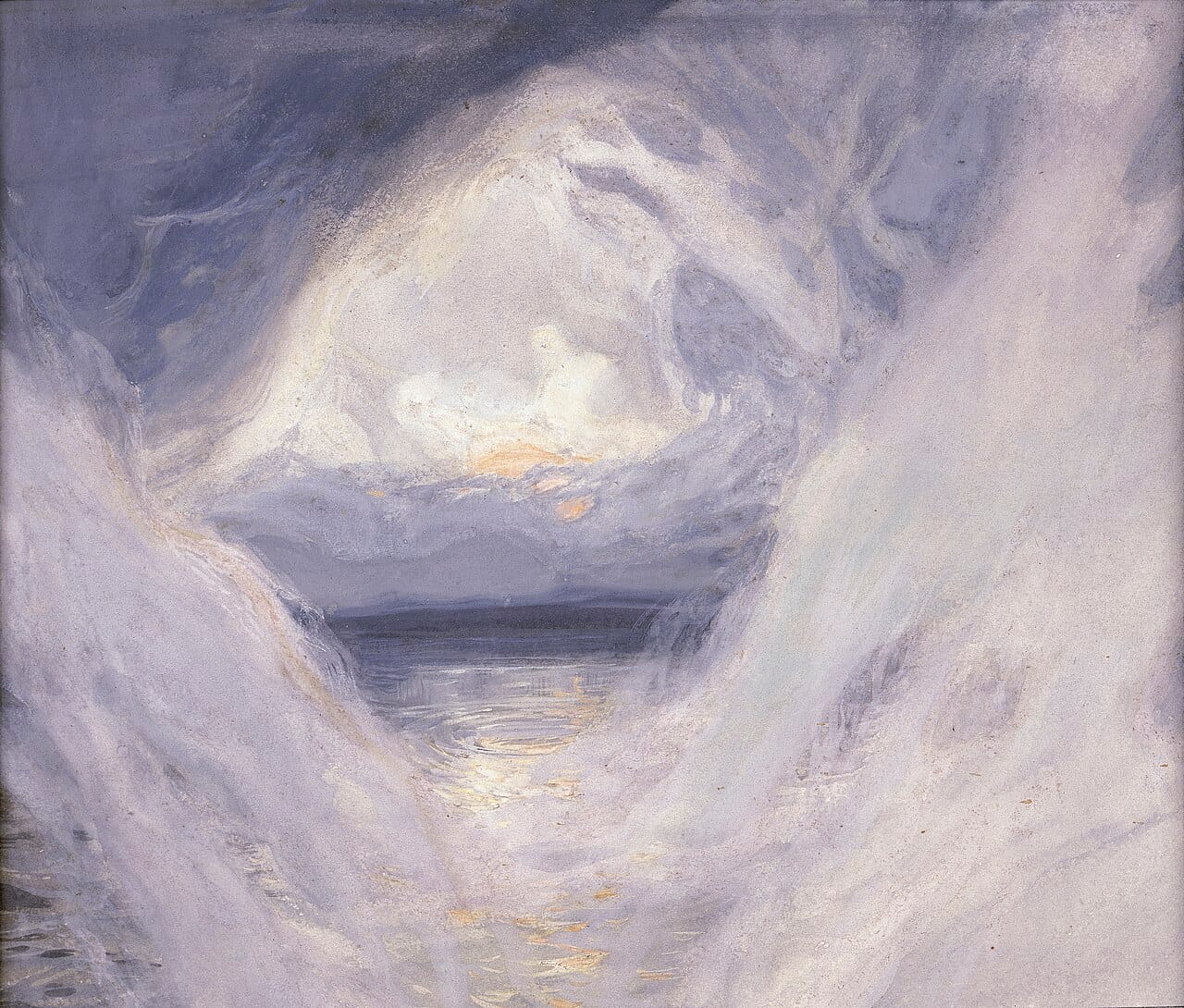
Creation from nothing, in which a deity brings the world into being by will or word. It appears in Genesis and in several other traditions and is less common globally than is often assumed.
Creation from chaos, in which a formless state is ordered rather than something being made from nothing. Mesopotamian and Greek accounts take this form, and it is among the most widespread.
Emergence, in which beings ascend into the present world from levels below. This is characteristic of several Indigenous traditions of the American Southwest.
Earth diver, in which an animal dives beneath primordial water and brings up mud from which land is made. It occurs across northern Eurasia and North America, and its distribution has been used to argue for very ancient transmission.
World parent, in which a primordial pair, frequently sky and earth, are separated to create the space in which the world exists. Greek, Egyptian, Maori and other traditions share it.
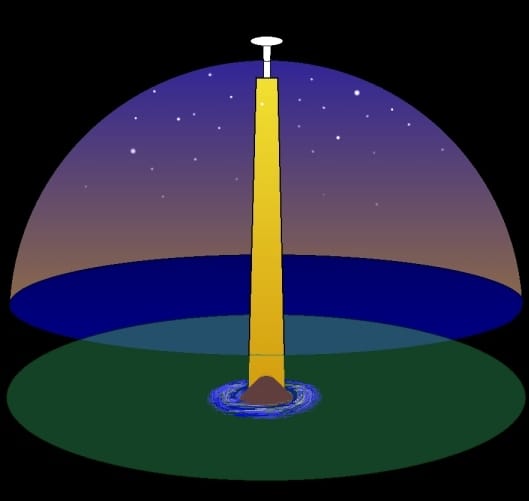
Cosmic egg, in which the world hatches or is formed from a broken egg, appearing in Finnish, Indian, Chinese and other accounts.
Dismemberment, in which the world is formed from the body of a slain primordial being.
The recurrence of a limited set of structures across unconnected traditions is the field's central observation, and explanations offered include shared cognitive tendencies, shared human experience of birth and of building, and very ancient common inheritance.
Creation myths generally explain the present rather than describe the past, and reading them as failed history misses what they are doing.
They establish order. A myth explaining why the sky is separate from the earth, or why humans must farm, presents the current arrangement as having a reason.
They authorise. Social arrangements including kinship, kingship and the position of particular groups are frequently grounded in the creation account, which makes them appear given rather than chosen.
They locate people. Many accounts explain why a particular people occupies a particular place, which is a claim about belonging.
They explain difficulty. Death, labour and pain are frequently accounted for by an event in the creation narrative, which addresses a question every society faces.
They are performed rather than merely believed. Many are recited on specific occasions, and their telling is part of ritual rather than of instruction.
Time is treated differently across traditions and the difference is substantial.
Linear time runs from a beginning toward an end, which is characteristic of the Abrahamic traditions.
Cyclical time repeats. Hindu cosmology describes vast recurring cycles of creation and dissolution, with numbers running to billions of years, and Mesoamerican traditions describe successive worlds each destroyed and replaced.
Some accounts have no beginning at all, treating the world as always having existed in some form.
Whether creation is by a deity, by impersonal process, by accident, or by the actions of animals also varies, and creation by a single omnipotent being is one option among many rather than the standard case.
Creation accounts and scientific cosmology are frequently placed in opposition, and the relationship is more varied than that framing allows.
Most religious traditions and most of their adherents treat creation narratives as conveying meaning rather than as competing physical descriptions, and this reading is old rather than a modern retreat: Augustine argued in the fourth century against reading Genesis in a way that contradicts what can be known about the natural world.
Literalist readings that treat such accounts as physical descriptions do generate direct conflict, and the resulting arguments about the age of the Earth and the origin of species are treated in their own capsules.
Interpreting a myth as a garbled memory of a real event is generally unsupported, though flood narratives, which are extremely widespread, have prompted repeated attempts to identify a specific originating event, and no single candidate accounts for the distribution.
Creation myths are the most widespread category of narrative in human culture, and their existence in every documented society indicates that the question they address is one people reliably ask.
Their structural similarities across unconnected traditions are also among the better pieces of evidence in comparative mythology. Independent cultures arriving at the same small set of answers suggests the constraint lies in how people think about beginnings rather than in any particular tradition.