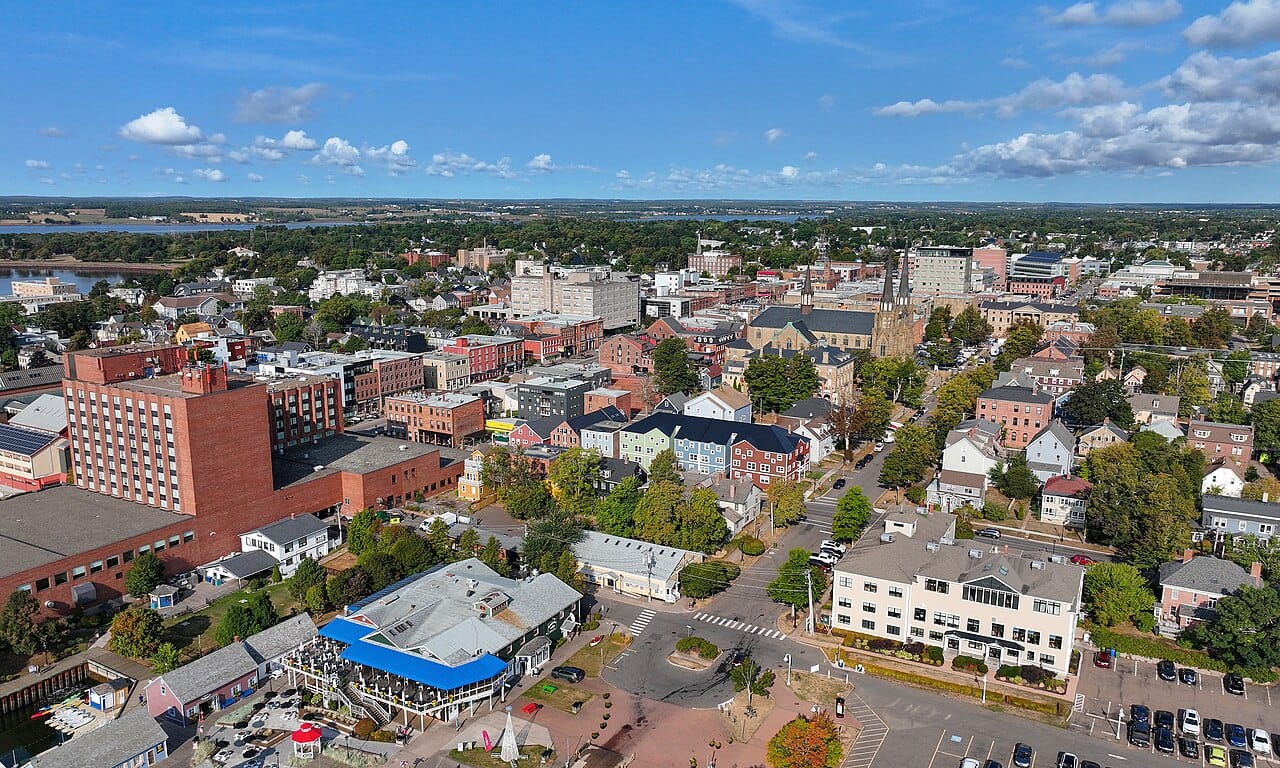
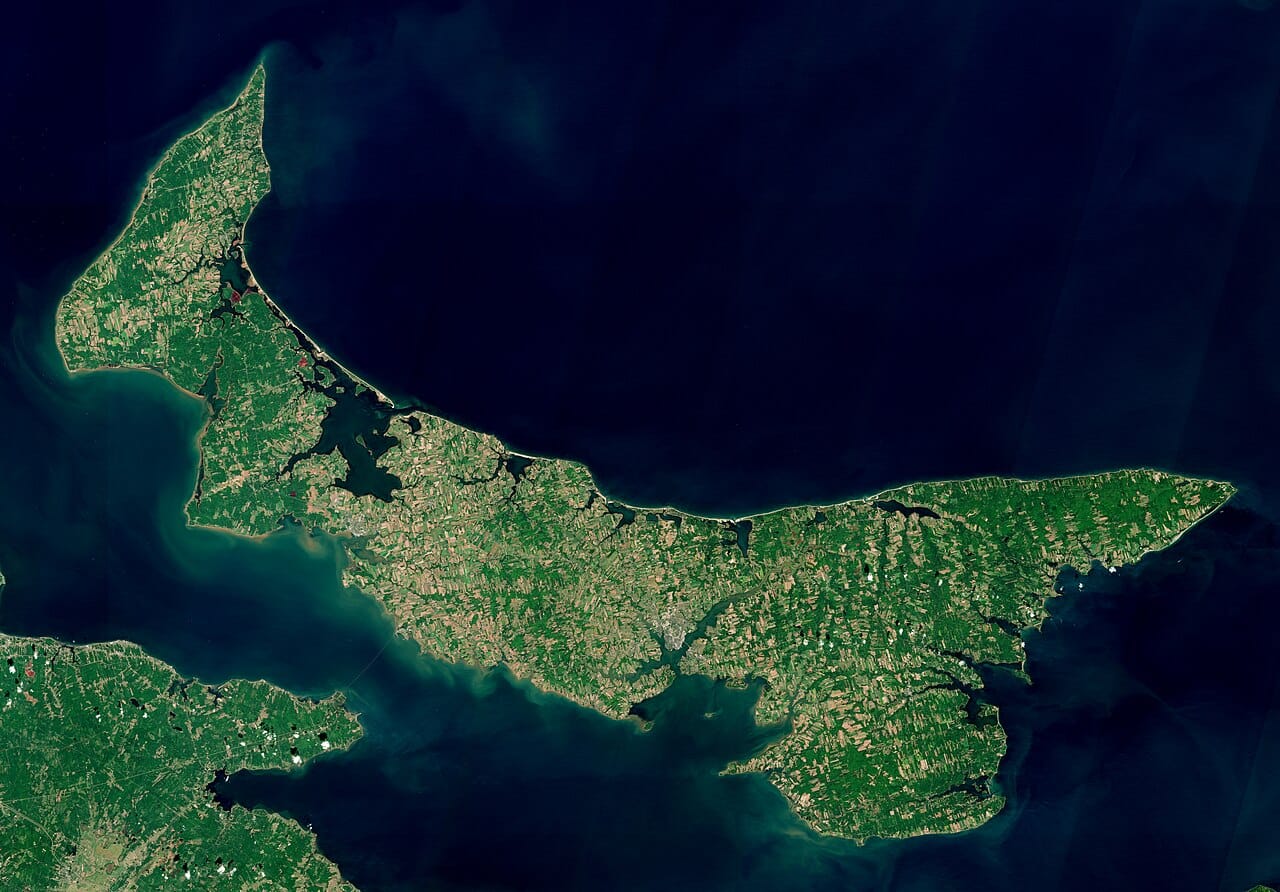
Prince Edward Island is the smallest province of Canada, a gentle, crescent-shaped island in the Gulf of St Lawrence off the Atlantic coast, joined to the mainland by a long bridge. Famous for its red soil, rolling farmland, and sandy beaches, it is a place of small towns and a slow, pastoral charm, celebrated around the world as the setting of the novel Anne of Green Gables. Home to around 175,000 people and the birthplace of the Canadian Confederation, it is small in size but large in history.
Prince Edward Island's history runs from its Mi'kmaq people and French Acadian settlers, through British colonial rule, to its famous role as the cradle of the country that it did not, at first, choose to join.
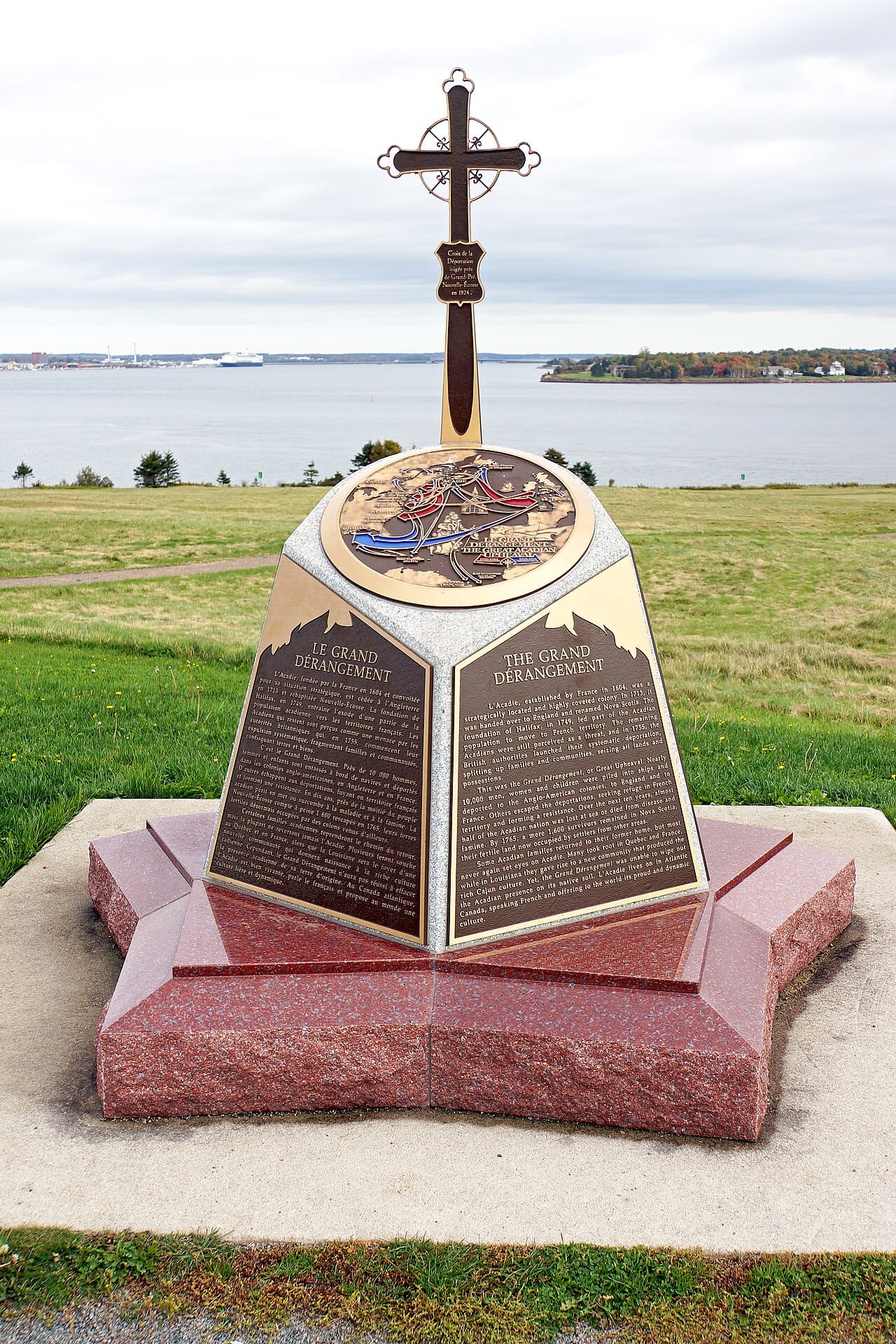
The island was long the home of the Mi'kmaq, who called it Epekwitk, and in the colonial era it became part of French Acadia, settled by Acadian farmers. When the British took control, the island's Acadians were caught up in the same expulsion that scattered their people across the region in the 1750s.
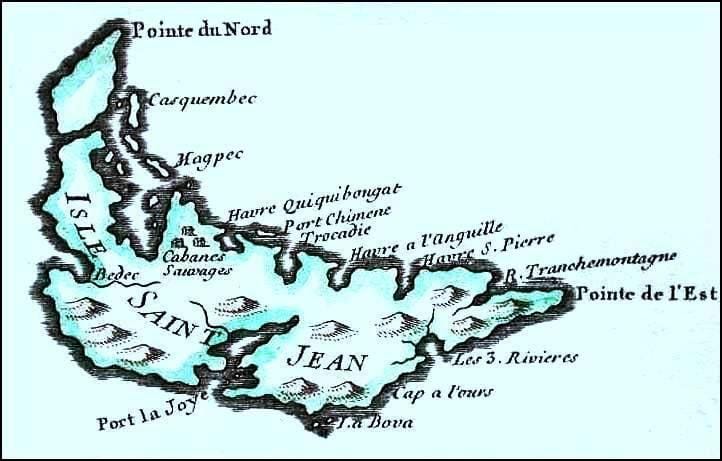
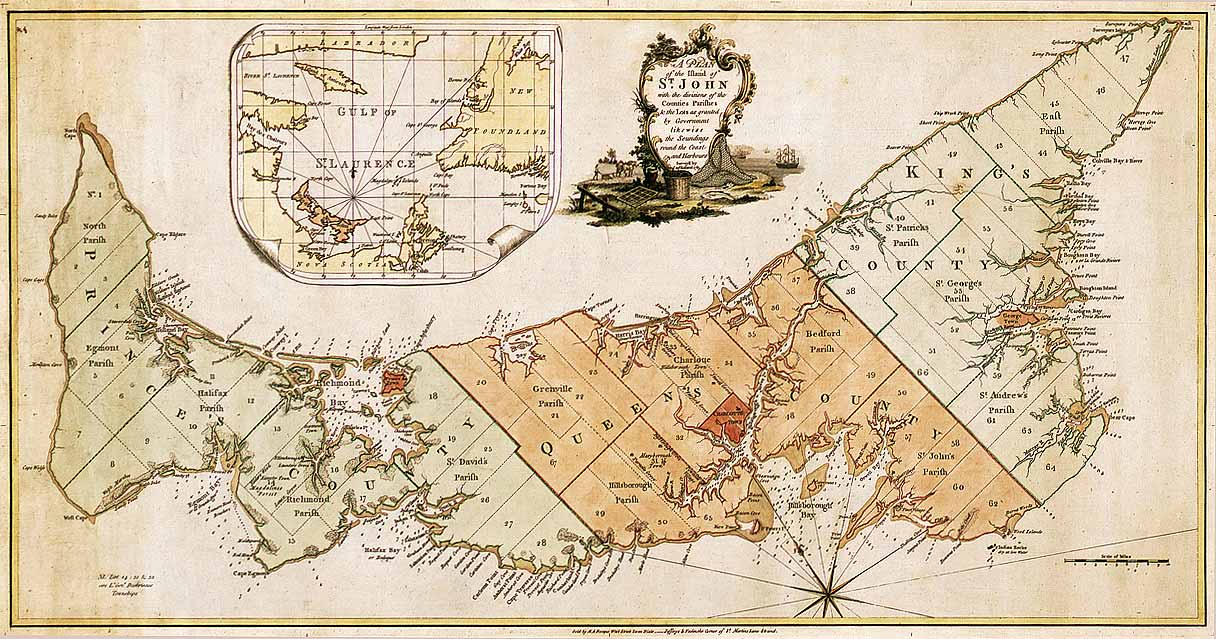
Under British rule the island was renamed for a son of King George III and organised as a separate colony, much of its land granted to absentee landlords in a system that long troubled its farmers. It grew as a small agricultural and shipbuilding society, its rich red soil and its harbours the foundation of its life.
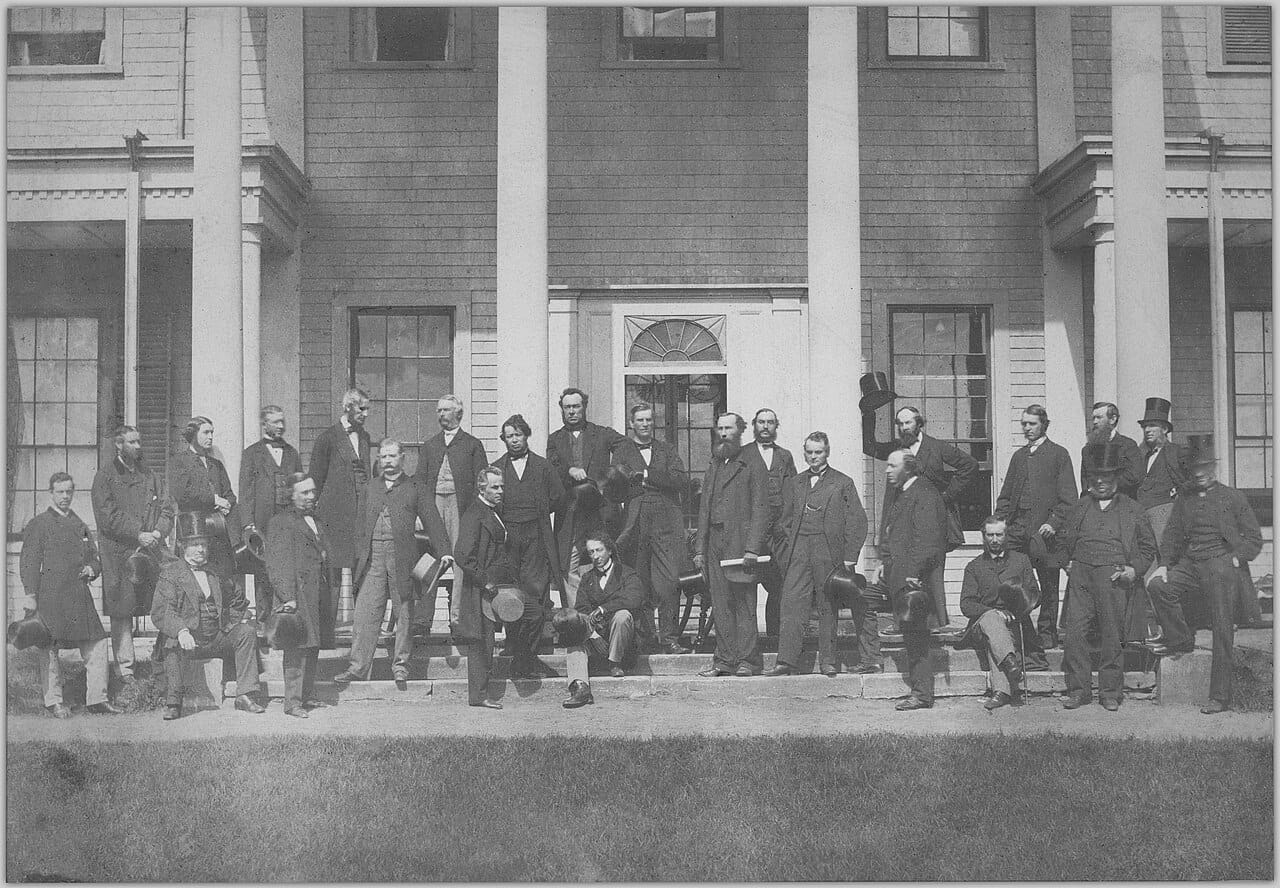
Prince Edward Island's greatest moment came in 1864, when its capital, Charlottetown, hosted the conference at which the leaders of the British North American colonies first discussed forming a single country. Though the island itself hesitated and did not join the new Dominion until 1873, it is proudly remembered as the birthplace of Canada.

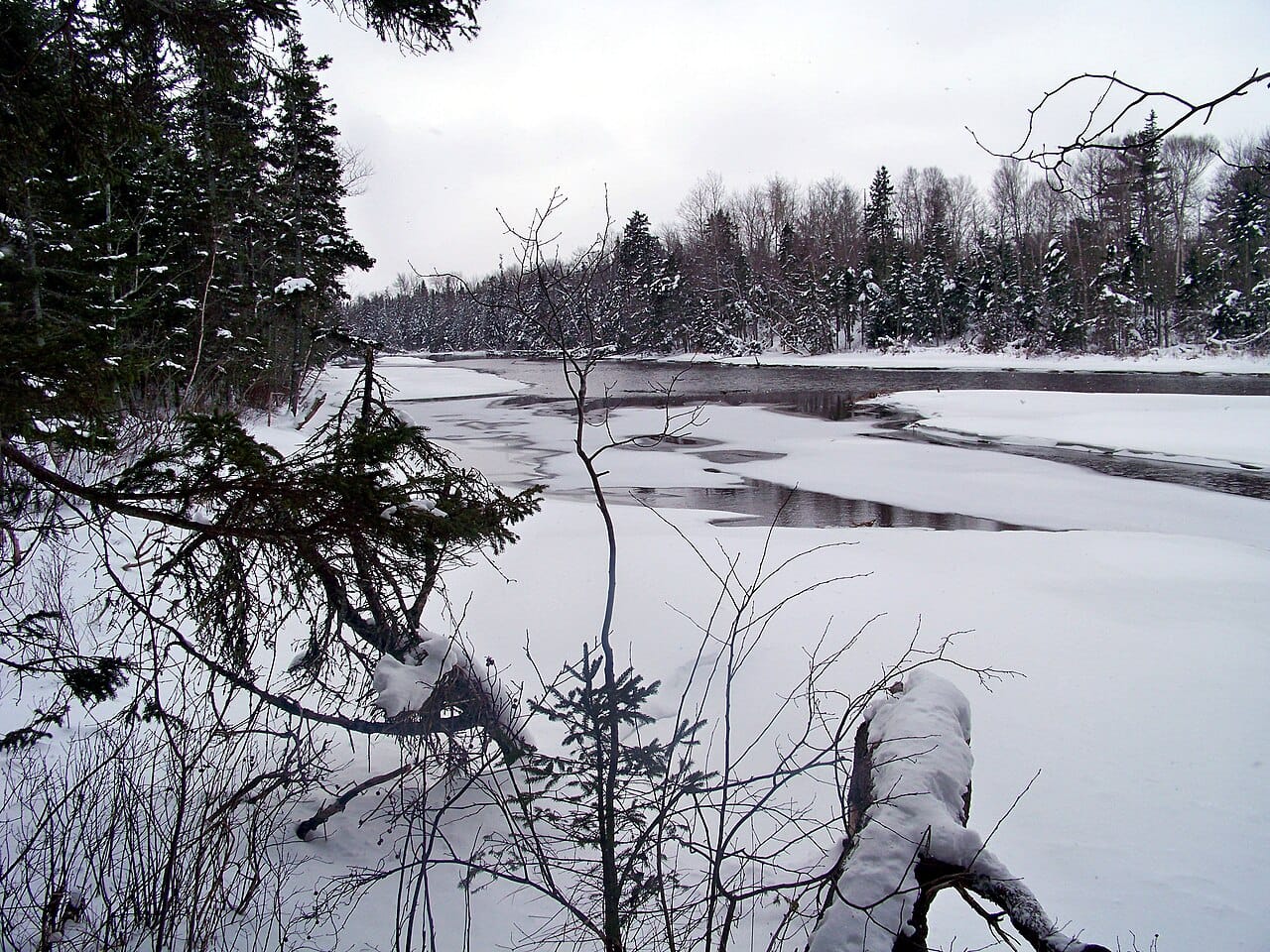
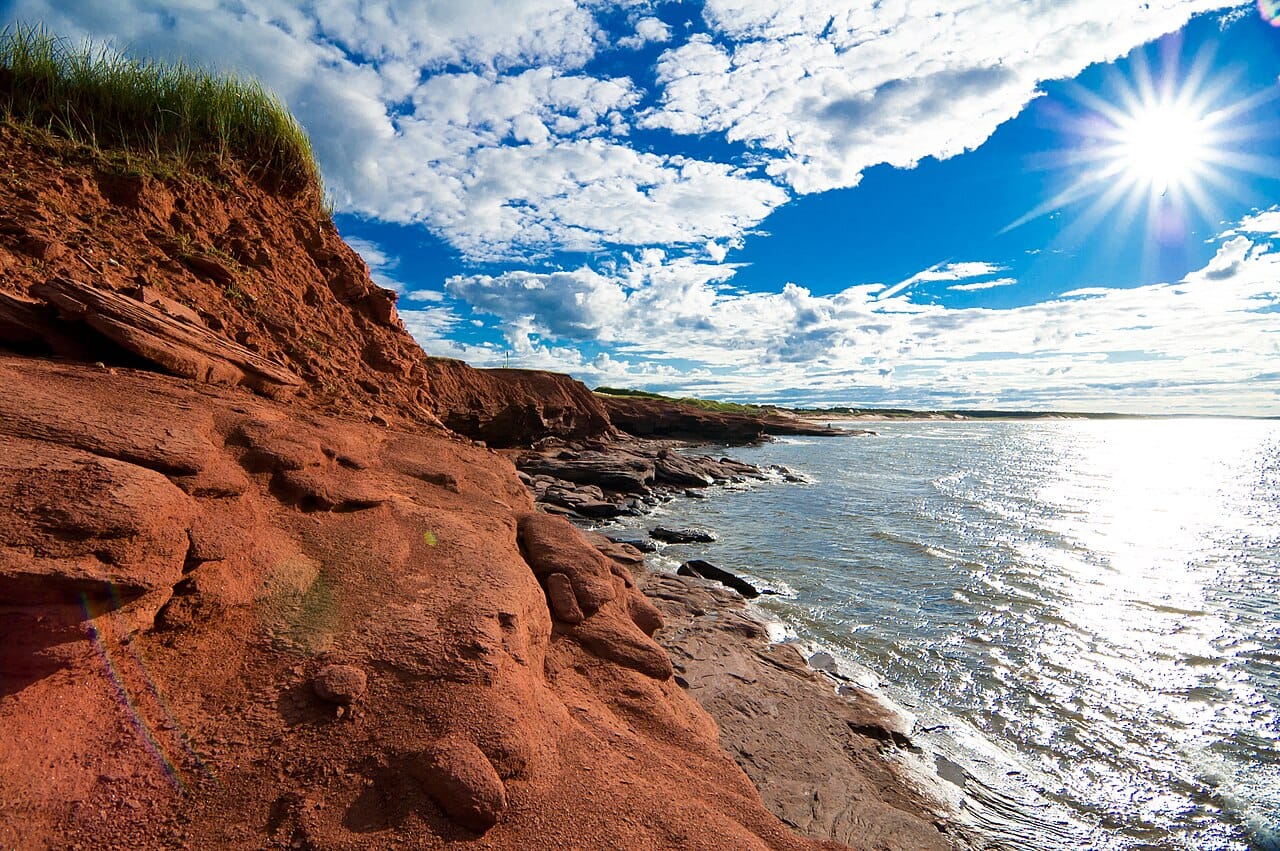
Prince Edward Island is a small, low, and gentle island, its landscape a patchwork of farmland, woods, and small communities, ringed by beaches and dunes. Its most striking feature is its soil, stained a vivid red by iron oxide, which colours the fields, the cliffs, and even the shore. Warmed in summer and surrounded by the Gulf of St Lawrence, whose waters freeze around it in winter, the island has a mild, maritime climate that helps make it one of Canada's garden spots.
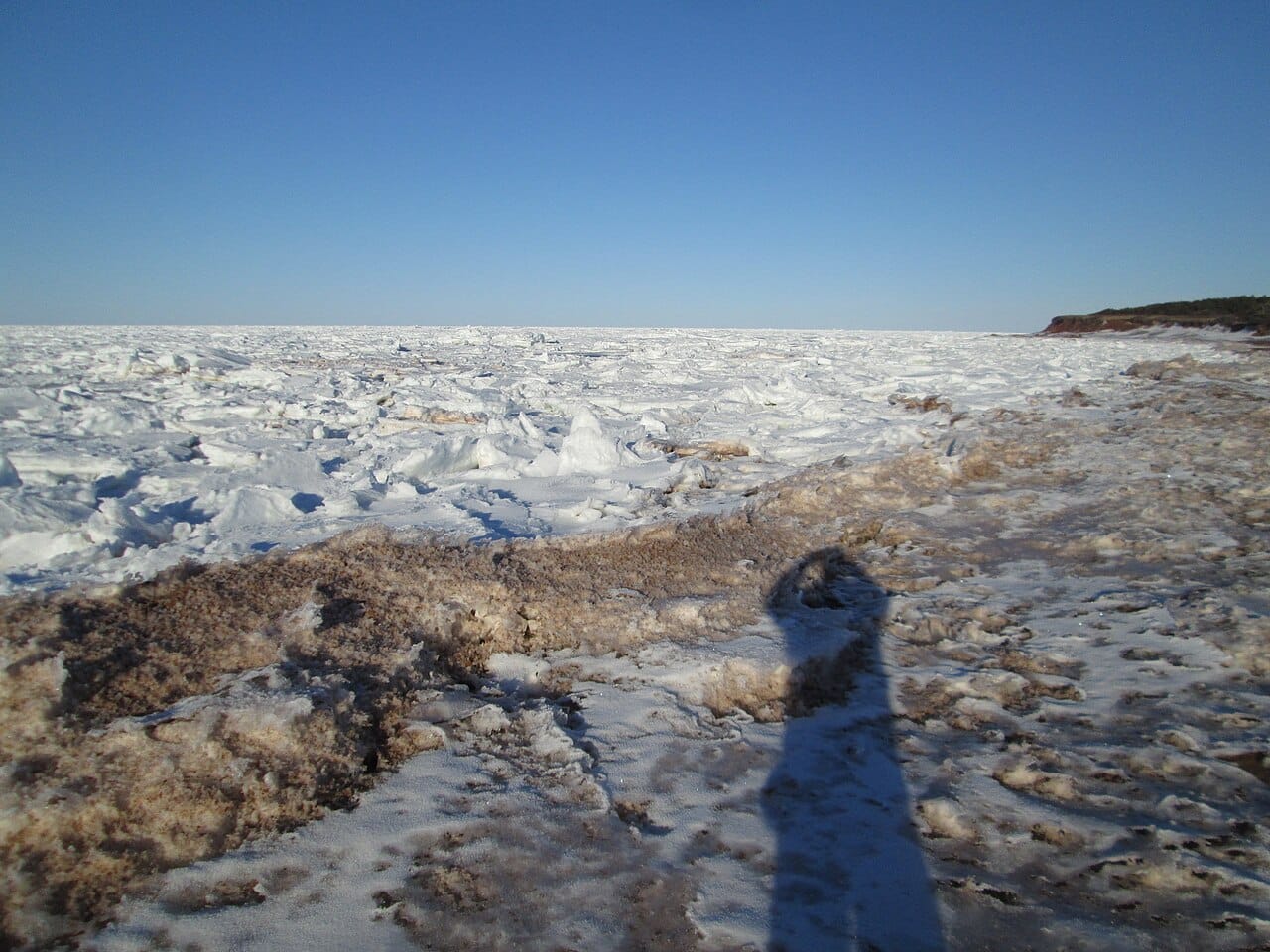
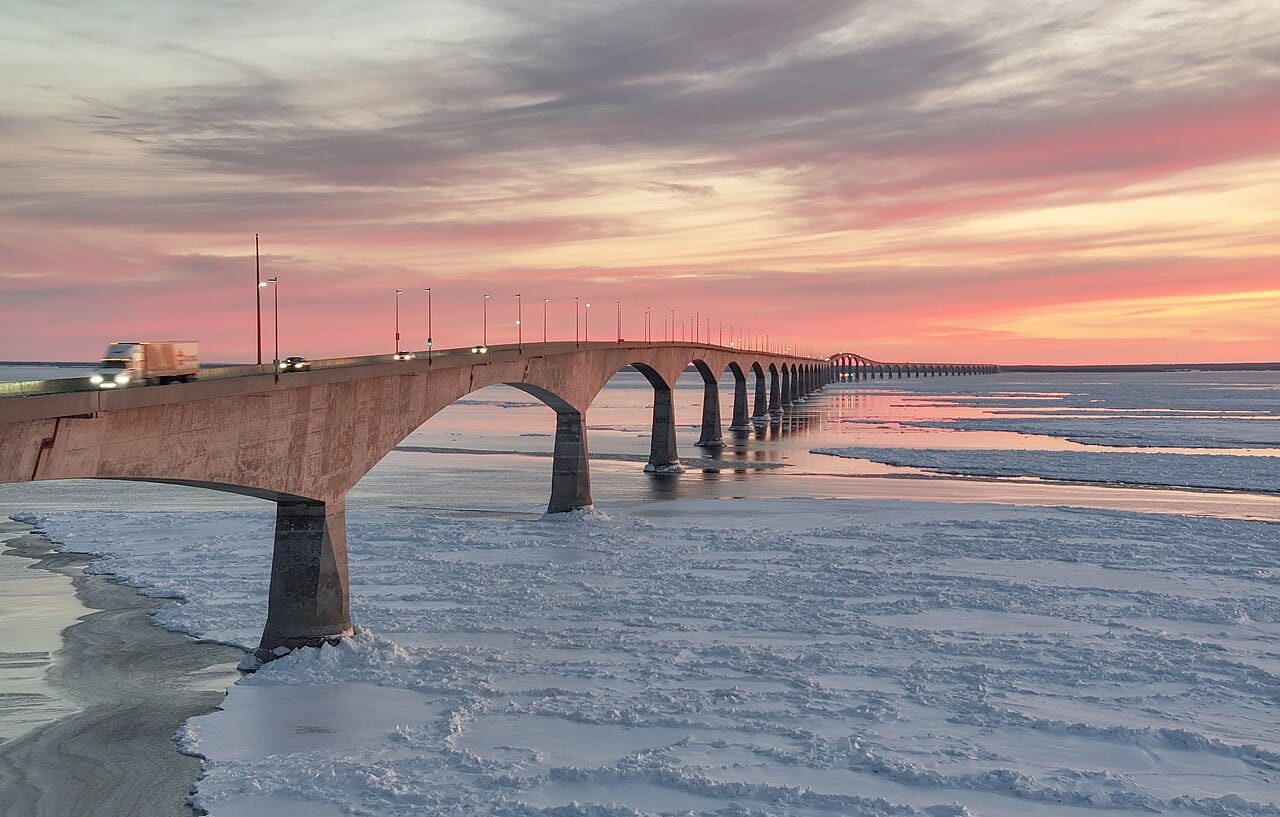
For most of its history the island could be reached only by boat, and in winter by crossing the ice. That changed in 1997 with the opening of the Confederation Bridge, a graceful thirteen-kilometre span across the Northumberland Strait, one of the longest bridges over ice-covered water in the world, which finally gave the island a fixed link to the mainland.
Prince Edward Island is governed as a parliamentary democracy, with an elected Legislative Assembly that sits in the capital, Charlottetown, and a premier who leads the government, while a lieutenant governor represents the Crown. As of 2026 the premier is Rob Lantz, leader of the Progressive Conservatives, and the lieutenant governor is Wassim Salamoun. Despite being the smallest province, with the fewest legislators, the island guards its full status and its equal voice within the Canadian federation.

Prince Edward Island's economy has always been built on its rich red soil, and it is Canada's leading producer of potatoes, its signature crop, grown across the farms that cover much of the island. Fishing, above all for lobster and shellfish from the surrounding waters, is the other pillar, and tourism has become hugely important, drawing visitors to the island's beaches, its pastoral scenery, and the world of Anne of Green Gables. Small in scale, the economy is closely tied to the land and the sea.
For all its small size, Prince Edward Island has a distinct and gentle island culture, rooted in farming, fishing, and close community life. Its greatest cultural export is Anne of Green Gables, the beloved novel by Lucy Maud Montgomery, set amid the island's red roads and green fields, which draws admirers from around the world, especially from Japan. The island cherishes its music, its ceilidhs, and a warm, unhurried way of life that many Canadians see as a link to a quieter past.
Prince Edward Island has a population of around 175,000 people, the fewest of any province, though it is also the most densely populated because of its small size. The largest community by far is the capital, Charlottetown, with the rest of the islanders spread through small towns and farming and fishing villages. Long a place that lost its young to the mainland, the island has grown quickly in recent years through immigration, one of the fastest rates in the country, bringing new diversity to its old rural society.