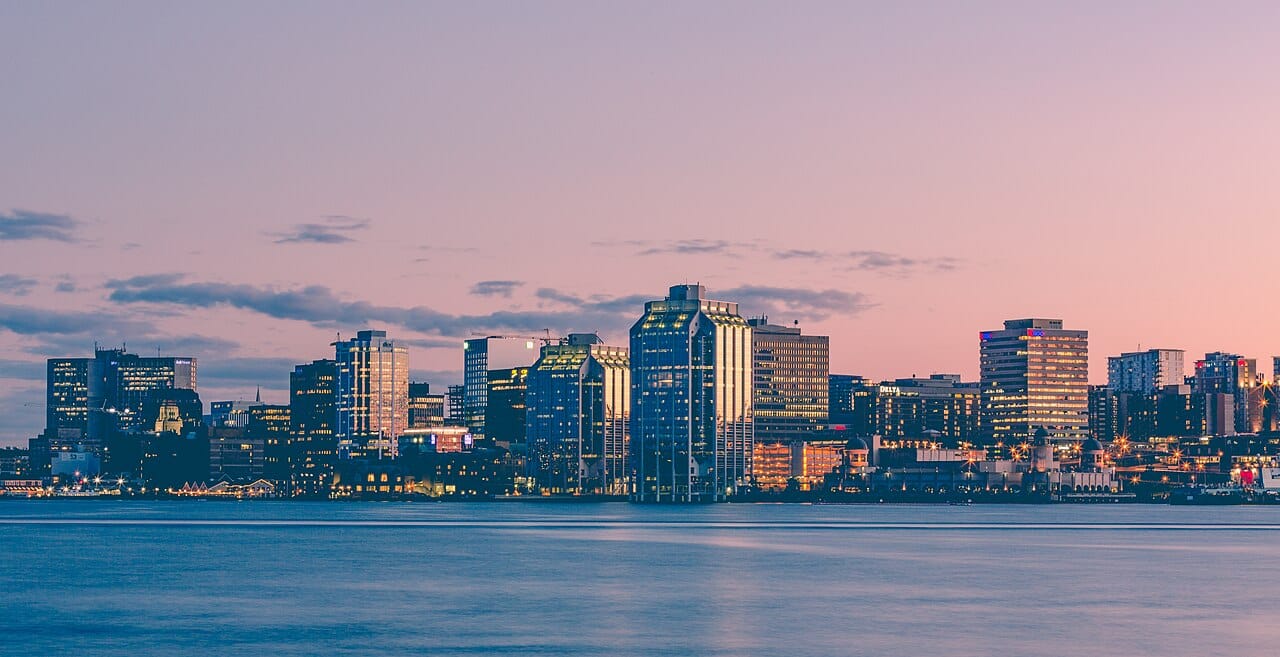
Nova Scotia is a province on Canada's Atlantic coast, one of the four Maritime and Atlantic provinces, made up of a long peninsula and the large island of Cape Breton, almost surrounded by the sea. Its name is Latin for New Scotland, and its history is deeply marked by the sea, by the clash of French and British empires, and by waves of settlers from Scotland, France, and beyond. Home to around a million people centred on the historic port of Halifax, it is a place of fishing villages, rugged coasts, and a proud seafaring heritage.
Nova Scotia's history is one of the most storied in Canada: the homeland of the Mi'kmaq, a battleground between France and Britain, the scene of a wrenching expulsion, and a haven for Loyalists and immigrants who made it a great seafaring society.
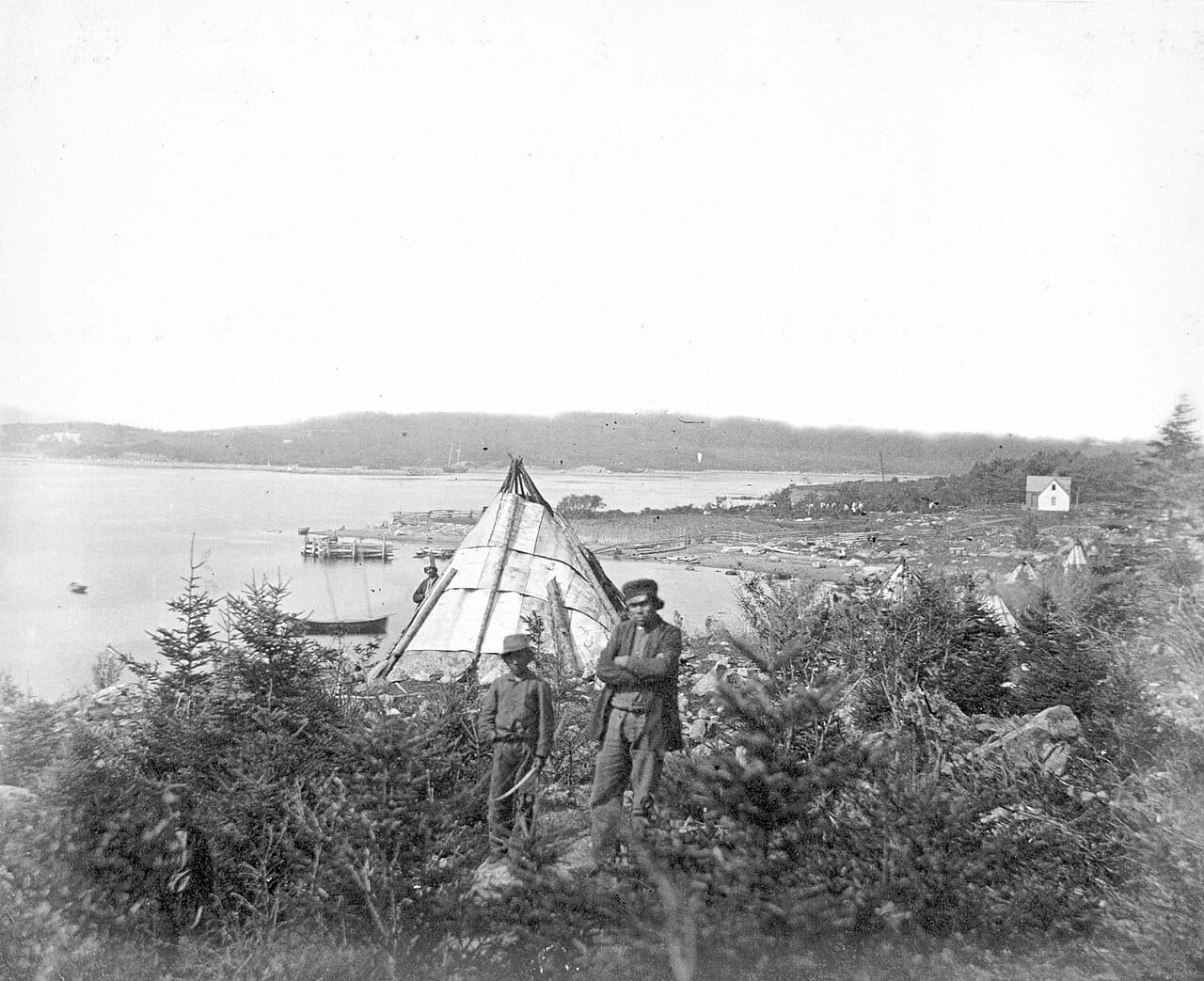
For thousands of years the land and waters of Nova Scotia were the homeland of the Mi'kmaq, a people who lived by fishing, hunting, and gathering along the coasts and rivers and travelled the sea in birchbark canoes. They were among the first Indigenous peoples to encounter Europeans, and their nation endures in the province to this day.
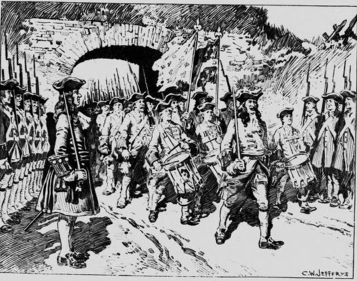
The French founded one of their earliest North American settlements here, at Port Royal, in 1605, and the region, known as Acadia, became a prize fought over by France and Britain for a century and a half. Its French-speaking settlers, the Acadians, farmed the tidal marshes, until Britain finally took control of the colony in the early eighteenth century.
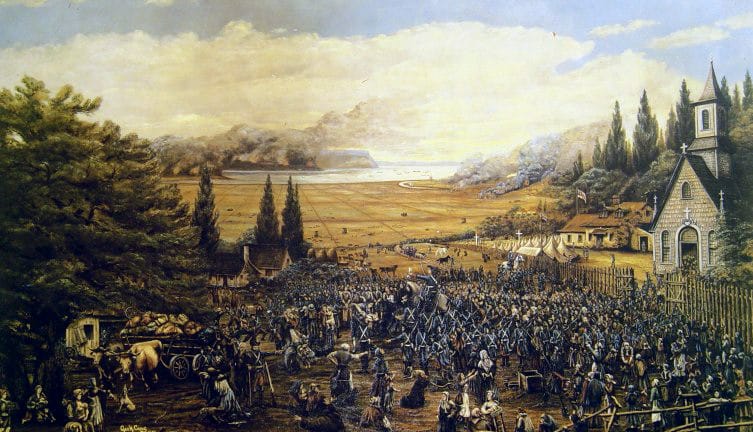
In one of the great tragedies of Canadian history, the British, distrusting the French-speaking Acadians, expelled them from their lands beginning in 1755. Thousands were rounded up, their farms burned, and their families scattered to the American colonies and beyond, an uprooting remembered as the Grand Dérangement, whose exiles included the ancestors of the Cajuns of Louisiana.
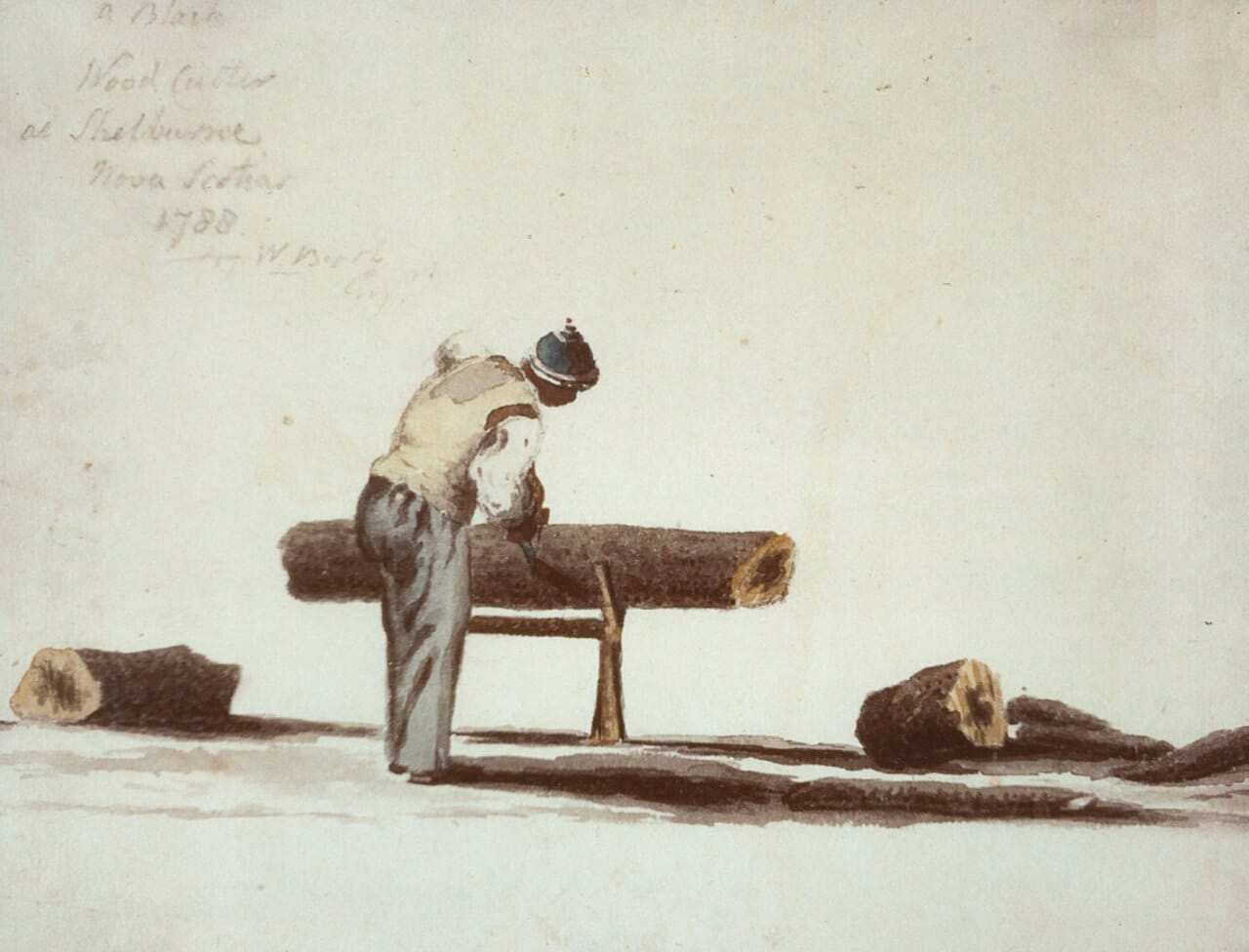
After the American Revolution, Nova Scotia took in a great wave of Loyalists fleeing the new United States, among them thousands of Black Loyalists, free and enslaved people of African descent, who founded some of the earliest Black communities in Canada. Waves of Scottish Highlanders and others followed, giving the province the mix of peoples that shaped its character.
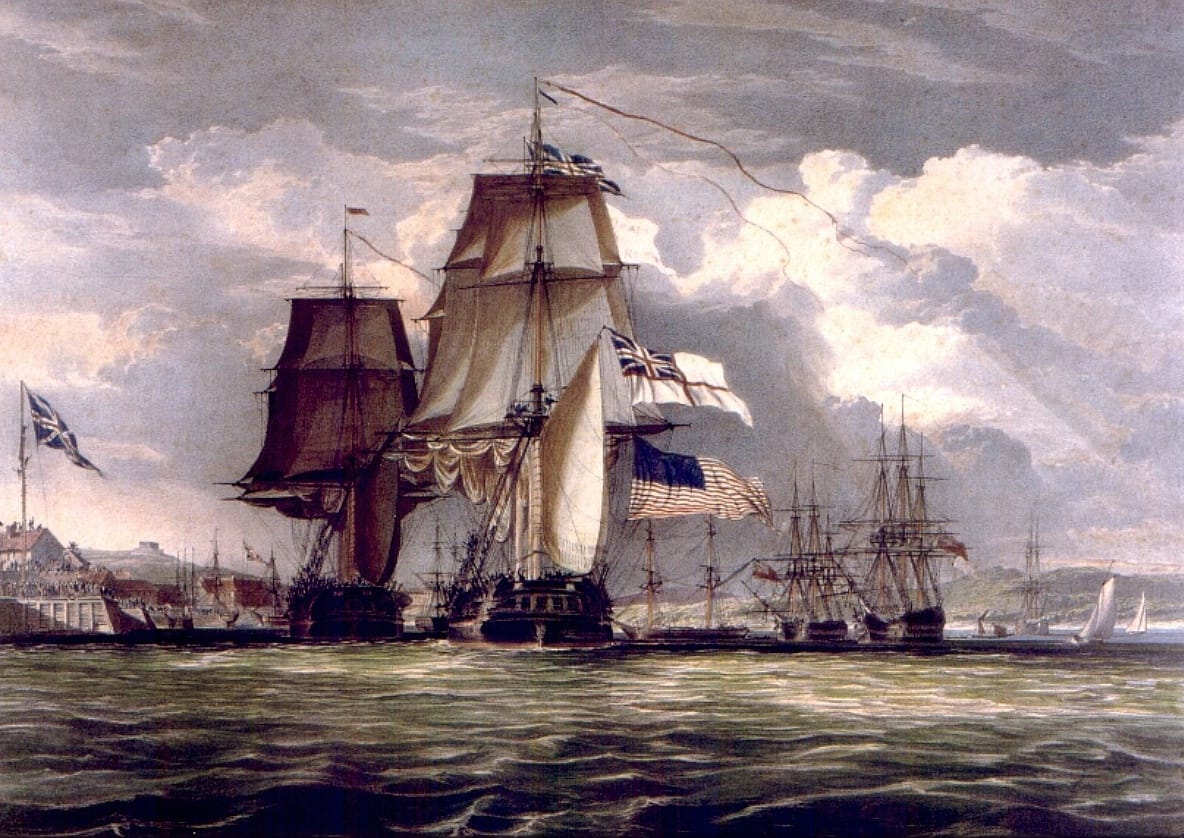
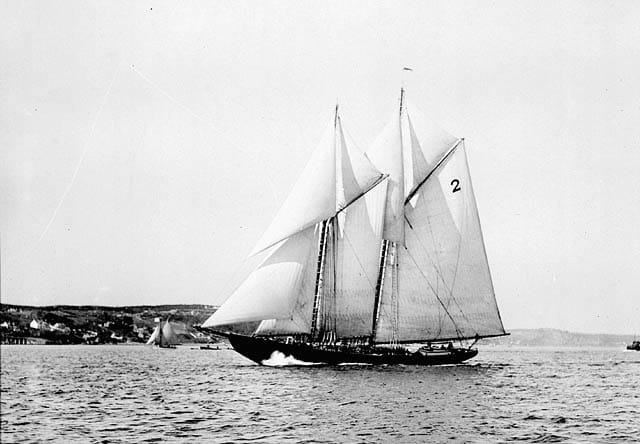
By the nineteenth century Nova Scotia had become one of the great seafaring societies of the world, its harbours crowded with sailing ships, its shipyards famous, and its sailors and merchants ranging the globe. That heritage is embodied in the schooner Bluenose, a champion racing and fishing vessel so beloved that it appears on the Canadian dime.
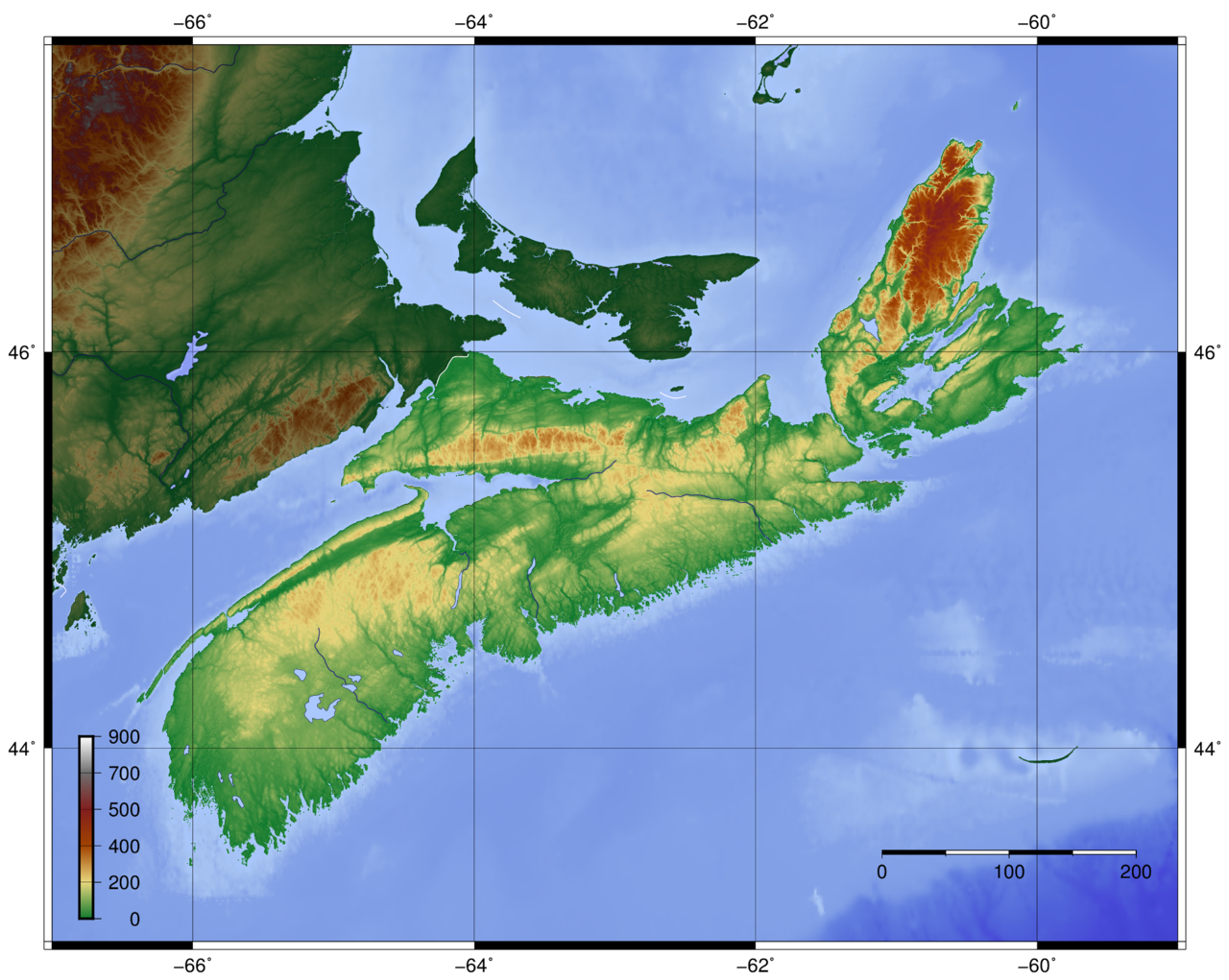
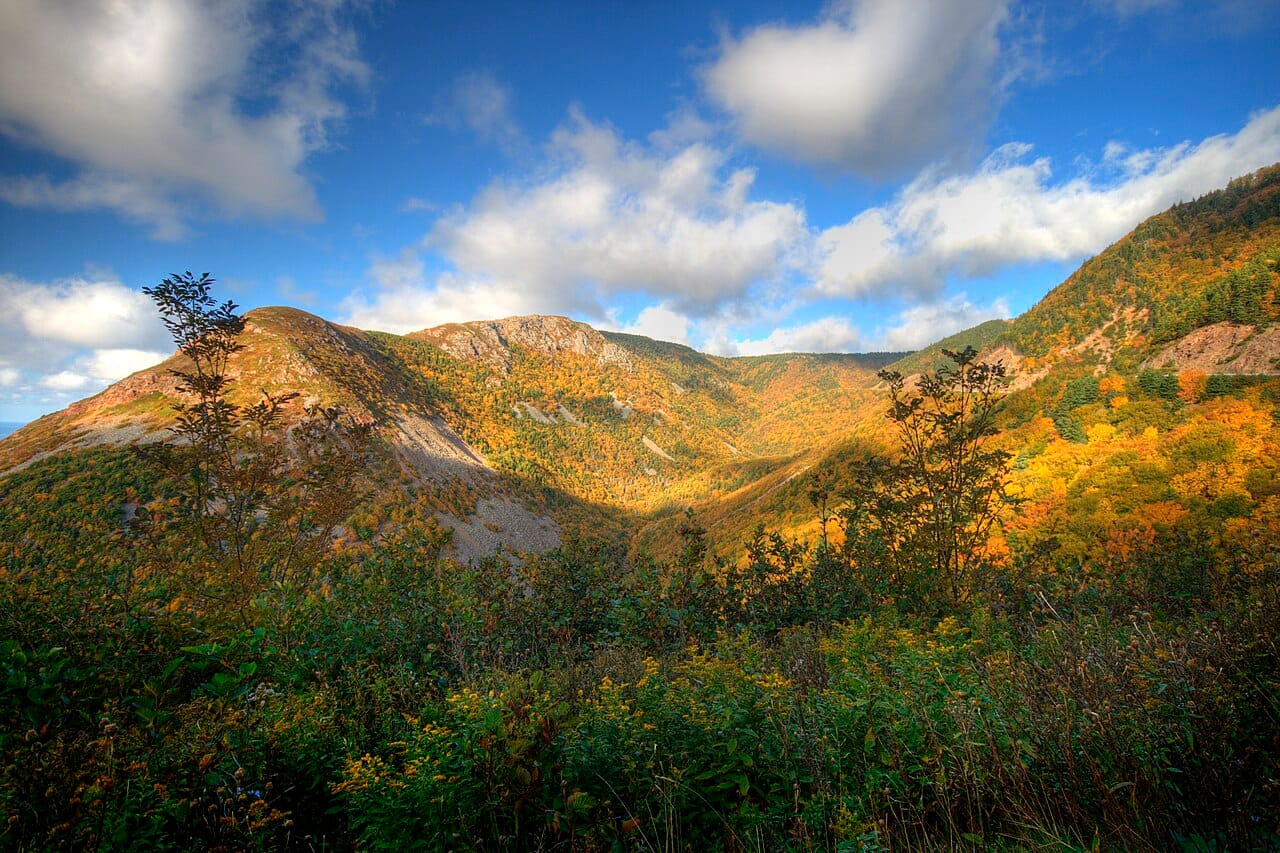
Nova Scotia is almost an island, a long peninsula joined to the mainland by a narrow isthmus, together with the rugged island of Cape Breton to its northeast, and no part of the province lies far from the sea. Its coastline is immensely long and varied, from the surf-battered granite of the Atlantic shore to sheltered bays and the record-breaking tides of the Bay of Fundy. Inland lie low hills, forests, and lakes, and the climate is cool and maritime, deeply shaped by the surrounding ocean.
Nova Scotia is governed as a parliamentary democracy, with an elected House of Assembly, the oldest legislature in Canada, that sits in Halifax, and a premier who leads the government, while a lieutenant governor represents the Crown. As of 2026 the premier is Tim Houston, leader of the Progressive Conservatives, re-elected with a large majority in 2024, and the lieutenant governor is Mike Savage. The province plays an influential role among the Atlantic provinces in the Canadian federation.

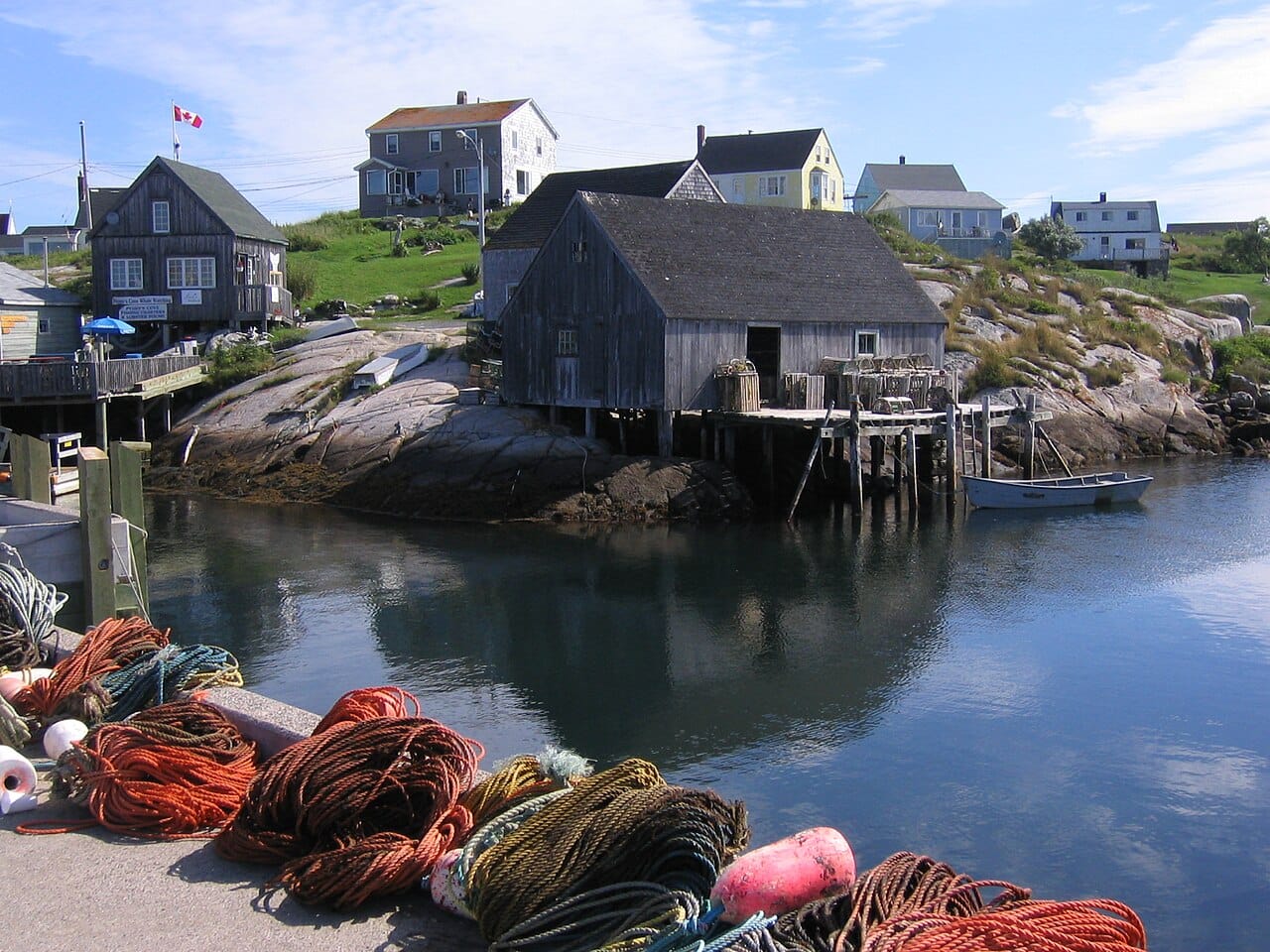
Nova Scotia's economy has always been tied to the sea. Fishing, above all for lobster, remains vital, and the province is one of the world's great exporters of seafood, alongside a long tradition of shipbuilding that continues in the naval yards of Halifax. The great ice-free port of Halifax is a major hub for shipping and the military, and the modern economy also leans on tourism drawn by the coast and culture, on farming in the fertile valleys, and on offshore energy and a growing technology sector.
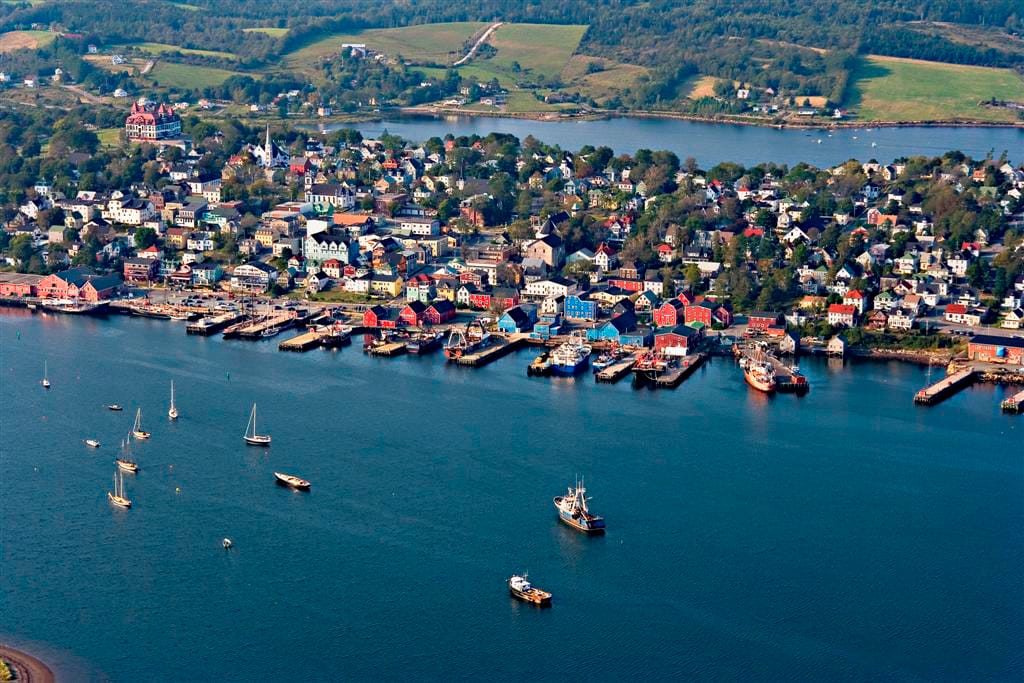
Nova Scotia has one of the richest cultures in Canada, a blend of Mi'kmaq, Acadian, Scottish, African Nova Scotian, and other traditions. The Scottish heritage of Cape Breton lives on in its Gaelic music and fiddling, the Acadians keep their French language and traditions in the west, and African Nova Scotian communities preserve a deep history. Fishing villages, historic towns such as the old shipbuilding port of Lunenburg, and a warm, storytelling culture give the province a strong and distinctive identity.
Nova Scotia has a population of around one million people, the most of the Atlantic provinces. Nearly half live in and around the capital, Halifax, the largest city in Atlantic Canada and a historic port, university town, and naval base, while the rest are spread through smaller towns, fishing villages, and rural communities across the peninsula and Cape Breton. Long shaped by emigration as much as immigration, the province has in recent years grown again, drawing newcomers to its coasts and its way of life.