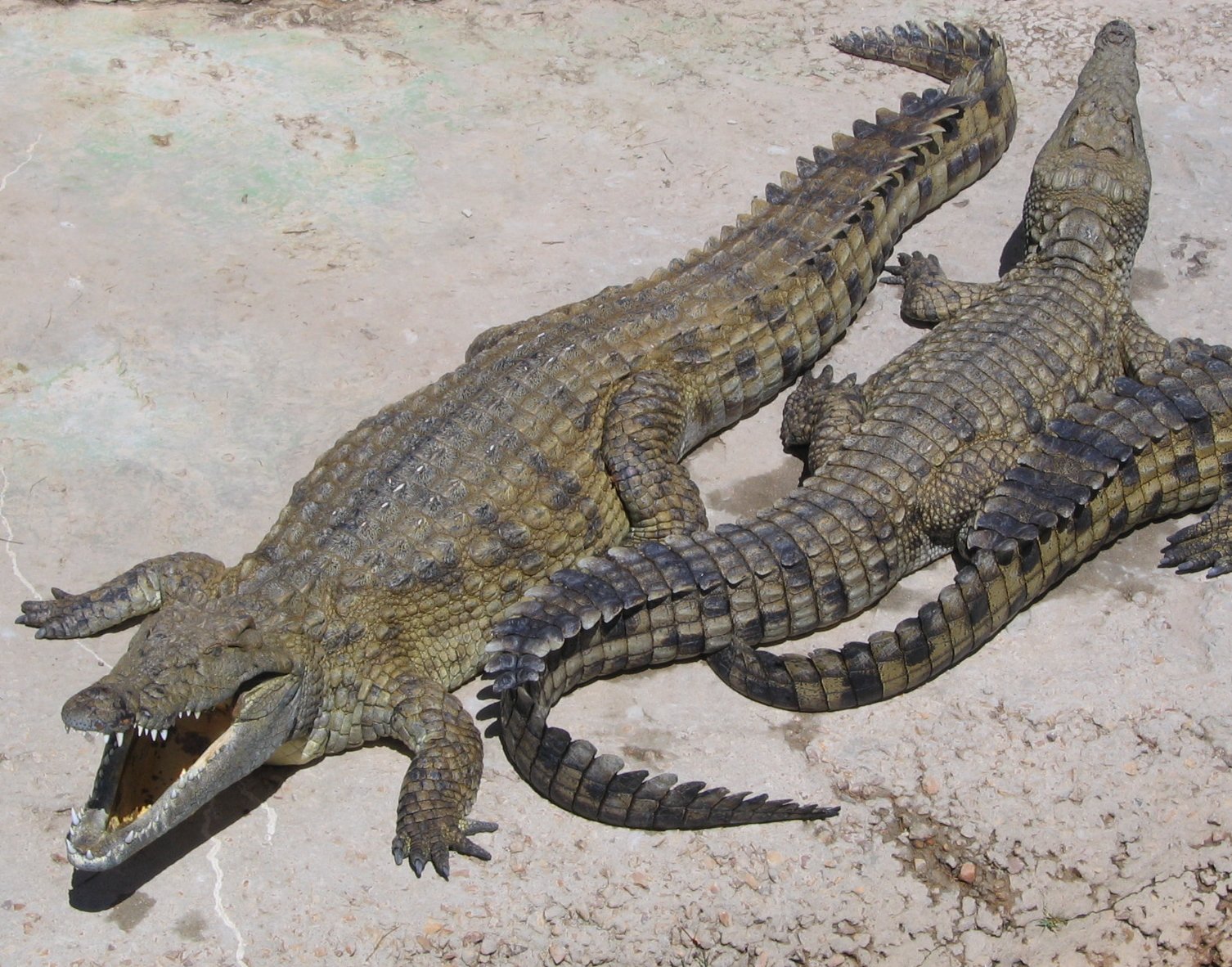
The Nile crocodile, Crocodylus niloticus, is Africa's largest freshwater predator and the second largest crocodilian after the saltwater crocodile. It has one of the strongest measured bites of any living animal, it guards its nest and carries its hatchlings in its mouth, and it kills more people annually than almost any other large animal. It is also not the crocodile the ancient Egyptians mostly worshipped.
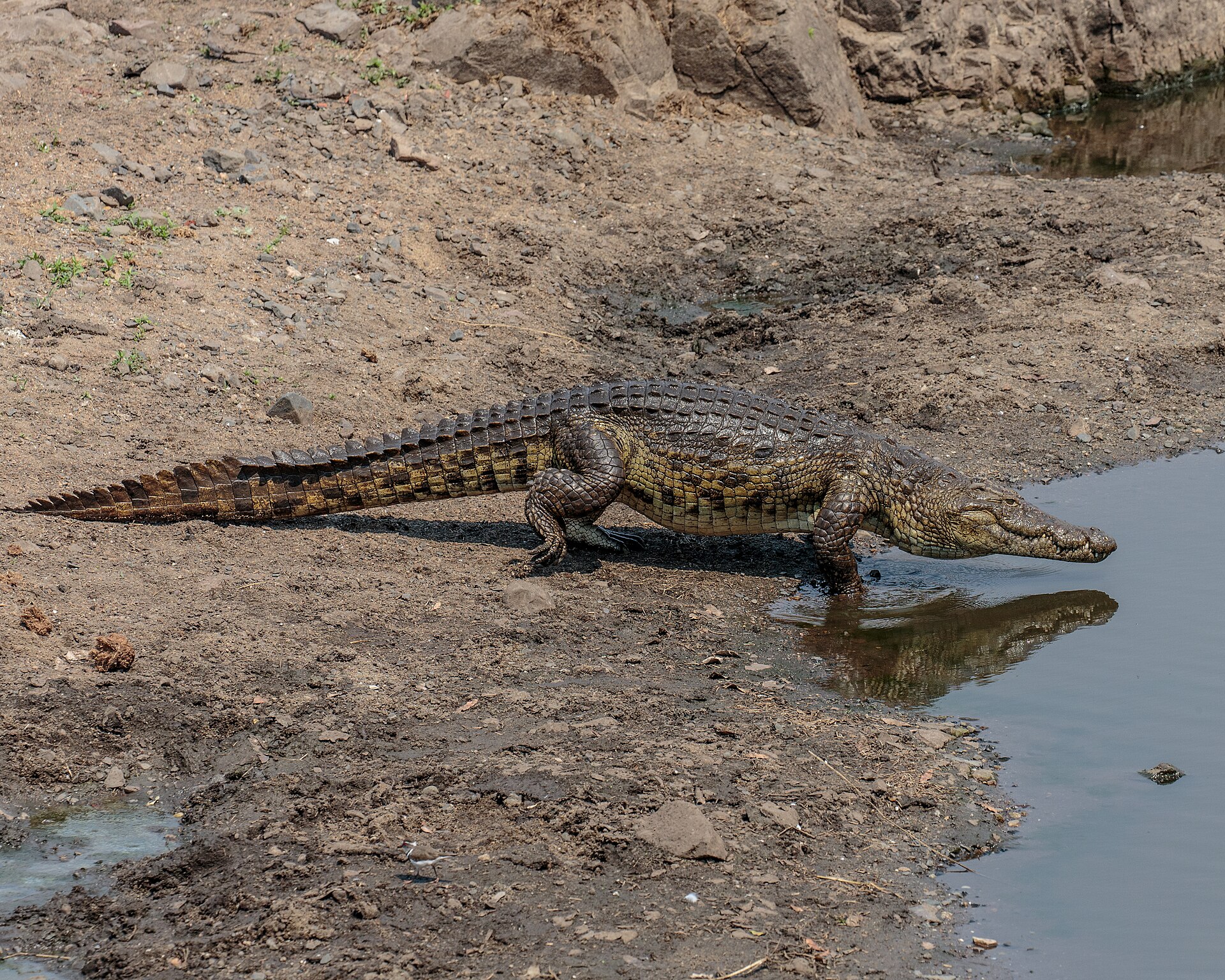
Adults typically run 3.5 to 5 metres and 200 to 750 kilograms, with credible records beyond that and a great many exaggerated ones. Males are considerably larger than females. Growth is slow and lifelong, so the biggest animals are old, and the removal of large individuals by hunting is why historical accounts describe bigger crocodiles than most modern surveys find.
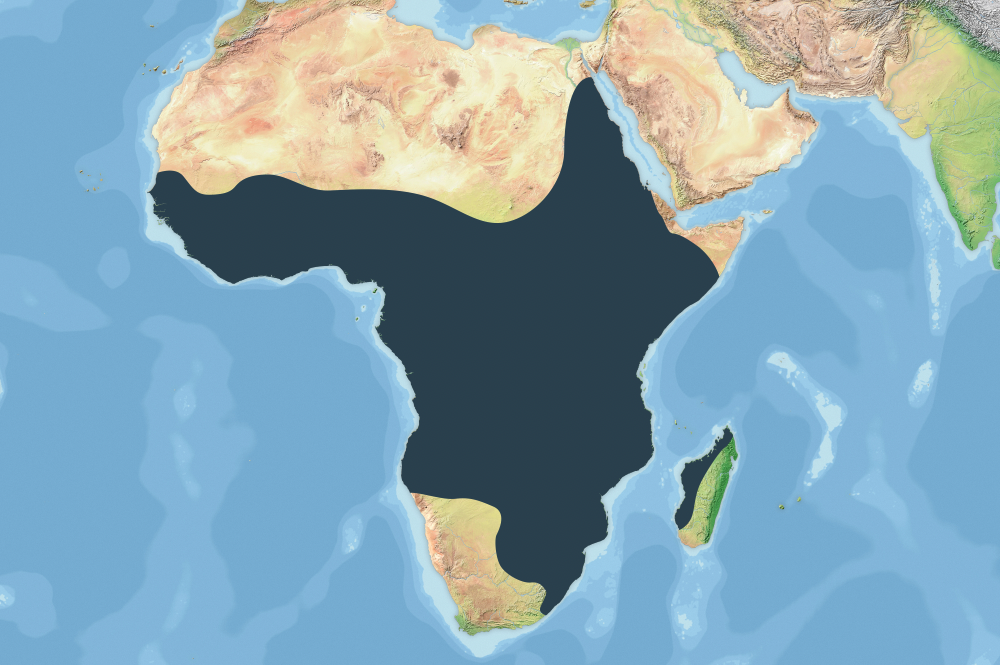
The range covers most of sub-Saharan Africa, the Nile basin and Madagascar, in rivers, lakes, marshes and, at the coast, brackish water and mangrove.
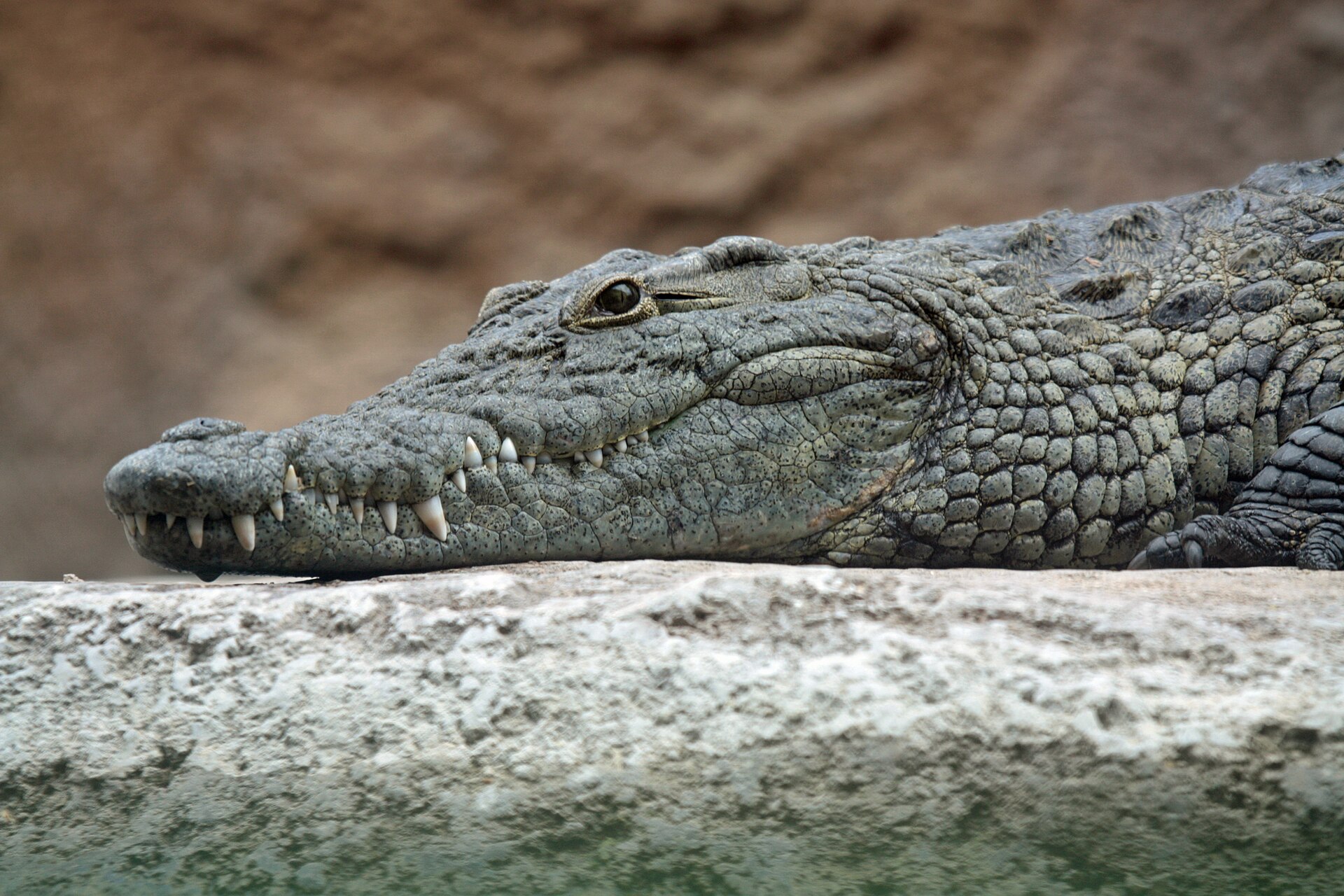
Crocodilian bite force is the highest measured in any living animal. Direct measurement of saltwater crocodiles produced values around 16,000 newtons, and the Nile crocodile is in the same range. The teeth are conical and made for gripping and holding rather than shearing, so a crocodile cannot chew.
What it does instead is the death roll: seizing prey, then spinning the whole body along its long axis to twist off a manageable piece. It is an efficient solution to having no cutting teeth and no way to use the limbs to hold food.
The asymmetry in jaw muscles is real and useful: the closing muscles are enormous, the opening muscles weak, which is why handlers can hold a large crocodile's mouth shut with a strap or their hands.
Crocodilians are archosaurs, more closely related to birds than to lizards or snakes, and they carry features that reflect it. The heart is fully four-chambered, unlike other reptiles, with a specialised shunt that lets them redirect blood away from the lungs during long dives. They have a unidirectional airflow lung of the kind found in birds.
The reptile stereotype of laying eggs and leaving does not apply. A female digs a nest in a sandbank, lays around 25 to 80 eggs, and guards it for about ninety days, rarely leaving even to feed.
At hatching, the young call from inside the eggs, and the mother digs them out. She then carries hatchlings to the water in her mouth, in a specialised throat pouch, several at a time, and continues to guard the crèche for weeks. Males also participate in some populations.
Sex is determined by temperature rather than chromosomes, as in sea turtles, with males produced in a narrow middle band and females above and below it. That makes crocodilian sex ratios sensitive to warming in the same way, though crocodiles nest in a wider range of substrates and depths, which gives some buffer.
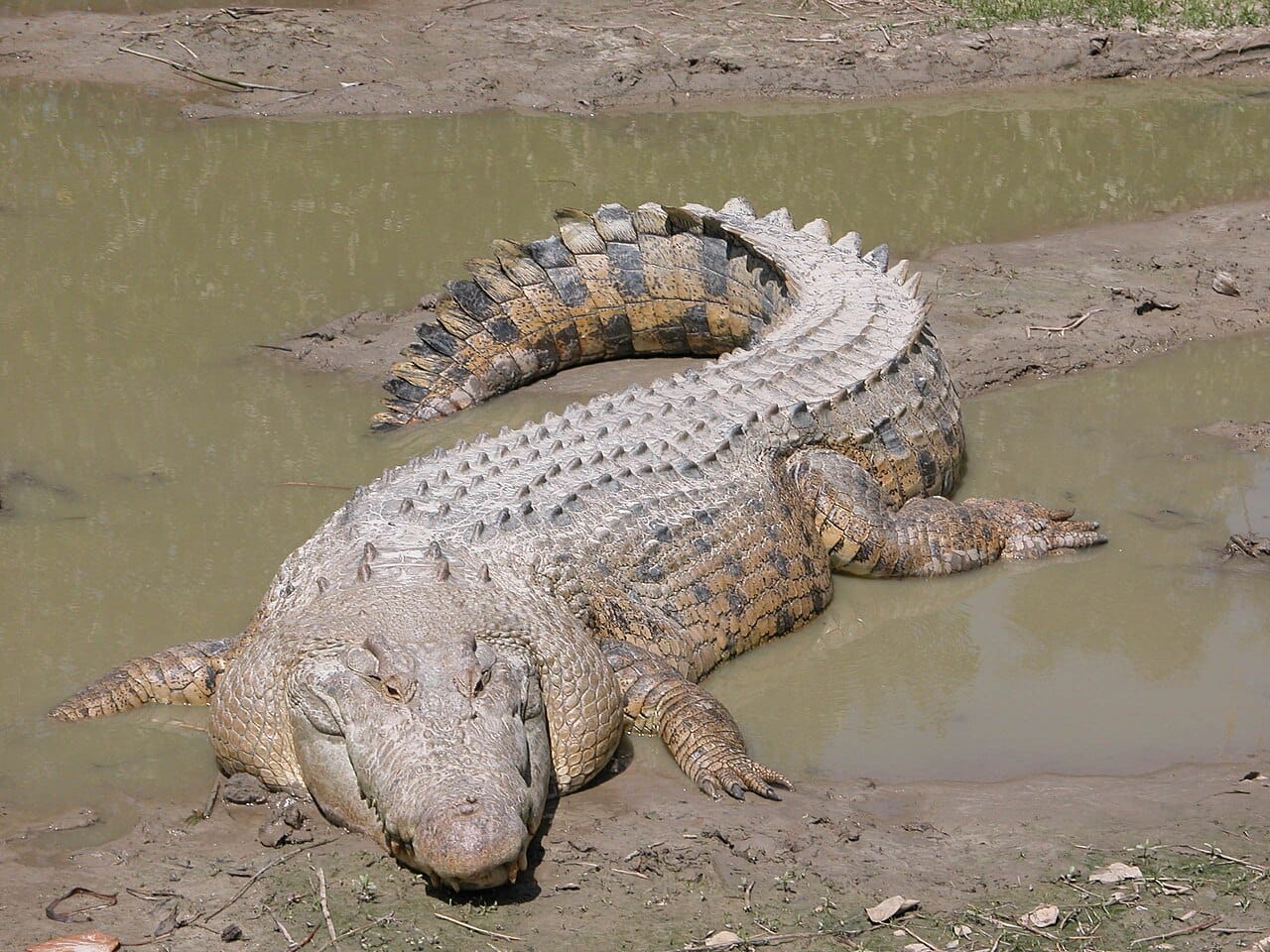
For most of the modern era, all large African crocodiles outside the slender-snouted and dwarf species were treated as one. Genetic work published around 2011 confirmed a long-suspected split: the populations of West and Central Africa are a separate species, Crocodylus suchus, the West African or desert crocodile, and it is more closely related to the American crocodiles than to the Nile crocodile.
The historical consequence is neat. Crocodylus suchus is smaller and markedly less aggressive, and it is the species that dominates the mummified crocodiles recovered from Egyptian temple sites. The sacred crocodile of Sobek, kept in temple pools at Crocodilopolis and handled by priests, was largely the tractable species rather than the one that kills several hundred people a year. Herodotus described Egyptians keeping tame crocodiles and it seemed implausible; it was simply a different animal.
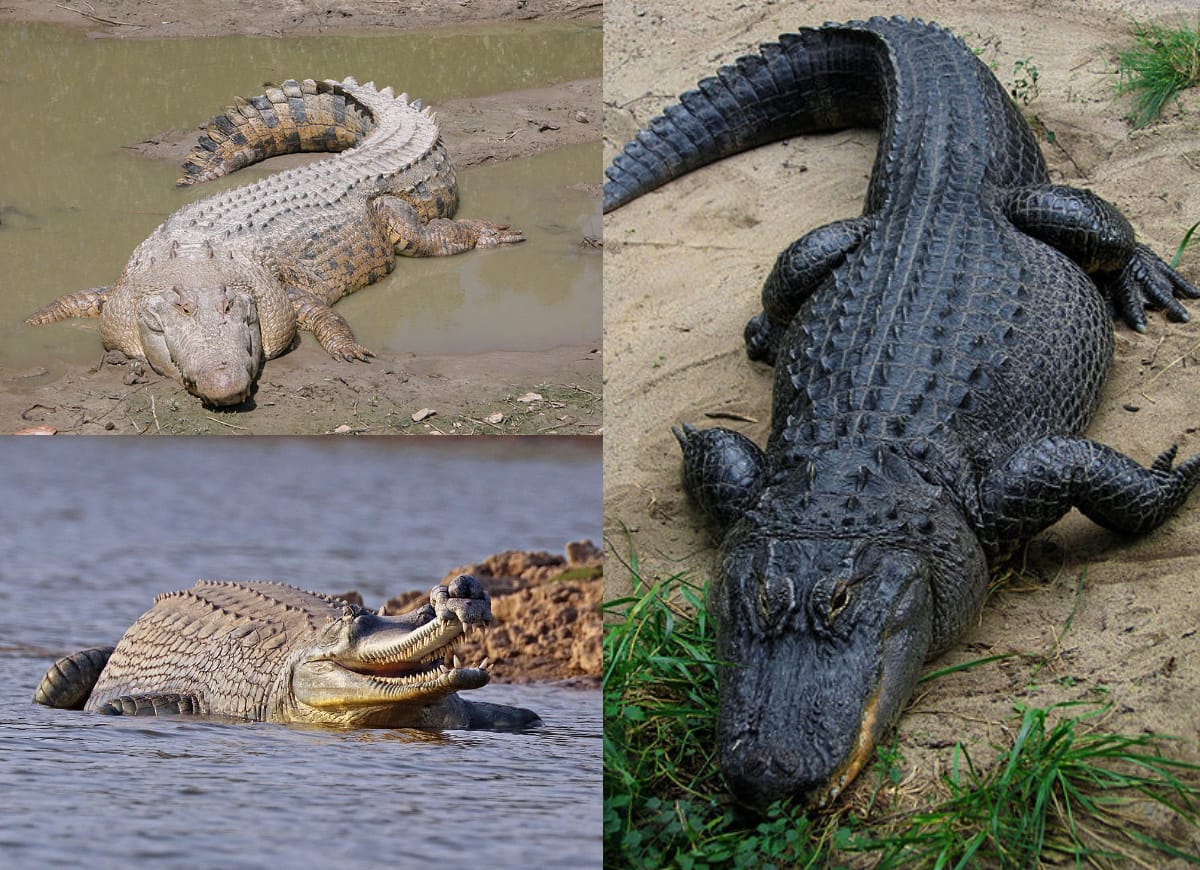
The Nile crocodile is among the most dangerous large animals to humans. Estimates of annual deaths across Africa range widely, generally in the hundreds and by some counts closer to a thousand, and reporting is poor because most incidents occur in rural areas away from any recording system.
The pattern is consistent and it is about water access. Attacks concentrate on people collecting water, washing, fishing and crossing rivers, which is to say on unavoidable daily activity in places with no alternative supply. The interventions that work are correspondingly unglamorous: boreholes, fenced washing enclosures at the water's edge, and removal of specific problem animals.
The saltwater crocodile is the other species that regularly kills people, and between them they account for the overwhelming majority of crocodilian attacks worldwide.
The species as a whole is not threatened and is listed as Least Concern, though several regional populations have been depleted and the West African species is in a considerably worse position.
Heavy hunting for skins from the 1940s to the 1960s reduced populations substantially. Recovery came through CITES listing and a shift to farming and ranching: many range states now permit controlled harvest of eggs or hatchlings from the wild for captive rearing, with a proportion returned. It is one of the more successful cases of commercial use funding the persistence of a dangerous animal, and it works partly because crocodile skin is valuable enough to make the animal worth tolerating.
A small population of Nile crocodiles has been confirmed in southern Florida, genetically identified in 2016, presumably escaped or released from the pet or exhibition trade. Numbers are very small and there is no evidence of an established breeding population.
Crocodilians have held the same body plan and the same ambush-predator role in fresh water for tens of millions of years, through the extinction that removed the dinosaurs. The Nile crocodile is a working example of that design still operating, and the main reason it remains numerous is that someone decided its skin was worth money, which is a less edifying conservation mechanism than most but has been more durable than several better-intentioned ones.