The proposal that the human attraction to alcohol descends from a primate ancestor's taste for fermenting fruit, in which ethanol signalled ripeness and calories. It is a specific evolutionary explanation for a behaviour that otherwise looks purely pathological, and the evidence for the crucial step is thin.
Robert Dudley proposed it in 2000 and developed it in a 2014 book.

Ripe fruit contains sugar. Yeasts on the fruit ferment that sugar and produce ethanol. Ethanol is volatile and its scent carries further through forest air than the fruit's own aroma.
An animal that could detect ethanol at a distance would find ripe fruit more efficiently, and one attracted to its taste would preferentially eat fruit at peak sugar content. In an environment where calories are scarce and fruit is patchy, that is a real advantage.
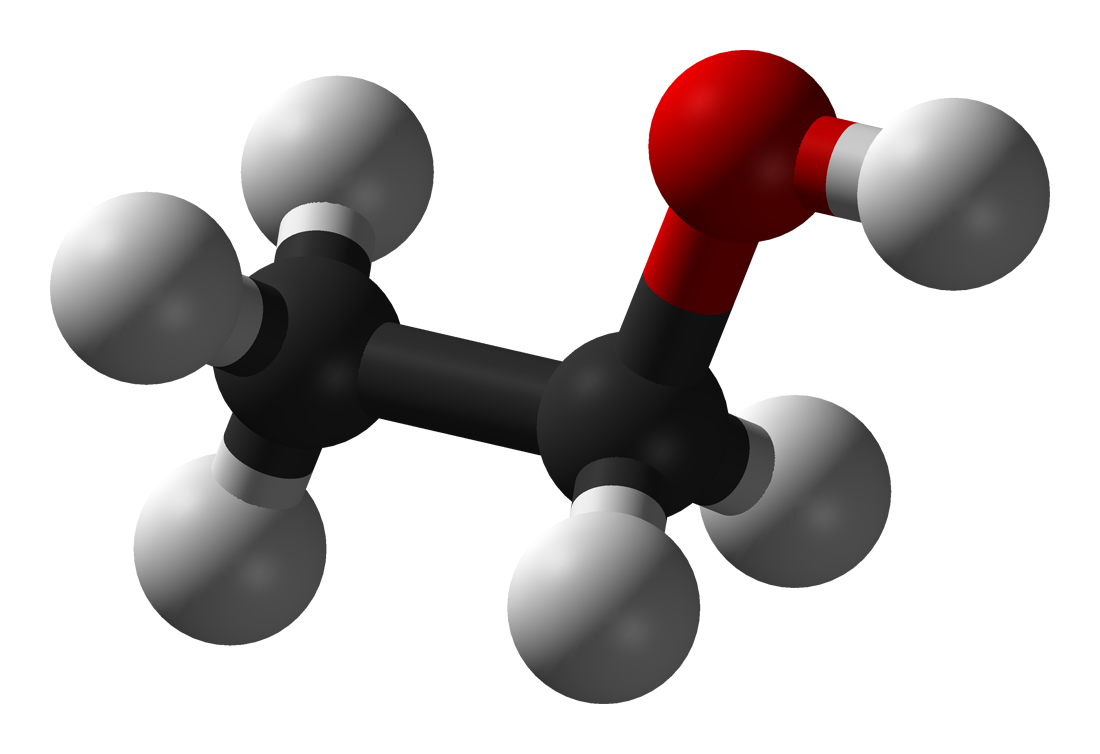
The hypothesis is that this created an inherited attraction, and that in modern conditions, where concentrated alcohol is available without any of the work, the same attraction produces harm. Alcohol abuse becomes an evolutionary mismatch: an adaptation encountering an environment it was not selected in.
Several strands support parts of the argument.
The genetics are the strongest. A variant of the alcohol dehydrogenase enzyme ADH4, roughly forty times more efficient at metabolising ethanol than the ancestral form, arose in the common ancestor of humans, chimpanzees and gorillas about ten million years ago. Matthew Carrigan and colleagues reconstructed and tested the ancestral enzymes to establish this in 2015.
The timing is informative. Ten million years ago corresponds to a period when these apes were spending more time on the ground, where fallen and more heavily fermented fruit would be encountered. An enzyme improvement of that magnitude implies ethanol was being consumed regularly enough to matter.
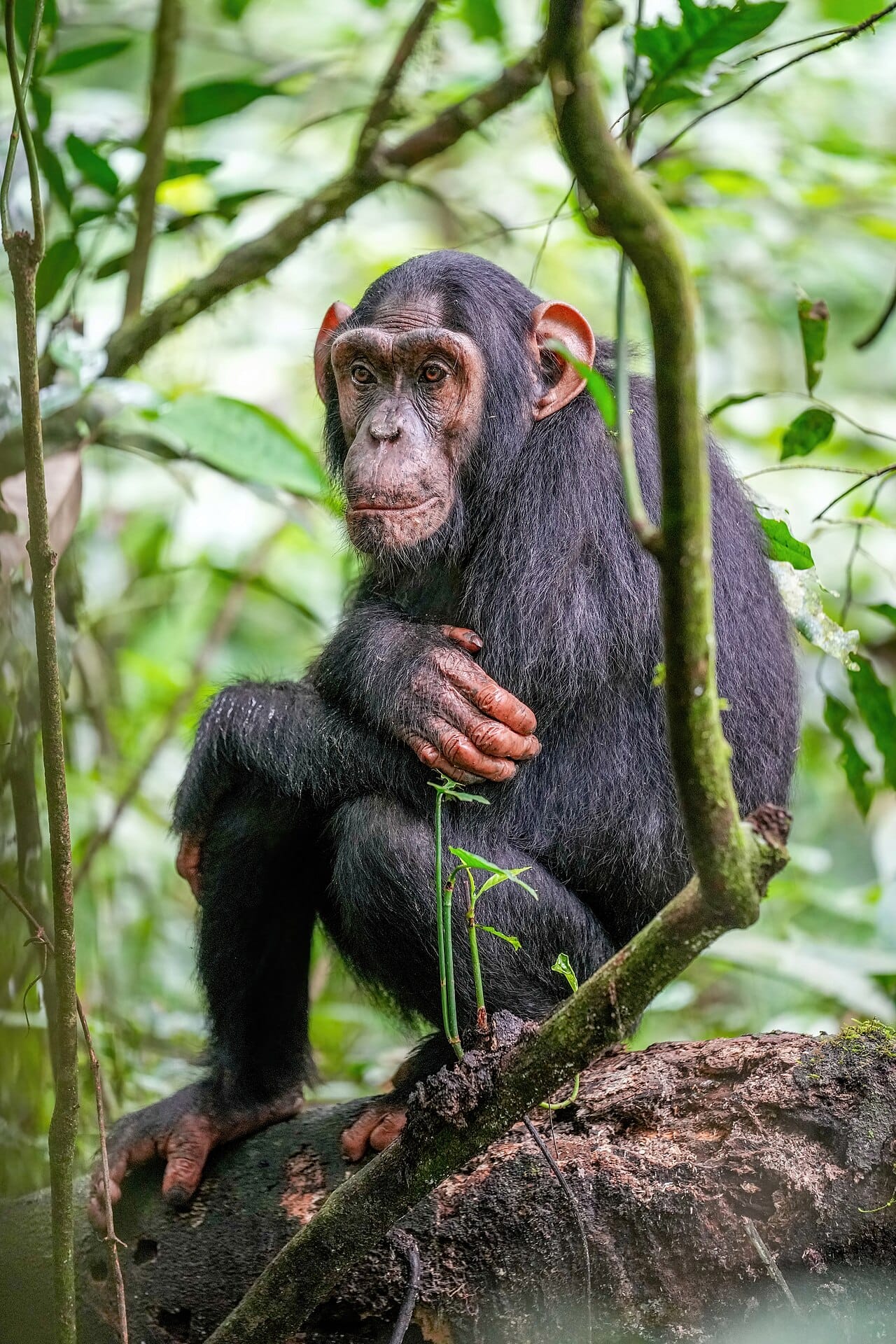
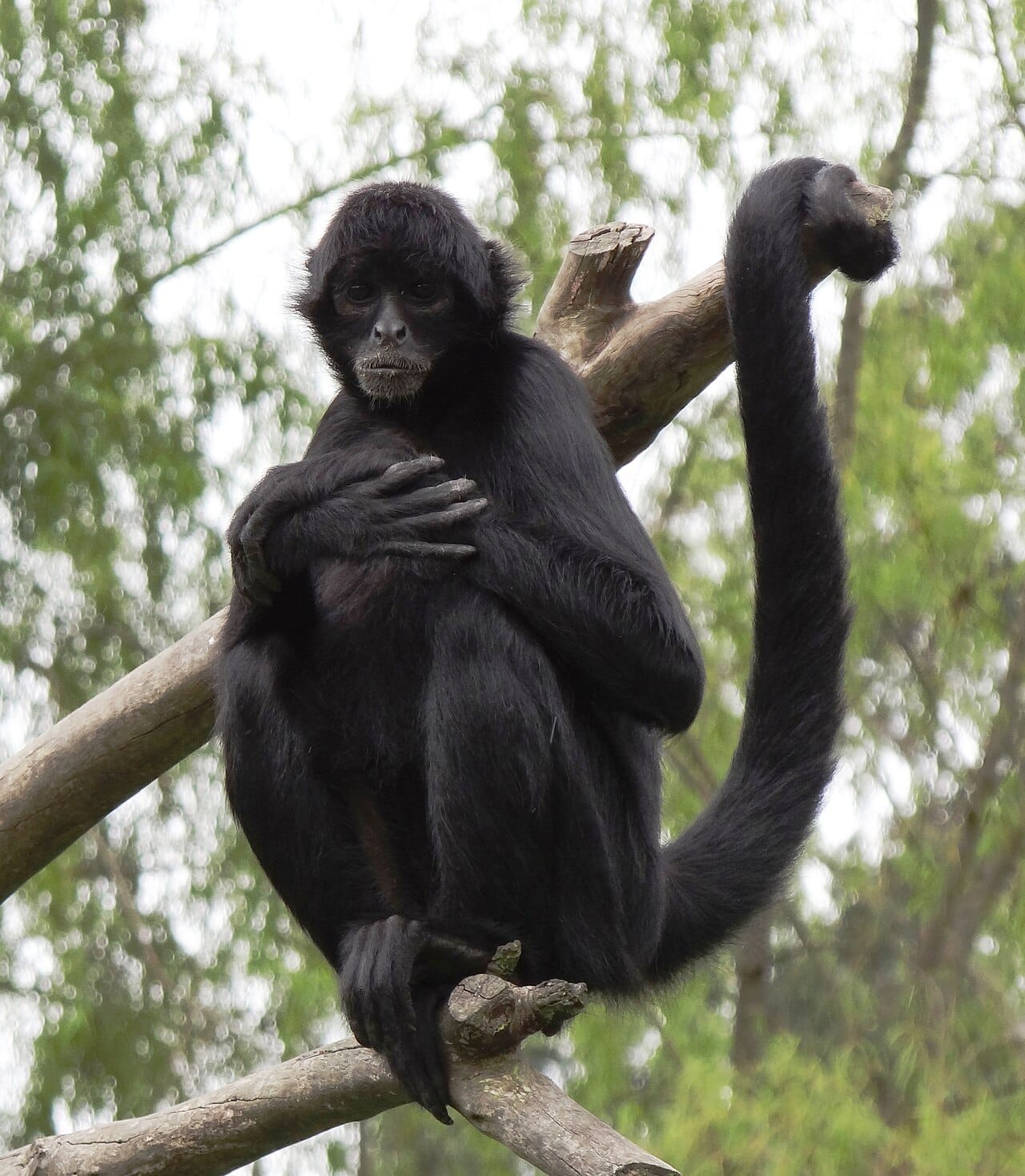
Field observations have found ethanol in fruits eaten by wild primates. Studies of spider monkeys in Panama measured ethanol in the fruit they consumed and detected ethanol metabolites in their urine, confirming they ingest and process it in the wild. Chimpanzees in Guinea have been observed drinking fermented palm sap, in some cases to apparent intoxication.
Ethanol is widespread in the diets of fruit-eating animals generally, and several species show tolerance suggesting regular exposure.
The concentrations are low. Ethanol in ripe fruit typically runs well under one percent, and reaching a meaningful dose requires eating a great deal. Whether that is enough to have driven selection for attraction, as opposed to selection for tolerance, is the central question and it is not answered.
Tolerance and attraction are different traits, and the genetic evidence supports the first. An efficient enzyme shows that ancestors encountered ethanol and needed to process it, which is equally consistent with ethanol being an unavoidable nuisance in the diet rather than a sought-after signal.
The signalling claim is under-tested. That primates use ethanol scent to locate fruit is central to the hypothesis and has little direct evidence. Experiments testing whether primates preferentially approach ethanol cues over other ripeness cues are few.
Alternative explanations for human alcohol use are available and do not require deep ancestry. Alcohol has been produced deliberately for around ten thousand years, is a calorie source, was safer than much available water, and has social and pharmacological effects that adequately explain its cultural spread. Human alcohol consumption is recent, cultural and enormously variable, which is not what an ancient inherited drive predicts.
And problem drinking is not well explained by a mild ancestral preference. The pharmacology of dependence involves reward pathways that respond to many substances, most of which have no ancestral dietary story at all.
The hypothesis makes testable predictions and some have been tested successfully, which distinguishes it from a great deal of evolutionary speculation about human behaviour.
The ADH4 result in particular was a genuine prediction confirmed by reconstructing ancient enzymes, which is a demanding test that the hypothesis passed.
It is classified as a hypothesis because the crucial step, from ancestral exposure to inherited attraction, has not been demonstrated. Exposure is established. Metabolic adaptation is established. That the attraction humans show is the same trait, inherited, rather than a separate cultural and pharmacological phenomenon, is the claim that remains open.
The mismatch framing is also worth separating from the specific hypothesis. That modern availability of concentrated alcohol interacts badly with human physiology is obvious and does not depend on any account of why the physiology is as it is.