R nought is the average number of people one infectious person infects in a population with no immunity and no countermeasures. It is the single most quoted number in epidemiology, and it is a property of a situation rather than of a pathogen.
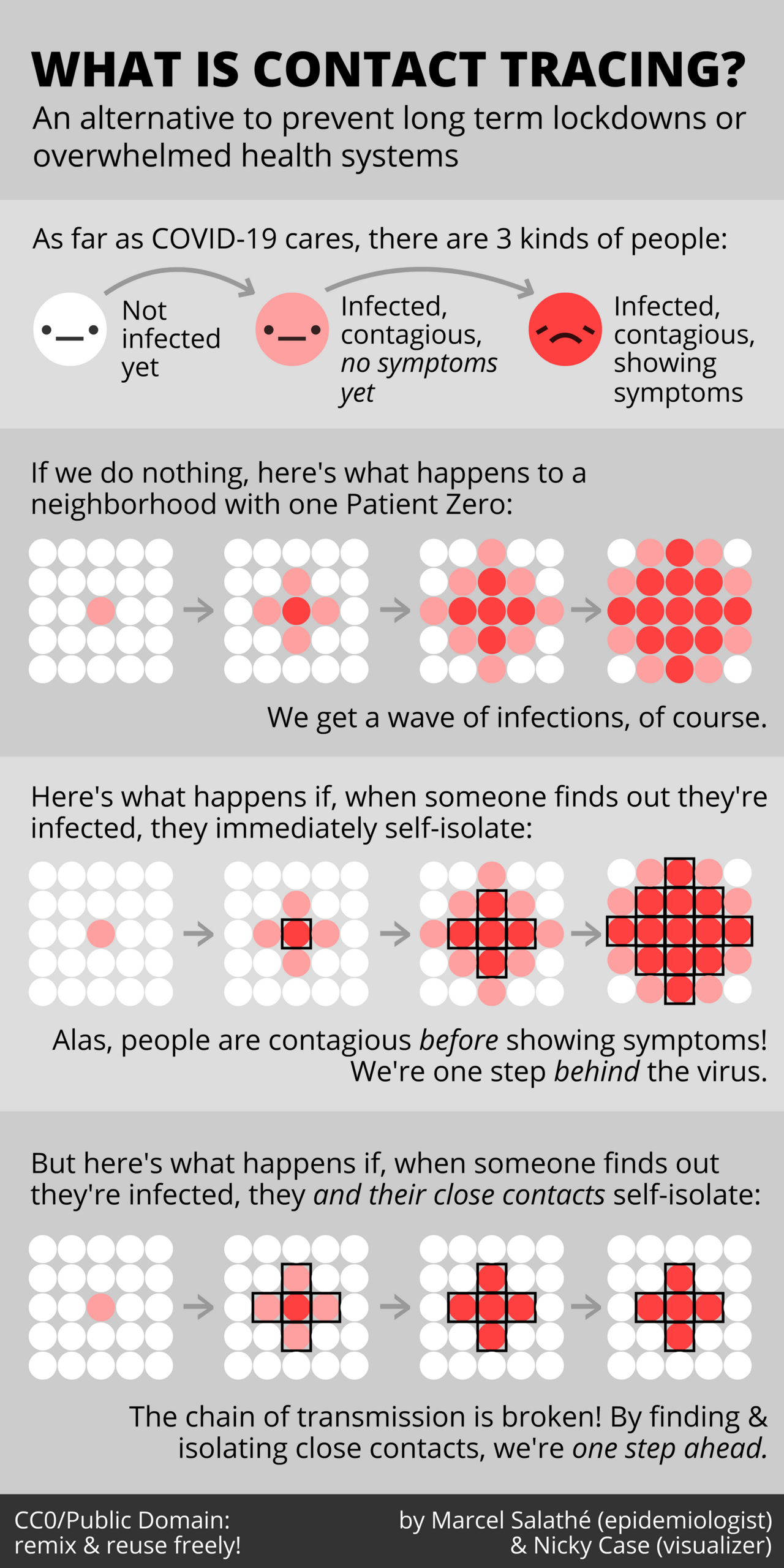
If each infected person infects more than one other on average, cases grow. If fewer than one, the outbreak dies out. The value one is therefore a threshold separating an epidemic from a fizzle, and every control measure is an attempt to push the number below it.
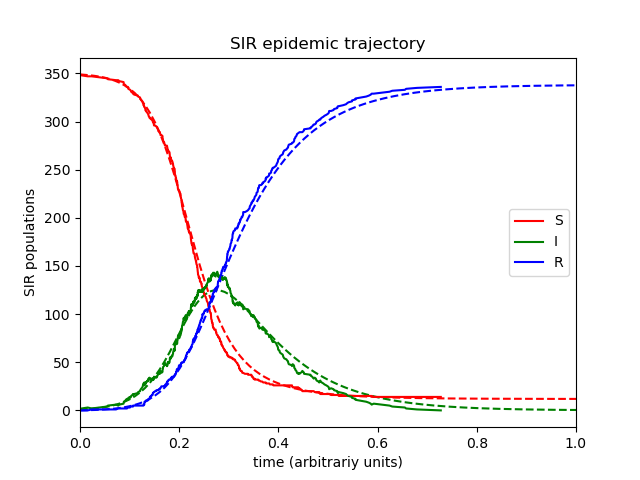
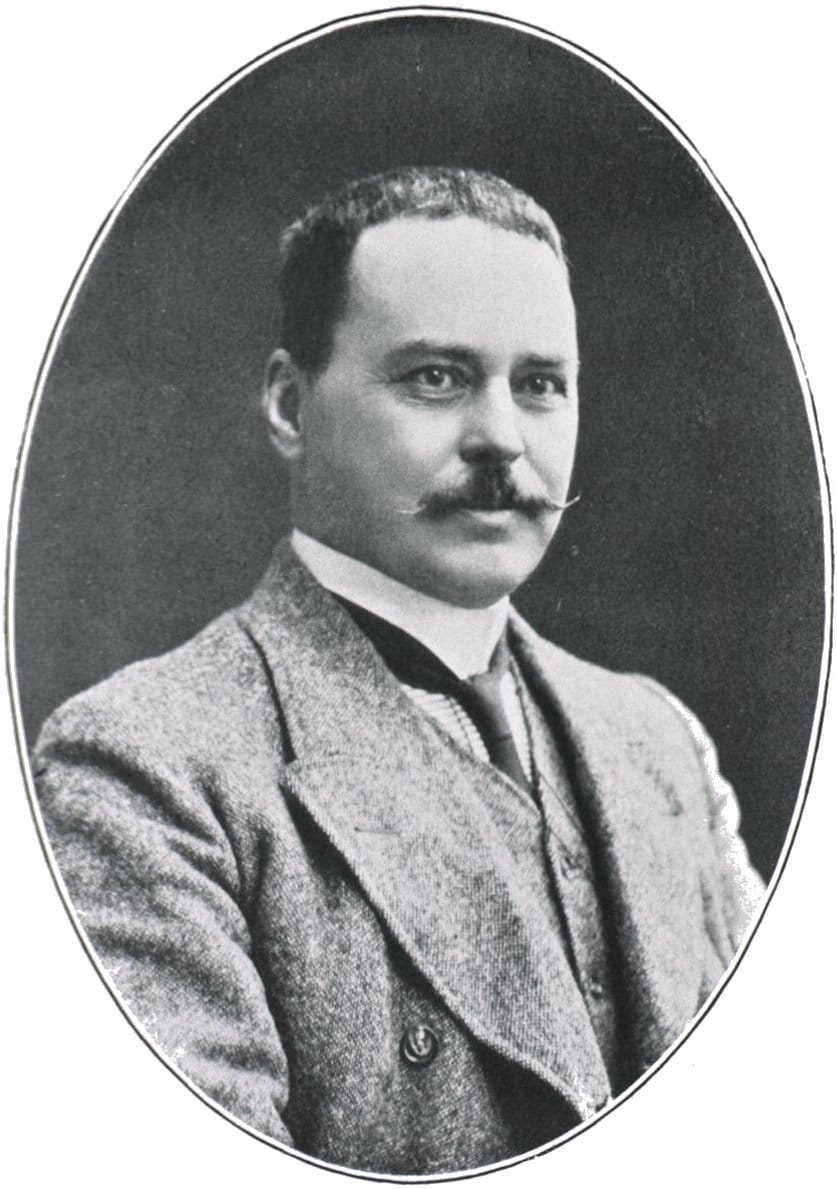
The framework comes from William Kermack and Anderson McKendrick in 1927, who divided a population into susceptible, infectious and recovered compartments and showed that an epidemic has a threshold. Earlier groundwork was laid by Ronald Ross, who received the 1902 Nobel Prize for showing that mosquitoes transmit malaria and who then built mathematical models of transmission.
R nought is the product of three things: how often people come into contact, how likely a contact is to transmit, and how long a person stays infectious.
Only the second is really about the pathogen. Contact rates depend on population density, housing, transport and behaviour. Duration of infectiousness depends on treatment availability and on whether cases are isolated.
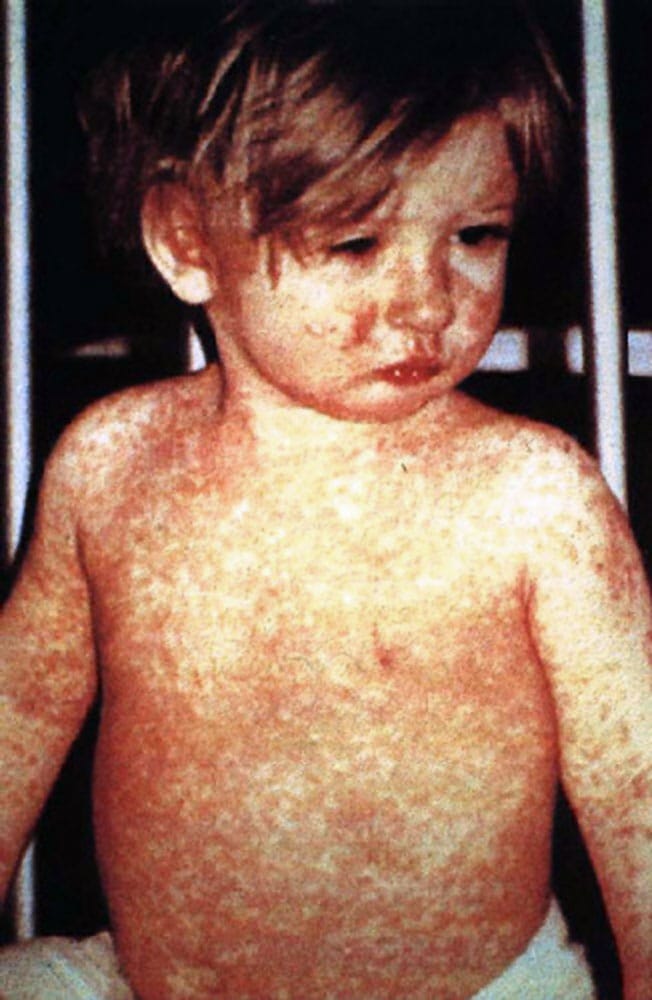
This is why the same disease has different values in different places, and why quoting one number for a pathogen is misleading. Measles is often given as twelve to eighteen, and that figure comes from specific well-mixed populations; it is not a constant of the virus.
The fraction of a population that must be immune to stop sustained transmission is one minus one over R nought. At two, half. At twelve, about ninety two percent.
This is why measles demands such high vaccination coverage, and why it is the first disease to return when coverage slips. The calculation assumes random mixing, and real populations cluster, so a community with locally low coverage can sustain an outbreak even where the national figure looks adequate.
R nought is an average, and averages conceal how transmission actually happens. Many diseases spread through superspreading: most infected people transmit to nobody while a small minority transmit to many. Two diseases with the same average behave very differently if one is dispersed and the other clustered, and control measures that work for one fail for the other. The dispersion parameter, k, captures this and is far less often quoted.
The number is not directly measurable. It is estimated from case data through a model, and different models yield different values from the same outbreak. Early estimates for COVID-19 ranged from about 1.4 to 6.5, and the spread reflected modelling choices as much as the virus.
The effective reproduction number, R t, describes transmission under current conditions with existing immunity and measures in place. It is the operationally useful quantity, and it is frequently confused with R nought in reporting, which makes a falling R t look like the pathogen changing when it is the response working.
Cross-outbreak comparisons are the weakest use. A number estimated in one population, with its own density and behaviour, does not transfer to another, and the widely circulated tables ranking diseases by R nought place values side by side that were never measured on comparable terms.