The separation and restriction of movement of people who may have been exposed to a contagious disease, to see whether they become ill. It is among the oldest public health measures and it works without any understanding of what causes disease.
Quarantine applies to people who have been exposed and are not known to be ill. Its purpose is to catch them if they become infectious.
Isolation applies to people who are known to be ill, separating them from others.
The distinction matters because the two have different justifications. Isolating someone who is sick restrains a known risk; quarantining someone who is well restrains a possible one, and the second requires a stronger argument.
Both are distinct from broader measures such as travel restrictions, closures and general stay-at-home orders, which apply to populations rather than to identified individuals.
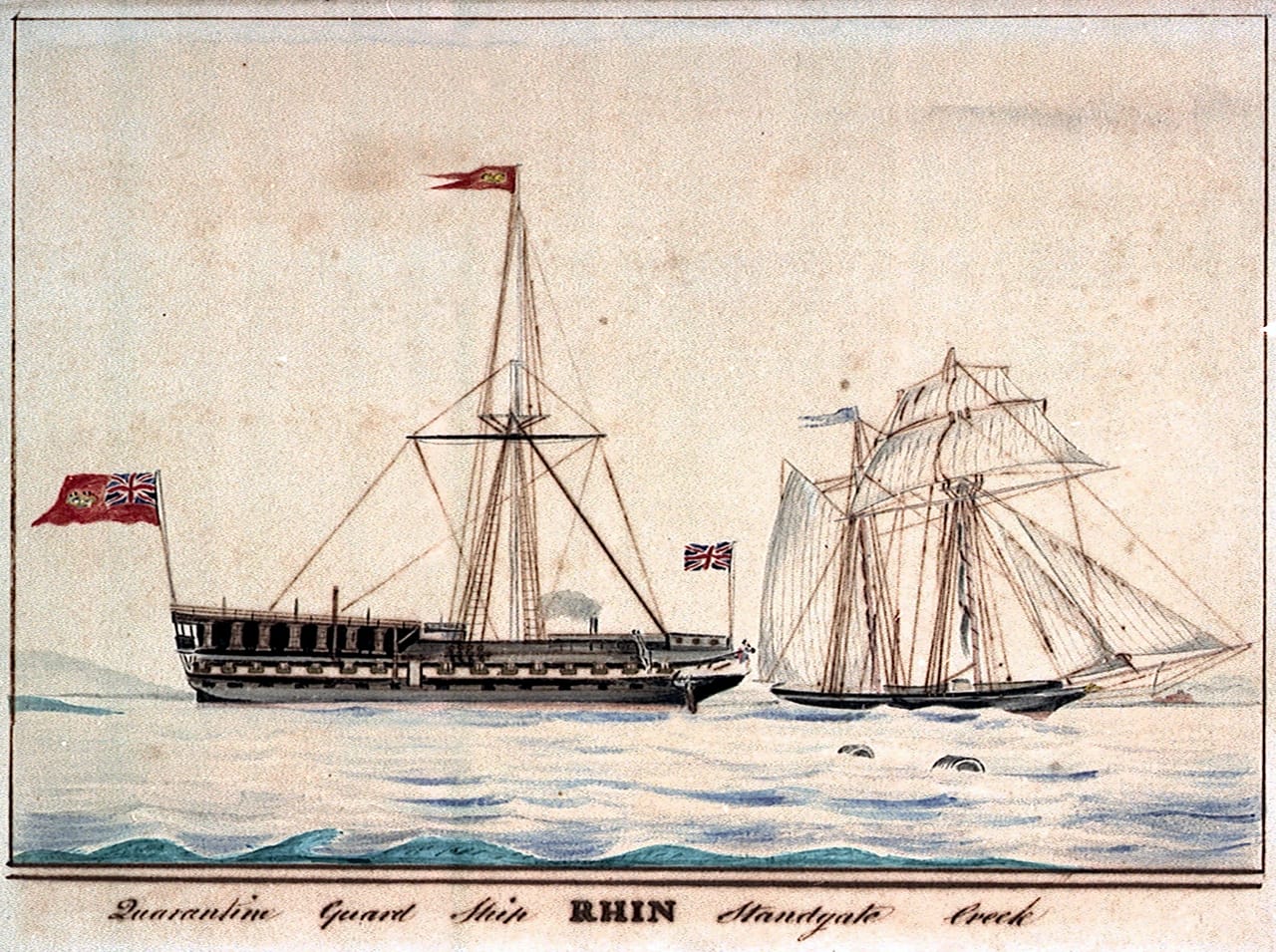
During the Black Death, Mediterranean ports developed the practice of holding arriving ships before allowing anyone ashore.
Ragusa, now Dubrovnik, imposed a thirty day detention in 1377, called trentino. Venice extended it to forty days, quaranta giorni, and quarantine takes its name from that period.
Why forty is not certain. Explanations include religious significance and the empirical observation that most illnesses declared themselves within that time. What matters is that the period exceeded the incubation period of the diseases concerned, which is why it worked.
The practice predates germ theory by five centuries. It requires only the observation that disease passes from person to person and that a delay reveals who is carrying it, and both are available without knowing that microorganisms exist.
Lazarettos, dedicated quarantine stations, were built at major ports, and maritime quarantine remained standard practice into the twentieth century.
The duration is set by the incubation period, the interval between exposure and the appearance of symptoms.
A quarantine must exceed the incubation period for nearly everyone exposed, or infectious people will be released before they show signs. It should not greatly exceed it, since the cost rises and compliance falls.
This is why quarantine periods differ by disease and are revised as evidence accumulates. Measles, smallpox and cholera all have characteristic incubation distributions, and the applicable period follows from them.
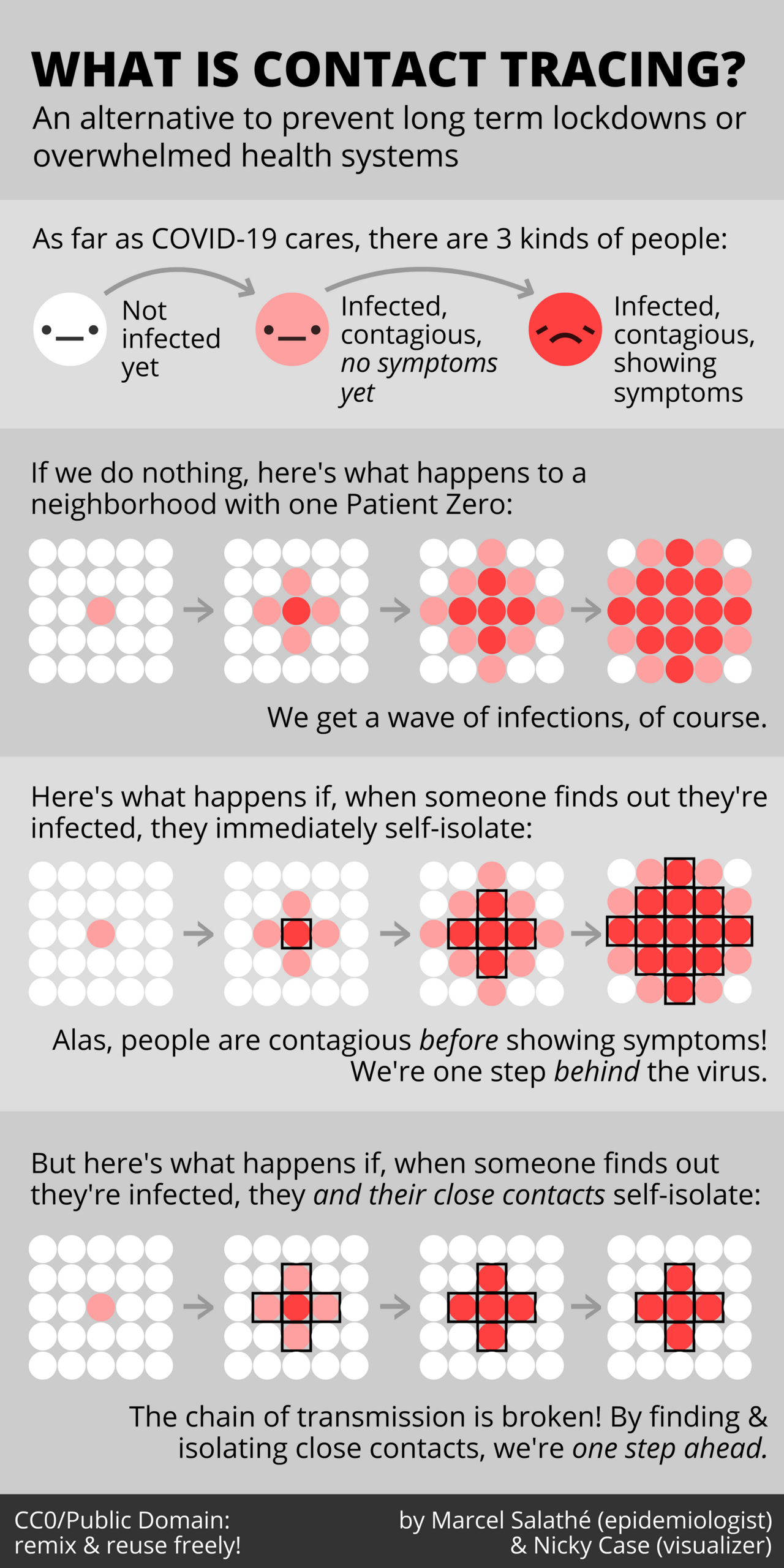
The measure is far less effective against diseases transmitted before symptoms appear, since an infected person may pass the disease on during the window in which they seem well. Pre-symptomatic and asymptomatic transmission is the single most important factor determining whether quarantine of identified contacts can control an outbreak.
Smallpox and plague control relied heavily on isolation and quarantine before vaccination existed.
Typhoid Mary, Mary Mallon, was an asymptomatic carrier of typhoid identified in New York in 1907, who infected people through her work as a cook and who was eventually detained for decades. The case is the standard illustration of the conflict between individual liberty and public health, and of the difficulty asymptomatic carriage poses.
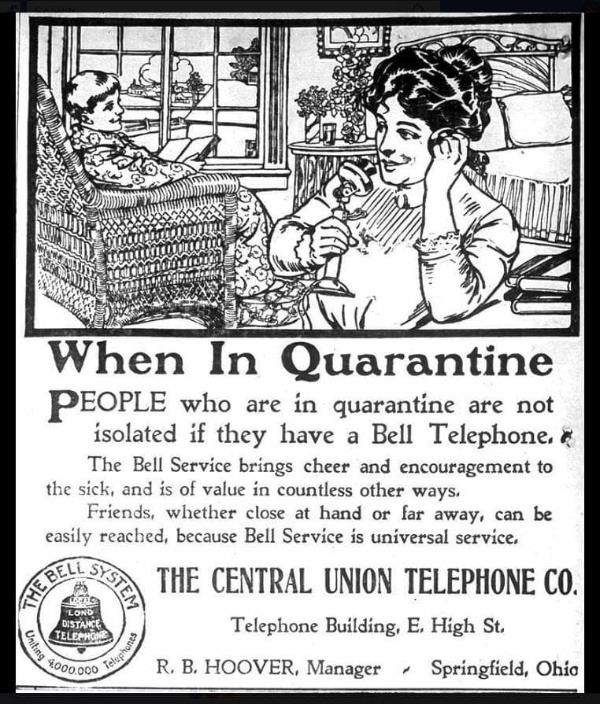
The 1918 influenza pandemic produced widely varying local measures, and comparisons between cities that acted early and those that did not are among the most cited historical evidence for non-pharmaceutical interventions.
Ebola outbreaks in West Africa involved quarantine of households and communities, and in several cases the measures met resistance where they were imposed without consultation, which reduced their effectiveness.
The COVID-19 pandemic saw quarantine applied at a scale without modern precedent, alongside far broader population measures. The evidence on the specific contribution of individual quarantine, as distinct from the wider restrictions applied simultaneously, is difficult to separate, and assessments continue.
Quarantine restricts people who have committed no offence and who may be entirely healthy, and most legal systems therefore require justification, time limits, and some route of appeal.
Effectiveness depends on compliance, which depends on trust, on whether people can afford to stop working, and on whether support is provided. Quarantine without income support fails predictably among people who cannot forgo wages.
It can also cause harm directly, through interrupted medical care, mental health effects of isolation, and economic loss, and these are increasingly treated as part of the calculation rather than as regrettable side effects.
Historically it has been applied unevenly, with immigrant and minority populations subjected to measures not applied to others, and that history affects how such measures are received now.
Quarantine is the oldest infection control measure still in routine use, and it demonstrates that an intervention can be effective while its mechanism is entirely misunderstood, since it worked under the miasma theory as well as it does under germ theory.
It also poses, more sharply than most public health measures, the question of what a society may do to a person who has done nothing and is not known to be dangerous, in order to protect others from a risk that may not exist.