Overdiagnosis is the correct detection of a condition that would never have caused symptoms or harm during the person's life. It is not misdiagnosis and not error, which is what makes it difficult to see, difficult to prove in any individual case, and difficult to act on.
A screening test finds a real abnormality. The diagnosis is accurate. The pathology is genuine. And the condition, left alone, would never have troubled the person, because it grows too slowly, does not progress, or in some cases regresses.
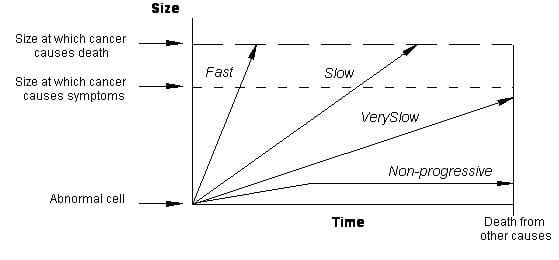
The person is then treated, and carries the costs of treatment with none of the benefit, along with the status of being a patient. Because there is no way to know which individuals were overdiagnosed, everyone is treated, and the harm falls on people who were never going to be ill.
The clearest demonstration comes from South Korea. Ultrasound screening of the thyroid was widely offered from the late 1990s, often as an inexpensive addition to other health checks.
Diagnoses of thyroid cancer rose roughly fifteenfold between 1993 and 2011, and the country recorded the highest incidence in the world. Tens of thousands of thyroidectomies were performed, most patients requiring lifelong hormone replacement and some sustaining vocal cord or parathyroid damage.
Mortality from thyroid cancer over the same period did not change at all. It stayed flat while incidence rose fifteenfold, which is the signature of overdiagnosis rather than of a real epidemic, since a genuine rise in a lethal disease moves the death rate. When the pattern was publicised in 2014, screening fell sharply and diagnoses fell with it, with no rise in deaths afterwards.
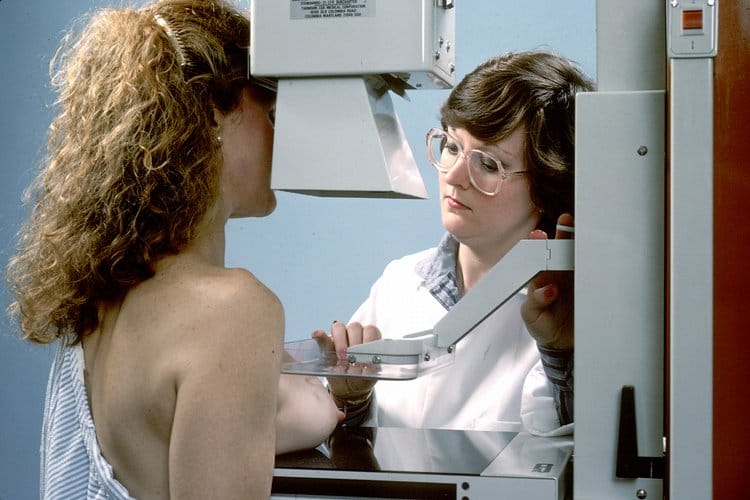
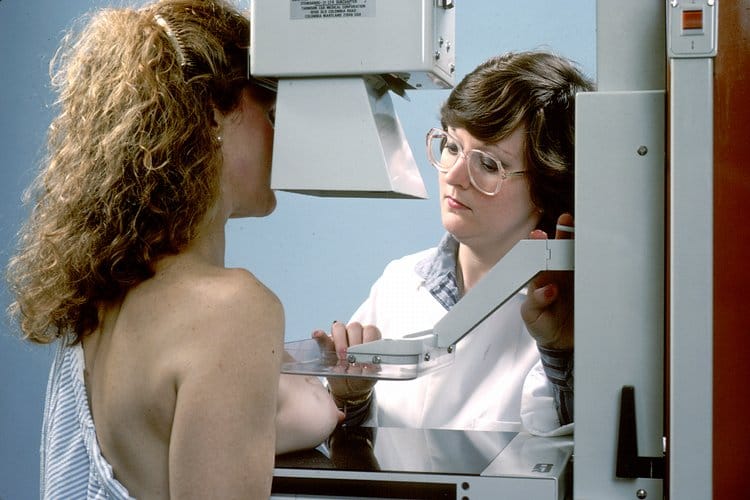
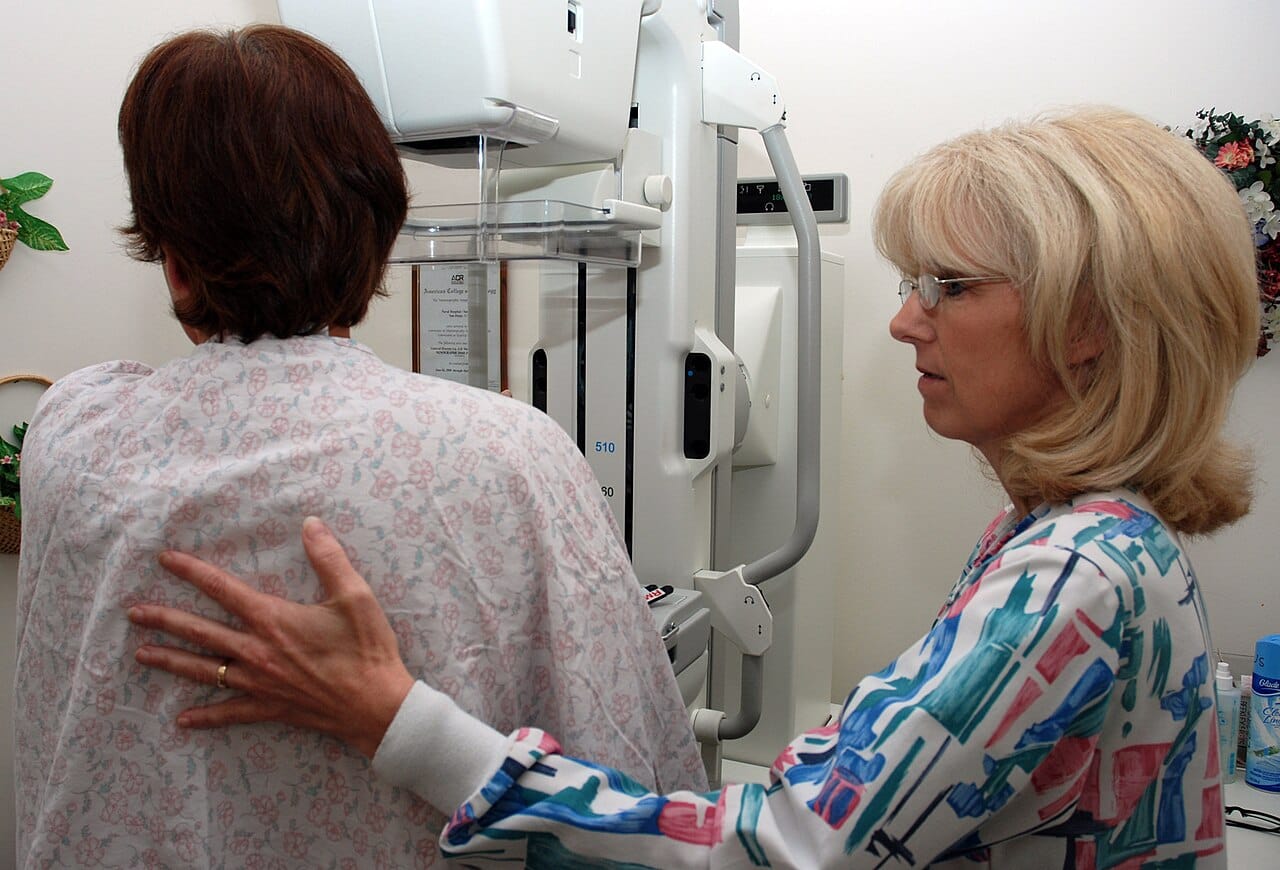
Mammography is the most argued case. Estimates of the proportion of screen-detected breast cancers that are overdiagnosed range from around one percent to around thirty percent, and the range comes from how the calculation is done: the denominator chosen, the lead time assumed, and how the underlying incidence trend is modelled. Independent reviews in the United Kingdom and elsewhere have landed near the middle and have concluded that screening saves lives and also overdiagnoses, with the balance depending on age.
Prostate screening by PSA testing led to large numbers of diagnoses of cancers that would never have progressed, and to treatment carrying substantial rates of incontinence and erectile dysfunction. Recommendations shifted toward active surveillance rather than immediate treatment, which is an attempt to keep the detection while avoiding the harm.
Two statistical effects flatter screening and conceal the problem.
Lead time bias: finding a disease earlier moves the diagnosis date backward, so survival measured from diagnosis lengthens even if the date of death does not change at all. Five year survival rates rise while nobody lives longer.
Length time bias: screening at intervals preferentially catches slow-growing disease, because fast-growing disease appears and causes symptoms between screens. The cases screening finds are therefore the ones with better outcomes regardless of treatment, which makes screening look effective.
Both are avoided by measuring mortality in the whole population rather than survival among the diagnosed. That requires large trials with long follow-up, which are expensive and rare, and it is why the argument has lasted so long.
Nobody argues for abolishing screening. The disagreement is about which programmes, at which ages, at which intervals, and how the trade is communicated.
The communication problem is real. Screening is promoted with a strong and simple message, early detection saves lives, and that message is true for some cancers and misleading for others. Explaining that a test may find something real that is better left alone is a difficult thing to say to a person who has just been offered it, and few programmes attempt it.