Climate Change
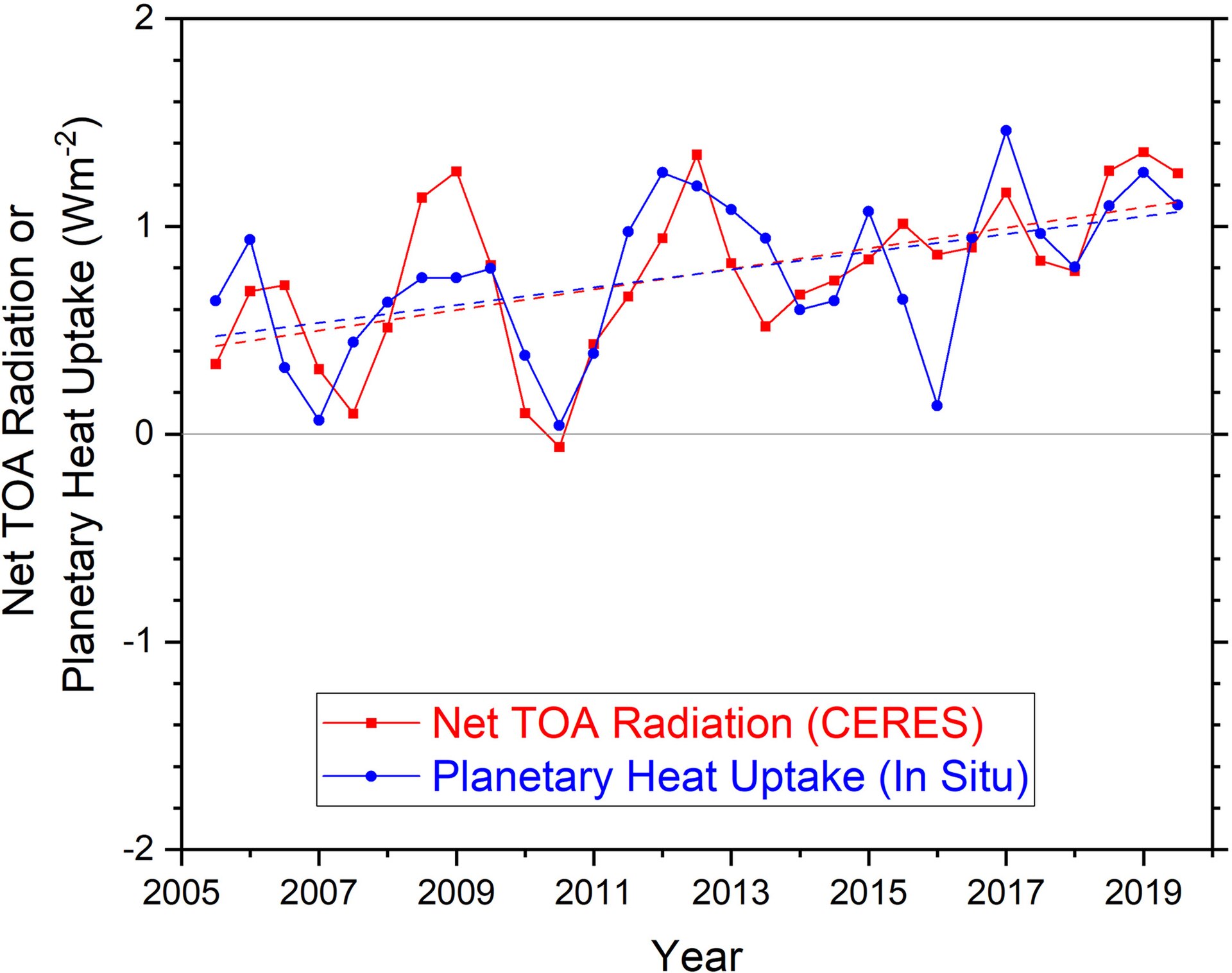
Climate change refers to the long term warming of the Earth and the shifts in weather patterns that come with it. That the planet is warming, and…
Matching your filter
Climate change refers to the long term warming of the Earth and the shifts in weather patterns that come with it. That the planet is warming, and…
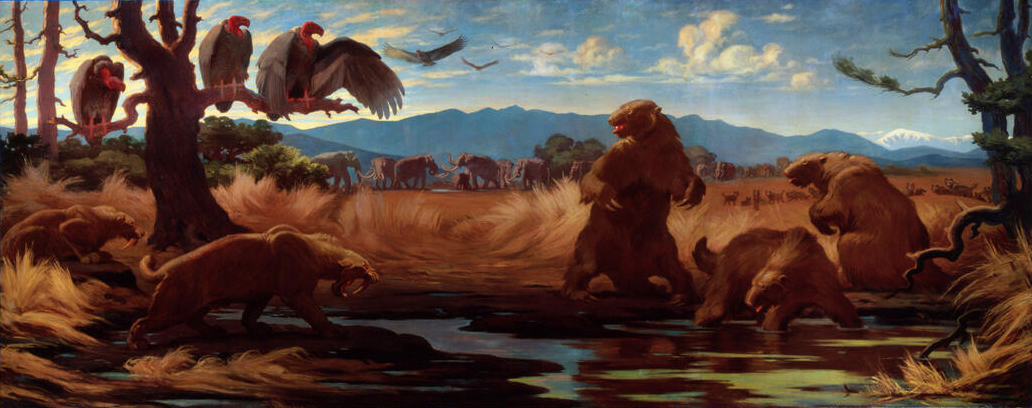
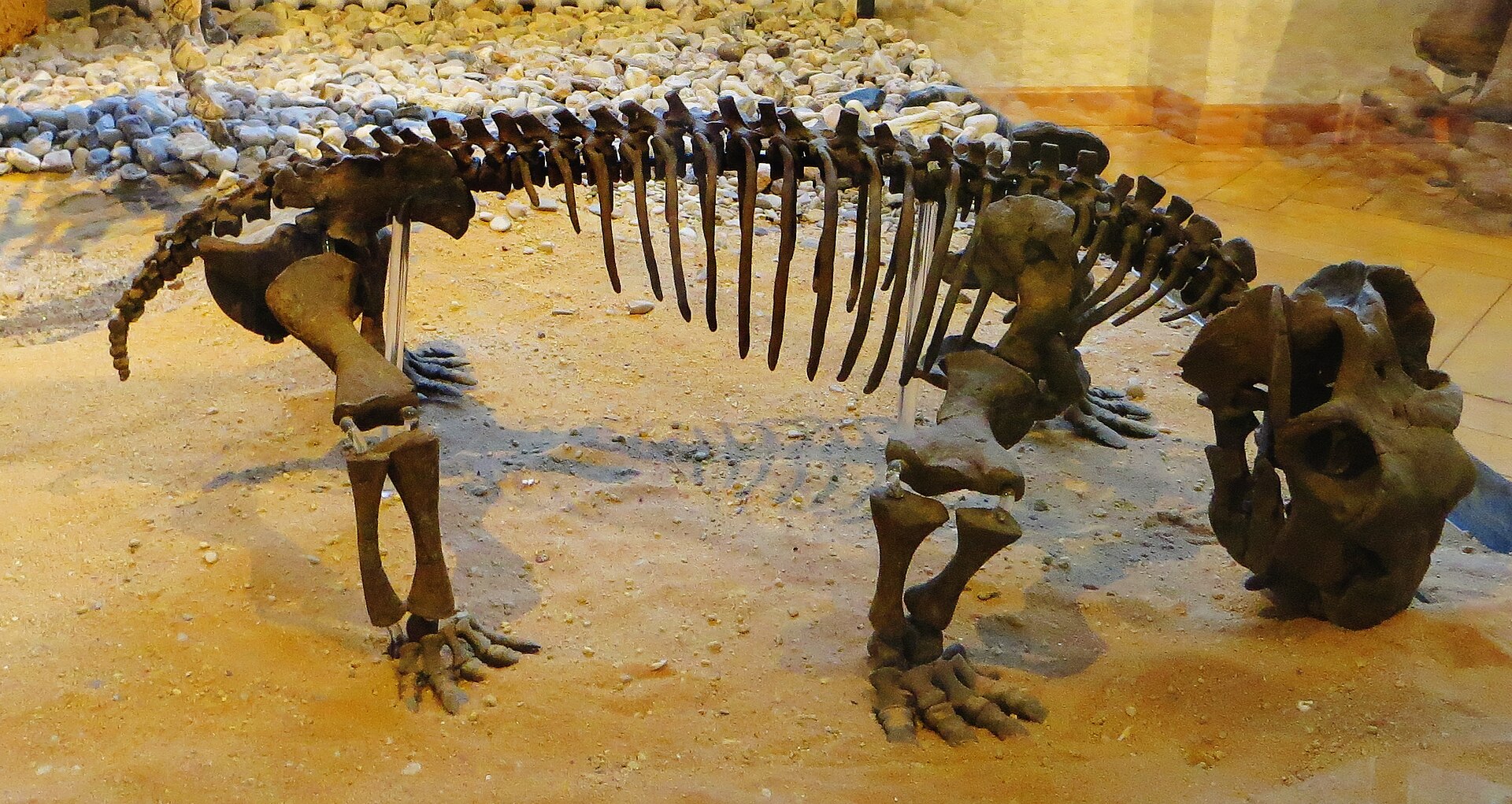
At the end of the last ice age, many of the world's largest animals, the megafauna, went extinct, from woolly mammoths to giant ground sloths.…
The Permian extinction, often called the Great Dying, was the most severe mass extinction in Earth's history, around 252 million years ago, when the…
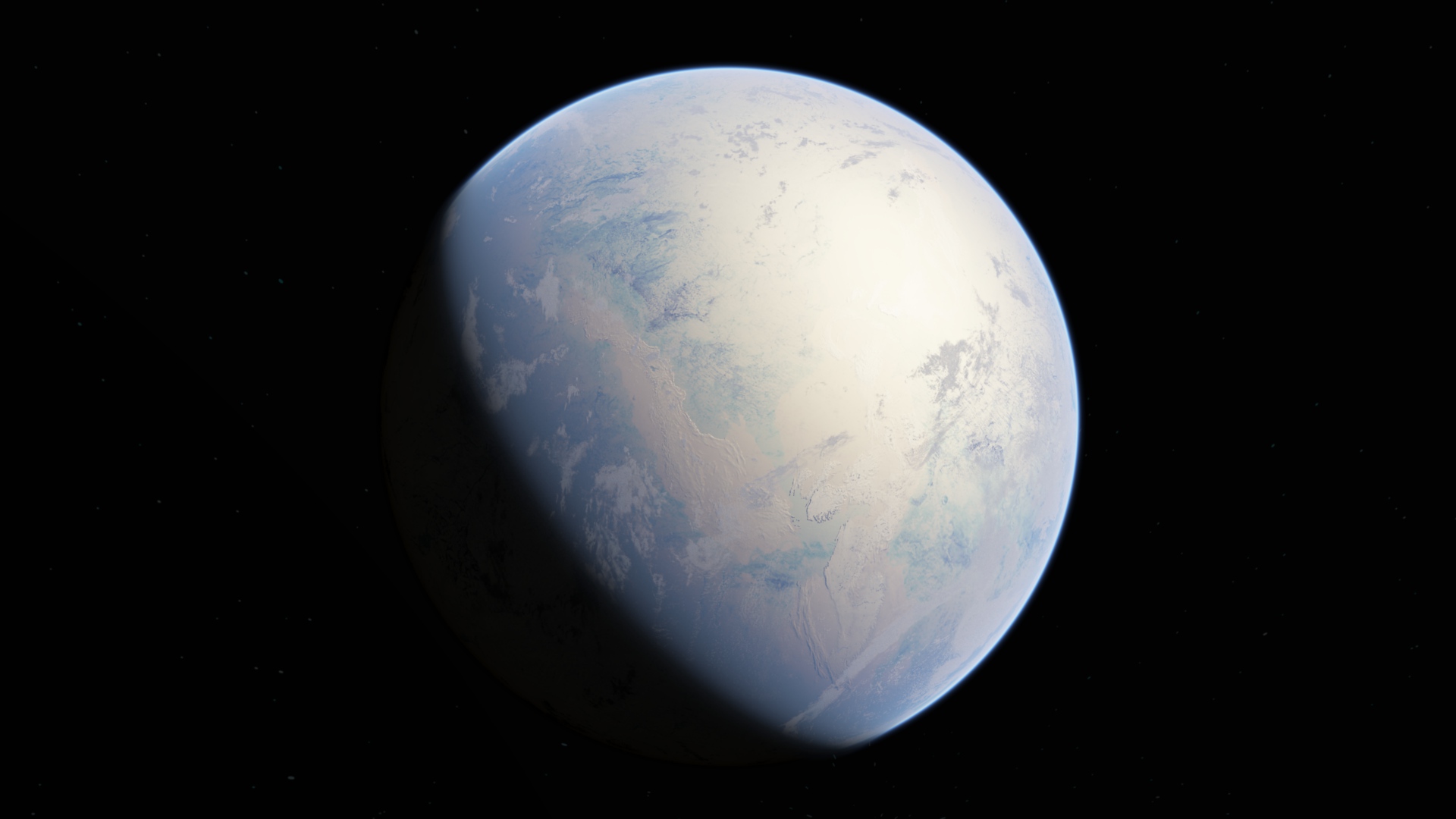
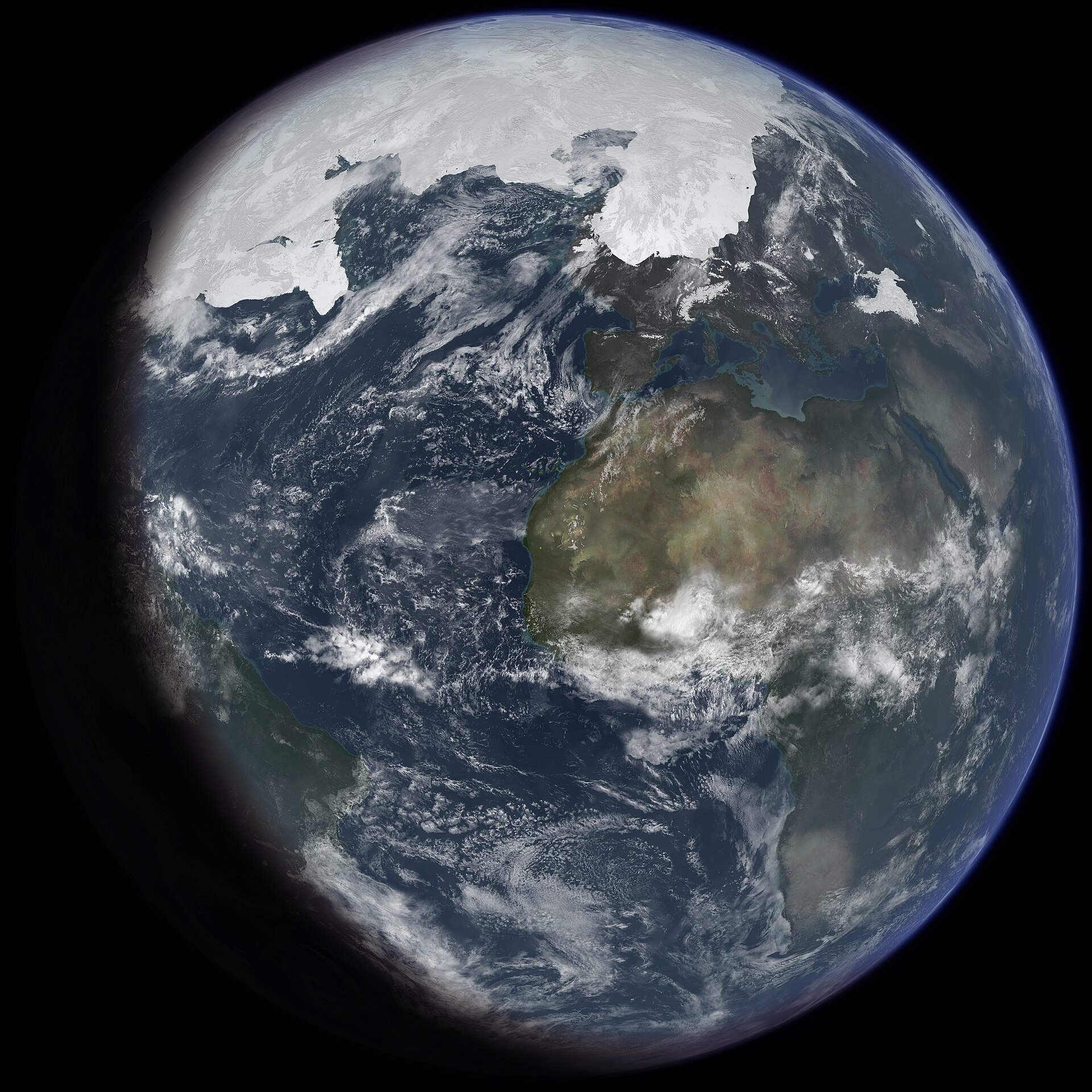
Snowball Earth is the hypothesis that, on one or more occasions in the distant past, our planet froze over almost completely, with ice reaching from…
The Cambrian explosion was a remarkable burst of evolution, beginning around 540 million years ago, when most of the major groups of animals appeared…
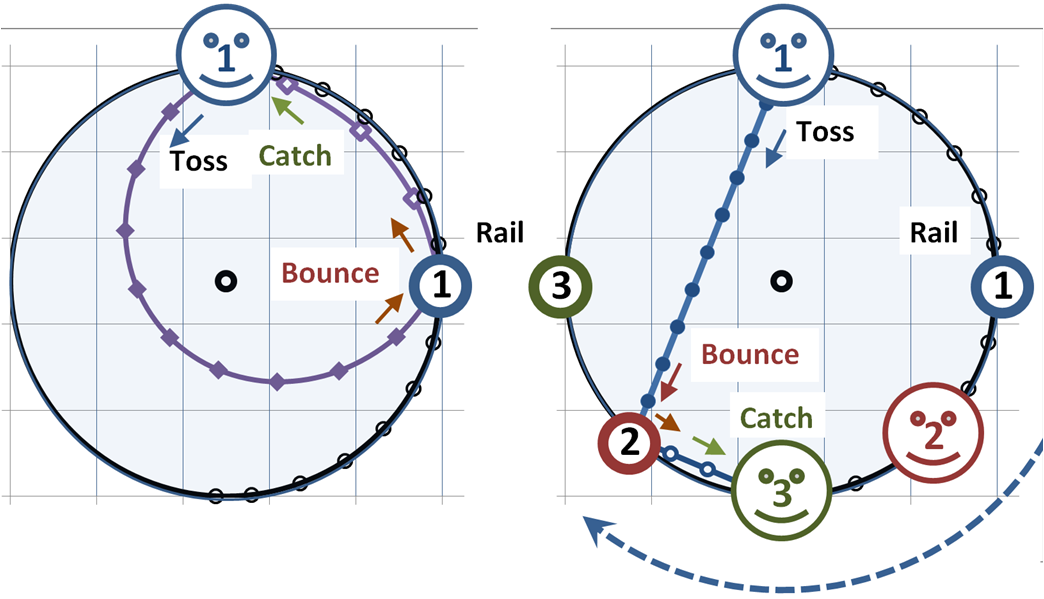
The Coriolis effect is the apparent deflection of moving objects, such as air and water, when viewed from a rotating frame like the spinning Earth.…
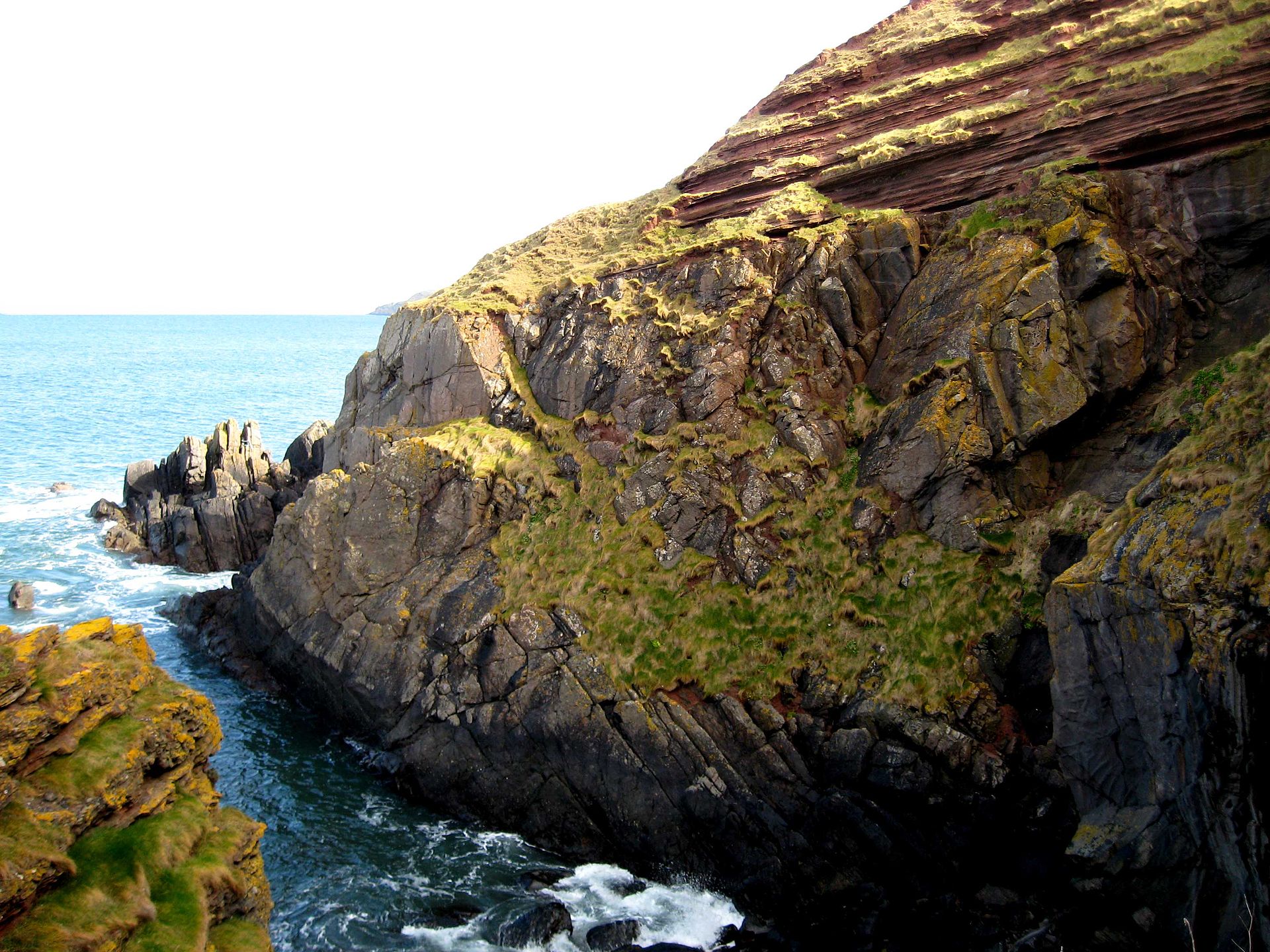
Uniformitarianism is the foundational principle of geology: that the same natural processes we observe today, such as erosion, sedimentation, and…
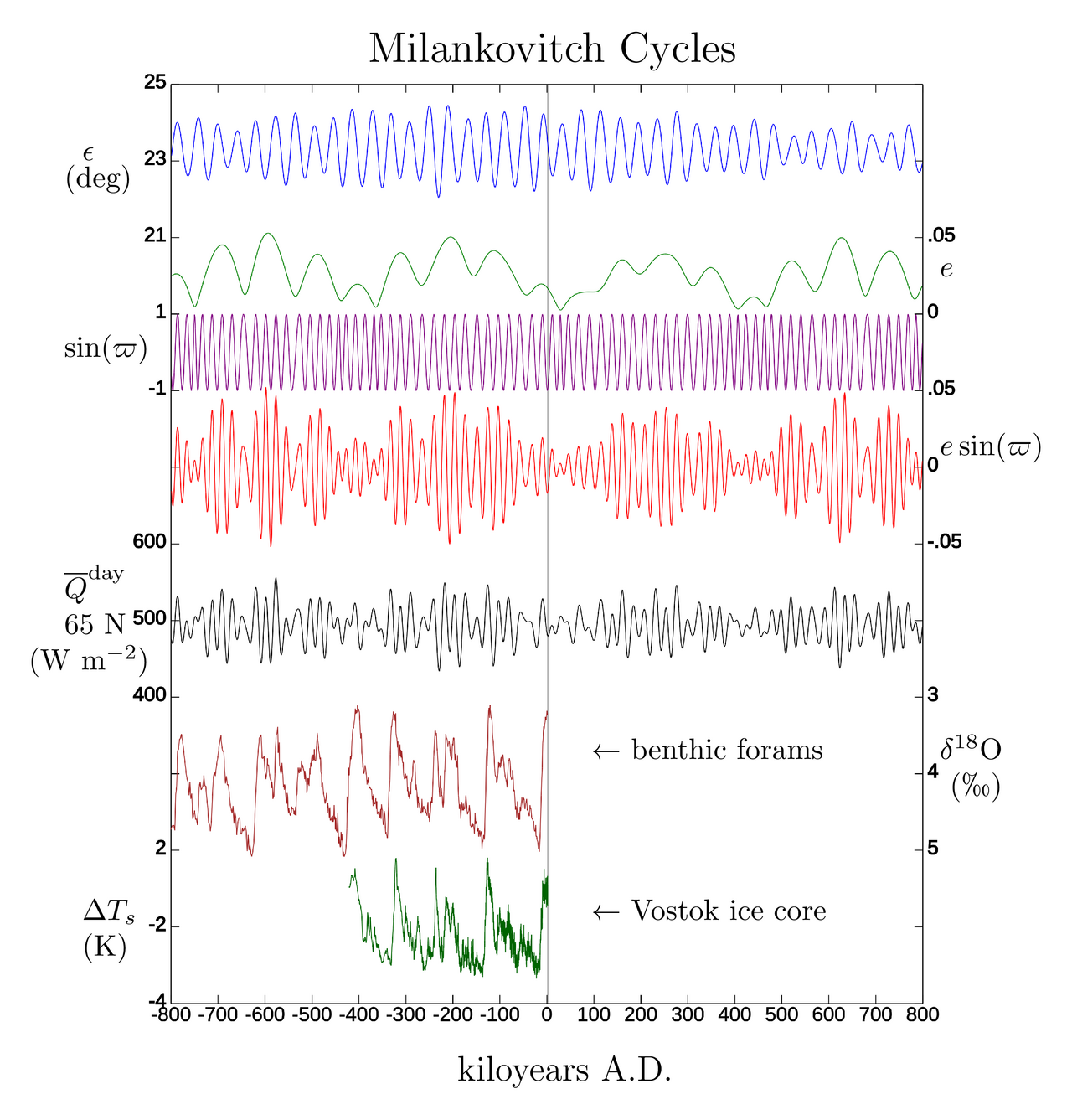
Throughout its history, the Earth has repeatedly cooled into ice ages, when vast sheets of ice spread across the continents, and warmed again between…
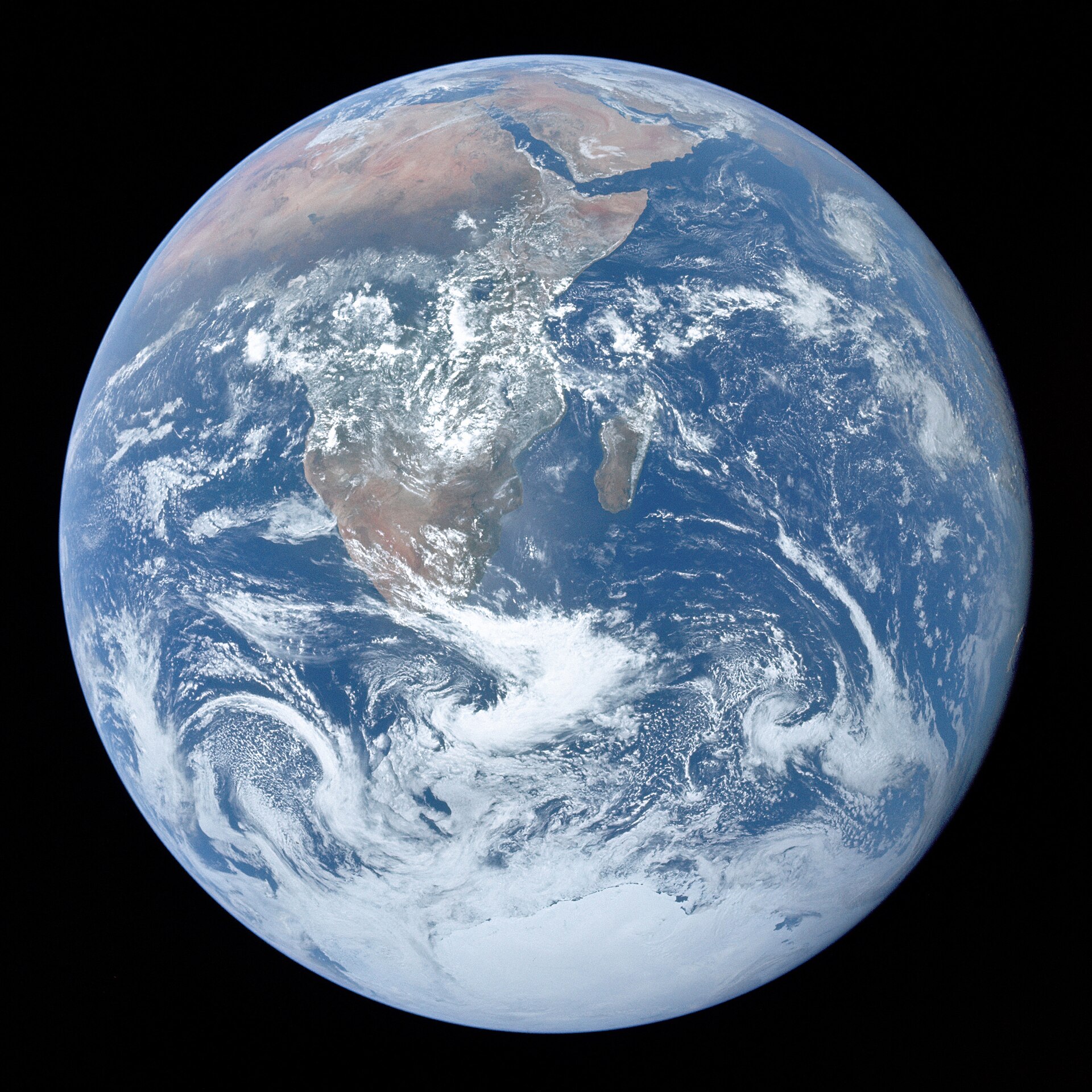
The Earth is about 4.54 billion years old. This figure, once fiercely debated, is now established with great precision through the radioactive dating…
The greenhouse effect is the process by which certain gases in a planet's atmosphere trap heat, keeping the surface warmer than it would otherwise…
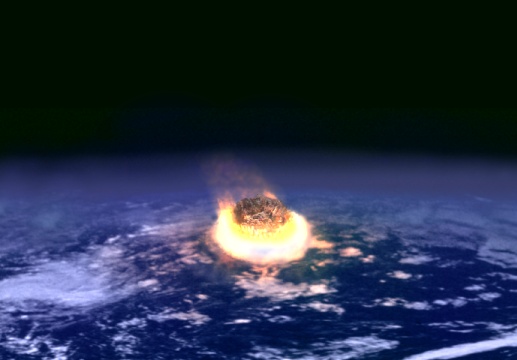
Around sixty six million years ago, the dinosaurs and many other forms of life suddenly vanished in one of the great mass extinctions in Earth's…
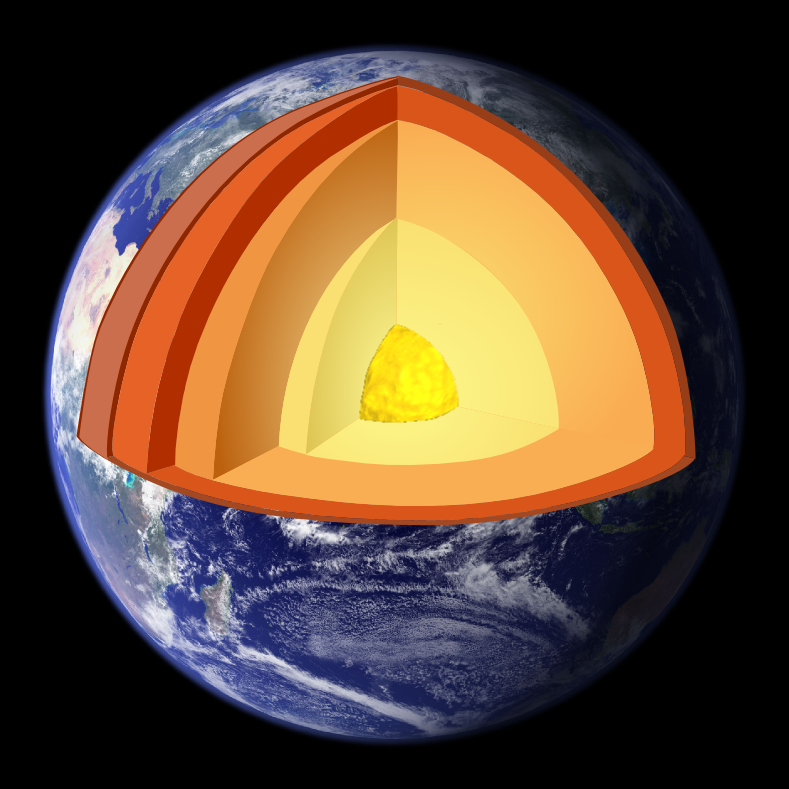
Plate tectonics is the scientific theory that Earth's outer shell is broken into a set of large, rigid plates that drift slowly over the hotter,…
The northern lights, known scientifically as the aurora borealis, are one of nature's most spectacular displays. Shimmering curtains of green, pink,…
A volcano is an opening in a planet's crust through which molten rock, gas, and ash erupt from the hot interior to the surface. On Earth they are…
The Gaia hypothesis proposes that life and its physical environment on Earth form a single, self regulating system that keeps the planet suitable for…
An earthquake is a sudden shaking of the ground caused by the release of energy deep within the Earth. Most are too faint to feel, but the largest…
Lightning is a sudden, powerful discharge of electricity in the atmosphere, one of nature's most dramatic and dangerous phenomena. A single bolt can…
The Grand Canyon is one of the most spectacular landscapes on Earth: an immense gorge carved by the Colorado River through the high plateau of…
The Sahara is the largest hot desert on Earth, a sweep of sand, gravel, and bare rock stretching across northern Africa from the Atlantic Ocean to…
Antarctica is Earth's southernmost continent, a vast, frozen wilderness centred on the South Pole. It is the coldest, driest, windiest, and, on…