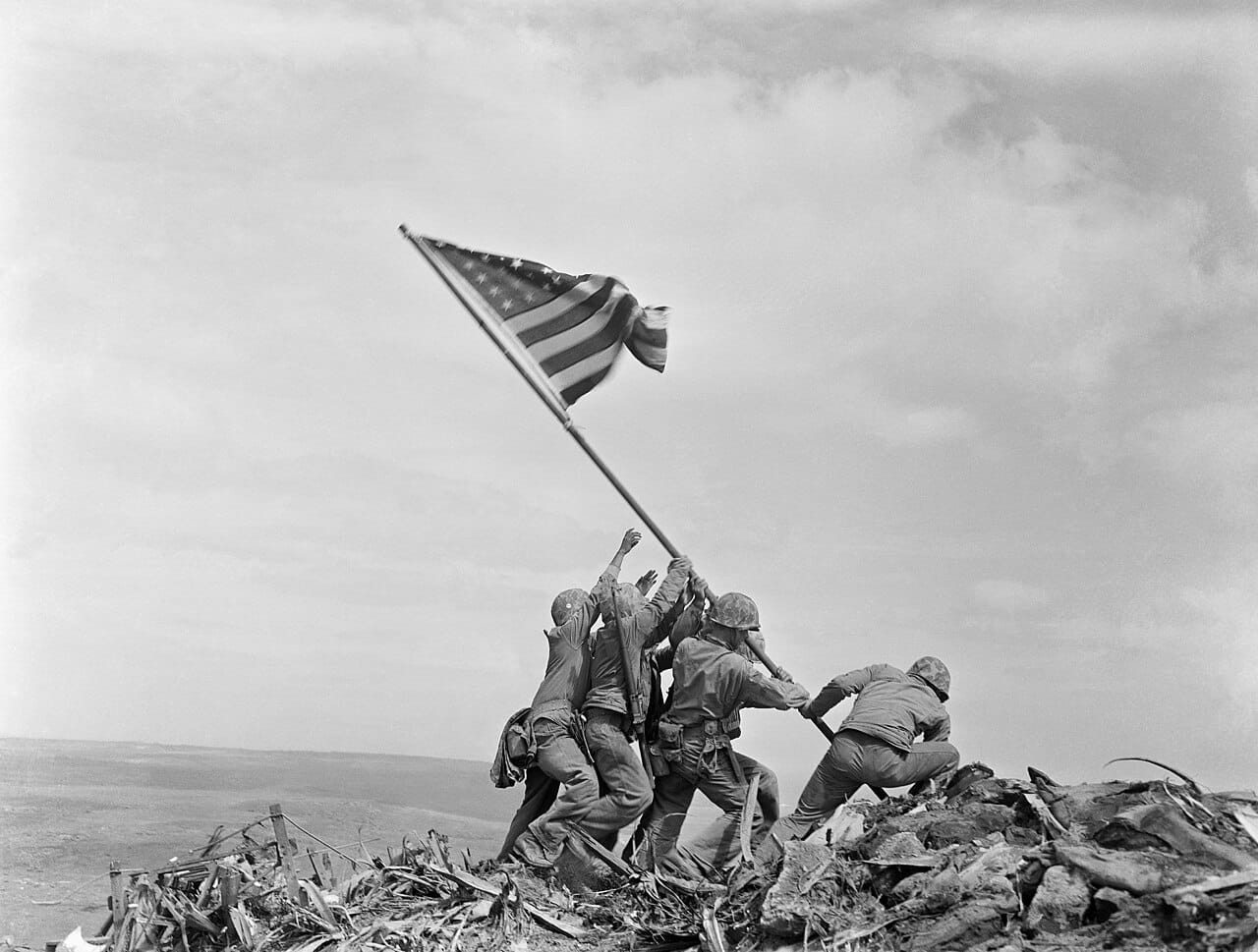
World War II (1939 to 1945) was the deadliest and most widespread conflict in human history, involving most of the world's nations and claiming an estimated 70 to 85 million lives. It reshaped the world and still influences global politics today.
The war grew out of the unresolved tensions and grievances left by the First World War, the rise of aggressive dictatorships, and a failure of other nations to check them. In Germany, Adolf Hitler's Nazi regime pursued conquest and a vile racial ideology, while militarists in Japan and Italy expanded by force, setting the world on a course for catastrophe.
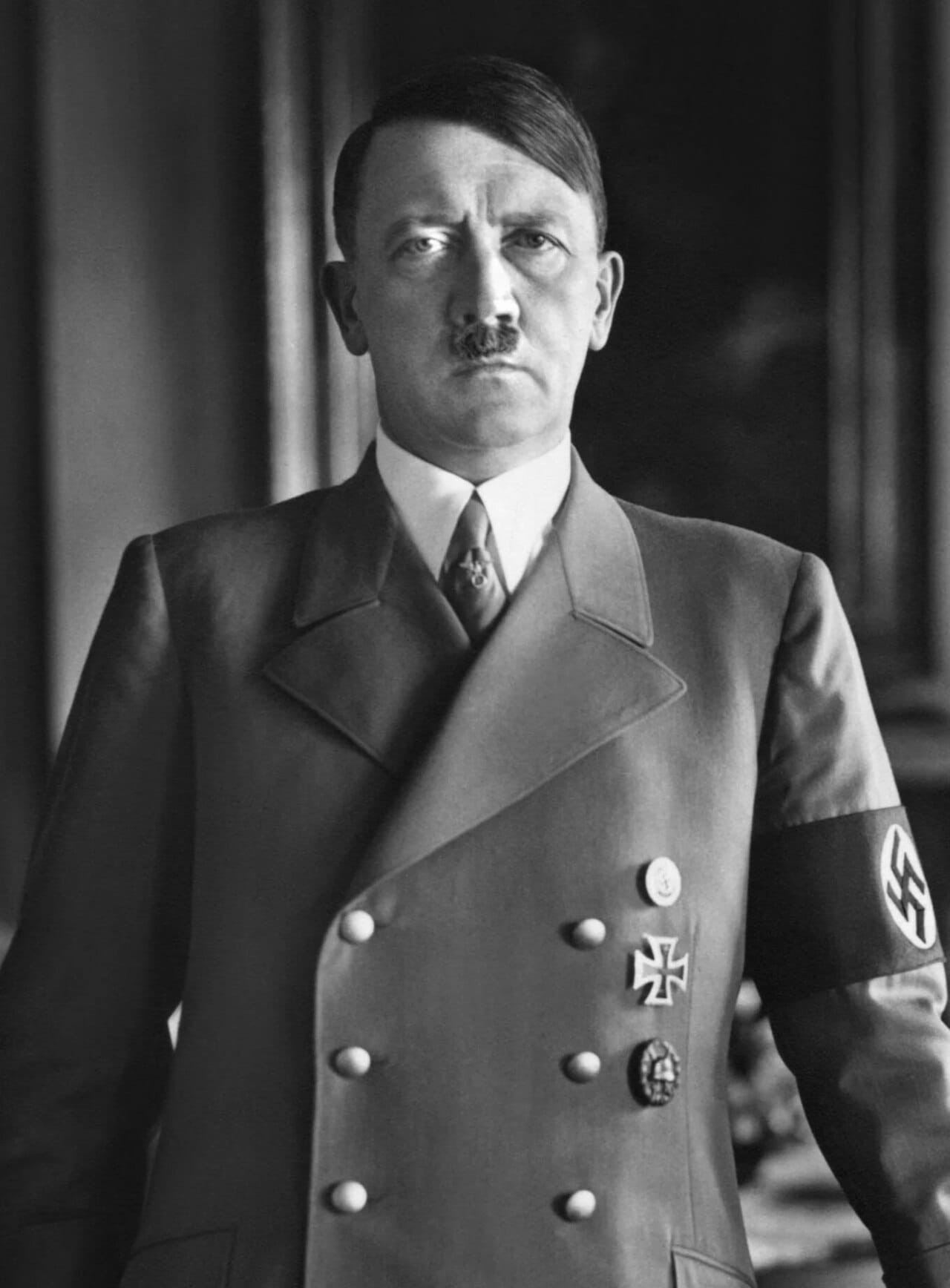
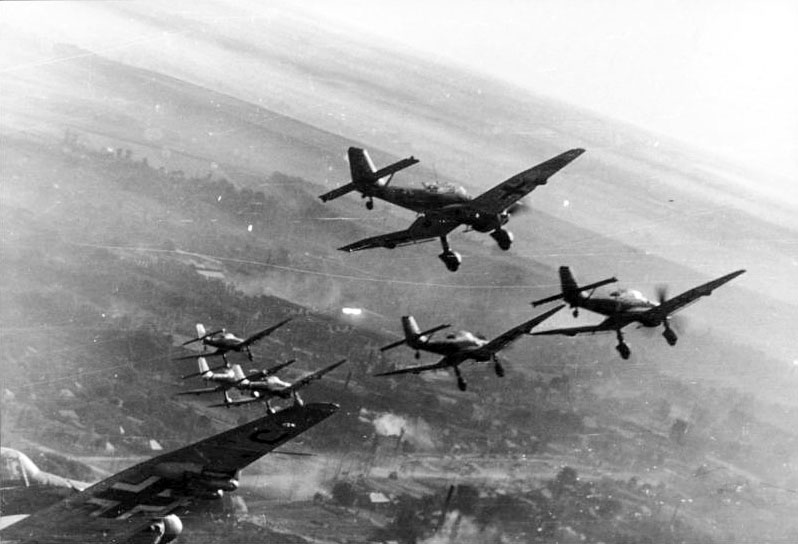
The war began in 1939 when Nazi Germany invaded Poland, unleashing a lightning style of mechanized warfare, the Blitzkrieg, that overran country after country. It soon engulfed Europe, Asia, Africa, and the Pacific. On one side stood the Axis powers, chiefly Germany, Italy, and Japan; on the other, the Allies, including Britain, the Soviet Union, the United States, and China. Vast armies clashed across continents and oceans.
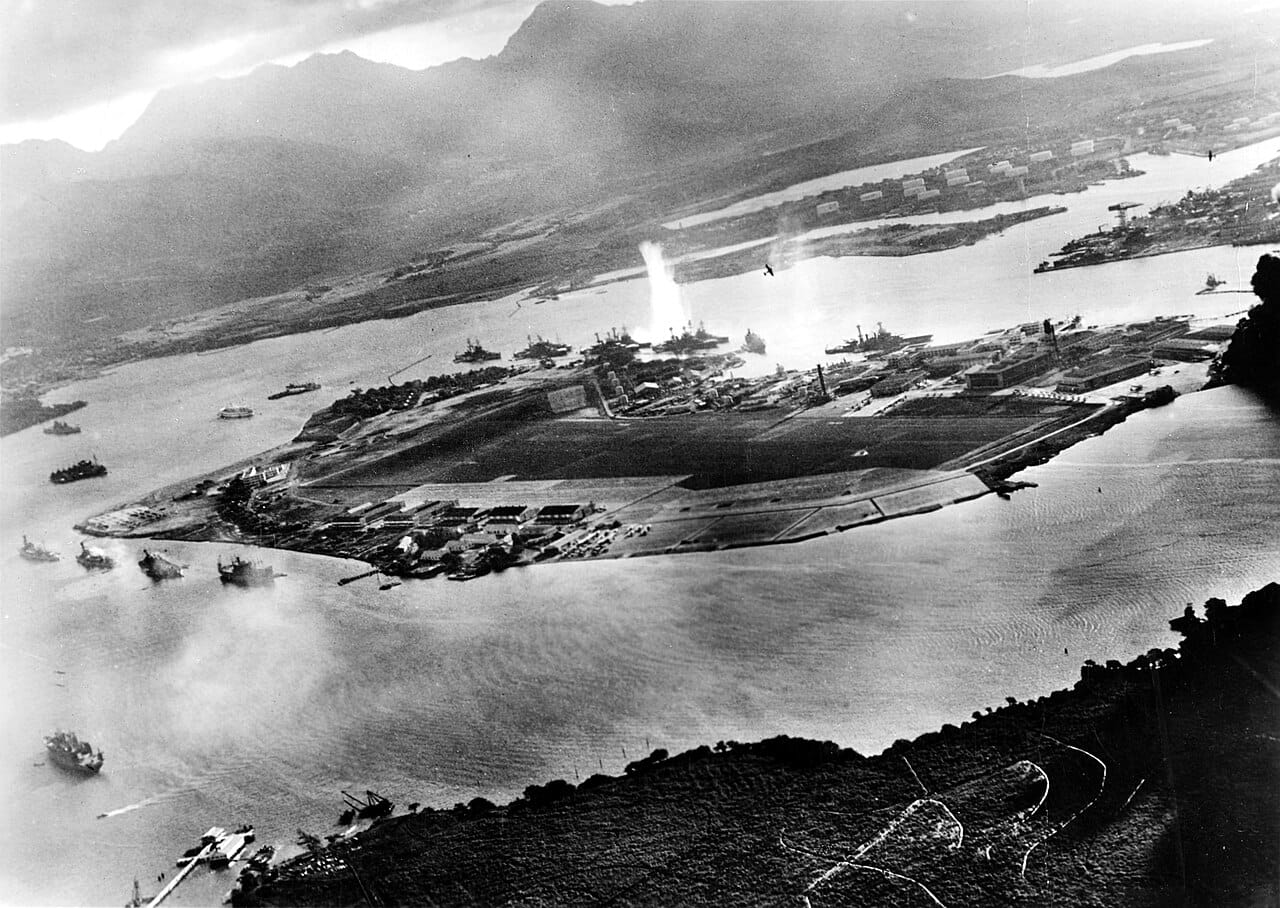
For its first two years the war was largely European. That changed on 7 December 1941, when Japan launched a surprise attack on the United States naval base at Pearl Harbor in Hawaii, drawing the immense industrial power of America into the conflict. With the United States now fighting in both the Pacific and Europe, and the Soviet Union already locked in a titanic struggle with Germany, the war became truly global.
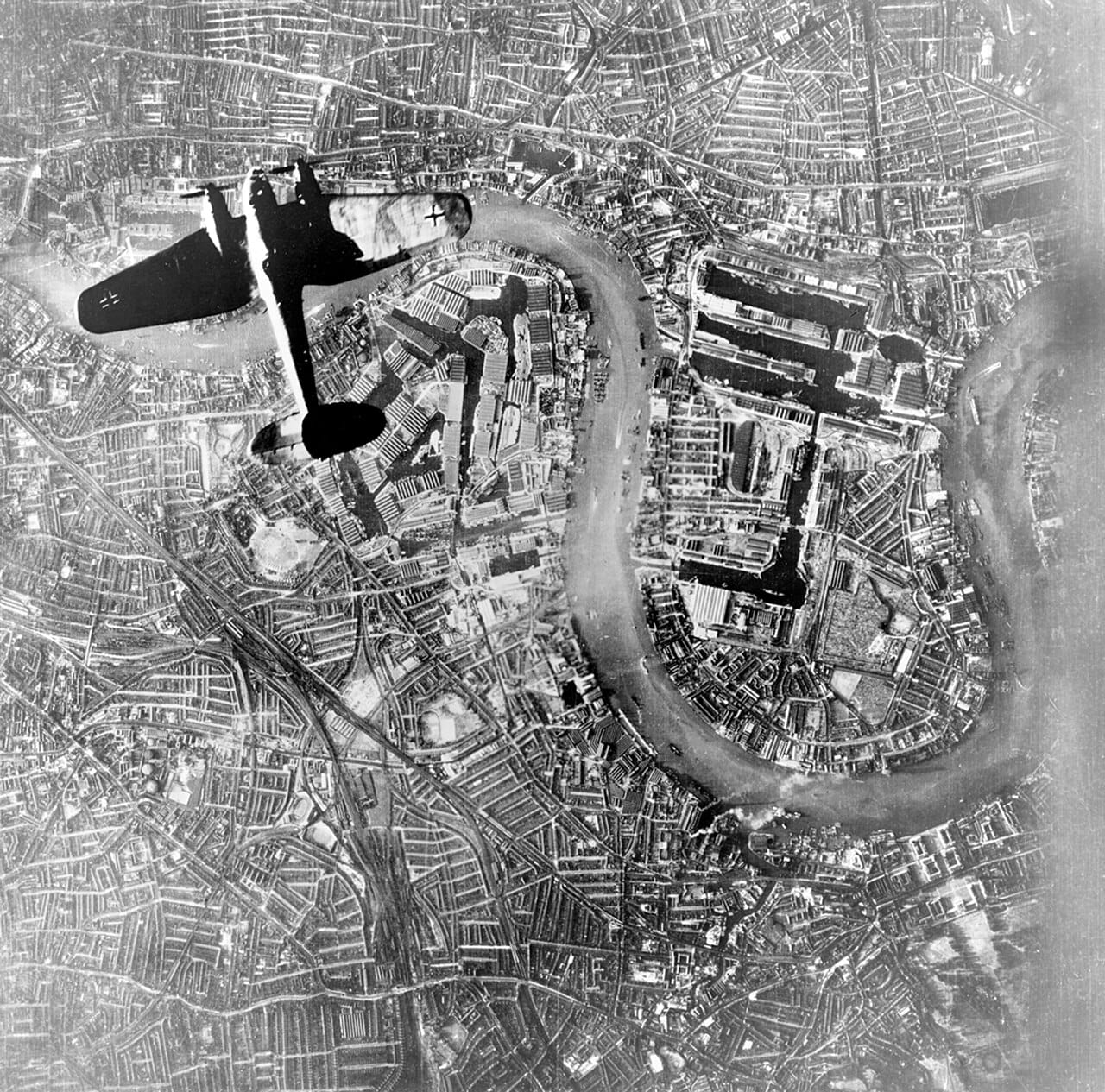
This was a "total war," in which entire nations and economies were mobilized for the fight, and in which civilians were targeted on a massive scale. Cities were bombed flat from the air, from the German Blitz on London to the later Allied bombing of German and Japanese cities. Whole populations were swept up in the conflict, and the distinction between soldier and civilian, between front line and home front, broke down.
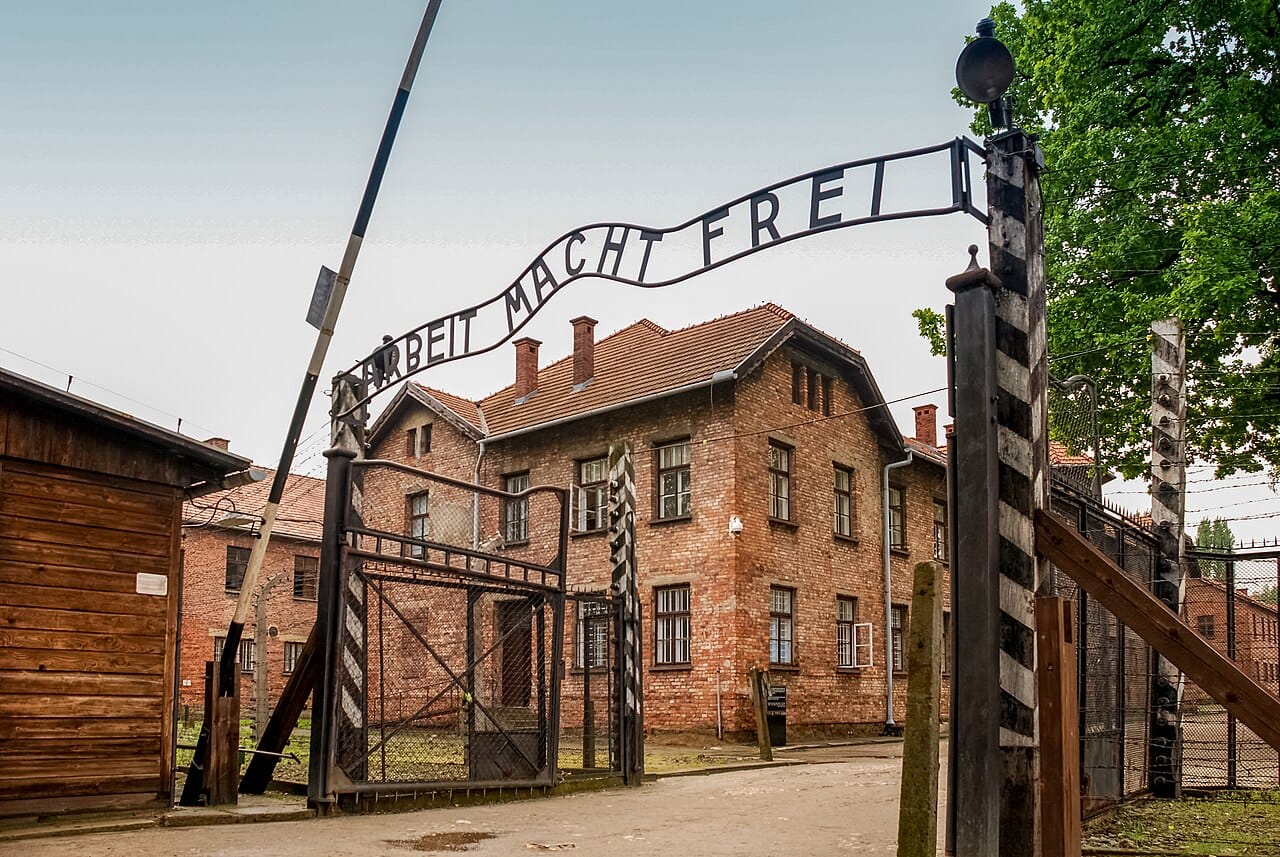
The war's greatest crime was the Holocaust, the systematic, industrialized genocide of six million Jews, along with millions of others, by Nazi Germany. This deliberate campaign of mass murder, carried out in death camps across occupied Europe, stands as one of the darkest chapters in all of human history.
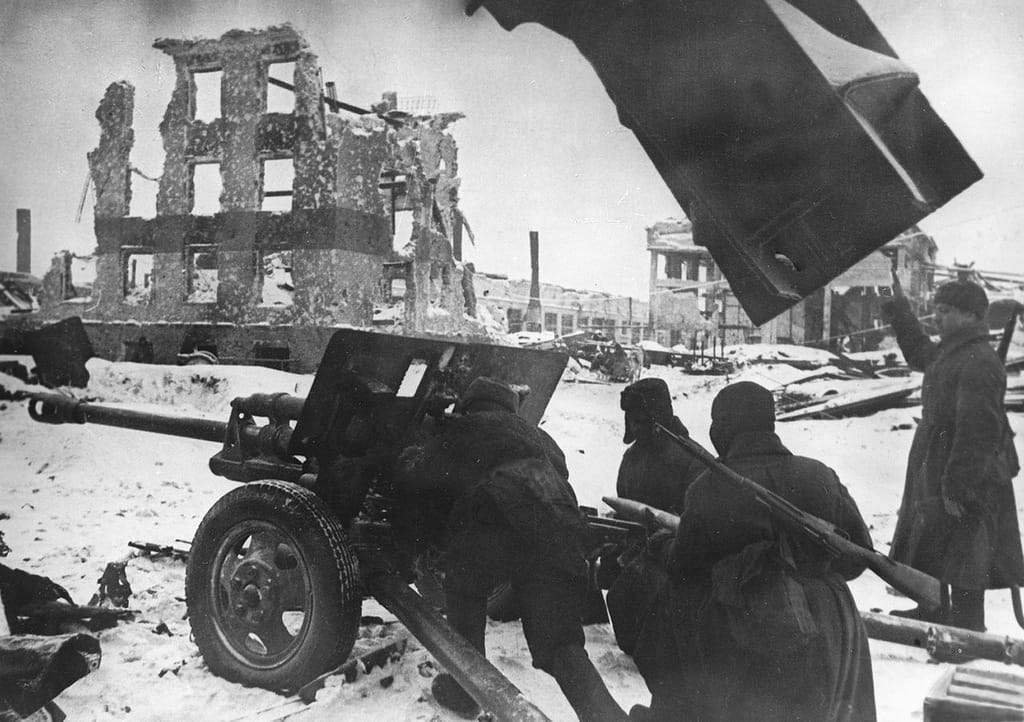
After early Axis victories, the tide turned. On the Eastern Front, the Soviet Union halted the German invasion at the Battle of Stalingrad in a struggle of appalling cost, then began to drive the Germans back. The Allies pushed the Axis out of North Africa and into Italy, and the balance of the war shifted decisively toward the Allies.
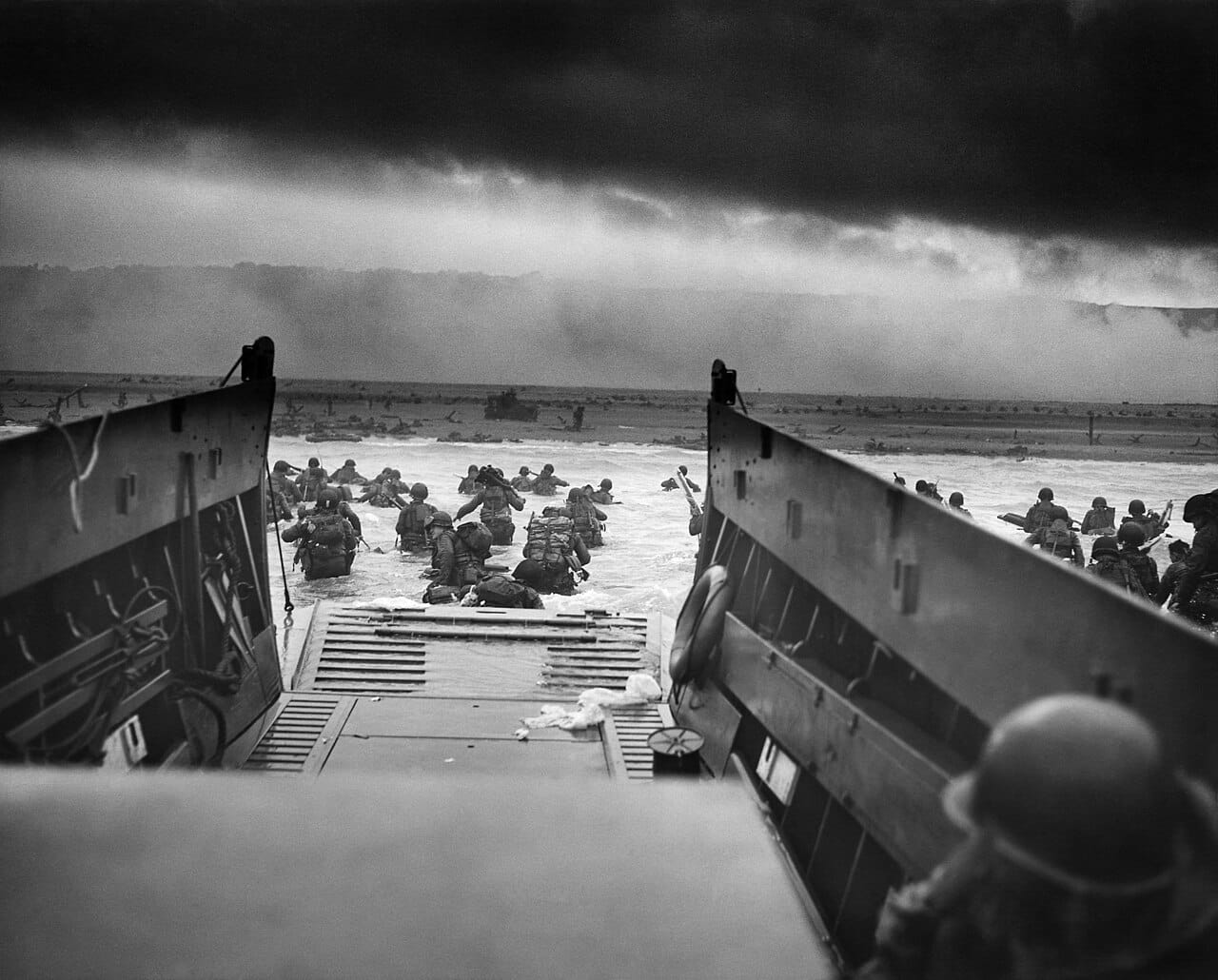
On 6 June 1944, D-Day, the Allies launched the largest seaborne invasion in history, landing in Nazi-occupied France at Normandy. Fighting their way inland, they opened a western front that, together with the Soviet advance from the east, closed a vice around Germany. Within a year the Allies had liberated France and much of Europe and were driving into Germany itself.
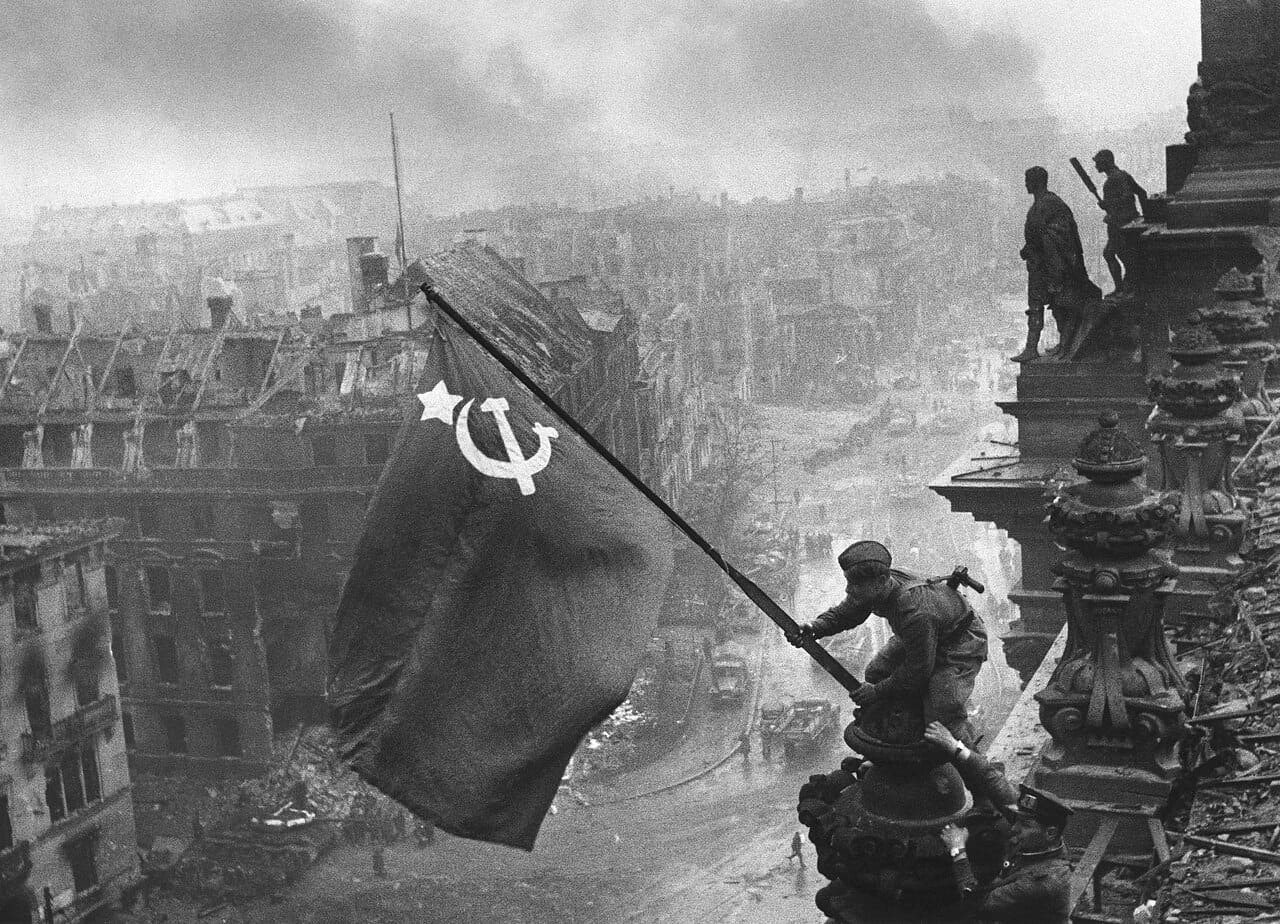
Squeezed between the Western Allies and the Soviet Red Army, Nazi Germany collapsed in the spring of 1945. Soviet forces fought their way into Berlin, Hitler killed himself in his bunker, and on 8 May 1945 Germany surrendered. The war in Europe was over, though the fighting in the Pacific still raged.
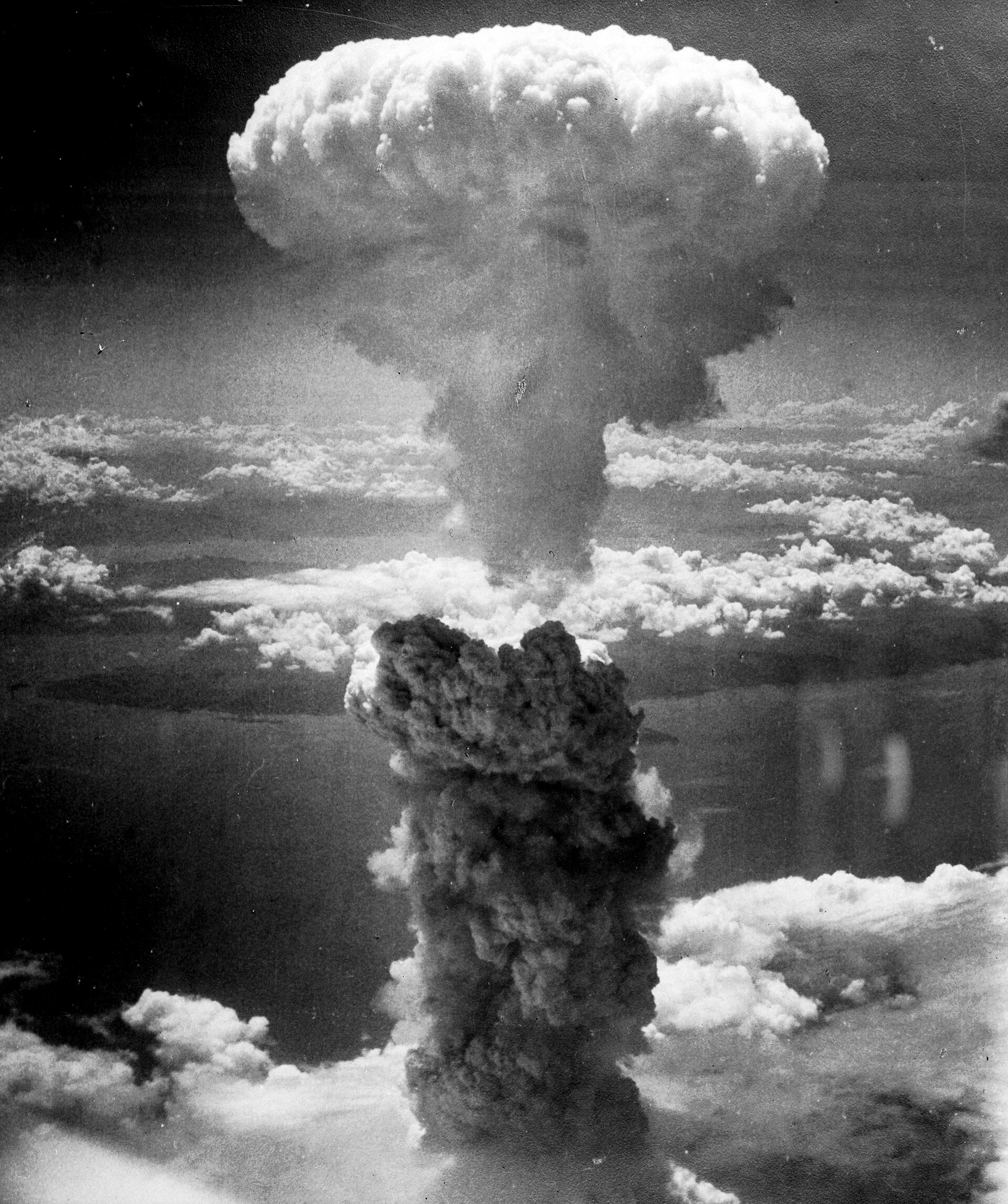
With Germany defeated, the war in the Pacific continued. In August 1945 the United States dropped atomic bombs on the Japanese cities of Hiroshima and Nagasaki, killing well over a hundred thousand people, most of them civilians, and hastening Japan's surrender. These remain the only times a nuclear weapon has ever been used in war, and the United States is the only nation ever to have done so. The war ended, but it had ushered in the terrifying age of nuclear weapons.
World War II remade the global order. It led to the founding of the United Nations to prevent future wars, the rise of the United States and the Soviet Union as rival superpowers, and the long standoff of the Cold War that followed. Empires crumbled, and the map of the world was redrawn.
The horrors of the war, above all the Holocaust, drove new commitments to human rights and to the idea that such crimes must never be repeated. The memory of World War II, its causes, its cost, and its lessons, remains deeply relevant, a sobering reminder of where hatred, aggression, and indifference can lead.