World War I (1914 to 1918), known at the time as the Great War, was one of the deadliest conflicts in history, killing around 20 million people and wounding tens of millions more. Fought mostly in Europe, it shattered old empires, redrew the map of the world, and set the stage for the even greater catastrophe of World War II.
By 1914 Europe was a powder keg. The great powers had divided into two rival alliance systems, built up huge armies and navies in an arms race, and competed fiercely for empire and influence. Nationalism, militarism, and a tangle of treaties meant that a single spark could drag the whole continent into war, with each nation bound to come to the aid of its allies.
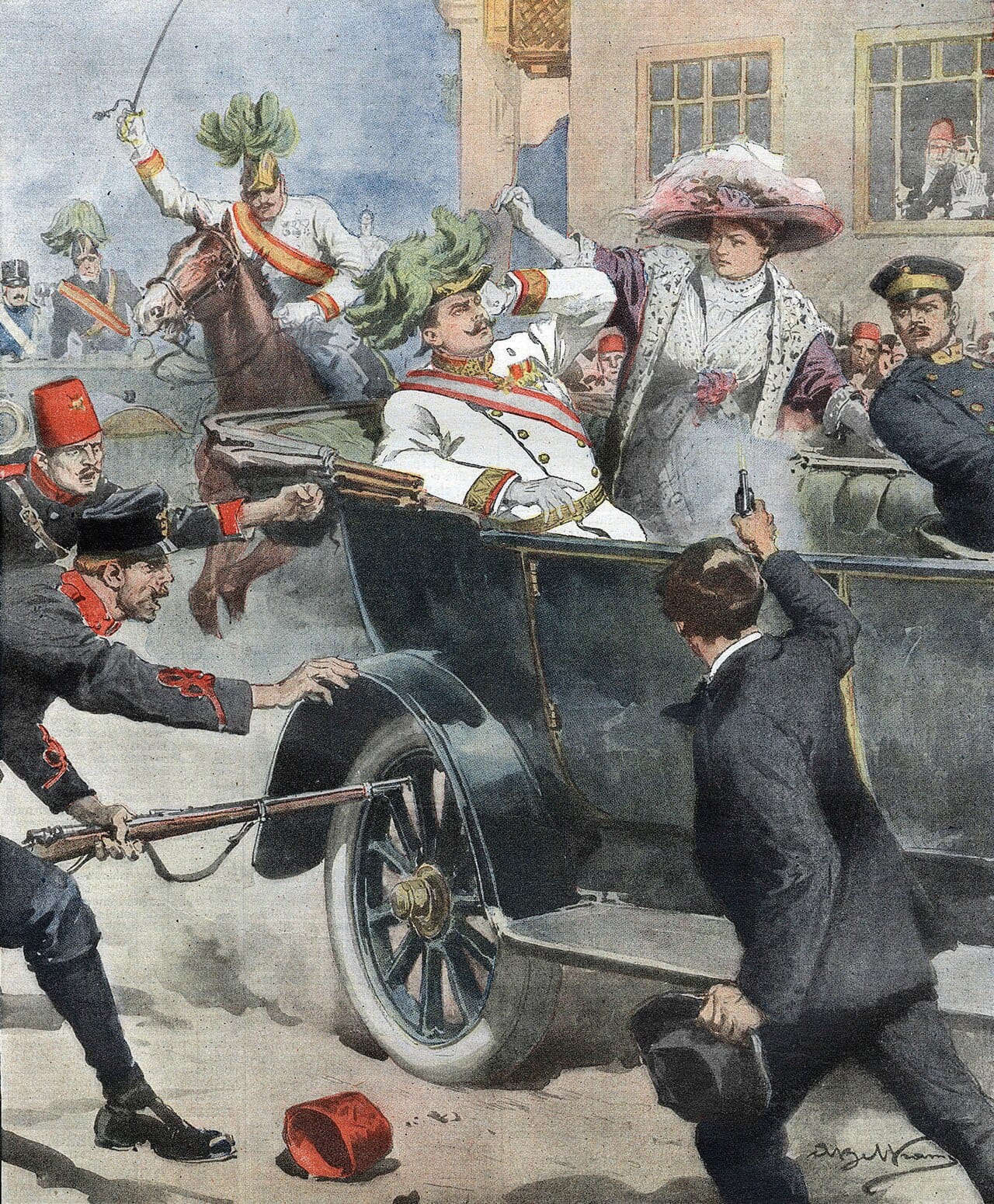
The spark came on 28 June 1914, when a Serbian nationalist assassinated Archduke Franz Ferdinand, heir to the throne of Austria-Hungary, in the city of Sarajevo. Within weeks the alliance system turned a local crisis into a general war, as Austria-Hungary, Germany, Russia, France, and Britain were drawn in one after another. A war that many expected to be short and glorious had begun.
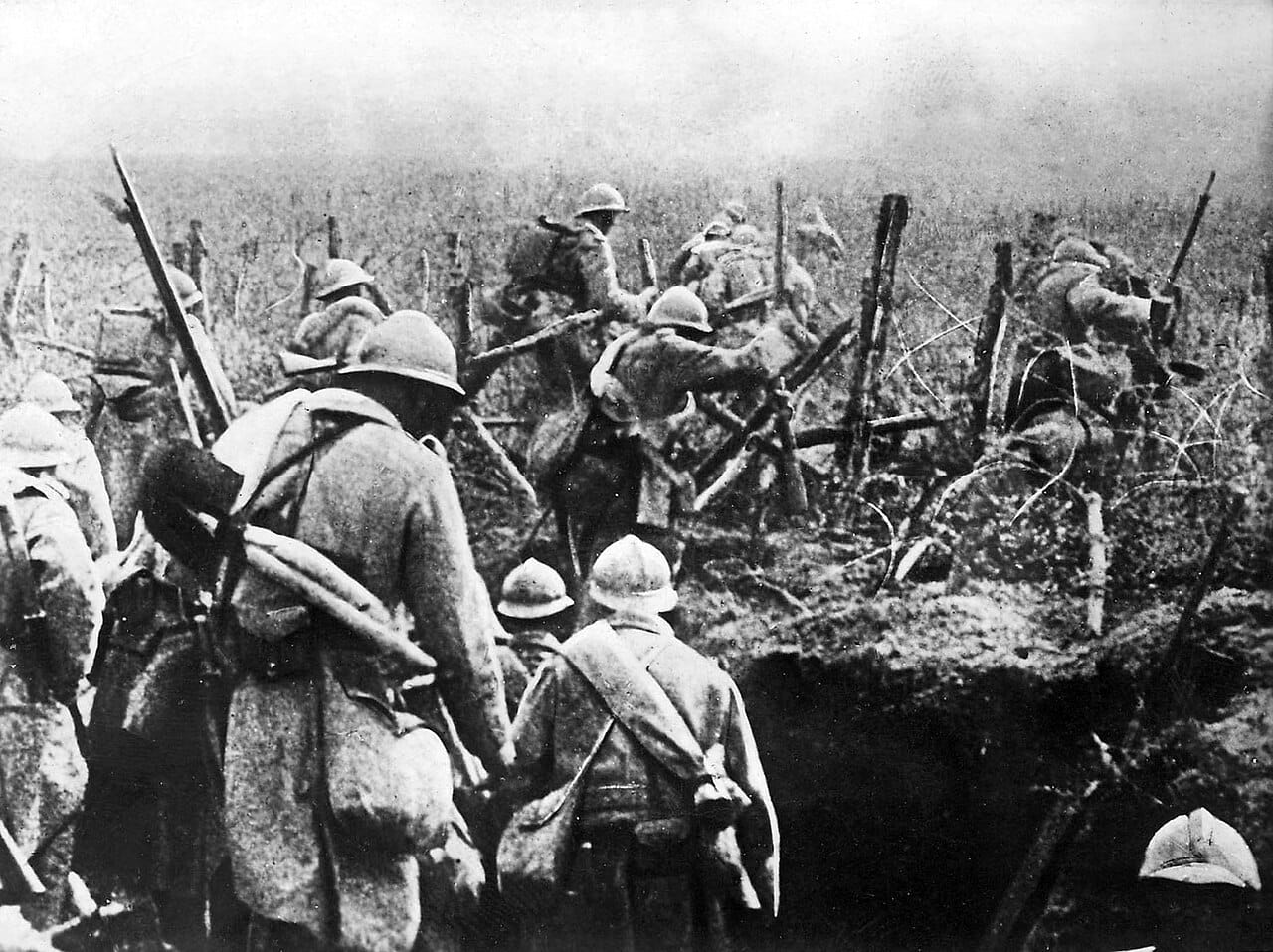
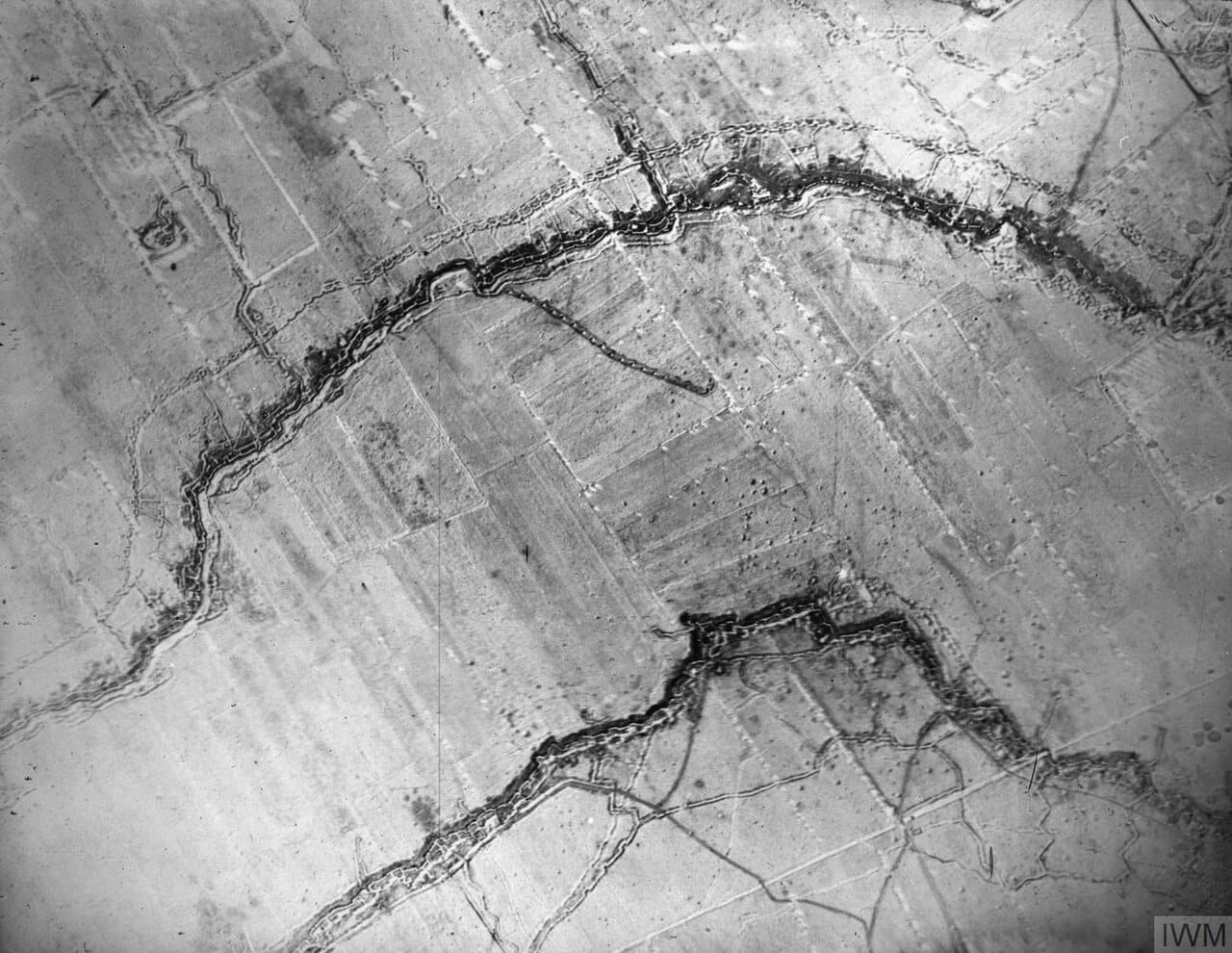
In the west the war quickly bogged down into a deadlock. Two vast lines of trenches, defended by machine guns and barbed wire, stretched from the North Sea to Switzerland, and for years the armies were locked in a grinding stalemate. Soldiers lived in mud, cold, and constant danger, and huge battles such as the Somme and Verdun cost hundreds of thousands of lives for tiny gains of ground.
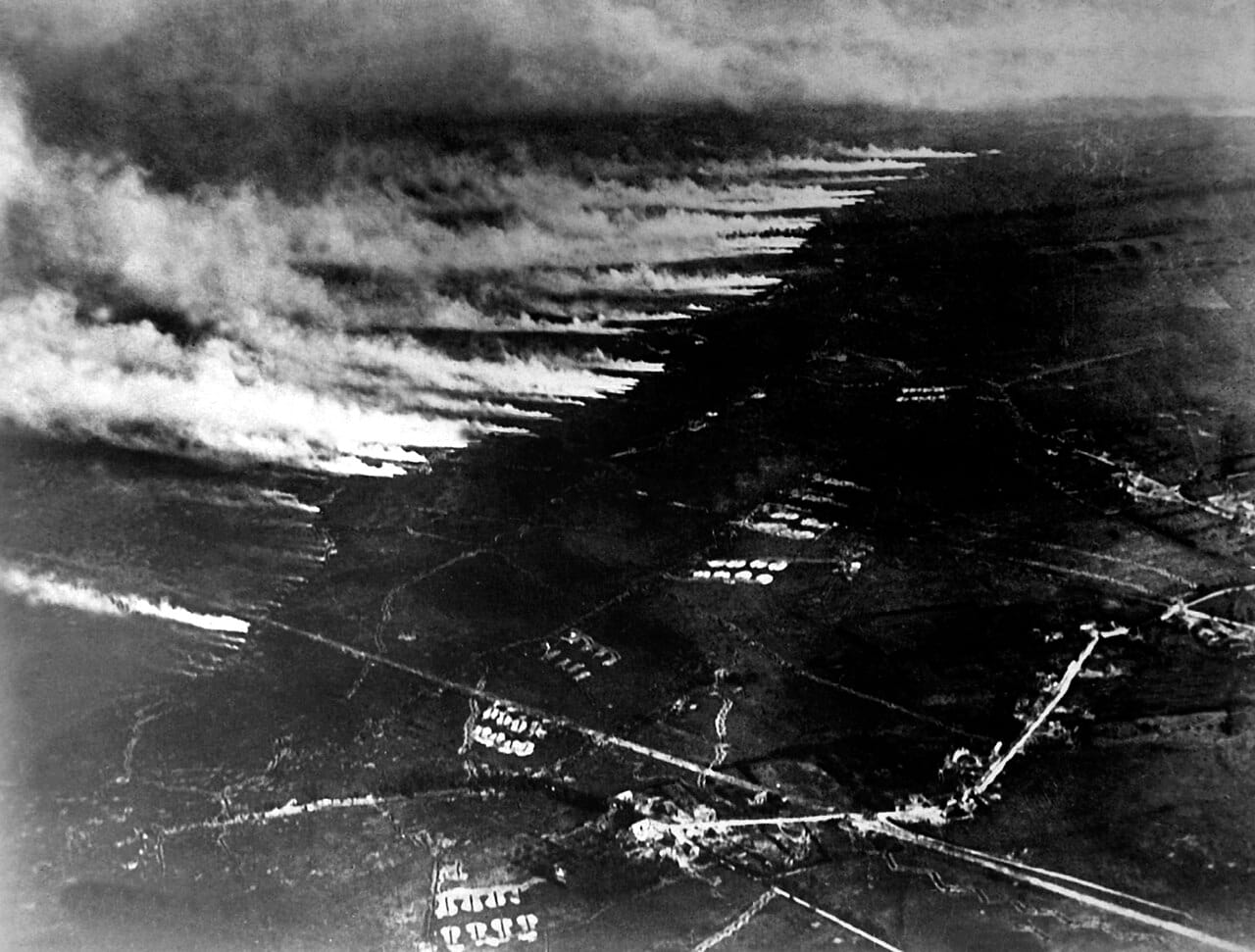
World War I was the first fully industrialized war, and its new weapons made it horrifyingly lethal. Machine guns, heavy artillery, and, most infamously, poison gas killed and maimed on an industrial scale. Gas attacks, which choked and blinded their victims, became a dreaded feature of the trenches and a lasting symbol of the war's cruelty.
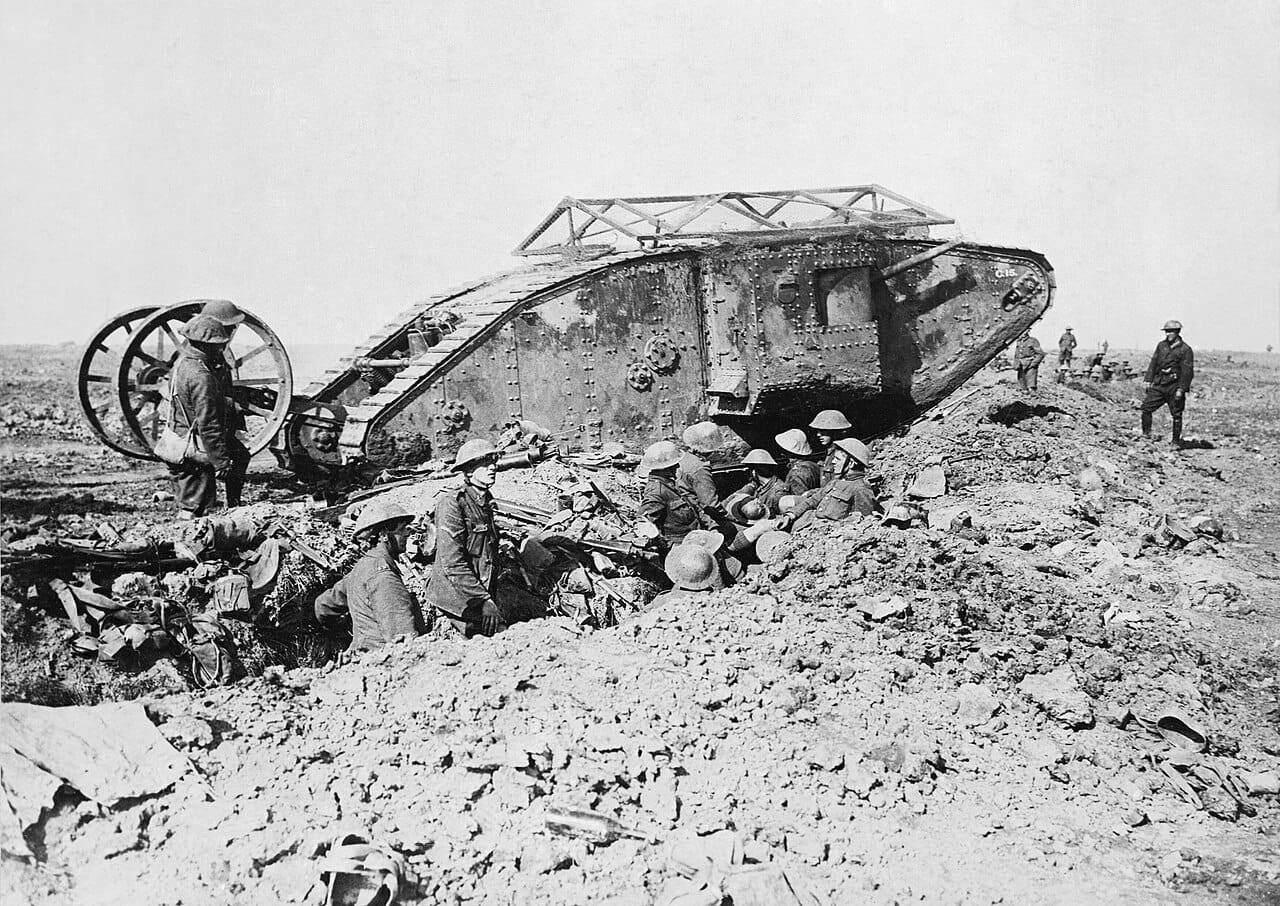
The stalemate spurred the invention of new machines to break it. The British introduced the tank, an armoured vehicle that could cross trenches and shrug off machine-gun fire, while aircraft, at first used for scouting, developed into fighters and bombers. Submarines waged war beneath the waves. These innovations pointed to the mechanized warfare that would dominate the century to come.
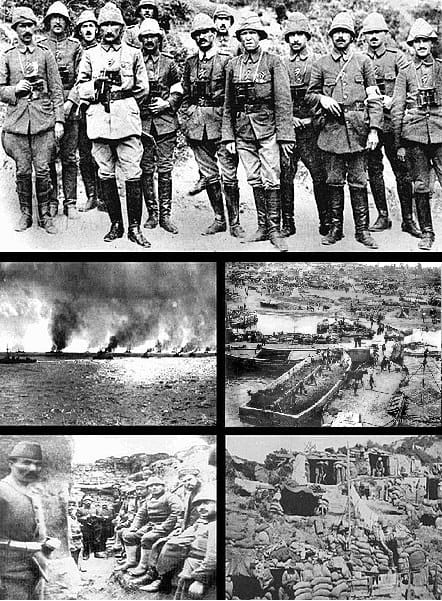
Though centred on Europe, the Great War reached around the world. The warring empires drew in troops and resources from their colonies across Africa, Asia, and beyond, and fighting spread to the Middle East, Africa, and the seas. The Gallipoli campaign of 1915, an Allied attempt to knock the Ottoman Empire out of the war, ended in bloody failure and became a defining national memory for Australia and New Zealand.
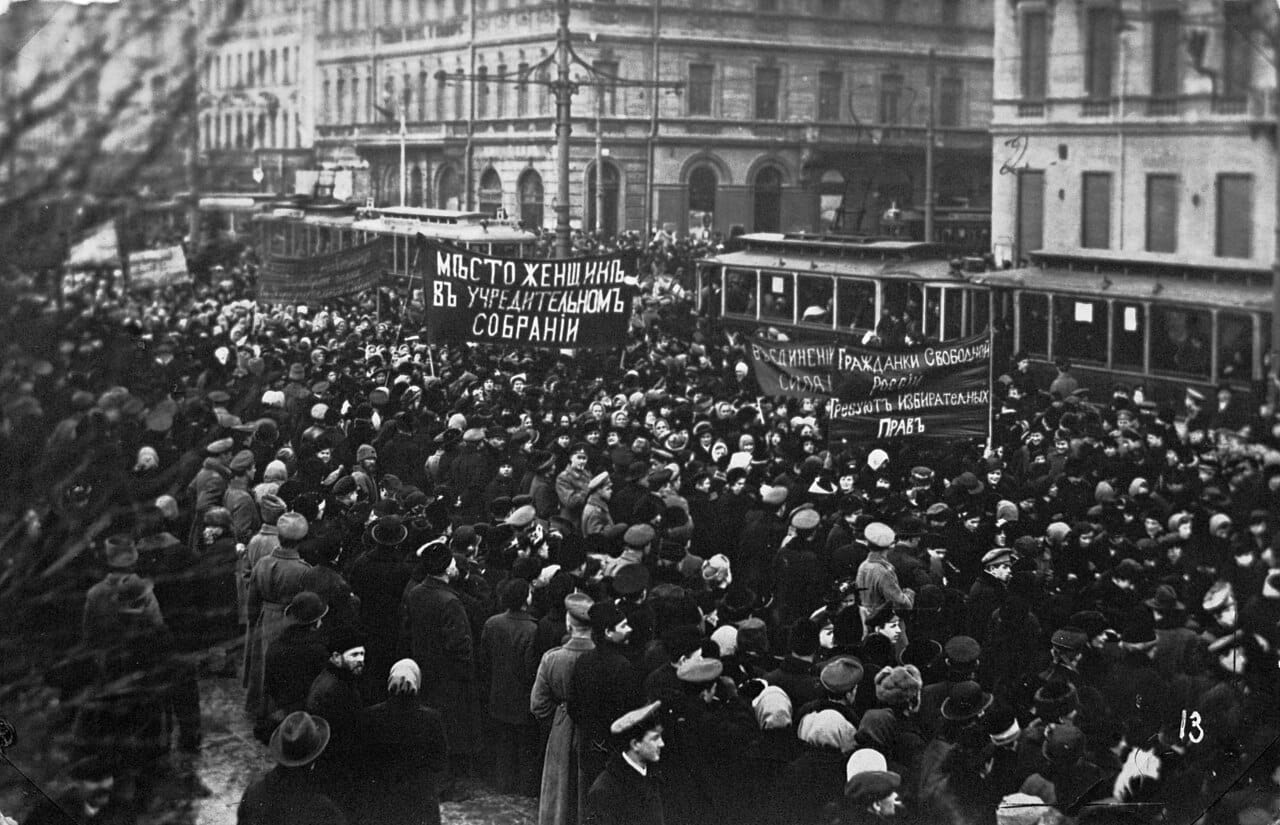
The strain of the war broke nations. In 1917 exhaustion and hardship helped topple the Russian monarchy, and the revolution that followed brought the Bolsheviks to power and eventually pulled Russia out of the war. That same year the United States entered on the Allied side, bringing fresh troops and vast industrial might that tipped the balance decisively against Germany.
By 1918 Germany and its allies were exhausted, their people hungry and their armies spent. A final German offensive failed, and the Allies, strengthened by American forces, pushed them back. With its allies collapsing and revolution breaking out at home, Germany agreed to an armistice that took effect on 11 November 1918, at the eleventh hour of the eleventh day of the eleventh month. The guns finally fell silent.
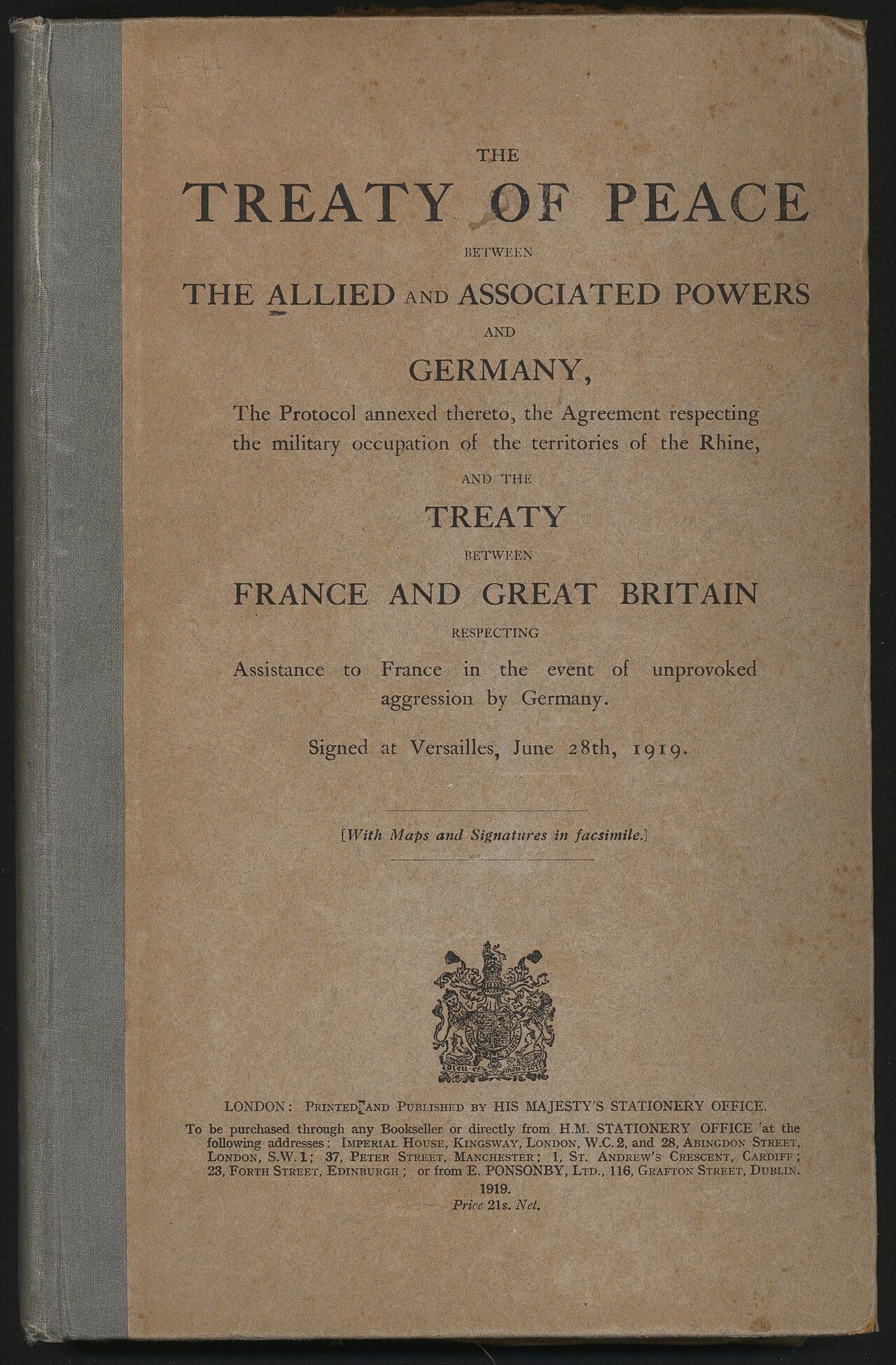
The victors imposed a settlement on the defeated at the Paris Peace Conference, above all the Treaty of Versailles of 1919, which forced Germany to disarm, surrender territory, and pay heavy reparations while accepting the blame for the war. Old empires, the German, Austro-Hungarian, Russian, and Ottoman, vanished, and new nations rose from their ruins. But the harsh peace left deep bitterness in Germany.
World War I was a hinge of history. It ended four empires, redrew the map of Europe and the Middle East, and killed a generation of young men, leaving a legacy of grief and disillusionment. The resentment bred by its harsh peace, above all in Germany, and the instability it left behind, would within two decades help ignite an even more terrible conflict, the Second World War.