The tragedy of the commons is the argument that a resource held in common will inevitably be destroyed, because each user gains the full benefit of taking more while the cost of depletion is shared by everyone. Popularised by Garrett Hardin in 1968, it became one of the most cited ideas in environmental policy. It has also been substantially refuted in its strong form, by work that won a Nobel Prize, and the gap between its influence and its accuracy is unusually wide.
Hardin's illustration was a pasture open to all herders. Each has an incentive to add one more animal, since the herder receives the whole value of the extra beast while the resulting overgrazing is shared. Every herder reasons identically, the pasture is destroyed, and each acted rationally throughout. Hardin argued this applied to fisheries, forests, air, water, and, controversially, to human population, and he concluded that only private ownership or coercive state regulation could prevent collapse.
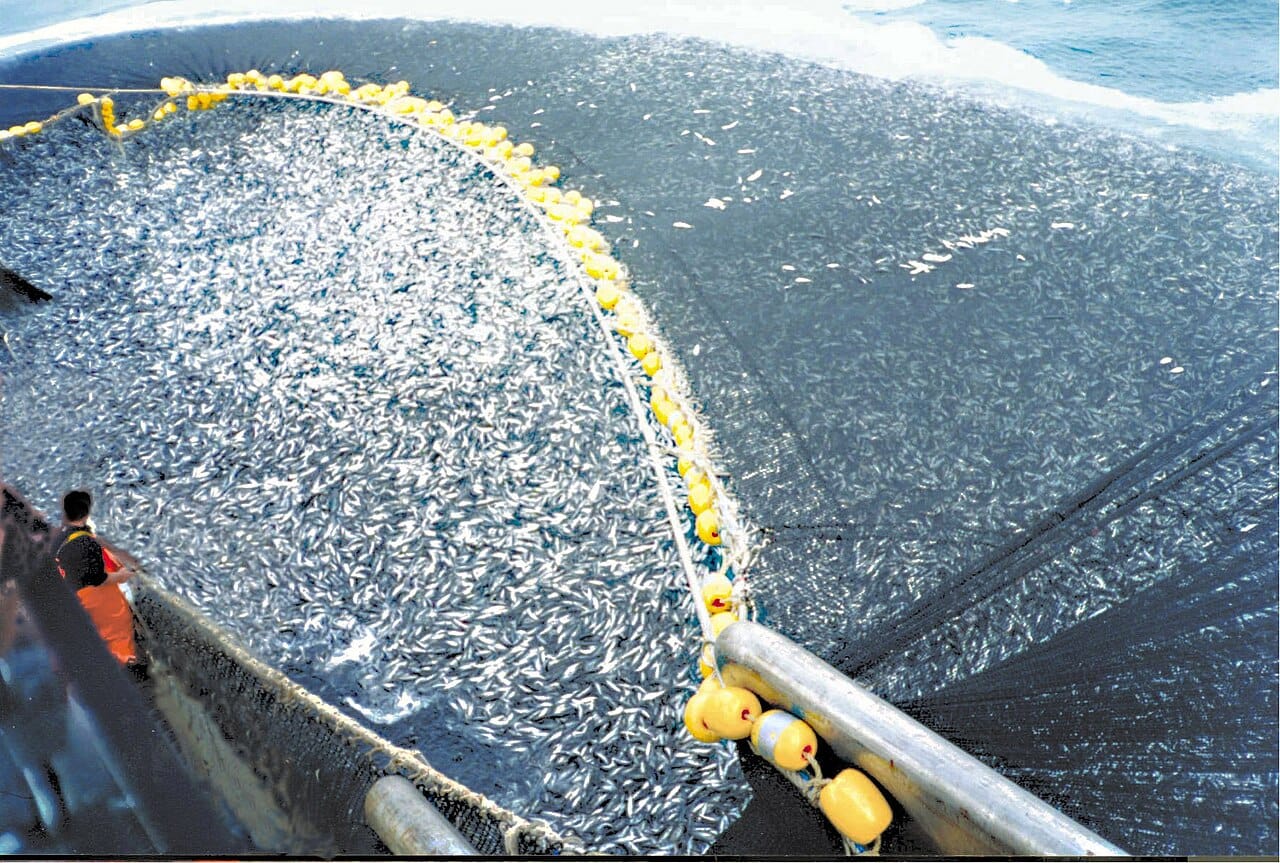
The mechanism is real and demonstrable in the absence of governance. Marine fisheries in international waters, where no authority can exclude anyone, have collapsed repeatedly; the Grand Banks cod fishery is the standard example. Atmospheric emissions have the same structure at global scale, since the benefit of burning fuel is captured locally while the cost is distributed worldwide. Open-access groundwater basins deplete in the same pattern.
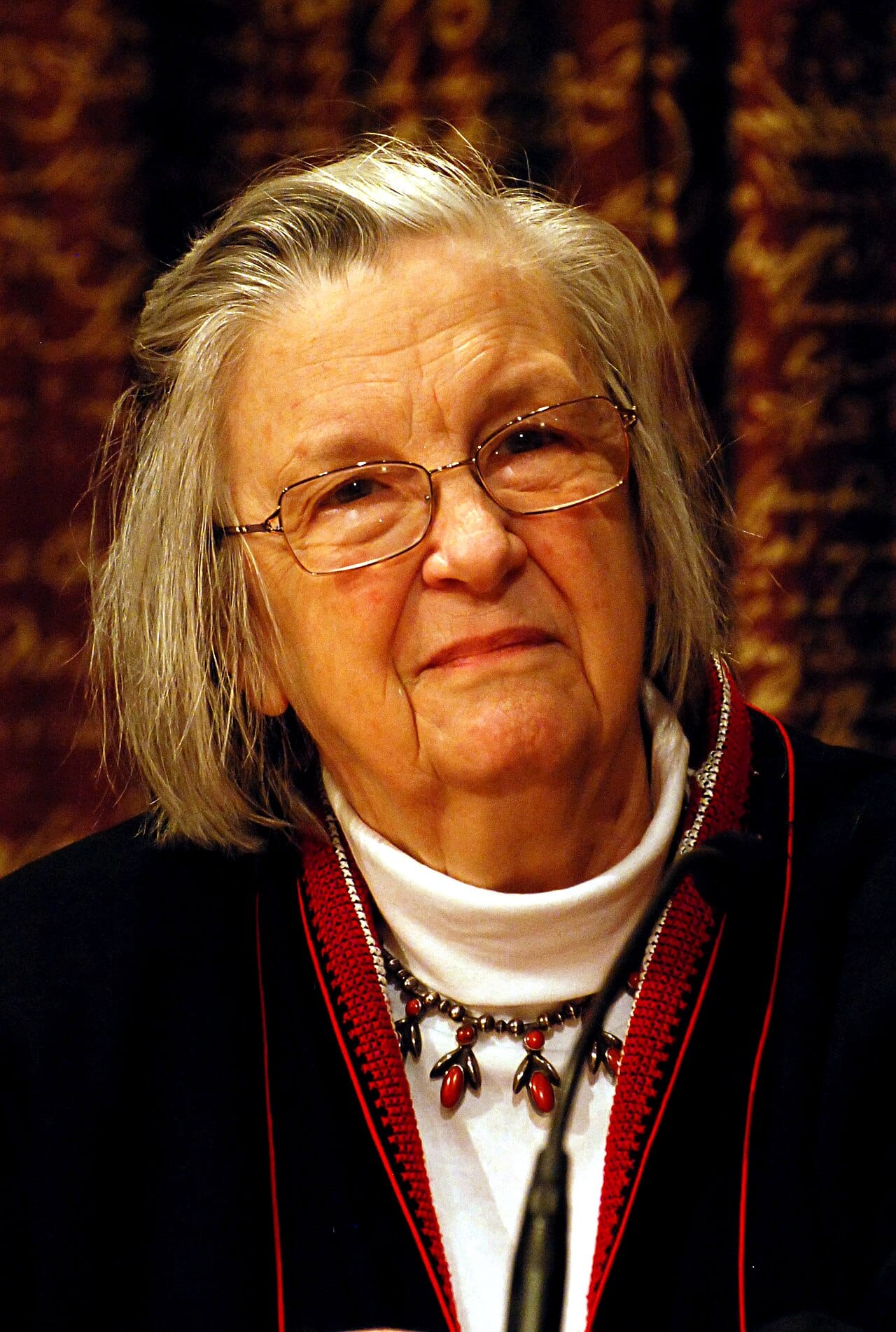
Elinor Ostrom spent decades documenting actual commons and found that Hardin's prediction frequently failed. Swiss alpine pastures, Japanese village forests, Spanish irrigation systems, and Philippine water associations had been managed sustainably by their users, in some cases for many centuries, without either privatisation or an external state. She won the Nobel Prize in Economics in 2009 for this work, the first woman to do so.
Her point was not that the tragedy never occurs but that Hardin had described an unmanaged open-access resource and mislabelled it a commons. A genuine commons has a defined community, rules about who may take what, monitoring, graduated sanctions, and ways of settling disputes. Ostrom identified a set of design principles common to arrangements that endured. The tragedy, on her account, is the failure mode of an ungoverned resource, not the inevitable fate of shared ownership.
The disagreement is live and it matters for policy. If Hardin was right, the answer to environmental problems is to assign property rights or impose regulation from outside. If Ostrom was right, both can destroy functioning local institutions that were already working, and the better approach is to support self-governance. Critics of Ostrom argue her cases are small in scale and may not generalise to global problems such as climate, where the community is everyone and monitoring is hard. Critics of Hardin note that his essay also advanced population arguments now widely regarded as coercive, which colours how the whole piece is read.