The proposal that a supervolcanic eruption in Sumatra about 74,000 years ago caused a volcanic winter that nearly exterminated the human species, reducing the population to a few thousand. The eruption certainly happened. Almost everything else in the claim has weakened under examination.
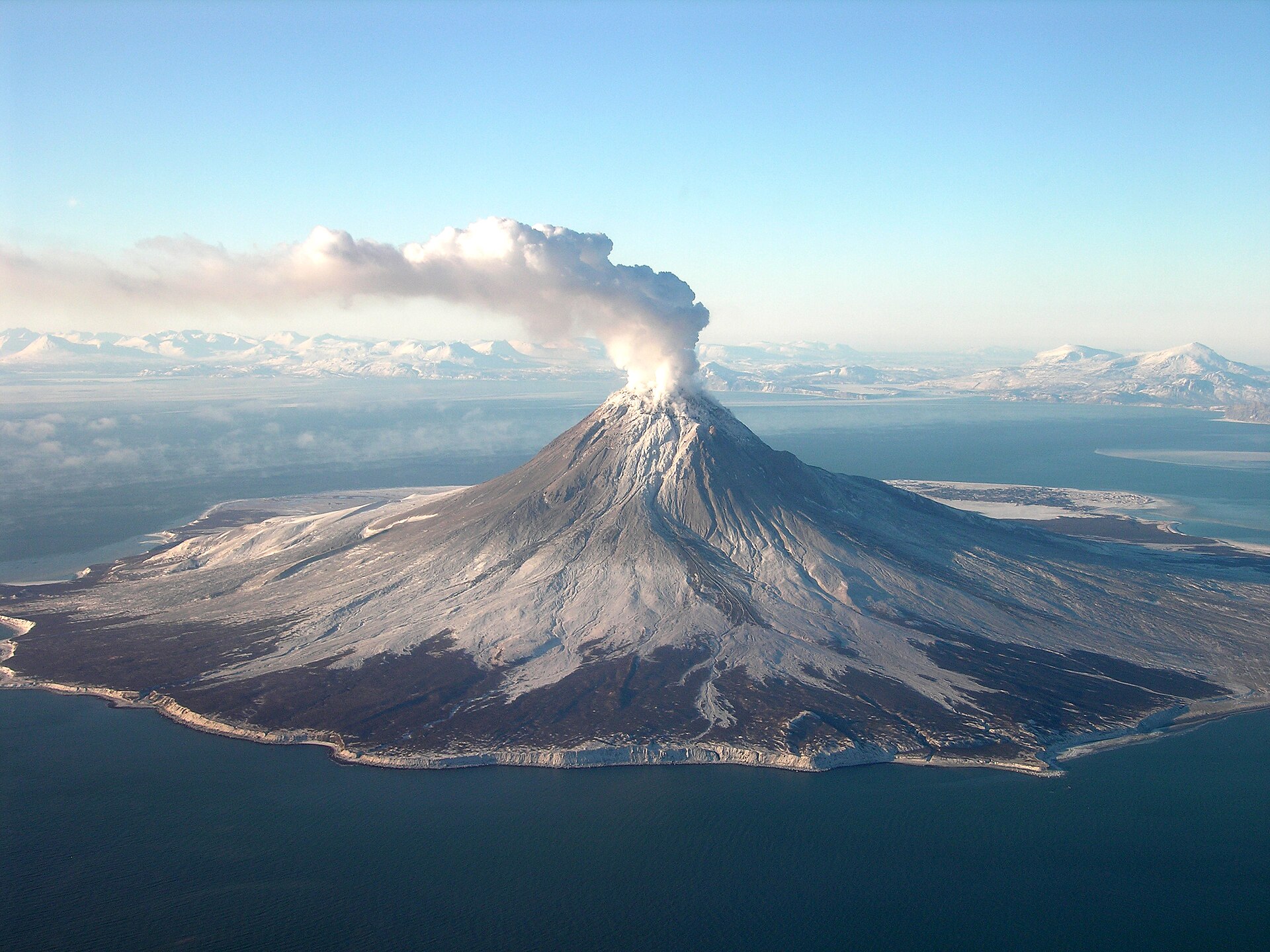
Toba erupted around 74,000 years ago and is the largest volcanic eruption of the last two million years.
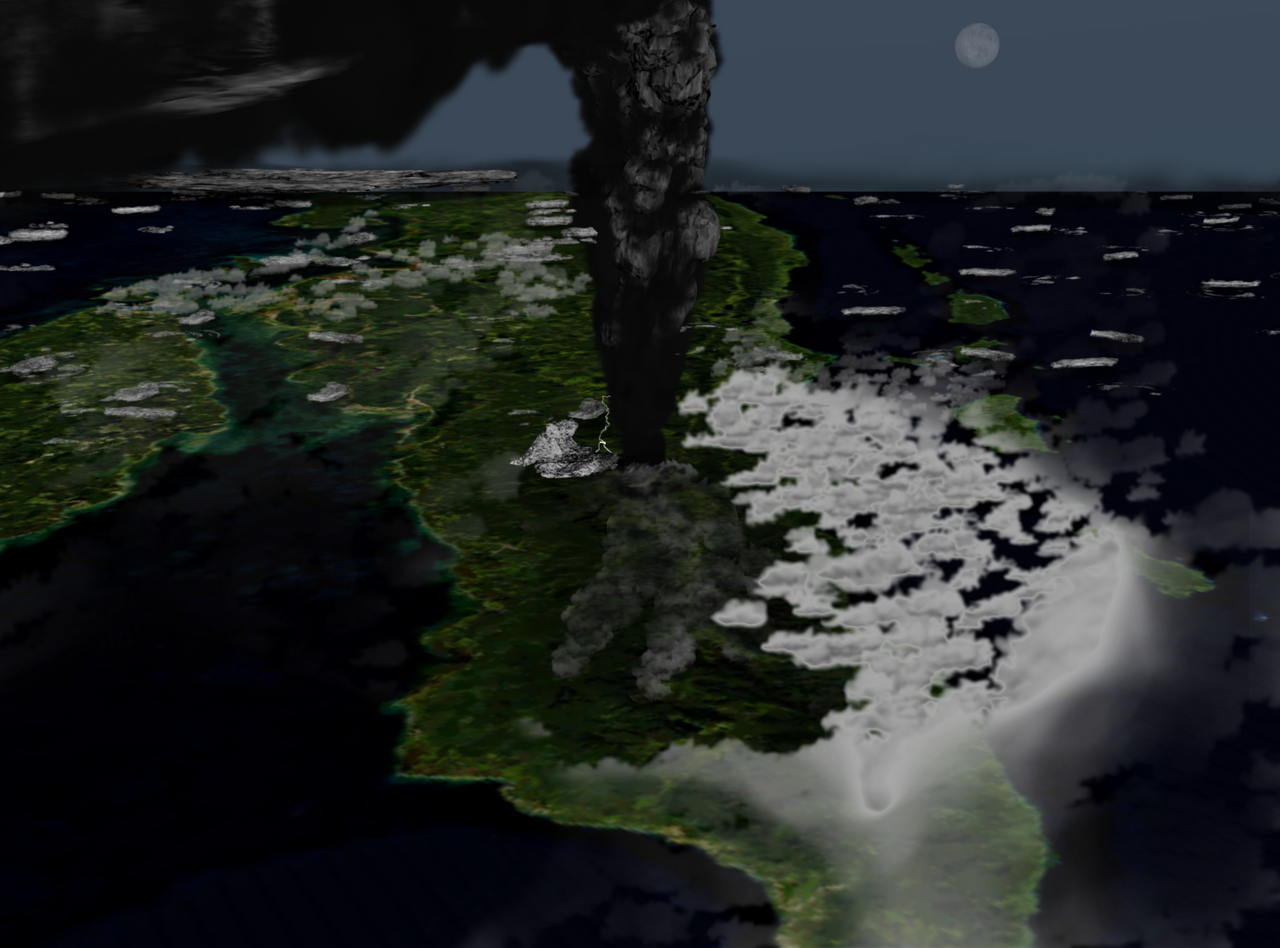
It ejected roughly 2,800 cubic kilometres of material, some eighty times the volume of Tambora in 1815, which produced the year without a summer. Ash from it forms a layer traceable across India, the Indian Ocean and the South China Sea, and that layer is one of the most useful dating horizons in the region.
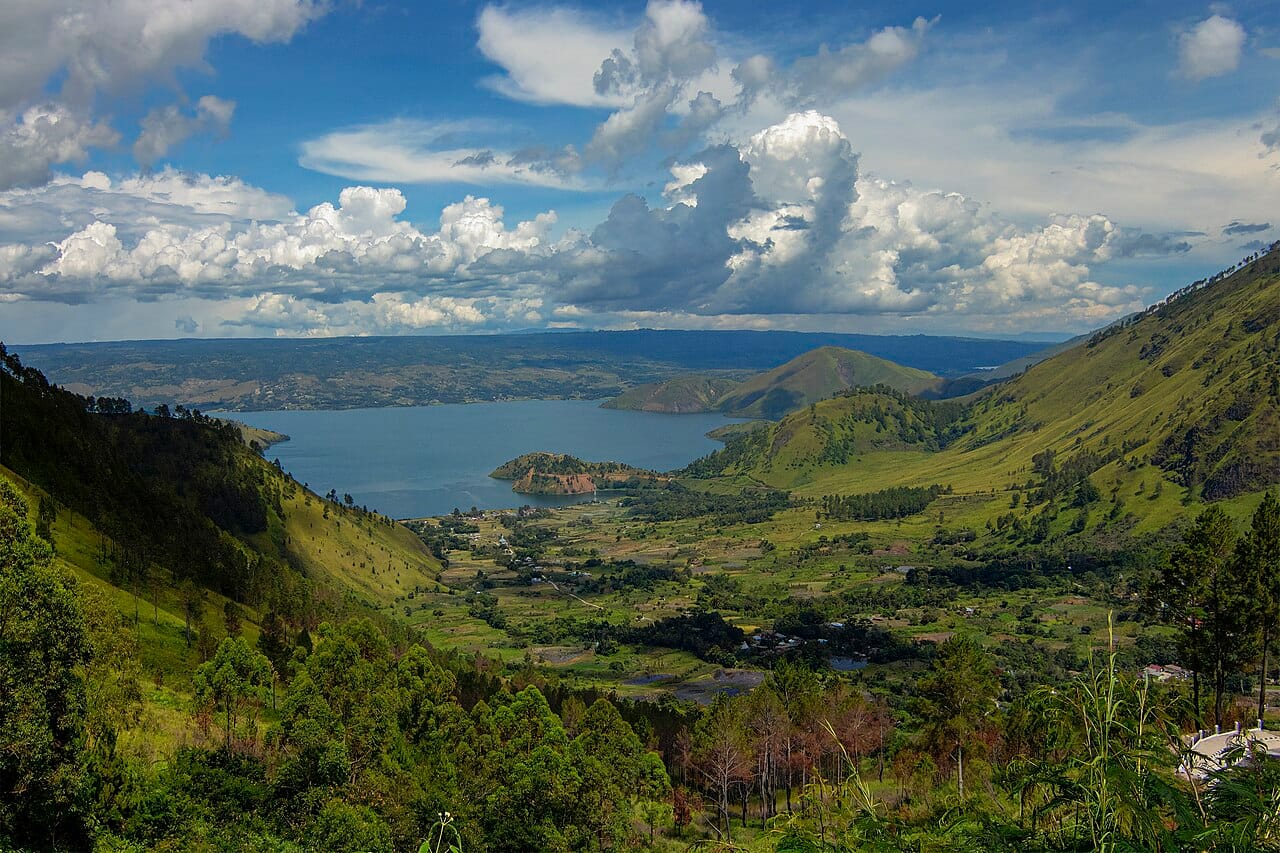
The caldera it left is Lake Toba, about a hundred kilometres long. None of this is disputed.
Michael Rampino and Stephen Self proposed the volcanic winter in 1992. Stanley Ambrose extended it in 1998 to human evolution.
The chain was: sulphate aerosols in the stratosphere reflect sunlight, global temperatures fall by several degrees for years, vegetation collapses, and human populations crash. Ambrose linked this to a genetic observation, that human genetic diversity is low for a species of our range, which had been interpreted as evidence of a population bottleneck. If the bottleneck coincided with Toba, the eruption would be its cause.
The proposed reduction was severe, to something on the order of a few thousand breeding individuals, which would make every living human a descendant of survivors of a single volcanic event.
The climate effect appears to have been smaller and briefer than proposed.
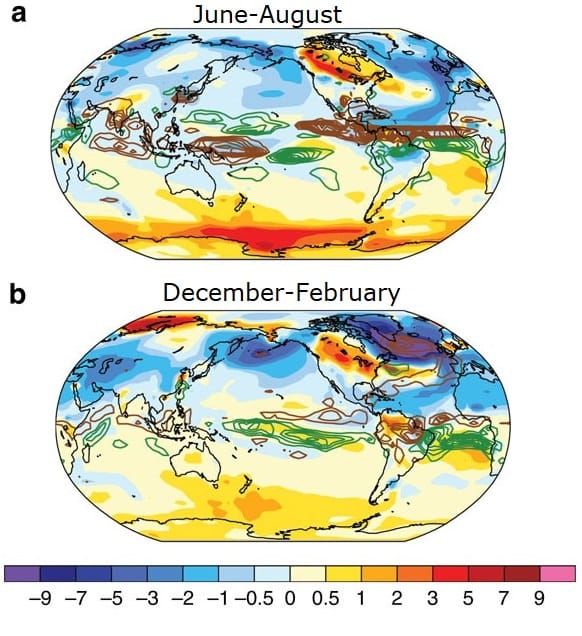
Ice core sulphate records show a signal, but modelling of the aerosol load has revised the cooling downward substantially. Aerosol particles coagulate at high concentrations and fall out faster, so an eruption ten times larger does not produce ten times the cooling. Recent estimates cluster around one to two degrees globally for a few years rather than the three to five, or more, in early versions.

The archaeological evidence points against a collapse. Excavations at Jwalapuram in southern India found stone tool assemblages immediately below and immediately above the Toba ash layer, made in similar styles, indicating that people were there before and after with no visible interruption. Work in South Africa at Pinnacle Point identified Toba ash in the sequence and found continuous occupation across it, with no sign of population decline.
The genetic bottleneck has been detached from the eruption. Improved methods using whole genomes indicate that human effective population size was low over a long period rather than crashing at a moment, and the estimated timings do not converge on 74,000 years ago. Low effective population size can also result from population structure and from a small founding group leaving Africa, neither of which requires a catastrophe.
The eruption occurred, it was vast, and it had climatic consequences of some size for some years. That much is secure.
Regional effects were probably severe, particularly in India, which received the heaviest ash fall. Some archaeological sequences do show change across the horizon even where others do not.
What is not supported is the strong claim: a global near-extinction, a species-wide genetic bottleneck caused by this event, and a decisive turning point in human evolution.
The label is a judgement about what has been established, not about how popular the idea is.
A weaker version remains defensible and is actively researched: that Toba produced a significant regional climatic and ecological disruption, and that human populations in some areas were affected. Testing it requires high-resolution records across the ash layer at many sites, and those records are accumulating.
What has been tested and not supported is the specific mechanism proposed in the 1990s. The hypothesis illustrates a recurring pattern, in which a dramatic single-cause explanation linking two independently interesting facts, a huge eruption and low human genetic diversity, is proposed, adopted widely because it is memorable, and then dismantled piece by piece by people working on each half separately.