In 1905 Max Weber argued that the Protestant Reformation, and Calvinism in particular, produced a cultural disposition toward disciplined work and reinvestment that helped make modern capitalism possible. It is among the most famous arguments in the social sciences, and it has been contested almost continuously ever since.
Weber began from an observation about his own society: Protestants were disproportionately represented among business owners, skilled workers, and the commercially educated. He rejected the simple explanation that Protestantism permitted moneymaking, and proposed something less direct.
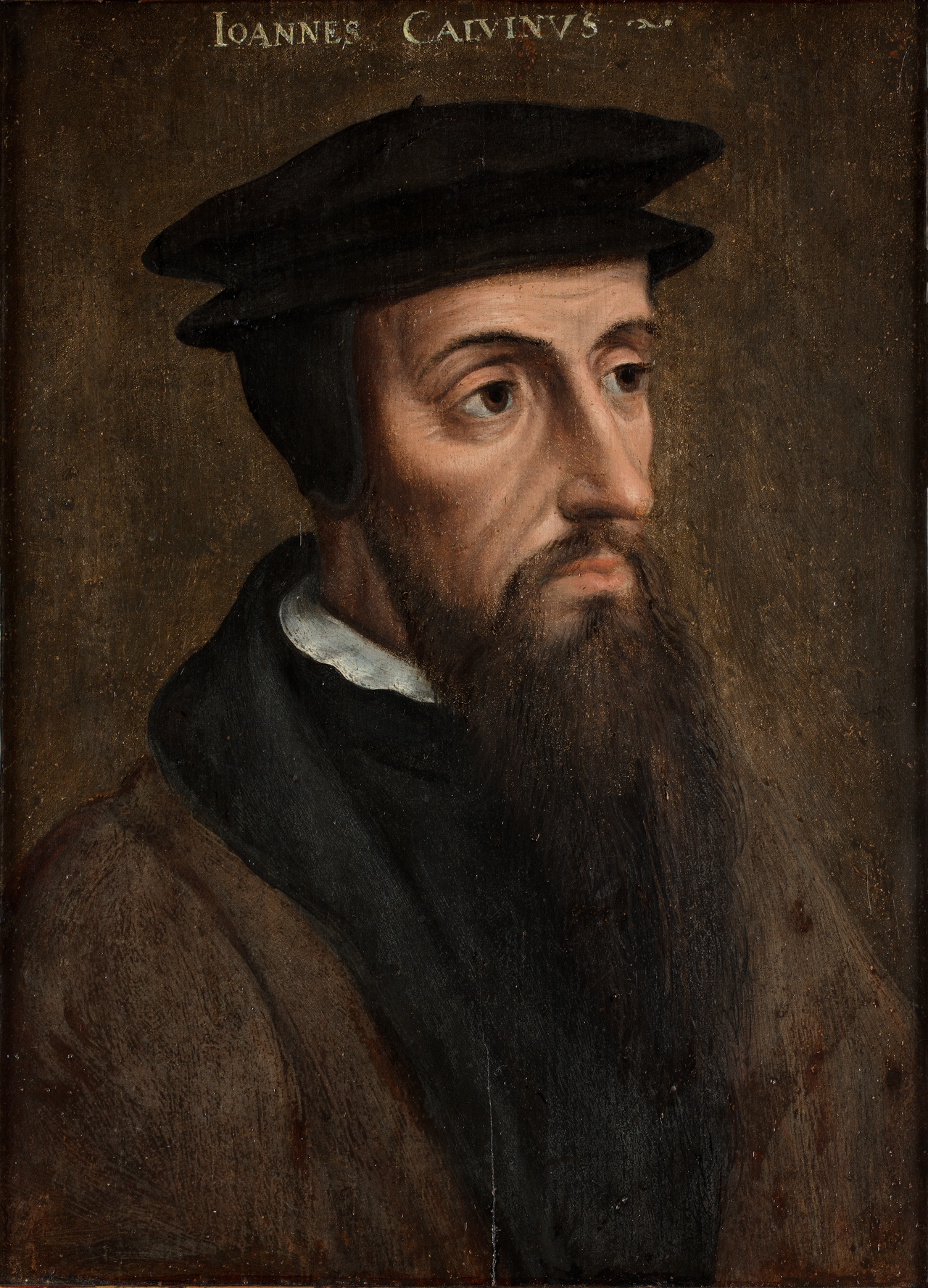
Calvinist doctrine held that salvation is predestined and that nothing a person does can alter it. Weber argued this produced acute anxiety, and that believers came to read worldly success as evidence, not a cause, of election. Combined with the Reformation's idea of a calling, which located religious duty in ordinary work rather than in withdrawal from the world, and with an asceticism that discouraged spending on pleasure, the result was a disposition to work hard, live plainly, and reinvest the surplus. That combination, Weber argued, is unusual: most societies have produced people who wanted wealth, but few have produced a culture that treated systematic accumulation as a duty and enjoyment of it as suspect.
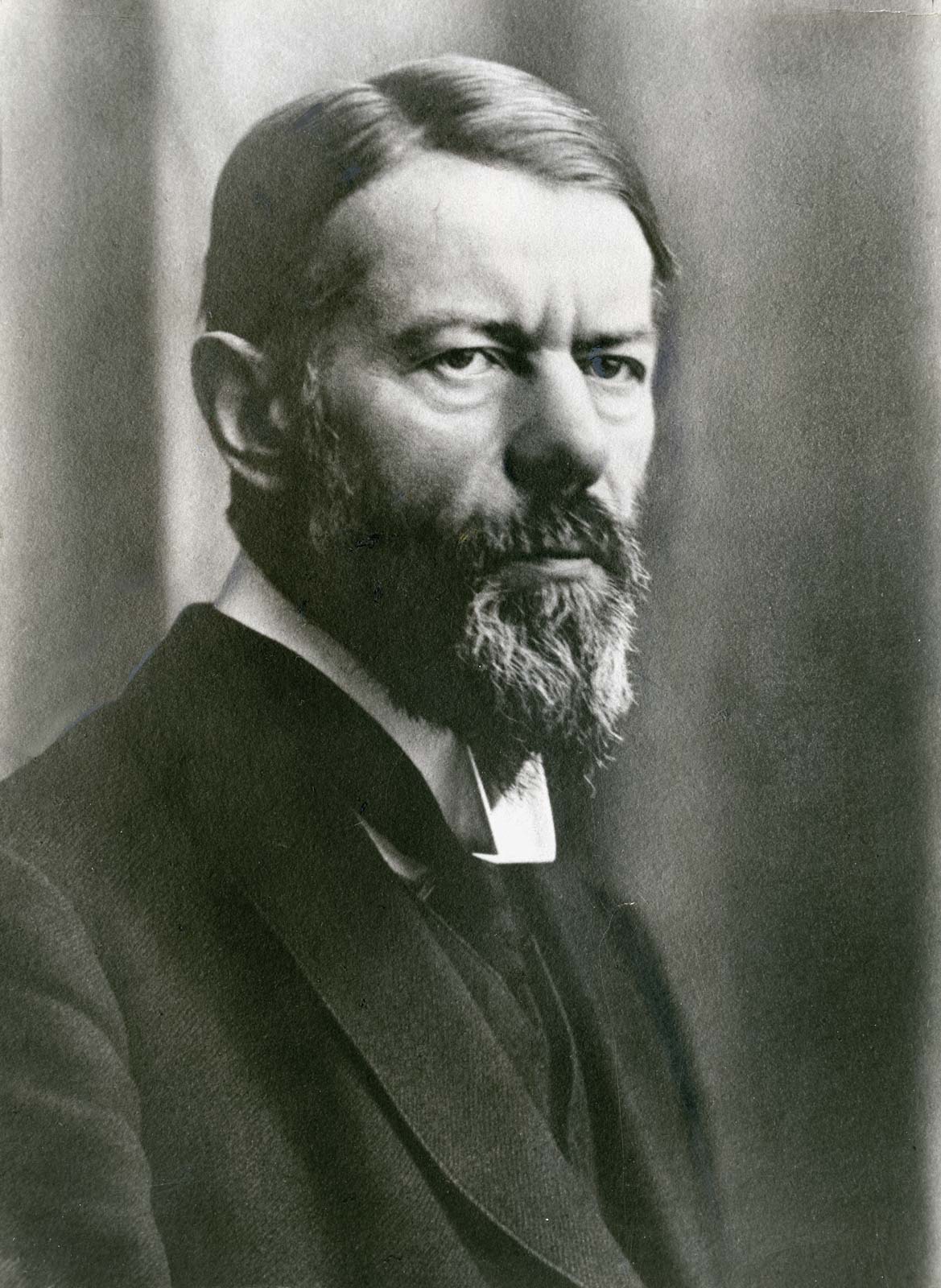
His conclusion was double-edged. Once established, the disposition outlived its religious source and became a purely secular compulsion, leaving people in what he called an iron cage of rationalised, joyless productivity.
The correlation may be spurious. Critics note that capitalist institutions were well developed in Catholic Italy and the Low Countries before the Reformation, and that Antwerp and the Italian city states had sophisticated banking and commerce. Weber's response was that he was explaining a specific rational, disciplined form rather than commerce as such, which critics regard as narrowing the claim to protect it.
The causation may run the other way. Regions that were already commercially dynamic may have found Protestantism congenial, rather than Protestantism producing the dynamism.
A literacy explanation. Later quantitative work, notably by Becker and Woessmann, found that Protestant economic advantage in Prussia is substantially explained by literacy: Protestantism required believers to read scripture, literacy rose, and human capital produced the growth. On this account the mechanism is education rather than a work ethic, which would explain the correlation without Weber's psychology.
Doctrinal accuracy. Historians of theology have questioned whether ordinary Calvinists experienced predestination as Weber described, and whether the reading of success as a sign of election was as widespread as the argument requires.
Non-European cases. Rapid capitalist development in Japan, Korea, and elsewhere without any Protestant presence is taken to show the disposition is not necessary. Defenders reply that Weber never claimed necessity, and his later comparative studies of Chinese and Indian religion examined exactly this.
The thesis is no longer accepted in its strong form and is no longer dismissed either. What survives is the general proposition Weber was defending against the economic determinism of his day: that culture and belief are causal factors in economic development rather than reflections of it. That claim is now mainstream, which is a substantial legacy for an argument whose specific mechanism most researchers doubt.