The problem of induction is the observation that no amount of evidence logically guarantees a general conclusion. That the sun has risen every day so far does not entail that it will rise tomorrow. Since induction is the method on which science and ordinary life both depend, the fact that it cannot be justified without circularity is a genuine and unresolved difficulty in philosophy.
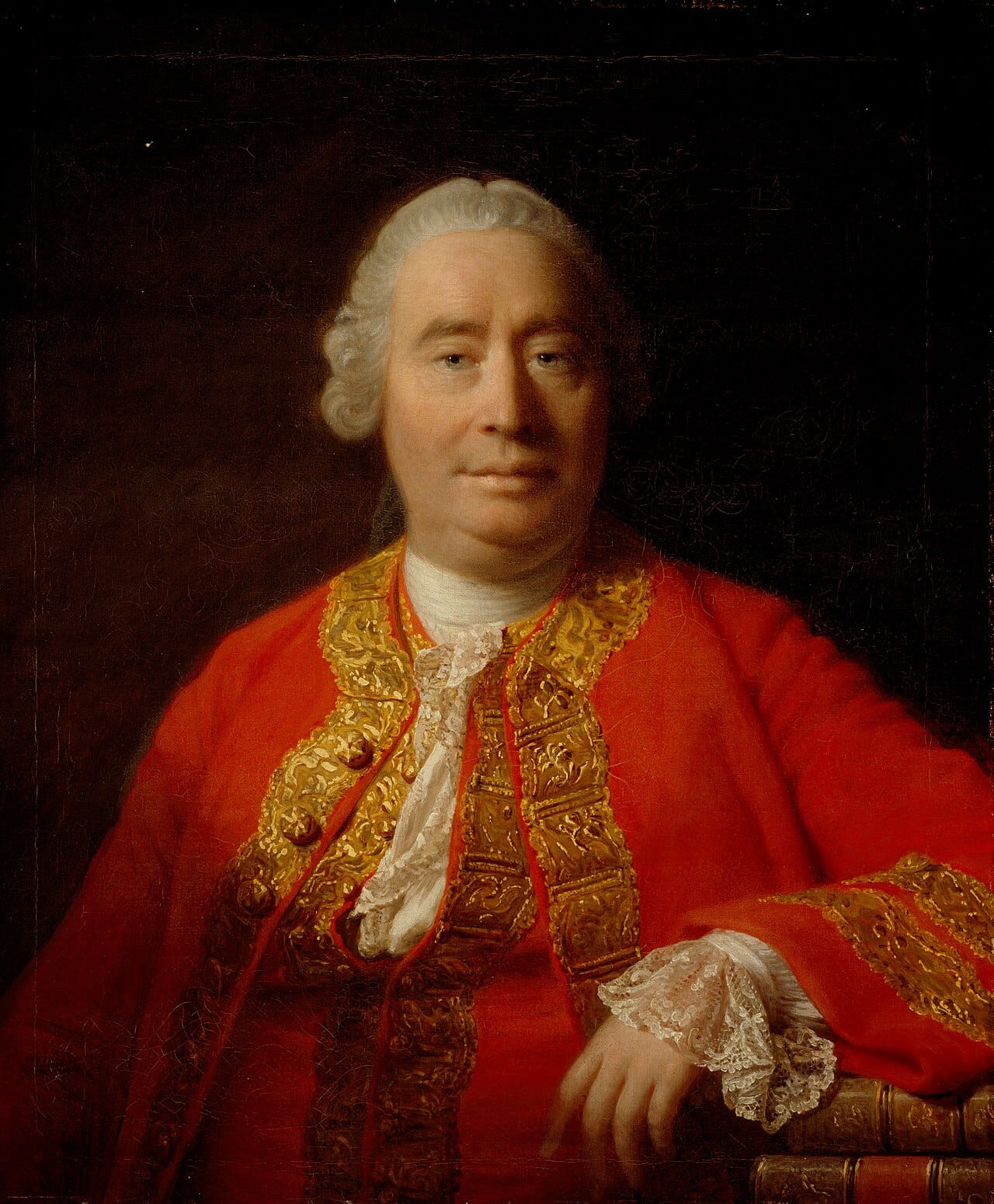
David Hume set it out in the eighteenth century. Inductive reasoning assumes that the future will resemble the past, or that unobserved cases resemble observed ones. That assumption cannot be established by logic alone, since there is no contradiction in supposing nature might change. Nor can it be established by experience, because any argument from past success to future reliability already assumes the principle it is trying to prove.
Hume did not conclude that induction should be abandoned. He held that it is a habit of mind, produced by custom rather than reason, and that we cannot help forming such expectations and could not function otherwise. His point was that our confidence has a psychological rather than a rational foundation.
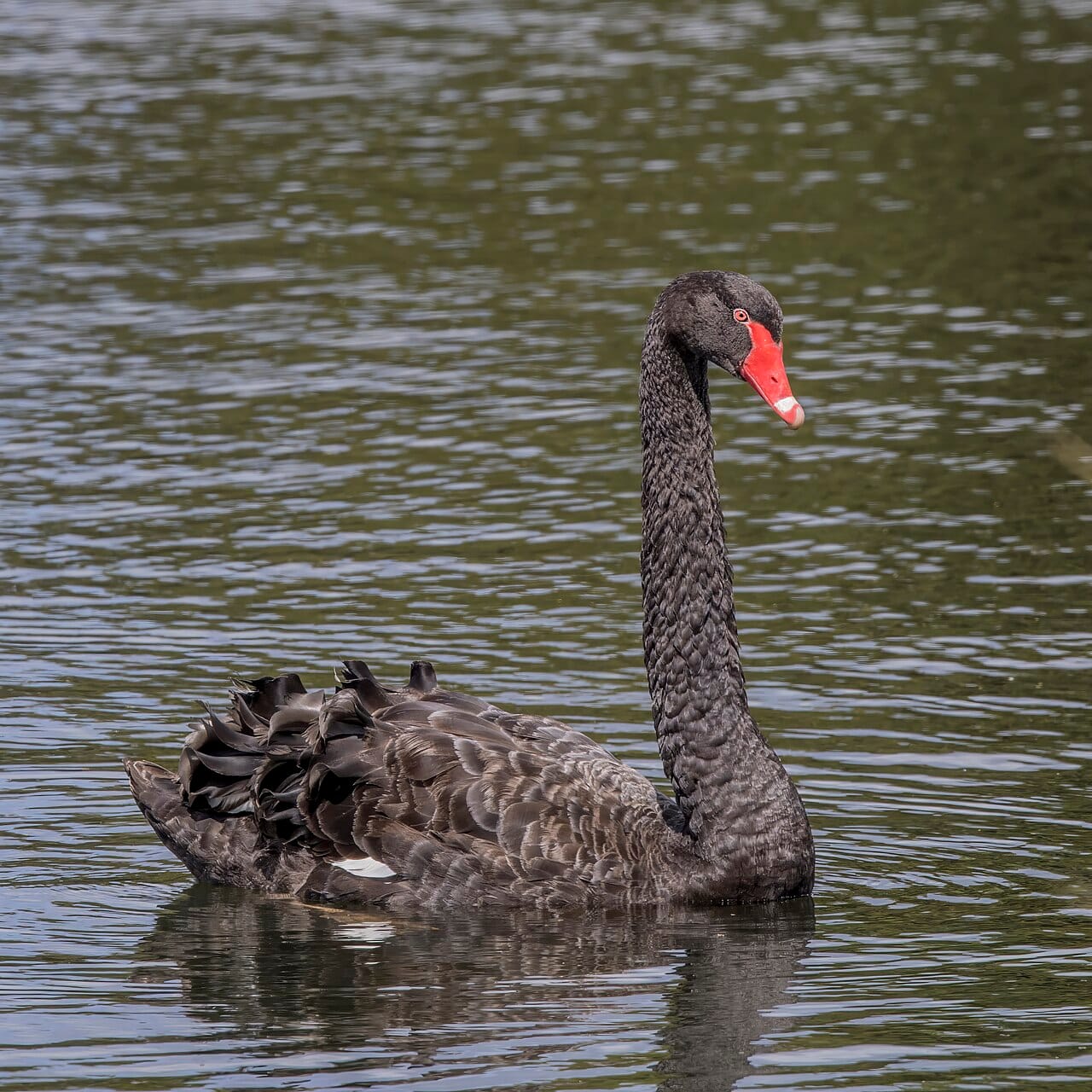
The standard illustration is the European assumption that all swans are white, held on the basis of a very large number of observations, and overturned when black swans were encountered in Western Australia in 1697. No number of confirming instances had established the generalisation, and a single counterexample destroyed it. The asymmetry between confirmation and refutation is the seed of Popper's response.
Falsificationism. Karl Popper accepted Hume's argument and tried to make it harmless. Science, he argued, does not work by induction at all: theories are conjectures, and what science does is attempt to refute them. A theory that survives severe testing is corroborated but never confirmed. Critics reply that this does not explain why we should rely on a well tested theory for future predictions, which is an inductive step Popper has smuggled back in, and that in practice scientists do not abandon theories at the first failed test.
Pragmatic vindication. Hans Reichenbach argued that if any method works, induction will work, so it is rational to use it whether or not it can be justified in advance. Critics note this justifies a family of methods rather than induction specifically.
Probability. Bayesian approaches treat induction as updating degrees of belief rather than deriving certainties, which sidesteps the demand for logical guarantee. Critics argue that the choice of prior probabilities reintroduces the assumption under a different name.
Dissolution. Some argue the demand is confused: to call a belief rational just is to say it is supported by evidence in the ordinary way, so asking for an external justification of that standard is asking for something incoherent. Nelson Goodman complicated matters further with the new riddle of induction, showing that evidence equally supports strange predicates as familiar ones, so the problem is not only whether to generalise but which generalisation the evidence favours.
The problem is not regarded as solved. Its practical consequence is limited, since nobody proposes abandoning inductive reasoning, but it bears directly on how confidence in scientific claims should be expressed. It is one reason careful scientific language speaks of theories being well supported rather than proved, and it is a reason for treating the strength of a claim as a matter of degree.