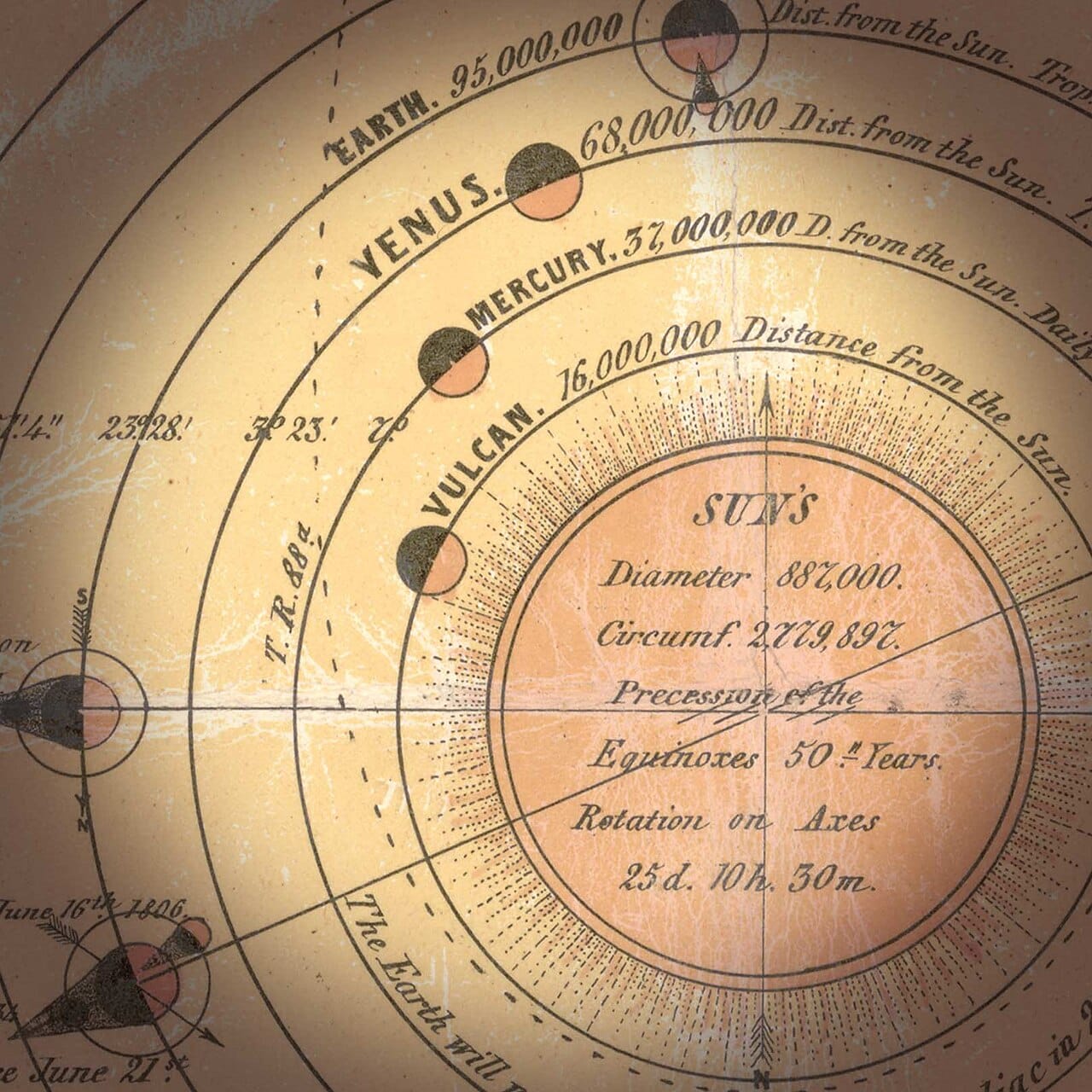
A planet proposed to orbit between Mercury and the Sun, invoked to explain an anomaly in Mercury's orbit, searched for over half a century, and shown to be unnecessary when general relativity accounted for the anomaly exactly. It does not exist.
Mercury's orbit is an ellipse whose long axis slowly rotates, an effect called perihelion precession. The observed rate is about 574 arcseconds per century.
Newtonian mechanics accounts for most of it as the gravitational tug of the other planets, principally Venus, Jupiter and Earth. When Urbain Le Verrier completed the calculation in 1859, the planetary contributions fell short of the observation by roughly 43 arcseconds per century.
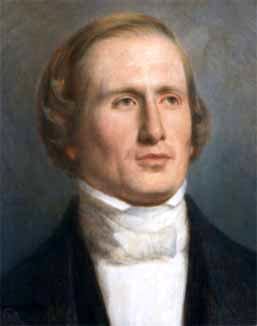
The discrepancy is tiny, around one hundredth of a degree per century, and the fact that it was measurable at all is a testament to the quality of nineteenth century positional astronomy. It was, however, far larger than the observational uncertainty, so it was a real problem rather than noise.
Le Verrier was not guessing. In 1846 he had analysed irregularities in the orbit of Uranus, concluded that an unseen planet was perturbing it, and calculated where to look. Johann Galle found Neptune within a degree of the predicted position on the first night of searching.
That success established a method: when an orbit misbehaves, infer unseen mass. Applying the same reasoning to Mercury and proposing an intra-Mercurial planet, which he named Vulcan, was the disciplined move rather than an eccentric one.
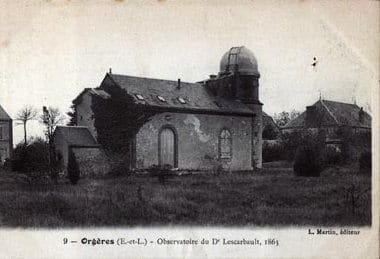
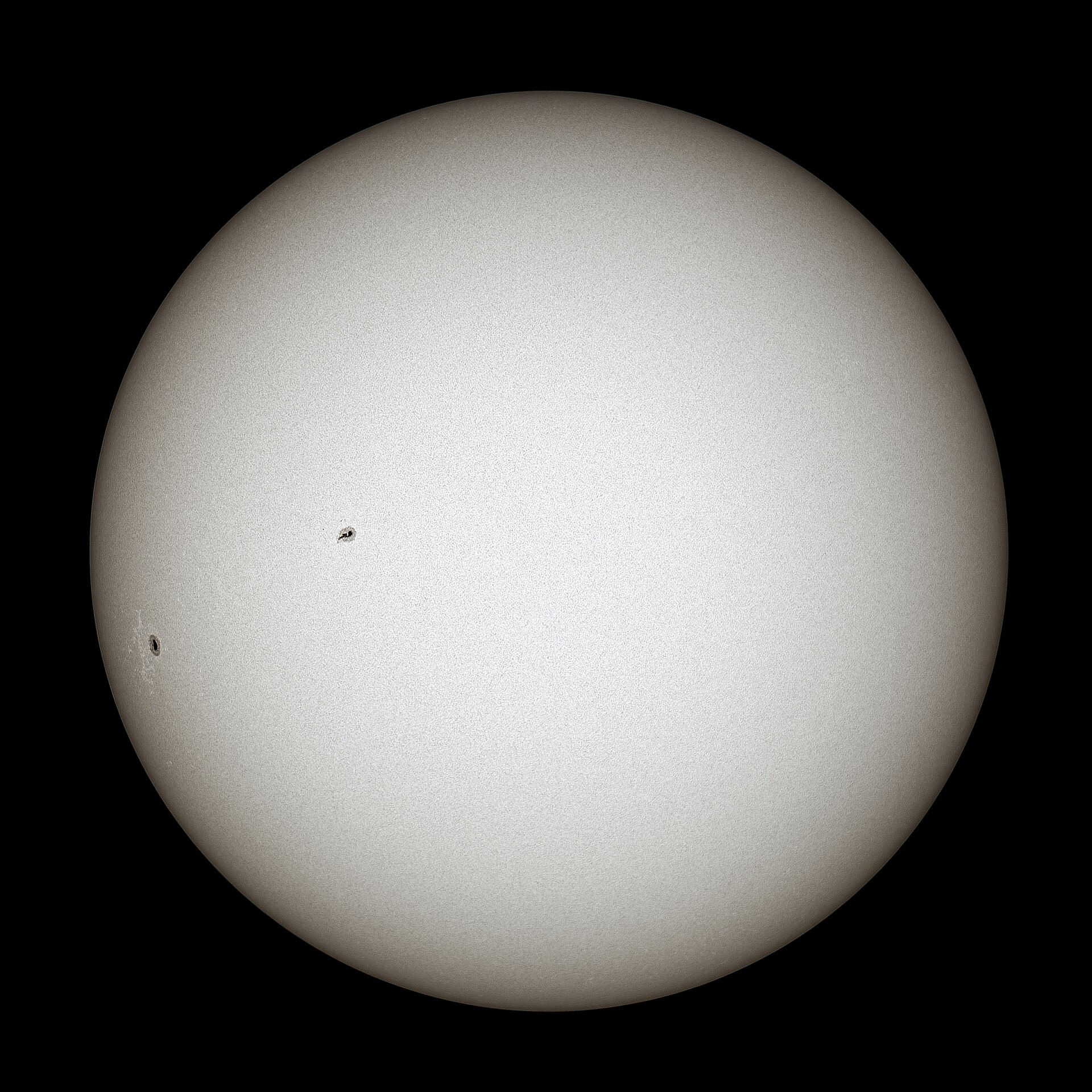
In late 1859 Lescarbault wrote to Le Verrier describing a small dark object he had seen crossing the face of the Sun. Le Verrier visited him, questioned him closely, judged the observation sound, and announced the planet. Lescarbault received the Legion of Honour.
Numerous further sightings were reported over the following decades, several during total solar eclipses when the sky near the Sun is briefly observable.
The reports never converged. Different observers gave orbits that were mutually inconsistent, and no predicted transit was ever confirmed by an independent observer at the predicted time.
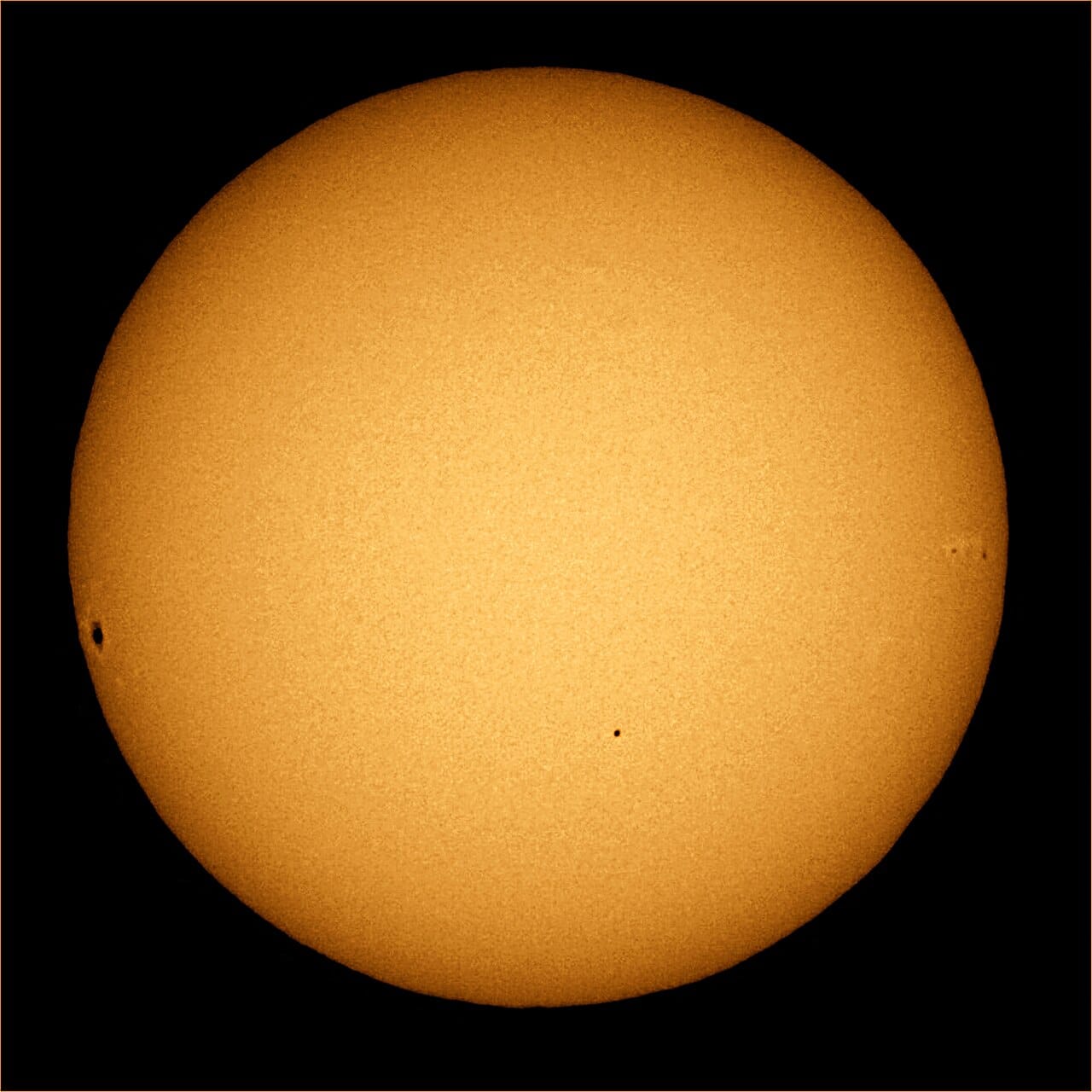
Systematic searches during total eclipses, which offered the best chance of catching a faint object close to the Sun, repeatedly found nothing. By the 1890s photographic eclipse searches had placed limits tight enough that a body large enough to explain the anomaly could not have escaped detection.
The decisive event was theoretical rather than observational. In November 1915 Albert Einstein applied his newly completed general theory of relativity to Mercury and obtained an additional precession of about 43 arcseconds per century.
Two features of that result are what make it conclusive. The number was not fitted, since general relativity has no adjustable parameter available to tune it, and the value fell out of the geometry. And the theory had been developed to solve an entirely different problem, the reconciliation of gravity with special relativity, so Mercury's orbit was a prediction rather than an accommodation.
Einstein later described the moment of getting the number as leaving him unable to work for days.
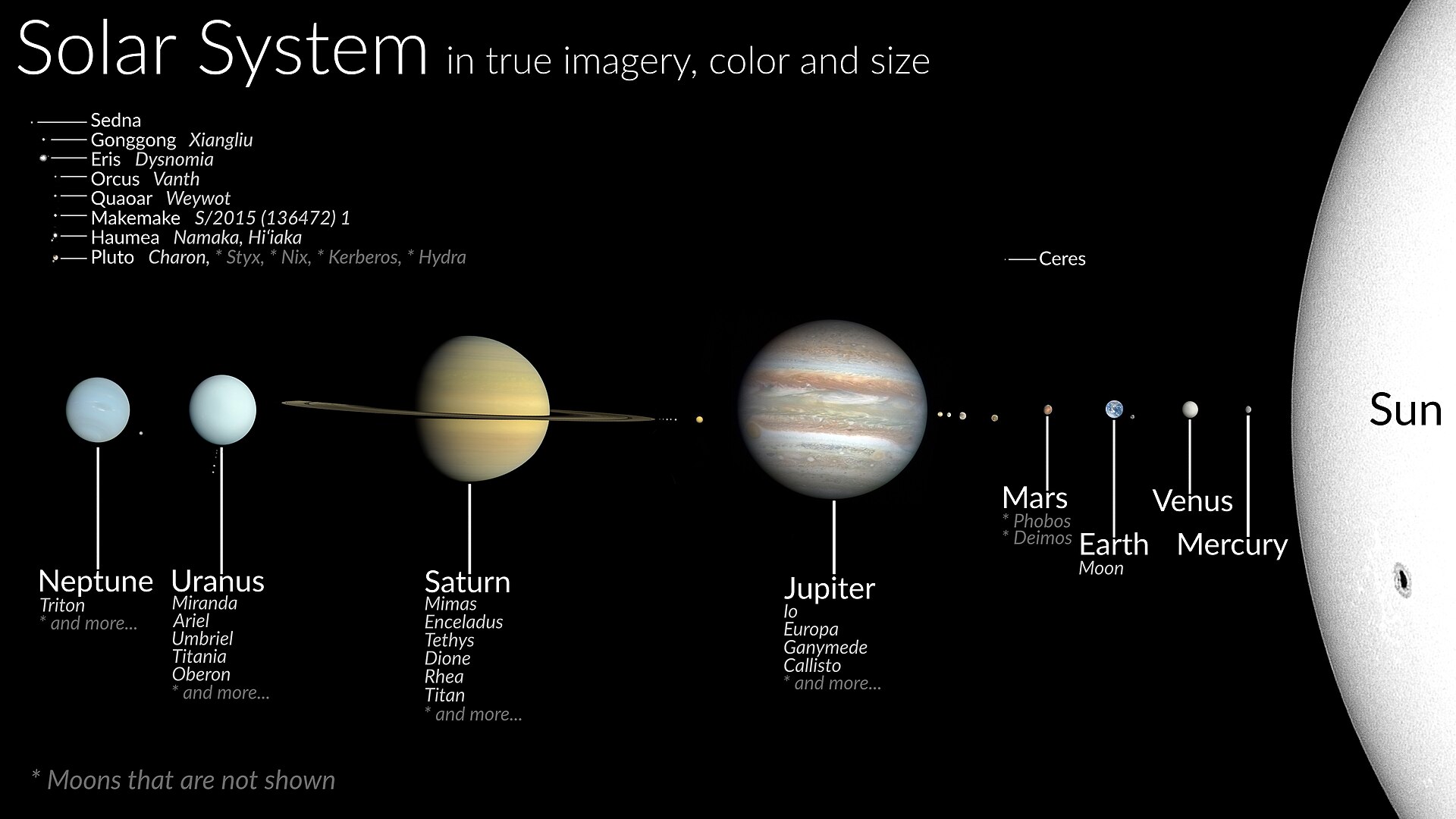
Mercury is the innermost planet and therefore moves in the strongest solar gravitational field of any planet, where the departure of spacetime from flatness is largest. The extra precession is that departure showing up as a small correction to the Newtonian ellipse.
The effect exists for every orbiting body and is simply too small to notice elsewhere in the solar system. It becomes dominant in strong fields, and the extreme case, binary pulsars, shows relativistic precession thousands of times larger, providing some of the most precise tests of the theory.
Vulcan is the counterexample that keeps the Neptune method honest. The same anomaly and the same reasoning produced a real planet in one case and nothing at all in the other, and the difference was not in the quality of the astronomy but in whether the problem called for new matter or new physics. Nothing internal to the method distinguishes the two situations in advance.
The dilemma recurs. When galaxy rotation curves failed to match the visible mass, the same fork appeared: unseen matter, or modified gravity. That debate is treated in the dark matter and modified Newtonian dynamics capsules, and Vulcan is the standing reminder that the second branch is sometimes the correct one.