The systematic study of how one ought to act. It asks what makes an action right, what makes a life good, and what grounds those judgements, and its main frameworks have persisted for millennia because each captures something the others miss.
Metaethics asks what moral claims are. Are they statements capable of being true, expressions of attitude, or something else? Is there anything moral judgements are about?
Normative ethics asks what makes actions right or wrong, and proposes frameworks for deciding.
Applied ethics addresses particular questions: medical practice, war, animals, the environment, business.
The distinction matters because disagreement at one level does not entail disagreement at another. People with incompatible metaethical views frequently agree on cases.
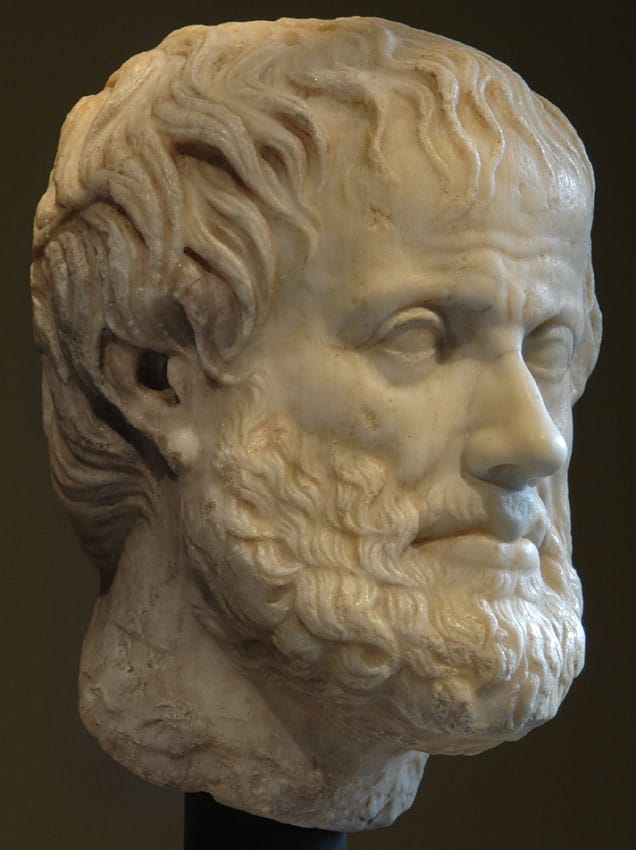
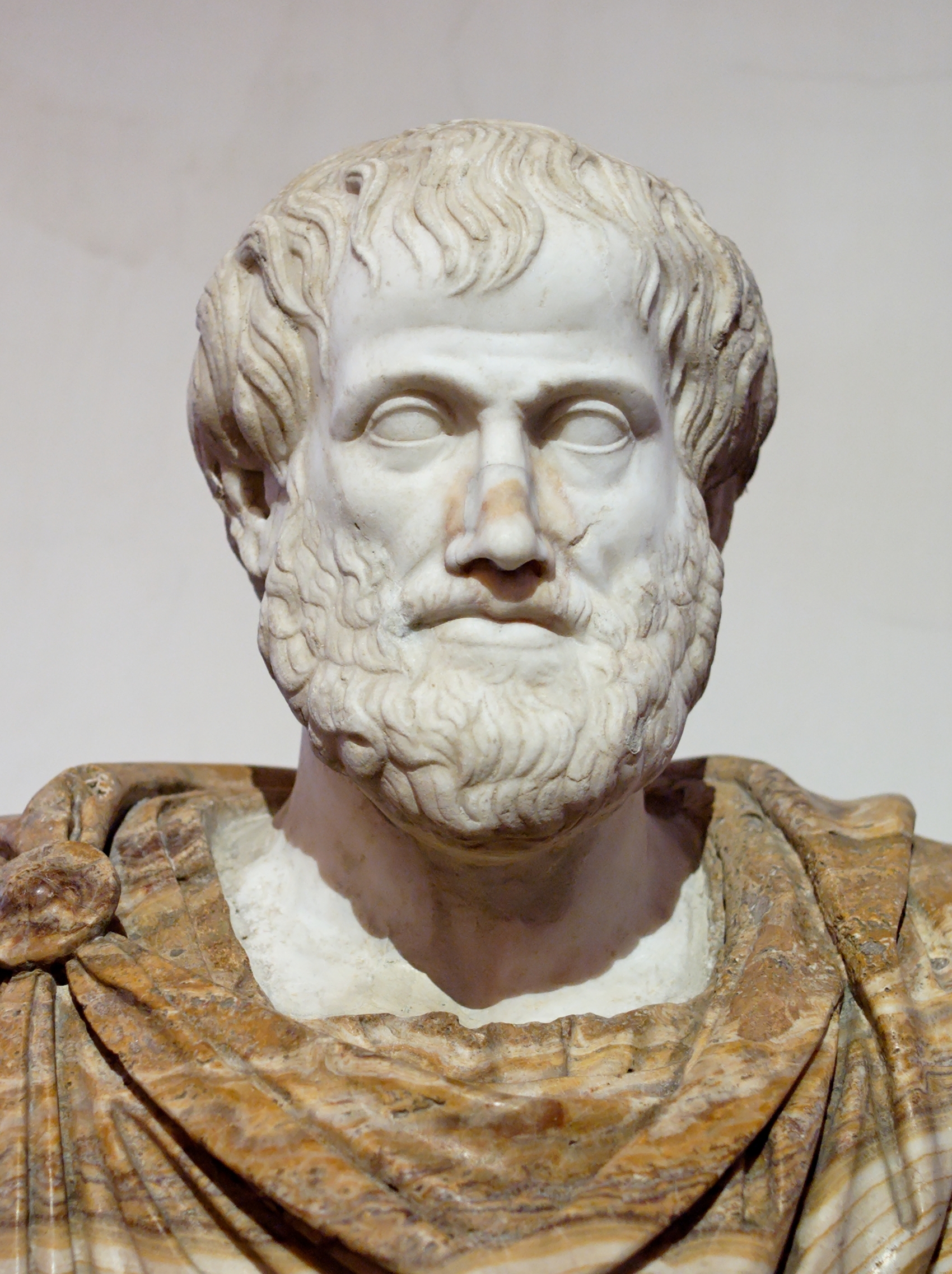
Virtue ethics, developed by Aristotle, asks what kind of person one should be. Right action is what a person of good character would do, and character is developed through practice and habituation rather than by learning rules.
Its central concept is flourishing, a life going well in a full sense rather than merely feeling pleasant. Virtues are dispositions lying between excess and deficiency: courage between recklessness and cowardice.
Comparable traditions exist elsewhere. Confucian ethics is likewise concerned with cultivating character and with the obligations arising from relationships rather than with universal rules.

Deontology, associated with Kant, holds that actions are right or wrong in themselves, independently of consequences. Some things may not be done whatever the outcome.
Kant's test is whether the principle behind an action could be willed as a universal law without contradiction, and his other formulation requires treating people always as ends and never merely as means.
The strength of the approach is that it explains rights and constraints, and its difficulty is rigidity: the classic objection is the obligation to tell the truth to a murderer asking where his intended victim is hiding.
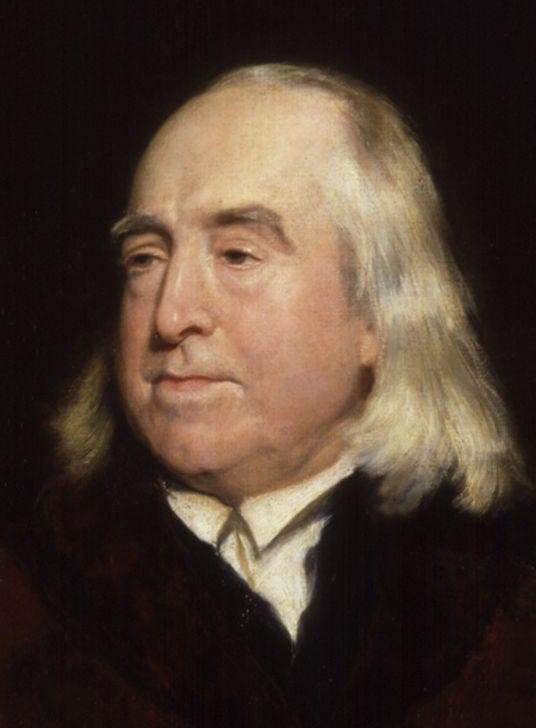
Consequentialism holds that the rightness of an action depends entirely on its outcomes. Utilitarianism, its main form, holds that the right action maximises wellbeing.
Bentham stated it as the greatest happiness of the greatest number and attempted to make the calculation systematic. John Stuart Mill refined it, distinguishing higher from lower pleasures and defending individual liberty within the framework.
Its strength is that it takes consequences seriously and treats everyone's interests equally, which historically supported arguments for prison reform, animal welfare and the extension of rights.
Its difficulties are the aggregation problem, that it can license harming one person for the benefit of many, and the demandingness objection, that maximising wellbeing leaves little room for personal projects.
Contractualism, treated in the social contract theory capsule, grounds morality in what people could agree to, and Rawls and Scanlon developed influential versions.
Care ethics, developed from the 1980s, argues that the other frameworks abstract away from relationships and dependency, and that responsiveness to particular others is central rather than peripheral to morality.
Moral realism holds that moral facts exist independently of what anyone thinks, so that a claim about cruelty can be true in the way a claim about chemistry can.
Anti-realist positions deny this in several ways. Expressivism holds that moral statements express attitudes rather than describing facts. Error theory holds that they purport to describe facts and are systematically false, since no such facts exist. Constructivism holds that moral truths are constructed by rational agreement rather than discovered.
Relativism holds that moral claims are true relative to a culture or framework. It is widely held in general conversation and is a minority position among philosophers, principally because it makes cross-cultural criticism incoherent, including criticism most relativists want to make.
The disagreement is genuine and unresolved, and it coexists with substantial convergence on cases.
Applied ethics has become the most consequential area in practice.
Medical ethics developed formal frameworks after documented abuses, including the Tuskegee study, and the four principles of autonomy, beneficence, non-maleficence and justice are used in clinical decision-making and in research approval.
Research ethics, informed consent and institutional review followed from the same history.
Animal ethics has produced substantial argument about whether the capacity to suffer rather than species membership is the morally relevant property.
Environmental ethics addresses obligations to future generations, who cannot participate in any agreement and whose interests are affected by present decisions.
Technology ethics, including questions about automated decision-making and surveillance, is the fastest-growing area and frequently finds existing frameworks poorly fitted to the cases.
Ethics supplies the vocabulary in which disagreements about what should be done are conducted, and the frameworks are not merely academic: bioethics committees, legal standards and professional codes are built directly on them.
Its most useful contribution is probably structural rather than substantive. Identifying whether a disagreement is about consequences, about rights, or about character generally clarifies what evidence would be relevant, which is more than most moral arguments achieve unaided.