The belief that peptic ulcers are caused by stress, personality and diet, and that they are a chronic condition to be managed rather than cured. Most are caused by a bacterial infection or by anti-inflammatory drugs, and most can be cured in about a fortnight with antibiotics.
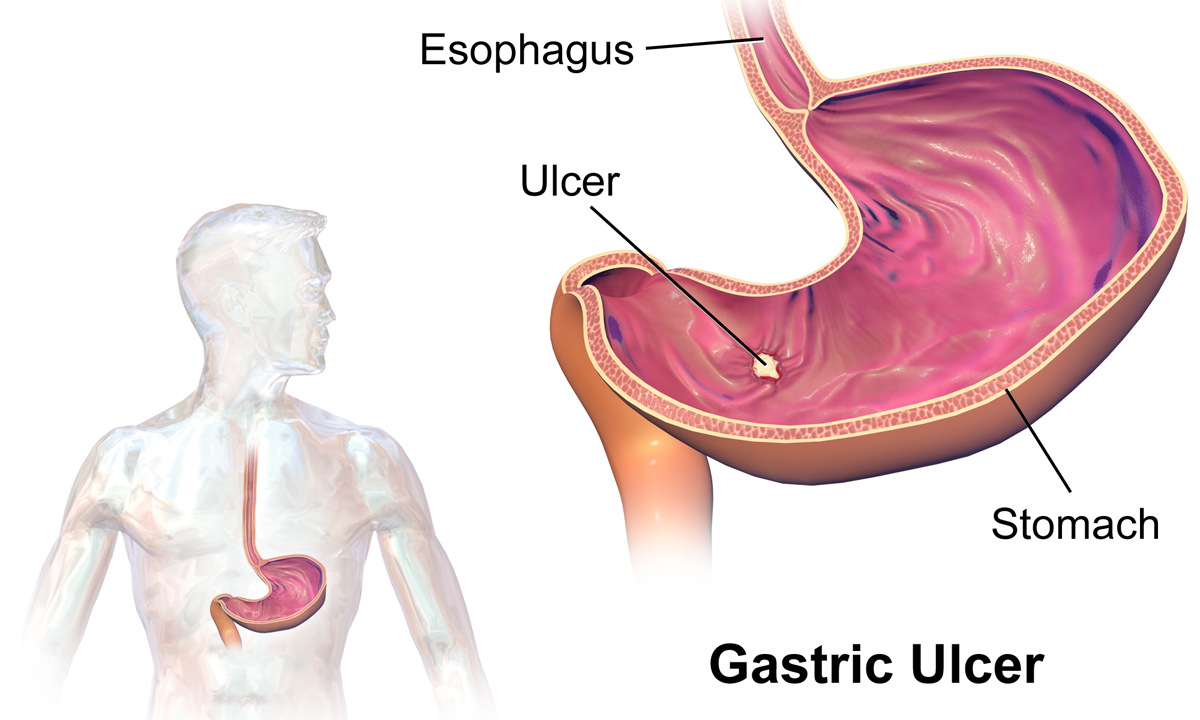
For most of the twentieth century, peptic ulcer disease was understood as a disorder of excess acid brought on by the pace of modern life. The phrase no acid, no ulcer summarised the doctrine, and the causes were held to be stress, anxiety, an ulcer-prone personality, spicy food, alcohol and tobacco.
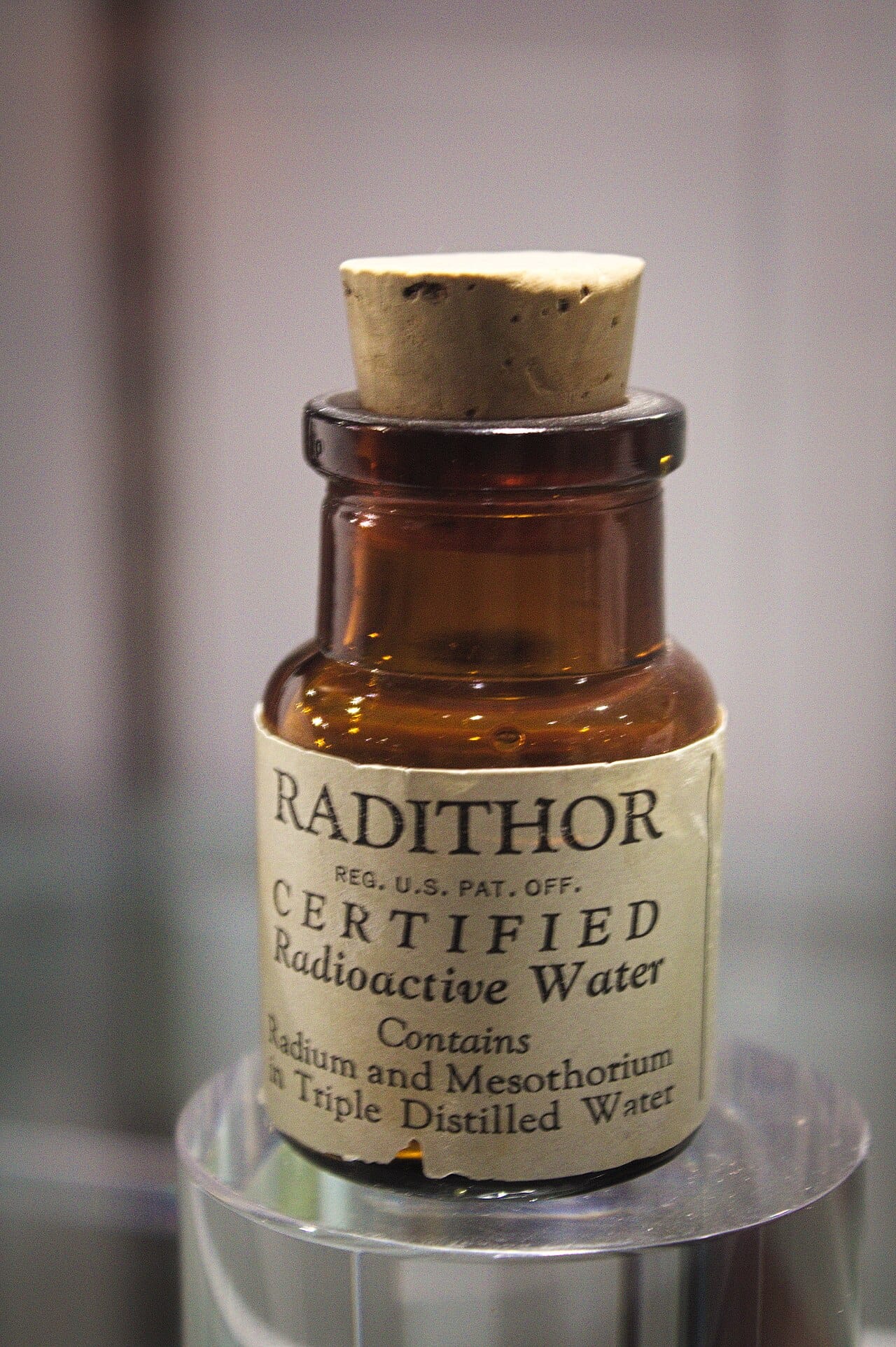
Treatment followed from the theory. Patients were given bland diets and milk, then antacids, and from the 1970s the highly effective acid-suppressing drugs cimetidine and ranitidine, which became among the best selling medicines in the world.
Those drugs healed ulcers and the ulcers came back, so patients took them for years. When bleeding or perforation occurred, the answer was surgery, including cutting the vagus nerve to reduce acid secretion and removing part of the stomach. These were major operations with lasting consequences, performed on very large numbers of people.
An additional belief blocked the correct answer: it was considered settled that no bacterium could survive in the stomach, on the reasoning that the acid would destroy it.

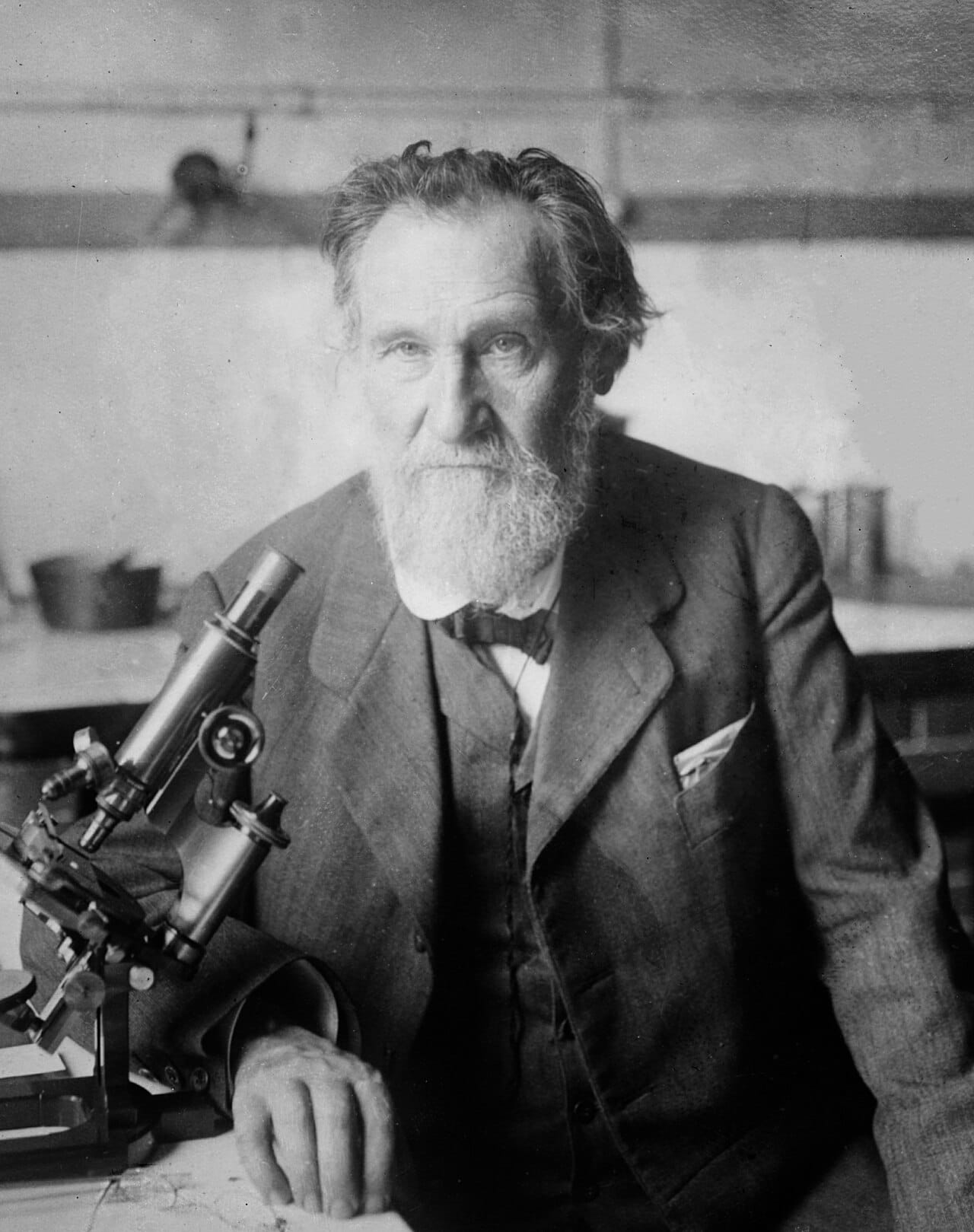
In 1979 Robin Warren, a pathologist in Perth, noticed curved bacteria on gastric biopsy specimens, colonising tissue that was inflamed. He also noticed that the inflammation was always present where the bacteria were.
Barry Marshall, then a trainee, joined him and worked through the case records. The organism was eventually cultured, by an accident of timing: plates that were routinely discarded after two days were left over a long Easter weekend, and the slow-growing bacterium finally appeared.
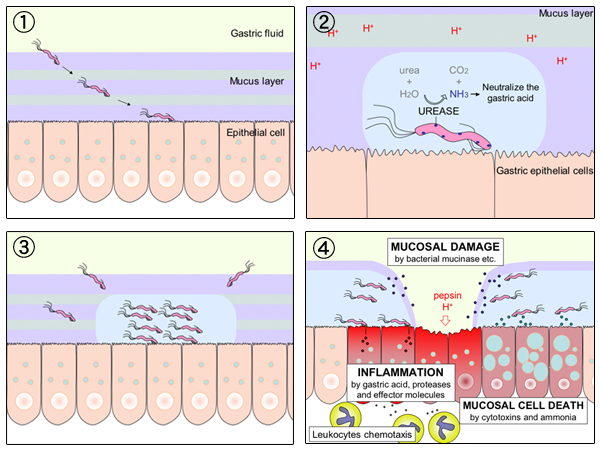
The organism, now called Helicobacter pylori, survives the stomach by living in the mucus layer against the lining and by producing urease, an enzyme that splits urea to generate ammonia and neutralise acid in its immediate surroundings. The premise that nothing could live there was wrong because it ignored the possibility of a microenvironment.
The claim was rejected for years. It contradicted an established mechanism, it came from junior researchers at a distance from the major centres, and it implied that a profitable class of drugs was treating a symptom.
In 1984, unable to produce ulcer disease in an animal model and unable to get support for a trial, Marshall drank a culture of the organism. He developed gastritis within days, documented it by endoscopy and biopsy, and cleared it with antibiotics. The self-experiment is famous, and it was not by itself decisive; the case was carried by the subsequent controlled trials showing that eradicating the bacterium cured the disease and prevented recurrence.
Warren and Marshall received the Nobel Prize in 2005.
The great majority of peptic ulcers are caused by H. pylori infection or by non-steroidal anti-inflammatory drugs such as aspirin and ibuprofen, which impair the stomach's protective mechanisms. Between them these account for most cases, and the remainder have other identifiable causes.
Treatment is a combination of antibiotics with an acid-suppressing drug, typically for one to two weeks. It cures the disease rather than suppressing it, and recurrence after successful eradication is uncommon. Elective surgery for ulcer disease has largely disappeared.
The bacterium is also a cause of gastric cancer, and it is classified as a group 1 carcinogen. Establishing its role therefore mattered beyond ulcers.
Two qualifications are needed, because the story is often told as a clean reversal and the details are more specific.
Most infected people never develop an ulcer. Infection is common worldwide and only a minority of those infected become ill, so the bacterium is necessary in most cases but not sufficient, and host and strain factors determine outcome.
Stress is not entirely irrelevant. Severe physiological stress, as in critical illness or major burns, does cause a distinct type of gastric erosion, which is a recognised entity. Whether psychological stress contributes to ordinary peptic ulcer disease, perhaps by altering acid secretion or behaviour, has been studied since and some evidence suggests a modest role.
What was refuted is the claim that stress and diet are the principal causes and that the disease cannot be cured. The refutation is not that mental state is irrelevant to the gut.
This is the most cited modern example of a well-established mechanism being wrong and a treatable infectious cause being missed for decades. The reasons it was missed were structural: an accepted physiological model, a plausible argument from first principles about acid, an effective symptomatic treatment that removed the pressure to look further, and the low status of the people making the claim.
It has become the standard reference point for reconsidering chronic inflammatory conditions of unknown cause, though the lesson is frequently overextended. That one such disease turned out to be infectious is a reason to test the hypothesis carefully in others, not a reason to assume it.