Panspermia
Panspermia is the hypothesis that life exists throughout the universe and is spread between worlds by space dust, meteoroids, asteroids, and comets.…
Matching your filter
Panspermia is the hypothesis that life exists throughout the universe and is spread between worlds by space dust, meteoroids, asteroids, and comets.…
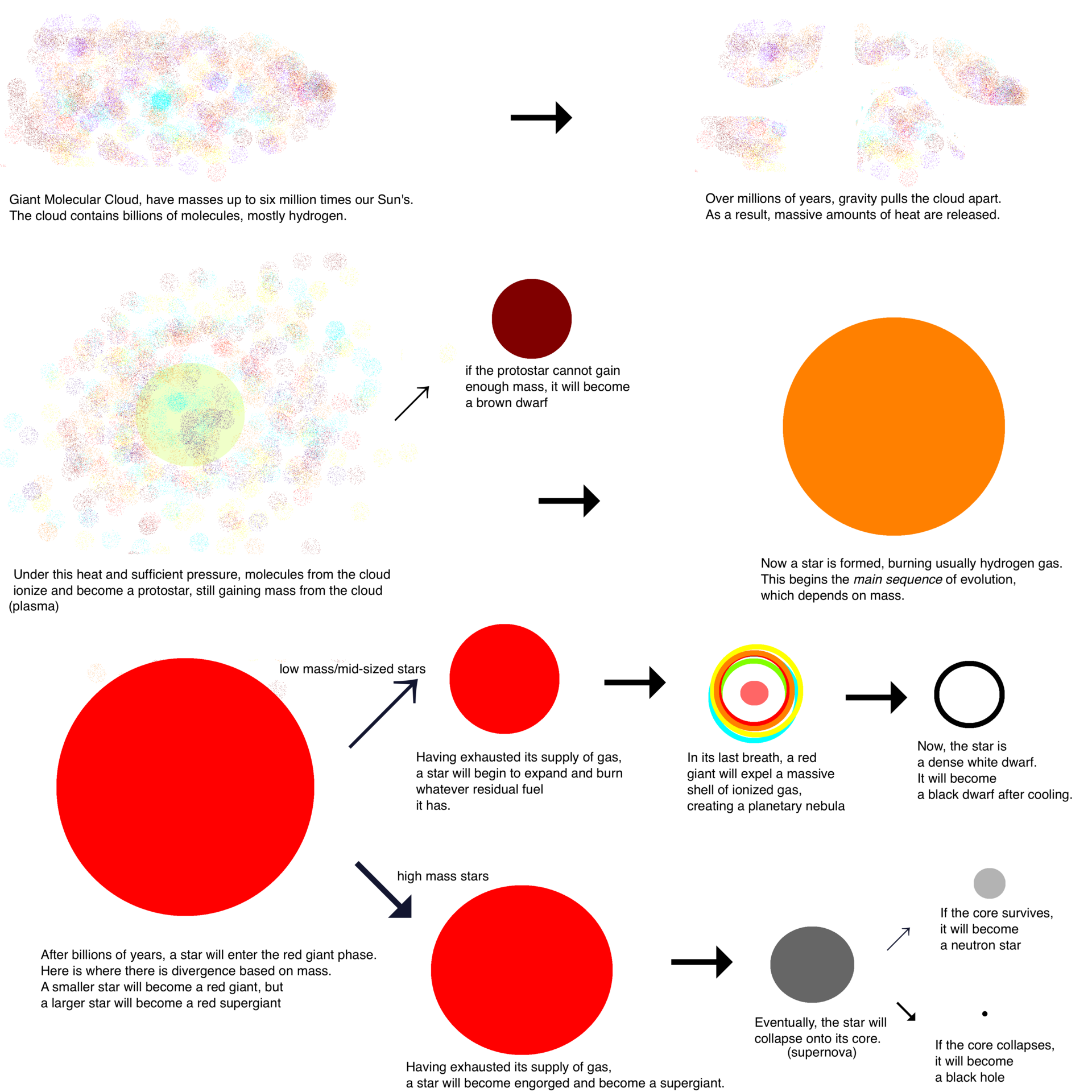
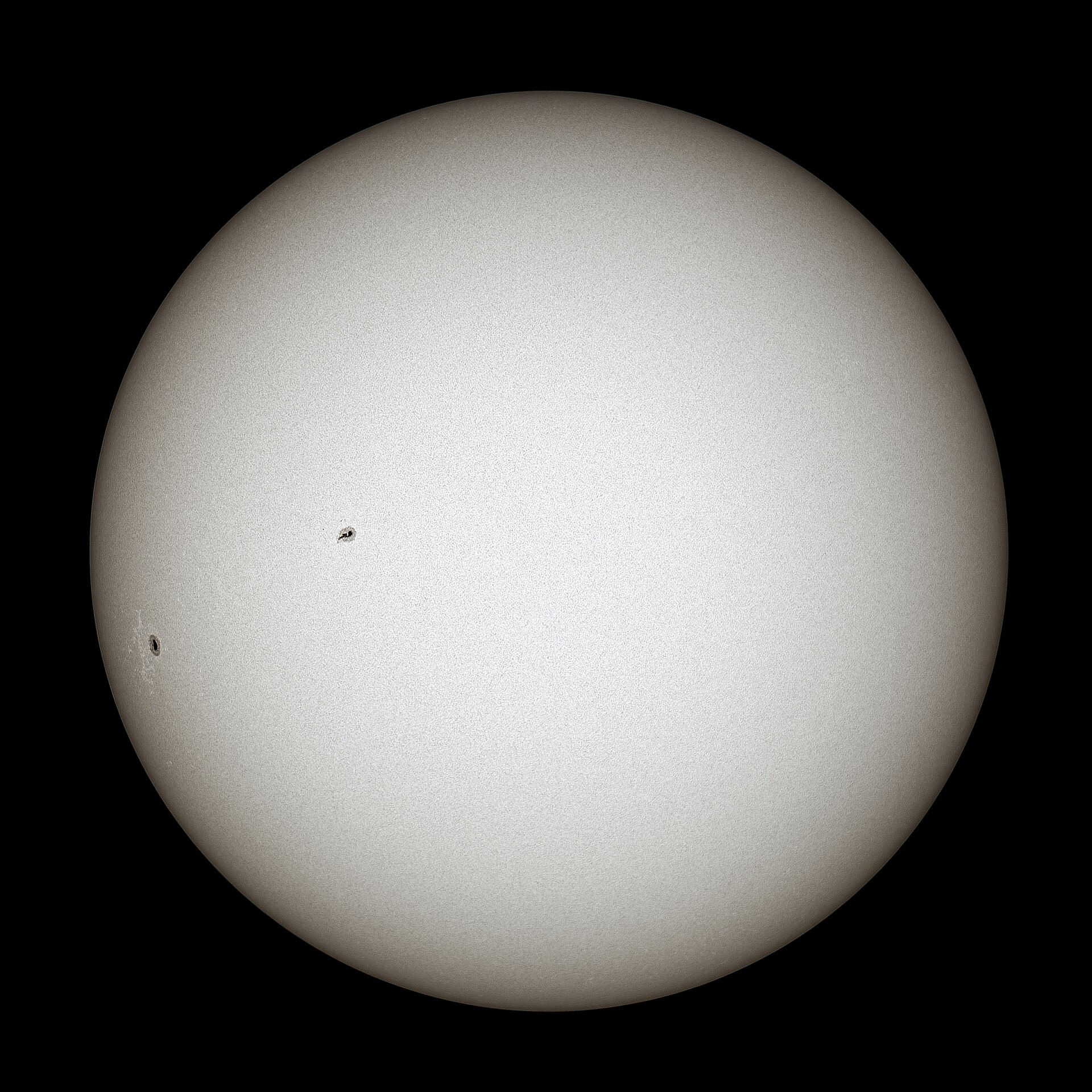
The Sun is the star at the centre of the Solar System, a vast sphere of hot plasma whose gravity holds the planets in their orbits and whose light…
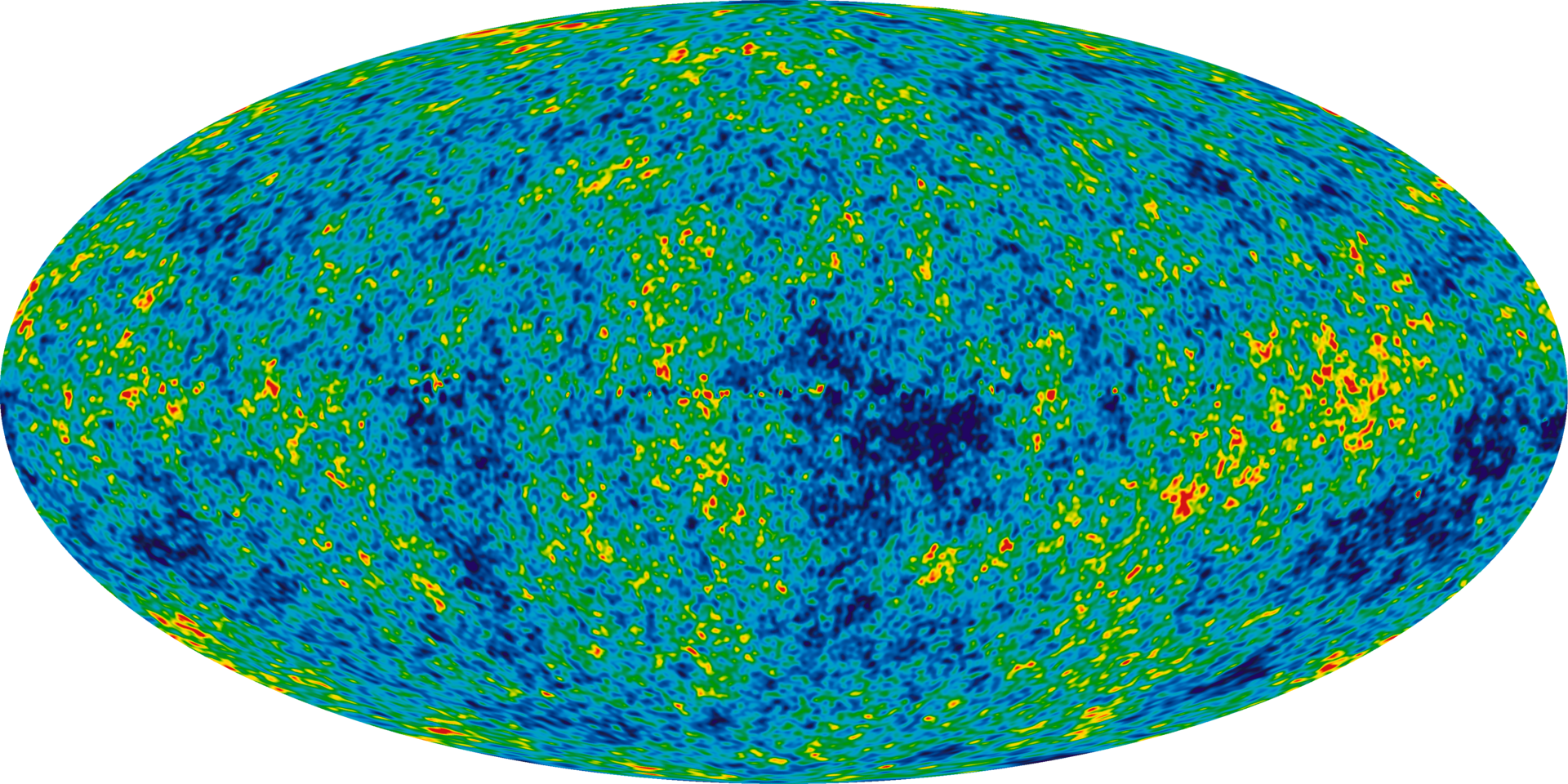
The universe is about 13.8 billion years old. Once a matter of wide uncertainty and heated debate, this figure is now known with remarkable…
Mars is the fourth planet from the Sun and the most Earth-like of our neighbours, a cold, rusty-red desert world that has captivated humans for…
Dark matter is the leading theoretical framework proposed to explain gravitational effects observed in galaxies and galaxy clusters that cannot be…
Planet Nine is a hypothetical large planet proposed to exist in the far outer reaches of our Solar System, well beyond Neptune and Pluto. It has…
The Rare Earth hypothesis proposes that complex, multicellular life, of the kind found on Earth, is extremely rare in the universe, because it…
The multiverse is the hypothesis that our universe is only one of many, perhaps even infinitely many, other universes. It is taken seriously by many…
Dark energy is the name given to an unknown influence that appears to be driving the expansion of the universe to speed up over time. It is thought…
A black hole is a region of space where gravity is so intense that nothing, not even light, can escape once it passes a certain boundary. They are…
A Dyson sphere is a hypothetical megastructure that an extremely advanced civilization might build around a star to capture a large share of its…
A wormhole is a hypothetical tunnel through spacetime that could, in principle, connect two distant points in the universe, or even two different…
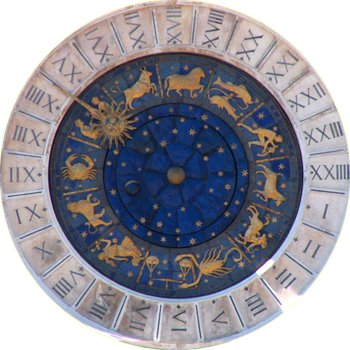
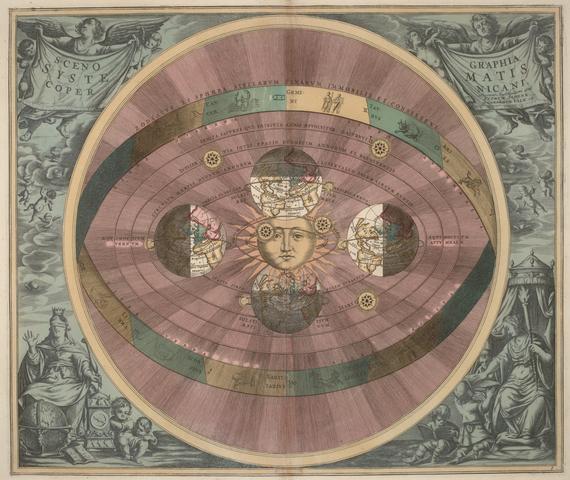
The geocentric model was the ancient belief that the Earth sits motionless at the center of the universe, with the Sun, Moon, planets, and stars all…
The Martian canals were a network of fine, straight lines that some astronomers in the late nineteenth and early twentieth centuries believed they…
The speed of light in a vacuum is a fixed, fundamental constant of nature, equal to about 299,792 kilometres per second. It is the fastest speed at…
The Fermi paradox is the puzzling contrast between the high apparent likelihood that alien civilizations exist somewhere in our vast galaxy and the…
The Solar System is the Sun and everything bound to it by gravity: eight planets, several dwarf planets, scores of moons, and countless smaller…
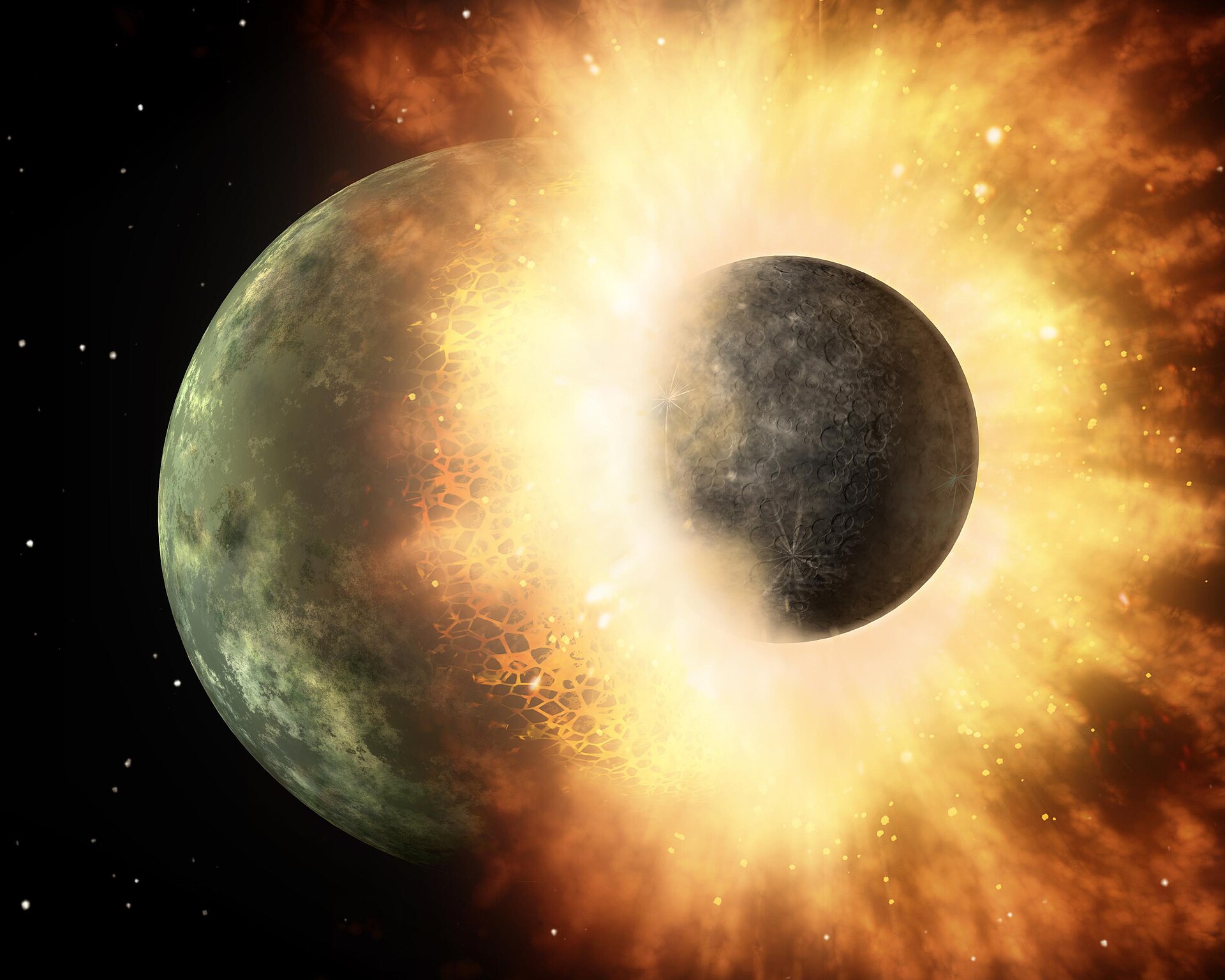
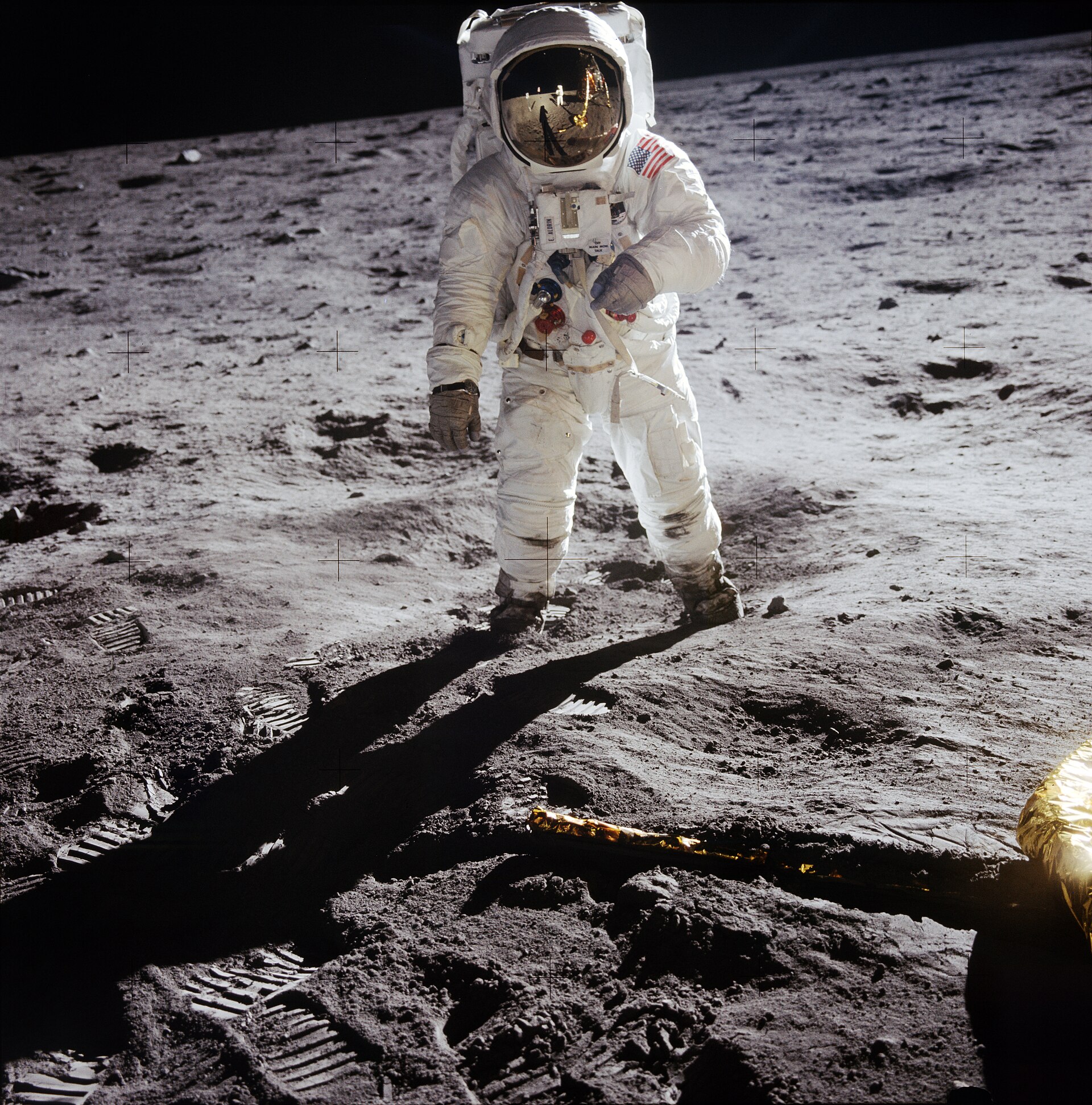
The Moon is Earth's only natural satellite and the brightest object in our night sky. Large in proportion to its planet and close enough to study…
Whether Pluto should be called a planet is a question that has divided astronomers and captured the public imagination. Discovered in 1930 and…
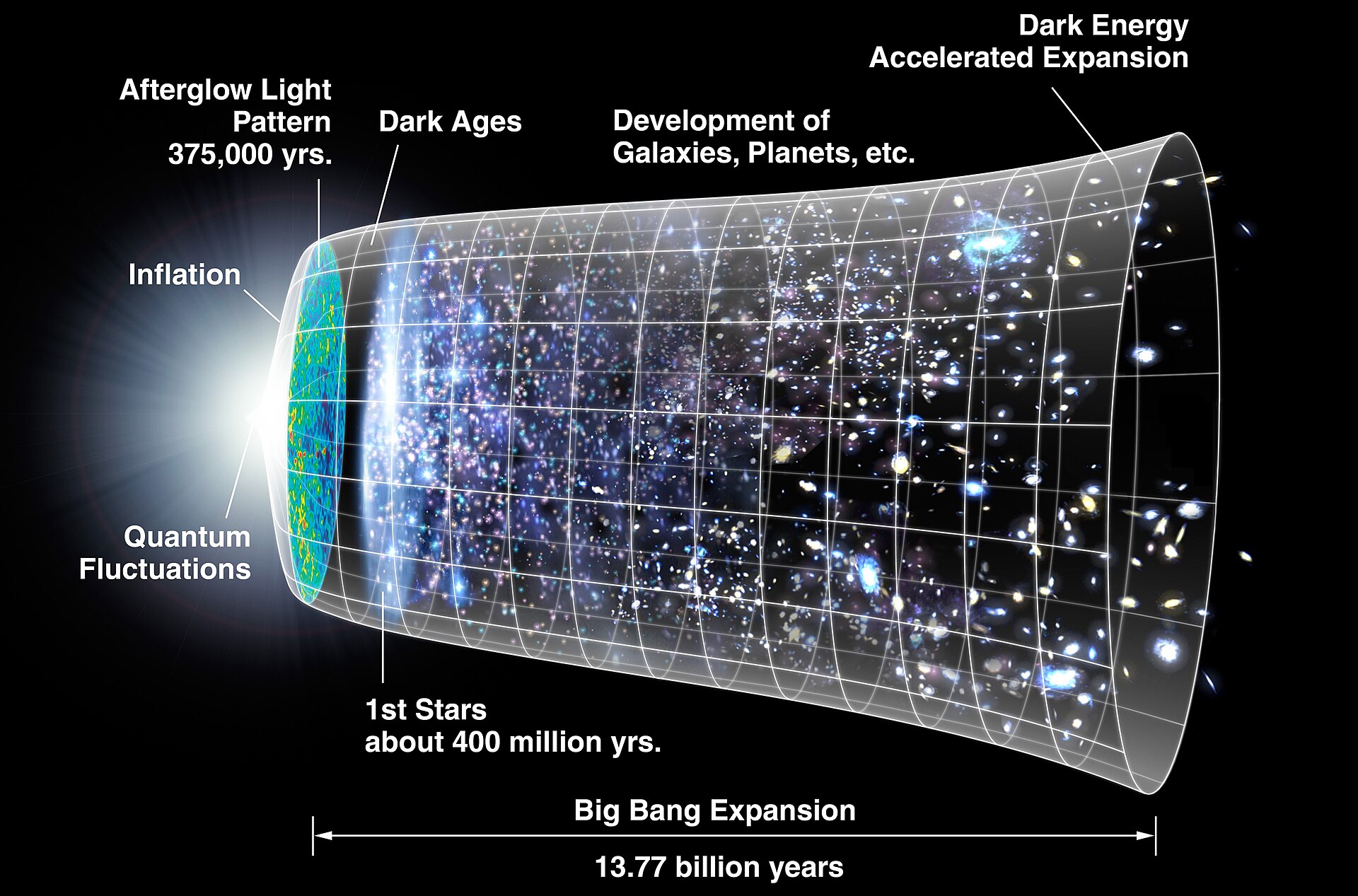
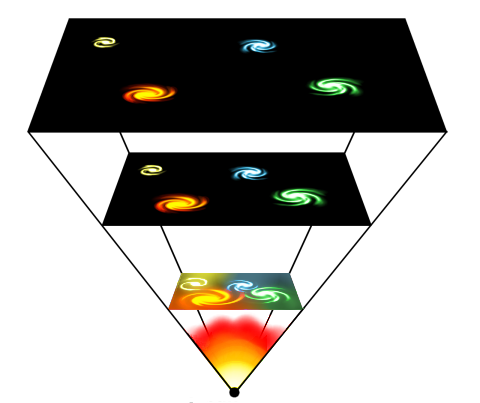
The Big Bang is the prevailing cosmological theory of how the universe began. It holds that the universe started about 13.8 billion years ago in an…