Defined quantities against which other quantities are compared. Their standardisation is a precondition for trade, engineering and science, and the modern system defines every unit in terms of physical constants rather than objects.
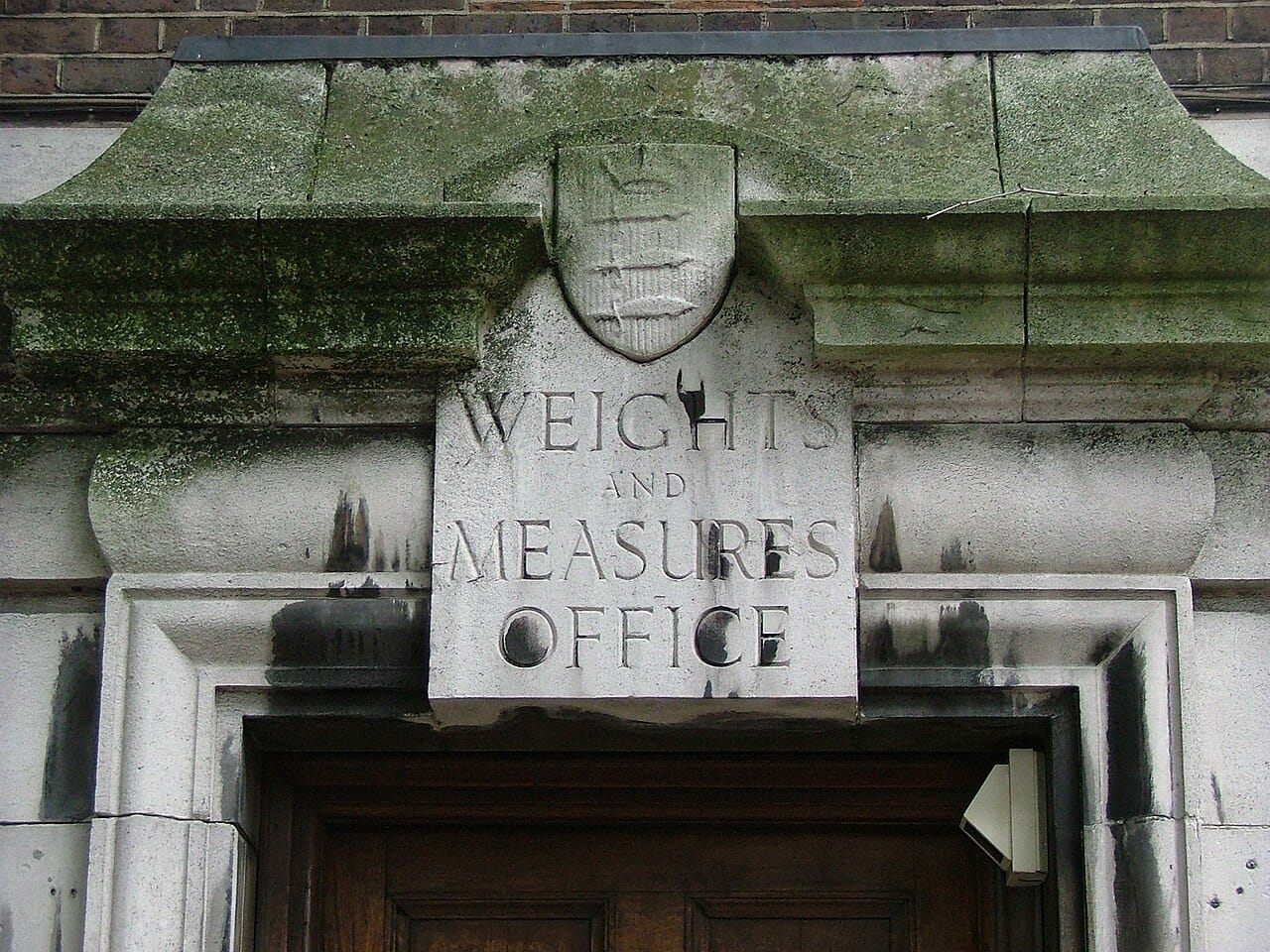
A measurement is a comparison. Saying something is two metres long states its ratio to an agreed length, and the statement means nothing unless both parties refer to the same standard.
Historically they frequently did not. Units varied between towns, between trades and between commodities, and the same name denoted different quantities in different places. Verifying measures was accordingly among the earliest functions of government, and inspection of weights and measures appears in the earliest legal codes.
The problem was not only commercial. Science requires that a measurement made in one laboratory be comparable with one made elsewhere, which is impossible without common units.
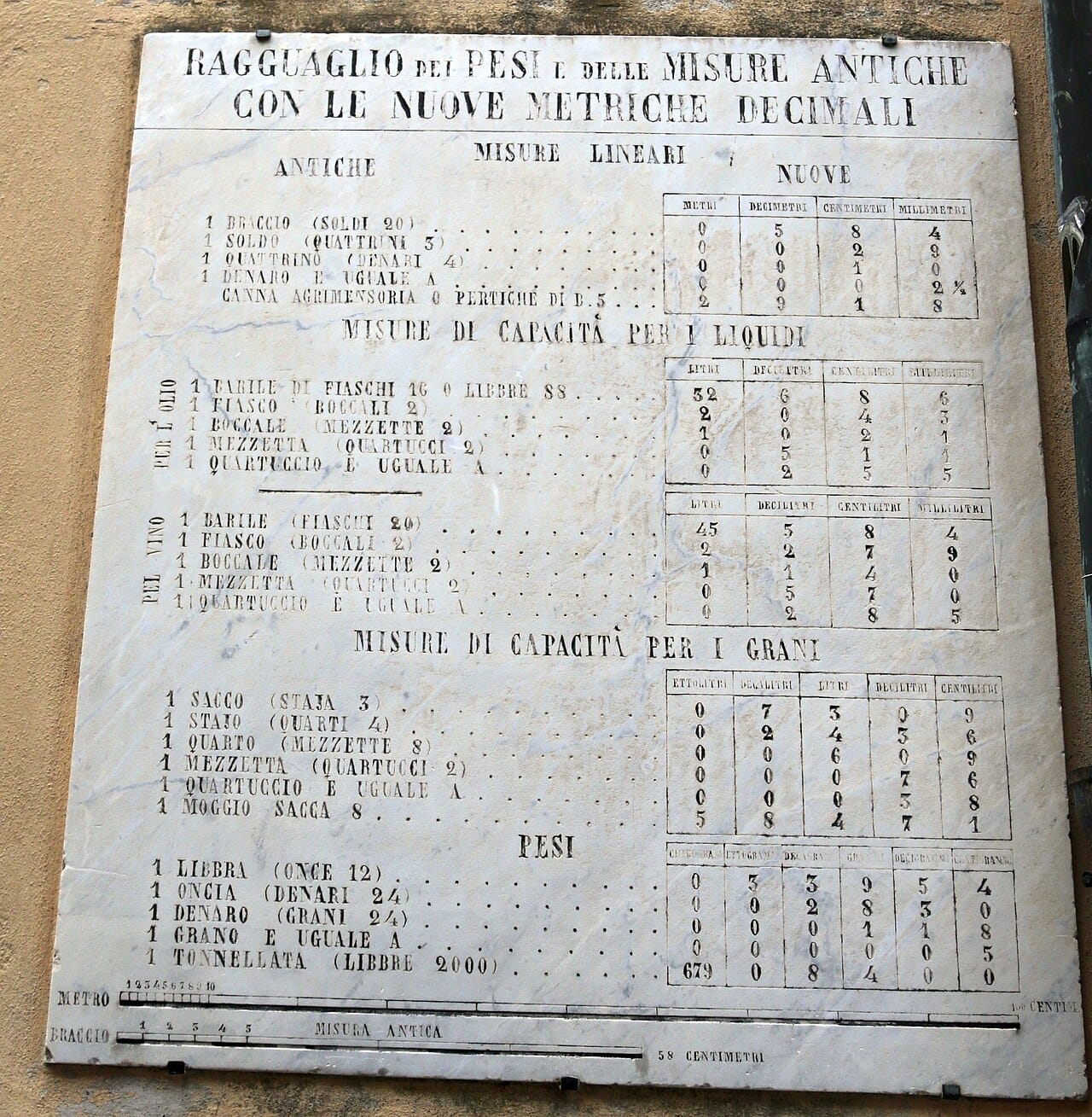
The metric system was created during the French Revolution and adopted in 1795, deliberately breaking with units defined by royal authority or local custom.
Its innovations were decimal relationships between units, so conversion requires moving a decimal point rather than remembering arbitrary factors, and definition by reference to nature rather than to an artefact or a body part.
The metre was originally defined as one ten-millionth of the distance from the equator to the North Pole along the meridian through Paris. The survey to establish it took seven years and was conducted during a revolution and a war.
The definition was natural in intent and the realisation was an artefact: a platinum bar. The kilogram likewise became a physical object held near Paris.
Artefact standards have a fundamental problem. They can be damaged, they can drift, and they must be compared physically. The international prototype kilogram was found to have diverged from its official copies by tens of micrograms over a century, and since the kilogram was defined as the mass of that object, the object could not be wrong: everything else had to be.
The International System of Units, the SI, now defines all units in terms of fixed numerical values of physical constants.
The second is defined by the frequency of a specific transition in caesium-133.
The metre is defined by fixing the speed of light, so it is the distance light travels in a specified fraction of a second.
The kilogram was redefined in 2019 by fixing the value of the Planck constant, which ended the last artefact definition. The mass can now be realised in any suitably equipped laboratory using an instrument called a Kibble balance, rather than by comparison with an object in a vault.
The ampere, kelvin, mole and candela were redefined on the same principle at the same time.
The significance is that the definitions no longer depend on any object, place or institution. Any laboratory with the necessary equipment can realise the units from constants of nature, which is what the metric system's founders intended and could not achieve.
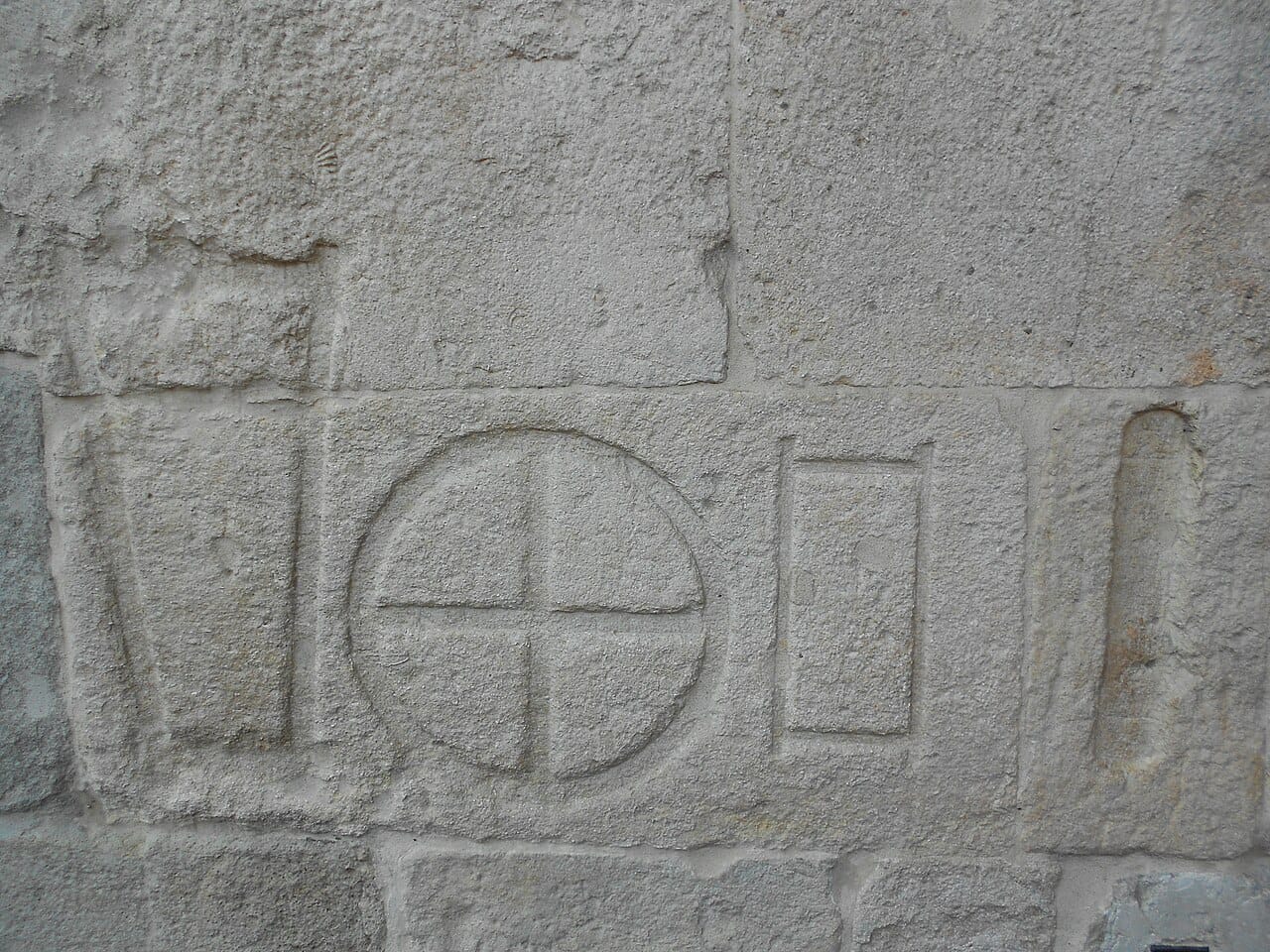
Nearly every country has adopted the metric system officially, and customary units persist in several.
The United States is the most prominent exception in general use, with metric units standard in science, medicine and the military and customary units dominant elsewhere. The United Kingdom uses a mixture, with road distances in miles and most goods sold in metric.
Persistence has practical causes. Retooling manufacturing is expensive, existing infrastructure is specified in old units, and everyday familiarity is genuinely useful.
The costs are also real. The Mars Climate Orbiter was lost in 1999 because one team supplied data in pound-force seconds while the receiving software expected newton-seconds, and the spacecraft entered the atmosphere at the wrong altitude.
Aviation retains a mixed system, with altitude in feet in most of the world, which is maintained deliberately because changing it globally would introduce more risk than it removes.
Standardised units allow measurements to be compared across time, distance and institution, which is a precondition for both international trade and cumulative science.
The 2019 redefinition also completed a two-century project. Units are now defined by constants of nature that are the same everywhere, so a measurement made anywhere is traceable to the same basis without reference to any object, which is as close to the revolutionary ambition of a system for all people and all time as physics currently permits.