The largest internal organ and the most chemically versatile, performing several hundred distinct functions. It is the only human internal organ that regenerates substantially after part of it is removed.
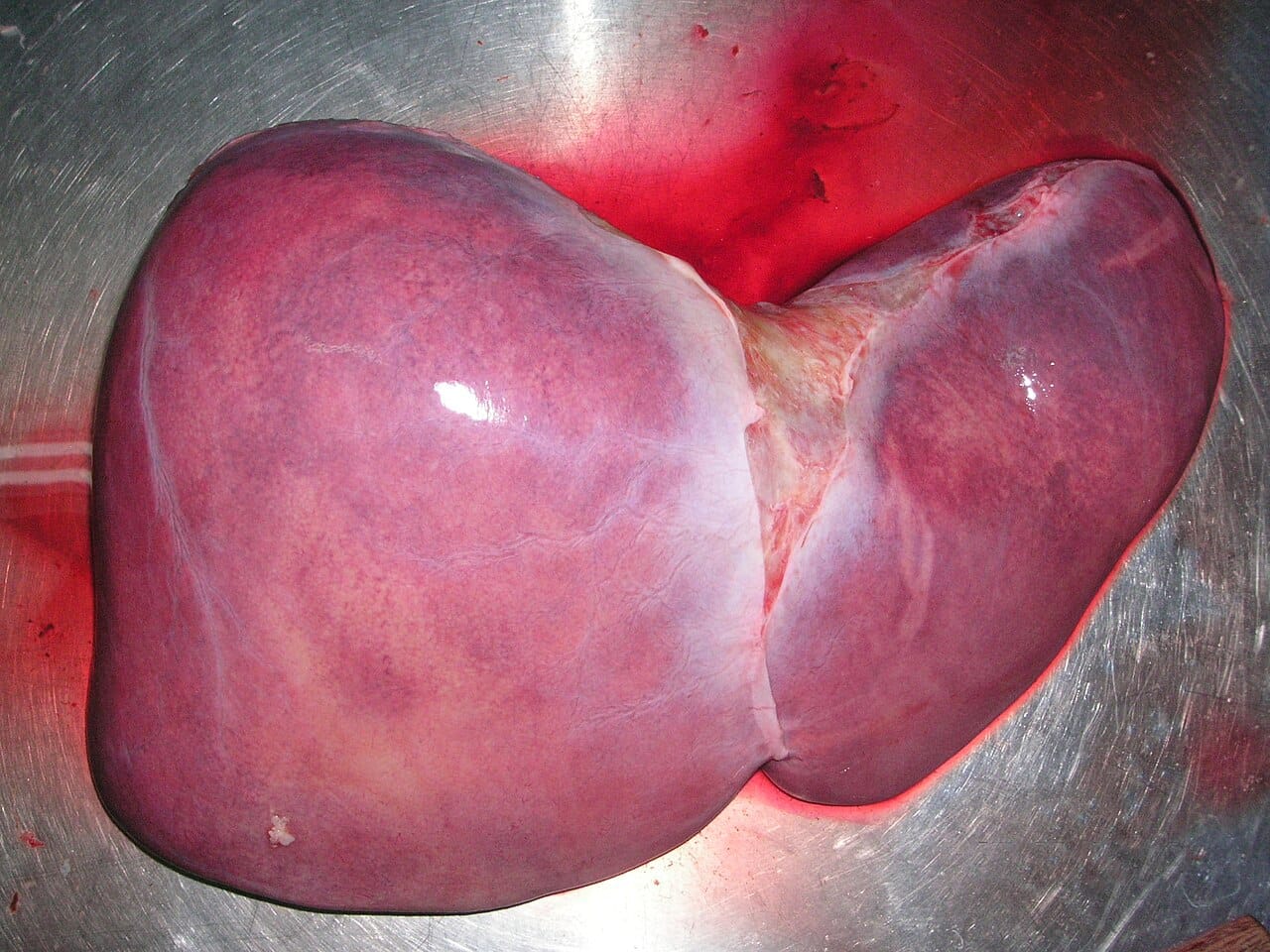
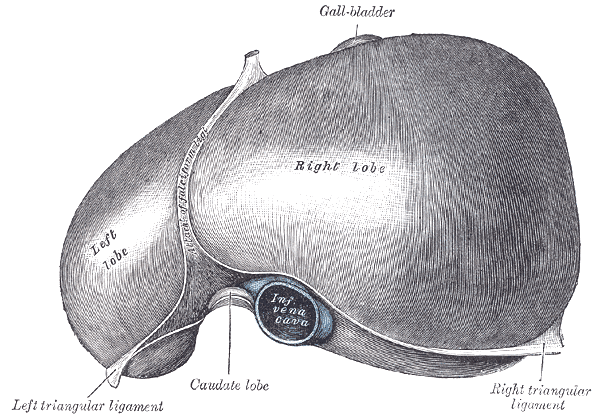
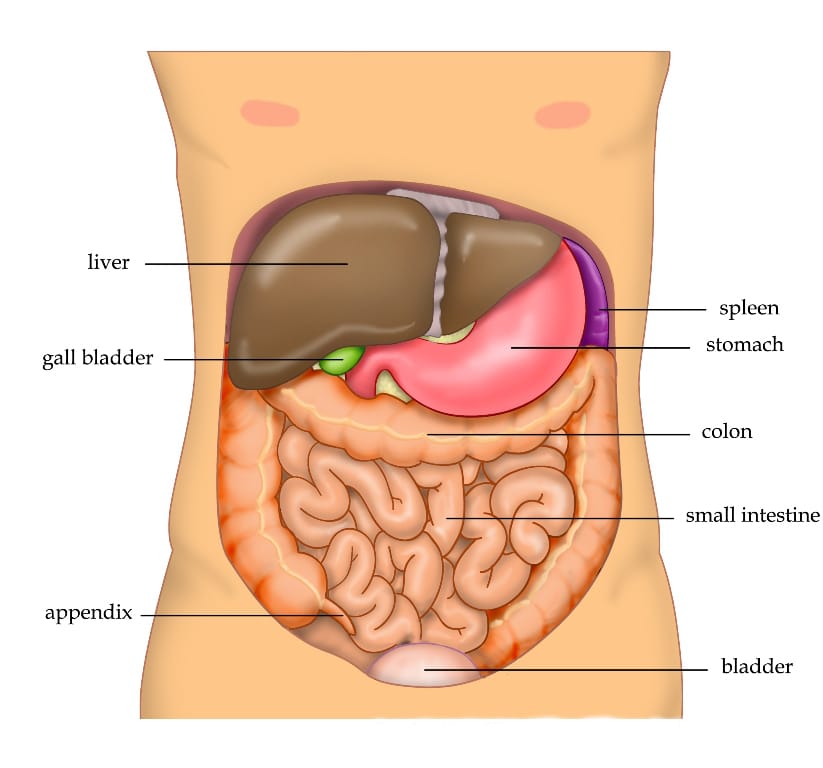
The liver lies in the upper right of the abdomen, largely protected by the lower ribs, and weighs about one and a half kilograms in an adult. It is divided into lobes and, for surgical purposes, into eight segments each with its own blood supply, which is what makes partial removal feasible.
Its blood supply is unusual. Most organs receive arterial blood only. The liver receives about a quarter of its blood from the hepatic artery and about three quarters from the hepatic portal vein, which carries blood that has already passed through the stomach and intestines.
That arrangement is the key to its role. Everything absorbed from the gut, nutrients, drugs and toxins alike, passes through the liver before reaching the rest of the body. This is the first-pass effect, and it is why many drugs are ineffective taken by mouth and must be injected, and why oral doses are often much larger than intravenous ones.
The functional unit is the lobule, a roughly hexagonal arrangement of hepatocytes around a central vein, with blood percolating past the cells through channels called sinusoids.
Metabolic processing. It stores glucose as glycogen and releases it to maintain blood sugar between meals, converts excess carbohydrate to fat, and synthesises glucose from other molecules during fasting.
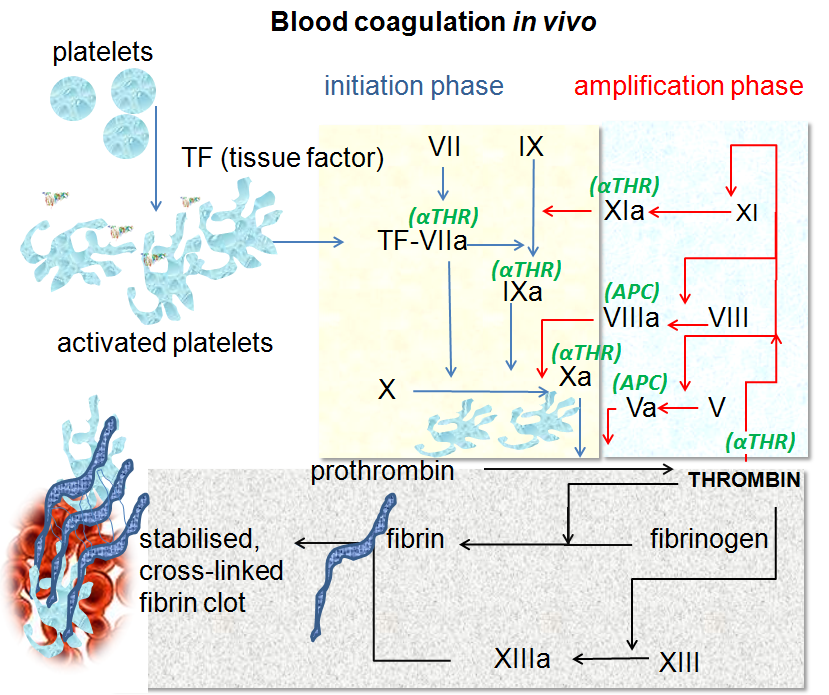
Protein manufacture. Almost all plasma proteins are made here, including albumin, which maintains the osmotic pressure that keeps fluid in the bloodstream, and the majority of clotting factors. Liver failure therefore produces both swelling and bleeding.
Detoxification. It chemically modifies drugs, alcohol and other foreign compounds, generally in two phases, making them water-soluble enough for the kidneys to excrete. The cytochrome P450 enzyme family does much of this work, and competition between drugs for the same enzymes is the mechanism behind a large share of drug interactions.
Nitrogen handling. Protein breakdown produces ammonia, which is toxic, and the liver converts it to urea for excretion. When this fails, ammonia accumulates and affects the brain, producing hepatic encephalopathy.
Bile production. Bile salts emulsify dietary fat so that enzymes can act on it. Bile is stored in the gallbladder and released into the small intestine after a meal.
Storage. Iron, copper, vitamin B12 and the fat-soluble vitamins A, D, E and K are stored here.
Immune function. Specialised macrophages lining the sinusoids remove bacteria and debris arriving from the gut.
The liver can regrow after substantial loss. In living donor transplantation, a portion is taken from a donor and both the donated segment and the remaining tissue grow toward normal mass over a period of weeks.
This is compensatory growth rather than true regeneration in the sense of rebuilding original structure, since existing cells divide to restore mass rather than reconstructing the original architecture from scratch. It is nonetheless unique among human internal organs on this scale.
The capacity is not unlimited. Repeated injury over long periods produces scarring rather than replacement, and once fibrosis is extensive the process does not reverse.
Cirrhosis is advanced scarring that replaces functional tissue and obstructs blood flow. The main causes worldwide are chronic viral hepatitis, alcohol, and fatty liver disease associated with obesity and metabolic syndrome, which has become the most common liver disorder in many countries.
Hepatitis viruses A through E differ substantially. A and E are usually acute and spread by contaminated food and water. B and C can become chronic and are the leading infectious causes of liver cancer; both are now preventable or treatable, B by vaccination and C by antiviral drugs that cure the great majority of cases.
Jaundice, the yellowing of skin and eyes, results from accumulation of bilirubin, a pigment from the breakdown of red blood cells that the liver normally processes.
Paracetamol overdose is a leading cause of acute liver failure, because the drug is safe at normal doses and generates a toxic metabolite when the pathway that handles it is overwhelmed.
The liver performs the chemical work that makes eating and drinking survivable, filtering everything absorbed before it circulates. There is no machine equivalent to it: dialysis substitutes for kidneys and ventilators for lungs, and no comparable device replaces liver function, which is why transplantation remains the only definitive treatment for liver failure.