The fundamental rules establishing how a state is governed: which institutions exist, what powers they hold, how those powers are limited, and how the rules themselves may be changed.
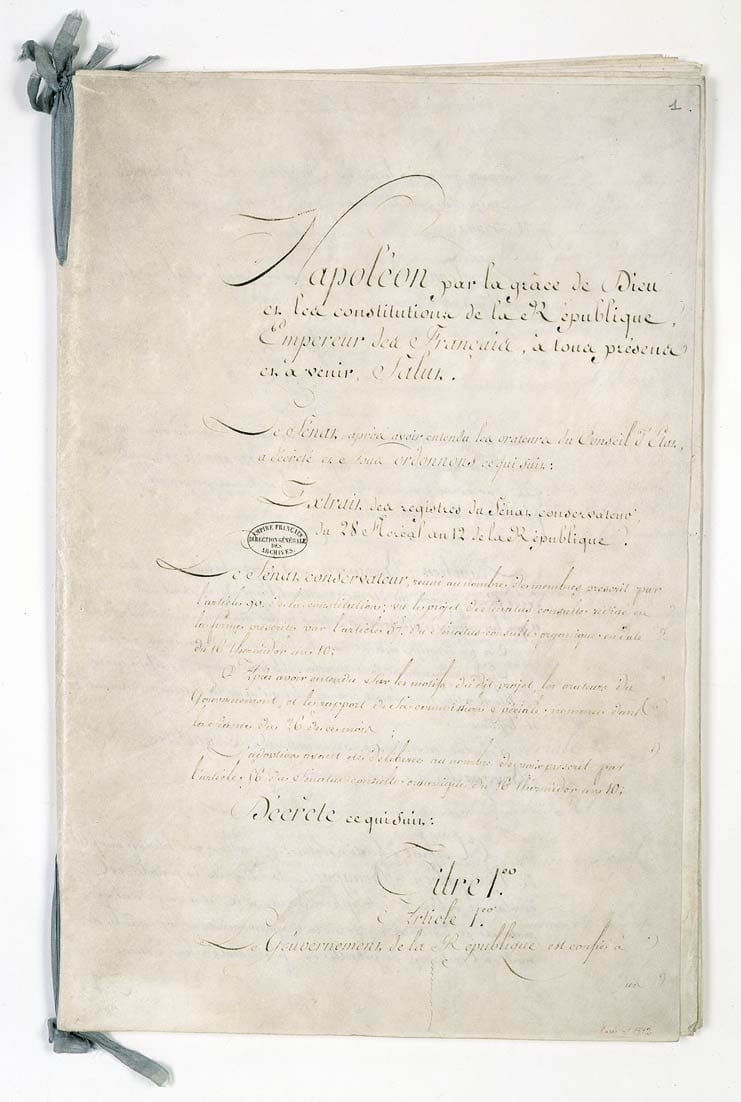
Four functions are common to nearly all of them.
Constituting institutions: creating the legislature, executive and judiciary and specifying how each is filled.
Allocating power between those institutions, and in federal systems between national and regional government.
Limiting power, by placing certain matters beyond ordinary legislative reach, usually through guaranteed rights.
Providing for amendment, specifying how the constitution itself may be altered.
The last is what makes a constitution distinct from ordinary law. Amendment procedures are typically harder than passing legislation, requiring supermajorities, ratification by regional bodies, referendums or a combination. That difficulty is deliberate: it means the framework cannot be changed by whoever currently holds a majority.
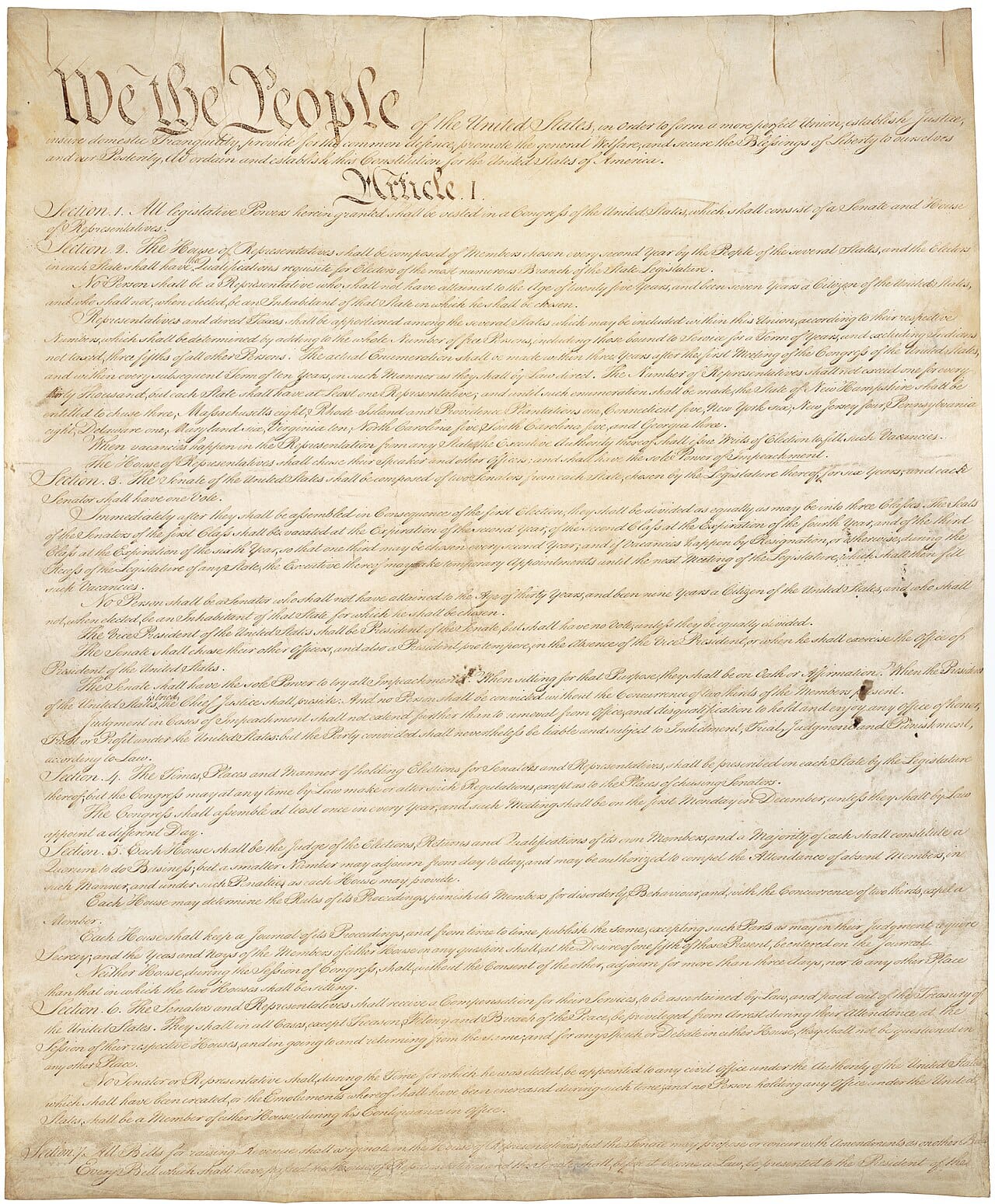
Most states have a single written document. The United States constitution, in force since 1789, is the oldest still operating and among the shortest, with twenty seven amendments.
A few states have no single document. The United Kingdom's constitution consists of statutes, court decisions, conventions and authoritative texts, and it is described as unwritten though most of it is written down somewhere. New Zealand and Israel are similar.
The practical difference is amendment. Where there is no entrenched document, constitutional change can be made by ordinary legislation, which makes the system flexible and provides weaker protection against a determined majority.
Conventions matter in both types. These are binding practices without legal force, and much of how any system actually operates depends on them being observed, which is why their erosion is a constitutional problem even where no law is broken.

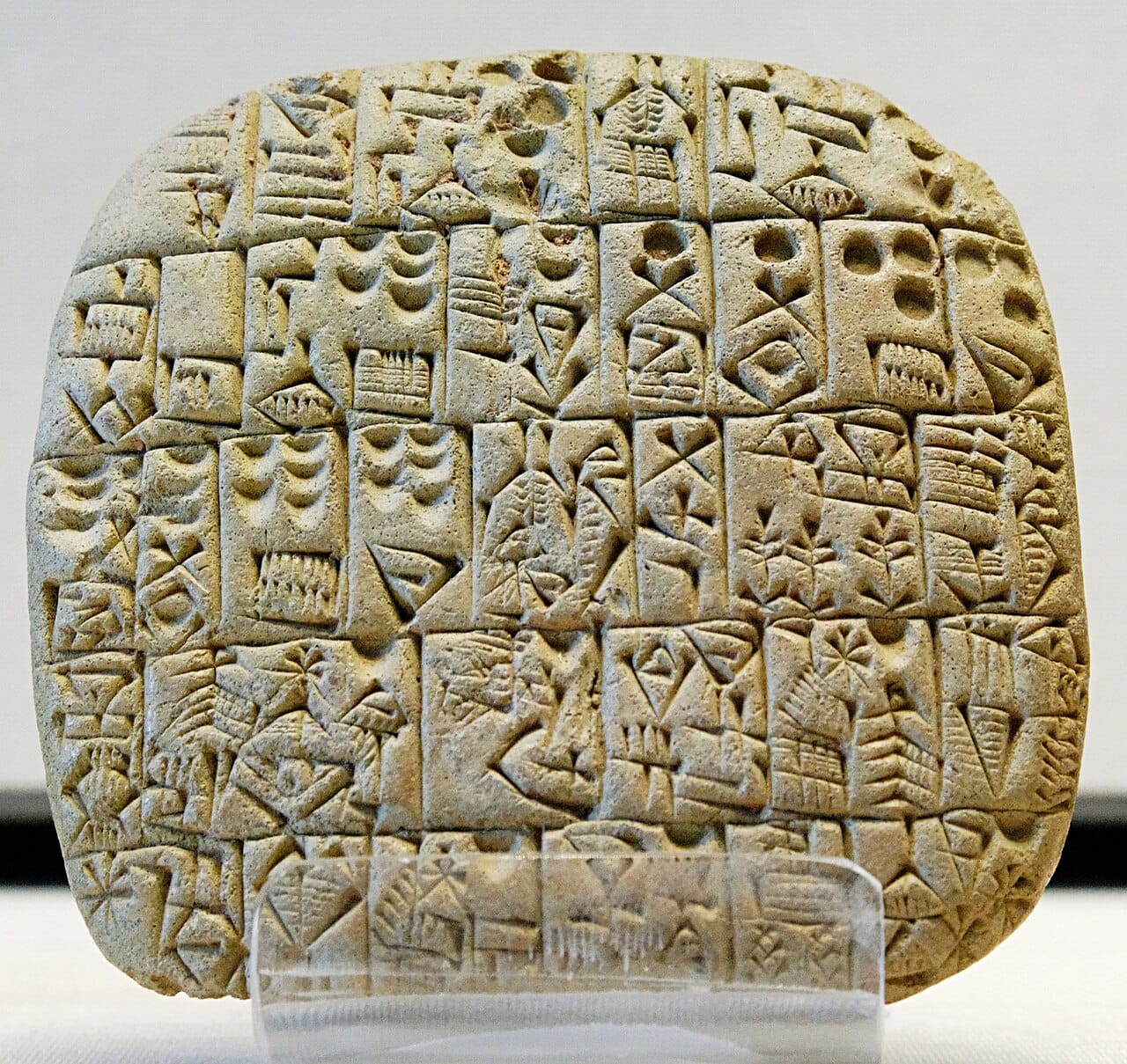
Codes of law inscribed and displayed publicly, including Hammurabi's from around 1750 BCE, established that rules exist independently of the ruler's daily will. They are not constitutions, since they do not constitute institutions or limit sovereign power in the modern sense.
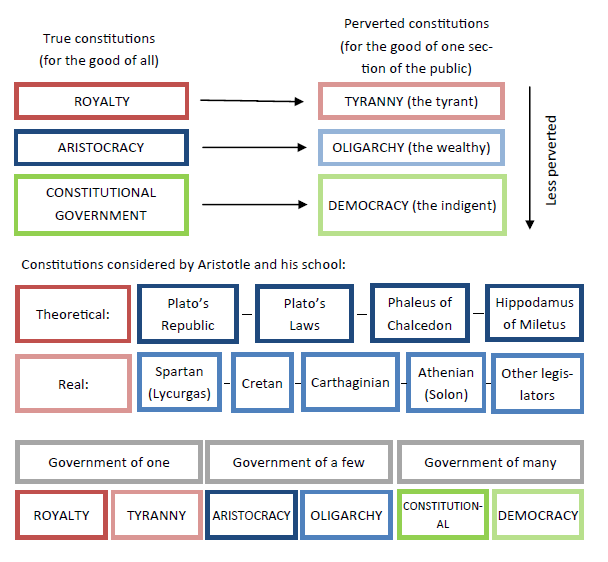
Greek political thought analysed constitutions systematically. Aristotle collected and compared the arrangements of many city-states and classified them by who ruled and in whose interest, distinguishing rule by one, few or many in their beneficial and corrupted forms.
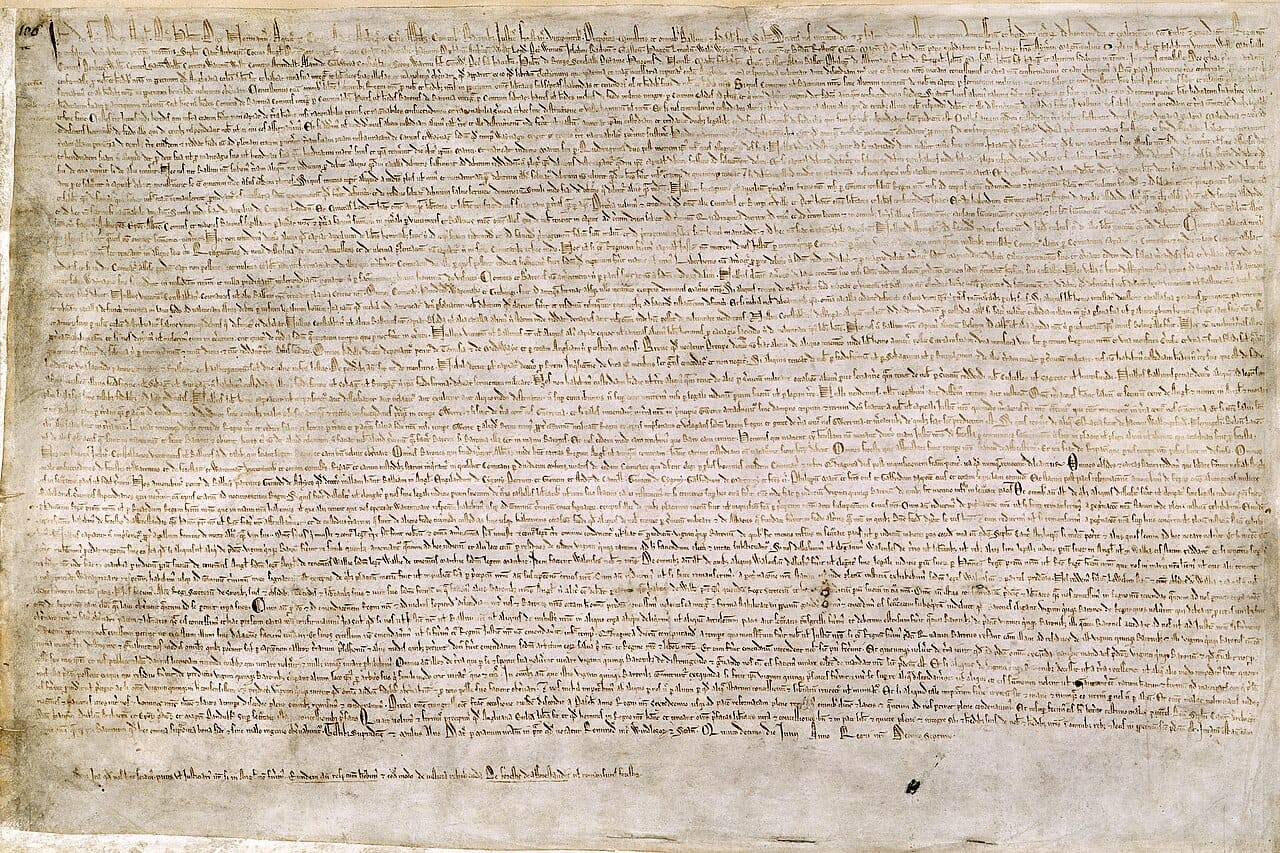
Magna Carta in 1215 established that the ruler is subject to law. Its immediate effect was limited and its principle proved durable.
The modern written constitution dates from the late eighteenth century. The United States constitution of 1787 was the first to establish a national government in a single document, with separated powers, federalism and a Bill of Rights added shortly after. The French declaration and constitutions of the revolutionary period followed.
The form spread with decolonisation in the twentieth century, and most constitutions now in force were adopted after 1945.
A constitution limits power only if something enforces the limit.
Judicial review, in which courts may strike down legislation inconsistent with the constitution, is the commonest mechanism. In the United States it was established by the courts themselves in 1803 rather than written into the text.
Some countries use a dedicated constitutional court, separate from the ordinary judiciary, which is the common European model.
Others rely on political rather than judicial enforcement, with the legislature responsible for observing constitutional limits and no court empowered to override it.
Review raises a genuine objection: unelected judges overriding elected legislatures. The standard answer is that the constitution was itself adopted by a more demanding process, so enforcing it upholds a prior and stronger expression of popular will rather than substituting the judges' preferences.
A constitution is a text, and states with admirable constitutional documents have committed serious abuses.
The Soviet constitution of 1936 guaranteed extensive rights during a period of mass repression. Numerous authoritarian states maintain constitutions containing full catalogues of rights.
What appears to matter is whether independent institutions exist and function, whether the political culture treats the constraints as binding, and whether losing power is survivable for those who hold it.
Constitutional erosion typically proceeds through formally lawful steps: packing or restricting courts, altering election administration, extending term limits by amendment, and using emergency powers. Each is defensible individually, which is what makes the pattern difficult to resist, and it is a more common route to authoritarian rule now than the coup.
Constitutional longevity varies enormously. The median constitution lasts around two decades, which makes the United States document a substantial outlier, and frequent replacement is associated with instability though the direction of causation is disputed.
Constitutions are the mechanism by which a society attempts to bind its own future decisions, placing certain matters beyond the reach of ordinary politics so that they cannot be settled by whoever happens to hold power.
Whether that binding holds depends far less on the text than on whether the institutions it creates are independent and whether those subject to its limits accept them, which is why comparing constitutional documents tells you much less about a country than comparing what happens when a government loses.