The proposal that chronic experience of being excluded or subordinated raises the risk of psychosis, by sensitising the brain's dopamine system. It was constructed to explain findings about migrants and cities that genetic and diagnostic explanations could not account for.
Three epidemiological findings are robust, replicated, and difficult to explain away.
Urban birth and upbringing raise psychosis risk. The association is dose-dependent, with risk rising with the degree of urbanisation and the number of years spent in a city during childhood. It survives adjustment for family history, drug use and socioeconomic status.
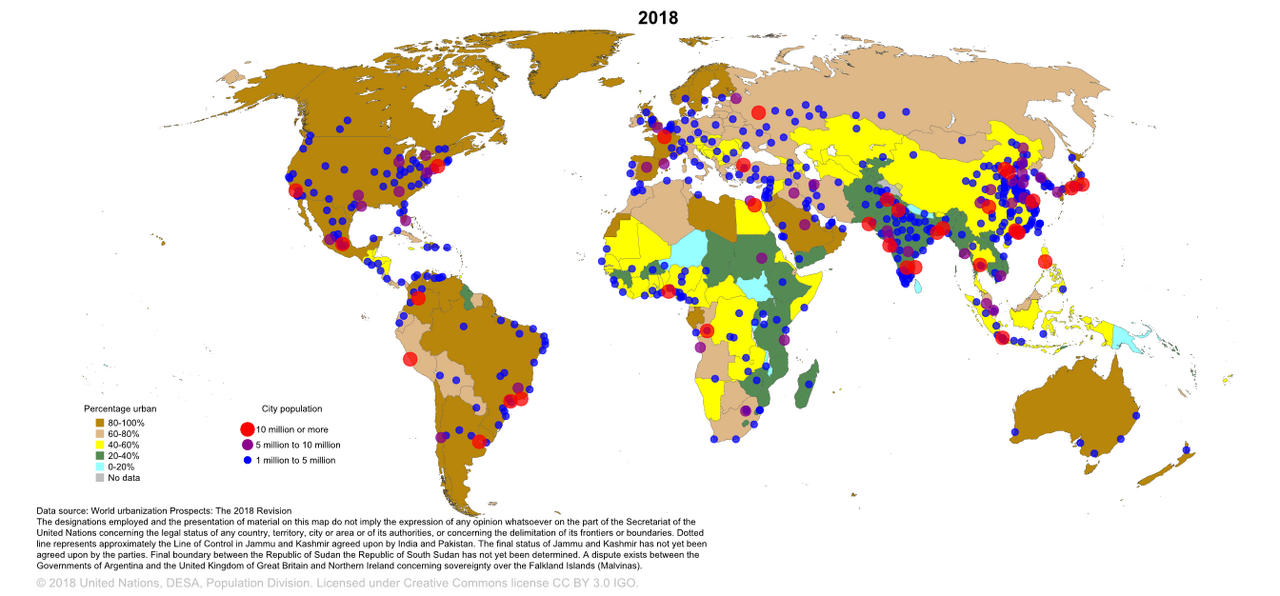
Migration raises it, substantially. First-generation migrants have elevated rates and second-generation rates are often higher still, which is important because it argues against selection effects: the children did not migrate.
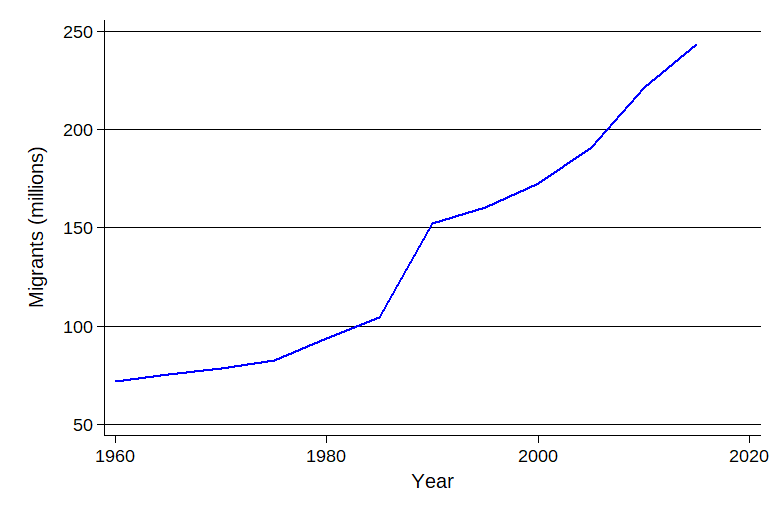
The size of the effect varies with context in a revealing way. Risk is highest for migrants who are visibly different from the surrounding population and lower where they live among others of similar background, the ethnic density effect. It is higher where discrimination is greater.
The migrant finding was initially attributed to misdiagnosis by clinicians of a different background, and to selective migration of vulnerable people. Both were investigated and neither accounts for the pattern.
Jean-Paul Selten and Elizabeth Cantor-Graae proposed social defeat as the common factor in 2005.
Social defeat is defined as a chronic subordinate position or chronic exclusion from the majority group. It is not a single traumatic event but a sustained condition.
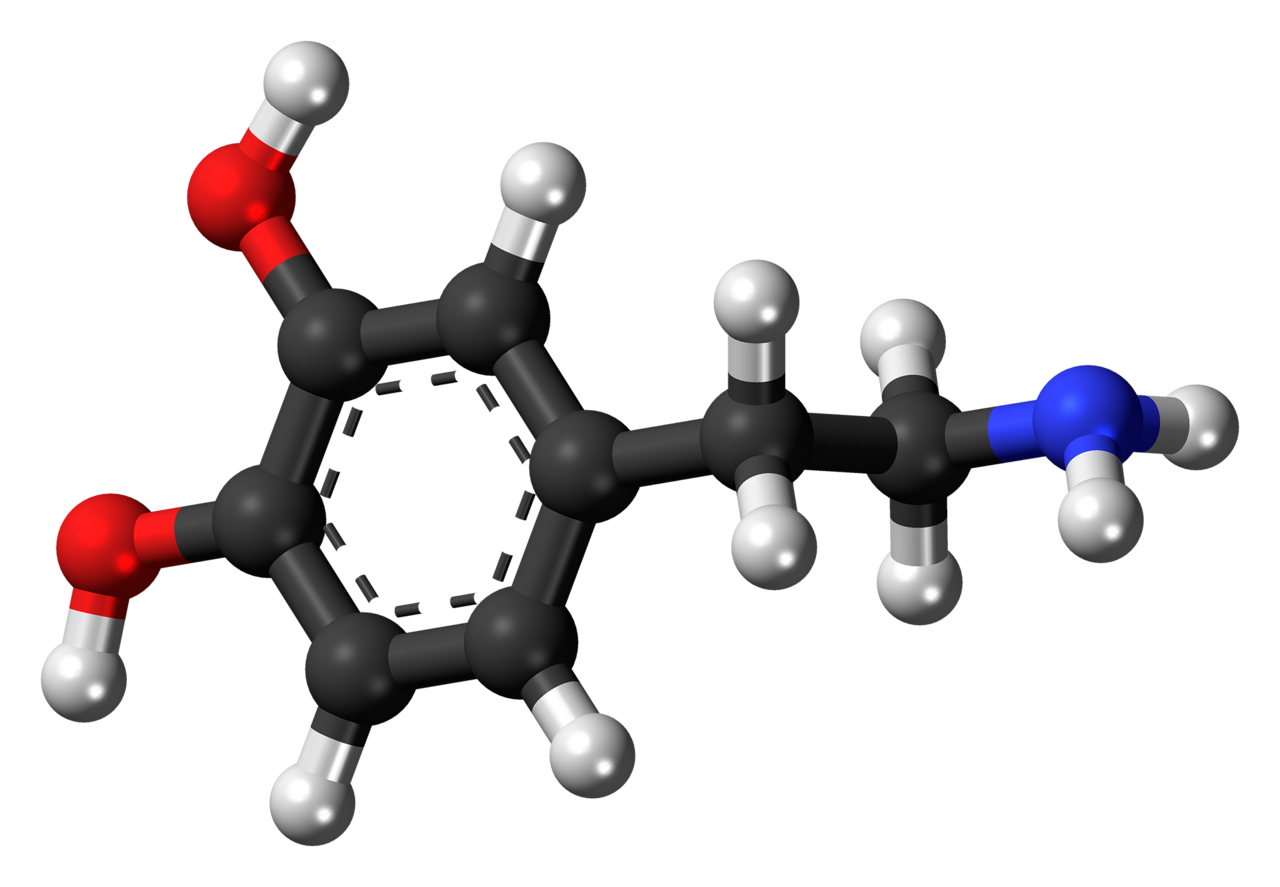
The mechanism proposed is dopaminergic sensitisation. Animal work provides the model: repeatedly subordinating a rodent to a dominant conspecific produces lasting changes in mesolimbic dopamine function, with exaggerated dopamine release to subsequent stressors. Sensitised dopamine signalling is the abnormality most consistently found in psychosis, as the capsule on the dopamine hypothesis sets out.
The hypothesis therefore connects a social exposure to a neurochemical finding through an animal model, which is why it has attracted attention: it offers a mechanism rather than an association.
It also explains why the same factor covers several risks. Urban upbringing, migration, minority status, childhood bullying, hearing impairment and childhood adversity all involve exclusion or subordination, and all are associated with psychosis. Selten argued they are one exposure rather than several.
The construct is broad. Social defeat as defined covers a great deal, and a category that includes urban living, migration, deafness and bullying risks becoming unfalsifiable by absorbing whatever correlates.
Measurement is the practical version of that problem. There is no established instrument for social defeat, so studies use proxies, and different proxies give different results.
Reverse causation is hard to exclude. Psychosis has a long prodromal period, and someone developing it may withdraw socially, perform poorly, and drift into more marginal circumstances years before diagnosis. Some of the exposure may be an early consequence rather than a cause.
The animal model does not transfer cleanly. Rodent social defeat is physical subordination by a conspecific over days or weeks; a person's experience of being a minority over decades is a different thing, and the assumption that the same dopaminergic pathway is engaged is an inference rather than a finding.
Gene-environment interplay complicates it. Polygenic risk for schizophrenia is associated with a small increase in the likelihood of moving to a city, which means part of the urbanicity association may reflect who lives where rather than what living there does.

The epidemiology is solid. Urbanicity, migration, minority status and childhood adversity are all associated with psychosis risk, in large studies across many countries, with dose-response relationships and after adjustment for the obvious confounders.
Dopaminergic sensitisation in psychosis is measured directly by imaging and is not contested.
That psychosis has substantial environmental as well as genetic components is established, and twin studies put heritability high without leaving the environment out.
What is contested is whether social defeat is the mechanism linking them, and whether it is one exposure or a label placed over several.
This is a hypothesis with real social implications, and both over- and under-stating it carry costs.
Overstated, it can be read as attributing mental illness to discrimination in a way that is politically convenient and evidentially premature, and it can imply that individuals experiencing exclusion are damaged by it in a fixed way.
Understated, it licenses continuing to treat psychosis as a purely biological condition arising within individuals, when the epidemiology plainly shows the risk is distributed by social position.
The defensible statement is that the risk factors are real and well measured, that a plausible neurobiological mechanism connects them, and that the connection has not been demonstrated in humans.