The proposal that depression is caused by low serotonin, and that antidepressants work by correcting it. The popular version of this claim is not supported by the evidence. The drugs work better than that failure would suggest, and holding both facts together is the actual state of the field.
The hypothesis was inferred backwards from drugs that happened to work.
In the 1950s, iproniazid, developed for tuberculosis, was noticed to elevate mood, and imipramine, developed as an antipsychotic, was found to relieve depression. Both were later shown to raise levels of monoamine neurotransmitters, serotonin among them. Reserpine, used for hypertension, depleted monoamines and was reported to cause depression in some patients.
From these observations came the monoamine hypothesis, stated by Joseph Schildkraut in 1965: depression results from a deficiency of monoamines, and antidepressants correct it.
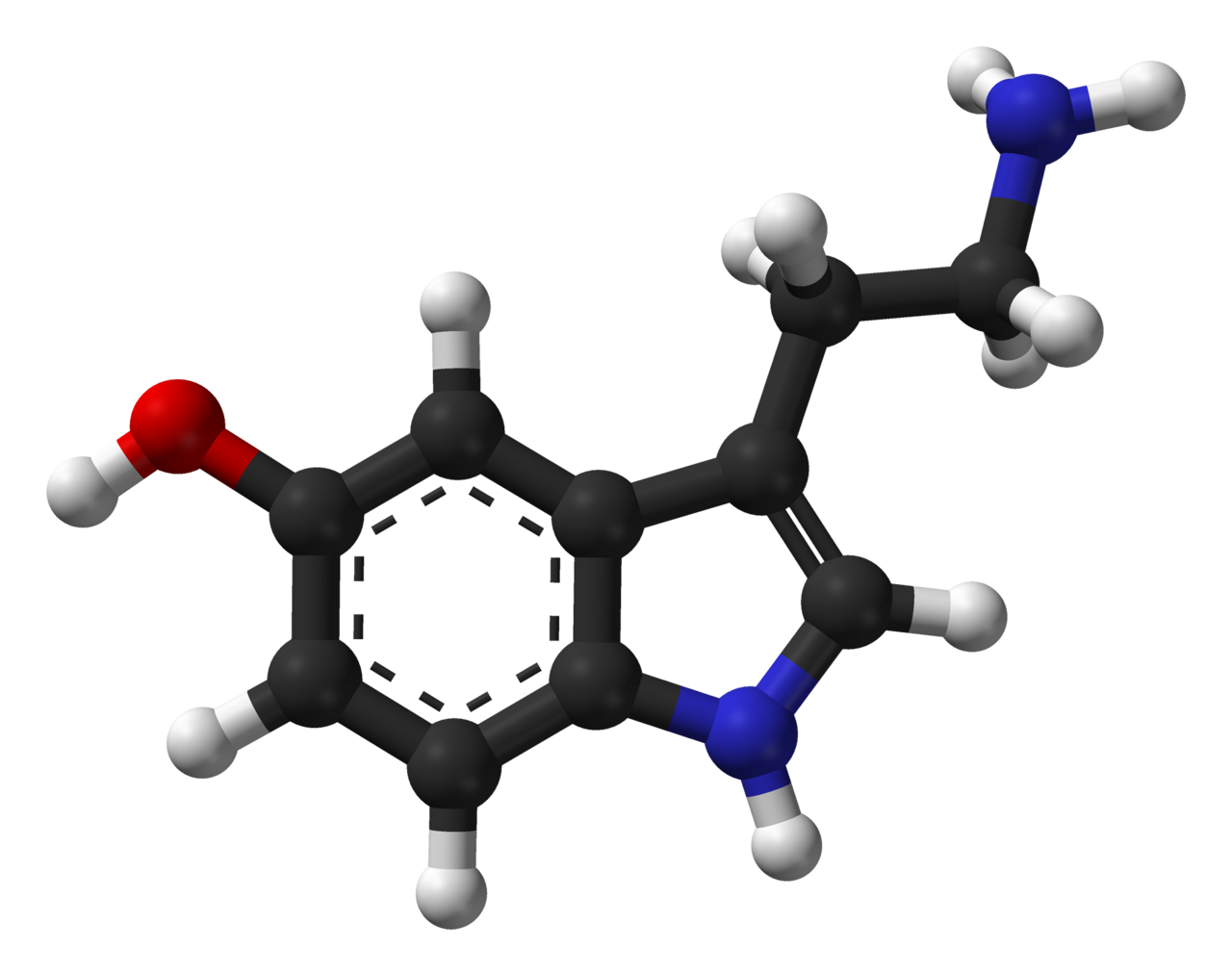
The reasoning is worth noticing. Aspirin relieves headache, and headache is not caused by insufficient aspirin. Working backwards from a drug's mechanism to a disease's cause is a known error, and this is one of the clearest examples of it in modern medicine.
Fluoxetine was approved in 1987, followed by other selective serotonin reuptake inhibitors, and the chemical imbalance explanation was central to how they were presented.
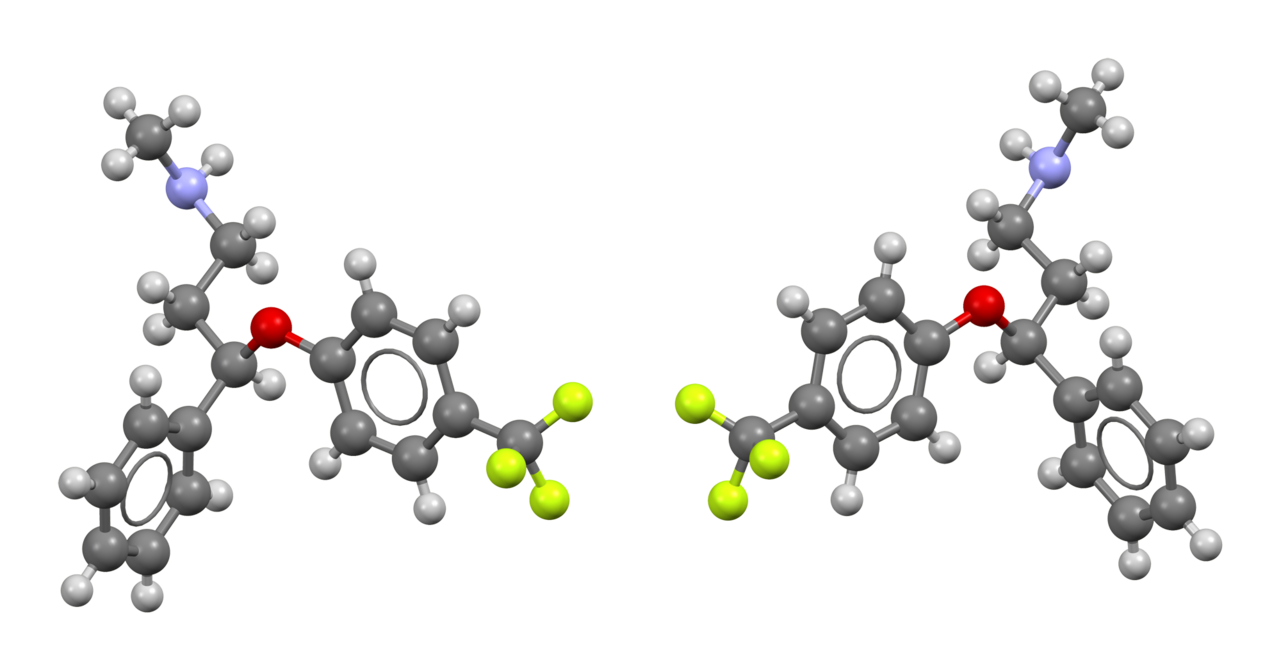
Pharmaceutical advertising, particularly direct-to-consumer advertising in the United States, described depression as a serotonin imbalance the drug corrected. The framing was adopted widely by clinicians because it was simple, because it reduced blame, and because patients found it easier to accept than accounts implicating their circumstances or character.
The confidence of the public claim always exceeded the confidence of the literature. Researchers had been noting difficulties with the hypothesis since the 1970s.
A 2022 umbrella review by Joanna Moncrieff and colleagues in Molecular Psychiatry examined the main lines of evidence and reported that none supported the deficiency claim.
Serotonin metabolite levels do not reliably differ between depressed and non-depressed people. Studies of serotonin receptors and the serotonin transporter have produced inconsistent results. Tryptophan depletion, which lowers serotonin experimentally, does not reliably induce depression in people without a history of it. Genetic studies have not found variants in serotonin genes associated with depression, and the once widely reported interaction between a serotonin transporter variant and life stress failed to replicate in large samples.
The review was widely reported as proving antidepressants do not work, which it did not claim and which does not follow. It was also criticised methodologically, for combining heterogeneous evidence and for treating a simple version of the hypothesis as the one being tested.
The pharmacological timing problem is older and simpler. SSRIs raise synaptic serotonin within hours. Clinical benefit takes weeks. Whatever produces the benefit is therefore downstream of the serotonin change rather than being it.
Antidepressants outperform placebo in randomised trials. The largest analysis, by Andrea Cipriani and colleagues in the Lancet in 2018, covered 522 trials and around 116,000 participants and found all 21 drugs examined more effective than placebo.
The effect size is modest, and its interpretation is argued. The average difference on standard rating scales is smaller than what is generally considered clinically noticeable, although averages conceal a distribution in which some patients improve substantially. The benefit is larger in severe depression than mild. Placebo response in depression trials is unusually high, which compresses measured differences.
None of this depends on the serotonin account being correct. A drug can work without its proposed mechanism being the operative one, which is common in medicine.
Current accounts locate the action further downstream.
Neuroplasticity is the leading direction. Antidepressants increase brain-derived neurotrophic factor and promote the growth of new connections, particularly in the hippocampus, on a timescale of weeks that matches the clinical response. Chronic stress does the reverse.
Ketamine's rapid effect, within hours, works through glutamate rather than serotonin and has redirected a great deal of research toward that system.
Inflammation is implicated in a subset of patients, with elevated inflammatory markers predicting poorer response to conventional antidepressants.
And there is a serious possibility that depression is not one condition. If the diagnostic category covers several distinct processes, no single neurochemical account will fit it, and the search for one is the error.
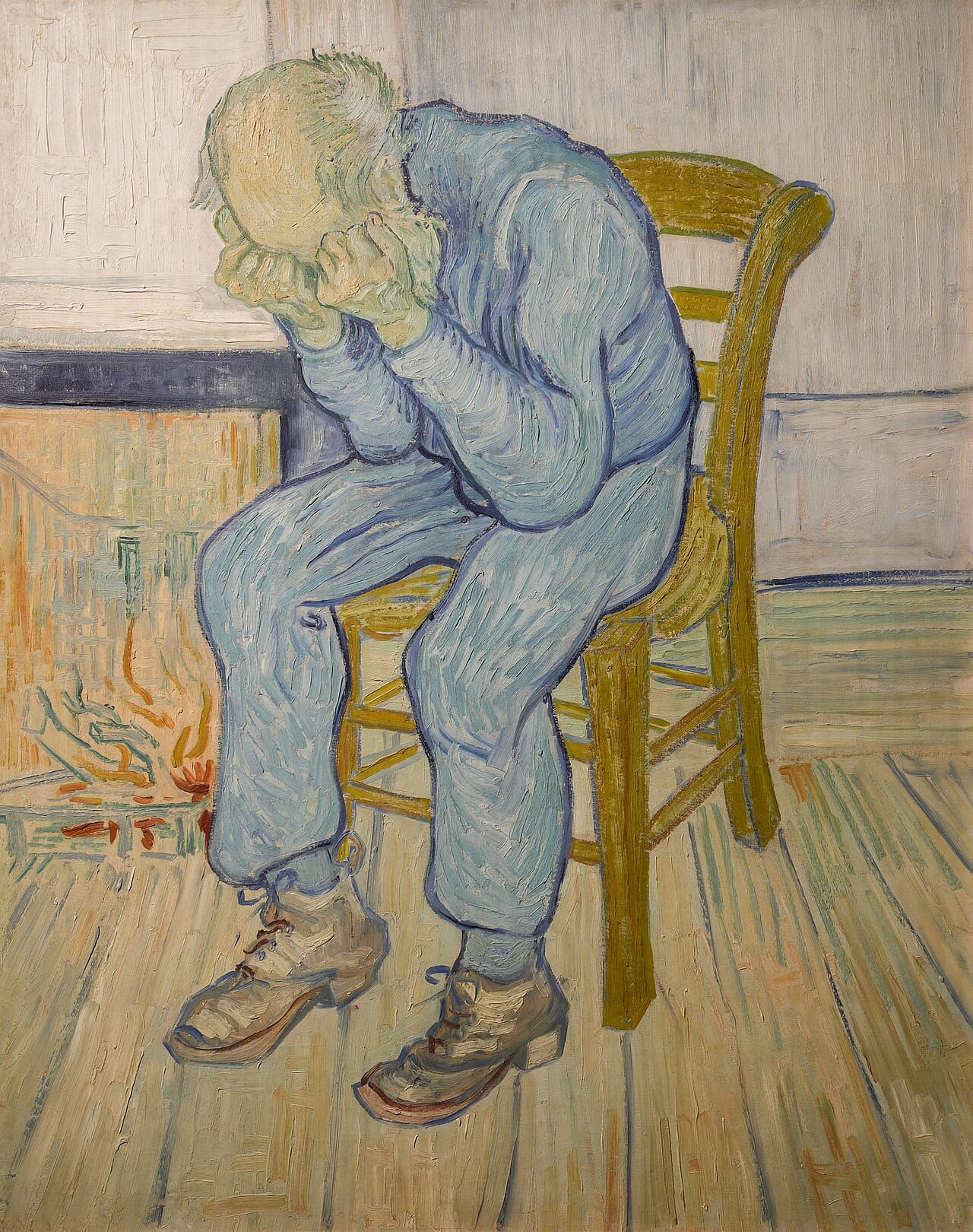
Not DEBUNKED, and the distinction is deliberate.
The simple chemical imbalance claim, as marketed and as taught to patients, is not supported and should not be repeated. Serotonin is nonetheless involved in mood regulation, drugs acting on it help people, and the system is not irrelevant. What has failed is a specific and simplified causal story, not the whole line of inquiry.
The practical consequence matters. Patients told they have a chemical imbalance and later told this was untrue may reasonably conclude they were misled about the treatment as well, and some stop taking medication that was helping them. The accurate statement is harder and worth making: the drugs help many people, the reason is not fully understood, and the explanation given for thirty years was more confident than the evidence ever was.