San Marino is a tiny landlocked country surrounded entirely by Italy, perched on and around the slopes of Monte Titano near the Adriatic coast. It claims the distinction of being the oldest surviving republic in the world, tracing its foundation to the early fourth century, and it has clung to its independence through more than seventeen centuries while empires and kingdoms rose and fell around it. A microstate of medieval towers, steep streets, and proud traditions, it lives today on tourism, finance, and the sale of its famous postage stamps and coins.
San Marino's history is a single, astonishing feat: the survival of one small mountain republic, independent and self-governing, through seventeen centuries in which every other state around it rose, conquered, and fell.
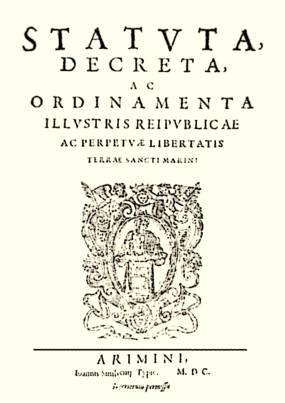
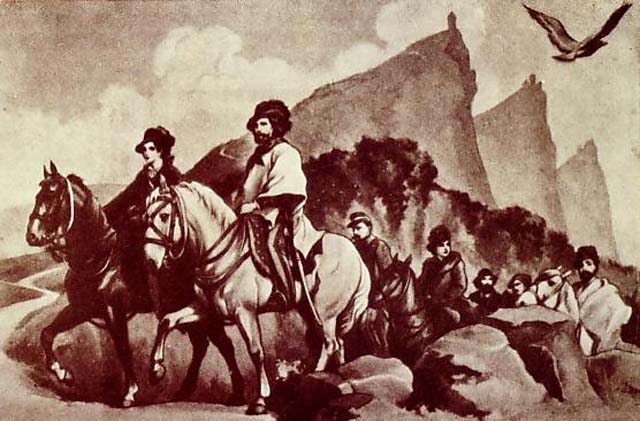
From its early medieval origins the little community on Monte Titano governed itself as a commune and then a republic, codifying its self-rule in written statutes, those of 1600 among the oldest constitutional documents still in force anywhere. Protected by its mountain and by a careful, unthreatening neutrality, it slipped through the wars of the Italian Middle Ages and the Renaissance, and, most remarkably, survived the unification of Italy in the nineteenth century that swallowed every other small state on the peninsula. It famously sheltered the revolutionary Giuseppe Garibaldi when he was hunted by his enemies in 1849, and the grateful new Italy left its tiny neighbour's independence intact.
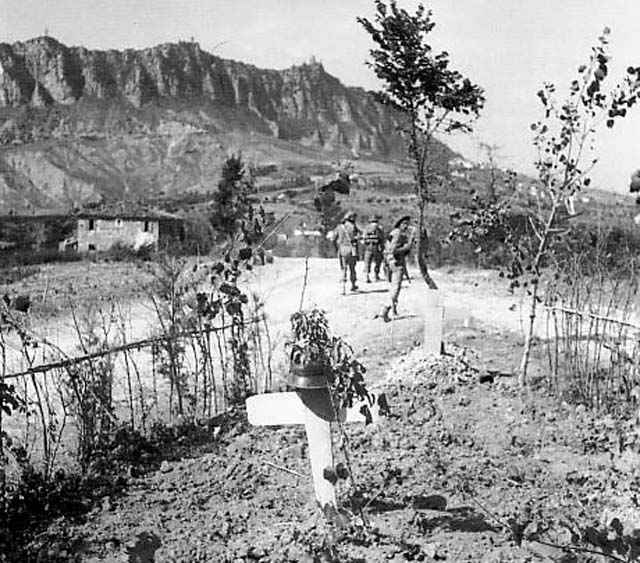
San Marino kept out of the great conflicts of the twentieth century as far as it could, and during the Second World War it took in tens of thousands of refugees, an enormous number relative to its size. It could not escape entirely: in 1944 the war reached Monte Titano itself in a brief battle as Allied forces pushed the Germans back, after which the republic returned to its long peace.
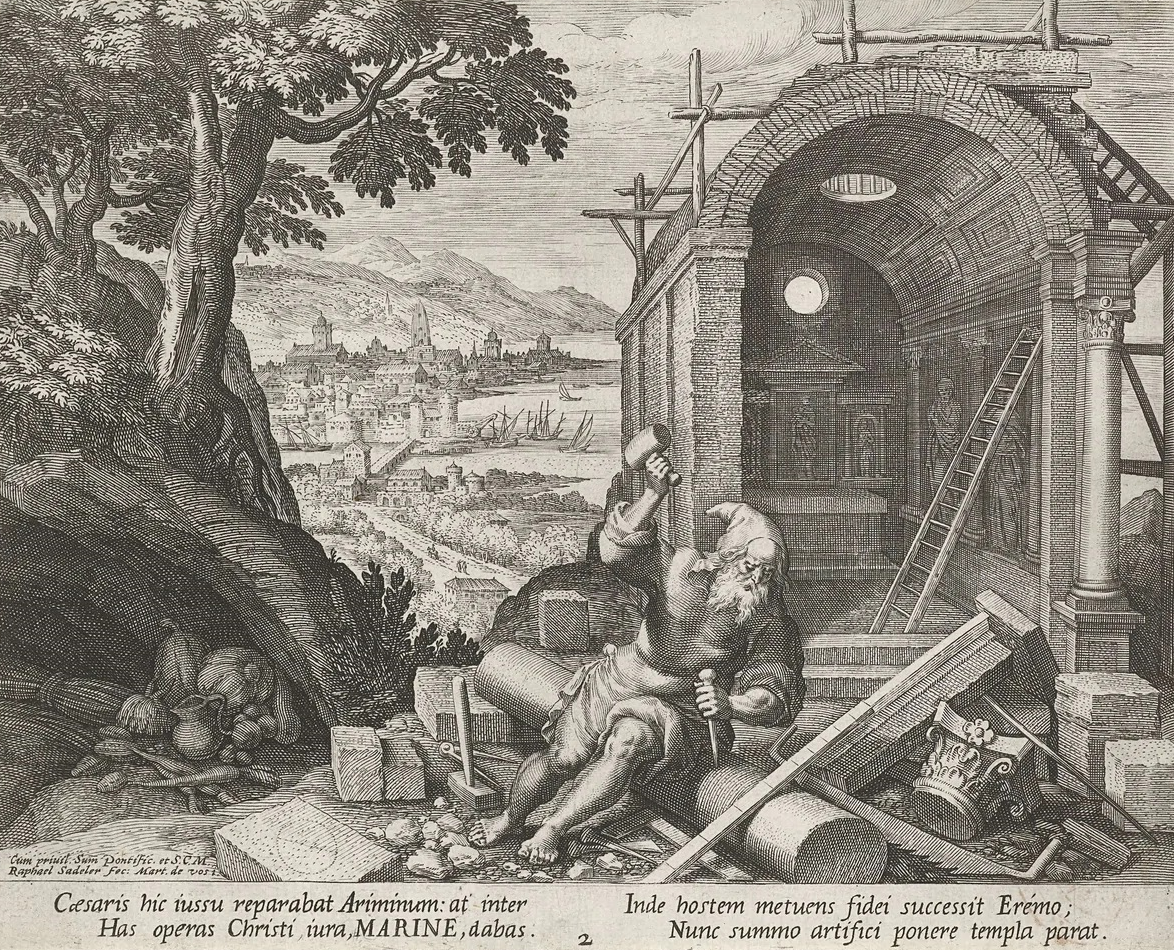
Tradition holds that San Marino was founded in the year 301 by a Christian stonemason named Marinus, from the Dalmatian island of Rab, who fled the persecutions of the Emperor Diocletian and established a monastic community on Monte Titano, from which the republic takes its name and its founding date. The story is cherished as the root of the world's oldest republic, and Marinus is honoured as its patron saint. As with most such foundation tales, the precise date and details belong to later tradition rather than to documented history, though the community's great antiquity, and its unbroken independence from the Middle Ages onward, are very real.
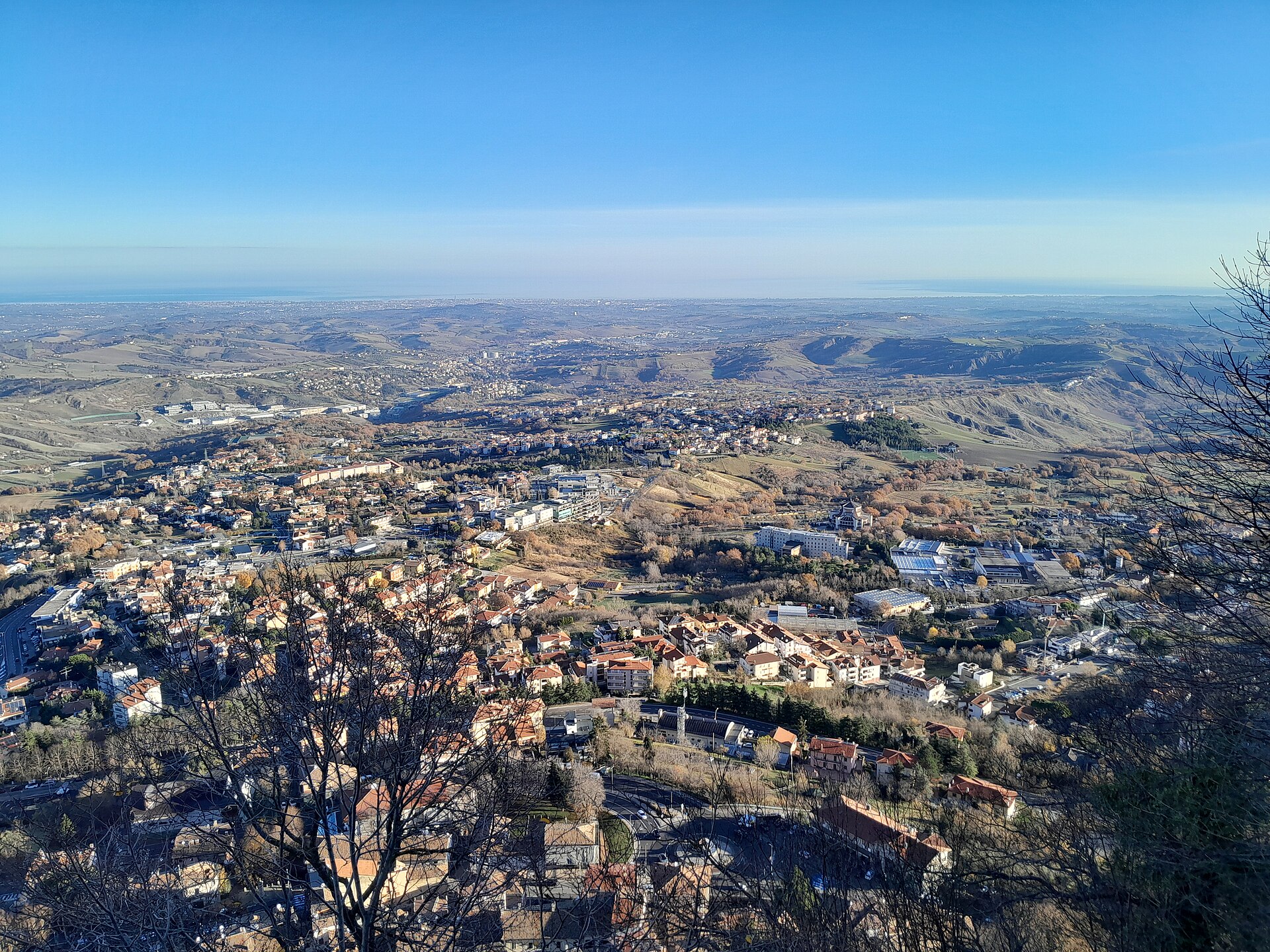
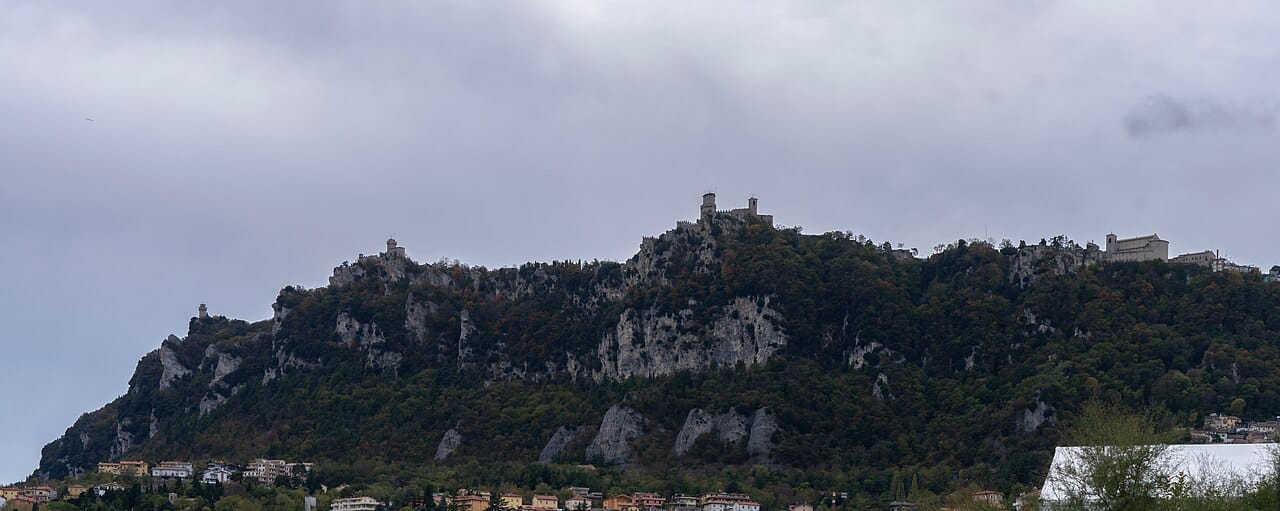
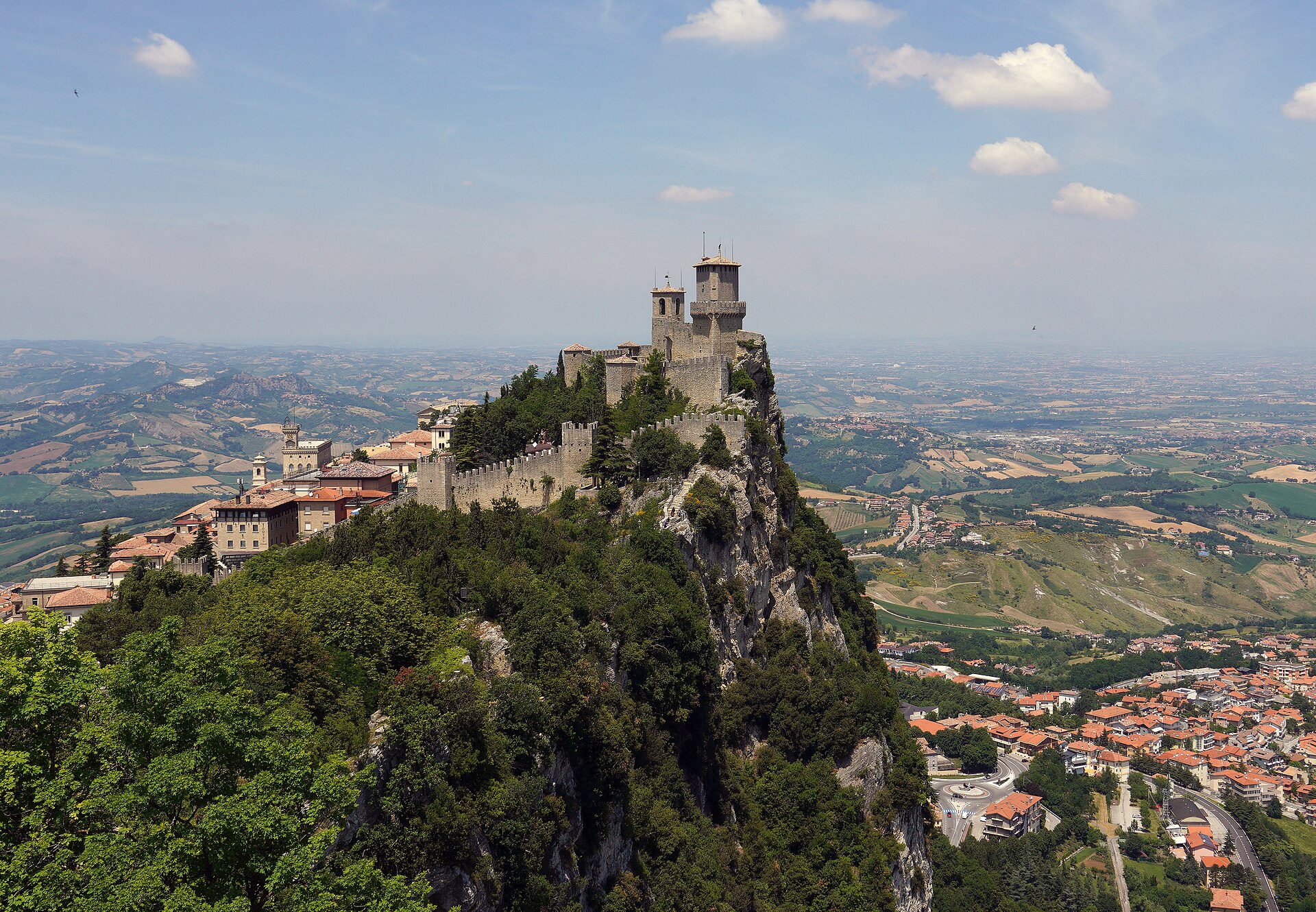
San Marino is a very small country dominated by the rugged limestone ridge of Monte Titano, which rises sharply from the surrounding Italian countryside near the Adriatic Sea. The historic capital clings to the upper slopes and summit of the mountain, crowned by three medieval towers that are the emblem of the nation, while the rest of the territory spreads over the surrounding hills and valleys. The elevated position gives sweeping views across the Romagna region to the sea, and the dramatic mountain setting has defined both the country's defence and its identity.
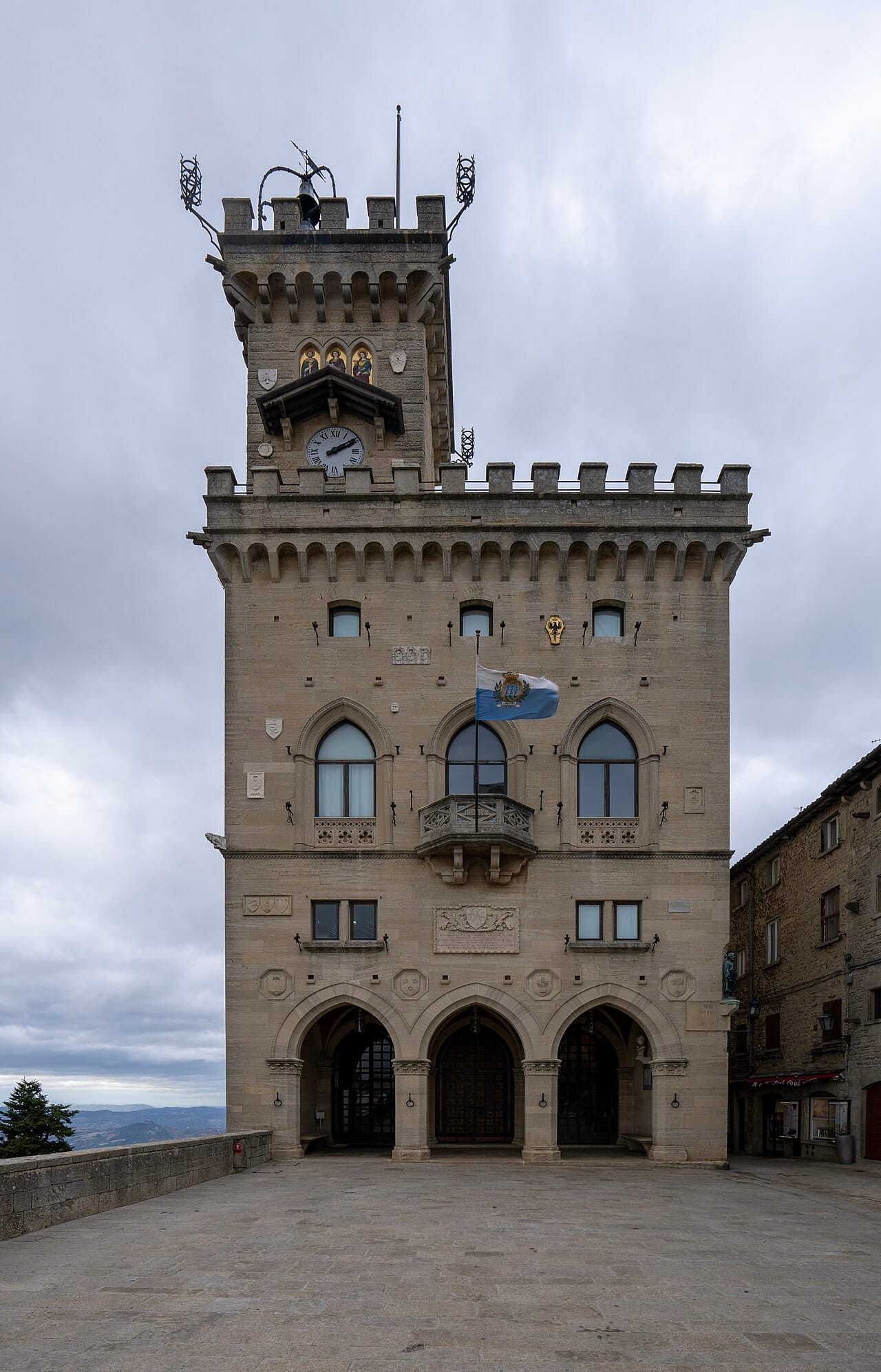
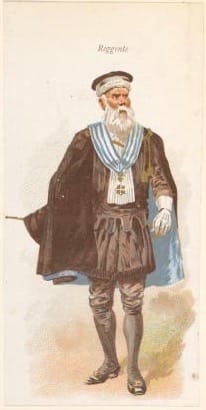
San Marino is a parliamentary republic with a form of government as ancient and distinctive as the country itself. It is led not by one head of state but by two, the Captains Regent, who serve jointly for a term of only six months, elected by the parliament and traditionally chosen from opposing parties, an arrangement that echoes the consuls of ancient Rome and guards against any one person accumulating power. Real day-to-day government is run by a cabinet and the elected Grand and General Council. For its size the little republic has a lively politics, and it was notable in the twentieth century for electing, in 1945, one of the first democratically chosen communist-led governments in the Western world.
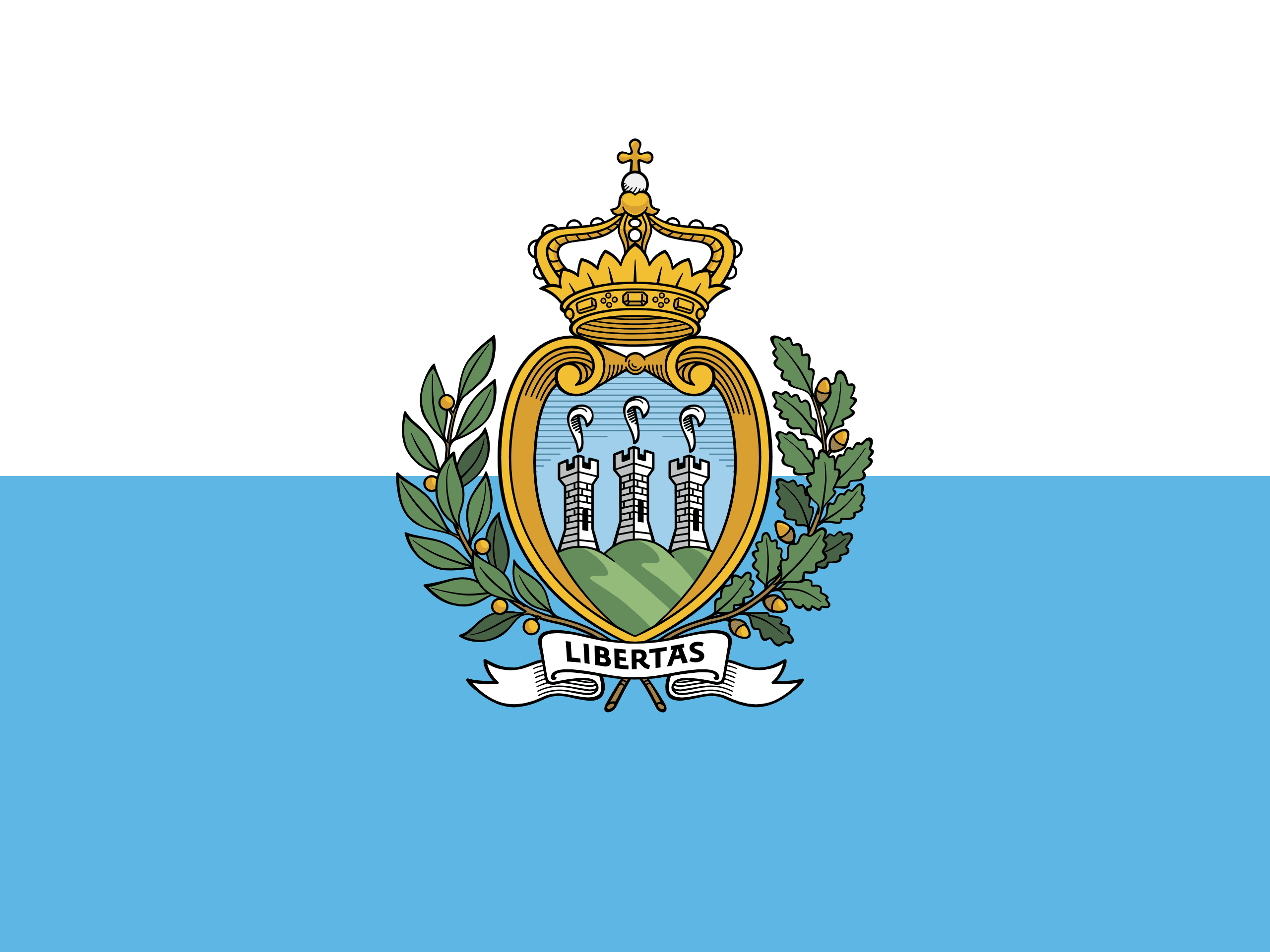
The flag of San Marino has two horizontal bands of white over light blue, with the national coat of arms in the centre. The white is said to represent the snow of Monte Titano and peace, and the blue the sky and liberty. The coat of arms depicts the three towers that stand on the peaks of Monte Titano, each topped with a feather, encircled by a wreath and crowned, beneath a scroll bearing the word Libertas, liberty, the proud watchword of the world's oldest republic.
San Marino is an overwhelmingly Roman Catholic country, a faith bound up with its very origins in the legend of the devout stonemason Marinus, and Catholicism is deeply woven into the culture, the festivals, and the historic churches of the little state. The patron saint's day is a major national occasion, and the Church remains an important presence in Sammarinese life. While the republic guarantees religious freedom and is home to small numbers of other faiths, its identity and traditions are profoundly shaped by its long and continuous Catholic heritage.
The cuisine of San Marino is essentially that of the surrounding Italian region of Romagna and the neighbouring Marche, rich in pasta, meat, and local produce. Filled and baked pasta dishes, roasted meats, and hearty country cooking feature strongly, and the republic has its own celebrated specialities, above all the torta tre monti, a layered wafer-and-chocolate cake named for the three towers and peaks of Monte Titano. Local wines and liqueurs accompany the food, which, like so much of Sammarinese life, blends the country's own traditions with those of the Italy that envelops it.
Agriculture, once the mainstay of the small mountain republic, still occupies a place in San Marino, with the hills and valleys around Monte Titano given over to vineyards, olive groves, orchards, and the growing of wheat and other crops, along with the raising of livestock. The country produces its own wine and cheese. Farming, however, now contributes only a small share of the economy, which depends chiefly on tourism drawn by the historic towers and the novelty of the ancient microstate, on banking and finance, and on the sale of stamps and coins.
San Marino's whole identity rests on a single, extraordinary boast: that it is the oldest surviving republic on Earth, a sovereign state that has governed itself continuously since the Middle Ages, outlasting the Roman Empire that came before it and every kingdom and republic that rose and fell around it since. The proof is written across its skyline in the three medieval towers that crown Monte Titano and appear on its flag and coat of arms beneath the proud watchword Libertas, liberty. That heritage is also the country's living: millions of visitors climb the mountain each year for its towers, its views, and the novelty of the ancient microstate, and the republic funds itself further through banking, and through the sale of the distinctive postage stamps and coins that collectors prize the world over.
San Marino has a population of only around 34,000 people, almost all of them Sammarinese, an Italian people with their own strong sense of national identity, along with a number of Italian and other residents. The language is Italian, spoken in a local dialect. The population is spread among the capital, the City of San Marino, on its mountain, and a handful of villages and the larger town of Dogana on the plain below. Closely tied to Italy in language, culture, and economy, the Sammarinese nonetheless cherish their independence as citizens of the world's oldest republic.