Monaco is a tiny sovereign city-state on the Mediterranean coast of the French Riviera, surrounded on land by France. The second smallest country in the world after the Vatican, and the most densely populated, it is a glamorous principality ruled by the ancient Grimaldi dynasty and synonymous with wealth, luxury, and high society. Famous for its casino at Monte Carlo, its harbour full of yachts, and its Formula One Grand Prix run through the streets, Monaco draws the rich of the world with its glittering setting and its celebrated absence of income tax.
Monaco's history is the story of a single family, the Grimaldi, one of the oldest ruling dynasties on Earth, and of how their rocky stronghold became the most glamorous small state in the world.
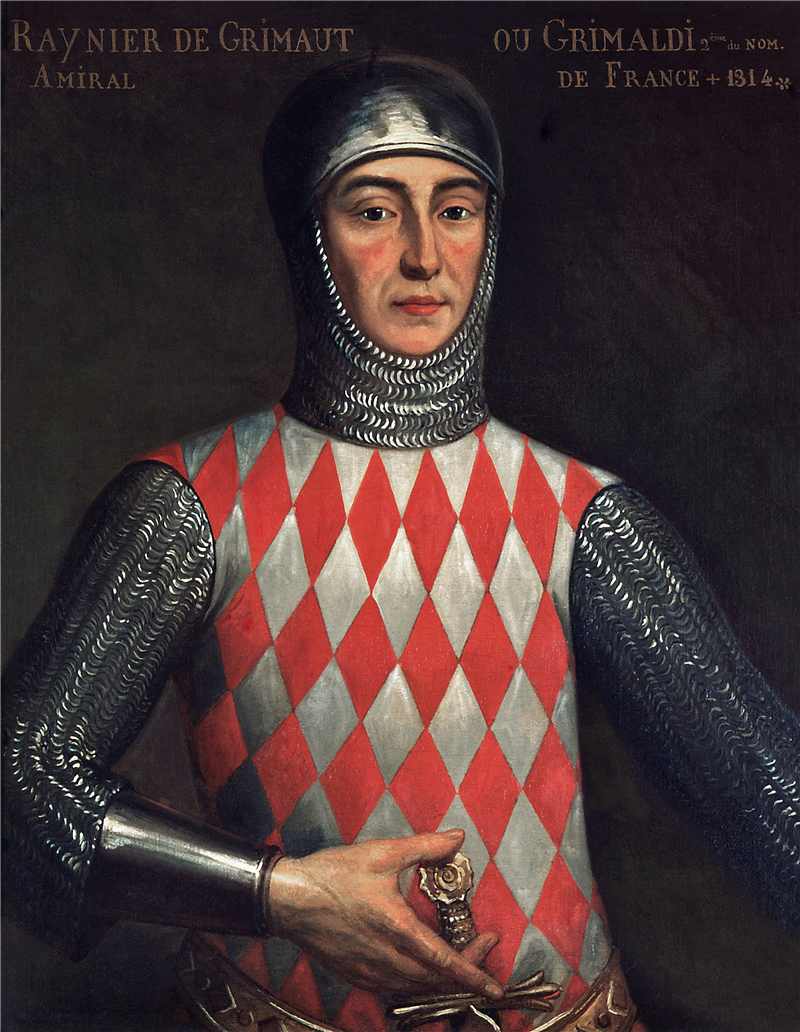
In 1297 a Grimaldi seized the fortress on the rock of Monaco, famously by a trick, gaining entry disguised as a monk before drawing his sword, an exploit still recalled in the two sword-wielding monks on the national coat of arms. The family has held the rock, with interruptions, for more than seven centuries since, one of the longest-reigning dynasties in the world, surviving by sheltering under the protection of more powerful neighbours, above all France and Spain.
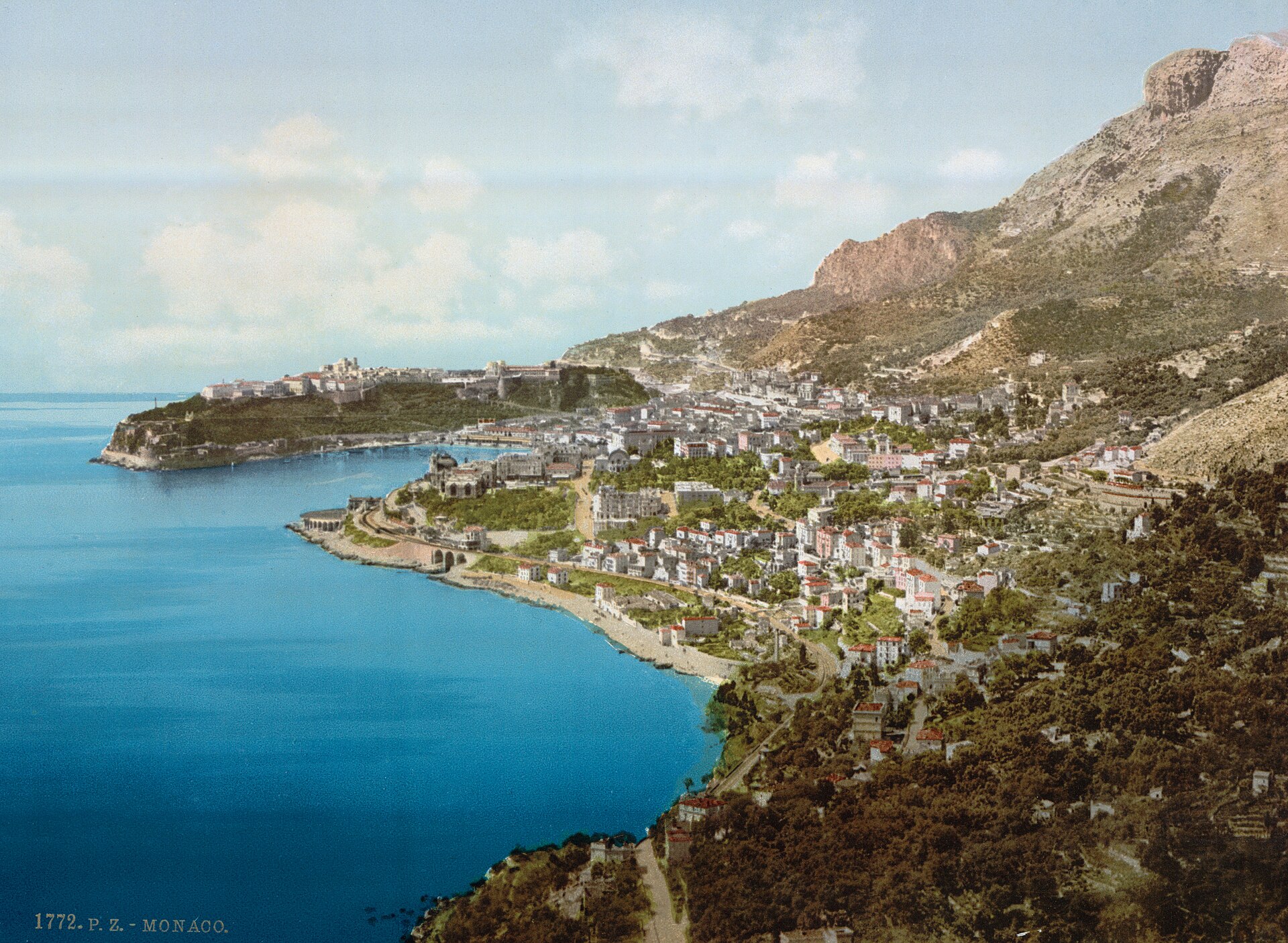
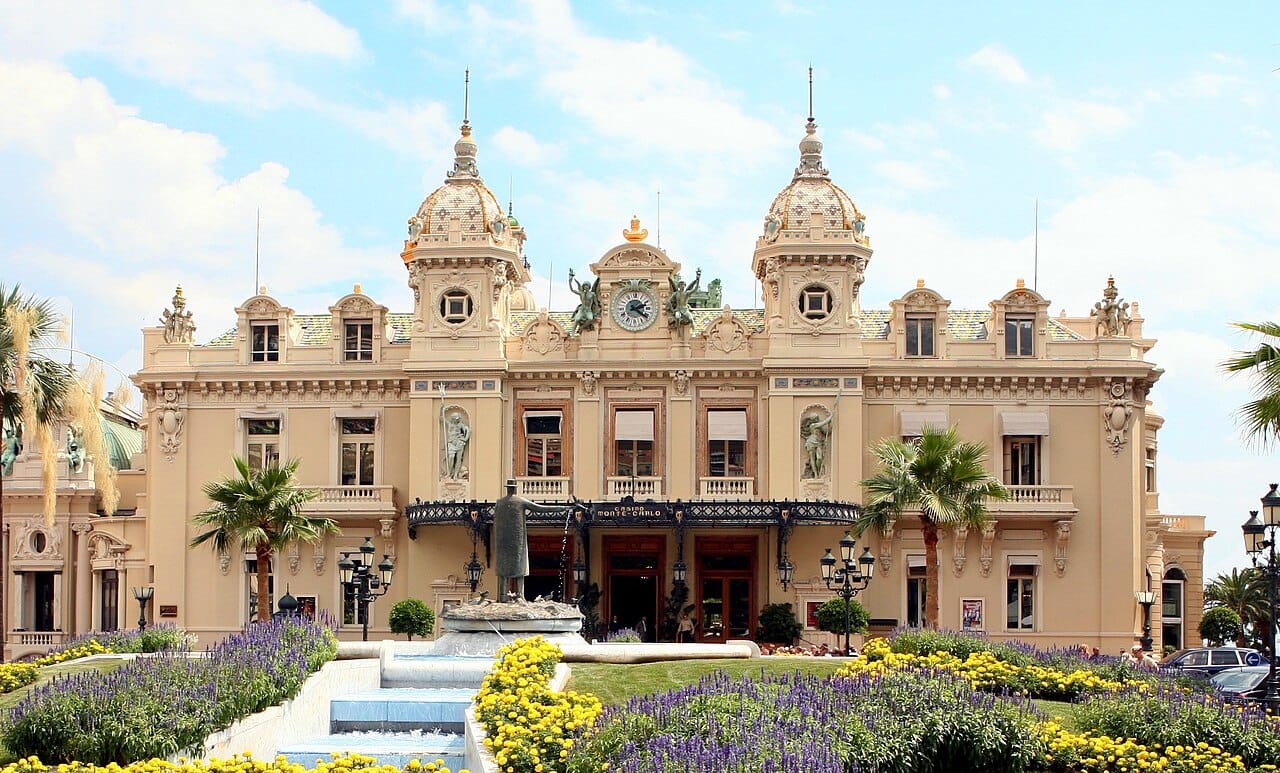
In the nineteenth century Monaco lost most of its territory, keeping only the rock and its immediate surroundings, but secured a guarantee of its survival from France. To rescue its finances, the ruling prince opened a casino in a district named Monte Carlo, and its spectacular success, followed by the abolition of income tax, transformed the little state into a byword for gambling, luxury, and the leisure of the very rich.
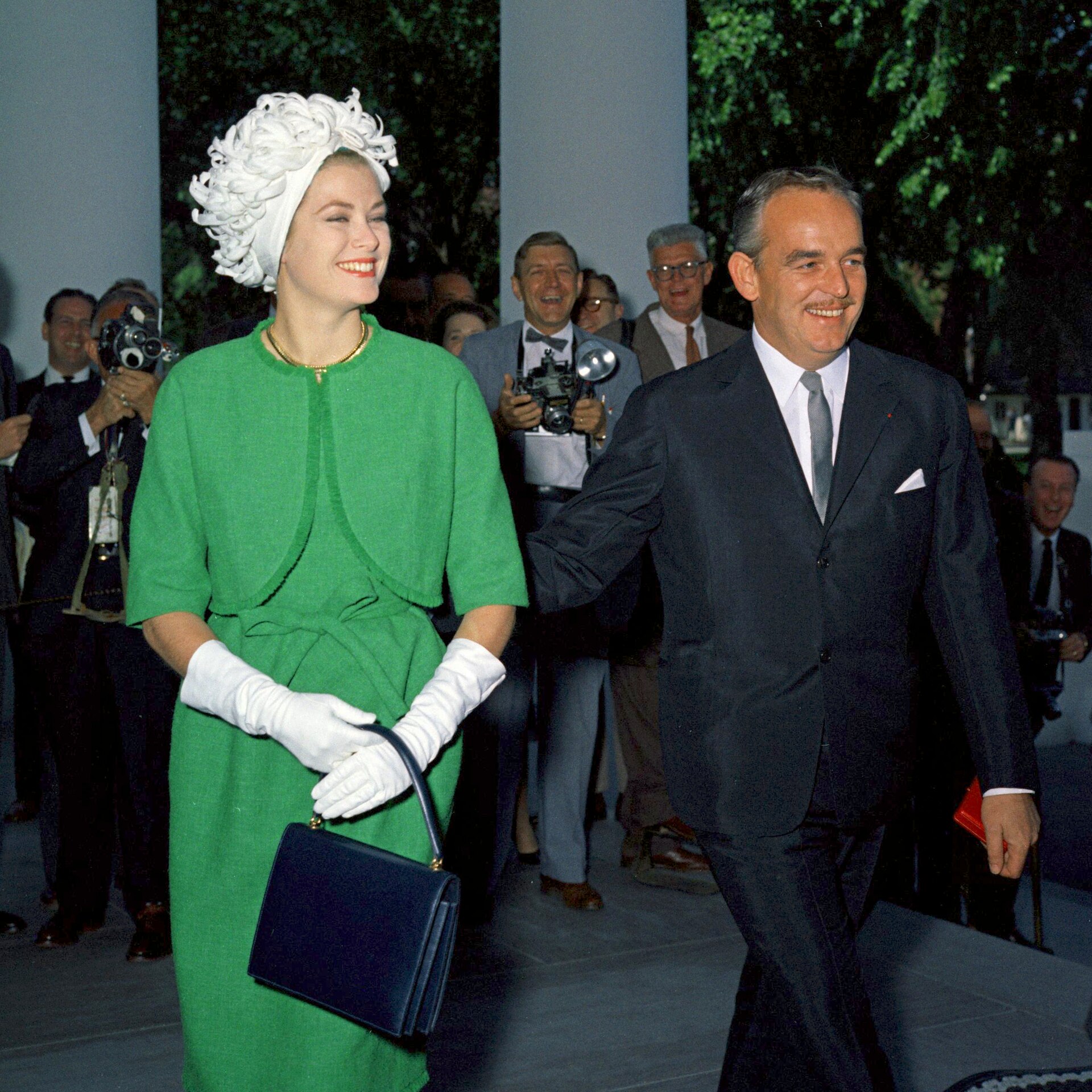
The twentieth century sealed Monaco's fame. In 1956 the reigning prince, Rainier the Third, married the Hollywood star Grace Kelly, a fairytale union that captivated the world and gave the principality a glamour it has never lost, even after it ended in tragedy with her death in a car accident. Under Rainier and his son Albert the Second, Monaco has grown ever more prosperous and built out into the sea, cementing its place as a haven of the wealthy.
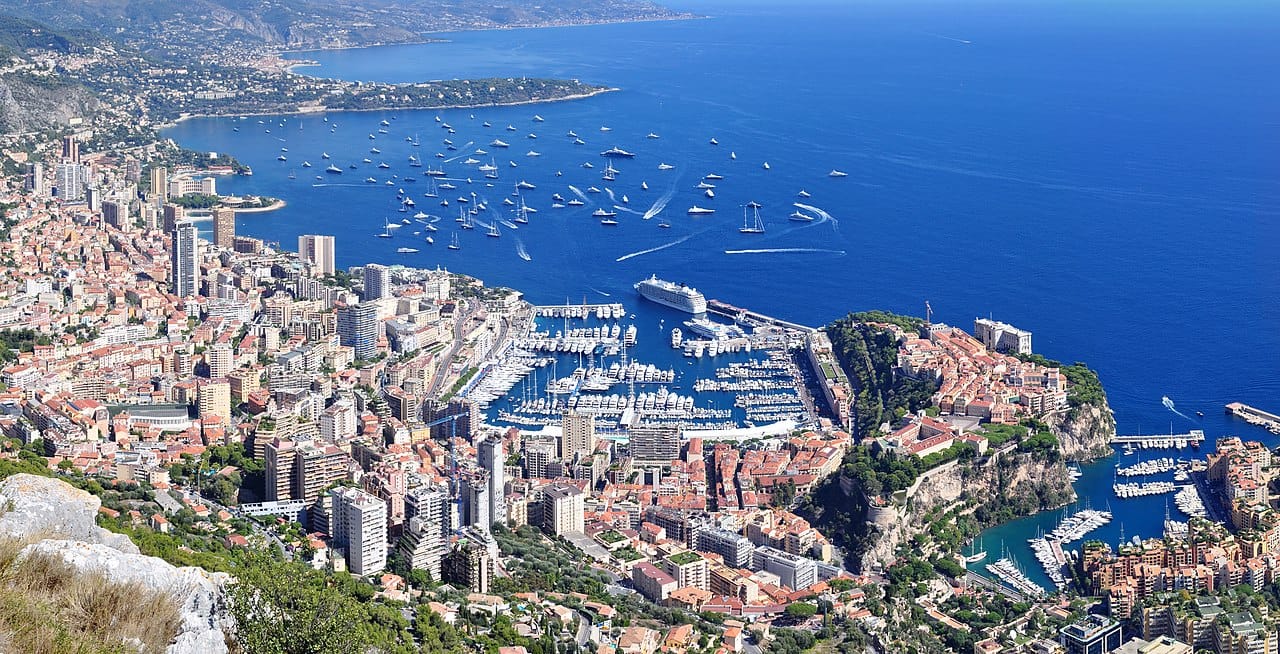
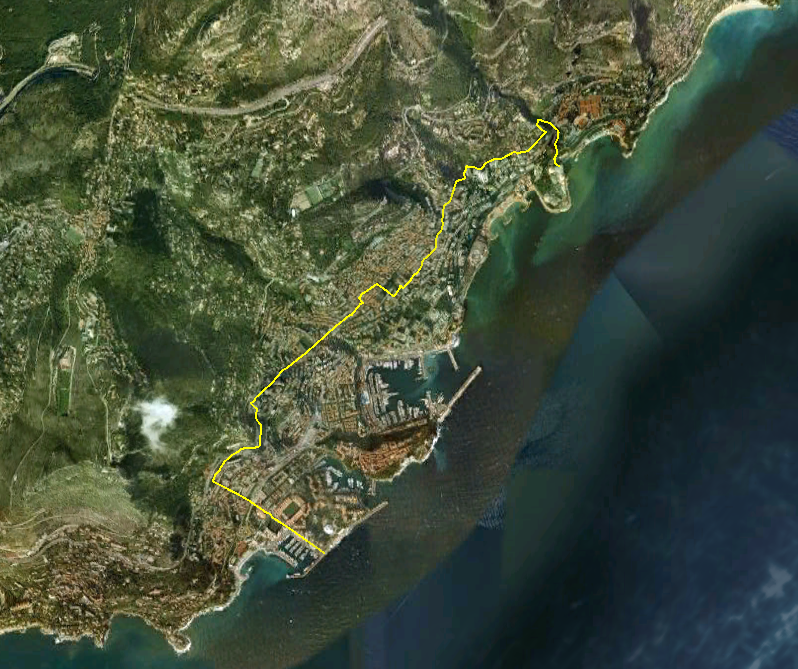
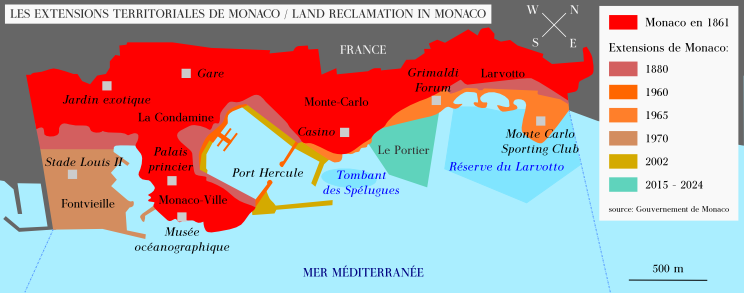
Monaco is a minuscule strip of land on the Mediterranean coast, hemmed between the sea and the steep, dramatic slopes of the Maritime Alps that rise immediately behind it. With almost no level ground, the principality is intensely built up, its tall buildings stacked on the hillsides and crowded around its harbour, and it has repeatedly expanded by reclaiming land from the sea to make room for more. The result is one of the most densely packed and developed pieces of land on Earth, a vertical city-state of terraces, tunnels, and a famous deep-water port.
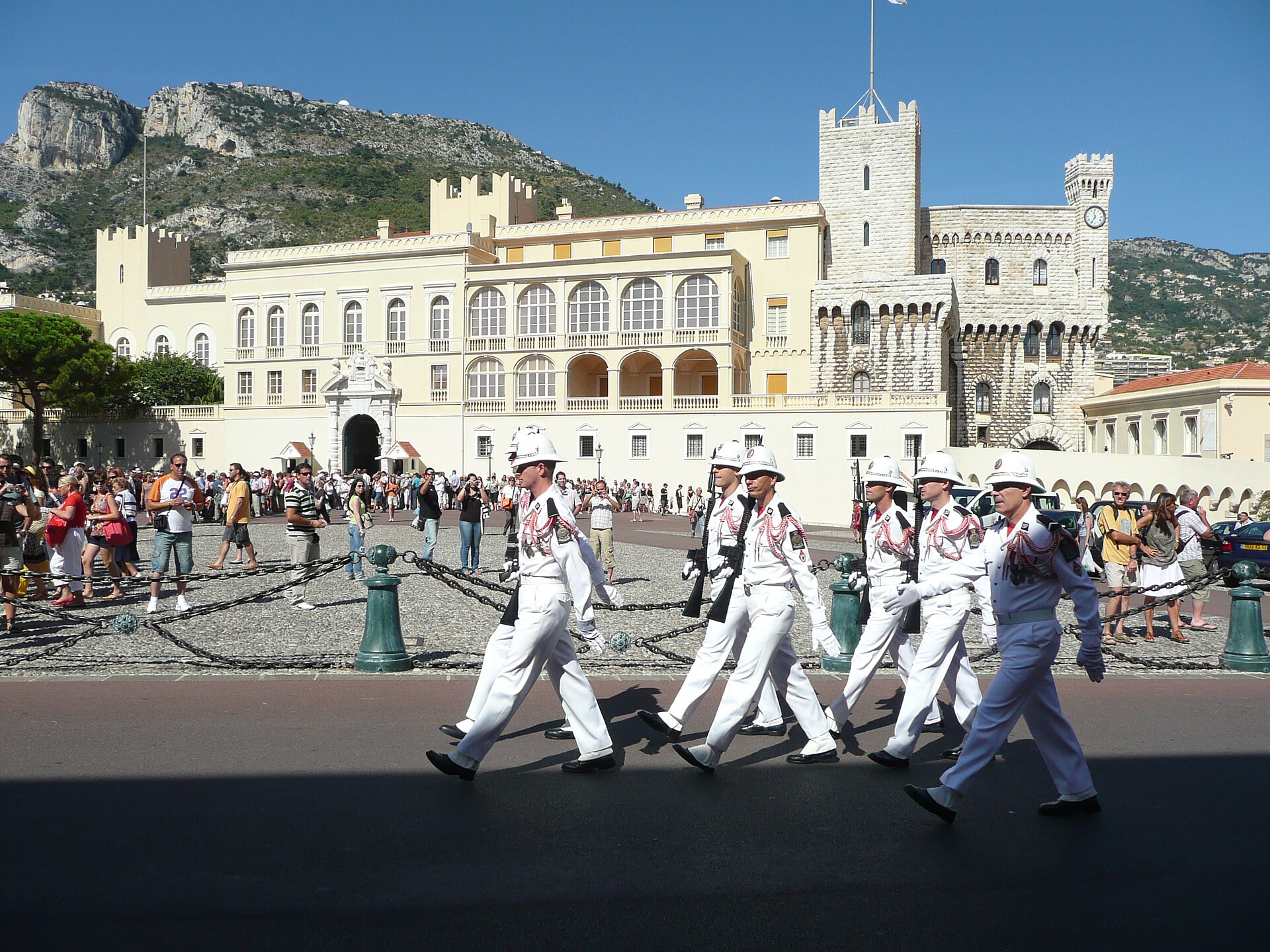
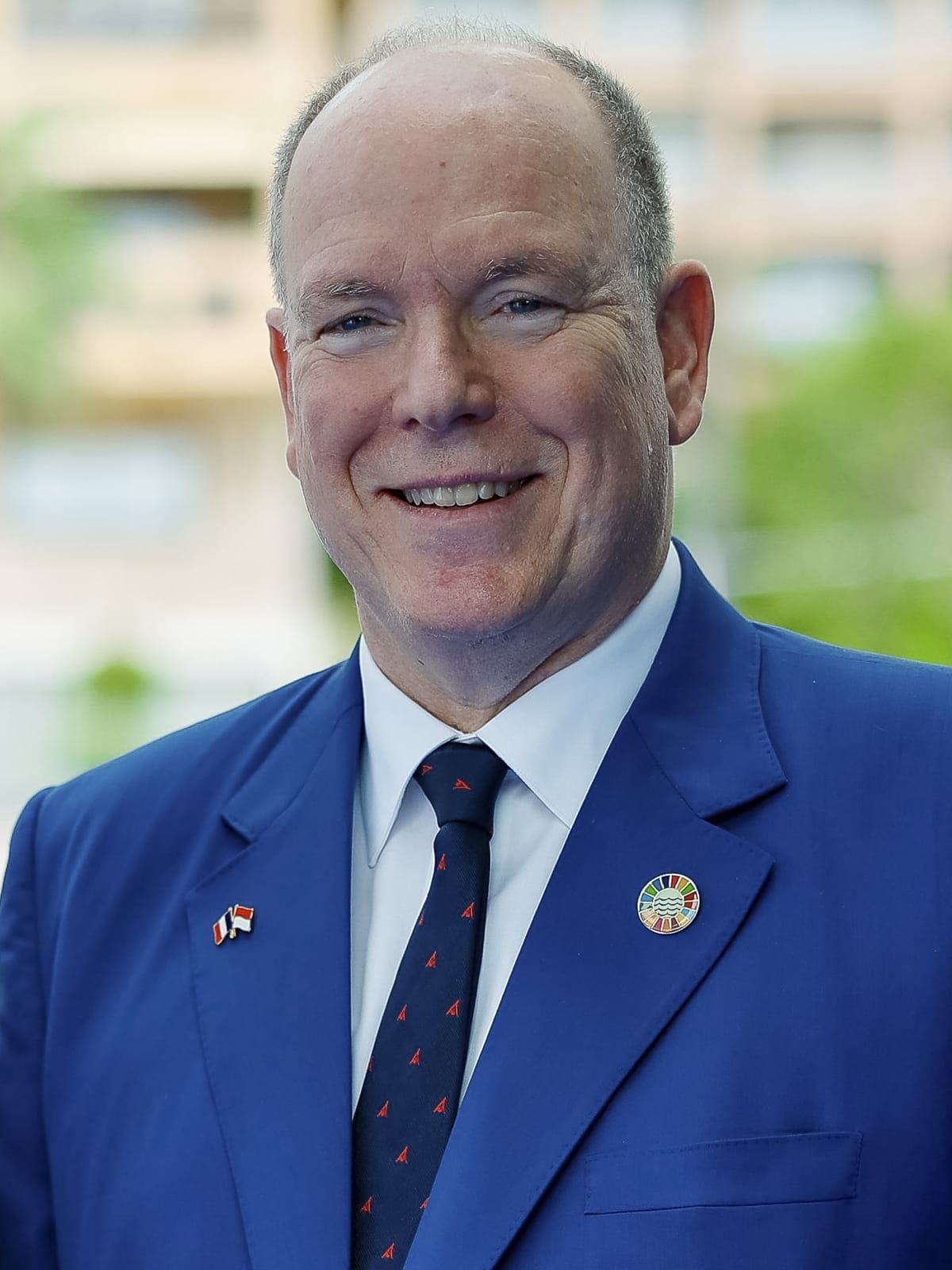
Monaco is a hereditary constitutional monarchy, ruled by the Prince of Monaco, since 2005 Prince Albert the Second of the House of Grimaldi. Unusually for a modern European monarch, the prince retains real power: he appoints the head of government, the Minister of State, traditionally a senior French official, and shares law-making with an elected National Council whose powers are limited. Monaco is closely bound to France, which handles much of its defence and with which it forms a customs union, yet it remains fully sovereign. Its government is defined above all by the model that sustains it, a tax haven that levies no income tax on its residents, drawing the wealthy of the world to a principality where the ruling family, the state, and high finance are tightly interwoven.

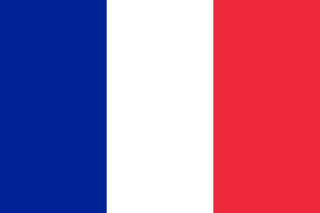
The flag of Monaco has two horizontal bands of red over white, the heraldic colours of the ruling House of Grimaldi, derived from the family's ancient coat of arms. The simple, bold design is one of the oldest national flags in continuous use. It is, however, virtually identical to the flag of Indonesia, which differs only in its proportions, a coincidence between two nations on opposite sides of the world, each flying red over white as an emblem of a heritage entirely its own.
Monaco is a Roman Catholic country, and Catholicism is the official state religion, reflecting the deep historical ties of the principality and its ruling family to the Church. The faith is woven into the ceremonial life of the state and the calendar of the small nation, and the cathedral of Monaco, where members of the princely family are married and buried, including Princess Grace, is an important national landmark. While religious freedom is guaranteed and the cosmopolitan population includes many faiths, the principality's Catholic heritage remains central to its official identity.
Monégasque cuisine reflects the principality's Mediterranean and Provençal setting, with strong ties to the cooking of neighbouring France and nearby Italy. Local specialities include barbagiuan, a fried pastry stuffed with chard and cheese, and socca, a thin pancake made from chickpea flour, both shared with the surrounding Riviera. Seafood from the Mediterranean, olive oil, vegetables, and herbs feature throughout, alongside the refined French haute cuisine of Monaco's celebrated restaurants. The food thus ranges from humble local street snacks to some of the most luxurious dining in the world.
Monaco has essentially no agriculture, a consequence of its tiny size and the near-total absence of open land in one of the most densely built environments on the planet. There are no farms, fields, or significant cultivation, and the principality imports all of its food, chiefly from neighbouring France. Its economy is instead entirely urban and service-based, resting on tourism, the famous casino and gaming, banking and finance, luxury real estate, and its status as a tax haven, which together have made this landless city-state one of the wealthiest places in the world.
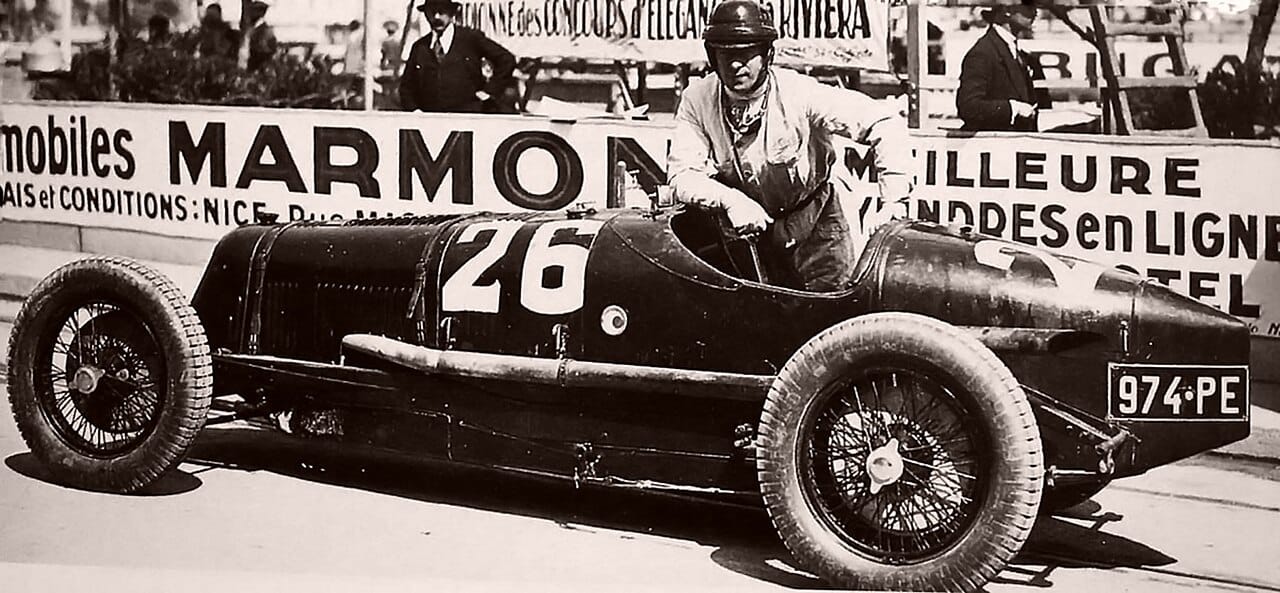
More than any statistic, Monaco is defined by its image, a byword for wealth, glamour, and the leisure of the very rich. Its harbour bristles with the yachts of billionaires, its casino draws high society, and its famous absence of income tax has made it a magnet for the world's fortunes, from business magnates to sporting stars. Nowhere is the spectacle more concentrated than in the Monaco Grand Prix, held on the principality's streets since 1929, a Formula One race threaded through the narrow roads, tunnels, and harbourside of the city itself. Slow, tight, and hemmed by barriers, it is one of the most prestigious and glamorous events in motorsport, a weekend when the world's attention, its cameras, and its wealth converge on the tiny state.
Monaco has a population of around 38,000 people packed into its tiny area, making it the most densely populated country in the world. Remarkably, native Monégasques are a minority in their own country, outnumbered by French, Italian, and other foreign residents drawn by the principality's wealth and tax regime, among them many of the world's richest people. French is the official language, with Italian, English, and the traditional Monégasque dialect also heard. The population is concentrated in the principality's famous districts, including Monte Carlo, on its crowded Mediterranean hillsides.